
Created by the Kawaii Vibe editorial team. Our named style desks are editorial personas. Product details and availability can change.
Quick answer: let the watch be the loudest thing on that wrist, then keep everything else quieter. One thin bracelet, one or two slim rings on the opposite hand, and a strap width that sits in proportion to your wrist. That is most of the formula.
A playful watch already has a lot going on: colour, shape, maybe a charm or a heart. Stacking more loud pieces next to it tends to turn into visual noise. The trick is deciding what supports the watch and what competes with it.
This guide walks through placement, metals, colour, ring choices, layeringWearing pieces over or under one another to add depth, warmth or contrast., strap width, and a few full outfit combinations. Browse the Kawaii Watches collection alongside it if you want to compare shapes as you read. Measurements here are general styling guidance, not product specs, so check each listing for what is actually stated.
Start With One Hero Piece
Every good wrist stack has a hero. If the watch is the statement, treat it that way. That means the bracelet next to it should be thinner, simpler, or more muted than the watch face and strap. If you catch yourself wanting to add a fifth charm to a bracelet, the watch is probably already doing enough.
A useful test is the squint test. Look at your wrist from arm's length and half close your eyes. If your eye lands on the watch first, the stack works. If it bounces between three things, remove one. It sounds fussy, but it takes ten seconds and saves you from the cluttered look.
Think in volume rather than count. Three very fine chains can read as quieter than one chunky bangle. So the question is not how many pieces, it is how much visual weight sits beside the watch. Keep the weight low and the watch gets room to be cute.
Also decide which wrist is the watch wrist before you pick anything else. Most people wear it on the non-dominant hand, but there is no rule. Whichever you choose, the other hand becomes your place for rings and bolder bracelets, which keeps the balance easy.
- Pick one hero: the watch
- Thin or muted pieces next to it
- Judge visual weight, not item count
- Use the other hand for extra shine
Pick Your Watch Shape First
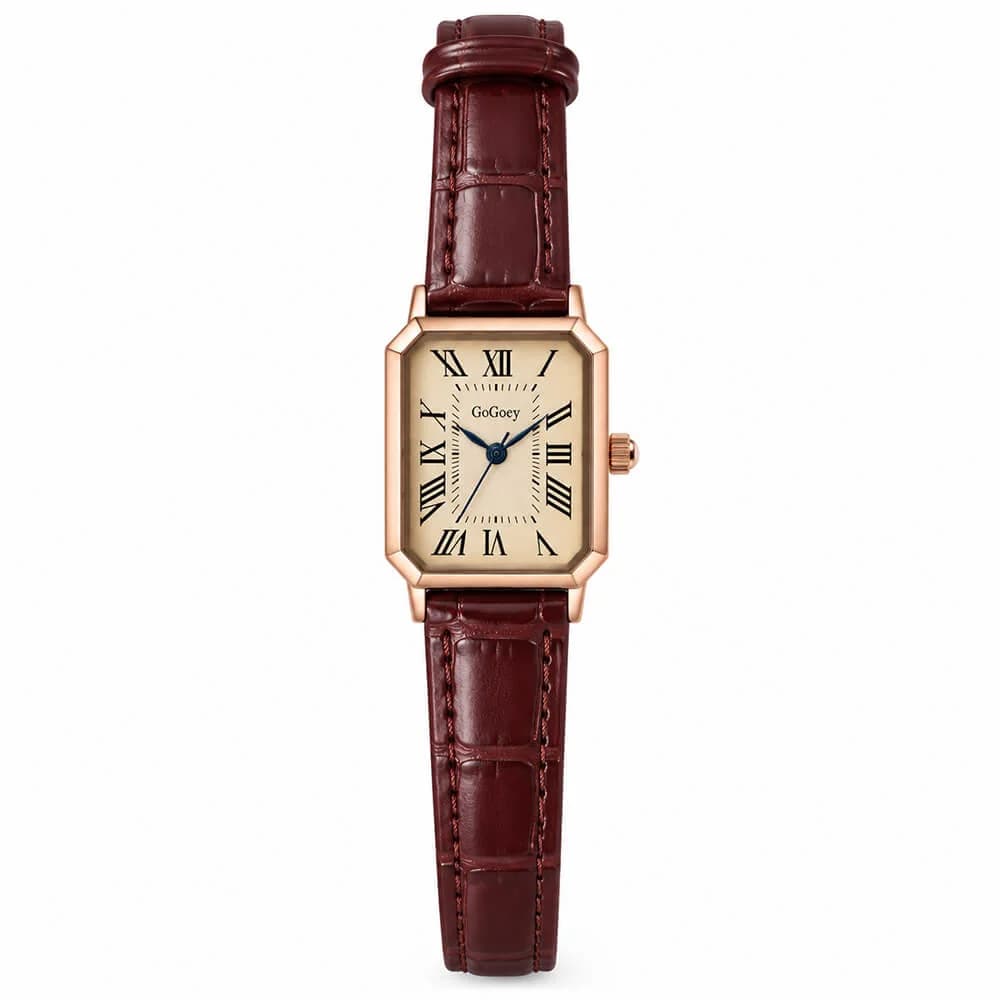
Shape decides how everything else sits. A square or rectangular case has strong corners and looks neat with straight, slim bracelets. The Vintage Style Square Watch comes in Red, White and Black, and a square case like that pairs nicely with clean geometric rings rather than lots of curvy ones.
Oval and round cases are softer. The Old Money Style Oval Watch is listed in Gold and Silver, and an oval face suits delicate chain bracelets because the curves echo each other. If you want a more dressed-up feel, keep the metal tone matched to the case.
Then there are watches built like bracelets. The Dark Academia Bracelet Watch is offered in options A to D, so check the listing images to see which look you prefer. A bracelet-style watch already acts as jewellery, so you may need fewer extras beside it.
If your style leans sweet and bright, a coloured case gives you the playful side. If it leans calm and vintage, a metal case lets rings and bracelets do the sparkle. Neither is better, they just call for different supporting pieces.

Metal Tones: Matching and Mixing
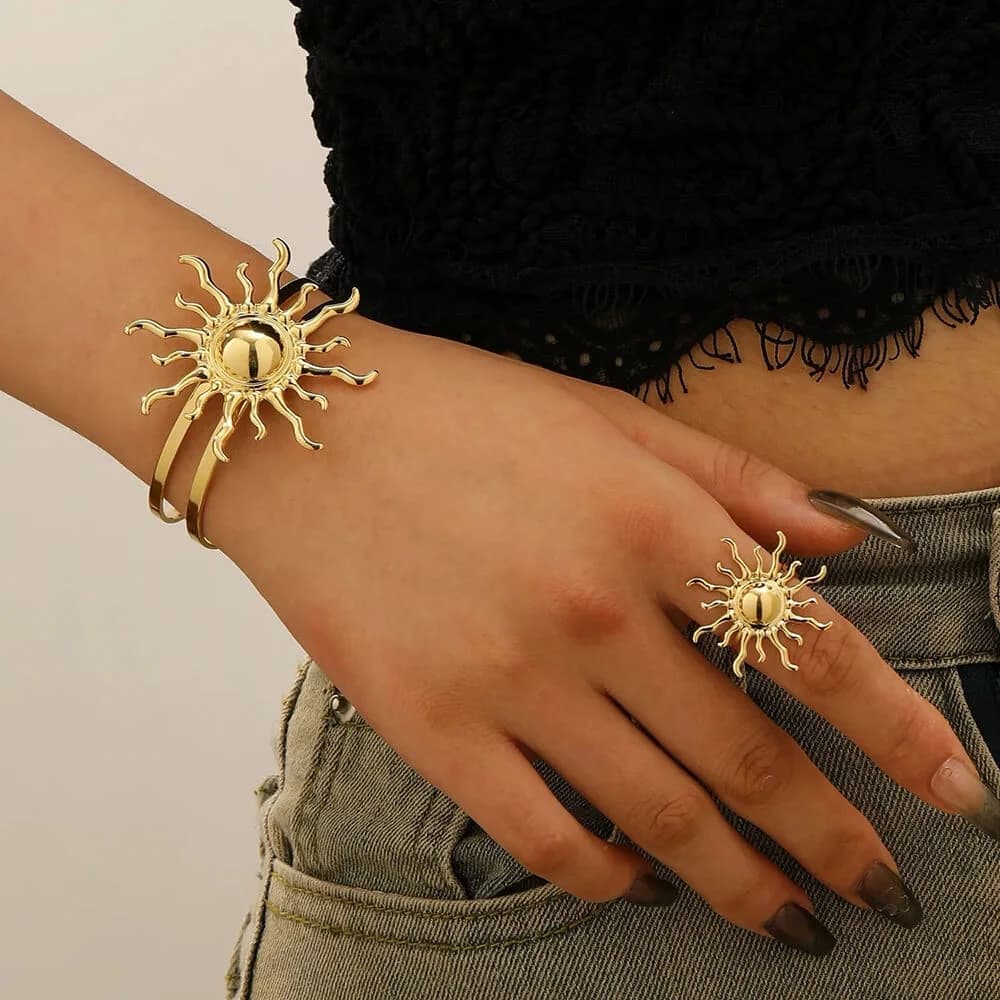
Matching metals is the easiest route. If the watch is gold-toned, choose gold-toned rings and bracelets and the whole look feels planned. Silver does the same. This is a good default when you are building a stack for the first time and do not want to overthink it.
Mixing can look great too, but give it a reason. A common approach is to have one piece that bridges both tones, like a bracelet with gold and silver links, then place it near the watch. Without a bridge, mixed metals can look accidental. Another trick is to mix across hands: gold watch on the left, silver rings on the right, with one gold ring to link them.
For quick comparison, the Vintage Style Oval Watch Bracelet is listed in Gold and Silver and made of zinc alloy per the listing. Having both tones available means you can choose to match whatever rings you already own rather than buying around them.
Be careful with colour accents. A red strap and a gold case is already two colours. Adding silver as a third can tip things busy. In that case, matching the case metal is safer.
- Match metals when unsure
- Mix with a bridge piece
- Limit total colours on one wrist
- Check existing rings before you buy


Choosing Strap Width for Your Wrist
Here is the practical rule. Slimmer wrists usually look balanced with narrower straps, and larger wrists can carry wider ones. A wide strap on a small wrist can swallow it, while a very thin strap on a broad wrist can look like a string. It is a proportion question, not a right or wrong one.
To work out where you sit, measure your wrist with a soft tape or a strip of paper you then hold against a ruler, just above the wrist bone. Write the number down. Then compare it to the strap width and case size in the listing, but only where the listing actually gives them. If a product page does not state a size, do not guess. Ask customer support or choose based on the photos.
A helpful visual check is the case-to-wrist ratio. The case should not hang over the edges of your wrist when you turn your hand. If the corners poke past the sides, the case is too big for that wrist. If it looks lost in the middle with lots of bare skin around it, it may be on the small side, which can still be cute if that is your goal.
Also remember the strap is only half the story. A wide, flat strap spreads weight, while a chain-style band sits finer. Think about how you want it to feel through a long day, and be honest about whether you fidget with your wrist while typing.
Thin Wrists, Average Wrists, Broad Wrists
For smaller wrists, aim for smaller cases and slimmer bands. Keep the stack minimal: the watch plus one very fine bracelet, kept on the far side of the watch so the wrist is not wrapped up in layers. A small oval or a delicate bracelet-style watch tends to look intentional rather than oversized.
For average wrists, you have the most freedom. You can wear a medium case with one slim bracelet either side, or two fine chains together on one side. Try different layouts in a mirror and photograph them. Photos flatten things the way other people see them in a quick glance.
For broader wrists, a slightly larger case or wider band often looks more balanced. You can also stack a bit more, such as two or three slim bracelets, because there is more space. Chunkier shapes like squares hold up well here. The aim is the same: the watch stays the hero.
One note: adjustability matters more than the label. If a listing says one size or standard, check whether the band adjusts and what range is given. If that is not stated, treat fit as unknown and look at the photos and any size notes before ordering.

How to Place Bracelets Next to a Watch
Placement is where most stacks go wrong. The simplest layout is the watch alone on one wrist, with a bracelet worn higher up the forearm, a hand's width away. That gap gives the watch breathing space and stops the two from clanking together.
If you want them touching, keep the bracelet thinner than the strap and in a similar colour family. Put it on the side of the watch away from your hand, since a bracelet sitting between the watch and your hand can get in the way when you type or lean on a desk. Slim, flexible chains are more comfortable here than stiff bangles.
Avoid stacking a rigid bangle right against a watch case. They knock against each other, and the case can pick up scuffs. If you love bangles, wear them on the other wrist.
You can browse the Bracelets collection with this layout in mind. Look for simple chains, small beads or a single charm, and skip anything with a big dangling element that will catch on the watch strap.
- Gap of about a hand's width keeps it airy
- Bracelet thinner than the strap
- Rigid bangles on the other wrist
- Skip big dangles near the watch
Rings That Support the Watch
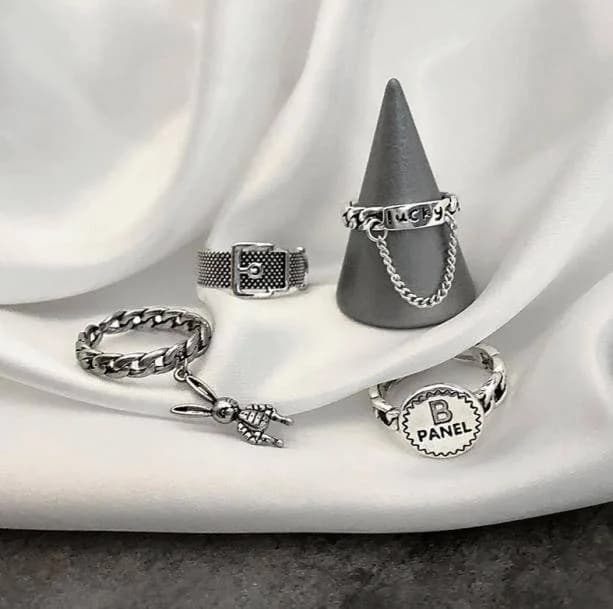
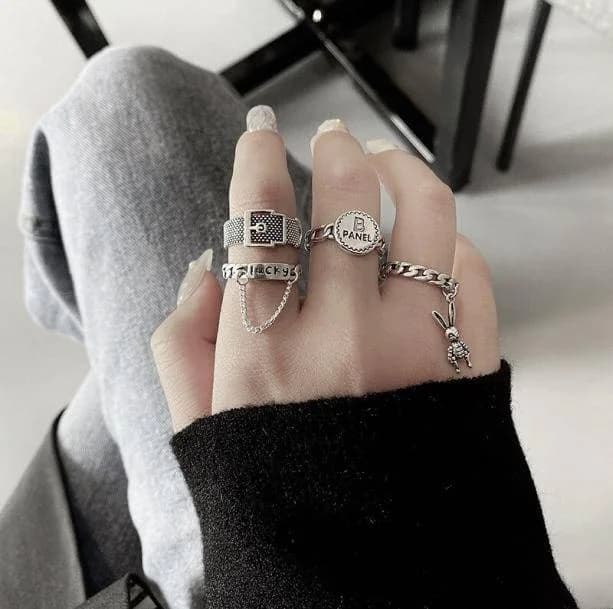
Rings on the same hand as the watch are visible every time you move your wrist, so they count as part of the stack. Keep them slim. One or two fine bands, or a single small statement ring, is plenty. If the watch has a bright face, a plain metal band lets it shine.
On the opposite hand, you can be a bit bolder. A small stone ring, a bow shape, or a stack of two thin bands on different fingers all work. Placing rings on different fingers rather than all on one makes the hand look lighter. Index and ring fingers are a popular pair, but use whatever feels comfortable.
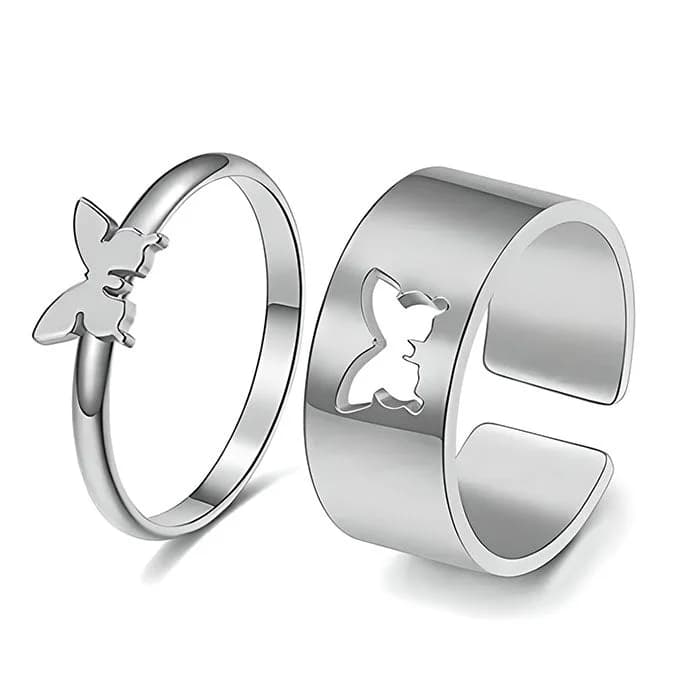
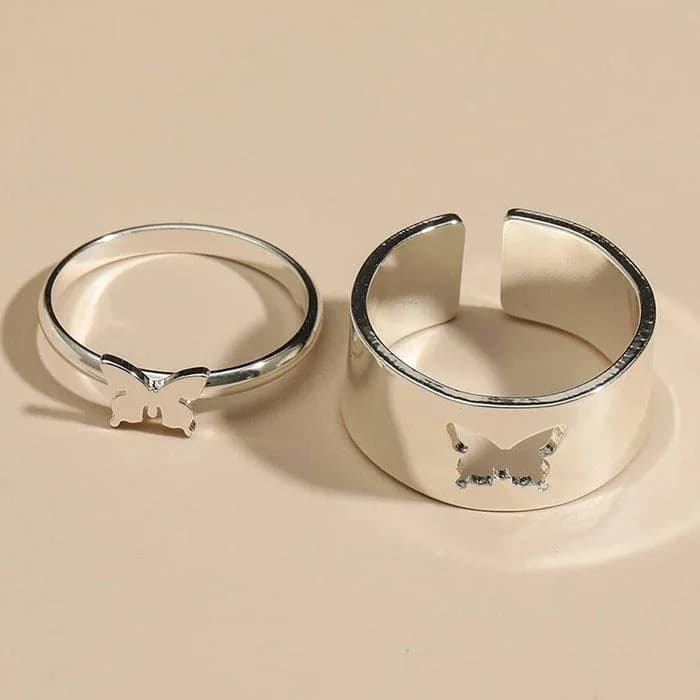
Match the ring style to the watch shape. Geometric rings go with square cases, and rounded or heart shapes go with ovals or round faces. The Aesthetic Rings collection is a handy place to compare styles and metal tones side by side.
Comfort counts too. If you type a lot, chunky rings on the watch hand can press against the keyboard or catch on your sleeve. Save those for the days you are out and about.
Sweet Pops: Adding Colour Without Chaos
Kawaii styling loves colour, but the safest approach is picking one accent colour and repeating it. If the watch has a pink strap, a pink bead in a bracelet or a pink stone ring repeats the idea. Repetition looks deliberate; a rainbow of unrelated colours looks scattered unless that is exactly your goal.
The Old Money Aesthetic Watch Bracelet is listed in Green, Yellow and Pink with a zinc alloy build. Pink works well if you want a sweet tone, while green reads calmer. Pick the colour you already have in your wardrobe so it ties in with clothes, not just with jewellery.
Another way to add colour is through earrings and keep the wrist cleaner. The Kawaii Strawberry Earrings come in Strawberry and Cherry options, and the Kawaii Lollipop Earrings come in Pink, Red, Yellow and Blue. The lollipop listing mentions resin with a zinc alloy metal type. Putting the fun near your face means your wrist stack can stay quiet.
If you are unsure, use the two-colour rule: one accent plus one metal. Anything beyond that, ask whether it is earning its place.
- Choose one accent colour and repeat it
- Use earrings to carry extra fun
- Two-colour rule: accent plus metal

Outfit Combo: Everyday Casual
Picture a plain white tee, relaxed jeans and clean trainers. That is a blank canvas, so the watch can do the talking. Try the Vintage Style Square Watch in Red on one wrist, with nothing else on that side. On the other hand, add two slim silver or gold rings, matching whichever tone suits the case.
Why it works: the outfit is simple, so a single bright red watch looks like a deliberate pop rather than random. Rings are small, so they add sparkle without competing. If you want a bit more, add a thin chain bracelet on the opposite wrist, not the watch wrist.
Adapt it by weather. In warm conditions, short sleeves show everything, so keep the stack minimal to avoid sweaty, sticky layers. In cooler weather, sleeves cover the forearm, so the watch needs to sit comfortably under a cuff. A slim case slides under knit cuffs more easily than a tall one, so check the look before heading out.
For work-from-home days, skip chunky rings and go for the watch plus one simple band. It stays cute and does not clack on the desk.

Outfit Combo: Dressy and Polished
For a dinner or a smarter day, think a slip skirt or tailored trousers with a fitted knit or shirt. The Old Money Style Oval Watch in Gold or Silver suits this. Keep it close to your wrist bone, and pair it with a thin chain on the opposite wrist in the same metal.
Rings can go a touch more refined: a single small stone ring or two fine bands. Avoid combining a delicate oval watch with bulky novelty rings. The contrast can work if intentional, but for a polished look keep shapes calm.
If you want a playful note, bring it in through the Kawaii Jewelry collection with something small near the neckline or ears, such as the heart-themed Queen of Hearts Watch Necklace, listed in Gold/red with zinc alloy. As a pendant style it can sit over a plain top and make the outfit feel cute without crowding the wrist. Check the listing for length and how it hangs before planning around it.
Weather note: layers like blazers and coats cover the wrist, so choose a slim case that does not catch on cuffs when you reach for things.
Layering Necklaces and Earrings Around the Watch
The watch is not the only place for personality. Spread the interest across your body so the wrist does not carry everything. A good split: watch on the wrist, one small statement at the ears, and either a necklace or rings, not all of them.
If you wear a pendant with a red or pink detail, echo that colour in the watch strap or in earrings. The Strawberry or Cherry earrings could repeat a red watch, for example. This gives a quiet link between different areas of the outfit, which is what makes a look feel put together.
Avoid matching everything exactly. Perfectly matched sets can look costume-like. Aim for a family resemblance: same colour, or same metal, or same mood. Two out of three is plenty.
When you want a break from sweetness, add one grounded item such as a plain chain or classic band. Contrast keeps cute from tipping into too much, and it lets the playful pieces stand out more.
Common Pitfalls and Quick Fixes
The first mistake is too many charms in one place. If the watch has a decorative element, skip charm bracelets on the same wrist. The second is mismatched scale, like a tiny watch buried under chunky bangles. Keep the support pieces smaller than the hero.
Another is ignoring movement. Dangling bracelets can hook on watch straps and sleeves. Walk around, reach for a cup, and type for a minute before you leave the house. If something snags or clicks, move it.
Be wary of assuming fit. Not every listing gives dimensions, and the product details here only state what is on the page. If strap length, case size or water resistance is not listed, do not assume. Contact support and ask before relying on it, especially for activities involving water or sweat.
Finally, think about care. Costume-style jewellery and fashion watches generally last longer when kept dry and stored apart from other pieces. Follow whatever care notes the listing provides.
- No charms next to a decorative watch
- Keep support pieces smaller than the hero
- Test movement before heading out
- Do not assume sizes or water resistance
How to Compare Options Before You Buy
Set your wrist measurement next to the listing details. Note case shape, colour options, metal type and anything about the band. If something is missing, make a short list of questions to send to the store. It is quicker than guessing and returning.
Then compare in the context of what you already own. Lay out your rings and bracelets and ask whether the new watch would work with at least three of them. If it works with only one, consider whether you are willing to buy more pieces to support it.
Look at colour options with your wardrobe, not in isolation. A black or white version might pair with more outfits than a bright one, while a bright one gives a stronger statement. Both are valid choices depending on whether you want a daily staple or an occasional pop.
Last, think about frequency. A watch you will wear weekly can be simple and versatile; one for occasional outfits can be bolder. The Kawaii Watches collection is a good place to sort by that thinking.
Final Checklist and Quick Recipes
Before you head out, run through the list below. It takes under a minute and catches most problems. If you can say yes to most of it, the stack is ready.
Quick recipes to try: one, bright watch plus two slim rings on the other hand. Two, metal oval watch plus a matching fine chain on the opposite wrist. Three, bracelet-style watch alone, with colourful earrings carrying the fun. Four, square watch with a single geometric ring and nothing else. Each is easy to adjust by swapping the metal or accent colour.
If you want to build slowly, buy the watch first, live with it for a couple of weeks, then add one piece at a time from the Bracelets or Aesthetic Rings pages. You will quickly learn what you reach for and what sits in the drawer.
Styling is flexible, so treat all of this as a starting point and change it to suit your wrist, your clothes and your mood.
- Watch is the hero and clearly visible
- Strap and case suit your wrist measurement
- Metals matched or deliberately bridged
- One accent colour repeated
- Nothing snags, clacks or pinches
- Sizes confirmed from the listing or support


