Created by the Kawaii Vibe editorial team. Our named style desks are editorial personas. Product details and availability can change.
Short answer: start with a chunky or worn-looking knit, add loose or straight trousers in a moss, brown or charcoal shade, then finish with one or two pieces of jewellery that look found rather than bought. That is masc fairy grunge in one sentence. No dress required, no costume wings, no glitter.
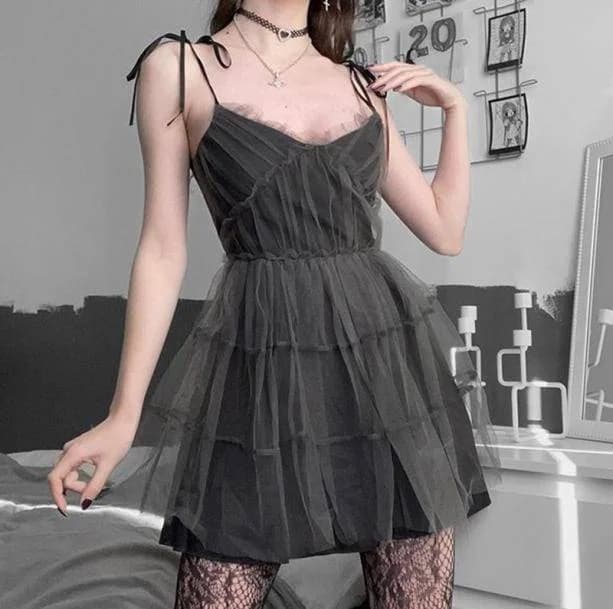
Fairy grunge is usually pictured with lace, skirts and butterflies. But the real ingredients are texture, softness, a bit of mess and a woodland palette. All of that works on a masc or androgynous frame, and plenty of it works better when you stop trying to copy the dress version.
This guide covers the base pieces, five outfit formulas, proportions, colours, weather, jewellery, how to compare options, mistakes to dodge and a checklist. Some optional items from our shop are mentioned where they fit, and you can ignore any of them.
The quick formula
Pick one soft top layer, one structured bottom, one earthy accent and one small shiny or beaded detail. Soft plus structured is what keeps the look grunge instead of sleepy. Earthy plus small shiny is what makes it fairy instead of just outdoorsy.
If you only change one thing in your current wardrobe, change the texture. A flat cotton tee becomes much more fairy grunge as a fuzzy, loose or visibly worn knit.
Example: an oatmeal knit with a slightly stretched neckline, dark olive straight trousers, scuffed boots and a beaded bracelet. Four decisions, done. Everything after this is variation.
What makes it masc without becoming a costume
Masc fairy grunge borrows the mood, not the silhouetteThe overall shape an outfit creates, from fitted to loose and layered.. You keep boxy shoulders, straight legs, heavier shoes and plain cuts, then add softness through fabric and colour rather than frills.
A good test: remove the accessories in your head. If the outfit still looks like normal clothes you would wear to the shops, the fairy part is subtle and wearable. If it only works with a crown of leaves, it is cosplay. Nothing wrong with cosplay, but it is a different brief.
Keep decoration small and asymmetric. One patch, one fraying hem, one charm. Symmetry and matching sets read tidy, and tidy fights the grunge side.
Knits are the foundation
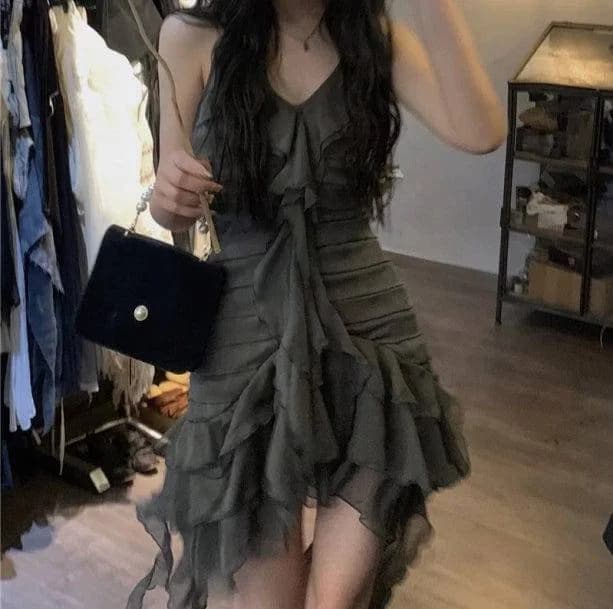
Knits do most of the work here because they carry texture, drape and colour all at once. Look for open stitches, mohair-style fuzz, cable, or a slightly oversized fit with dropped shoulders. Browse the sweaters collection for shapes and tones that suit the palette below.
Colour order of usefulness: moss or sage, oatmeal, faded brown, dusty charcoal, then a single muted accent like rust or dull plum. Avoid bright primary colours, which pull the look toward sporty or preppy.
Fit matters. Go roomy through the body and let the sleeves hit past the wrist, so your hands peek out. Cropped is optional, but a hem that sits at mid-hip balances straight trousers well.
When comparing two knits, check the neckline (a wide crew or slouchy V feels softer than a tight one), the weight described in the listing, and whether the fibre is listed. If it is not listed, do not assume it is wool.
Trousers and the lower half
Your bottom half anchors everything. Straight, relaxed or slightly wide legs in cord-like, canvas-like or washed tones keep the outfit grounded. The pants collection is a good place to compare cuts and colours.
Dark olive, brown, black and faded grey are the safest. Pale khaki can work but makes the outfit read more utility than forest. Avoid very skinny legs under a big knit, since the shape turns top-heavy and loses the woodland slouch.
Hem placement is an easy detail. Let trousers sit just on top of boots with a small break, or cuff them once to show a sock. Frayed or slightly uneven hems add the grunge note without extra items.
If you like layered textures, wear a longer layer over trousers, such as an open overshirt or long cardigan, so the leg line is broken up in a soft way.
Five outfit formulas to copy
These are starting points. Swap colours and pieces freely.
Each one follows the same rule: soft top, grounded bottom, small detail.
- Moss mohair-style sweater, black straight trousers, heavy boots, one beaded bracelet. Why it works: fuzz against flat fabric, dark legs keep it grounded.
- Oatmeal cable knit over a white tee with the hem showing, brown wide-leg trousers, canvas sneakers, a cord necklace. Why: the tee hem adds a layer line and the palette stays warm.
- Faded brown long-sleeve top, olive cargo-style trousers, a charcoal open cardigan on top. Why: three earth tones with different textures never look flat.
- Black oversized sweater with a worn look, grey straight jeans-style pants, silver rings, a small charm on a chain. Why: darker and moodier, good for evenings.
- Beige patterned top under a loose knit vest, dark trousers, mismatched earrings. Why: peeking pattern gives the fairy touch without going full print.
Using fairy tops without a skirt
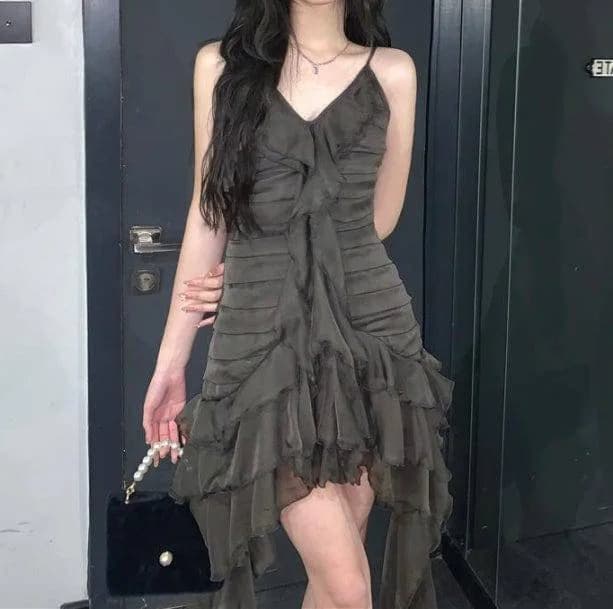
Butterfly and patch details are the most recognisable fairy grunge signals, and you can wear them with trousers just fine. The Fairy Grunge Butterfly Patch Top comes in beige or white (cotton and polyester, sizes S to L) and could sit under an open knit or cardigan, with only the patch showing at the chest.
The Fairy Grunge Butterfly Long Sleeve Top is listed in brown in polyester, S to L. Brown is easy to pair with olive or charcoal trousers, and a long sleeve fits the sleeves-past-wrist idea. Layer it under a boxy sweater so the cuffs and collar show.
Size note: both run S, M, L in the listing, so if you want a roomy fit, compare against a top you already own rather than guessing. We do not list measurements here, so check the product page for what is available.
These are optional. A plain brown long sleeve plus a thrifted patch does the same job.


Jewellery and small details
Jewellery is where fairy shows up most easily. Think beads, charms, thin chains, rough stones and mismatched pieces. Wear two or three items at most, and let one be slightly odd.
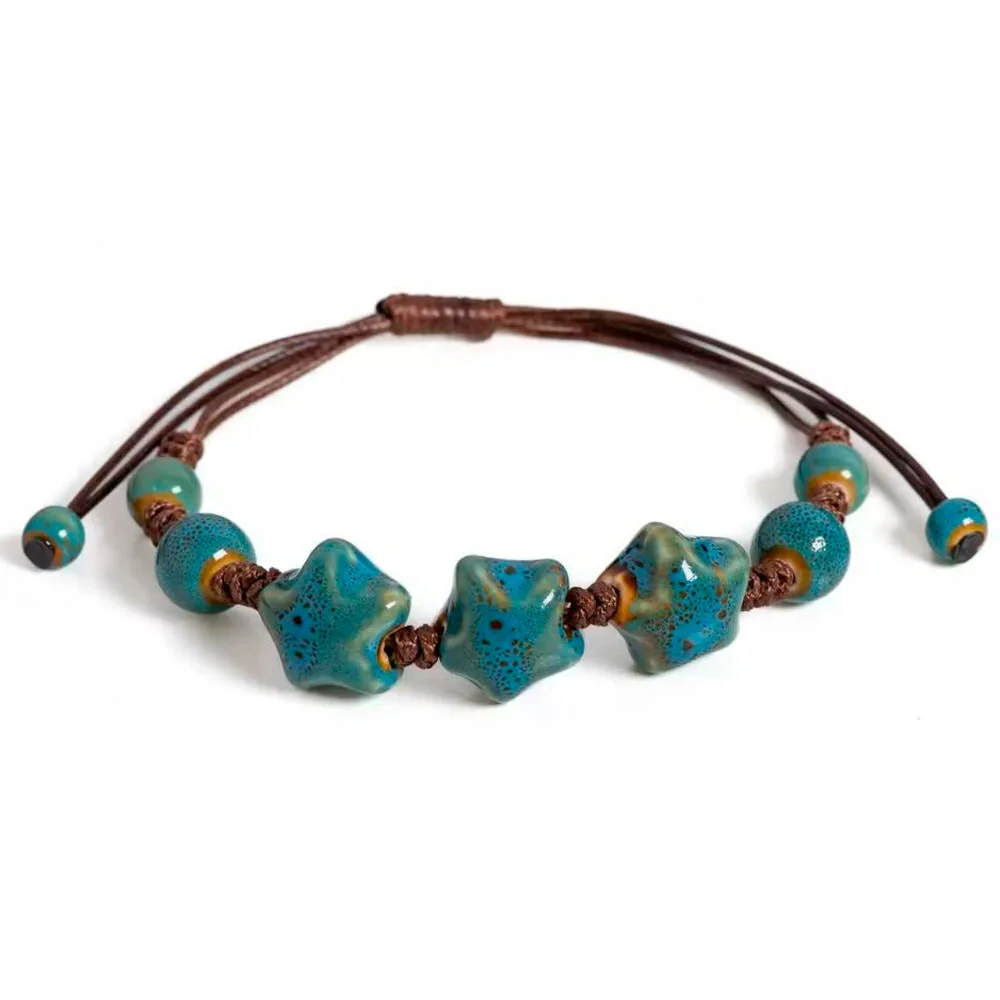
The Fairy Grunge Star Bead Bracelet comes in red, brown or blue. Brown fits the forest palette easiest, while red or blue works as the single accent colour against an all-neutral outfit. It sits at the wrist, right where a long sleeve ends, so it shows without effort.
Placement tips: stack a bracelet with a watch or a plain cuff, wear a cord necklace at collarbone length so it tucks under a knit neckline, and use rings on the middle or ring finger rather than all ten.
Hair clips, a single braid, or a loose bandana can also carry the fairy note if you do not wear much jewellery.
Colour, texture and layering rules
Stay within three main colours, plus one accent. Good trio: moss, brown, black. Another: oatmeal, charcoal, rust. Muted always beats bright.
Mix at least two textures. Fuzzy with smooth, knit with canvas, lace with heavy cotton. If everything is the same texture, the outfit goes flat even with good colours.
Layer in odd numbers when you can: tee, knit, open overshirt. Let hems peek at different lengths. A slightly longer under layer is more grunge than perfectly lined edges.
For a touch of goblin energy, bring in mossy greens, mushroom tones and well-worn pieces from the Goblincore collection. For a lighter, airier mood, the Fairycore collection has softer shapes you can borrow one item from. Aim for one borrowed piece, not a full switch.
Optional skirt and tights ideas for a looser take
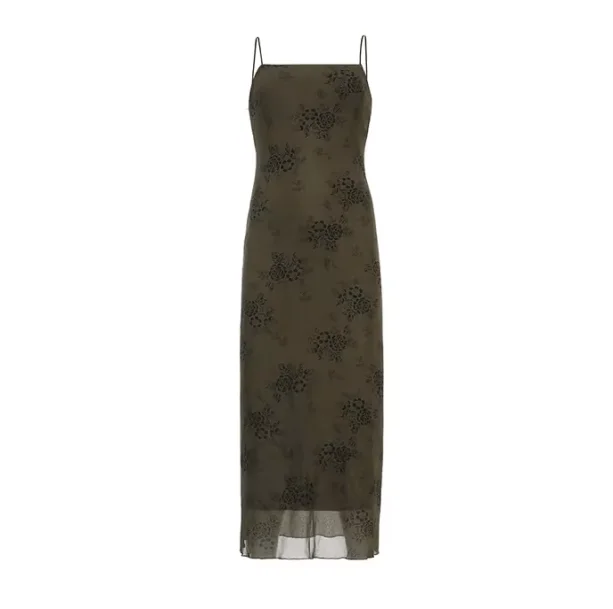
Some masc and androgynous dressers like skirts, and some do not. Both are fine. If you want to test one without a full dress, a long skirt over trousers or under a big sweater is an easy experiment.
The Fairy Grunge Butterfly Maxi Skirt is listed in beige/black, polyester, free size. The Fairy Grunge Asymmetrical Skirt is brown, polyester, S to L. Either one can go with a boxy knit and boots for a look that feels more layered than feminine.
The Fairy Grunge Aesthetic Lace Tights are brown nylon, listed as one standard size. Wearing them under ripped or cuffed shorts or beneath a skirt adds a lace texture in a muted shade.
If you want to browse the full range of options, the fairy grunge aesthetic clothes collection shows everything together. Skip anything that does not feel like you.

Weather and practical wear
Layers make this style easy to adjust for any climate. Cooler days: knit, long sleeve base and heavier trousers. Warmer days: a lighter top, thinner knit tied at the waist or draped over your shoulders, and breathable trousers.
Polyester and nylon items are common in the listings above, so for hot or humid days, check how you feel in similar fabrics before committing. For cold days, think of thin items as base layers rather than the main warmth.
Rain and mud suit the look. Dark colours hide marks, and boots finish the outfit. Keep a spare layer in a bag so you can add or remove softness through the day.
Wash knits following the care label on whatever you buy, especially around any delicate finishes or knit structures, so check the garment's wash tag and product details.
Pitfalls to avoid
Most misses come from the same few things.
Fix these and the look improves quickly.
- Too many motifs at once. One butterfly is a detail, five is a theme party.
- All pieces the same size. Mix a roomy top with a straighter leg, or the reverse.
- Bright colours. They break the forest palette fast.
- Skipping shoes. Sleek sneakers or dress shoes can flatten the mood; boots, worn trainers or sturdy sandals work better.
- Over-accessorising. Three jewellery pieces is plenty.
- Buying from photos alone. Read material and size details on the listing, and leave room for fit.
Quick checklist before you buy or leave the house
Run through this list when building a new outfit or shopping. It takes a minute and catches most problems.
If you answer yes to most, you are set. If not, change one item rather than starting over.
- Is there one clear soft, textured layer?
- Are the trousers or bottoms simple and grounded?
- Do the colours stay within three muted tones plus one accent?
- Is there a visible small detail such as a bracelet, charm or patch?
- Do the shoes feel sturdy and slightly worn rather than polished?
- Did I check the material and size options on the product page?
- Can I add or remove a layer if the weather changes?
- Would I wear this on a normal day, not only for photos?
A worked example: building one outfit from a single knit
Say you already own a grey-brown jumper with a slightly baggy fit and a pair of black straight trousers. That is enough to start, and the point of this example is to show how little you need to add.
Step one: look at the knit and decide what it is missing. If it is smooth and flat, it needs texture elsewhere. If it is already fuzzy, keep everything else plain. Step two: choose the under layer. A white or cream tee with the hem hanging an inch below the knit gives you a line of contrast. Step three: pick the bottom. The black trousers work, but cuffing them once to show a sock in moss or rust brings in the woodland tone without buying anything new.
Step four: add one found-looking piece. A cord necklace, a single bead bracelet or a mismatched pair of earrings is plenty. Step five: check the shoes. If they are clean and glossy, scuff-friendly boots or older trainers will suit the mood better.
Total new purchases: possibly none. That is a useful way to test whether the style suits you before spending. If you enjoy wearing it for a week or two, then look for the gaps, such as a better green knit or a brown trouser, rather than buying a whole new set.
Choosing your first purchase: a quick decision guide
If you are unsure where to spend, work out what your current wardrobe lacks most. Most people are missing one of three things: a textured top, a muted-colour bottom, or a small accent. Pick the weakest area and shop only for that.
For a textured top, start with the sweaters collection and filter by eye for moss, oatmeal or brown. For bottoms, the pants collection is the place to compare straight and wide cuts in dark earthy tones. For a gentle push toward the aesthetic without changing your silhouetteThe overall shape an outfit creates, from fitted to loose and layered., browse the fairy grunge aesthetic clothes collection and pick a single accessory or layeringWearing pieces over or under one another to add depth, warmth or contrast. piece.
- Own mostly black and grey? Add one moss or brown knit first.
- Own lots of colourful tops? Buy neutral trousers and let the existing tops go under a darker knit.
- Own plain basics only? Start with an accent: a bracelet, a patch top worn under a cardigan, or a charm.
- Own everything but it feels dull? Swap shoes to something heavier and re-cuff your hems before buying anything.
Adapting the look to different masc styles
Masc is not one look, so the same ingredients shift depending on where you start.
If your baseline is streetwear, keep the baggy trousers and trainers, then swap the graphic hoodie for a mohair-style or cable knit in a forest shade. Replace logo caps with a plain beanie or no hat. Jewellery can stay chunky, just choose beads or stone instead of shiny chain.
If your baseline is smart-casual, loosen up. Leave the collar of an overshirt unbuttoned, choose a knit with a visible worn texture rather than a fine gauge, and let your trousers be a little too long. The aim is to look as though you walked through a field in your good clothes.
If your baseline is workwear or outdoorsy, you are halfway there. What is missing is softness and a hint of delicacy: a thin bracelet, a pale patterned top peeking out, a knit in dusty plum or sage instead of navy.
If your baseline is goth or punk, keep the black but trade leather and metal for wool, cord and beads in one or two places. Pieces from the Goblincore collection can help move the palette toward mushroom and moss without losing the darker mood.
Fixing an outfit that feels off
When something looks wrong but you cannot say why, check these in order. It is usually one of them.
First, texture: if the whole outfit is smooth, add or swap one fuzzy, ribbed or worn item. Second, proportion: if both top and bottom are roomy, tighten one, or add a longer layer to give shape. Third, colour: count the colours and remove or tone down the loudest one. Fourth, finish: if everything looks new and crisp, add something visibly lived-in, such as boots with scuffs or a knit that has softened.
Last, check the mood. If the outfit feels sweet rather than grunge, add a darker or rougher element. If it feels messy rather than soft, simplify to one texture contrast and remove an accessory. Changing one thing at a time makes it easier to learn what your own version of the style needs.