Created by the Kawaii Vibe editorial team. Our named style desks are editorial personas. Product details and availability can change.
Matching bag charms to your favorite everyday carry is one of the easiest ways to add personality to an outfit, but it is surprisingly easy to cross the line from curated to cluttered. When charms are too heavy, they pull shoulder straps out of shape, scrape delicate bag surfaces, and produce a distracting clatter with every step you take. When they are too tiny or scattered, they look like an accidental tangle rather than an intentional accessory.
Finding the right balance comes down to treating your bag as an anchor and your charms as accents. By evaluating the structure of the bag, the scale of each piece, and how colors interact with your overall outfit, you can build a setup that feels playful without feeling messy. Whether you carry a slouchy canvas tote to class or a compact structured shoulder bag for evening outings, practical placement principles will keep your accessories looking effortless.
In this guide, we break down charm styling into clear steps. You will find rules for selecting base focal pieces, guidelines for pairing hardware tones, before-and-after formulas, and straightforward tips to keep your bags comfortable and functional all day long.
The Baseline Rule: Establish One Focal Charm First
The quickest way to overload a bag is to clip on several items that compete for the exact same amount of visual attention. When you have three large plushies, a long beaded loop, and several metallic trinkets clustered together, the eye does not know where to land. Instead of creating a fun charm cluster, the setup reads as disorganized bulk that gets in your way when you try to open the main zipper.
To avoid this, pick exactly one hero piece before adding anything else. Your focal charm should be the item with the most visual weight, whether that comes from its physical dimensions, an expressive character shape, or an eye-catching texture. If your anchor is a plush pendant, let that be the centerpiece. If you prefer metallic hardware, choose one substantial key ring or pendant as the primary drop. Once your hero is in place on your bag ring or strap base, any secondary items should be visibly smaller and quieter.
This approach keeps your accessory functional because you immediately know what to subtract if the bundle feels too bulky. When you browse through kawaii accessories, prioritize finding that single piece that reflects your day-to-day mood, and keep the secondary attachments lean and deliberate.
- Choose one item that is noticeably larger or more detailed than the rest.
- Add no more than one or two whisper-weight companion pieces.
- Remove secondary pieces immediately if they obscure your bag's pockets or clasps.
Assessing Bag Structure: Canvas Totes vs Structured Leather
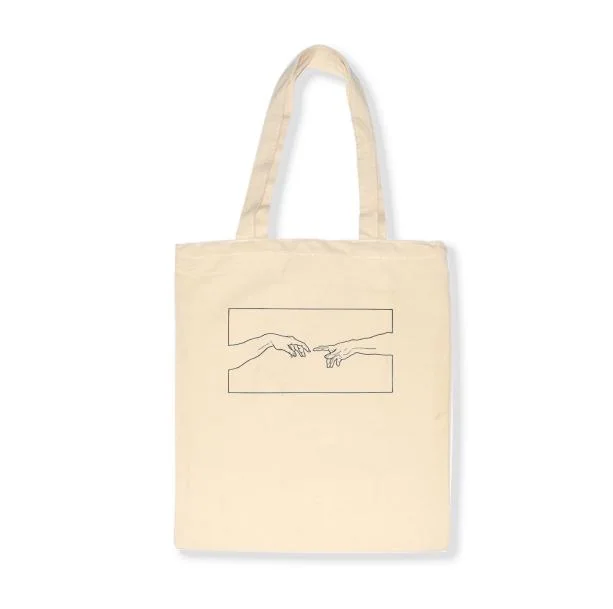
Different bags handle weight and movement in completely different ways, so the base material of your bag dictates what kind of charms you can safely attach. A soft canvas tote, for example, has no rigid walls. Heavy metal charms clipped to a thin cotton strap will pull the fabric down, causing the opening of the tote to sag unevenly and rub against your hip while walking.
Structured bags made of faux leather or coated material behave the opposite way. They maintain their silhouetteThe overall shape an outfit creates, from fitted to loose and layered. under weight, but their smooth finish is vulnerable to surface scratches from jagged metal edges or rough split rings. If you carry a firm satchel or mini bowling bag from our kawaii bags lineup, you want charms with rounded edges or soft tactile details that will rest against the exterior without scuffing the finish.
For canvas or lightweight nylon, prioritize fabric ribbons, light acrylic tags, or compact zinc pendants that swing freely without dragging the fabric down. For firm, boxy bags, make sure any dangling metal has a short drop length so it does not repeatedly strike against the panel as you walk.
Managing Charm Scale and Bag Proportions
Scale is the relationship between the physical size of your bag and the footprint of the charms you hang on it. A common styling mistake is pairing a micro shoulder bag with a massive, hand-sized plush. While extreme proportions can sometimes look intentional in editorial photos, in daily life a charm that exceeds one-third the height of the bag makes the bag look clumsy and difficult to open.
As a general rule, your entire charm cluster should occupy no more than one-quarter of the bag front's visible surface area. For a compact shoulder pouch, a slim metallic accent like a star or ribbon drop is plenty. You can even repurpose versatile small pendants, such as the Star Pendant Boot Charms, clipping them to an exterior zipper pull to give a tiny bag a crisp focal detail without swamping its proportions.
For larger bags, like a daily book tote or a weekend carryall, miniature charms tend to vanish visually. In that scenario, micro trinkets look lost unless they are clustered on a single connector loop. On large bags, pick an anchor piece that measures between three and five inches tall, then let that piece hang alongside a subtle secondary chain to hold visual presence against the wide fabric panel.

Hardware Matching: Silver, Gold, and Enamel Cohesion
Hardware finish is the subtle glue that holds your accessory look together. Most bags come with pre-installed hardware: brass buckles, silver D-rings, gunmetal zippers, or painted plastic pulls. When your charm clasps clash aggressively with the built-in metal parts of your bag, the combination feels accidental rather than styled.
You do not need an exact match in every instance, but aim for a shared temperature. Cool-toned bags with chrome, nickel, or silver zippers pair naturally with bright zinc alloy charms and steel split rings. If you want a cohesive look, using crisp cool hardware like the Butterfly Pendant Boot Charms clipped to a silver strap buckle creates an intentional metallic rhythm that matches the bag's existing zipper teeth.
If your bag has neutral plastic zippers or hidden closures, you have much more freedom. In that situation, pick hardware that echoes what you wear on your hands and neck. If you consistently wear cool-toned jewelry, opting for silver accents across your everyday carry creates a polished link between your bag and your personal outfit.

Color Coordination: The Rule of Three Accents
A chaotic charm cluster usually happens when too many unrelated colors fight for dominance on a single bag. If your tote is cream-colored, but your charms include bright red plastic, neon green silicone, pastel pink plush, and purple glitter resin, the setup quickly becomes visually overwhelming. Following a three-accent rule keeps things organized and cheerful.
The three-accent formula works by selecting one base color from the bag itself, one main accent color from your charm collection, and one secondary neutral or metallic bridge tone. For instance, if you carry a black shoulder bag, black is your base. You might choose pastel lavender as your main charm accent, and silver alloy as your bridge tone. Any charm you clip on should contain at least one of those three colors.
This rule allows you to mix different textures—like a fluffy yarn pom-pom, a printed acrylic disc, and a metal chain—without the bundle looking messy. It creates clear visual continuity across your aesthetic accessories, making even inexpensive pieces look thoughtfully curated.

Before-and-After: Styling the Slouchy Canvas Tote
The canvas tote is a wardrobe staple across campus, work runs, and weekend errands, but it is also the easiest bag to over-accessorize. Let us walk through a common styling scenario: a natural unbleached canvas tote with navy graphic lettering.
In the 'before' setup, the owner clips four mismatched keychains directly onto one shoulder strap: a heavy souvenir metal ring, a bulky plastic drink shaker toy, a frayed woven wristlet, and a large stuffed animal. The result is a strap that bunches uncomfortably against the shoulder, charms that bang painfully into the hip with every stride, and fabric that pinches into an awkward crease under the uneven weight.
In the 'after' setup, we strip away the noise. The strap is left clear so it sits flat and comfortable on the shoulder. We add an external split ring onto the base seam where the handle meets the bag body. Onto that single point, we hang one flat acrylic art charm and one clean silver pendant with gentle movement, such as the Heart Pendant Boot Charms. The charms rest flat against the front canvas, produce zero clatter, and keep the tote balanced and effortless.
- Before: Four disparate keychains on the strap causing pinching and shoulder slip.
- After: One flat acrylic charm paired with a clean metal heart pendant at the handle base.
- Why it works: Keeps weight low, prevents strap distortion, and avoids hip collision.
Before-and-After: Styling the Compact Crossbody
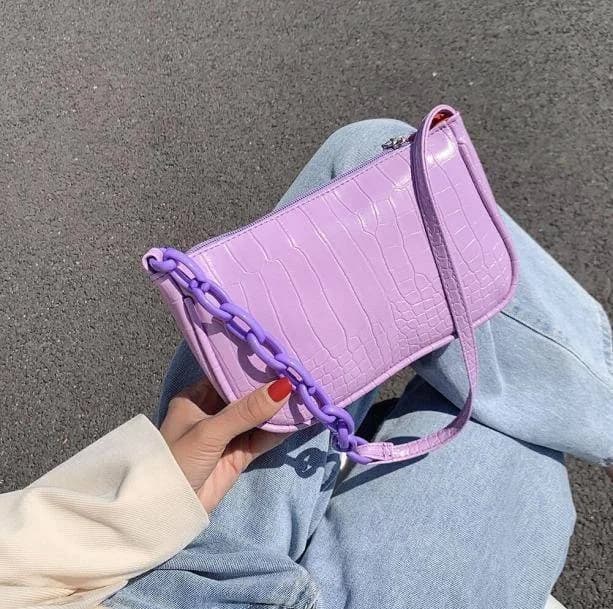
Small structured crossbodies have limited exterior space, meaning every item you attach makes an immediate visual impact. Let us look at a boxy black faux-leather crossbody with a top handle and silver hardware.
In the 'before' version, someone clips a long, eight-inch beaded phone lanyard and a wide puffy pouch charm to the tiny side D-ring. The oversized charms drag the bag tilted to one side when carried on the shoulder, cover up the exterior slip pocket, and get caught in the main zipper path every time the wearer tries to grab their transit pass.
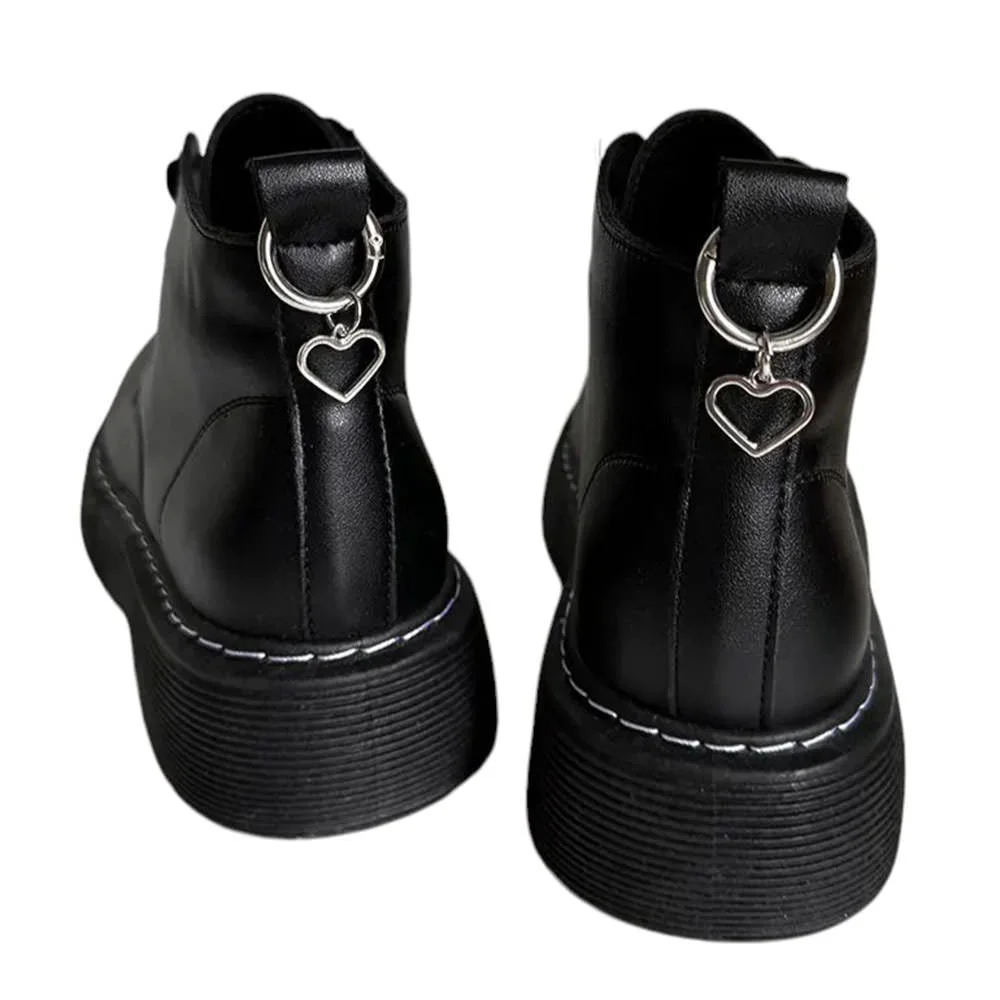
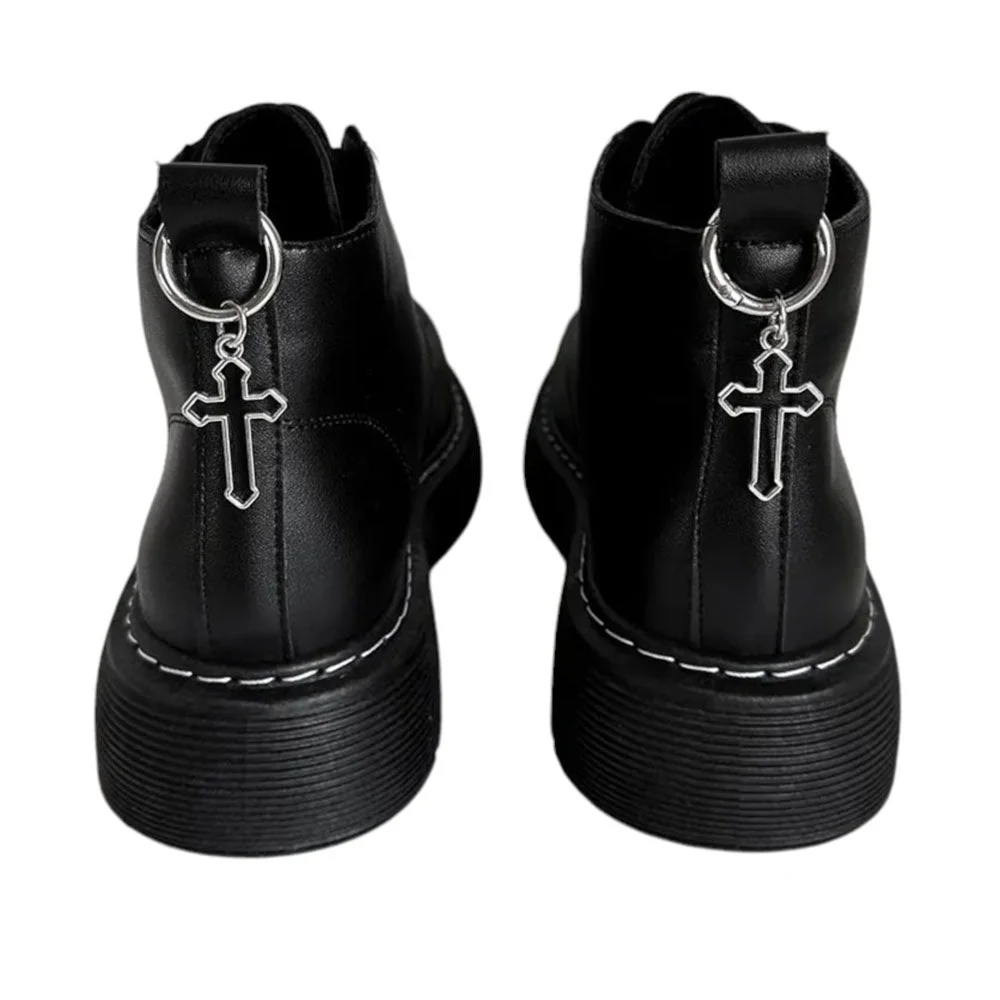
In the 'after' version, the long lanyard is removed. Instead, a neat, short-drop accessory like the Cross Pendant Boot Charms can be secured directly to a strap grommet or dedicated attachment loop. The compact metallic pendant keeps the drop tidy, aligning smoothly with the bag's vertical seam. The exterior pocket remains accessible, the bag hangs completely level against the body, and the silver pendant picks up the metallic shine of the zipper teeth without bulk.
- Before: Long beaded strap and puffy pouch distorting the bag's hang and blocking the zipper.
- After: Compact silver cross drop hung directly from the hardware junction.
- Why it works: Preserves bag balance, protects zipper function, and maintains easy pocket access.
Before-and-After: Styling the Daily Backpack
Backpacks offer multiple attachment points—daisy chains, top grab handles, side water bottle loops, and double zipper pulls. This abundance of space often tempts people into turning their commuter bag into a walking charm display that rattles loudly through quiet hallways or offices.
In the 'before' setup, there is a trinket on every single zipper slider: three on the front pocket, two on the main compartment, and a large plush clipped to the top haul handle. When walking, the zipper pulls bounce against each other like bells, and finding the correct zipper slider in a hurry becomes an exercise in frustration.
In the 'after' setup, the main compartment zippers are left completely bare for smooth, unhindered access. The top handle is also kept clear so the bag can be picked up cleanly. We place charms exclusively on the front organizer pocket's single D-ring: one tactile fabric ribbon charm and a small zinc accent like the Spider Pendant Boot Charms. This concentrates the personality in one quiet, deliberate focal point while eliminating noise.
- Before: Seven individual trinkets on every zipper pull, generating noise and snagging.
- After: A single grouped accent on the lower pocket ring, leaving main pulls functional.
- Why it works: Completely silences the bag during movement and eliminates zipper confusion.
Weight and Distribution: Protecting Your Bag Straps
The physical weight of your charm setup is not just an aesthetic concern; it directly impacts the longevity of your bag. Heavy key bundles, thick resin blocks, and oversized metal carabiners add up quickly. Over several months of daily commuting, concentrated weight hanging from a single strap seam causes the stitching to stretch, fray, or pull loose from the bag body.
Distributing weight properly means keeping your charm cluster under four ounces total for everyday bags, and under two ounces for delicate mini bags. If you enjoy carrying multiple charms, attach them to a central metal ring that sits directly over a reinforced corner seam or metal hardware junction rather than looping them around the vulnerable center of a fabric strap.
Another smart habit is auditing your charms periodically. If a charm contains a hidden pouch that has accumulated loose coins, hairpins, or heavy lip products, clean it out. Keeping the charms featherlight ensures your bag retains its original shape, rests comfortably against your body, and stays intact through seasons of steady use.
The Clatter Factor: Silencing Your Daily Commute
One of the most annoying side effects of uncurated bag charms is the constant clattering noise. Metal pendants hitting metal zippers with every stride can be deeply irritating during a quiet morning train commute, a study session in a university library, or an office presentation.
To silence your charms, combine contrasting materials. If your focal piece is made of zinc alloy, silver-tone metal, or hard molded resin, pair it with soft buffers. A plush fabric ribbon, an embroidered key fob, or a soft silicone loop nestled between two metal elements prevents them from striking each other directly. Soft pieces from our little accessories edit are great for breaking up hard textures.
You can also secure charm stems using tiny clear rubber O-rings or jewelry-grade silicone stoppers tucked behind the clasp. This restricts the swing radius of dangling metal pendants, keeping them closely aligned with the bag panel rather than swinging out like pendulums while you walk.
Connecting Your Charms to Your Full Outfit
Your bag charm does not exist in a vacuum; it reads as part of your total head-to-toe styling. If your bag charm setup looks disconnected from the rest of your aesthetic, it can make an otherwise polished outfit look disjointed. You can make your charms feel deeply intentional by letting them mirror small details in your styling.
For example, if you are wearing a cozy knit sweater paired with the Cute Pig Mismatched Socks, having a warm, playful motif on your canvas tote feels completely natural. The soft tones of the socks subtly echo the cheerful, lighthearted vibe on your bag, tying your casual weekend look together from top to bottom without needing to match colors identically.
Similarly, you can coordinate charm textures with your jewelry and hair accessories. Pairing ribbon accents on your bag alongside the Silver Hair Clip with Ribbon Charms in your updo creates a delightful visual through-line. If your jewelry features celestial motifs, such as the Y2K Pearl Necklace with Star Charms, carrying star pendants on your bag hardware creates an effortless, unified aesthetic that feels thoughtfully planned.

Seasonal and Weather Adaptations for Bag Charms
Weather conditions influence which bag charms are practical to carry. In wet, rainy climates or during damp winter months, plush fabric charms and embroidered felt tags soak up dirty street splash and rainwater like sponges. Once soaked, damp fabric charms can transfer wet dye onto pale canvas or light-colored leather bags, causing stubborn stains.
During wet or stormy weather, switch to water-resistant materials like smooth zinc alloy pendants, clear acrylic art tags, or silicone straps. These materials shed water instantly and can be wiped clean with a dry tissue once you get indoors, protecting both your charm and your bag's exterior panel from water spots.
In warm, dry weather, you have complete freedom to bring out delicate textiles, velvet ribbons, and fuzzy plush characters. If you live in an area with intense summer sun, avoid leaving clear liquid-filled glitter charms or delicate resin pieces in direct heat inside a parked car, as prolonged heat can cause small resin pieces to soften or yellow over time.
Common Mistakes: What to Avoid When Styling Charms
Even experienced accessory lovers run into charm styling traps. The most frequent pitfall is clipping charms directly to working zipper sliders on pockets you access constantly. When a heavy charm is attached to a primary zipper slider, you end up tugging on the charm rather than the zipper pull, which bends the slider mechanism and leads to split zipper teeth.
Another common error is chaining multiple split rings together into a long, drooping daisy chain. This lowers the charm's center of gravity until it dangles past the bottom base of your bag. Whenever you set your bag down on a coffee shop floor, a library desk, or a bus seat, the charms hit the dirty floor first, getting scuffed, stepped on, or soiled.
Finally, avoid using weak, hollow novelty clips that do not close firmly. Cheap wire clasps snap open when brushed against subway turnstiles or coat sleeves, causing you to lose your favorite charm without noticing. Always upgrade to sturdy lobster clasps, screw-lock mini carabiners, or thick split rings that can handle accidental tugs.

The Final Charm Audit: A 5-Point Practical Checklist
Before walking out the door with your freshly styled bag, perform a fast thirty-second audit to ensure your setup is both cute and practical. Running through this routine guarantees that you will not spend the day readjusting straps, untangling chains, or worrying about lost trinkets.
Start by giving your bag a firm shake while holding it by the top handles. Listen closely: is there a loud metallic clank, or does the setup move quietly? Next, reach for your most frequently used items—your keys, phone, or transit card. If any charm blocks your path to those pockets, its placement needs a quick tweak.
Use the quick checklist below as your final pre-departure review. If your setup passes every step, you have found the sweet spot of charm styling: expressive, lightweight, and completely effortless throughout your busy day.
- Clearance: Does the charm cluster hang at least two inches above the bottom edge of the bag?
- Function: Can you open and close the main compartment zipper without catching any charm ribbons?
- Comfort: Does the bag strap sit completely flat against your shoulder without pinching or pulling?
- Sound: Does the cluster stay quiet when walking, without loud metal-on-metal clatter?
- Security: Are all clasps, rings, and carabiners tightly closed and snag-resistant?