Created by the Kawaii Vibe editorial team. Our named style desks are editorial personas. Product details and availability can change.
Online size tags rarely tell the whole story. A medium from one brand can easily fit like an extra-large from another, especially when you are shopping for relaxed or Japanese street-inspired silhouetteThe overall shape an outfit creates, from fitted to loose and layered.s. Relying strictly on letter sizes often leads to frustrating returns or clothes that sit unworn in your wardrobe. The most reliable way to predict how a new piece will sit on your body is to ignore arbitrary size letters and learn how to measure clothes to find size using pieces you already wear every week.
Instead of wrapping a soft measuring tape awkwardly around your own chest or waist, grab your favorite garment from your closet and lay it out on a flat surface. When clothing stores list product dimensions, they are almost always measuring the garment laid flat, not the human body inside it. Once you know how to record flat dimensions from your best-fitting clothes, you can compare those numbers directly to an online product chart and instantly see whether a top will give you the relaxed slouch you want or cling tighter than expected.
The Flat-Lay Principle and Why Body Measurements Mislead
When people shop online, they often take their own bust, waist, and hip numbers with a tailor tape and try to match those exact numbers to a size chart. The problem is that garment charts generally fall into two completely different categories: body guides and finished garment dimensions. If an online chart shows finished garment dimensions, a chest measure of thirty-eight inches on a human body will feel tight in a top that also measures thirty-eight inches around, because every piece of clothing needs breathing room, also known as ease.
Flat-laying your favorite clothing eliminates this guesswork entirely. By smoothing out a piece you already love on your floor or desk, you capture both the base size and the built-in ease that creates your preferred drape. When you record that your favorite relaxed button-up measures twenty-four inches across the chest from armpit to armpit, you now have an exact target benchmark. Any new shirt listing a twenty-four inch pit-to-pit flat measurement will drape across your torso in virtually the identical way.
- Locate a hard, level surface like a clean floor, cutting mat, or dining table rather than a soft mattress.
- Choose a garment that currently fits you exactly the way you want the new piece to fit.
- Ensure the garment is fully buttoned, zipped, and smoothed flat without stretching the fabric out of shape.
Setting Up Your Workspace and Choosing the Right Tools
Before you begin measuring, set up your space properly to ensure your numbers remain consistent. A rigid metal construction tape can buckle, crease fabric, or pull edges inward, leading to inaccurate readings. Instead, keep a flexible fiberglass sewing tape measure handy. If you only have a standard metal tape, lay it flat on the table first and position your garment along its edge rather than pulling the metal housing across the fabric.
Smooth out wrinkles with your hands from the center of the garment outward toward the seams. Do not pull or tension the material so much that the weave opens or the seams pull tight, as this artificially inflates the measurement by an inch or two. Take your notes in both inches and centimeters, because many international fashion brands list specifications exclusively in metric units. Having both ready saves time when browsing curated Tops & T-Shirts during a drop.
- Use a flexible, non-stretch vinyl or fiberglass tailor tape.
- Record measurements to the nearest half-centimeter or quarter-inch.
- Document your numbers in a phone note organized by garment type for quick reference.
Measuring Tops: Chest Width from Pit to Pit
The chest measurement, commonly referred to as the pit-to-pit width, is the single most important number for any top, whether it is a boxy tee or a cozy layer. Lay your shirt completely flat with the front facing up. Smooth out the underarm seams so the front and back panels align naturally without bunching. Locate the exact point where the sleeve seam intersects the side seam beneath each armhole.
Place your measuring tape across the front of the shirt from that lower armpit corner straight across to the opposite armpit corner. Keep the tape straight and level across the chest; letting it sag downward in the middle will give you a false, longer number. If you are comparing a casual layer like the Retro Oversized Plaid Shirt, which is made from a blend of polyester and cotton, comparing this exact chest width tells you whether the piece will button cleanly over an undershirt or pull across the chest.
- Lay the garment front side up and pull out any fabric folds tucked under the armpit seams.
- Measure horizontally across the widest point directly below the armhole seam junctions.
- Double the number only if the online retailer provides total circumference instead of flat measurements.

Measuring Tops: Length and Shoulder Drop
While chest width determines roominess around the ribcage, length and shoulder measurements dictate how a top balances your overall silhouetteThe overall shape an outfit creates, from fitted to loose and layered.. Total garment length is typically measured down the center back or from the highest point of the shoulder. To take the high point shoulder measurement, place the start of your tape where the collar ribbing meets the shoulder seam, then run the tape straight down to the bottom hem parallel to the center line of the shirt.
Shoulder drop is especially critical for Japanese and Korean street styles, which frequently feature dropped seams rather than traditional fitted shoulders. Measure straight across the back from the tip of one shoulder seam to the other. If the shoulder seam sits three inches past your actual shoulder bone, the sleeve seam will drop low on your upper arm, giving that relaxed slouch common in our hoodies range. Knowing your preferred back length prevents shirts from bunching awkwardly at your belt line or hanging down past your mid-thigh when you want a standard crop.
Measuring Sleeve Length and Arm Openings
Sleeve lengths cause frequent surprises when shopping online because brands use different starting points. Traditional dress shirts measure from the center back of the neck across the shoulder and down to the cuff edge, while casual brands often measure along the outer sleeve seam starting directly at the shoulder seam down to the cuff. Always check which method an online store uses before matching your flat numbers.
To measure outer sleeve length, lay the sleeve flat along its natural curve and trace the tape from the seam at the shoulder tip down to the outer edge of the cuff. In addition, measure the width of the bicep by checking the widest point of the upper sleeve perpendicular to the seam. This prevents tight armholes when layeringWearing pieces over or under one another to add depth, warmth or contrast. heavier knits under lightweight shells, particularly during transitional autumn or spring weather.
- Check whether the store measures sleeve from the neck center or the outer shoulder point.
- Lay the sleeve flat and measure along the top outer fold down to the wrist cuff edge.
- Measure the cuff opening flat across to see if it will slide easily over your watch or bracelets.
Measuring Pants: Waist Width and Rise Explained
Pants sizing can be tricky because vanity sizing is common across modern denim brands. A pair of jeans tagged as a waist size thirty might actually measure thirty-three inches around. To find your true benchmark, grab your best-fitting pair of denim, button the fly completely, and lay the jeans flat on the floor with the waistband aligned front to back.
Pull the front waistband up so it sits directly level with the back waistband rather than dipping lower. Measure straight across the top edge from left to right, then double that number. Next, measure the front rise from the crotch intersection seam straight up the fly to the top of the waistband. A high rise will sit near your natural belly button, requiring a narrower waist measurement, while a low-to-mid rise sits near your hip bones, requiring a wider waistband flat measure. Keep this relationship in mind when shopping for Aesthetic Jeans.
Measuring Pants: Inseam, Outseam, and Leg Opening
The inseam determines where your trousers break over your shoes, which is essential for getting the right balance with bulky sneakers or chunky platform boots. To measure the inseam, lay one leg flat and measure from the central crotch junction seam down the inside edge of the leg all the way to the bottom hem. Be careful not to stretch the denim leg while measuring along the curve of the inner thigh.
The leg opening width determines the overall profile of your pants. Measure straight across the bottom cuff from seam to seam. A seven-inch leg opening creates a tapered, slim silhouetteThe overall shape an outfit creates, from fitted to loose and layered. that gathers above high-top shoes, whereas an eleven-inch opening on wide-leg trousers will drape cleanly over your sneakers. For example, the Oversized Star Pattern Wide Leg Jeans rely on generous denim leg openings to create a pooled skate aesthetic, while the Vintage-Style Oversized Sketch Jeans offer a relaxed cut that balances nicely against fitted crop tees or loose cardigans.
- Inseam: Measure along the inner seam from the lowest point of the crotch to the hem.
- Outseam: Measure along the outer side seam from the top of the waistband down to the cuff.
- Leg Opening: Measure straight across the bottom hem to check whether the cut is tapered, straight, or wide.



Knitwear Dynamics: Measuring Chunky Sweaters and Cardigans
Knitwear behaves differently on a flat surface compared to woven cotton or rigid denim. Sweaters expand and drape naturally under their own weight when worn, but can pull together when laid on a flat surface. When laying out a knit from your wardrobe, pat it into shape gently with your palms instead of pulling on the ribbed cuffs or waistband, which stretches the yarn and distorts your baseline.
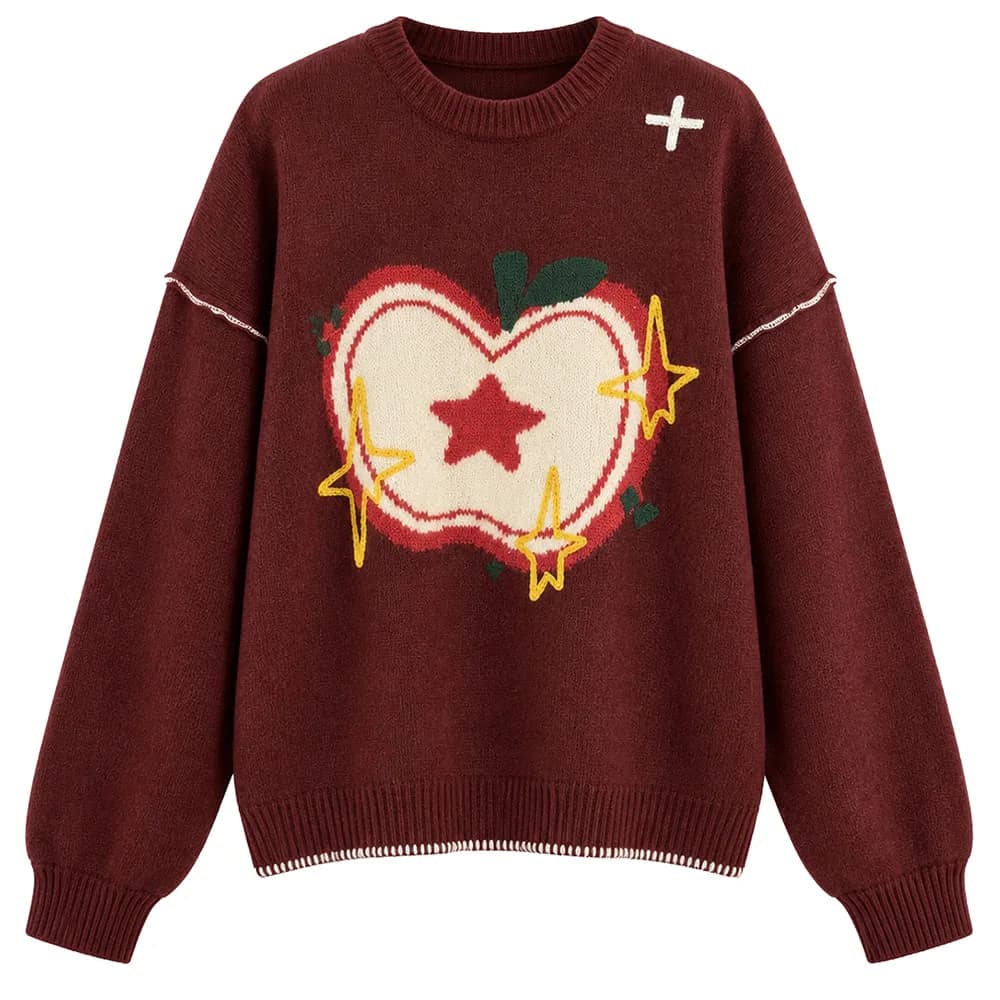
Measure the chest width right across the body, paying attention to the knit gauge. A thick acrylic or wool knit will naturally have more thickness that takes up interior space, meaning you might need two extra inches in the chest compared to a thin tee for the same perceived fit. Explore pieces across our sweaters selection to see how dropped shoulders and loose body widths define a cozy cold-weather outfit. Notice how the Red Apple Oversized Sweater uses an acrylic knit to give structured fullness through the sleeves without pulling tight across the back.
- Gently pat knitwear flat without stretching the ribbing at the neck, cuffs, or bottom hem.
- Remember that heavy yarns take up interior volume, requiring slightly larger flat measurements.
- Measure from the highest shoulder point to the hem to see where the knit falls over your hips.
Layering Pieces: Sizing Vests and Heavy Hoodies
Vests and oversized hoodies present unique measurement challenges because they are rarely worn against bare skin. When flat-measuring a hoodie or knit vest, you must account for the shirts or thermals worn underneath. Measure the armhole depth by placing the tape at the shoulder tip and running it straight down to the bottom of the armhole seam. A deep armhole allows you to layer easily without pinching in the underarm.
When styling layered pieces like the Oversized Argyle V-Neck Grandpa Knit Vest, which features a classic V-neck cut in an acrylic and wool blend, aim for a flat chest measurement on your knit layer that offers extra breathing room over the base tee or button-up shirt you plan to wear beneath it. Since size charts can vary or may not be listed, compare with a roomy vest you already own. Pair a vintage vest over a white collared shirt and straight-leg trousers for a balanced campus outfit that feels roomy without looking sloppy in cool weather.
- Measure the armhole drop vertically from the top shoulder seam down to the armpit corner.
- Compare your vest flat measurements directly against the shirt you intend to wear underneath it.
- Allow an extra inch or two in hoodie chest measurements to accommodate movement and inner layeringWearing pieces over or under one another to add depth, warmth or contrast..

Understanding Ease: Why You Do Not Want Exact Body Matches
Ease is the difference between your actual body measurements and the measurements of the garment. Negative ease means the garment is smaller than your body, which works for spandex leggings or ribbed tank tops that rely on high stretch. Zero ease means the fabric matches your exact dimensions, which makes rigid fabrics difficult to move, sit, or bend in. Positive ease is what creates everyday comfort and defined silhouetteThe overall shape an outfit creates, from fitted to loose and layered.s.
Standard relaxed clothing usually carries between two to four inches of positive ease in the chest circumference, translating to one to two inches wider on a flat measurement. Dramatic street fashion silhouetteThe overall shape an outfit creates, from fitted to loose and layered.s, such as the Oversized Hungry Dog Sweater which comes in a single Free Size cut, often rely on generous positive ease to achieve their slouchy drape. This intentional volume creates soft fabric folds around the shoulders and torso without pulling against your upper body when you reach forward.
Fabric Behavior: How Fiber Content Alters the Numbers
Two garments can share identical flat measurements on paper yet fit entirely differently on your body due to fabric composition. A one-hundred percent cotton denim pair of jeans has zero mechanical give; if the waistband is half an inch smaller than your waistline, the jeans will not fasten comfortably. Conversely, denim with two percent elastane will stretch over your hips even if the flat lay looks slightly narrow on the table.
Knitwear blends also impact how dimensions translate to wear. The Oversized Striped Knit Sweater, knit from acrylic, holds its shape and maintains its boxy drape throughout the day without sagging. Blends containing wool, like the Oversized College Number Sweater, offer natural bounce and thermal insulation that creates a pillowy profile over your frame. Always check the material tag on your benchmark garment to ensure you are comparing similar textiles.
Constructing Outfits: Balancing Proportions Using Measurements
Understanding flat dimensions makes styling full outfits much easier because you can visualize proportions before opening a package. A solid aesthetic styling rule is balancing volume: when your bottom half features an exaggerated wide-leg shape, pairing it with a top that has a shorter total length or a slightly more fitted chest prevents your silhouetteThe overall shape an outfit creates, from fitted to loose and layered. from looking overwhelmed.
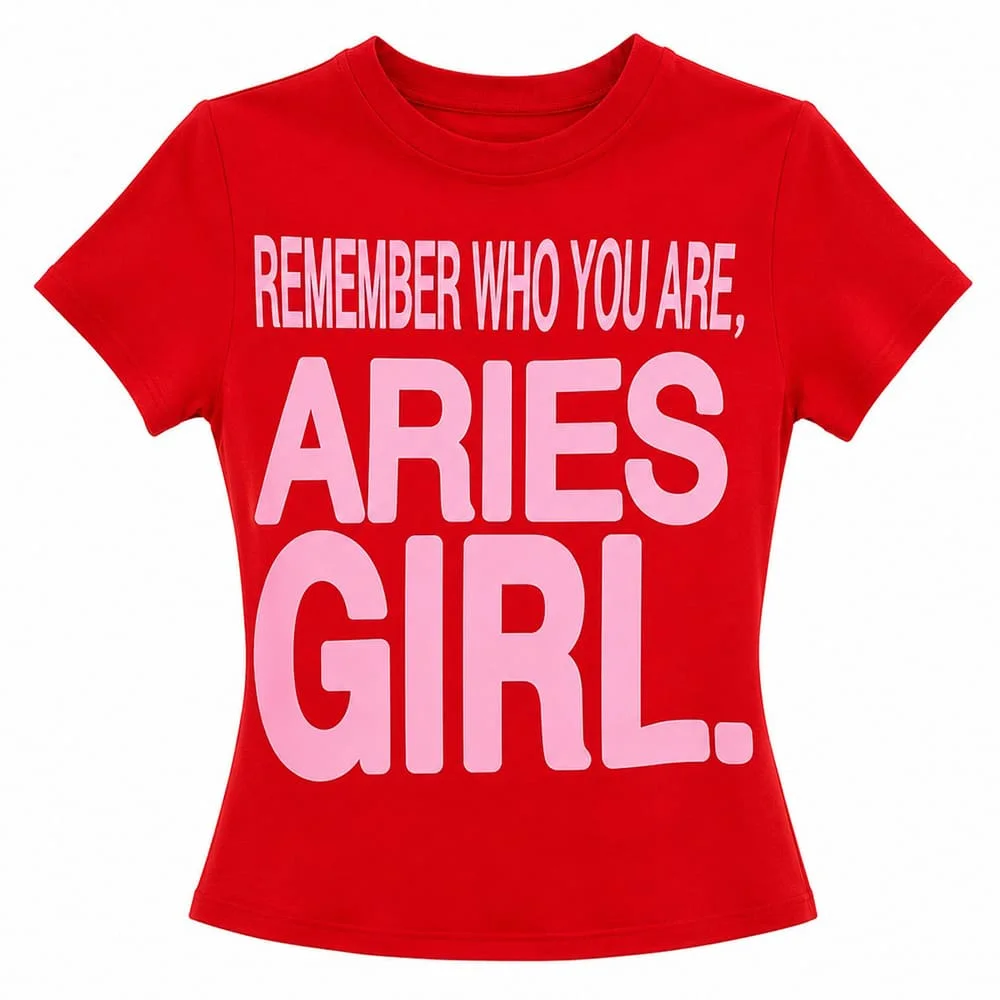
Try pairing wide-leg star jeans with a medium-length boxy graphic tee, letting the pants sit naturally at the mid-waist while the shirt hem hits right above the hip pocket rivets. If you prefer full slouch styling from head to toe, pair a dropped-shoulder varsity knit with wide vintage wash denim, making sure the sweater length is short enough so your legs still look defined. Checking the length and chest width in tandem ensures your cozy layers drape gracefully rather than falling into an indistinct column.
- Balance a wide pant leg by choosing tops with shorter body length to preserve your waistline.
- Check that heavy sweaters have enough chest width to drape naturally over trouser pockets.
- Use contrasting fabric weights, pairing rigid denim with soft acrylic knits to add visual dimension.
Common Measuring Pitfalls and How to Avoid Them
The most frequent error in flat measuring is not aligning the front and back rises of pants before measuring the waistband. Pants are naturally curved to match the pelvis, meaning the back waistband naturally sits higher than the front. If you lay the pants down carelessly and measure only the lower front dip, you will record a waist size that is two to three inches too small, leading you to order the wrong size online.
Another common pitfall is ignoring the curve of a garment hem. Shirts with curved tails have longer center measurements than side measurements. Always measure straight down the center for overall length, but take note if the side seam split is several inches higher, as this will expose your belt line during movement. Finally, never measure clothes right after pulling them tight out of the wash or dryer; let them rest at room temperature so the fabric relaxes into its genuine wearable shape.
- Align front and back waistbands completely parallel before checking the waist width.
- Avoid measuring garments fresh out of the dryer while fibers are still heat-shrunk and tight.
- Do not pull diagonal angles across the chest; keep your tape perpendicular to the vertical placket.

The Personal Measurement Cheat Sheet and Checklist
To streamline all future online shopping, spend twenty minutes creating a personal fit cheat sheet. Pick your single favorite t-shirt, relaxed sweater, and everyday pair of jeans. Measure each piece carefully using the flat-lay techniques covered in this guide, and save these numbers in a note on your phone. Whenever you fall in love with a new drop, you can pull up your cheat sheet and compare the dimensions side-by-side in seconds.
When comparing your recorded dimensions to an online chart, look for tolerances within one to two centimeters. Minor variances are completely normal in fashion production, but checking the foundational points—chest width, total body length, waist width, and inseam—guarantees that whatever arrives at your doorstep fits your personal style on the very first try.
- Benchmark Top: Pit-to-pit chest width, shoulder-to-shoulder width, total back length, and sleeve length.
- Benchmark Bottoms: Waist laid flat, front rise, hip width at base of fly, inseam length, and leg opening width.
- LayeringWearing pieces over or under one another to add depth, warmth or contrast. Tolerances: Ensure outer knits and jackets carry at least 1.5 inches of extra flat width over base tees.