Created by the Kawaii Vibe editorial team. Our named style desks are editorial personas. Product details and availability can change.
Styling an aquatic or sea-inspired dress comes down to balancing dreamy textures with functional everyday pieces. When you pull a slip dress, ruffled hem, or shimmering fabric from your wardrobe, the goal is to make it feel deliberate rather than like a stage costume. That means matching fluid hemlines with structured outer layers, choosing footwear that grounds airy fabrics, and keeping your jewelry focused.
Getting the look right depends on contrasting soft, water-like drapes with crisp lines, textural knits, or slightly heavier shoes. Whether you are dressing for a breezy beach walk, a city dinner, or unpredictable transitional weather, knowing how to stack garments makes your favorite aquatic silhouetteThe overall shape an outfit creates, from fitted to loose and layered.s work across every calendar month.
In this guide, we break down concrete combinations across layers, shoes, bags, and jewelry so you can turn ethereal one-pieces into functional, balanced outfits tailored to your climate and daily schedule.
1. Foundation Silhouettes: Finding Your Base Dress Line
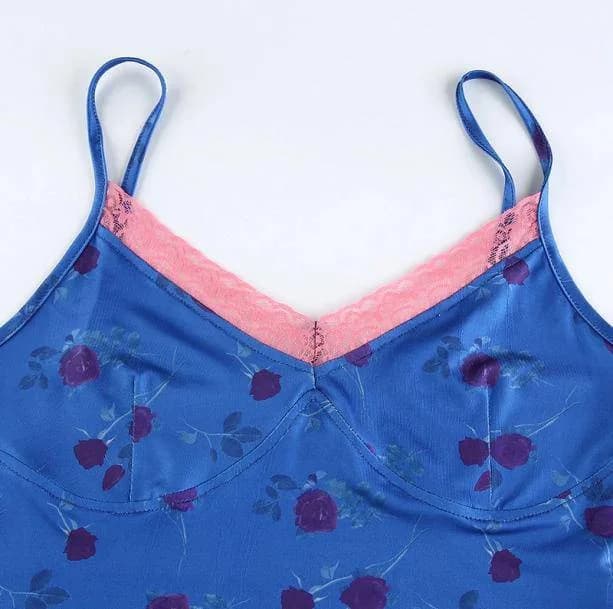
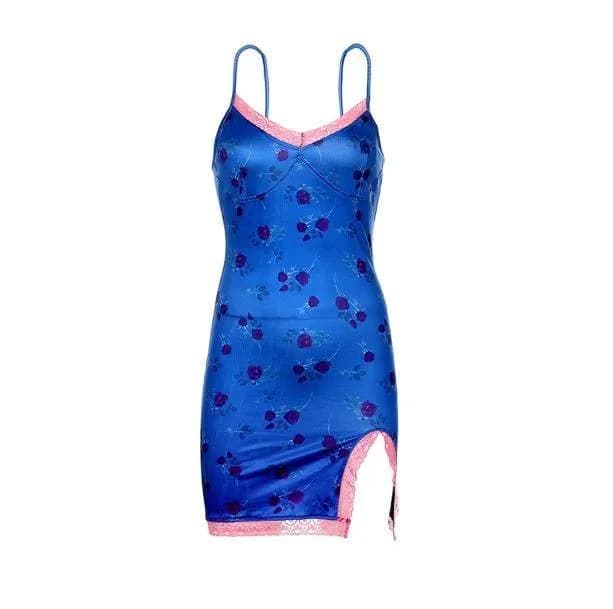
Before thinking about knitwear or jackets, look at the baseline cut of your dress. Aquatic styles usually fall into three camps: slinky bias-cut slips, tiered ruffled maxi skirts that evoke seafoam, or structured body-hugging dresses that flare outward near the calves. Each base cut demands a slightly different approach to proportions so you do not overwhelm your frame.
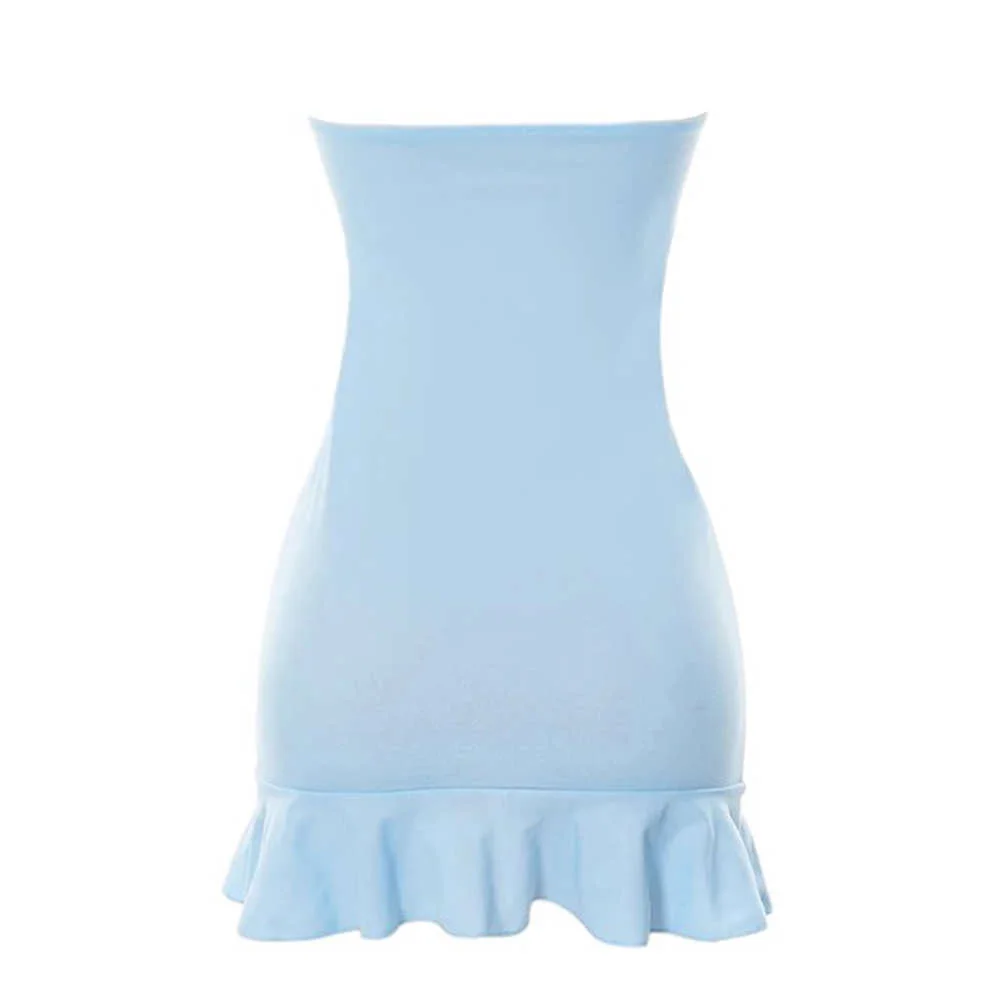
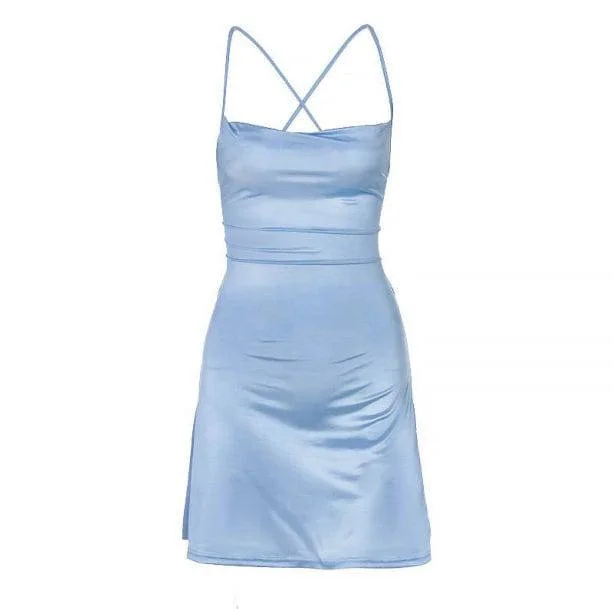
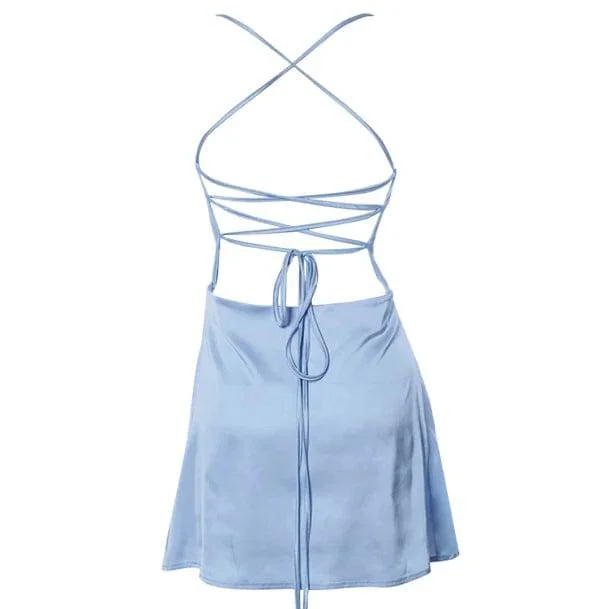
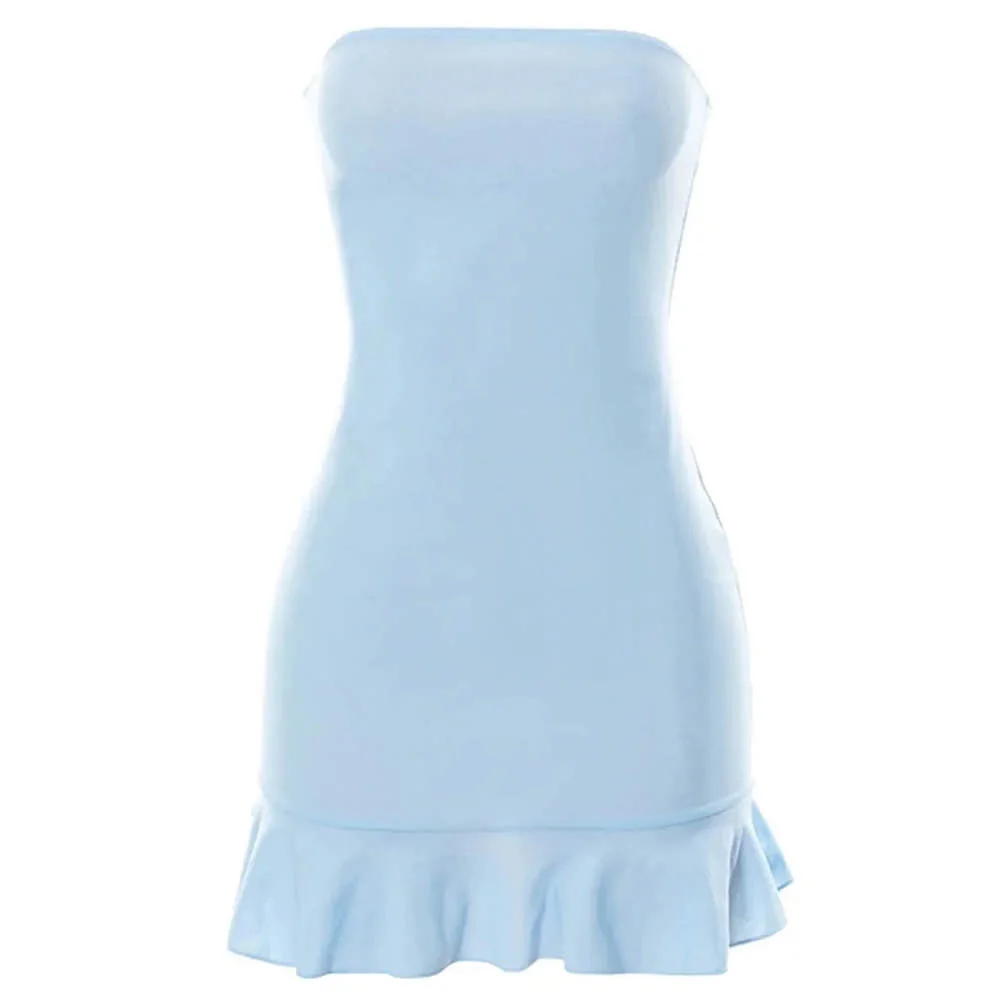
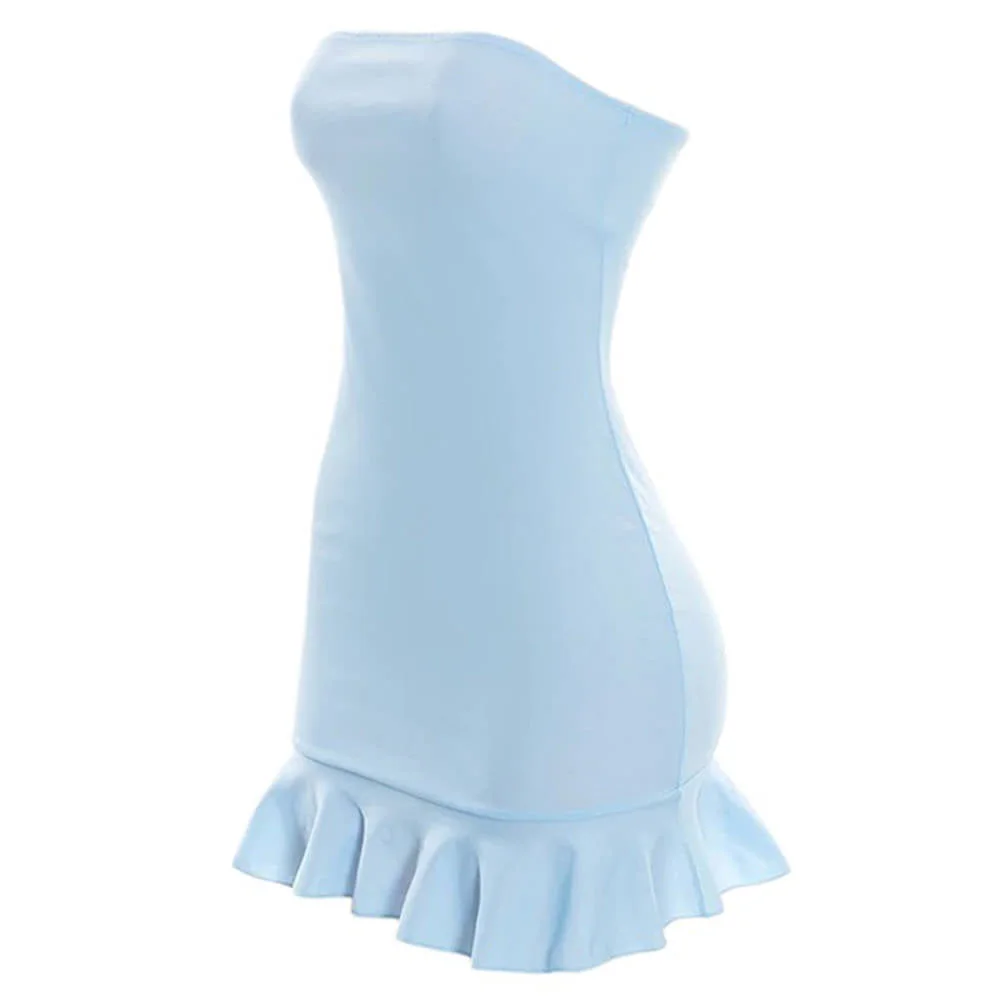
A sleek piece like the Blue Chic Dress gives you a clean, focused profile that leaves room for textural jackets or layered tops underneath. If your dress already features extensive ruffles, gathering, or metallic shine, keep your foundational line simple. When shopping across broader Mermaidcore Dresses, compare whether the garment clings closely or billows out, as this dictates how much extra volume your outer layers can carry.
A common pitfall is adding bulky layers over an already voluminous gathered dress, which hides the intended movement of the skirt. Take a moment to evaluate where the dress hugs the torso and where it flares, ensuring your styling choices highlight those transitions rather than flattening them.
- Check whether your dress relies on drape, stretch, or tiered volume before selecting layers.
- Pair straight or slip silhouetteThe overall shape an outfit creates, from fitted to loose and layered.s with structured or chunky outer pieces for contrast.
- Reserve lightweight, cropped outer layers for dresses with wide, flaring skirts.
2. Lightweight Knit Layers: Open-Weave Sweaters and Cardigans
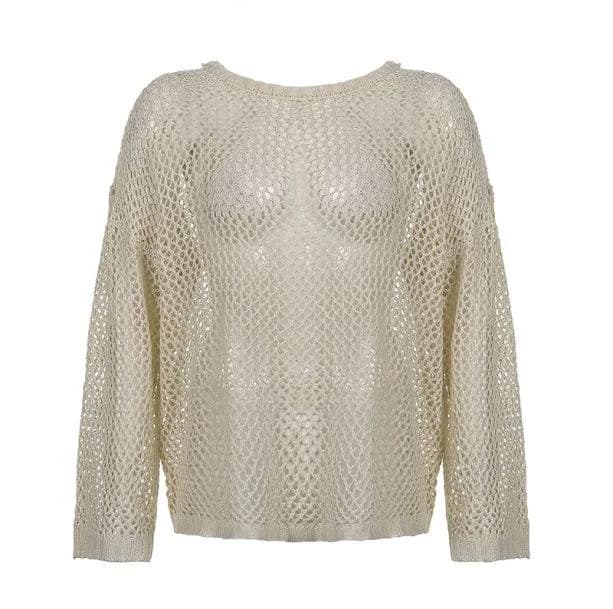
An open-knit sweater is one of the easiest ways to bring an oceanic texture into an outfit while keeping the baseline dress fully visible. Mesh, crochet, and open-loop stitches mimic coastal netting and tidal foam without feeling heavy or opaque. Slouching a loose knit over bare shoulders breaks up sheer or lustrous fabrics and turns a formal-feeling gown into an effortless daytime look.
LayeringWearing pieces over or under one another to add depth, warmth or contrast. the polyester Summer Vibes Fishnet Sweater over a simple slip immediately introduces that open-weave texture. Because the stitch allows the fabric beneath to show through, you keep the color story of your dress intact while gaining an extra layer for cooler breezes. You can wear an open-weave sweater loose over the bodice, knot it loosely at the natural waist, or drape it diagonally across one shoulder.
When styling open knits, watch out for delicate sequins, exposed clasps, or rough beadwork on your dress that might catch the open loops. Choosing smooth hardware on your dresses ensures your mesh knitwear stays snag-free throughout the day.
3. Structured Layering: Corset Tops and Tailored Vests
If your dress features soft, liquid drape or cascading ruffles, adding a structured piece over the bodice pulls the look together and defines your silhouetteThe overall shape an outfit creates, from fitted to loose and layered.. Underbust vests, tailored waistcoats, and boned bodices create an architectural focal point that anchors flowing fabric, preventing the outfit from feeling loose or shapeless.
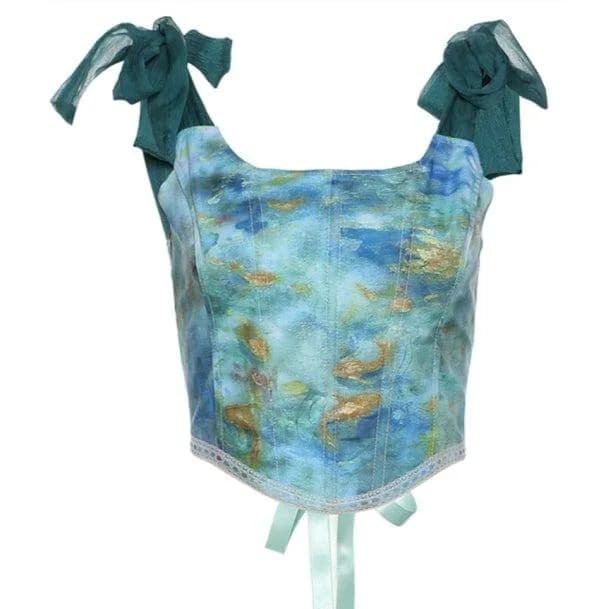
You can introduce this kind of structure with a tailored piece like the Art Hoe Corset Top, which comes in Blue, Green, Yellow, and Black. Fastening a structured top over a long, flowing dress creates a defined waist seam, converting a simple one-piece into a layered ensemble with distinct zones. Selecting a contrasting tone like deep green or neutral black sharpens pastel tones, while a tonal blue keeps the aquatic palette unified.
Be careful with garment thickness when stacking structured pieces over dresses. A corset or vest should fit comfortably over the dress material without causing the dress fabric to bunch up awkwardly underneath the boning or side seams.
4. Under-Layering: Bodysuits, Mesh, and Fitted Tops
LayeringWearing pieces over or under one another to add depth, warmth or contrast. is not just about what you put on top of your dress; putting lightweight, skin-skimming tops underneath transforms sleeveless or strappy styles for cooler climates. Sheer mesh turtlenecks, delicate lace sleeves, and thin mock-neck tops extend the life of your wardrobe without hiding the dress neckline.
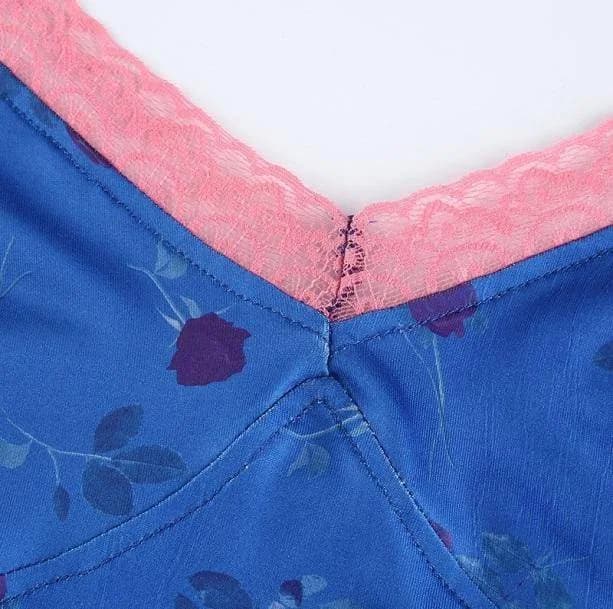
A piece like the Coquette Lace Top, available in Blue and Pink options, works nicely as a fitted under-layer beneath a slip dress or deep-V neckline. The lace detailing adds texture to your chest and arms while keeping the dress front and center. For a graphic, casual approach, you could also tuck a fitted print tee like the polyester and cotton Fish In The Sea Top underneath a loose pinafore or tiered spaghetti-strap dress.
When layeringWearing pieces over or under one another to add depth, warmth or contrast. underneath, prioritize smooth seams and slim cuts. Anything with bulky armholes, thick ribbed cuffs, or excess fabric in the torso will create visible lumps beneath a slinky dress bodice.
- Use sheer or lace long sleeves to transition summer slip dresses into cooler seasons.
- Match necklines carefully: pair scoop under-layers with V-necks or wear mock necks beneath low square cuts.
- Keep the base fabric smooth to ensure the dress glides easily over top without pulling.

5. Casual Footwear: Grounding Delicate Hemlines with Sneakers and Flats
The quickest way to make an aquatic dress feel like a practical day outfit is to pair it with grounded, understated shoes. While delicate heels can easily look like prom attire, low-profile sneakers, canvas trainers, and chunky mary janes create an approachable contrast against shimmering or ruffled fabric.
Try pairing a pastel sea-inspired dress with clean retro tennis shoes or flat fisherman sandals in cream, tan, or black. The utilitarian structure of a leather strap or rubber sole cuts through the fairy-tale aesthetic, signaling that you are dressed for a regular day out. Ballet flats with square toes or buckle details also echo water-inspired softness without sacrificing walking comfort.
A common misstep is picking trainers that are overly technical or heavily branded, which can clash awkwardly with fluid skirts. Stick to neutral, classic sneakers with clean silhouetteThe overall shape an outfit creates, from fitted to loose and layered.s so the footwear supports the outfit rather than competing with it.
- Fisherman sandals ground aquatic skirts while keeping a breezy, coastal feel.
- Low-profile white sneakers soften satin or ruffled dresses for daytime errands.
- Buckled flats provide comfortable walking support without feeling sporty.
6. Elevated Footwear: Strappy Sandals, Platforms, and Boots
For evenings or dressier occasions, you can emphasize the romantic side of ocean styling with intentional footwear choices. Metallic lace-up sandals, molded block heels, and sleek leather boots each bring a distinct energy to flowing skirts and aquatic hemlines.
Strappy sandals that wind up the ankle mimic the look of twisting sea vines and pair naturally with asymmetrical or slit-leg dresses. If you are working with a midi or maxi length, a sturdy platform sandal gives you vertical lift, preventing long hemlines from dragging while supporting the dramatic sweep of the dress. During transitional weather, tall knee-high leather boots hidden beneath a tiered maxi skirt add welcome warmth and an unexpected editorial edge.
Avoid extremely delicate needle stilettos if you plan to walk on docks, boardwalks, or outdoor lawns. Block heels and secure ankle ties give you stability without compromising on elevated styling.
- Ankle-wrap metallic sandals complement midi hemlines and asymmetrical side slits.
- Lug-sole or platform boots contrast nicely against soft, sheer fabrics.
- Block-heel mules offer height and ease for cobblestones and evening boardwalks.
7. Ocean-Inspired Jewelry: Choosing Earrings and Pendants
Jewelry allows you to reinforce aquatic references in a subtle, refined way. The trick is to pick one or two focal areas rather than wearing a full set of themed pieces. Textured metal that resembles hammered shells, organic baroque pearls, and iridescent sea glass hues bring the ocean into your outfit without reading like plastic costume accessories.
Curating items from Mermaidcore Earrings lets you draw focus upward toward your jawline and hair. Drop earrings featuring organic freshwater pearls, spiral shell motifs, or frosted sea-glass tones complement open necklines particularly well. If your dress already has heavy sequin or glitter accents, opt for matte silver or muted gold wire hoops instead to avoid visual overload.
Resist the urge to combine matching shell earrings, shell necklaces, and charm bracelets all in one look. Letting a single statement pair of earrings carry the theme keeps your outfit contemporary and mature.
- Choose organic, irregular pearl shapes over uniform round beads for a modern feel.
- Balance sparkling dress fabrics with brushed or matte metal finishes.
- Limit themed jewelry to one zone: wear statement earrings with a bare neck, or a shell pendant with simple studs.
8. Bags and Carryalls: Textures That Echo the Coast
A structured leather work tote can look jarring against an airy, wave-like dress, while a cheap plastic clutch can flatten the outfit entirely. The best bags for ocean-inspired aesthetics use natural woven fibers, pearlescent finishes, or net textures to echo coastal elements in a functional format.
Exploring curated options across Mermaidcore Bags gives you practical accessories designed to match these fluid silhouetteThe overall shape an outfit creates, from fitted to loose and layered.s. Woven crochet totes, macrame market bags, and small shell-shaped shoulder bags bring textural depth that complements knit layers and tiered skirts. A mini bag with a tortoiseshell handle or mother-of-pearl sheen offers a polished evening alternative to everyday woven straw.
Make sure your bag is sized appropriately for your day. Oversized beach bags work well for daytime picnics and casual weekends, while compact shoulder bags keep the proportions refined for dinner dates and parties.
- Macrame and rope bags echo coastal netting without feeling literal.
- Iridescent hard-shell clutches provide clean structure for evening dresses.
- Woven straw crossbodies keep daytime outings functional and grounded.
9. Color Palettes and Metallic Pairings
Styling around an aquatic palette does not mean wearing head-to-toe turquoise. A sophisticated look uses complex, ocean-adjacent tones like sage green, seafoam, misty lavender, deep abyss blue, and sandy ivory. Mixing these shades creates depth rather than a flat, monochromatic costume.
When choosing metallic accessories, think about your undertones and the mood you want to set. Cool silvers and iridescent mother-of-pearl reflect moonlit water, accentuating icy blues and soft purples. Warm brushed golds and copper tones bring in the warmth of coastal sun and sandy shores, which pairs nicely with seafoam and olive greens.
A frequent mistake is sticking entirely to bright neon blues and purples. Balancing cool marine shades with warm neutrals like oat, sand, or ecru grounds your outfit and makes it much easier to wear in everyday settings.
- Misty seafoam, slate blue, and sandy ecru create an understated palette.
- Silver and chrome accents highlight cool-toned, shimmering dress fabrics.
- Gold and bronze accessories add warmth to deeper oceanic greens and teals.
10. Styling for Different Climates and Seasons
Aquatic dresses are naturally associated with warm sunny days, but you can easily adapt them across varying temperatures by adjusting your outer layers. Because climate patterns differ widely between coastal summer heat and brisk autumn breezes, flexibility is key.
In warm, humid weather, wear a sleeveless slip dress on its own with breathable leather sandals and a woven market bag, letting the cut of the dress handle the work. When crisp winds set in, throw an oversized chunky cardigan or a slouchy trench coat over your dress, anchoring the base with sturdy ankle boots. You can even layer ribbed leggings or sheer tights beneath long maxi skirts for invisible warmth.
Do not let seasonal changes box your wardrobe in. By incorporating dense knits, leather jackets, and practical boots, your favorite aquatic pieces remain useful year-round.
- Warm days: Wear minimal accessories, open sandals, and lightweight natural fabrics.
- Breezy evenings: Add an open-stitch sweater or draped linen shirt as a light cover-up.
- Cold seasons: Layer heavy knitwear, structured long coats, and leather boots over tiered skirts.
11. Separates vs. Dresses: Mixing Aesthetic Pieces
While a one-piece dress is the simplest way to wear this style, incorporating separate garments into your wardrobe gives you more outfit variety. Comparing how dresses function alongside skirts, denim, and tops helps you decide what pieces best serve your personal style.
When browsing broader Mermaidcore Clothes, notice how fluid separates can mix into everyday basics. For example, you can pair a ruffled or sheer top from Mermaidcore Tops with structured bottoms like the Cross Waist Jeans to create an effortless, sea-inspired outfit that feels entirely grounded for daily errands. Alternatively, pairing a fitted casual shirt like the Soft Girl Crop Top with a tiered, flowing maxi skirt mimics the silhouetteThe overall shape an outfit creates, from fitted to loose and layered. of an aquatic dress while offering the practicality of two pieces.
Dresses offer one-and-done convenience, but separates let you dial the aesthetic up or down. If a full dress feels too striking for a casual workday, swapping in an ocean-toned top or shell-textured accessory lets you reference the look more quietly.
12. Loungewear and Relaxed Aquatic Dressing
The fluid drape of ocean-inspired fashion translates naturally into off-duty styling and comfortable home wear. The same shimmering fabrics, soft pastels, and fluid cuts that define daytime dresses also make loungewear feel luxurious and intentional.
A matching set like the Silky Sweet Pajama, offered in Turquoise and Pink, channels aquatic colors through smooth, light-catching fabrics that prioritize ease. Relaxed silky pieces echo the watery sheen of evening slip dresses while remaining comfortable for quiet mornings or slow evenings at home.
You can even blend loungewear elements into your daytime outfits. Styling a silky pajama shirt open over a fitted dress works just like a light summer cardigan, adding a subtle fluid sheen to your casual layers.
- Silky fabrics offer fluid drape for comfortable home styling.
- Pastel turquoise and pink bring aquatic colors into off-duty routines.
- Button-up pajama tops can double as breezy, unbuttoned daytime overshirts.
13. Styling Pitfalls to Avoid
Because sea-inspired fashion draws on vivid imagery like mermaids, seashells, and waves, it is easy to accidentally cross into costume territory. Avoiding a few common styling errors will keep your outfits polished, modern, and wearable in any city setting.
The most frequent mistake is stacking too many themed elements at once. Wearing a metallic scale-pattern dress with a clam-shell handbag, star-shaped hair clips, and shell jewelry creates visual clutter that looks more like a party outfit than everyday fashion. Instead, choose one clear hero piece—like a dress with undulating ruffles—and balance it with understated neutrals, modern boots, or a tailored jacket.
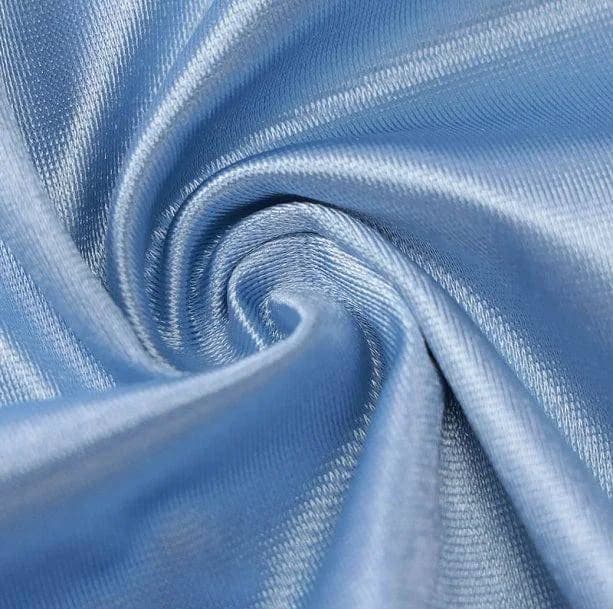
Another pitfall is ignoring fabric texture. If your dress is made of shiny satin, balance it with matte knits, denim, or distressed leather rather than more slick synthetic fabrics, giving your ensemble necessary contrast.
- Avoid combining multiple novelty shell or star shapes in the same outfit.
- Do not pair shiny high-gloss fabrics with equally glossy outer layers; introduce matte texture.
- Steer clear of overly delicate shoes if your day involves substantial walking.
14. The Complete Mermaidcore Outfit Checklist
Before heading out the door, take a quick scan in the mirror to verify that your outfit feels cohesive, comfortable, and tailored to your plans. Running through a quick practical checklist ensures you have hit the right balance between aquatic flair and everyday utility.
Make sure your base dress works for the weather, your footwear can handle your daily commute, and your jewelry adds focused detail without overwhelming the neckline. Taking a deliberate approach guarantees you feel confident, stylish, and entirely yourself wherever your day takes you.
Use the quick checklist below to assess your outfit before you step outside, adjusting layers or accessories as needed.
- Base Line: Does the dress fit comfortably across the bodice and allow easy walking?
- Layer Balance: Did you add a contrasting texture, like an open knit, tailored vest, or structured jacket?
- Footwear: Are your shoes chosen intentionally to ground the dress rather than compete with it?
- Accessories: Did you keep your jewelry to one or two focused ocean references?
- Bag Choice: Does your bag introduce a complementary texture like macrame, straw, or tortoiseshell?