Created by the Kawaii Vibe editorial team. Our named style desks are editorial personas. Product details and availability can change.
Mermaidcore usually brings up images of slinky slip dresses and iridescent gowns, but translating those sea-washed moods into daily streetwear centers entirely on your trousers. When you swap a trailing skirt for denim or relaxed woven bottoms, you need to adjust your proportions so the fluid aquatic mood does not get lost under stiff fabric or boxy shapes. Balancing mermaidcore pants outfits comes down to managing hem volume against waist definitions, offsetting wide cuts with structural tops, and letting textural mesh act as water-like layers rather than bulk.
Getting the look right means looking past simple color paletteA small group of colors you repeat to make an outfit feel connected.s and focusing on lines. Ocean themes lean heavily on ripple effects, undulating hems, curved seams, and airy transitions between skin and fabric. If your trousers feature exaggerated flares, puddling cuffs, or curved graphic stripes, an oversized top will swallow your frame and turn an intentional look sloppy. On the flip side, keeping everything skin-tight flattens the soft, breezy narrative of the subculture. The goal is creating intentional contrast where one garment supplies sweeping motion and the other provides an anchor.
In these style notes, we break down the mechanics of pairing wide-leg pants and cut-out denim with coastal knitwear, structured bustiers, and accessories. You will learn how to measure hem breaks against different shoes, how to select tops that hit at the most flattering anatomical points, and how to use open-weave textures to introduce lightness. Whether you are building an everyday outfit around structured denim or layeringWearing pieces over or under one another to add depth, warmth or contrast. light cotton pieces for warm weather, balancing length, width, and textile weight will keep your silhouetteThe overall shape an outfit creates, from fitted to loose and layered.s polished.

The Core Proportion Rule: Countering Fluid Hemlines
When building an outfit around aquatic elements, trousers with curved seams, ripple graphics, or dramatic leg flares carry substantial visual weight. The primary rule for balancing these bottoms is ensuring your upper half offers either clean vertical compression or snug architecture. If your pants billow outwards like a dorsal fin or feature swirling prints that mimic tide lines, wearing an equally voluminous tunic or slouchy hoodie dissolves any intentional shape.
Instead, aim for a clear high-to-mid hip transition point. When the eye catches a distinct waistline before taking in the wider expanse of the legs, the lower volume reads as intentional drapery rather than ill-fitting fabric. You can achieve this by pairing flowing trousers with pieces that crop right above the pelvic bone or by tightly tucking lightweight camisoles to show off unique waist constructions.
This counterbalance prevents the trousers from dragging your silhouetteThe overall shape an outfit creates, from fitted to loose and layered. downward. A bottom piece with extensive movement demands stillness above it. Keeping the torso streamlined allows the ripple or wave design of the trousers to be the focal point without competing for space.
- Pair dramatic leg widths with cropped or body-skimming tops to anchor the waist.
- Ensure high-motion fabrics on the lower half are matched with structured textiles above.
- Keep the visual break visible right at your natural waist or the high hip line.
Choosing Trousers: Wave Prints vs. Flared Hem Architecture
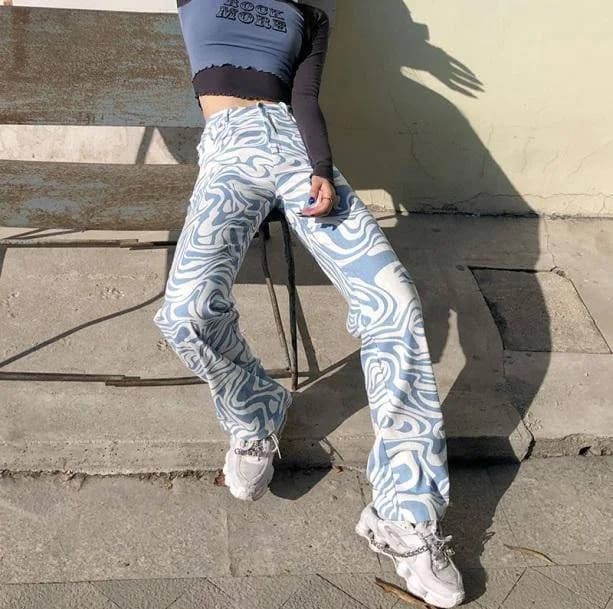
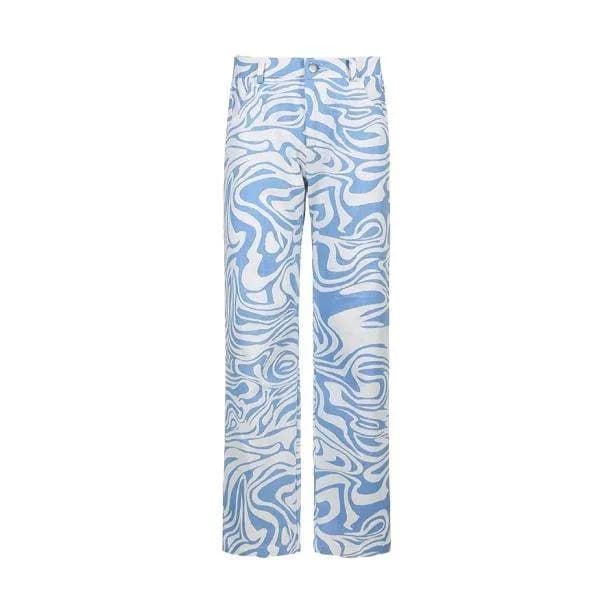
The foundation of this styling approach begins with your choice between print-driven fluidity and architectural flare. Patterned trousers communicate aquatic motion through surface design rather than sheer volume. For instance, the Aesthetic Wavy Pants rely on graphic, swirling contours across cotton fabric, available in Blue, Brown, or Khaki, offering an organic tide aesthetic while maintaining a predictable straight or subtle wide-leg cut.
In contrast, solid flared trousers achieve oceanic references entirely through hem width. A solid flare stays snug through the thigh before cascading outwards from the knee, creating an authentic fishtail contour. While wavy patterned pants give you freedom to play with flat, relaxed shoes, architectural flares demand precise length matching to prevent the bell shape from collapsing into messy ankle folds.
Deciding between these options dictates how much detail you can layer up top. When your pants feature bold wave lines like the Aesthetic Wavy Pants, your top should lean toward monochrome textures and simple silhouetteThe overall shape an outfit creates, from fitted to loose and layered.s. If your pants are solid denim or plain woven fabric with a flared bottom, you have room to layer intricate lace, ruffles, or asymmetrical necklines without creating visual noise.
- Patterned ripple pants supply movement visually without adding excess fabric width.
- Fishtail flares require structured fabric through the thigh to keep the hem pop crisp.
- Balance printed trousers with solid tops, and save detailed bustiers for plain trousers.
Deconstructing Waistlines with Asymmetric and V-Cut Denim
Standard mid-rise jeans often fall flat when paired with sea-inspired pieces because straight horizontal waistbands interrupt fluid design lines. Opting for angular or overlapping waist closures creates an immediate diagonal pull that mirrors natural water ripples and seashell geometry. The Cross Waist Jeans showcase this concept with an offset front closure, introducing angularity at the midsection that naturally breaks up the boxiness of traditional denim.
An asymmetrical or crossover waist acts as an optical contour. It dips slightly lower on one side or creates a subtle V-shape, which visually lengthens the torso while narrowing the appearance of the waistline. This gives you extra leeway when wearing wider, relaxed-leg jeans because the denim does not chop your midsection in half with a harsh horizontal line.
To maximize this design feature, avoid tops with long, straight hems that hang past the waistband. The visual power of a cross-waist cut disappears if you drape an untucked tee over it. Pair this denim style with asymmetric hem camisoles, micro-cardigans fastened with a single button, or cropped designs that finish an inch above the overlap.
- Crossed and V-shaped waistbands create soft diagonals that echo natural curves.
- Leave the waistband unobstructed by choosing high crops or tucking your base layers.
- Angular waistlines visually elongate the torso when styling baggier lower silhouetteThe overall shape an outfit creates, from fitted to loose and layered.s.

Top Pairings: Balancing Boning and Lace Against Heavy Denim
One of the most effective formulas in this aesthetic pairs heavy bottom-half utility with delicate, romantic top-half construction. Rigid blue or washed denim provides a grounded canvas that allows feminine, marine-inspired tops to shine without looking costumey. Introducing fine mesh, boning, or sheer panels creates a balanced interplay between utility and fantasy.
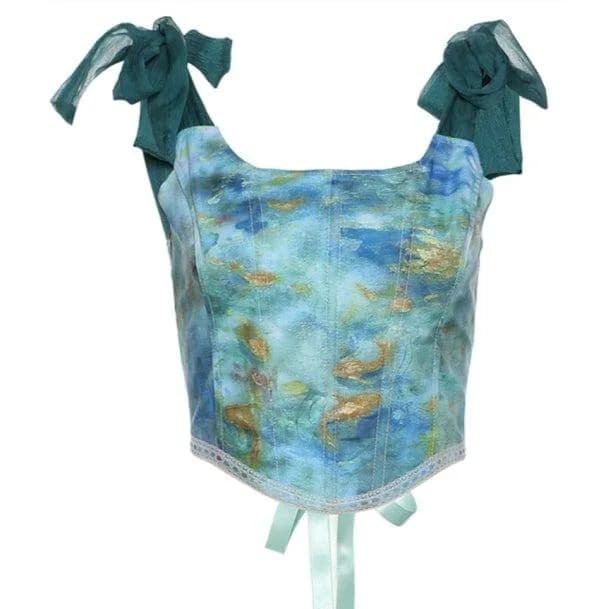
For a structured, historical nod to sea nymphs, the Art Hoe Corset Top in Blue, Green, Yellow, or Black introduces vertical boning lines that tighten the silhouetteThe overall shape an outfit creates, from fitted to loose and layered. against wide-leg pants. The structural support holds its shape firmly, creating an hourglass taper that stops right where relaxed trousers begin to flare. If you prefer softer, airier textures, the Coquette Lace Top, offered in Blue and Pink, brings ruffled trims and sheer elements that echo sea foam and ruffled fins.
When styling these tops, match the weight of your fabrics mindfully. Heavy vintage denim works best with the rigid canvas and boning of corsetry, while softer cotton trousers pair seamlessly with lightweight lace. This tension between casual streetwear trousers and intricate tops is precisely what keeps the style contemporary and wearable.
- Structured corsets provide vertical compression that grounds billowing trousers.
- Lace and ruffled trims mimic sea foam textures when paired with casual denim.
- Use solid-colored tops to let intricate seamwork and garment textures stand out.


Layering with Open-Weave and Fishnet Textures
LayeringWearing pieces over or under one another to add depth, warmth or contrast. is essential for building depth, but thick jackets or dense cardigans can smother delicate aquatic styling. Open-knit pieces solve this by adding dimensional texture and coverage without trapping visual weight or heat. Loose stitches allow underlayers to show through, creating an interplay of color that feels like sunlight filtering through shallow water.
A piece like the Summer Vibes Fishnet Sweater, made from polyester knit, offers an easy way to introduce marine net textures into everyday outfits. Its loose, perforated weave drapes casually over the shoulders, allowing a structured bralette or lace cami underneath to remain clearly visible. Because the knit is light and porous, you get the aesthetic benefit of long sleeves without hiding your waistline or overwhelming flared trousers.
When adding an open-knit layer over pants, pay attention to the sleeve length and shoulder drape. An off-the-shoulder styling shifts the eye diagonally, softening broad shoulders and balancing wider pant cuffs below. Keep the sweater cropped or loosely tucked on one side to prevent the knit from draping straight down over your hips in a boxy shape.
- Fishnet and open-stitch knits add texture without adding visual bulk or opacity.
- Wear sheer, open knits over fitted corsets or bandeau tops to show layeringWearing pieces over or under one another to add depth, warmth or contrast. depth.
- Drape loose knits off one shoulder to keep upper-body lines relaxed and asymmetrical.
Cropped Lengths and Midriff Placement
The space between the bottom hem of your top and the waistband of your trousers is a functional design element. In mermaidcore, showing a sliver of skin breaks up long vertical planes of fabric, preventing wide pants from visually dragging you down. This negative spaceAn uncluttered area that gives the rest of a design room to stand out. creates a natural divider that keeps high-waisted cuts looking dynamic rather than conservative.
A fitted basic like the Soft Girl Crop Top functions as an adaptable layeringWearing pieces over or under one another to add depth, warmth or contrast. block here. Because it finishes squarely above the belly button, it eliminates any bulk around the waistband. Pairing a minimalist, closely fitted crop with wide-leg or printed pants ensures that the widest points of your outfit remain confined to the lower hem, producing an elongating A-line silhouetteThe overall shape an outfit creates, from fitted to loose and layered..
If you prefer more coverage, you do not have to ditch the proportion trick. You can achieve the same horizontal visual break by layeringWearing pieces over or under one another to add depth, warmth or contrast. a semi-sheer chiffon wrap over a camisole or using a top with a curved, inverted-V hem that dips down in back while exposing the waistband in front. The priority is simply avoiding a blunt, heavy hem that blankets the hips.
- Negative spaceAn uncluttered area that gives the rest of a design room to stand out. at the midriff prevents high-waisted, wide pants from looking boxy.
- Minimalist crop tops balance out high-volume, detailed, or printed trousers.
- Inverted-V hems provide torso lengthening for those who prefer more fabric coverage.
Casual Graphic Tops: The Sea-Life Streetwear Approach
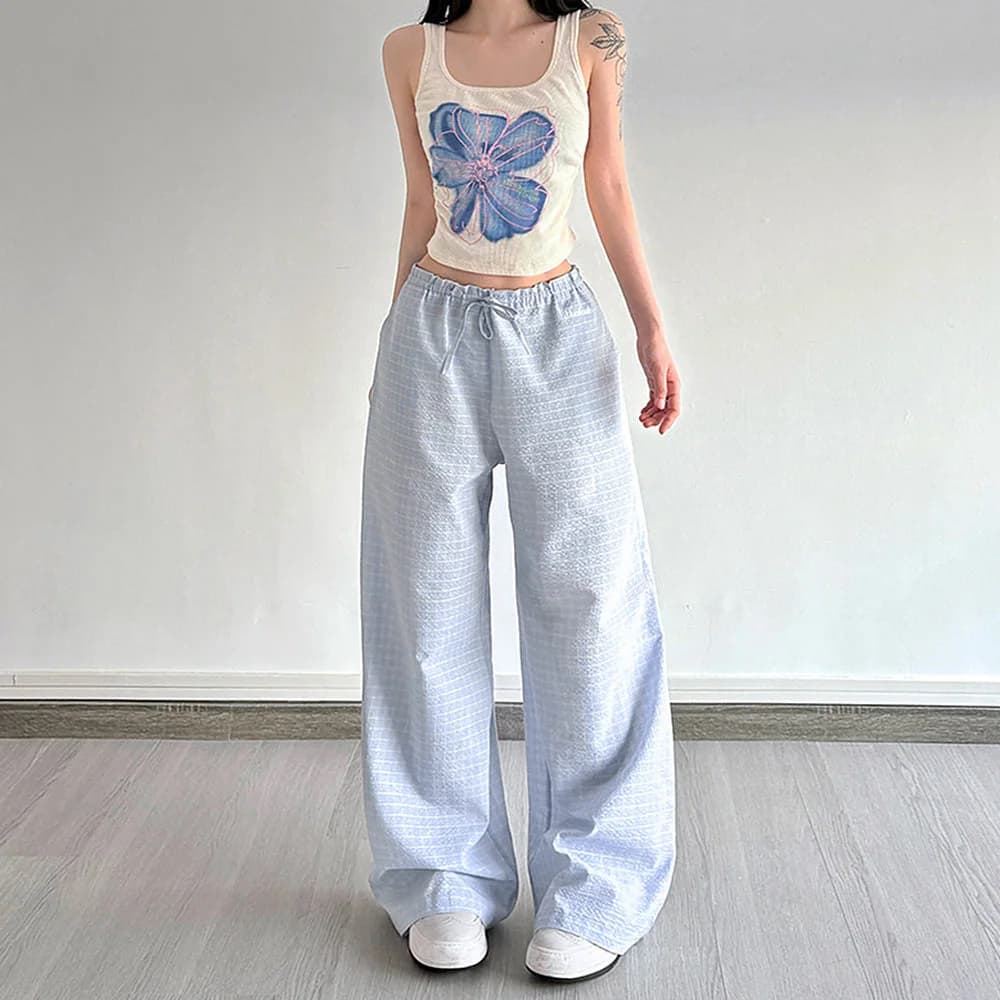
Not every outfit needs corsetry or sheer lace. You can execute this aesthetic casually by pairing relaxed graphic pieces with textural or wide-cut denim. The key is steering clear of standard boxy graphic tees and selecting designs with aquatic motifs and scooped, breathable cuts. Marine graphics bring a playful nostalgia that keeps street outfits grounded and approachable.
The Fish In The Sea Top, constructed from a polyester and cotton blend in a one-size fit, works well for this casual lane. Featuring sea-life imagery and a relaxed cut, it brings an ocean narrative into everyday rotations. To keep this top from drowning out your trousers, tuck it loosely into high-rise denim or knot it lightly at the hip to re-establish your waist position against the leg width.
When styling graphic pieces, let the graphic set the tone for your color paletteA small group of colors you repeat to make an outfit feel connected.. If the print features ocean blues, soft seafoams, or sandy neutrals, repeat those accent shades in your footwear or bag. This creates a cohesive through-line that transforms casual separates into a deliberate styling choice rather than random loungewear.
- Incorporate coastal and aquatic graphic art for casual, daytime interpretations.
- Knot or tuck loose-fitting graphic tops to preserve a distinct midsection.
- Anchor graphic colors with matching tones in your pants or accessories.
Comparing the Wider Aesthetic: Dresses vs. Separates
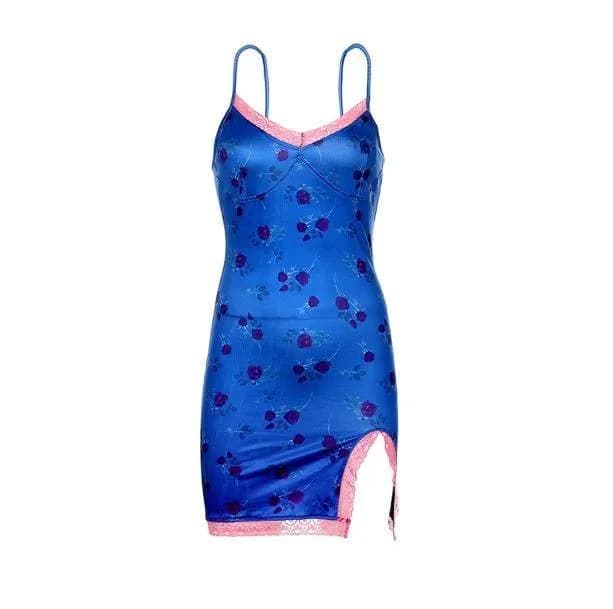
When shopping across ocean-themed aesthetics, shoppers often default to one-piece garments. Browsing the broader Mermaidcore Clothes selection reveals countless shimmering slip dresses, tiered maxis, and bodycon gowns, such as the Blue Chic Dress. While a dress provides immediate, full-body fluidity with zero coordination effort, it lacks the versatility and streetwear grit offered by trouser separates.
A dress like the Blue Chic Dress gives you an instant, unbroken column of color, but pants outfits allow you to play with high-contrast textures—such as rigid cotton paired against fragile lace, or distressed denim juxtaposed with pearl-dusted knits. Pants also give you control over volume distribution, letting you place dramatic curves specifically at the hem while keeping your torso sporty and functional for daily commutes.
Choosing pants separates over dresses also extends your wardrobe options. A single pair of wavy trousers can morph from a relaxed beachside outfit with a simple tank to an evening look paired with a boned bustier. Exploring dedicated Mermaidcore Pants allows you to build modular looks that dresses simply cannot replicate.
- Dresses provide seamless columns of color but lack textural styling contrast.
- Pants separates allow you to mix rigid streetwear textiles with airy marine knits.
- Trousers provide practical daily movement while keeping coastal aesthetics intact.
Denim Washes and Color Palettes: Beyond Standard Blue
While ocean blues and seafoam greens are obvious palette choices, building dimensional outfits requires mixing your wash tones carefully. Sticking exclusively to brilliant aqua from head to toe can make your outfit look flat or overly theatrical. Grounding your wardrobe with nuanced denim washes provides a realistic base that makes aquatic accents pop.
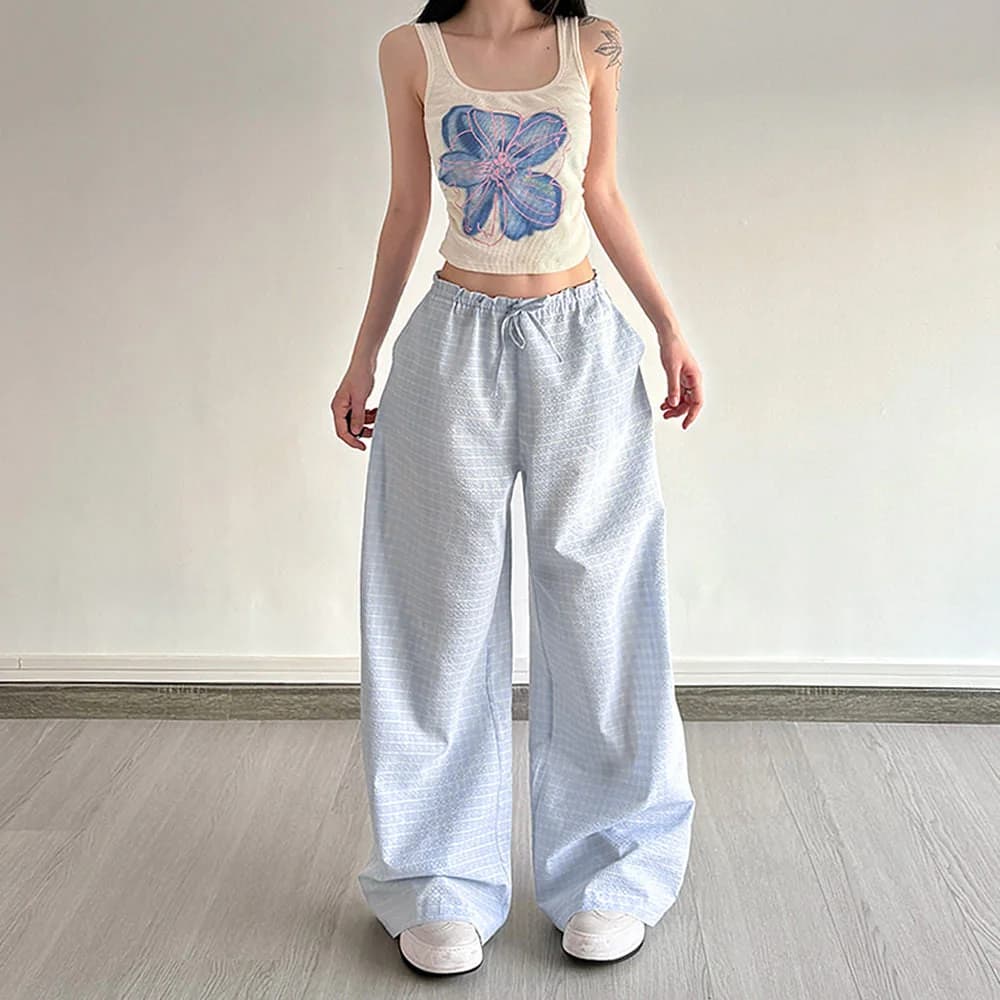
Within specialized Mermaidcore Jeans, look for bleached washes, sand-tinted ecru, sea-glass greens, and acid-washed indigos. Bleached and acid-wash techniques mimic the uneven, sun-bleached look of driftwood and sea spray, introducing textural interest directly into the denim fibers. Pairing a pale, salt-washed jean with a vibrant teal top establishes an easy contrast that feels sun-drenched and natural.
Earthier tones also play a strong supporting role. Sand khaki, pearl white, and shell brown mimic coastal shores and ocean floors, balancing cooler blues. Using neutral pants as a backdrop lets you highlight delicate jewelry, iridescent bags, and layered mesh tops without visual clashing.
- Bleached and acid-wash denims reflect the irregular textures of salt and sea spray.
- Balance vibrant blues and greens on top with sand, ecru, or washed indigos below.
- Avoid flat, unwashed dark denim, which can look overly formal and rigid for this style.
Footwear Strategy: Managing Hem Breaks and Width
The footwear you choose determines whether wide or flared mermaidcore pants drape gracefully or drag awkwardly on the ground. Because these pant styles feature wider lower hemlines, pairing them with the wrong shoe can compress your height or destroy the leg line. Your shoes must provide the proper clearance while complementing the organic, beachcomber aesthetic.
For dramatic bell-bottom flares, opt for footwear with a chunky sole or a modest block heel, such as flatform sandals, platform sneakers, or wooden clogs. The extra height lifts the hem off the concrete, allowing the fabric to sweep outward without bunching at your ankles. A clean hem break ensures that the bell shape holds its original flare line as you walk.
When wearing straight-leg or relaxed wave-print trousers, you have the flexibility to wear flat profile shoes like woven slides, ballet flats, or canvas slip-ons. Ensure the trouser inseam ends just skimming the top of your foot. If the fabric pools excessively, the wave pattern gets compressed into messy folds, losing its flowing visual impact.
- Pair dramatic flares with platform sandals or block heels to preserve fabric swing.
- Keep straight-leg wave trousers hemmed right at the foot arch to avoid messy pooling.
- Choose natural shoe textures like woven raffia, canvas, or smooth leather.
Selecting Tops: Necklines, Sleeves, and Proportions
Balancing trousers is not just about where the top ends; it is also about how the neckline frames your upper body. When your trousers feature flared cuffs, wide legs, or bold horizontal waves, high, restrictive crew necks can make your frame appear boxy. Choosing the right cut from specialized Mermaidcore Tops involves looking for necklines that open up the collarbones to create an airy balance against the leg volume.
Sweetheart necklines, scoop necks, and wide square cuts draw attention upward and mimic the curved contours of seashells. Wide necklines balance out the flare of your trousers, creating a cohesive hourglass shape even in relaxed streetwear. Off-the-shoulder cuts and asymmetric strap designs also reinforce this organic feel, introducing subtle asymmetry that breaks up rigid vertical lines.
Sleeve silhouetteThe overall shape an outfit creates, from fitted to loose and layered.s require equal intention. If your pants are extremely flared, pairing them with bell sleeves can create a double-heavy shape that feels cluttered. Instead, pair wide or flared trousers with sleeveless tops, cap sleeves, or closely fitted long sleeves. Save bell and ruffle-cuff sleeves for slim-leg pants or straight-cut denim to keep your silhouetteThe overall shape an outfit creates, from fitted to loose and layered. clear.
- Sweetheart and scooped necklines visually mirror shell curves and soften wide hips.
- Broad, open necklines create an hourglass balance against flared pant hemlines.
- Avoid pairing dramatic flared sleeves with heavily flared pants to reduce clutter.
Accessorizing the Silhouette with Marine Bags
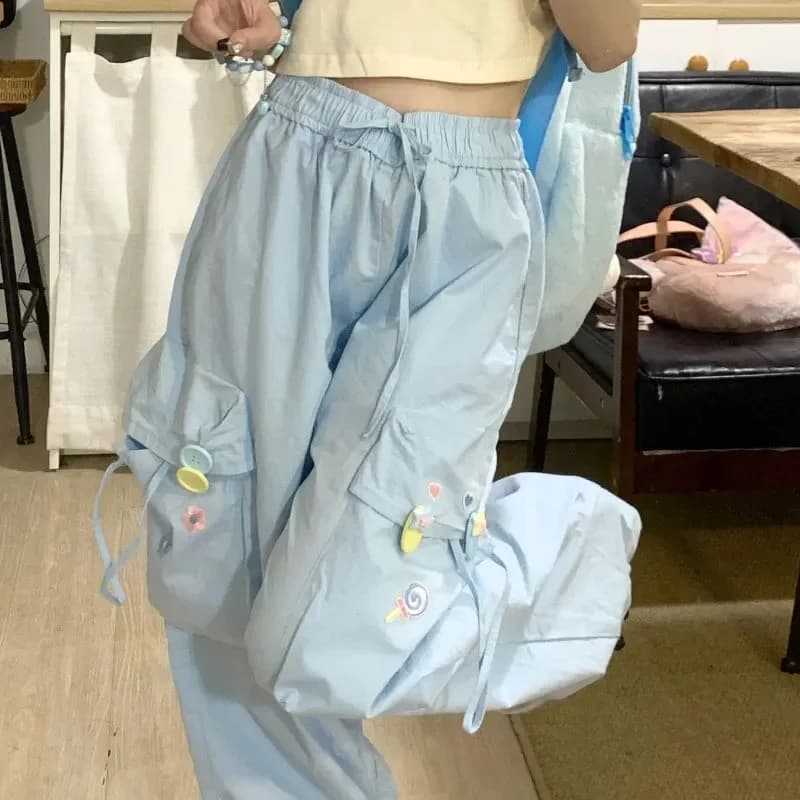
Accessories should finish your outfit without adding unwanted bulk around your hips. When styling wide-leg or low-slung jeans, carrying an oversized, slouchy tote that rests right at your hip adds unwanted width and hides your carefully styled waistline. Shoulder and crossbody bags require thoughtful strap lengths to keep your silhouetteThe overall shape an outfit creates, from fitted to loose and layered. balanced.
Browsing curated Mermaidcore Bags highlights the advantage of structured, smaller accessories. Short-strap shoulder bags that tuck neatly under the arm keep the visual focus high, leaving your waist and hip contours clean and unobstructed. Choosing bags shaped like shells, woven from macrame cord, or accented with pearl and beaded straps adds aquatic flair without dragging down your outfit.
When wearing casual wave-print cotton pants, reach for textured crochet bags or netted market totes. If your look leans toward structured denim with a boned corset, opt for a pearl-encrusted mini bag or an iridescent mini purse. Matching the formality of your bag to your top half pulls the entire outfit into a unified, deliberate statement.
- Short shoulder bags keep accessories tucked up high, leaving the waist visible.
- Avoid bulky hip-level bags that compete with the volume of wide-leg trousers.
- Use pearl, shell, and netted bag textures to reinforce coastal styling cues.
Common Styling Mistakes to Avoid
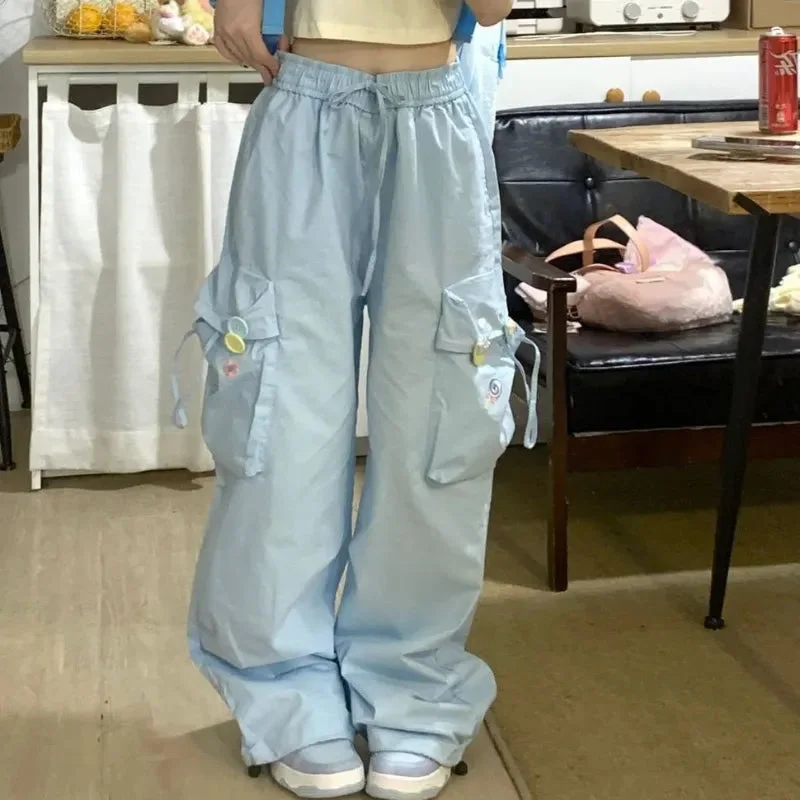
The most frequent pitfall when styling mermaidcore pants is trying to feature every aesthetic marker in a single look. Wearing wave-printed trousers alongside a ruffled lace top, an open fishnet sweater, shell jewelry, and iridescent platform shoes creates sensory overload. When every piece demands attention, the fluid ocean theme becomes chaotic. Choose one hero element—either architectural flared denim or a rich top—and let supporting pieces remain simple.
Another mistake is ignoring fabric drape. Stiff, unyielding heavy canvas trousers cannot achieve aquatic movement, no matter what color they are. If you choose denim, ensure it has either natural wash-softness or a cut specifically engineered with flare or asymmetry. For woven cottons, verify that the textile has enough give to ripple as you move rather than holding rigid, boxy creases.
Finally, watch out for pant hemlines that drag under your heels. While streetwear often embraces a puddling effect, mermaidcore is fundamentally about fluid, floating lines. Trousers that collect dirt and fray under your shoes ruin the effortless grace of the look. Hem your trousers to clear the ground or match them strictly with shoes that provide adequate lift.
- Do not combine wave prints, heavy ruffles, and fishnet knits all in one outfit.
- Avoid stiff, unwashed utility fabrics that resist natural movement and draping.
- Prevent hem dragging by pairing pant lengths carefully with the right shoe height.
The Proportion and Styling Checklist
Before heading out the door in your ocean-inspired street look, run through a quick proportion check to confirm your outfit lines work together smoothly. Checking how your pieces interact in motion ensures you feel comfortable and confident throughout the day, whether you are running errands or heading out for an evening event.
Start at your hemline and work your way up. Are your trouser cuffs swinging freely without bunching excessively over your shoes? Does your waistline create a clear horizontal or diagonal transition point that separates top from bottom? If you are wearing an open-knit layer, does it provide airy texture while still revealing the structured lines of your base top underneath?
By focusing on balanced counterpoints—matching wide bottoms with fitted tops, pairing rough denim with delicate lace, and framing fluid silhouetteThe overall shape an outfit creates, from fitted to loose and layered.s with clean footwear—you will capture the coastal mood in an effortless, everyday way. Keep your combinations simple, prioritize movement, and let individual textures tell the story.
- Hems swing freely without dragging or bunching awkwardly over shoes.
- Waistline is clearly defined through cropped hems, tucks, or asymmetric cuts.
- Fabric weights are balanced, mixing structured textiles with airy or sheer layers.
- Accessories stay compact and ride high to preserve an uncluttered lower frame.