Created by the Kawaii Vibe editorial team. Our named style desks are editorial personas. Product details and availability can change.
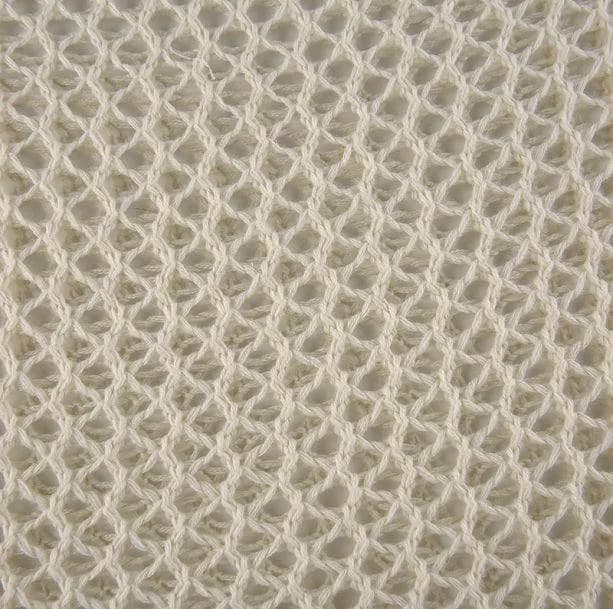
Mermaidcore sweaters often combine textured open stitches, loose gauges, seafoam hues, and relaxed silhouetteThe overall shape an outfit creates, from fitted to loose and layered.s that can look tricky to style once the temperature shifts. The real trick to wearing them regularly is treating them as textural top coats rather than standalone tops. When you layer with intentional base pieces, an open or fluid knit instantly shifts from a breezy novelty item into a hardworking everyday staple that flatters your frame without feeling bulky.
Whether you want to build an outfit for brisk coastal winds, a humid summer evening, or an air-conditioned classroom, balancing transparency, knit gauge, and volume makes all the difference. In this guide, we break down concrete formulas for different body shapes, how to transition knits across cool and warm months, and how to balance loose marine textures with clean wardrobe essentials.
Understanding Knit Gauge and Base Layer Placement
When building an outfit around open-weave ocean knits, your base layer dictates both the coverage and the overall silhouetteThe overall shape an outfit creates, from fitted to loose and layered.. A wide, loose stitch lets whatever you wear underneath show through clearly. If you choose a thick, high-contrast undershirt, the sweater can look lumpy and lose its airy underwater feel. Sticking to smooth, body-skimming bases allows the texture of the knit to remain the main visual focus.
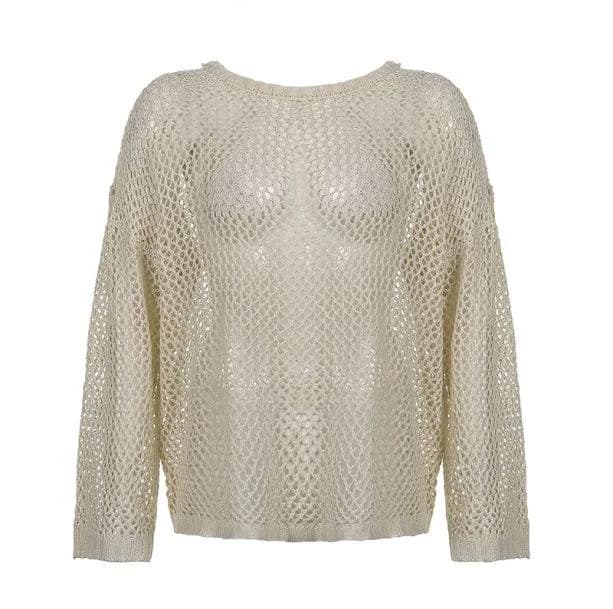
If you are starting with an open knit like the Summer Vibes Fishnet Sweater, which is constructed from polyester and offered in sizes S, M, and L, the underlayer needs to be flat against your torso. A seamless camisole or a neat bandeau creates a smooth background that lets the net-like pattern sit flat. Placing a dark layer under a pale aqua sweater creates sharp contrast, while choosing a tonal seafoam or cool gray base keeps the overall look soft and unified.
- Smooth microfiber or ribbed cotton camisoles sit flat under wider knit loops.
- Tonal bases create a gentle, watery wash, while dark bases highlight the pattern geometry.
- Avoid base layers with raised plastic buttons or thick chest pockets that distort open stitches.

Balancing Petite Frames with Cropped Knit Silhouettes
Petite frames can easily get lost in voluminous, longline open knitwear. If a sweater hits past your mid-hip, it can pull visual weight downward and shorten your leg line. The solution is working with cropped knit lengths or gently tucking your hem to maintain clean proportions. Pairing a shorter ocean knit with a defined high-waist bottom elongates your lower half while preserving that breezy, relaxed drape.
Try pairing a shorter sweater with structured bottoms like the Cross Waist Jeans, which come in sizes S through 2XL. The asymmetric waistband naturally draws the eye upward, giving your waist definition that balances the fluid, loosely spun yarn up top. If your knit is slightly longer, tuck just the front hem behind the crossed waist detail to let the back hang loose without overwhelming your height.

Lengthening and Defining Taller or Broader Frames
If you have broad shoulders or a taller frame, an unconstructed, boxy knit can sometimes hang like a flat sheet. You can create movement and break up broad horizontal lines by using diagonal hems, half-tucks, or deep vertical layers. Leaving an open-stitch sweater unbuttoned or opting for a wide neckline that shows the collarbone helps redirect the eye naturally.
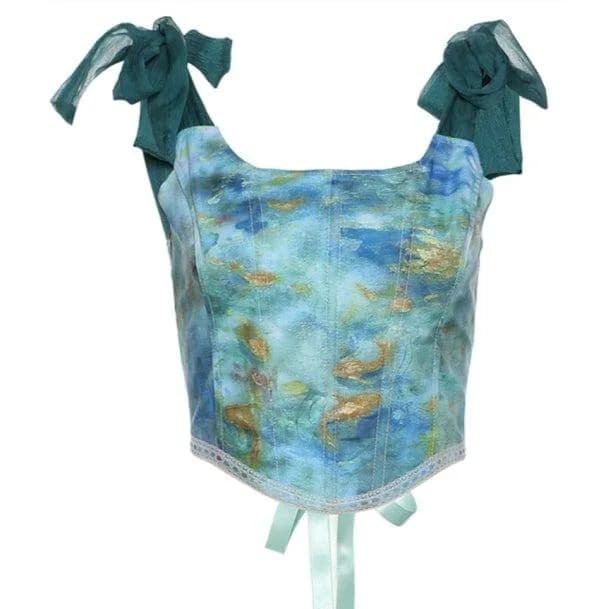
Instead of fighting the relaxed shape, wear longer, sweeping bottom pieces that flow alongside your sweater. A fluid slip skirt or wide-leg trouser in cool slate or sea glass blue allows the sweater to drape comfortably without clinging. LayeringWearing pieces over or under one another to add depth, warmth or contrast. a structured, fitted piece like the Art Hoe Corset Top—available in blue, green, yellow, and black—under an open knit cardy or fishnet pullover cinches the midsection and gives broad frames clean, vertical architecture.
Creating Curves and Soft Structure on Athletic Silhouettes
Athletic and rectangular body shapes often benefit from knits that introduce soft curves and organic movement. Chunky marine stitches, scallop-like trims, and drape-neck sweaters break up rigid lines, mimicking the natural flow of water. The key is creating visual contrast between a soft, pliable sweater and a base piece that has built-in tailoring.
You can achieve this by pairing a slouchy knit with romantic base pieces from our wider mermaidcore tops lineup. LayeringWearing pieces over or under one another to add depth, warmth or contrast. an open knit over a detailed piece like the Coquette Lace Top, which comes in blue and pink, brings feminine trim to the neckline and wrists. Letting the lace peek out past the knit cuffs breaks up straight lines, adding subtle volume around the bust and chest without adding heaviness to your waistline.

Layering for Warm Climates and Mild Summer Evenings
Summer knitwear might sound contradictory, but loose-gauge sweaters are useful for shaded boardwalks and chilly indoor air conditioning. In warm climates, the knit acts as a breathable sun shield or an easy cover-up rather than a heat-trapping insulator. You want fibers and weaves that promote airflow while maintaining the oceanic visual theme.
For an easy warm-weather ensemble, throw a light fishnet knit over the Soft Girl Crop Top. Because both pieces are light and unrestrictive, you stay comfortable during mild summer evenings without overheating. Pair this combination with relaxed linen shorts or denim cutoffs. You get the layered depth of a textured knit while keeping air circulating freely around your torso.
Transitioning Ocean Knits into Crisp Autumn Weather
When cooler autumn air arrives, mermaidcore knits need a thermal upgrade. Open-loop sweaters let wind cut straight through, so your base layer has to provide the actual warmth. Switching your summer camisole for a fine-gauge modal or tissue-weight turtleneck transforms an airy piece into a cold-weather staple while keeping the ocean palette alive.
Start with a snug, neutral turtleneck in pearl white, dove gray, or muted teal. Layer your textured ocean knit directly over it, allowing the collar and long sleeves of the turtleneck to extend past the sweater edges. This sandwich technique traps warmth against your skin while keeping the dimensional knit loops visible on the outside, proving you do not have to pack away open-weave pieces when the leaves turn.
Winter Layering Without Bulk or Fabric Snags
Winter styling requires multiple garments, which introduces a major hazard for marine knits: catching stitches on zippers, buckles, or coarse wools. If you slide an open fishnet sweater directly under a shearling coat with raw zippers, the loops can snag and pull instantly. Protecting your knitwear requires smart textile sequencing.
To layer safely, wear a smooth fitted base first, add your textured ocean sweater, and top it with a silky-lined overcoat rather than an unlined rough wool jacket. The slick inner lining allows the knit to glide freely as you move. Complete the cold-weather look with sturdy thermal tights and a structured winter skirt, making sure any metal coat hardware stays safely away from loose, looping yarns.

Styling Sweaters Over Dresses for Fluid Movement
Wearing a sweater over a dress instantly doubles your wardrobe options by transforming a one-piece into a faux skirt ensemble. The fluid drape of an ocean-themed knit works especially well over silky, watery skirts that catch the light. The contrast between soft knit yarn and gleaming fabric creates an authentic aquatic feel without looking costume-like.
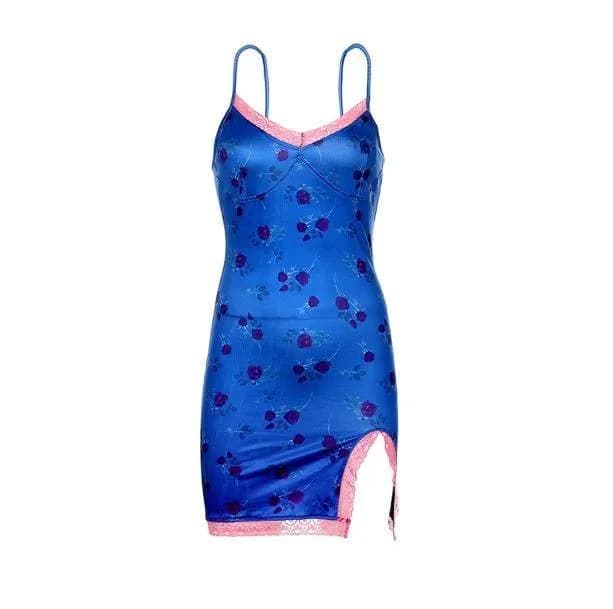
A great layeringWearing pieces over or under one another to add depth, warmth or contrast. option is slipping a cropped, loose knit pullover directly over the Blue Chic Dress. The clean skirt of the dress extends below the knit hem, creating a tiered look that flows smoothly around your calves. To prevent the sweater from looking boxy over the dress, secure a thin belt at your natural waist, pull the sweater slightly up, and fold the excess fabric down over the belt to hide it completely.
Lounge-to-Street Layering Formulas
Mermaidcore style extends into relaxed, off-duty loungewear when you pair loose textured sweaters with fluid sleepwear-inspired separates. Mixing bedtime-soft fabrics with structured knitwear gives you an effortless weekend outfit suitable for working from home or grabbing a casual coffee.
You can repurpose silky sleepwear pieces, such as the bottoms from the Silky Sweet Pajama set (offered in turquoise and pink), by wearing them as fluid street trousers. Layer a relaxed, chunky knit over the turquoise pajama pants, then slide into minimalist leather sneakers. The glossy drape of the trousers echoes water ripples, while the dense sweater adds grounded everyday practicality.
Selecting the Right Bottoms for Heavy Marine Knits
When working with chunky ocean knits, the silhouetteThe overall shape an outfit creates, from fitted to loose and layered. of your trousers or skirt can make or break the outfit. Because sea-inspired sweaters often feature irregular yarns, looped weaves, and dropped shoulders, pairing them with equally baggy, unstructured bottoms can leave you looking shapeless. Balanced proportions require intentional contrast.
If your sweater is thick and textured, select clean-lined bottoms such as straight-leg denim, tailored cigarette pants, or a sleek A-line mini skirt. Alternatively, if you prefer wider trousers, balance the volume by tucking the sweater hem or securing it with a belt. Explore the curated options in Mermaidcore Clothes to find bottoms that provide the right crispness to anchor heavy, sea-toned wools and acrylic blends.
Accessorizing Knits with Ocean-Inspired Details
Accessories add character to an outfit, but they can easily damage loose knits if you are not careful. Long pronged necklaces, rough crystal pendants, and chunky bracelets frequently snag delicate sweater stitches. When styling textured knits, keep your jewelry focused above the collarbone and away from the body of the sweater.
Statement earrings are the safest and most effective way to add marine accents without snagging. Browse Mermaidcore Earrings to find sleek shell, pearl, or sea-glass styles that draw focus toward your face. For your everyday items, carry smooth-textured accessories from the Mermaidcore Bags collection, ensuring the bag strap does not rub abrasively against the sweater's delicate knit fibers.
Choosing Between Chunky Knits and Fine Fishnets
Deciding between a chunky cable knit and an airy fishnet sweater comes down to function, climate, and how you prefer to layer. Chunky knits offer opacity and warmth, making them easy to throw on with standard base layers. Open fishnet knits, by contrast, are semi-sheer styling tools that rely entirely on the garments beneath them to set the mood of the outfit.
If you want an everyday casual option that requires minimal styling thought, a denser crewneck or cardigan is the practical choice. But if you enjoy playing with color contrast, visible bralettes, and warm-weather layeringWearing pieces over or under one another to add depth, warmth or contrast., open-stitch options offer far more styling flexibility. Check out our dedicated Mermaidcore Sweaters collection to compare open weaves against structured pullovers and find the right match for your local climate.
Common Layering Mistakes to Avoid
The most frequent misstep when layeringWearing pieces over or under one another to add depth, warmth or contrast. ocean knits is ignoring the color of your bra or base layer. Because many mermaidcore sweaters feature pale pastel tones like seafoam, mint, and pearl, a stark white or pitch-black bra underneath can visually chop your torso into awkward blocks. Unless high contrast is your specific goal, seamless nude or tonal camisoles create a much smoother line.
Another common error is combining too many novelty textures at once. An open net sweater, a ruffled skirt, iridescent boots, and a pearl harness worn all together can look chaotic. Let your sweater serve as the primary textural statement, keeping your bottoms and outerwear relatively clean. Finally, never hang open-gauge knits on wire hangers; the weight of the knit will stretch the shoulders and distort the original drape permanently.
- Do not use high-contrast undergarments unless you intend them to be a bold focal point.
- Avoid wearing raw metal zippers or pronged jewelry directly against loose knitwear loops.
- Never hang heavy open-stitch knits; always fold them flat to protect the shape.
The Layering Checklist and Care Routine
Before heading out the door in your layered mermaidcore outfit, run through a quick proportion and fabric check. Ensure that your base layer sits smoothly without bunching beneath your arms or across your chest. Check that your sleeve cuffs and hem hit at balanced points on your limbs, and make sure any bag straps you carry will not drag against delicate, loose threads.
For maintenance, hand wash your open knits in cold water using a gentle, residue-free detergent. Never wring out wet knitwear, as the water weight will pull the loose loops out of alignment. Instead, roll the sweater inside a dry bath towel to press out excess moisture, then lay it flat on a drying rack away from direct sunlight to preserve its shape and ocean-toned hue for seasons to come.
- Base layer check: Is it flat, seamless, and free of protruding hardware?
- Proportion check: Does the sweater hem clearly define your waist or complement your skirt length?
- Accessory check: Are earrings and bag straps smooth enough to prevent snags?
- Care rule: Wash gently in cold water and always dry flat to maintain the weave.