Created by the Kawaii Vibe editorial team. Our named style desks are editorial personas. Product details and availability can change.
The quick answer: keep one soft, romantic thing per outfit and let everything else be plain. A cotton tee, a straight pair of trousers, flat sturdy shoes and one pretty detail (a necklace, a bandana, a tote) gets you modern cottagecore outfits that survive a train platform and a meeting room.
Cottagecore on a farm-style fantasy scale does not always suit a city day. Long skirts catch in escalator gaps, puffed sleeves jam under coats, and ruffles crease in a packed bag. The fix is not dropping the look. It is editing it: cleaner lines, calmer volume, natural-feeling textures and colours that look like a field rather than a costume.
This guide walks through the rules first, then five full outfits, then the practical bits: shoes, layers, bags, weather, fit and a final checklist. Product suggestions are optional, and details are only what each listing states. Check the product page for sizing and materials before you buy.
I'm Sophie from The Soft Style Desk, an editorial voice, and everything here is styling advice rather than personal testing.
The Three Edits That Make Cottagecore Work in a City
Most city versions of cottagecore come down to three edits. First, reduce the volume to one place. If the sleeves are puffy, the skirt or trousers should be straight. If the bottom half is full, the top should sit close. Two big shapes at once read as costume, and they are hard to move in on public transport.
Second, cut the ruffle count. A single gathered edge or a bit of lace is plenty. Instead of frills, lean on texture and colour: knit, cotton, linen-look fabrics and washed-out tones such as cream, khaki, sage and soft brown. These keep the mood without the fuss.
Third, choose function for the parts you touch every day: shoes, bag, outer layer. These are the places where a city outfit fails first. Soft styling lives in the details you choose to see, such as a hair tie, a necklace or a pattern on a tote, while the practical pieces do the quiet work underneath.
A quick test before leaving the house: can you climb stairs two at a time, lift your arms to reach a rail, and sit down without fabric bunching? If yes, the outfit is city-ready.
- Pick one volume spot per outfit
- Limit ruffles and frills to one small touch
- Let shoes, bag and coat be practical
- Do the stairs-and-reach test before you go

Building a Palette That Looks Soft but Works at Work
Colour is the easiest way to keep cottagecore while looking office-appropriate. Stick to a base of two neutrals, such as cream and khaki or white and brown, then add one gentle accent. This keeps the outfit calm enough for shared workspaces and still warm enough to feel romantic.
Muted shades travel well. Sage, dusty blue, apricot and soft brown pair with almost everything in a wardrobe, which means you can mix new pieces with what you already own. The Cottagecore T-Shirt is listed in Khaki and White, which are both easy base colours to build around.
Prints deserve a rule too. One print per outfit is enough. If your bag has a bold illustration, keep the clothes plain. If your top has a pattern, choose a plain bag. Anything more and the eye has nowhere to rest.
When comparing colours online, remember that screens vary. Look at the listed colour name, check the photos in more than one light, and think about whether you already own something that matches. A piece that pairs with three of your existing items is worth more than one that needs a whole new outfit around it.

Outfit One: The Commute Basic
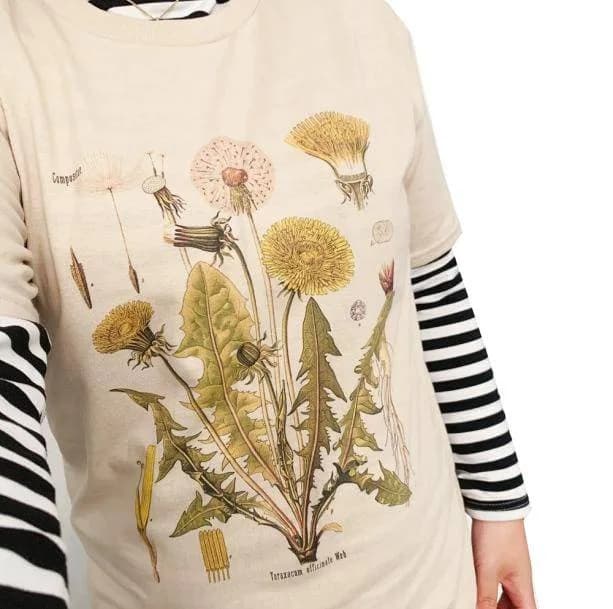
Start with a white or khaki cotton tee, straight-leg trousers in a neutral tone, and flat lace-up shoes. The Cottagecore T-Shirt works as the top. It is listed as cotton, in sizes S to XXL, so you can pick a size that suits a tucked or untucked look.
Tuck just the front into the waistband for a relaxed shape that still looks deliberate. Add a thin cardigan or a light jacket on top for chilly offices or air-conditioned trains. Roll the trouser hem once if you want the shoes to show.
Why it works: it is the most low-effort version of modern cottagecore outfits, and the tee carries the theme without any frills. The only romantic add-on is a small necklace or a hair tie in a soft tone.
Adapt it by swapping trousers for a midi skirt on warmer days, or by choosing the other tee colour to match your wardrobe. Browse more basics in the Tops collection when you want to compare shapes side by side.
Pitfall: a boxy tee with wide trousers can swamp a smaller frame. If both are roomy, tuck the tee and choose a trouser with a slimmer leg.
Outfit Two: The Office Knit Layer
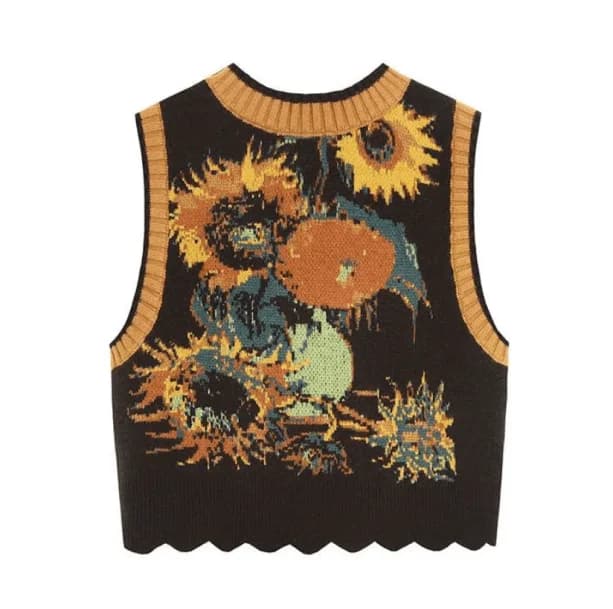
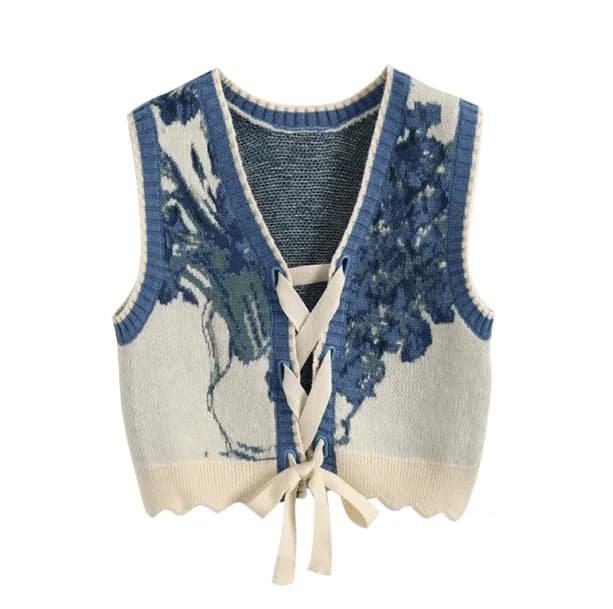
For desk days, layer a knit over a crisp base. Wear a plain collared or round-neck shirt, then add the Cottagecore Vest Top over it. The listing shows Brown and Blue, a cotton and acrylic blend, in S to XL. Worn as a vest layer, it adds texture without adding sleeves, which keeps your arms free for typing.
Pair it with tailored or straight trousers in cream, grey or dark brown, and add loafers or similar flat shoes. The result looks like a smart-casual office outfit with a gentle storybook edge.
Why it works: the vest gives you a waist-level focus and a pop of colour, while the shirt underneath stays neutral. It also means you can remove or add layers depending on the room temperature.
Adapt it by choosing a lighter shirt for warm offices, or a long-sleeve base for colder rooms. If your workplace has a formal dress code, keep jewellery small and the colours muted.
Check the fit on the day: knit pieces can look different on different bodies, so read the listing details and size guidance before choosing. Browse the wider Pants collection for trousers that fit the shape you want.

Outfit Three: The Soft Crop and High Waist
A cropped knit looks cute and stays practical when paired with a high-waisted bottom. The Cottagecore Knitted Crop Top is listed in White and Apricot, in one size. Pair it with high-rise straight trousers so no skin shows between hem and waistband, which keeps it work-friendly in most settings.
Add a long open shirt or light jacket on top when you need more coverage. This also adds a vertical line, which balances the short length of the knit.
Why it works: the high waist and cropped top make a clean, simple shape. There are no ruffles, no gathers, and no hanging fabric to snag on a bag strap.
Because the top is listed as one size, check the listing for any stretch or dimension details before ordering, and do not assume a fit. If measurements are not given, compare it with a knit you already own and love.
Pitfall: cropped plus low-rise bottoms leaves a gap that can feel awkward when you sit or reach. Choose a rise that stays comfortably at your natural waist.

Outfit Four: The Corset Top, Toned Down
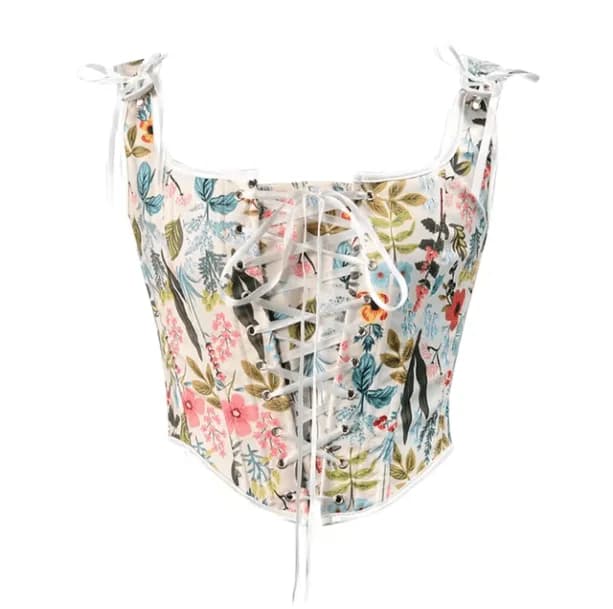
A corset-style top can feel dramatic, but a plain version works in a city if you treat it like a waistcoat. The Cottagecore Corset Top is listed in Multicolor, Blue and Beige, in sizes S to XXL, with a polyester material and a size chart on the listing. Beige is the most flexible choice for daily wear.
Wear it over a fitted long-sleeve tee or thin shirt, with relaxed trousers and sturdy flat boots. LayeringWearing pieces over or under one another to add depth, warmth or contrast. underneath makes the top feel like a structured vest rather than evening wear, and it lets the outfit sit in most casual workplaces.
Why it works: structure is the opposite of ruffles. It gives a defined shape with no extra volume, so it suits tight commutes.
Read the size notes on the listing and compare them with your own measurements before picking a size. A snug top should still let you breathe, sit and lift your arms. If you are between sizes, think about what you will wear underneath.
Pitfall: adding a corset top with a full skirt and puffed sleeves. Keep everything else simple and let this piece be the one statement.
Outfit Five: The After-Work Dress
For dinners or evenings out, a dress is the quickest route. The Open Back Cottagecore Dress is listed in White, Black, Orange, Purple, Green and Pink, in sizes S to L, made from polyester and linen. Black or green sit well with city settings; white or pink lean softer.
Wear a fitted long-sleeve tee or thin knit underneath if you want more coverage for the commute, or a cardigan over the shoulders. Add flat boots or sturdy sandals depending on the weather, and carry a structured bag.
Why it works: a single dress simplifies the decision, and the open back is the only dramatic detail. The rest of the outfit can stay quiet.
Adapt it for work by layeringWearing pieces over or under one another to add depth, warmth or contrast. a shirt or fine knit underneath, or by throwing a blazer over the top. Check the listing for length and fit details and compare against a dress you already wear.
Pitfall: windy platforms and long hems. If the length is long, walk up a flight of stairs in it before you commit to wearing it out for the whole day.
Shoes That Keep the Mood and Save Your Feet
Shoes decide whether a city outfit works. For modern cottagecore, look for rounded toes, flat or low block heels, and simple closures such as laces, buckles or straps. Leather-look loafers, canvas sneakers in cream, and sturdy ankle boots all fit the mood without getting in the way.
Think about the surface you walk on. Cobblestones, wet pavements and metal grates are hard on thin soles and heels. A grippy sole matters more than any other detail.
Comparing options: check the sole, the closure, the width at the toe, and whether you can wear thicker socks. Try the shoes with the exact outfit you picture, because a clunky boot with a slim skirt can look different from a boot with straight trousers.
If you commute a long way, a pair of comfortable travel shoes in your bag is fine, and many people do it. Pick shoes in the same colour family as your outfit so the swap does not break the look.
Pitfall: buying shoes only for how they look in a photo. If you cannot walk twenty minutes in them, they are not city shoes.
Bags, Scarves and Small Details
A good bag is the practical heart of a city outfit. A tote carries a laptop, lunch and a book, and it keeps both hands free. The Cottagecore Frog Tote Bag is listed in polyester, with options A to D and one size. Check the listing for dimensions before assuming it fits a laptop or documents. For other styles, browse the Bags collection.
Small details add the soft touch without extra volume. The Cottagecore Bandana is listed as polyester, one size, and could be tied in the hair, around a bag handle or at the neck. The Cottagecore Flower Necklace comes as a necklace, earrings or both, which works for a small accent at the collar.
Keep the rule of one: if the bag is the statement, skip the bandana. If the necklace is the focus, choose a plain bag.
Pitfall: stacking too many cute extras. Three small pieces together look busy. Choose one or two and let the rest of the outfit breathe.
Layering for Weather Without Losing the Look
City weather changes fast, and indoor temperatures change faster. Build outfits in thin layers you can add or remove, instead of one thick piece. A tee, a vest or knit, and a light jacket give three levels of warmth without bulk.
In warm conditions, choose breathable fabrics and keep the base light. Cotton pieces, such as the tee, suit this, but check the listing for material before you assume how a piece will feel. In cold conditions, add a long-sleeve base, thicker socks, and a coat with enough room for your layers.
For rain, a hooded jacket and shoes with grip matter more than any accessory. A bandana can keep hair tidy under a hood, though polyester can behave differently from cotton when wet, so treat it as a styling piece rather than a rain shield.
This approach works in any hemisphere and any month. Think about the temperature you will face, not the calendar. Keep a small fold-up layer in your bag and you can adapt through the day.
Fit, Proportion and Placement
Proportion is how a city outfit stays clean. A simple formula: fitted top with looser bottom, or looser top with fitted bottom. Avoid making both halves loose unless you add a clear waist line, such as a belt or a tuck.
Placement matters too. Put the visual focus at one height: the neckline, the waist or the bag. If your necklace is at the collar, keep the waist plain. If the corset top defines the waist, leave the neck bare.
Check sizing carefully. Several listings give sizes only as S to XL or one size, so look for measurements on the product page. If a size chart is given, compare it to a garment you own that fits well, not to a number you guess at.
Try new pieces at home with the exact layers and shoes you plan to wear, and test sitting, reaching and walking. Keep tags on until you are sure, and check the store return information before you buy.
How to Compare Options Before You Buy
When you shop, start with the collections that match your goal. The Cottagecore collection and the Cottagecore Clothes and Aesthetic Outfits collection give you the wider range, then narrow by tops, pants or bags.
Compare on five points: material, size range, colour options, how many outfits it joins, and how you will care for it. If the listing is missing a detail, such as dimensions or stretch, treat it as unknown rather than guessing.
A helpful method is to picture three outfits for each item. If you can only picture one, it is probably a special-occasion piece. If you can picture three, it is a good everyday buy.
Also think about cost per wear. A simple tee you wear weekly beats a statement piece you wear once. Build the base first, then add the details.
- Material listed and suits your climate
- Sizes include one that fits you
- Colour works with two things you own
- Can be worn in three different outfits
- Care needs match your routine
Common Mistakes and How to Fix Them
The first mistake is too much at once: a floral print, a ruffled collar, a full skirt and a big bag together. Fix it by removing everything except the one piece you love most.
The second is ignoring the commute. A long skirt, thin shoes and a heavy one-shoulder bag look lovely in a mirror and miserable on a crowded train. Swap to trousers or a shorter hem, grippy shoes and a tote or a cross-body style.
The third is fabric that creases or clings. Try pieces sitting down for a few minutes, and check how they look after being folded in a bag. If something wrinkles badly, save it for evenings.
The fourth is forgetting the dress code. If your workplace is formal, choose structured pieces like the vest layer or the beige corset top over a shirt, in muted tones. If it is relaxed, you have more freedom with colour and prints.
Last, do not chase every trend. Modern cottagecore outfits last when they fit your life, not when they copy a mood board.
A Final City-Ready Checklist
Before you head out, run through a short check. It takes under a minute and saves a lot of tugging, adjusting and regret by lunchtime.
Look at the whole outfit in a mirror from the side, not just the front. Check that no layer rides up when you raise your arms, that your waistband sits comfortably when you sit, and that your hem clears the ground on stairs.
Then check your bag. Does it hold what you need without overloading one shoulder? Is there a spot for a small umbrella or fold-up layer? A cute tote that digs in by noon is not doing its job.
Finally, choose your one soft detail for the day, whether that is the necklace, the bandana or the tote, and leave the rest simple. That is the whole idea: the romance is in the details, and the city does the rest.
- Stairs-and-reach test passed
- One volume spot only
- Shoes comfortable for your full commute
- Layers match the indoor and outdoor temperature
- Only one or two decorative extras
- Bag fits your daily items