Created by the Kawaii Vibe editorial team. Our named style desks are editorial personas. Product details and availability can change.
Styling a maritime-inspired dress comes down to managing bold graphic elements like horizontal striping, flap collars, contrast piping, and crisp pleats. When an outfit already features high-contrast bands of navy, cream, or crimson, adding extra pieces requires careful attention to balance rather than piling on more nautical cliches. The goal is to let the architecture of the dress anchor your look while using outer layers, shoes, and understated jewelry to adapt it for ordinary streetwear settings.
Whether you gravitate toward sharp sailor pinafores, breezy linen button-downs, or relaxed t-shirt dresses, the right combination of textures keeps your silhouetteThe overall shape an outfit creates, from fitted to loose and layered. grounded. Finding the proper footwear prevents a dress from looking like a costume, while clever knit layers ensure the piece works across shifting temperatures without concealing the defining cuts of the neckline or hem.
This guide breaks down specific layer pairings, footwear formulas, proportions, and weather adaptations. By treating maritime motifs as foundational neutrals, you can build adaptable daily outfits that feel cohesive, functional, and clean.
Balancing Collars and Necklines Under Outer Layers
Nautical frocks often spotlight distinct neck architecture, such as wide sailor bibs, square sailor collars, or deep boatnecks. When you throw a standard jacket over these details, the collar can bunch awkwardly or collapse into an unflattering lump. To keep the look intentional, your outer layer must either frame the collar or sit comfortably underneath its drape. A collarless cardigan or an open-front crewneck jacket provides a smooth canvas that allows broad back flaps and lapels to sit flat across your shoulders.
If your dress has a standard boatneck or scoop collar, you have much more freedom to introduce structured outer pieces. A soft layer like the Nautical Vest Sweater, which is made of polyester and styled as an aesthetic layer, can be slipped directly over a long-sleeve striped shift to introduce mid-torso texture while leaving the collarline visible. Alternatively, styling an unbuttoned lightweight overshirt from our nautical tops collection keeps the front visually open, preventing wide boatnecks from getting swallowed by bulky neckbands.
When you plan your layers, check the mirror from both the front and back. Sailor collars feature prominent rear panels that can wrinkle underneath stiff denim or heavy wool jackets. Choosing outers with lower rear yokes or wide neck drops ensures the dress rests naturally against your back without bunching.
- Pair broad sailor flaps with collarless cardigans or drop-shoulder outerwear to let the flap lie flat.
- Frame deep square necks with open-front layers rather than zip-up hoodies that pinch the collar.
- Use sleeveless knit vests over long-sleeve shifts to preserve arm mobility while warming the torso.


Footwear Formulas: From Clean Trainers to Chunky Loafers
The shoes you choose determine whether a maritime dress feels casual, sporty, or structured. A classic navy-and-white stripe dress pairs naturally with low-profile canvas lace-ups or clean white leather trainers. Low-top sneakers counteract the neatness of pleated hems or structured pinafores, bringing the outfit firmly into relaxed daytime territory. Make sure the sneaker ankle profile sits low enough to leave space below the dress hemline, preserving clean leg lines.
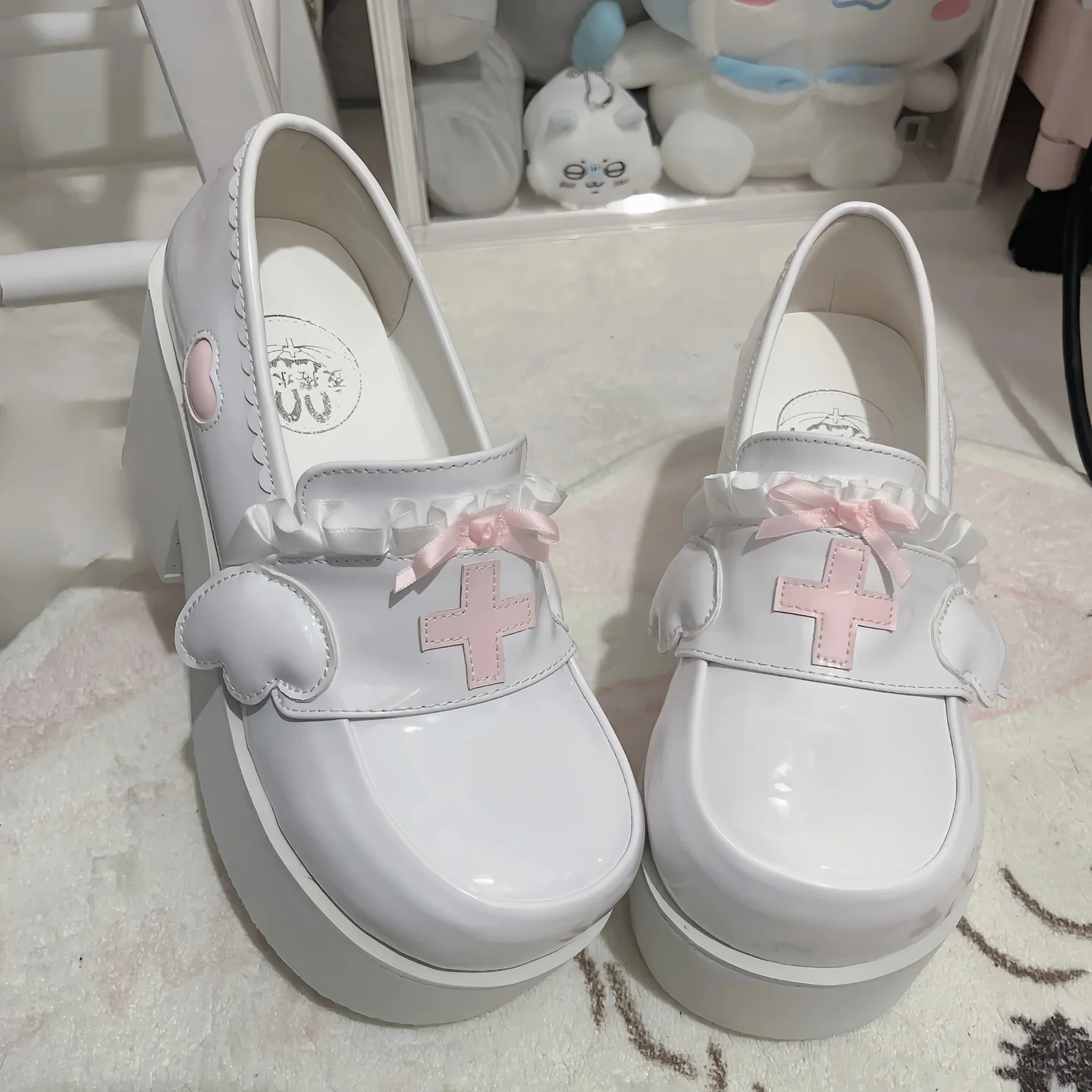
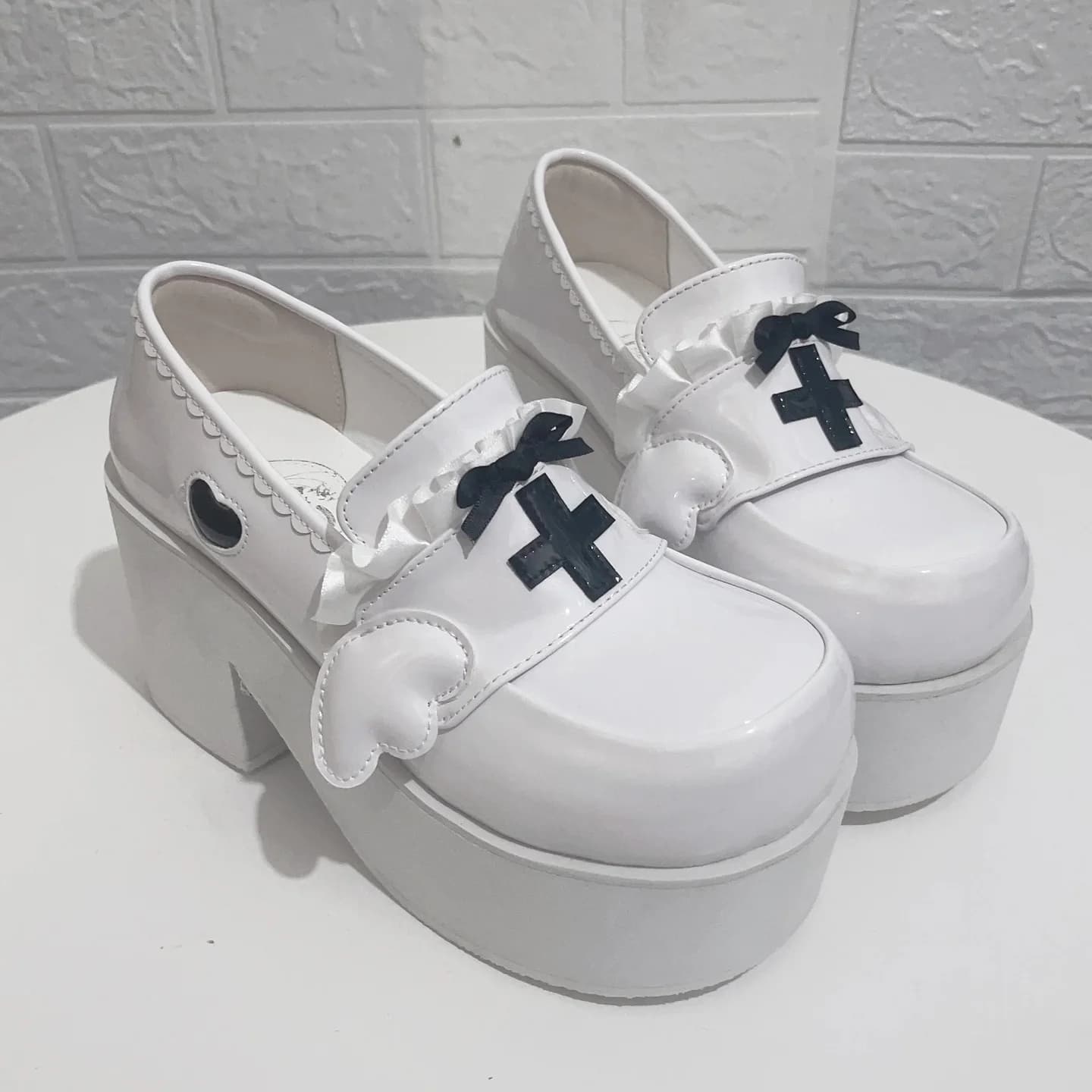
For days when you want a sharper, more deliberate outfit, swap trainers for polished penny loafers or lug-sole moccasins. Chunky dark loafers ground airy cotton or linen garments by adding visual weight to the bottom of the silhouetteThe overall shape an outfit creates, from fitted to loose and layered.. If you are browsing our nautical dresses for a crisp button-front or pleated design, adding black or oxblood leather loafers creates a pleasant contrast against breezy whites and maritime blues. Crew socks in ecru or ribbed white bridge the gap between heavy footwear and a light hem.
Warm weather calls for fisherman sandals, woven espadrilles, or strappy flat slides. The woven leather straps of a traditional fisherman sandal echo maritime rope textures without feeling overly literal. Avoid overly delicate stiletto heels, as thin formal heels often clash with the athletic, seafaring origins of maritime patterns.
Cropped Knits and Waist Definition
A common pitfall with relaxed-fit sailor smocks and t-shirt dresses is losing all torso definition once cooler weather arrives. Long, oversized sweaters can smother the dress, transforming a breezy silhouetteThe overall shape an outfit creates, from fitted to loose and layered. into a shapeless column. The most reliable fix is introducing cropped knitwear that hits precisely at your natural waist. A cropped hem establishes a visual dividing line, ensuring the lower half of your dress flows like a standalone skirt.
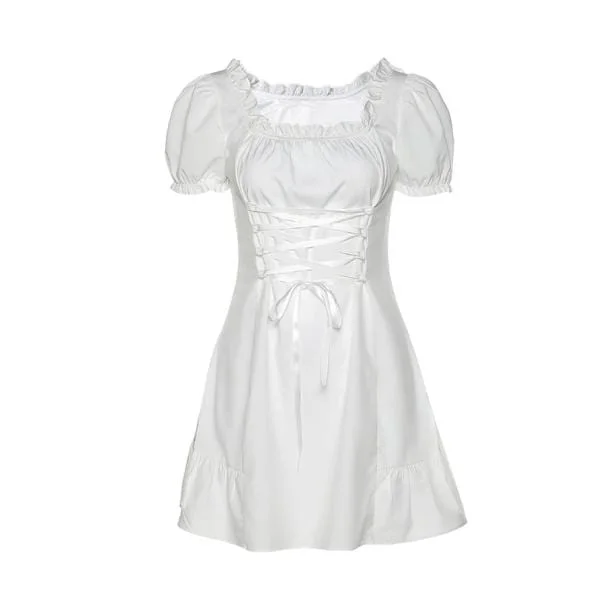
You can also achieve this proportion by layeringWearing pieces over or under one another to add depth, warmth or contrast. a dedicated sweater over the top and securing it with an internal tuck into a thin belt. The Nautical Sweater, available in black and red polyester options, can be worn over a simple base like the Innocent White Dress to convert its airy skirt into a functional bottom layer. Pairing that red knit variation over a stark white dress provides bold, retro contrast while keeping your proportions balanced.
When layeringWearing pieces over or under one another to add depth, warmth or contrast. tops over dresses, watch the hem thickness of the knitwear. Bulky ribbed hems that grip tightly around your hips will cause lightweight dress fabrics to balloon underneath. Instead, pick tops with relaxed hems or boxy silhouetteThe overall shape an outfit creates, from fitted to loose and layered.s that drape naturally without pulling the dress fabric upward as you walk.
- Choose cropped knit cuts that stop at the natural waist to maintain balanced torso proportions.
- Layer loose pullover knits over white midi dresses to turn them into casual two-piece illusions.
- Avoid tight bottom-band knits that squeeze the dress skirt and cause bunching around your midsection.


Navigating Stripe Scales and Patterns
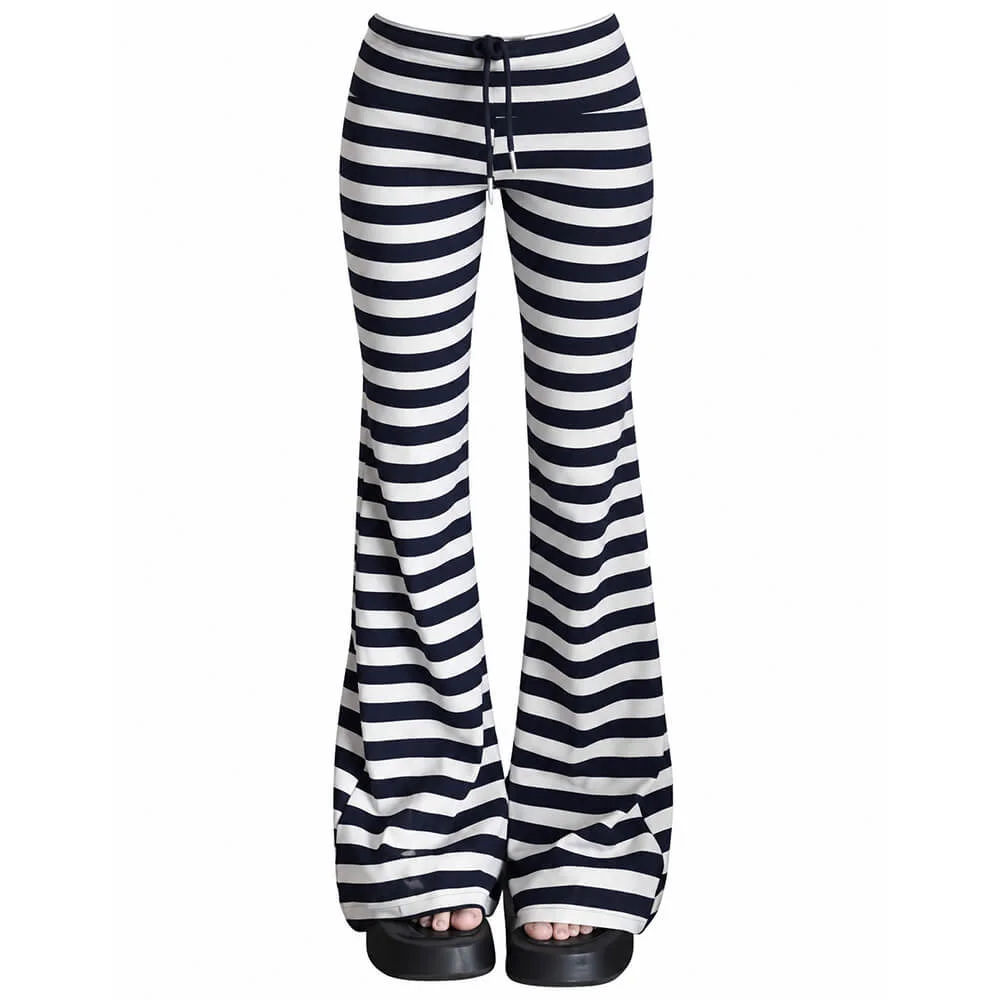
Pattern mixing can elevate maritime styling, but pairing mismatched stripes can quickly become chaotic. When styling a striped dress, the safest approach is to contrast the scale of your prints. If your base garment features micro-stripes with thin, dense lines, your outer accessories or layers can carry wider, bolder blocks of color. Conversely, if your dress features bold Breton stripes, keep all surrounding layers completely solid.
Solid knits act as visual resting zones. For example, explore our wider range of nautical clothes to find solid navy, ecru, or olive pieces that frame a patterned base. A solid layer breaks up the horizontal movement of striped fabric, directing the eye vertically. If you introduce a secondary pattern, such as a subtle polka-dot neckerchief or a windowpane tote, ensure one print is distinctly larger than the other so they do not compete for visual priority.
Color paletteA small group of colors you repeat to make an outfit feel connected.s also dictate pattern success. Stick to an established two-to-three tone palette across the entire outfit. If your dress is cream and navy, do not add an outer layer with black, brown, and green stripes. Harmonizing the background colors ensures that different textures and lines sit peacefully together.
- Pair broad horizontal dress stripes exclusively with solid-color outerwear.
- Combine micro-striped dresses with larger, graphic accessories rather than identical thin stripes.
- Limit your total palette to three related tones to keep multiple textures from clashing visually.
Lightweight Outerwear: Trench Coats to Utility Jackets
Outerwear provides essential utility while shaping your overall outfit profile. For mid-length maritime dresses, an unbelted mid-thigh trench coat is a natural companion. The sharp lapels and weatherproof gabardine fabric complement the structured coastal aesthetic, while the length protects lighter dresses from sudden wind gusts. Leaving the trench open allows the vertical stripe patterns or central button rows of your dress to elongate your frame.
Utility jackets, chore coats, and cropped denim also work exceptionally well for casual days. A faded indigo denim jacket cuts through the crisp, prim nature of a pleated white sailor dress, lending it an easy, lived-in energy. Alternatively, a boxy olive utility jacket introduces an earthy contrast against crisp navy-and-white palettes, steering the look away from feeling like a rigid uniform.
Consider sleeve lengths when selecting outerwear. Puffer coats and heavy parkas can look disconnected from breezy maritime aesthetics. Instead, opt for structured, breathable layers with sleeves you can easily push up to show off layered knit cuffs, a watch, or the wrist detailing of your dress underneath.
- Mid-length trench coats protect light dress fabrics while preserving clean vertical lines.
- Olive chore jackets cut down the formality of bright white and navy sailor pieces.
- Cropped denim jackets anchor high-waisted silhouetteThe overall shape an outfit creates, from fitted to loose and layered.s without smothering pleated hems.

Choosing Tights and Hosiery for Cool Weather
Transitioning a maritime dress into cold weather requires careful hosiery selection. Black opaque tights are a common reflex, but jet-black legwear can sometimes feel too harsh against delicate cream fabrics or pale nautical stripes. A deep navy tight, rich charcoal, or heather gray option often creates a far more cohesive bridge between a light dress and dark winter footwear.
Semi-sheer hosiery (between 20 and 40 denier) provides a softer transition for mid-weight dresses than thick, matte leggings. If you are wearing dark navy frocks, sheer black tights paired with leather lace-up boots maintain dimension without feeling overly dense. For a preppy, retro spin, look to textured cable-knit tights in oatmeal or off-white, particularly when wearing heavier corduroy or wool pinafores.
Socks over tights are another practical styling technique. Scrunching an ecru ribbed sock over dark tights just above the collar of a Chelsea boot adds outdoor warmth while softening the line where your footwear meets your leg. This approach balances chunky footwear against shorter dresses.
- Opt for deep navy or charcoal tights instead of jet-black to complement cream-colored dress fabrics.
- Choose semi-sheer deniers for lighter cotton dresses to avoid visual heaviness.
- Layer ecru ribbed crew socks over dark tights to soften heavy winter boot transitions.
Everyday Bags: Canvas, Wicker, and Structured Leather
Accessories ground maritime styling, and your bag choice sets the overall mood. Heavy-duty canvas totes are an effortless daily match for nautical dresses, reinforcing coastal utility while holding everyday essentials. Look for thick, unbleached cotton duck canvas with reinforced handles and minimal graphics. The natural ecru color of raw canvas coordinates smoothly with sailor stripes and contrast piping.
When you want a polished warm-weather look, structured wicker baskets or woven raffia crossbody bags add organic texture. A rigid, boxy basket bag contrasts beautifully against flowing skirts, offering vintage charm without feeling costume-like. For city wear or evening outings, switch to structured leather bags in rich cognac, deep navy, or oxblood. Smooth box-calf leather provides a refined, sleek counterweight to relaxed jersey or poplin.
Avoid overly flashy bags featuring heavy metallic hardware, excessive rhinestones, or neon shades. Maritime dressing relies on functional, enduring aesthetics, meaning understated brass hardware, natural leather finishes, and raw textiles will always look most cohesive alongside your dress.
- Heavy unbleached canvas totes reinforce casual utility for day-to-day wear.
- Structured wicker baskets introduce rich tactile contrast against soft cotton fabrics.
- Smooth cognac or oxblood leather bags elevate daytime sailor dresses for dinner settings.
Jewelry and Accents: Staying Subtle
The graphic lines of sailor collars, stripes, and maritime buttons already draw plenty of attention. As a result, jewelry should remain understated and clean. Layered delicate gold chains, small signet rings, and classic hoop earrings enhance your outfit without cluttering your neckline. High-shine yellow gold and warm brass pair naturally with navy, cream, and red color paletteA small group of colors you repeat to make an outfit feel connected.s.
Pearls are a traditional coastal accent that work exceptionally well when styled casually. Instead of formal graduated strands, opt for irregular baroque pearl pendants on simple chains, or small pearl studs. The uneven texture of baroque pearls feels modern and relaxed, avoiding any stuffiness. Silk bandanas tied neatly around the neck or wrapped around a tote handle can also introduce a pop of color, provided they do not conflict with a large sailor collar.
Skip literal maritime jewelry like cartoonish anchor charms, ship steering wheels, or novelty rope knot bracelets. These accessories cross the line into costume territory. Focus instead on clean, minimalist metalwork and organic materials that subtly evoke coastal themes through texture rather than overt symbols.
- Choose irregular baroque pearls over formal round strands for an effortless coastal feel.
- Stick to warm brass and yellow gold metals to complement navy and cream tones.
- Avoid literal anchor and wheel novelty charms to keep your outfit looking modern and wearable.
Adapting Underlayers and Swimwear Foundations
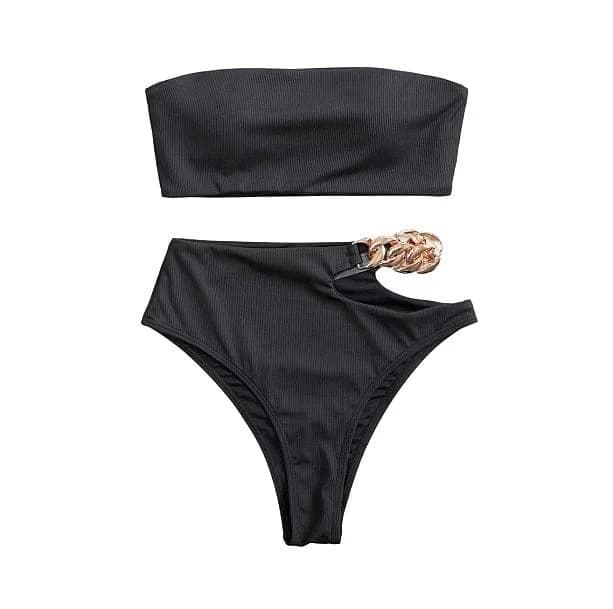
What you wear underneath your dress affects both drape and comfort. For low-back dresses, deep scoop necklines, or sheer linen tunics, foundation garments must be carefully planned. Wearing a clean-lined swim piece underneath turns a translucent resort dress into a versatile beach-to-street look. The Aesthetic Bikini With Chain, available in black or white, offers clean edges that can sit neatly under an open-weave crochet shift or semi-sheer cotton dress without awkward bunching.
If your nautical dress features a button-front design that you prefer to wear unfastened like a light duster coat, building a functional base layer underneath is key. You can slip the Nautical Crop Top, a polyester piece featuring aesthetic maritime styling, underneath along with high-rise bottoms. For structured lower halves, pair this open-dress look with the Retro Style Straight Leg Shorts in cotton-polyester, or opt for the Vintage Style Shorts, which come in multiple denim and neutral washes.
Dressing in layers this way lets you transition your outfit throughout the day. By keeping your base garments clean and fitted, you can comfortably unbutton or remove outer dress layers as the afternoon warms up without losing your outfit's structure.
- Use minimalist bikinis under sheer beach tunics for easy seaside-to-cafe transitions.
- Style open button-down dresses as dusters over fitted crop tops and high-rise shorts.
- Select smooth foundation garments to prevent clinging under lightweight poplin skirts.
Separates That Replicate the Dress Look
Sometimes styling a single one-piece dress feels restrictive for varied activities. You can easily achieve the balanced, elongated silhouetteThe overall shape an outfit creates, from fitted to loose and layered. of a maritime dress by pairing coordinated separates. Matching a striped knit top with a high-waisted bottom creates the continuous line of a dress while offering the practicality and modularity of two individual garments.
To build this coordinated look, start by browsing our curated selection of nautical sweaters for pieces that feature classic horizontal striping or drop-needle textures. Pairing a tucked-in sailor knit with structured denim like the Irregular Front High Waist Jeans delivers the vintage appeal of a sailor jumpsuit with better everyday versatility. The high waistline mirrors the cinched proportion of a tailored A-line dress, keeping your leg line long.
For alternative bottom styling, you can also explore our broader line of nautical pants to find wide-leg sailor trousers with drop-front buttons. Matching these trousers with a fitted top gives you the visual elegance of a formal maxi dress, while allowing you to mix and match individual pieces throughout the week.
- Pair tucked sailor sweaters with high-waist denim to replicate the silhouetteThe overall shape an outfit creates, from fitted to loose and layered. of a jumpsuit.
- Use wide-leg trousers and fitted striped tops to mimic the continuous lines of a maxi dress.
- Choose modular separates when your daily activities demand more mobility than a skirt allows.
Warm-Weather Adaptations and Sun Styling
When temperatures rise, styling maritime dresses shifts toward sun protection and breathable layeringWearing pieces over or under one another to add depth, warmth or contrast.. Lightweight woven hats, such as wide-brim straw boaters or packable raffia bucket hats, complement the coastal mood while shielding your face. Ensure your hat band remains neutral—plain black, ecru, or tan—so it does not compete with the dress pattern.
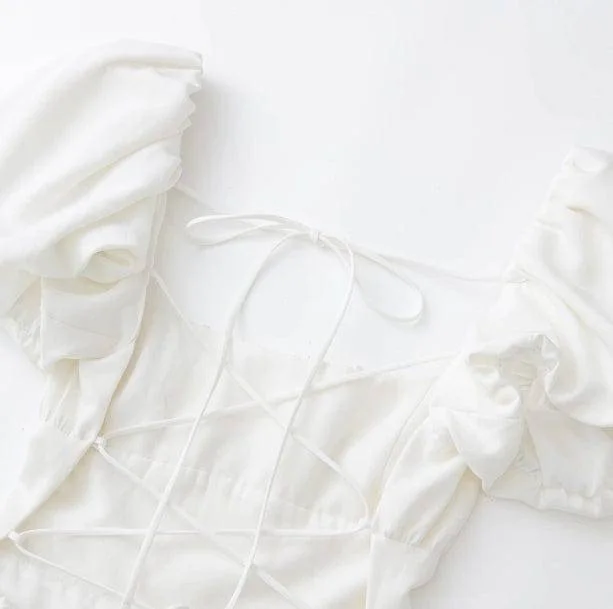
Footwear in high heat should prioritize breathability without sacrificing clean lines. Minimalist leather slides, woven huaraches, or canvas slip-ons keep your feet cool. If you are wearing a breezy piece like the Innocent White Dress, pairing it with open sandals and an unbuttoned lightweight linen overshirt gives you effortless sun coverage during midday heat.
Sunglasses complete warm-weather styling. Classic tortoiseshell frames, sharp cat-eyes, or thick black acetate sunglasses complement the vintage roots of maritime aesthetics. Avoid ultra-futuristic shield shades or neon sports frames, which feel disconnected from the classic, relaxed coastal palette.
- Wear straw boaters or raffia hats with neutral bands for stylish sun protection.
- Pair light white dresses with unbuttoned linen shirts for breathable midday arm coverage.
- Choose tortoiseshell or black acetate sunglasses to ground airy warm-weather fabrics.

Cold-Weather Adaptations and Heavy Layering
You do not need to pack away your cotton or jersey nautical dresses when temperatures drop. LayeringWearing pieces over or under one another to add depth, warmth or contrast. thermal turtlenecks directly underneath your dress is an effective way to stay warm while keeping the dress visible. A fitted black, cream, or mustard turtleneck worn beneath a sleeveless sailor pinafore or V-neck shift provides warmth while framing the dress neckline cleanly.
Outerwear for freezing conditions should focus on texture and proportion. A heavy wool pea coat is the natural partner for maritime pieces, echoing authentic naval heritage with its double-breasted front and wide lapels. Make sure the coat hem is either slightly shorter than a mini dress or extends well past the hem of a midi dress; outerwear that ends at the exact same line as your dress hem can look awkward and bulky.
Complete your winter ensemble with sturdy leather footwear. Lace-up combat boots, tall riding boots, or lug-sole Chelsea boots ground lighter dress fabrics and protect against rain and slush. Finish the outfit with a heavy ribbed beanie in cream or navy wool to stay warm while maintaining color cohesion.
- Layer fitted fine-gauge turtlenecks beneath sleeveless dresses for cold-weather insulation.
- Pair midi dresses with longer wool pea coats to maintain clean outer proportions.
- Wear lug-sole leather boots to shield lightweight skirts from winter slush and rain.
Common Styling Mistakes to Avoid
The most frequent misstep when styling nautical dresses is overloading the outfit with literal maritime novelties. Wearing a striped sailor dress with an anchor necklace, a captain's hat, rope-soled espadrilles, and a red bandana crosses quickly into fancy dress. To keep your look contemporary, choose only one distinctly maritime item per outfit, keeping all accompanying layers and shoes simple and modern.
Another mistake is neglecting fabric weights when layeringWearing pieces over or under one another to add depth, warmth or contrast.. Draping a heavy, stiff canvas jacket over an ultra-light silk-cotton dress can crush the skirt and restrict movement. Conversely, wearing a flimsy cardigan over a heavy, structured drill cotton pinafore makes the knitwear look stretched and unsupportive. Match similar fabric weights, or balance them thoughtfully by placing sturdy pieces on the outer perimeter.
Finally, watch out for color clashes across basic neutrals. Mixing stark pure white with warm yellow-cream can make the cream piece appear discolored, while pairing jet black outerwear with very dark navy dresses can look like an accidental mismatch. Either commit to clear contrast—such as true navy paired with bright white—or choose distinctly separated tones like charcoal and beige.
- Limit literal maritime details to a single garment to avoid looking like a costume.
- Match fabric weights so heavy outers do not crush delicate dress materials underneath.
- Avoid pairing stark optical whites with warm buttery creams in the same outfit.
Practical Outfit Checklist and Final Formula
Before stepping out the door in your styled nautical dress, run through a quick visual checklist to confirm your proportions, textures, and accents work in harmony. An effective outfit balances graphic patterns with solid grounding pieces, adapts comfortably to the day's forecast, and allows you to move with ease.
Start at the neckline: ensure any outer collars or knitwear sit smoothly against the dress without pinching or folding the fabric awkwardly. Next, check your waistline and midsection: if you are wearing an outer sweater, verify that your proportions remain distinct through a cropped hem or strategic tuck. Down at the hem, make sure your footwear choice provides the appropriate visual weight for the skirt's volume and length.
By focusing on functional layers, comfortable shoes, and refined accessories, you can style maritime dresses for everyday wear across every season. Use the checklist below as a quick guide whenever you put together an outfit.
- Neckline Check: Are your outer layers framing the collar comfortably without bunching?
- Proportion Check: Does your outer layer or knit define your waist without flattening the skirt?
- Palette Check: Are your neutrals coordinated without jarring clashes between cream and optical white?
- Footwear Check: Does the visual weight of your shoes balance the length and volume of your hem?
- Accessory Check: Did you limit your accents to minimalist pieces rather than novelty maritime charms?