Created by the Kawaii Vibe editorial team. Our named style desks are editorial personas. Product details and availability can change.
Wearing nautical pendants and textured chains can bring character to a simple outfit, but maritime motifs often come with heavy visual weight. Anchors, helm wheels, coins, and ropes demand attention. If you throw three different charms over a thick ribbed collar, the look quickly shifts from deliberate to crowded. Balancing these pieces comes down to matching your chain lengths with your neckline, choosing your metals with purpose, and letting negative spaceAn uncluttered area that gives the rest of a design room to stand out. do the heavy lifting.
At Kawaii Vibe, our focus is making street fashion easy to adapt without rigid rules. Finding the right balance means you can mix maritime themes into everyday streetwear, coastal preppy looks, or casual weekend fits. This guide breaks down the mechanics of pairing charms with collar cuts, sorting out warm and cool metals, and building clean multi-strand stacks that sit neatly against your clothes.
1. The Immediate Rule: Matching Chain Drop to Neck Opening
The quickest way to make maritime jewelry look awkward is letting a pendant bounce directly against the edge of a collar. When a coin or anchor rests half on fabric and half on bare skin, it flips, catches, and looks like an accident. Your chain drop should either sit clearly inside your open collar on bare skin, or hang entirely over your clothing against a flat expanse of cloth.
For open necklines like scoop cuts or unbuttoned camp collars, stick to short chains between 40 and 45 centimeters. This keeps your pendant framed by skin and away from the moving hem of your shirt. When you wear high-neck items like crewnecks or mock tops, jump up to chains measuring 50 to 60 centimeters so your pieces rest comfortably across your chest without fighting the neckline.
- Shorter drops (40–45 cm) belong inside open collars where they stay flush on skin.
- Longer drops (50–60 cm) belong over closed knits and crewnecks where fabric provides a flat backdrop.
- Avoid lengths that sit directly across the seam of your collarband.
2. Finding the Right Metal Tone for Coastal Motifs
Maritime themes naturally feature distinct metal colors. Warm yellow gold brings to mind vintage brass boat fittings, polished navigational compasses, and sunlit docks. Cool silver and steel lean closer to industrial rigging, deep ocean tones, and utilitarian dock gear. Deciding which metal tone to wear depends heavily on the color paletteA small group of colors you repeat to make an outfit feel connected. of your base layers.
Yellow gold shines best against warm neutrals, deep navy, rich cream, and dark olive green. The warmth of the metal prevents dark navy from looking stark or overly corporate. On the other hand, silver creates a sharp, crisp contrast against monochrome black, stark white, and cool ocean blues. You do not have to buy exclusively one finish, but choosing a single dominant metal for your primary necklace keeps the look cohesive.

3. Pairing Pendants with Deep V-Neck Collars
A plunging or wide V-neck collar gives you a natural triangular frame that mimics the silhouetteThe overall shape an outfit creates, from fitted to loose and layered. of dangling charms. This makes V-necklines one of the easiest shapes to style with maritime jewelry. The goal here is to echo the diagonal lines of the opening rather than breaking them with round, choking collars.
Try dropping a slim chain with a single vertical pendant, like a sleek anchor or a teardrop sea glass wrap, directly down the center of the V. For cooler days, pairing an Old Money Aesthetic V Neck Sweater with a mid-length nautical pendant creates an effortless layered silhouetteThe overall shape an outfit creates, from fitted to loose and layered.. The sweater's knit V-neck frames the chain drop cleanly, leaving plenty of room for a minimal top layer underneath.
- Choose vertical charms like dropped anchors or bars to match the angular drop of the V.
- Keep the pendant resting at least two finger-widths above the lowest point of the knit.
- Avoid heavy, wide medallion chokers that chop across the neck opening.

4. Styling Over High Crewnecks and Thick Sweaters
Wearing jewelry over winter knits or dense cotton tops requires a completely different approach than styling on bare skin. Heavy fabrics like cable knits, waffle weaves, and fleece swallow delicate, gossamer-thin chains, making fine links disappear or snag on textured loops.
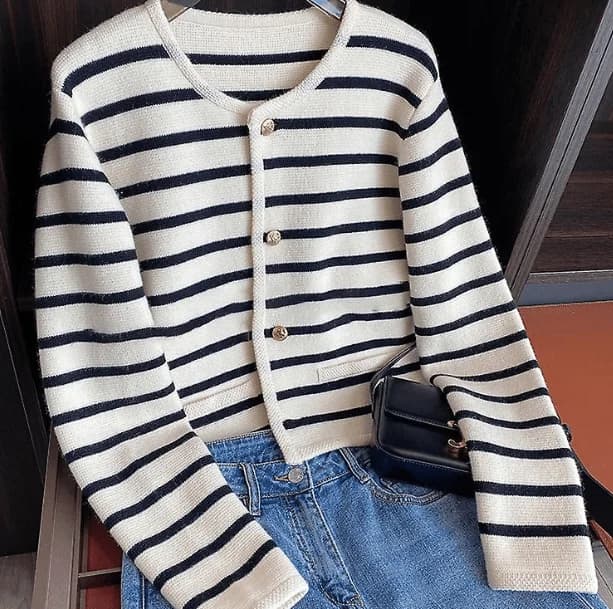
When wearing a heavier piece like our Nautical Sweater, choose a sturdier chain gauge such as a 3mm to 4mm rope, curb, or box chain. The thicker sweater knit balances the weight of a substantial helm wheel or compass medallion. Make sure the chain length is at least 55 centimeters so the charm swings free across the center chest rather than pulling tight against the ribbed crewneck band.
- Pair textured knits with wider chain gauges to prevent snags and visual loss.
- Check that pendant bails are smooth on the back so they do not fray yarn.
- Keep the metal tone bright enough to stand out against high-contrast knit patterns.

5. Sleeveless Knits and Vests: Framing the Collarbones
Sleeveless knitwear and cut-off tops sit right at the intersection of casual prep and modern street fashion. Because arms and shoulders remain exposed while the torso stays covered, your collarbones and throat become the central focal point of the outfit. Adding maritime jewelry here helps tie the outfit together without feeling formal.
LayeringWearing pieces over or under one another to add depth, warmth or contrast. a structured Nautical Vest Sweater over a bare neck or a thin white undershirt gives you an open canvas. A mid-weight 45-centimeter figaro chain with an understated maritime motif works well here. You can browse our full range of Nautical Tops to find complementary pieces that balance layered knits with open, breathable necklines.

6. Cropped Silhouettes and High-Waisted Denim
Cropped shirts pull the eye upward toward the ribcage, changing the overall visual proportions of your body. If you wear an overly long chain with a crop top, the pendant ends up swinging awkwardly below the shirt's bottom hem, breaking the silhouetteThe overall shape an outfit creates, from fitted to loose and layered. in half.
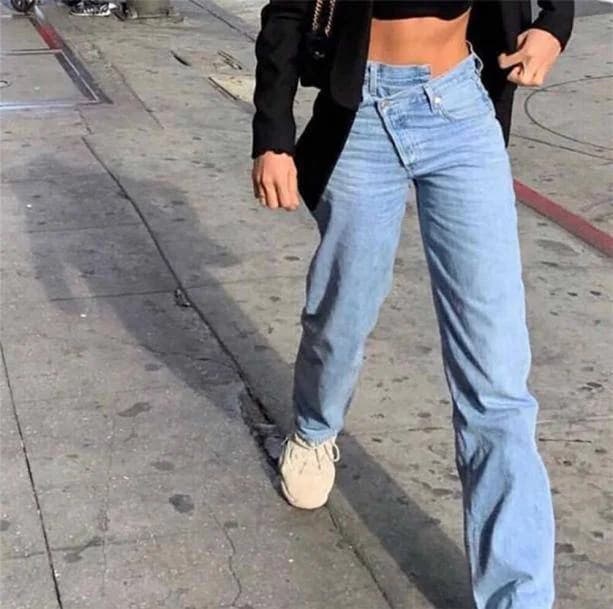
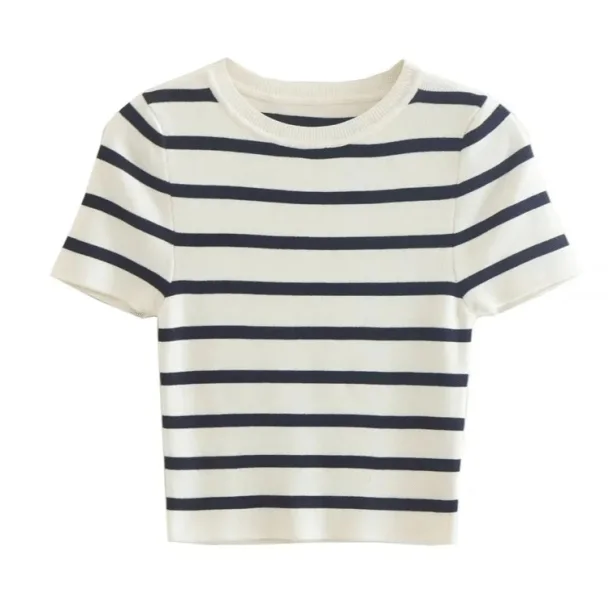
When you style a piece like the Nautical Crop Top, keep your necklaces between 38 and 45 centimeters so they remain framed on the upper chest. Ground the look on the bottom half by wearing Cross Waist Jeans. The asymmetrical waistband of the denim creates clean structural interest down below, which allows you to keep your neck layeringWearing pieces over or under one another to add depth, warmth or contrast. light and focused.
- Keep chain lengths above the lower hem of cropped tops.
- Pair graphic crop cuts with minimal pendants so the motifs do not compete.
- Use structured waistlines to anchor the breeziness of short-cut tops.
7. Curating Multi-Strand Stacks Without Tangling
LayeringWearing pieces over or under one another to add depth, warmth or contrast. multiple chains is where many outfits fall apart. When links of the exact same length and gauge are worn together, they twist into a bird's nest within twenty minutes of walking. Successful stacking requires intentional variety in length, weight, and texture.
To build a reliable three-piece stack, start with a smooth base layer like a 40-centimeter snake chain or flat herring-bone. Add a second 45-centimeter textured chain, like a nautical rope or sailor link, holding a small charm. Finish with a 50-to-55-centimeter chain featuring your main pendant, such as a compass coin. This stepped approach gives each piece its own tier so they move independently without bunching together.
8. Balancing Scale: Pendant Sizes vs. Frame
Scale is the difference between a refined maritime accent and a piece that looks like part of a theatrical costume. Large maritime motifs—like heavy 50-millimeter anchors or chunky brass boat cleats—can easily overpower smaller collar sizes, delicate bone structures, and minimalist outfits.
Reserve oversized medallions for chunky outerwear, oversized denim jackets, or thick hoodies where the clothing has enough bulk to support the weight. For daily warm-weather styling, shirts with delicate construction, or light sundresses, stick to pendants between 12 and 22 millimeters across. Checking the curated pieces in our Nautical Necklaces collection makes it easy to find scaled-down charms that offer clear detail without unnecessary heft.
9. Mixing Metals the Intentional Way
The old convention that you must wear exclusively gold or exclusively silver is long gone, but combining them still requires care. Simply wearing one random silver necklace and one random gold necklace often looks like an oversight rather than a deliberate styling choice.
The trick to successful mixing is creating an anchor piece that bridges the two tones, or balancing the metals symmetrically across your accessories. For instance, you might wear a two-tone pendant that incorporates both silver and gold detailing. Alternatively, wear a dual stack of one silver chain and one gold chain around your neck, and tie the look together by pulling in complementary pieces from our Nautical Accessories section, like mixed-metal rings or matching watch hardware.
10. Styling for Warm Weather and Beachwear
High heat, humidity, saltwater, and sunscreen pose serious challenges for metal jewelry. When you are dressing for the coastline or poolside, selecting lightweight pieces with low surface contact keeps you comfortable while preventing skin irritation or link discoloration.
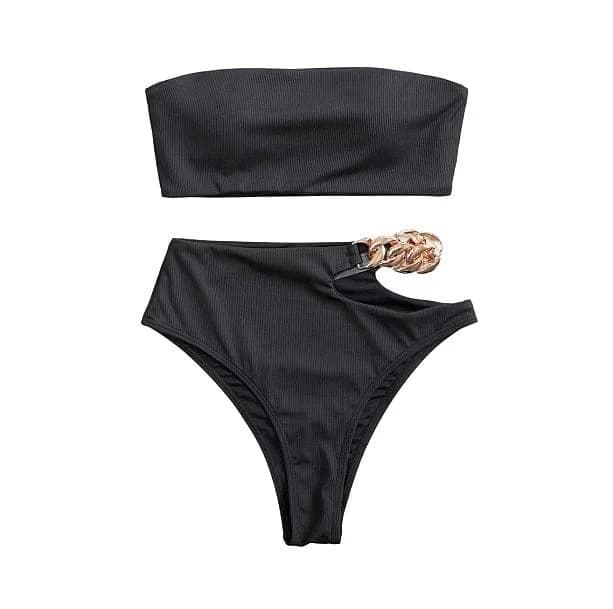
A minimal chain can bring an intentional streetwear twist to swimwear, such as pairing a sleek, understated chain alongside our Aesthetic Bikini With Chain. When transitioning from the water to the boardwalk, toss on a flowy cover-up or lightweight linen shirt left unbuttoned. Keep charms small and flat against the skin so they do not retain intense heat under direct sunlight.
11. Soft and Crisp: Styling Nautical Pieces on Dresses
Nautical jewelry does not have to be restricted to navy stripes and rugged dock worker aesthetics. Maritime charms carry an inherent vintage romanticism that pairs effortlessly with soft, breezy cotton dresses, milkmaid cuts, and ruffled summer pieces.
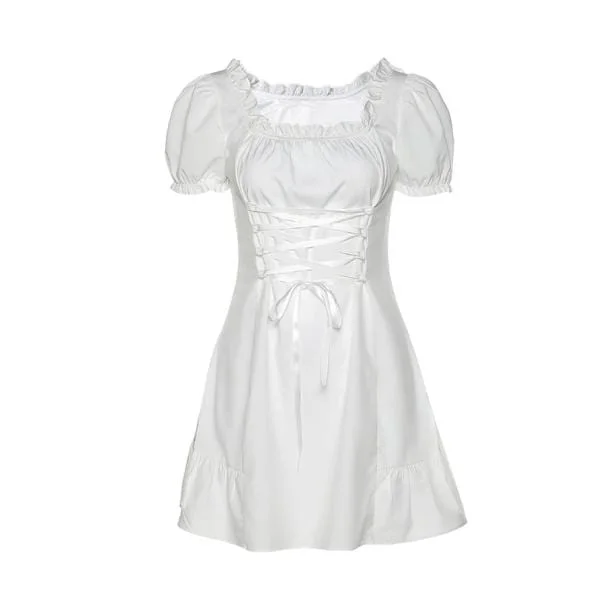
Try pairing a delicate gold coin or shell charm with our Innocent White Dress. The stark, breezy white fabric acts as a clean background that highlights the intricate embossing on your pendant. To ground the look and keep it from becoming too sweet, finish the outfit with structured sneakers or chunky leather sandals.
12. Streetwear Edginess: Denim and Maritime Motifs
If your personal style leans more toward modern downtown street style than coastal resort wear, maritime jewelry can provide unexpected texture. Chunky rope chains, oxidized silver anchors, and heavy carabiner-style clasps naturally complement distressed denim and raw-edge hems.
Pairing high-contrast denim like our Irregular Front High Waist Jeans with a tucked-in oversized graphic tee gives you a solid urban foundation. Layer two cool-toned silver chains over the collar—one flat curb chain and one rope link with an oxidized compass charm. This setup pulls maritime elements into a sharp metropolitan context without feeling like traditional seaside prep.
- Choose oxidized or brushed finishes over high-polish gloss for an edgier street feel.
- Combine industrial elements like safety-pin clasps or carabiners with ocean motifs.
- Ground the jewelry with raw-hem denim and heavy-soled shoes.

13. Common Mistakes When Wearing Nautical Jewelry
The most frequent misstep when styling nautical pieces is motif overload. Wearing an anchor necklace, helm earrings, a shell bracelet, and a rope ring all at the same time instantly turns an outfit into a caricature. Your jewelry should suggest an aesthetic through texture and small focal points, not scream it through repetitive symbols.
Another common mistake is forgetting fabric texture. Wearing intricate, open-work filigree pendants over loosely woven knit tops is an invitation for snagged threads. Finally, avoid chains that are so lightweight they cannot support their pendants. A heavy metal pendant on a fragile wire-thin chain creates an uneven, drooping 'V' shape that looks unbalanced and risks breaking the chain.
- Stick to one primary maritime motif per outfit; let your other accessories remain simple geometric chains or bands.
- Check the back of charms for rough casting edges before wearing them against knits.
- Ensure chain thickness matches the weight and diameter of the pendant.
14. The Practical Styling Checklist
Before you head out the door, running through a fast checklist ensures your jewelry, collar, and outfit silhouetteThe overall shape an outfit creates, from fitted to loose and layered. work together in harmony. Evaluating your look in natural light helps catch issues like twisted links, clashing finishes, or awkward drop lengths before they ruin an outfit.
First, verify your spacing: is there at least two inches of space between each layered chain? Second, check collar interaction: does the pendant rest completely on bare skin or completely on your shirt, without sitting half-and-half across a hem? To build a fully balanced wardrobe from the base layers up, explore our broader Nautical Clothes selection, then finish by selecting your statement pieces from our Nautical Jewelry catalog.
- Length Check: Is the pendant sitting completely clear of your shirt's collar seam?
- Texture Balance: Does the thickness of your chain hold up against the weight of your top's fabric?
- Focal Point: Have you limited your maritime symbols to one or two complementary spots?
- Movement Test: Walk around for thirty seconds—do your layered chains tangle immediately?
Choosing Between Figural Charms and Abstract Maritime Textures
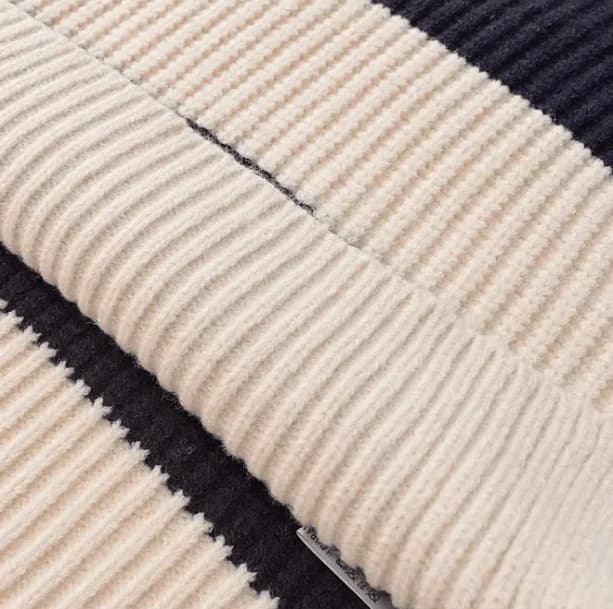
A frequent challenge when building an everyday rotation is deciding between literal symbolic charms—like anchors, helms, and sea creatures—and abstract maritime textures such as twisted nautical rope links, boat-shackle clasps, or flat marine-link chains. Literal charms provide an immediate storytelling focal point, but they carry distinct narrative weight that can clash with complex patterns or formal layeringWearing pieces over or under one another to add depth, warmth or contrast.. Textured chains, by contrast, deliver maritime character through metalwork alone, functioning like versatile neutral foundations.
If your everyday aesthetic leans toward layered streetwear, graphic tees, or sharp tailoring, abstract link chains offer subtle nautical structure without competing with bold prints or busy hardware. A clean sailor-link chain or heavy rope choker keeps the aesthetic crisp and modern. Conversely, if you prefer minimalist color blocks, breezy linen, or solid-toned knits, a singular figural pendant serves as the central anchor that gives an otherwise plain silhouetteThe overall shape an outfit creates, from fitted to loose and layered. intentional charm.
When curating your daily accessories, consider keeping textured link chains as your default layeringWearing pieces over or under one another to add depth, warmth or contrast. base, reserving explicit nautical pendants for outfits built around clean necklines. Exploring varied chain weights in our Nautical Jewelry selection makes it simple to discover modular foundation pieces. For tailored outfit coordination, you can also browse complementary silhouetteThe overall shape an outfit creates, from fitted to loose and layered.s in Nautical Tops to see how different collar structures support either literal pendants or understated chain links.