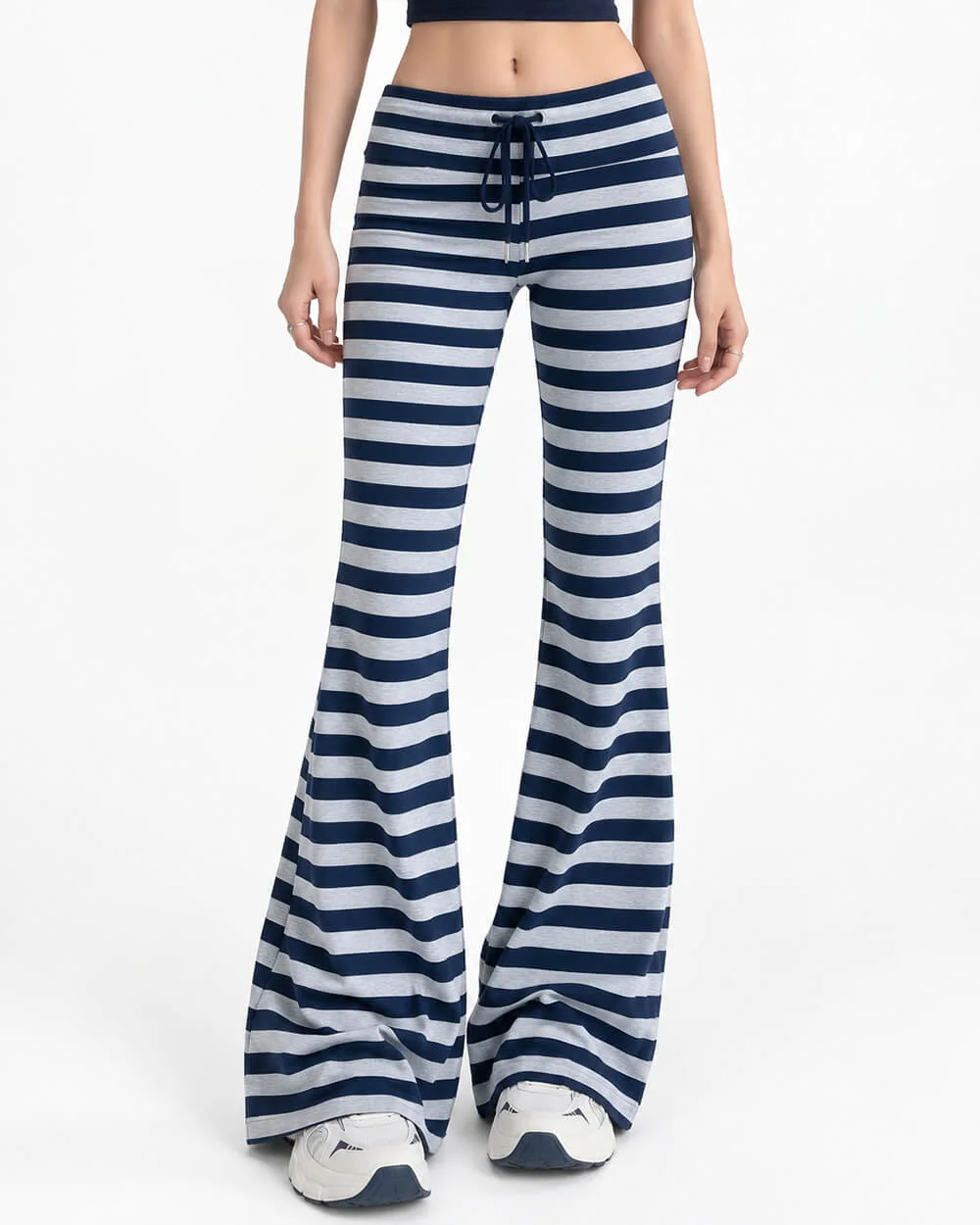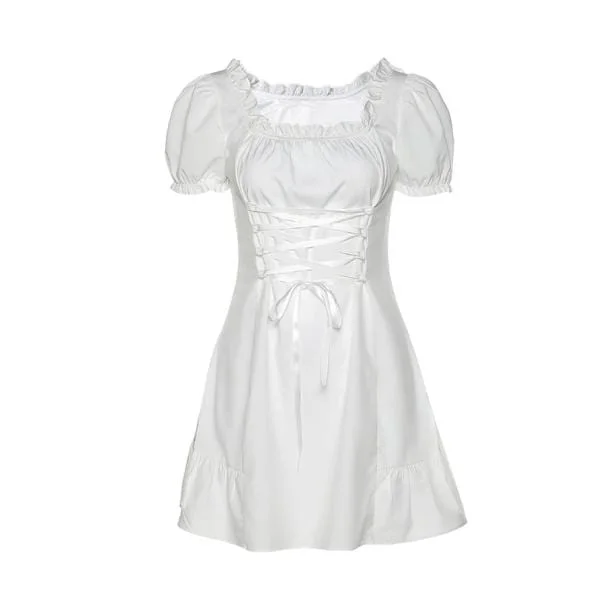
Created by the Kawaii Vibe editorial team. Our named style desks are editorial personas. Product details and availability can change.
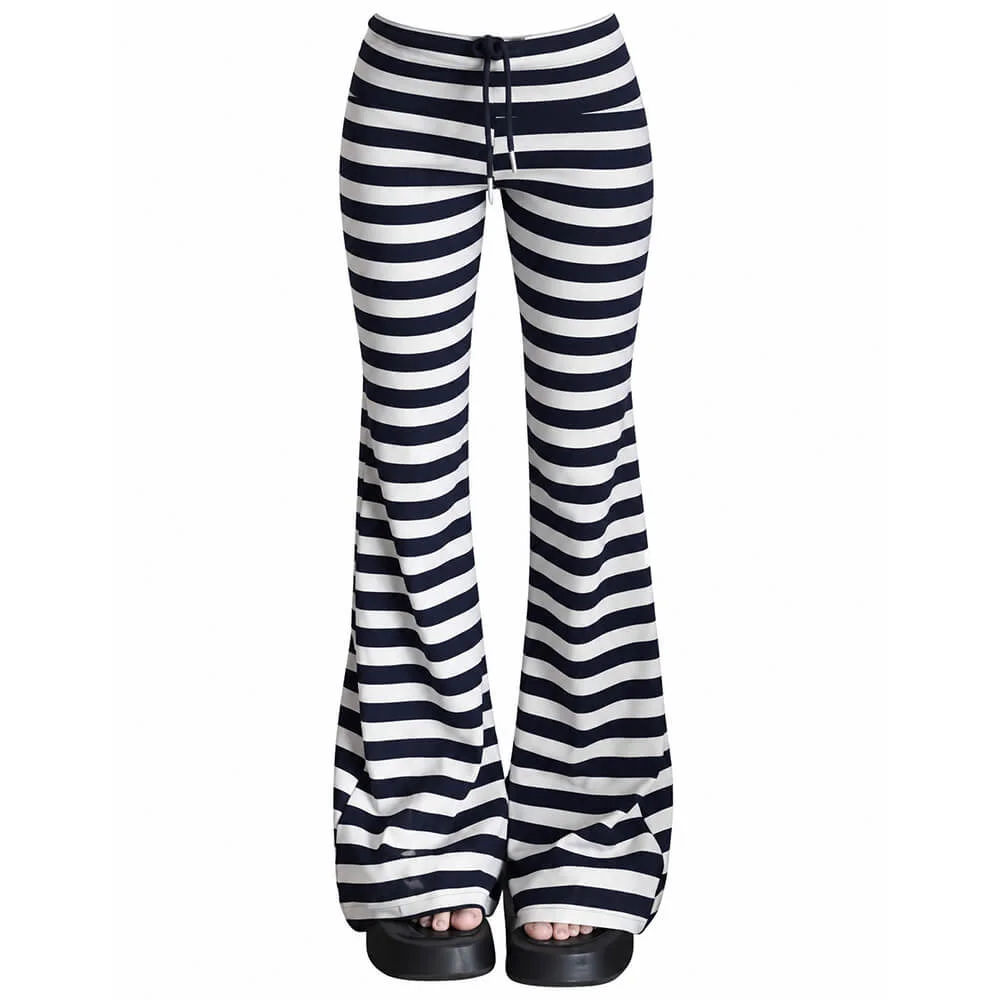
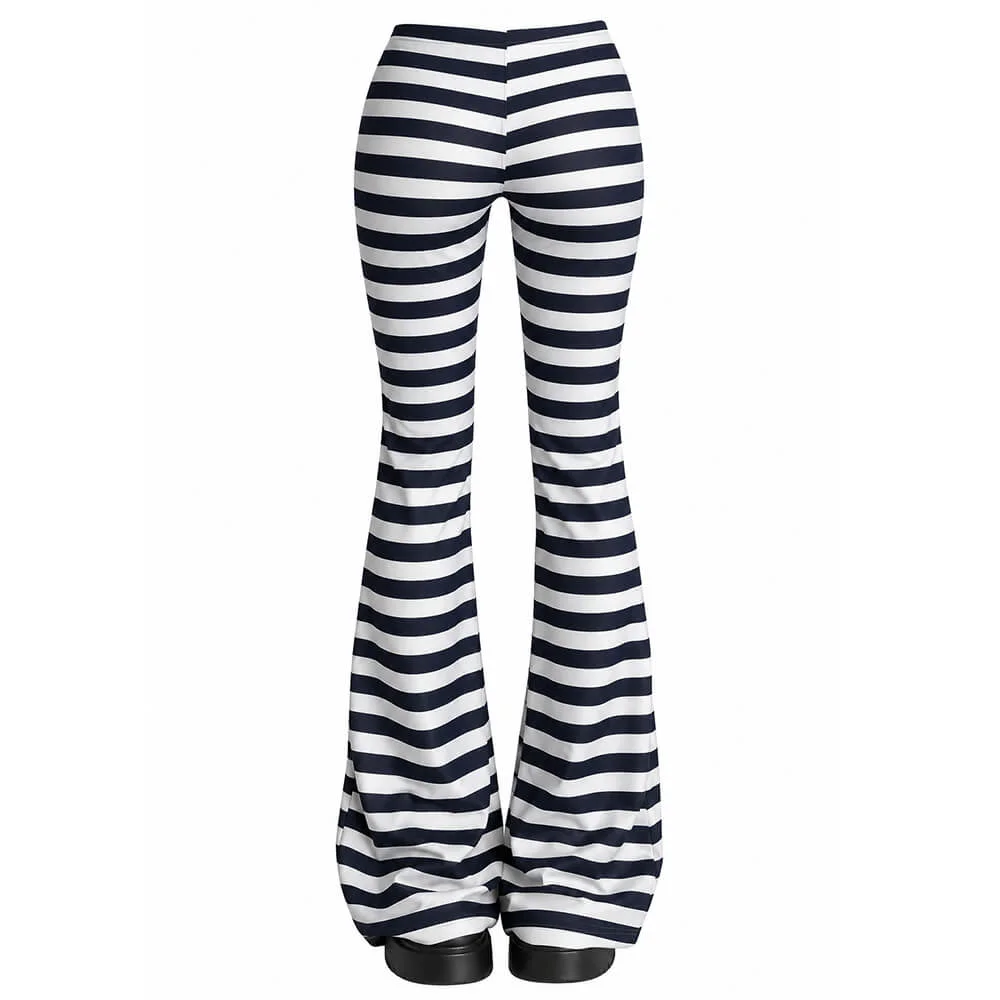
Balancing an outfit around maritime-inspired bottoms comes down to managing visual weight. Because traditional maritime trousers lean heavily into generous leg sweeps, drop-front button panels, and relaxed waistlines, pairing them with the wrong layer can easily swallow your frame. Getting the look right is not about following strict fashion rules, but about understanding where your eye lands when volumes shift between your waist, thighs, and footwear.
When you assemble nautical pants outfits, the primary challenge is preventing wide hems from competing with heavy upper layers. A relaxed bottom half demands intentional counterpoints, whether that means securing a cropped upper boundary, defining your midsection, or selecting outerwear that finishes at an angle rather than cutting straight across your widest point. Finding this balance helps you build functional outfits suited for warm harbor days, breezy coastal evenings, or city walks.
In this guide, we break down the geometry of wide-leg trousers, tailored denims, and coastal utility bottoms. You will discover practical formulas for pairing distinct hem lengths with footwear, balancing volume against fitted layers, and choosing complementary textures from our Nautical Clothes selection without looking like you are wearing a costume.
1. The Golden Ratio of Nautical Width: Countering Wide Cuts
The cornerstone of maritime style is the wide-leg silhouetteThe overall shape an outfit creates, from fitted to loose and layered.. Originally designed to allow sailors to roll up their cuffs while scrubbing wet decks, broad hems naturally anchor an outfit down low. When you style wide trousers today, the easiest trap is pairing wide cuts with equally loose tops, resulting in a shapeless block. To counter that downward pull, your upper body needs to introduce structure, crisp lines, or visible negative spaceAn uncluttered area that gives the rest of a design room to stand out..
If you are starting your look with flowing cuts from our Nautical Pants collection, identify where the volume originates. Trousers that flare directly from the natural waist create an A-line shape, which pairs best with fitted shirts or tight-gauge knits tucked neatly inside. If the trousers hang straight from the hip instead, you have slightly more leeway to experiment with semi-fitted shirts, provided the hemline sits cleanly above your hip bone.
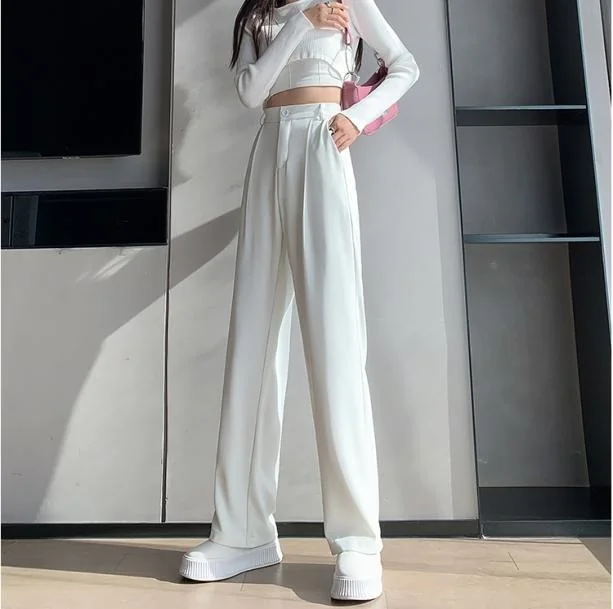
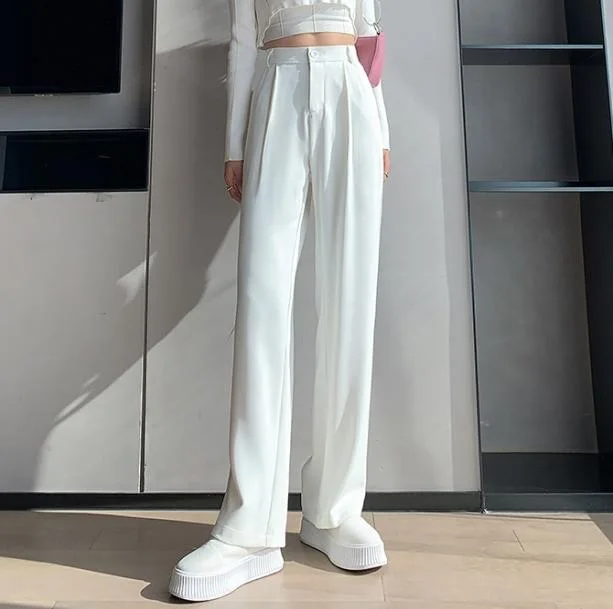
For a reliable everyday outfit, pair the Old Money Aesthetic Pants in White or Black with a closely fitted ribbed tank. Because these trousers are made from polyester and offer an expansive leg profile, keeping the torso lean emphasizes the drape of the fabric. This contrast ensures that the pants read as an intentional fashion choice rather than oversized loungewear.
- A-line flares require fitted, tucked tops to preserve the waist break.
- Straight wide cuts can support semi-tailored shirts resting high on the hip.
- Exposing collarbones, forearms, or wrists offsets bottom-heavy fabric weights.
2. Finding the Right Hemline: Cropped, Floor-Sweeping, and Cuffed
Length determines how wide-leg maritime trousers interact with gravity. A floor-sweeping hem creates an elongated, unbroken line that lengthens your legs, but it requires footwear with sufficient sole height to prevent fabric dragging. A cropped hem, hitting two or three inches above your ankle bone, creates a distinct visual pause that works exceptionally well with flat footwear and lightweight summer fabrics.
When deciding between tailoring a hem or letting it sweep, examine your climate and typical transit. In damp or breezy coastal conditions, dragging cuffs soak up water and fray instantly. If you plan to wear your outfits outdoors near docks or rain-prone streets, aim for a hem that floats roughly a half-inch off the floor while wearing your standard shoes. This gives you the uninterrupted vertical line without risking damage to the cloth.
Cuffing offers an adaptable middle path for structured fabrics like heavy cotton or denim. A clean, two-inch exterior turn-up introduces an authentic sailor finish, stiffening the hem so it does not collapse over your shoe. This deliberate cuff breaks up long vertical planes, which helps taller frames ground wide cuts without trimming away length permanently.
3. Maritime Denim: Handling Rigid Textures and Asymmetric Waists
Denim brings durability and texture to maritime styling, moving the look away from lightweight resort wear toward rugged dockside aesthetics. Traditional naval dungarees featured dense, unyielding weaves that stood away from the body. Modern nautical denim borrows this visual weight, requiring tops that respect the firmness of the fabric without feeling overly bulky around the waistband.
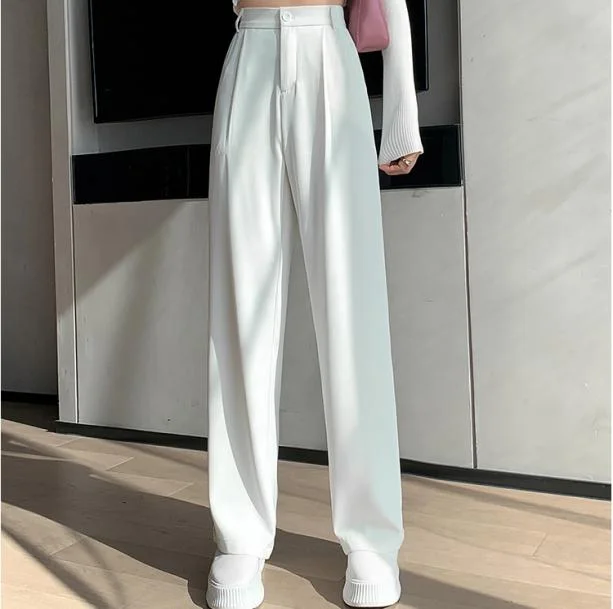
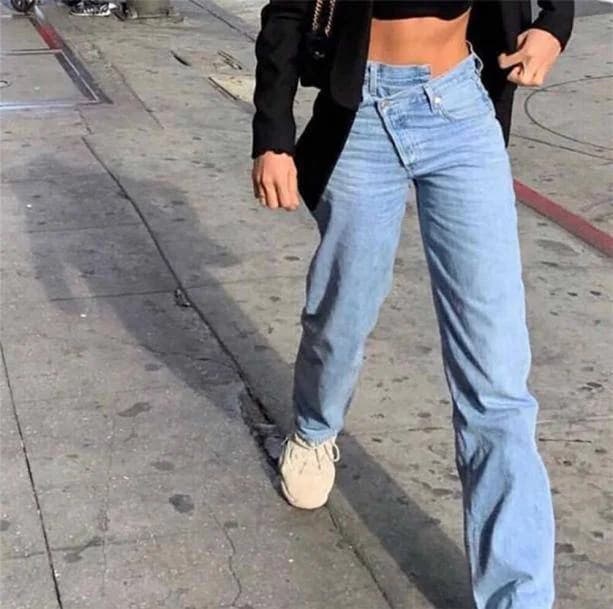
When styling options from our Nautical Jeans range, pay attention to the waist closure. Many maritime jeans use broad bibs, sailor flap fronts, or crossover buttons that serve as the focal point of the garment. Covering these details with a long tunic negates the character of the piece entirely. Instead, use a French tuck or a cropped hemline to showcase the waistband construction.
A distinctive option like the Irregular Front High Waist Jeans introduces an offset waistline that demands visible framing. Pair these jeans with a neat mock-neck top or a thin, fitted tee tucked completely into the waistband. Because denim does not drape like woven polyester or linen, keeping the midsection uncluttered stops the sturdy fabric from pushing outward at the belly and hips.
4. Utility and Volume: Balancing Sailor Cargo Styles
Cargo pockets introduce three-dimensional bulk that can disrupt clean lines if not styled carefully. In naval settings, utility pockets provided quick access to tools and deck gear, typically placed flat against the outer thigh. When choosing utility wear today, the key to keeping your silhouetteThe overall shape an outfit creates, from fitted to loose and layered. balanced is ensuring the pockets do not hit at the widest part of your natural hips or knees.
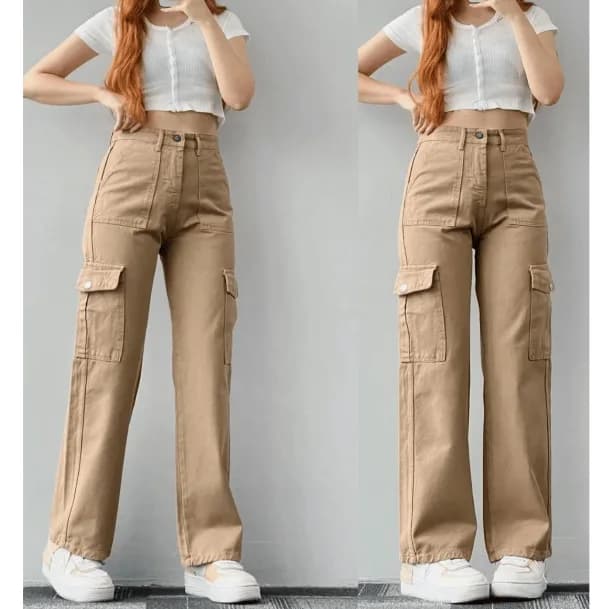
Our Nautical Cargo Pants selection provides practical shapes that combine relaxed coastal cuts with utilitarian pocketing. When working with these styles, avoid tops that feature chest flaps or sleeve pockets, which create too much visual clutter. Instead, balance the multiple seams and hardware of cargo pants with smooth, solid-colored knits or fine-gauge shirts that lack exterior pockets.
For a grounded utility outfit, the High Waist Cargo Pants—available in versatile shades like White, Khaki, Beige, Auburn, Olive Green, and Army Green—can be styled with a minimal boatneck tee. Because these polyester pants feature prominent outer compartments, choosing a neutral top tone like cream or navy allows the structural pocketing to stand out without making the entire outfit feel excessively busy.
- Choose utility trousers with flat-bellow pockets to reduce excess side profile volume.
- Keep top halves sleek and devoid of extra pockets to avoid utility overload.
- Anchor relaxed cargo hems with substantial footwear like deck boots or platform sneakers.

5. The Cropped Top Formula: Preserving Waistlines with Wide Pants
One of the most effortless ways to style wide maritime bottoms is by pairing them with a cropped upper layer. When pants feature high-rise waists, wearing a top that finishes right at the waistband establishes an immediate one-third to two-thirds proportion. This visual ratio is naturally pleasing to the eye, making your legs appear longer while maintaining clear body definition beneath voluminous trousers.
Exploring items in our Nautical Tops collection will reveal how different crops affect this balance. A boxy crop top leaves a small sliver of skin or rests exactly against high-waisted fabric, allowing airflow and movement. A form-fitting crop top, conversely, creates a defined, athletic profile that contrasts sharply with wide-leg trousers or sweeping dockside skirts.
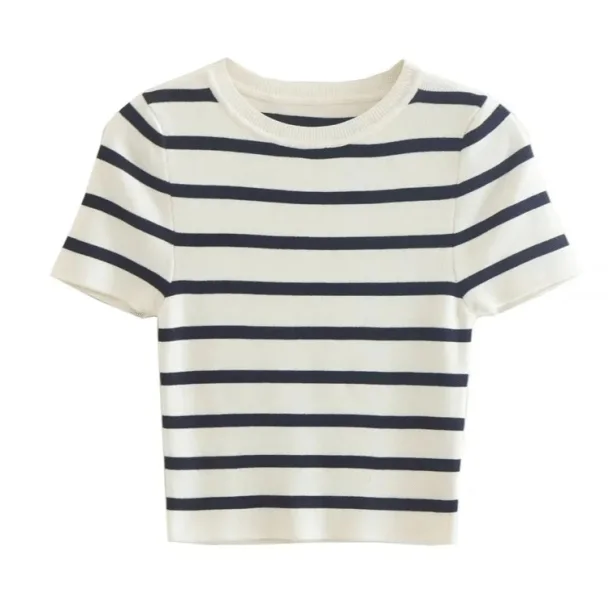
Consider pairing relaxed trousers with the Nautical Crop Top. Made from lightweight polyester, this top provides an easy casual counterweight to sweeping canvas or tailored trousers. Because the hem terminates above the hip, you never have to worry about bunching excess fabric into your waistband, keeping your profile smooth and tidy from every angle.
6. Lightweight Layering: Styling Coastal Vest Sweaters
Vest sweaters are an essential component of mid-season coastal dressing. They provide core warmth against shoreline winds while leaving your arms unrestricted. In styling terms, a sleeveless knit cuts visual width across your chest and shoulders, creating vertical borders that break up the horizontal lines often introduced by striped tops or wide-legged trousers.
The Nautical Vest Sweater, crafted from polyester in a classic aesthetic finish, works brilliantly over an oversized poplin shirt or directly over a base layer. When layeringWearing pieces over or under one another to add depth, warmth or contrast. a vest over a collared shirt, ensure the tails of the inner shirt do not drop past your mid-thigh. A shirt tail that hangs too low creates competing tiers, distracting from the tailored shape of your maritime bottoms.
To maintain clean proportions, layer your knit vest over a fitted long-sleeve tee and pair with high-waisted linen or polyester pants. If your trousers are distinctly wide, keep the vest unbuttoned or select a size that finishes near the natural waist. This styling technique frames the center of your torso vertically, creating a slimming column effect that easily supports broad trouser legs.
- Use sleeveless knit vests to frame long vertical inner lines.
- Keep underlying shirt tails short enough to avoid overlapping the widest point of trousers.
- A V-neck vest softens broad shoulders and pairs naturally with boatneck tops.
7. Heavy Knit Balance: Styling Structured Sweaters with Fluid Trousers
As temperatures drop, chunkier knitwear becomes central to nautical aesthetics. Traditional fisherman sweaters, Guernsey pullovers, and cable knits bring rich visual texture, but their density can overwhelm wide trousers if balanced incorrectly. The goal when pairing heavy knits with broad bottoms is avoiding an accidental blocky silhouetteThe overall shape an outfit creates, from fitted to loose and layered. where the torso and legs bleed together.
The Nautical Sweater, available in classic Black and vibrant Red polyester knits, offers substantial coverage for cooler outings. When pairing a full-coverage sweater like this with wide pants, use the front-tuck technique. By tucking just two inches of the sweater's front hem into your waistband, you expose the beltline and trouser fly, immediately restoring leg length without sacrificing cozy upper volume.
Alternatively, if the sweater hem is ribbed and fitted, fold the ribbing upward and inward so it rests securely at your hip bone. This technique turns an oversized jumper into a soft blouson shape. Paired with wide-legged Nautical Pants, this gathered hem sets a clean boundary between the heavy knit texture above and the fluid, moving fabric below.
8. Footwear Heights: Pairing Soles with Leg Widths
Your choice of shoe dictates how your trousers hang, swing, and break over the foot. A wide leg requires a shoe that holds its own visually; delicate, razor-thin ballet flats often disappear beneath expansive trouser cuffs, making your feet look missing and causing the hemline to pool awkwardly around the heel.
Chunkier footwear options, such as low-profile canvas platform sneakers, leather deck shoes with lug soles, or block-heeled fisherman sandals, provide the necessary base weight. If you prefer flat shoes, ensure the trousers are hemmed cleanly with a single, subtle break at the front instep. This small touch prevents fabric from collapsing inward while maintaining a relaxed stride.
For cropped trousers or rolled denim, shoe selection becomes even more influential. A low-top lace-up exposes ankle skin, establishing an airy boundary between heavy denim and solid leather. Conversely, if you pair cropped trousers with high-top ankle boots, make sure the boot shaft is slim enough to slide underneath the pant cuff, avoiding awkward bunching around your shins.
9. Color Blocking and Tone Balance: Navigating Navy, White, and Khaki
The maritime palette relies on a proven combination of navy blue, optic white, natural cream, and utilitarian khaki. While these colors are timeless, where you place them across your outfit alters your perceived proportions. As a general rule, dark shades absorb light and slim down boundaries, whereas light shades expand areas and draw the eye first.
If you carry your height in your torso and want your legs to look longer, wear dark navy trousers from our Nautical Jeans range alongside a crisp white or cream top. This contrast immediately draws focus upward while leaving a sleek, continuous dark line below. If you prefer to emphasize a relaxed, flowing bottom silhouetteThe overall shape an outfit creates, from fitted to loose and layered., opt for white trousers paired with a darker, structured knit.
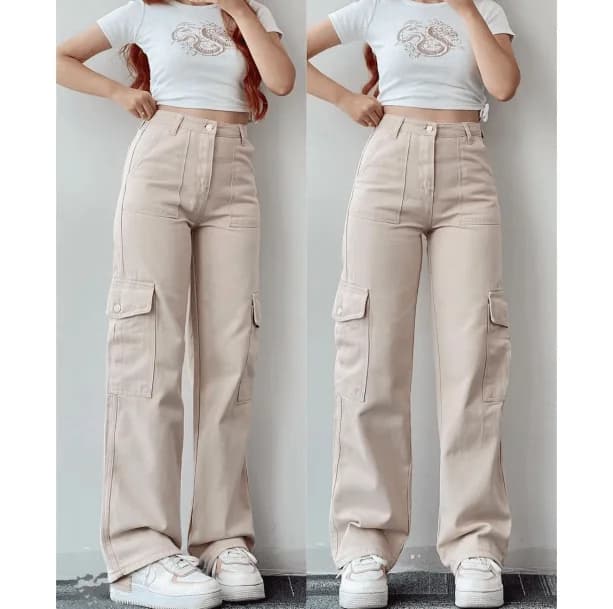
Monochromatic dressing offers another sophisticated styling avenue. An all-cream or all-white outfit combining high-waisted utility bottoms and an off-white knit creates an unbroken vertical column. To prevent this look from appearing flat, deliberately mix distinct textures—pairing stiff woven cotton trousers with soft polyester knits or rugged canvas to keep the monochromatic look engaging.
10. Transitional Styling: Adapting Nautical Pants for Varied Climates
Maritime style is not locked to warm summer afternoons; deck wear originated to combat unpredictable, biting sea weather. Adapting wide-leg pants for transitional seasons involves selecting flexible mid-layers that can be added or shed without dismantling your outfit's structural proportions.
During brisk autumn mornings or cool spring days, base your look around durable trousers like our Nautical Cargo Pants. Pair them with a close-fitting base layer, then top with a short canvas chore coat or cropped peacoat. Outerwear that terminates just below the hip belt maintains your leg line while offering shielding against coastal winds.
In tropical, warm climates, the goal shifts to maximizing ventilation while maintaining outfit shape. Wide-leg trousers made from airy polyester blends or linen excel here because they float off the skin. Pair them with a breathable cropped camisole or a simple linen shell. Leaving buttons open at the ankle or cuffing the hem slightly encourages air movement, keeping the cut functional in intense humidity.
11. Layering Over Swimwear: Dockside to Casual Dining
A classic coastal requirement is the seamless transition from waterside relaxation to casual dockside dining. Wide-leg maritime trousers serve as the ideal pull-on piece over swimwear, offering immediate modesty and sun protection without feeling restrictive. The challenge lies in styling the upper half so it looks like a curated outfit rather than quick cover-up gear.
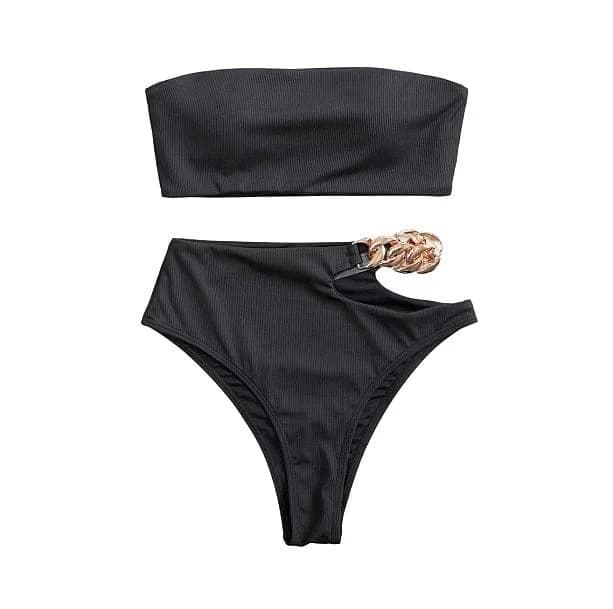
Starting with a sleek foundation like the Aesthetic Bikini With Chain in Black or White, you can treat the swim top as an architectural bralette. Pull on a pair of high-waist Nautical Pants to immediately cover the hips while letting the decorative strap hardware peek through. This pairing blends utilitarian trousers with delicate metallic hardware for a sharp, modern contrast.
To make the outfit appropriate for cafes or shopping streets, layer an unbuttoned lightweight linen or cotton shirt over the bikini top. Leaving the shirt unfastened creates two strong vertical framing lines down your torso, masking side contours while highlighting the high rise of your trousers. This setup ensures you stay cool while feeling completely put-together.
- Treat structured bikini tops as supportive bralettes under high-rise pants.
- Use unbuttoned lightweight overshirts to frame the torso vertically.
- Select swimsuits with subtle metallic accents to elevate casual bottom layers.
12. Occasion Adaptations: Casual Outings vs. Polished Dinners
One strength of well-proportioned maritime trousers is their versatility. With a few calculated styling shifts, the exact same pair of trousers can move from an afternoon stroll around the marina to an upscale evening dinner by the water. The distinction lies in your choice of accessories, fabric finishes, and top structures.
For daytime leisure, prioritize softness and ease. Pair relaxed denim or wide utility pants with flat deck shoes, a soft cotton striped tee, and a durable canvas tote. Keep the waist loose or secured with a simple woven webbing belt. The silhouetteThe overall shape an outfit creates, from fitted to loose and layered. should lean relaxed, breezy, and casual.
For dinner settings, switch your daytime tee for a structured halter, a tucked silk cami, or a sharply tailored blazer. Swap casual flats for leather wedges or stacked-heel sandals that lift the hems cleanly off the floor. Adding a structured leather clutch and metallic ear cuffs immediately shifts the look into an evening aesthetic, demonstrating how high-waist nautical trousers excel across diverse settings.
13. Common Proportion Pitfalls (And How to Fix Them)
Even well-curated nautical outfits can occasionally feel awkward in mirror reflections. The most frequent misstep is the mid-thigh tunic length paired with wide trousers. This combination cuts the body directly in half, shortening the legs and generating excess bulk around the hips. To fix this instantly, either fully tuck the tunic into your pants or trade it for an upper layer that finishes above your pelvic bone.
Another common problem is hem drag, which happens when wide trousers bunch haphazardly around flat shoes. This fabric puddling disrupts clean vertical lines, making the wearer look weighed down. If you do not wish to hem your pants permanently, use a clean double cuff or pair those specific bottoms exclusively with platform soles or heeled boots.
Lastly, beware of competing aesthetic themes. Pairing hyper-distressed, ripped bottoms with refined nautical knits creates a jarring clash of styles. Maintain coherence by ensuring that even your relaxed garments, such as those found in our Nautical Clothes catalog, share clean tailoring, intentional seamwork, or authentic maritime details like anchor-stamped buttons or contrast piping.
- Avoid mid-thigh tops over wide legs; choose crops or full tucks instead.
- Prevent fabric bunching by tailoring hems to specific shoe sole heights.
- Keep textures cohesive by pairing clean maritime knits with structured woven bottoms.
14. The Nautical Proportions Checklist
Before heading out, run through this quick operational checklist to ensure your nautical pants outfit strikes the right balance between comfort, movement, and visual structure. Checking these key transition zones guarantees that your proportions remain flattering and functional throughout the day.
First, inspect the waist break: Is your waistband clearly defined or intentionally framed? If your trousers have a distinctive closure, ensure your top half does not cover it entirely. Second, check your hem clearance: Does the bottom edge float cleanly above your footwear without dragging across the floor or gathering into messy folds?
Finally, assess your layer balance: If your pants feature voluminous legs or large utility pockets, is your upper half relatively streamlined? Balancing heavy knits with subtle front tucks, or pairing expansive cuts like the Old Money Aesthetic Pants with compact tops, ensures you always look poised, relaxed, and effortlessly styled.
- Waistline: Visibly framed via a crop, full tuck, or partial French tuck.
- Hemline: Floating a half-inch above shoe soles to avoid fabric dragging.
- Fabric Counterpoint: Heavy knits and cargo pockets offset by sleek foundational layers.
- Footwear: Substantial enough in sole profile to ground wide-leg fabric sweeps.