Created by the Kawaii Vibe editorial team. Our named style desks are editorial personas. Product details and availability can change.
Finding the right pair of nautical shoes is only half the battle; the real challenge comes when deciding how your trousers, skirts, and shorts fall over them. When footwear has distinctive maritime elements like clean low profiles, rubber deck soles, or laced details, a hem that puddles or bunches can instantly make an outfit look messy. On the flip side, an overly cropped leg can throw off the relaxed balance of coastal dressing. Getting the relationship right between your shoe shape and hemline creates an intentional, pulled-together look every day.
This guide breaks down exactly how to pair coastal footwear across different trouser cuts, skirt lengths, and layeringWearing pieces over or under one another to add depth, warmth or contrast. pieces. Whether you are balancing low-profile canvas flats with wide-leg trousers or matching chunky lace-up shoes with sharp denim, understanding visual weight and break points will save you time in the morning. We will look at practical formulas for everyday styling without relying on fussy tailoring or overly strict rules.
The Zero-Break Rule for Wide-Leg Bottoms
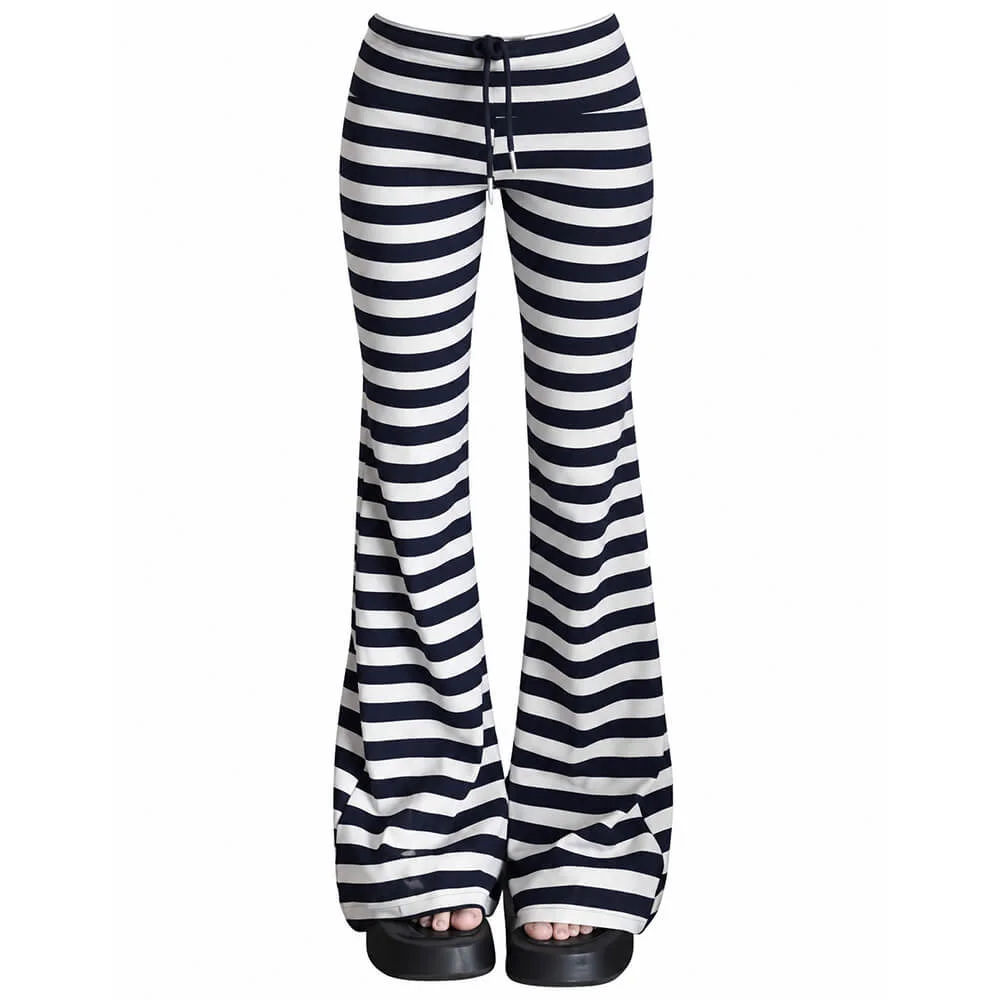
Wide-leg bottoms and breezy trousers are staples of coastal style, but they are notoriously tricky to pair with low-slung nautical shoes. When you wear wider cuts, the goal is to achieve what tailors call a zero-break or an ultra-slight break. This means the bottom of your hem skim-touches the top of your shoe without collapsing into multiple fabric folds. When fabric folds repeatedly over a streamlined boat shoe or deck sneaker, it hides the silhouetteThe overall shape an outfit creates, from fitted to loose and layered. of the shoe entirely and drags along the ground.
To make wide-leg pants work with flatter footwear, check your hem length while standing naturally in the shoes you plan to wear. If your trousers feature a sweeping palazzo or sailor cut, you want the hem to finish about a half-inch off the floor. This allows the clean toe box of your Nautical Shoes to peek out as you walk, anchoring the sweeping volume of the pants without gathering dirt or water along damp docks and sidewalks.
If you are starting your wardrobe around broader maritime silhouetteThe overall shape an outfit creates, from fitted to loose and layered.s, exploring dedicated Nautical Pants provides a solid foundation. Look for trousers that maintain a clean vertical drop from the hip so that the hem falls straight down onto your footwear rather than flaring out unpredictably.
- Aim for a zero-break where the hem gently touches the shoe tongue without bunching.
- Ensure wide hemlines clear the floor by at least a half-inch to keep fabric clean.
- Pair wide-leg trousers with shoes that have a defined sole to maintain grounded proportions.

Cropped Denim and Ankle Margins
Cropped trousers and ankle-length denim offer the most foolproof way to showcase deck footwear. The key visual measurement here is the ankle margin—the visible distance between the top rim of your shoe collar and the bottom seam of your jeans. A margin of one to two inches creates a crisp, breezy break that signals casual warm-weather dressing, giving coastal footwear the breathing room it needs.
When working with asymmetric or structured waistlines, such as the Cross Waist Jeans available in sizes S to 2XL, a cropped or rolled cuff directs focus downward to your footwear while balancing the angled detail at the waist. If your jeans sit straight across the ankle bone, a single neat fold can clear the space needed for boat shoe eyelets and lace ties to stay visible.
Avoiding overlap is critical here. When a straight-leg cuff partially catches on the tongue or heel counter of a deck shoe, the pant leg catches and twists as you walk. Keeping the hem cleanly an inch above the collar eliminates that friction entirely.

Balancing Low-Profile Deck Footwear with Sweaters
Low-profile shoes can sometimes feel visually lightweight when paired with heavy knitwear. If you are wearing chunky tops on cool mornings, the contrast between a substantial upper body and delicate footwear can make your overall frame look top-heavy. To correct this, your hemline needs to act as a visual buffer between the two extremes.
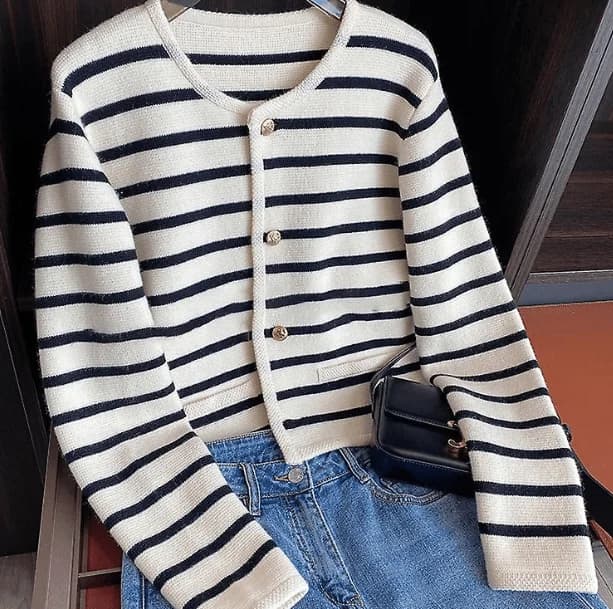
A great way to balance volume is by pairing an oversized top like the polyester Nautical Sweater, which comes in black and red color options from S to 2XL, with straight-cut pants that rest neatly on the shoe. The structured knit provides warmth, while a straight hem that sits right at the shoe line grounds the entire outfit. Avoid skinny pants here, as they exaggerate the disparity between a heavy torso and small deck shoes.
Browsing a wider collection of Nautical Sweaters helps you find varied knit densities and necklines. For transitional weather, choosing mid-weight cotton or polyester knits prevents the outfit from overwhelming sleek slip-on shoes.
- Avoid tight leggings or super-skinny cuts beneath heavy oversized knitwear.
- Let straight hems sit right at the top of your low-profile shoes to provide visual weight.
- Match the chunkiness of your knitwear with a slightly sturdier deck sole if possible.


Mini Skirts and Crisp Shoreline Proportions
Wearing coastal footwear with shorter skirts creates a distinctly retro, collegiate maritime look. The primary concern with mini hemlines is avoiding footwear that cuts off the leg line too abruptly. Low-cut nautical slip-ons and lace-up boat shoes are ideal here because they sit low around the ankle bone, exposing the instep and lengthening the leg line.
When styling a mini skirt, keep the silhouetteThe overall shape an outfit creates, from fitted to loose and layered. structured rather than overly floaty. An A-line cut or a pleated tennis-style skirt provides a clean geometric line that mirrors the functional design of sailing shoes. For tops, pairing a mini skirt with a neat layer like the polyester Nautical Vest Sweater (offered in sizes S to L) creates balanced, preppy visual framing that matches the shoe style.
Sock selection also influences this hemline pairing. Going completely no-show creates a clean, classic deck look, whereas adding a fine-ribbed crew sock folded down once adds a sporty, mid-century nautical accent. Avoid thick, heavy athletic socks with mini skirts, as they compete with the shoe's trim profile.

Styling Footwear with Midi and Maxi Dresses
Midi and maxi hemlines require close attention to where the fabric cuts across your lower leg. A midi dress that hits right at the widest point of the calf can make flat deck shoes look clunky. Instead, look for midi hemlines that fall either just below the knee or lower down at the transition between the calf and the Achilles tendon.
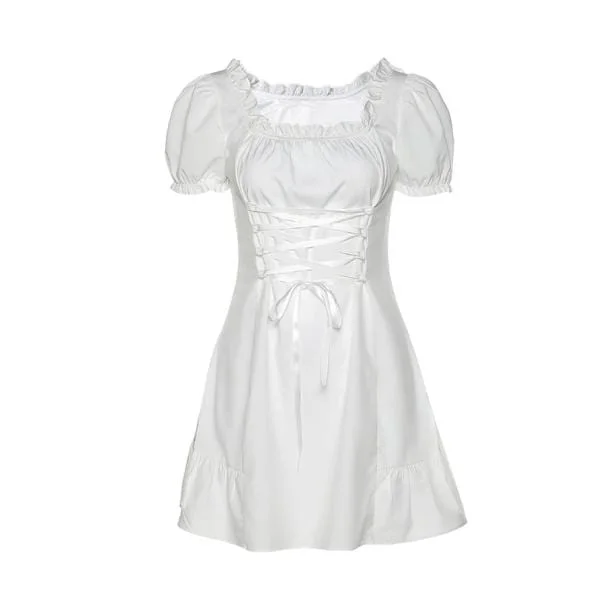
For a light summer aesthetic, a piece like the Innocent White Dress (available in sizes S, M, and L) pairs effortlessly with canvas boat shoes or minimalist leather slip-ons. The key is ensuring that at least three to four inches of skin or hosiery remain visible between the hem and the shoe collar, which prevents the outfit from looking like a solid block of fabric.
If you are selecting a full-length maxi hem, treat it like a wide-leg pant: keep it clear of the ground. When your dress brushes the floor, it hides the shoe and creates a tripping hazard around damp environments or coastal boardwalks. A shoe with a slightly raised rubber cupsole can lift a long hem just enough for comfortable walking.
High-Waisted Cuts and Asymmetrical Details
High-waisted pants naturally extend your leg line, which gives you more freedom when choosing shoe profiles. When your waistband sits at the natural waist, you can wear lower-slung shoes without worrying about truncating your proportions. This combination is especially striking when the pants feature modern structural cuts.
For instance, styling the Irregular Front High Waist Jeans (sized S through 2XL) draws the eye upward to the waist, allowing the lower leg to terminate in a relaxed ankle break right above your footwear. Because the waistline has an asymmetric crossover, keeping your footwear streamlined and balanced ensures the overall outfit remains cohesive rather than chaotic.
To complete the look, tuck in your shirt or choose a shorter silhouetteThe overall shape an outfit creates, from fitted to loose and layered.. Pairing high-rise bottoms with a fitted top from the Nautical Tops collection keeps your torso proportional to your legs, allowing the shoes to serve as a grounded, purposeful finishing touch.
Cropped Tops and Summer Hemline Pairings
Warm days call for lighter pieces, and pairing cropped tops with relaxed bottoms creates a natural, easygoing coastal silhouetteThe overall shape an outfit creates, from fitted to loose and layered.. The balance comes down to counterweights: if your midriff is partially visible, your pants or shorts should provide substantial grounding so the outfit does not feel disconnected.
An easy summer combination pairs the polyester Nautical Crop Top (available in S, M, and L) with linen drawstrings, tailored shorts, or relaxed denim. When pairing this top with knee-length Bermuda shorts, low-profile maritime shoes create an authentic seaside look. The modest hem of the shorts balances the exposed midriff, while flat deck shoes keep the outfit practical and laid-back.
When opting for shorter denim cutoffs instead, pay attention to the shoe collar. High-top deck shoes or ankle boots can look heavy against short hemlines, whereas low-cut canvas slip-ons keep the overall feeling light and agile.
- Balance exposed midriffs with knee-length or mid-thigh bottom hemlines.
- Choose low-cut deck shoes over high-top profiles when wearing shorts.
- Keep footwear lightweight in canvas or unlined leather to complement summer tops.

Layering Classic V-Necks with Tailored Trousers
A tailored, heritage-inspired outfit benefits enormously from the relaxed feel of sailing footwear. Crisp pleated trousers can sometimes feel overly corporate, but swapping out dress shoes for nautical lace-ups immediately relaxes the tone without sacrificing sophistication.
LayeringWearing pieces over or under one another to add depth, warmth or contrast. the Old Money Aesthetic V Neck Sweater (offered in sizes S to L) over a crisp collar or worn on its own establishes a classic foundation. To match this mood, your trouser hem should feature a tailored single break or a neat cuff that sits squarely on top of the shoe leather. This deliberate break communicates precision while respecting the functional roots of the footwear.
This combination works especially well when navigating transitional seasons. The sweater provides upper-body warmth, while the tailored trousers and classic maritime footwear maintain an orderly, timeless appearance suited for coastal towns or casual city days alike.
Swimwear and Shoreline Cover-Up Transitions
Transitioning from the water to a casual cafe requires footwear that tolerates light sand or moisture while still working with light cover-ups. Shoreline footwear needs to slip on and off easily, making classic deck shoes, rubber slides, and canvas espadrilles practical options.
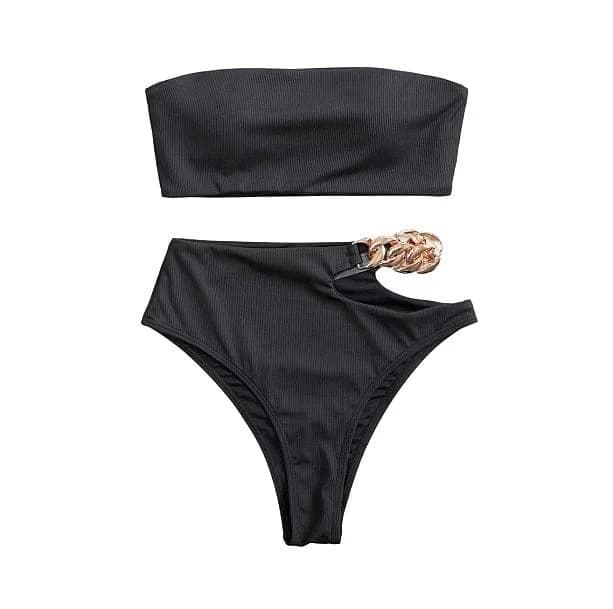
When wearing swimwear like the Aesthetic Bikini With Chain (available in black and white options from S to L), matching footwear depends on your cover-up hemline. If you throw on an oversized open linen shirt that hits mid-thigh, slip-on boat shoes keep the look grounded and functional for walking along wooden piers or rocky paths.
Avoid combining delicate swimwear details with bulky, lug-soled marine shoes. The hardware on chain-detailed swimsuits pairs best with clean, unembellished footwear in solid neutral tones like white, navy, or tan leather, preserving a cohesive, unfussy holiday aesthetic.
Fabric Weights: Matching Canvas, Denim, and Leather
Shoe materials must correspond to the weight of your trouser and skirt fabrics. Pairing a heavy, thick canvas workwear pant with an ultra-thin, unlined boat shoe can look mismatched because the shoe appears too fragile to support the fabric above it. Conversely, thick oil-tanned leather shoes can overpower gossamer silk or thin rayon skirts.
When styling medium-weight bottoms like twill chinos or mid-weight denim, you have the greatest flexibility. These fabrics hold enough structure to complement both canvas deck sneakers and substantial leather boat shoes. If you are wearing light poplin or linen trousers, seek out flexible canvas footwear with thinner vulcanized rubber outsoles.
To explore how these garments interact within a cohesive wardrobe, reviewing the overarching Nautical Clothes selection allows you to compare how different garment textures—from rib-knit sweaters to smooth cottons—harmonize with specific footwear textures.
Sock Strategies and In-Shoe Proportions
The visibility of socks can fundamentally change how a shoe meets a hem. In traditional boat shoe culture, footwear was frequently worn barefoot to allow quick drying, but everyday wear offers room for intentional sock styling that adjusts where the eye lands.
No-show socks are the standard choice for cropped pants and shorts because they preserve the clean negative spaceAn uncluttered area that gives the rest of a design room to stand out. around the ankle. If your trousers break cleanly above the shoe, no-show socks keep the silhouetteThe overall shape an outfit creates, from fitted to loose and layered. crisp. However, when styling ankle-length pants in cooler climates, a visible sock can bridge the gap between hem and shoe. Opt for fine-gauge cotton socks in ecru, navy, or thin Breton stripes rather than thick sports socks.
When wearing skirts, crew socks pulled straight up can visually shorten the lower leg. If you prefer to wear socks with skirts and boat shoes, choose socks that can be pushed down into relaxed folds right above the shoe collar to add texture without creating a rigid horizontal line across your calves.
- Use no-show socks with cropped cuts to maximize negative spaceAn uncluttered area that gives the rest of a design room to stand out..
- Bridge cool-weather ankle gaps with fine-gauge ecru or navy socks.
- Push ribbed socks down into soft folds when styling with skirts or shorts.
Weather Adaptations: Damp Decks vs. Dry Streets
Authentic nautical footwear was engineered for traction on wet, rolling surfaces, making it naturally functional for rainy coastal days. However, wet-weather styling requires practical adjustments to your hemlines to avoid damp, fraying cuffs.
On wet days, wide-leg trousers that graze the floor should be swapped for ankle-cropped trousers or securely cuffed hems. Water wicks quickly up denim and cotton pants; keeping the hem two inches above the ground protects your clothing while showcasing your shoes' water-resistant outsoles. Rubber siped soles provide dependable grip on wet pavement, slick stairs, and wooden boardwalks.
In dry, warm environments, you can return to breezy, uncuffed hemlines and lightweight canvas shoes that offer maximum breathability. Matching your shoe material and hem height to the forecast keeps you comfortable and prevents garment damage throughout the day.
Troubleshooting Common Styling Mistakes
Even well-chosen pieces can look unbalanced if small proportion errors go unaddressed. One of the most frequent mistakes is the accidental hem trap, where narrow-legged trousers get caught behind the tongue or heel tab of a boat shoe, causing the fabric to bunch awkwardly at the calf. To fix this, either taper the hem so it rests neatly above the collar or widen the leg opening so it flows smoothly over the shoe.
Another common error is color crowding. Nautical shoes frequently feature two-tone leathers, contrasting white stitching, or brass eyelets. If you pair them with intensely patterned bottoms, the shoe details compete with the trousers. When your shoes feature detailed lacing or two-tone leather, keep your pants solid and clean to let the craftsmanship stand out.
Finally, beware of wearing formal socks with casual deck footwear. Thin, shiny dress socks clash with the rugged, maritime purpose of boat shoes and deck sneakers, instantly undermining the relaxed coastal aesthetic you are building.
- Widen narrow cuffs or hem them shorter to prevent catching on the shoe tongue.
- Pair multi-tone or laced deck shoes with solid, unpatterned bottoms.
- Skip shiny dress socks in favor of no-show cuts or matte ribbed cotton.
Everyday Nautical Footwear Outfit Checklist
Before heading out, run through a quick mental checklist to confirm that your footwear, hemline, and top layers work together harmoniously. Checking these practical checkpoints ensures your coastal-inspired outfit feels natural, comfortable, and visually aligned from head to toe.
First, assess the break of your pants: do they flow cleanly over the shoe without messy puddling? Second, check your fabric weights to ensure heavy knits are balanced with structured trousers or grounded soles. Third, verify your sock choice supports the hemline rather than cutting your leg line awkwardly.
Taking an extra moment to check these details ensures your footwear serves as a deliberate anchor for your outfit. With the right hem proportions in place, you can comfortably rely on seaside staples for any casual setting.
- Hemline check: Ensure pants skim the shoe top without dragging or multiple folds.
- Fabric balance: Pair chunky sweaters with straight cuts and solid footwear soles.
- Ankle clearance: Keep a 1-to-2-inch skin margin when wearing cropped denim.
- Color balance: Let detailed maritime footwear stand out against neutral trousers.