Created by the Kawaii Vibe editorial team. Our named style desks are editorial personas. Product details and availability can change.
Balancing a nautical skirt outfit comes down to three structural anchor points: where the waistband sits on your torso, the physical hemline of your top, and the visual weight of your footwear. Because maritime palettes rely heavily on crisp contrast—think stark chalk white, deep ink navy, and sharp cobalt stripes—any clumsy break in your silhouetteThe overall shape an outfit creates, from fitted to loose and layered. shows up immediately. When an outfit looks slightly off, the culprit is almost always an unanchored top competing with the skirt volume or lightweight shoes disappearing under a structured hem.
Getting the look right does not require complicated layeringWearing pieces over or under one another to add depth, warmth or contrast. tricks or literal sailing gear. By focusing on intentional proportions, you can keep the cheerful charm of seaside aesthetics while keeping your everyday outfits wearable, grounded, and modern. Whether you are working with pleated minis, flowing midis, or crisp button-front cuts, the goal is always clear visual harmony across your upper and lower halves.
This guide walks through every step of building balanced nautical skirt outfits. We will break down waist placement, neckline geometry, layeringWearing pieces over or under one another to add depth, warmth or contrast. weights, color distribution, and shoe choices so you can assemble outfits with complete confidence across different settings and temperatures.
1. The Geometry of the Nautical Waistline
The foundation of any nautical skirt outfit is the waistband itself. Maritime styling leans heavily on structured geometry, which means your natural waistline acts as the primary visual divider. When you wear a high-waisted cut, your lower half immediately reads as elongated, but this only holds true if your top clears the waistband cleanly. Tucking in your shirt or choosing a fitted cut establishes where the outfit pivots, keeping pleats or panels lying completely flat.
If your skirt features naval-inspired hardware like double-breasted pewter or gold buttons, covering them up with an untucked top defeats the design. Instead, let that waistband function as a built-in belt. Positioning your waistband directly over your natural narrowest point prevents the heavy cotton or twill fabric often found in nautical garments from widening your midsection unnecessarily.
For lower-rise or mid-rise skirt designs, the silhouetteThe overall shape an outfit creates, from fitted to loose and layered. shifts from structured to relaxed. Here, the break between your top and bottom needs a tiny bit of breathing room. Letting a cropped hem finish half an inch above the skirt band maintains clear visual spacing without bunching up extra fabric around your hips.
- Keep structured button fronts visible rather than hidden behind loose hems.
- Anchor the waistband firmly at your natural waist when styling boxy or pleated skirts.
- Avoid bulky front-tucks that create awkward lumps underneath smooth skirt yokes.
2. Choosing Tops by Cut, Crop, and Volume
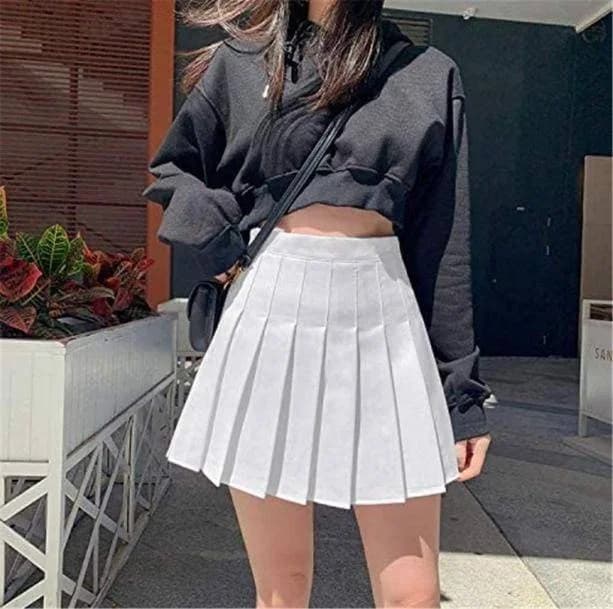
To create balance, look at the ratio of volume between your top and your skirt. If you are building a look around wide-set pleats or a breezy circle cut from our Nautical Skirts selection, pairing it with an equally oversized shirt will swamp your frame. A fitted baby tee, ribbed tank, or neat polo reins in the volume, giving the eyes a calm focal point before the skirt flares out.
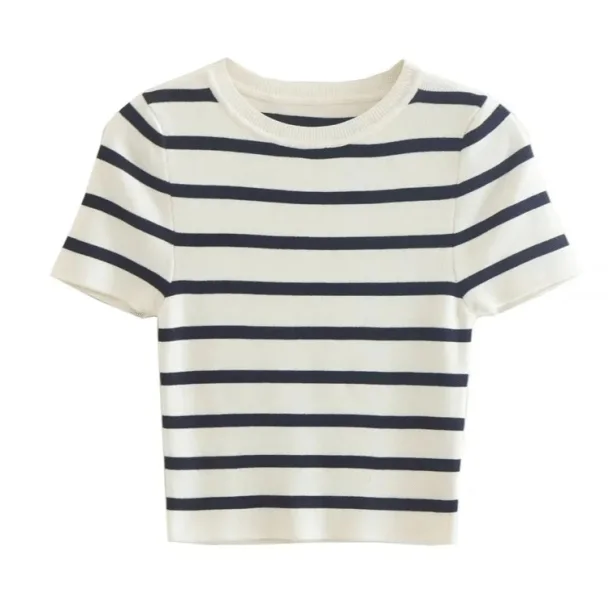
Conversely, pencil cuts and straight utility skirts thrive when paired with softer, slightly relaxed upper halves. A classic Breton stripe shirt tucked loosely into a structured column skirt creates that effortless seaside cafe look. You want one half of your outfit to hold the structure while the other half brings ease, preventing the outfit from feeling either too stiff or entirely shapeless.
Cropped cuts provide an easy shortcut for warm days. A piece like the Nautical Crop Top, made of smooth polyester with an open sailor collar detail, naturally finishes right at the waistband of a high-rise skirt. Because it ends cleanly without tucking, you avoid bunched fabric while keeping the traditional sailor flap visible across your shoulders.
3. Knitwear Textures and Layering Proportions
As the temperature drops, knitwear introduces necessary texture into coastal dressing. The smooth finish of twill, poplin, or polyester skirts pairs beautifully with open-weave ribbing and fisherman cables. When selecting pieces from our broader Nautical Clothes range, think about how the knit hangs over the skirt edge. Thick knits require strategic styling so they do not overpower lightweight fabrics.
A sleeveless sweater vest offers balanced insulation without bulky sleeves. LayeringWearing pieces over or under one another to add depth, warmth or contrast. the Nautical Vest Sweater, which features a polyester knit build, over a fitted collared shirt lets you frame a pleated mini skirt neatly. The vest stops neatly near the hip or waist, offering warmth while keeping the energetic flare of the skirt fully visible.
For colder breezes, a full pullover brings comforting structure. You can wear the Nautical Sweater, available in both Black and Red options in polyester, by doing a neat fold-under at the waist. Tucking just the front ribbing into your skirt band—or securing it underneath with a soft waist band—keeps the sweater from dragging your silhouetteThe overall shape an outfit creates, from fitted to loose and layered. down into an unflattering rectangle.
- Pair dense cable knits with smooth, structured skirts to balance textures.
- Opt for sweater vests to keep arm volume low when wearing flaring tennis skirts.
- Fold sweater hems inward to maintain your natural waist height in chilly weather.


4. Necklines That Compliment Marine Collars
The neckline of your top dictates how formal or playful your nautical skirt outfit appears. Broad boatnecks, or bateau collars, are the historical standard for naval undershirts because they follow the line of the collarbone. When paired with an A-line skirt, a boatneck creates broad shoulders that make the waistline look naturally narrower by comparison.
Classic V-necks offer another sharp alternative, carving out vertical space through your chest. Styling a relaxed piece like the Old Money Aesthetic V Neck Sweater over a crisp collared blouse gives you clean, preppy lines that flow down effortlessly into an accordion-pleated skirt. The downward point of the collar leads the eye straight to your waistband, reinforcing your proportions.
If your skirt already features elaborate buttons, suspender straps, or sailor flap details, keep your neckline quiet. A plain crew neck or fine-rib mock neck lets the lower garment take center stage. When both your shirt collar and your skirt waist carry high-contrast trim or buttons, the outfit starts to resemble a costume rather than an intentional daily outfit.

5. Balancing Whites and Lights: Pleats and Skorts
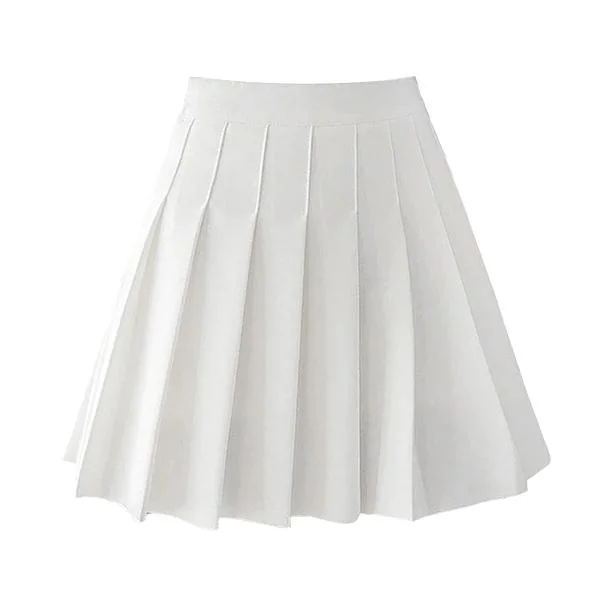
White and cream skirts are classic staples of seaside style, but they come with unique styling considerations. Crisp white fabric visually expands and draws immediate attention. When styling a piece like the White Tennis Skirt, crafted in polyester with crisp athletic pleats, you need enough visual weight on top to keep the outfit from feeling bottom-heavy.
Darker tops in navy, forest green, or jet black provide an immediate anchor for a light skirt. The high contrast creates a crisp graphic divide that suits coastal styling perfectly. If you want a more subtle, tonal look, pair an ivory skirt with oatmeal, pale dove gray, or soft sky blue rather than a pure matching white, unless you are deliberately creating a monochrome tennis set.
Undergarments and fabric opacity also dictate your top choice. A pure white skirt demands seamless, skin-toned basics underneath so shadows do not distract from the sharp pleats. When your bottom half is this bright and airy, tucking in a fine-gauge knit from our Nautical Tops collection ensures your midsection remains clean and streamlined from all angles.
6. Grounding Outfits with the Right Footwear
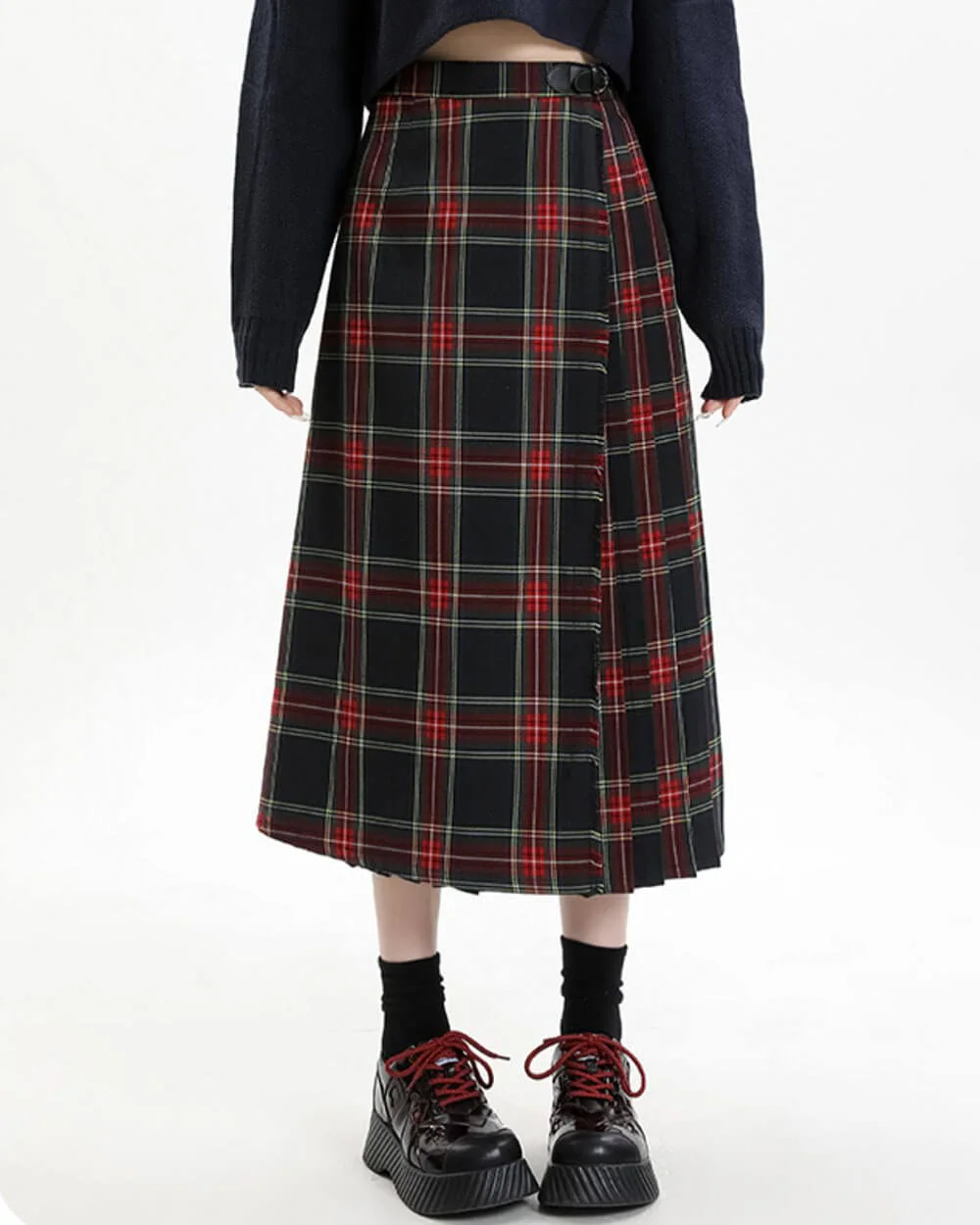
Shoes make or break marine outfits. Because nautical skirts often carry vintage or athletic charm, delicate stiletto heels or purely technical running shoes look out of context. Footwear in coastal styling needs visual presence to ground the wide hems and bright whites of the clothing above.
Classic white leather court sneakers, canvas low-tops, and chunky penny loafers are the most reliable choices. A dark penny loafer with white crew socks bridges the gap between preppy academic style and traditional dockside tailoring. The chunkier sole balances the flare of a pleated skirt, keeping your legs from looking top-heavy against structured garments.
In warmer coastal weather, fisherman sandals made of woven leather straps echo the maritime theme naturally without feeling like dress-up. For transitional seasons, switch to ankle-high Chelsea boots or lace-up brogues. Keeping the footwear slightly rugged or classic prevents light, fluttery skirts from feeling too fragile for normal everyday walking.
- Choose chunky penny loafers or oxfords to anchor swinging pleats.
- Stick to low-profile canvas or clean leather sneakers for casual day outings.
- Avoid ultra-delicate heels that clash with the utilitarian roots of seaside fashion.
7. Transitioning Outfits Across Changing Weather
Coastal aesthetic dressing should adapt easily across seasons. In warm weather, breathable cotton tees, airy tank tops, and minimal skirts handle sun and humidity with ease. When sea breezes cool down in the evening, a structured outer layer transforms the entire mood of your skirt outfit while maintaining balanced proportions.
Cropped denim jackets, tailored blazers, and lightweight chore coats work exceptionally well over nautical skirts. The key is jacket length: your outerwear should either stop right at your waistline or fall significantly below your skirt hem like a duster coat. Jackets that end awkwardly right in the middle of a mini skirt create competing horizontal lines that shorten your frame.
Tights offer another practical layer when transitioning into cooler months. Semi-opaque black or deep navy tights pair naturally with dark skirts and chunky leather brogues. When styling tights, keep your tops slightly more substantial—such as heavier selections from Nautical Sweaters—so your outfit does not look visually light on top and dark and heavy below.
8. Comparing Skirt Outfits to Nautical Pants
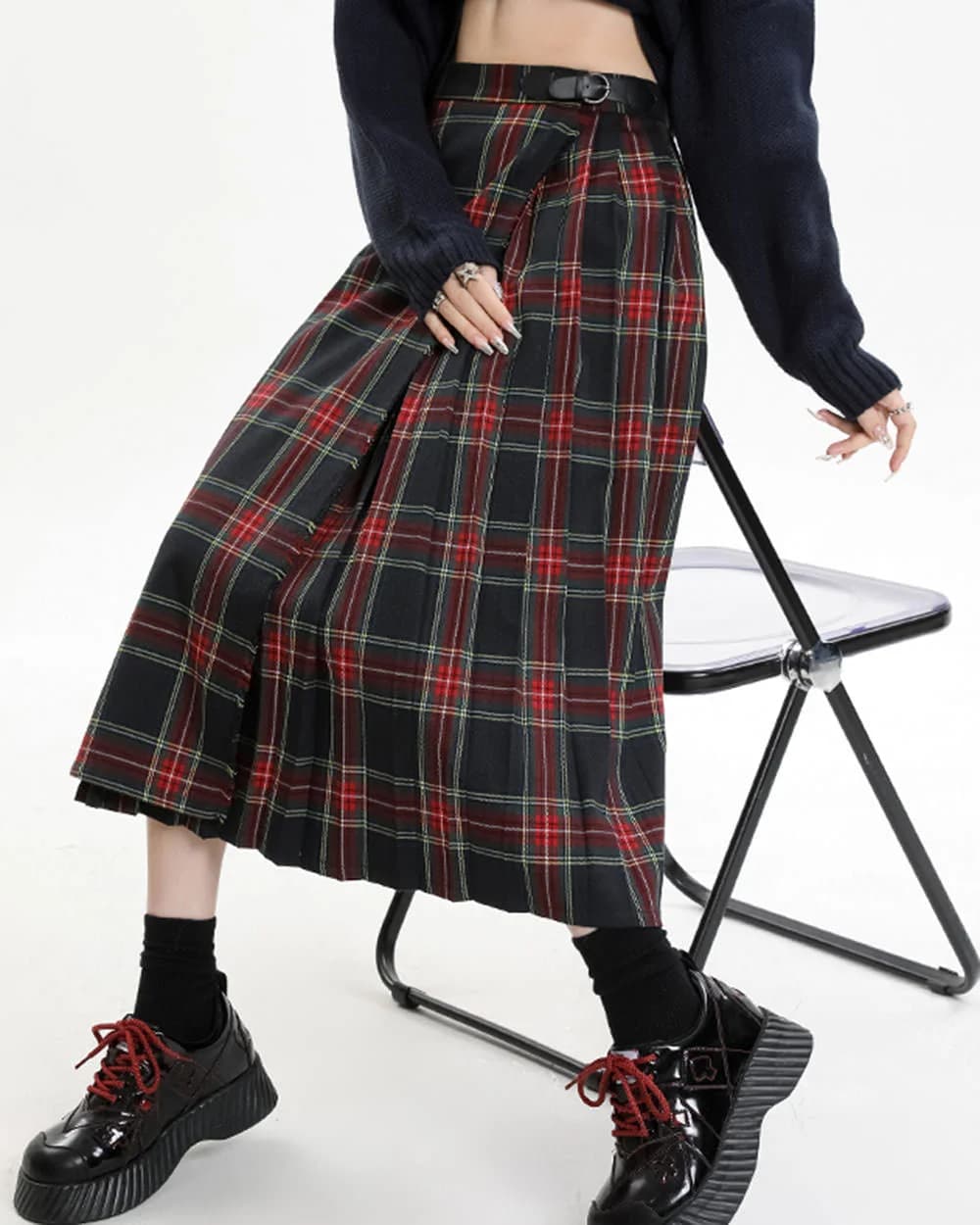
Understanding when to choose a skirt over nautical trousers helps define your personal wardrobe strategy. While nautical skirts lean into playful movement, athletic tennis cues, and retro resort elegance, trousers bring utilitarian structure and dramatic vertical lines. Comparing the two lets you choose the right base for your day.
High-waisted trousers, like the sailor pants found in our Nautical Pants collection or relaxed cuts like the Irregular Front High Waist Jeans, offer wind protection and full leg coverage. Pants excel when you want to wear longline coats or slouchy, un-tucked knitwear, as long trouser legs support oversized tops much better than short skirts do.
Skirts, on the other hand, demand stricter attention to where your top ends. However, skirts offer superior breathability in warm weather and provide greater freedom around the hips. If you want an outfit focused on energetic motion and clean contrast lines, a pleated or A-line skirt is your best route. Choose trousers when comfort in high winds or a relaxed, masculine-tailored look is your main priority.
- Skirts provide movement and airy warm-weather comfort.
- Trousers better support slouchy, oversized tops without requiring a waist tuck.
- Pants offer wind resistance, while skirts deliver classic collegiate-coastal charm.
9. Color Palettes Beyond Standard Navy and White
While navy and white form the recognizable core of coastal styling, relying only on this pair can make your wardrobe feel repetitive. Expanding into adjacent tones keeps your nautical skirt outfits fresh while preserving their crisp seaside charm. Soft neutrals and selective primaries expand your outfit options significantly.
Muted ecru, warm sand, and soft slate gray provide softer alternatives to harsh optical white and dark navy. A sand-colored A-line skirt paired with a forest green striped top feels grounded and earthy, evoking coastal pines rather than open ocean. Rich burgundy and deep wine reds also pair beautifully with cream skirts, offering a warm, vintage alternative to bright primary red.
If you enjoy high-contrast color blocking, introduce bold accents in small doses. Try a bright yellow neckerchief or a cherry-red bag against an otherwise monochrome cream and navy base. Limiting bright accent colors to a single focal point prevents your outfit from competing with the clean lines of your skirt.
10. Avoiding the Sailor Costume Trap
The greatest challenge when styling nautical skirts is avoiding a look that feels like a school play costume. Seaside fashion has recognizable motifs—anchors, sailor flaps, gold ropes, and horizontal stripes—and wearing all of them together quickly tips an outfit into novelty territory. Restraint is what keeps your look modern.
The rule of thumb is simple: pick one overtly maritime element per outfit and let the rest of your pieces stay minimal. If you are wearing a skirt with high-contrast navy trim or decorative naval buttons, pair it with a modern, unadorned ribbed tank and simple white sneakers. Do not add an anchor necklace, a captain hat, and boat shoes all at once.
Similarly, watch out for costume-grade fabrics with excessive synthetic shine or flimsy collars. Look for pieces with clean seams, sturdy waistbands, and understated hardware. Mixing one sea-inspired garment with contemporary streetwear—like an oversized blazer or modern sunglasses—instantly grounds the look in everyday casual wear.
- Limit yourself to one nautical motif per outfit to maintain modern balance.
- Pair nautical statement skirts with plain, contemporary wardrobe basics.
- Leave the boat shoes and captain caps behind in favor of clean loafers or sneakers.
11. Smart Accessories: Bags, Socks, and Headwear
Accessories should support your nautical skirt outfit, not fight it for attention. Because seaside style is rooted in practical recreation, bags and headwear made from natural materials feel most at home. Canvas totes, woven straw crossbody bags, and structured leather satchels fit the aesthetic without overwhelming small-scale skirts.
Socks play a surprisingly large role when styling shorter skirts. A pair of ribbed white crew socks scrunched slightly above the ankle bridges your footwear and your skirt hem, adding preppy balance. If you are wearing dark penny loafers, a white or cream sock provides a crisp buffer that brightens the entire lower half of your outfit.
Headwear should remain low-key. A simple cotton bucket hat or a clean baseball cap in navy or beige adds sporty functionality for sunny harbor walks. Avoid novelty sailor caps entirely; instead, use silk ribbon hair ties or simple tortoiseshell clips to keep your hair tidy against coastal breezes without looking like you are wearing theatrical dress.
12. Styling for Resort and Warm Waterfront Days
Resort environments and sunny boardwalks call for lightweight fabrics and clever layeringWearing pieces over or under one another to add depth, warmth or contrast.. When spending the day by the water, your skirt outfit often pulls double duty as a quick cover-up over swimwear. Choosing skirts with comfortable elasticated or wrap waists makes seaside transitions effortless.
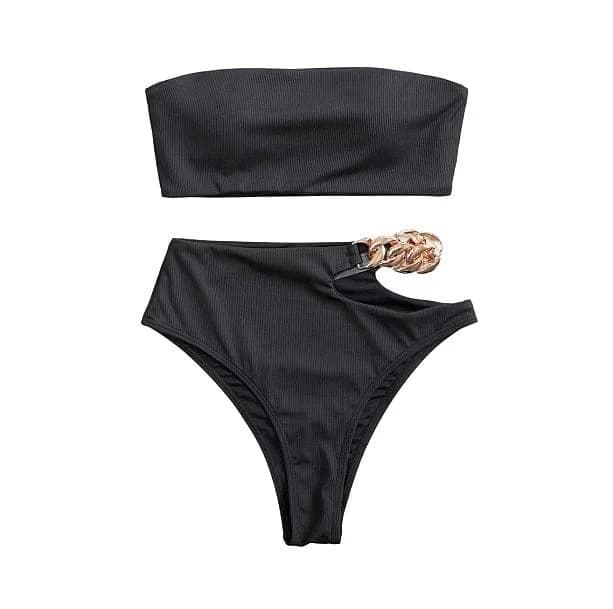
A quick-drying skirt slips easily over a piece like the Aesthetic Bikini With Chain. By layeringWearing pieces over or under one another to add depth, warmth or contrast. an unbuttoned lightweight linen shirt over the top, you create a breezy, sun-safe outfit suitable for stepping off the sand and into a nearby beachside cafe. The open shirt introduces relaxed vertical lines that balance the short hem of your skirt.
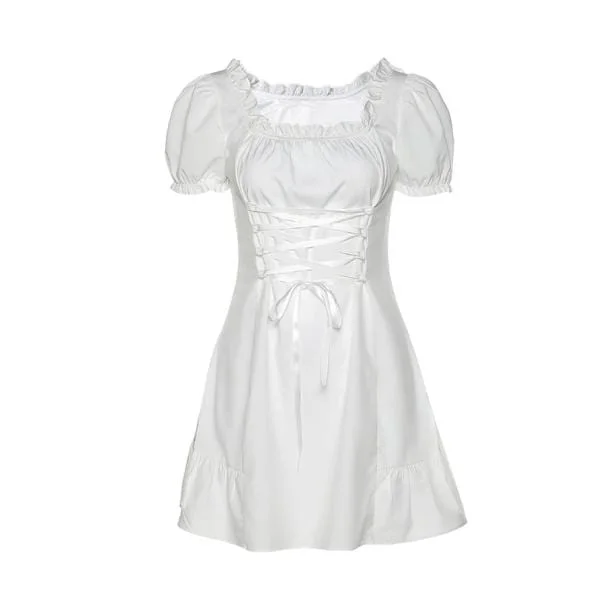
If you prefer a one-and-done alternative to separates, an airy piece like the Innocent White Dress shares the same romantic, windswept energy as a white skirt outfit. Its light build and breezy silhouetteThe overall shape an outfit creates, from fitted to loose and layered. offer the same easy styling perks as a tennis skirt while saving you the effort of coordinating tops and waistbands under the warm sun.
13. Outfit Proportions for Different Body Frames
Every body shape carries clothing proportions differently, and adjusting your waistband and hemline placement ensures your nautical skirt flatters your specific frame. Petite individuals often look best in skirts that hit two to three inches above the knee, paired with closely fitted tops to keep leg lines long and unbroken.
For taller frames or longer torsos, midi-length pleated skirts provide striking elegance. Pair a calf-length navy skirt with a boatneck top tucked firmly into the band to establish your waist without cutting your torso in half awkwardly. A wider belt can also help ground longline skirts on taller frames, creating a strong visual anchor point.
If you carry more fullness in your midsection or hips, A-line skirts cut from sturdy twill or structured polyester skim smoothly without clinging. Avoid skirts with pleats that start directly at the very top of the waistband, as they can puff outward. Instead, look for stitched-down pleats that flare out mid-thigh, keeping your hip profile neat and balanced.
- Petite frames benefit from above-the-knee hems and snug, tucked tops.
- Taller figures can embrace calf-length pleated midis with wide waistbands.
- Choose stitched-down pleats to keep the hip line smooth and streamlined.
14. The Nautical Skirt Outfit Checklist
Before stepping out the door, running through a quick mental checklist ensures your outfit looks balanced, cohesive, and effortless. Taking thirty seconds to assess your proportions in a full-length mirror will catch small issues—like bunching fabrics or competing focal points—before you leave home.
First, inspect your waistline. Does your top tuck in smoothly, or does its crop stop exactly where your skirt begins? If you see fabric bunching beneath the waistband, switch to a shorter top or secure your shirt hem with an elastic band trick. Next, look at your footwear: does the shoe feel substantial enough to support the skirt's volume, or do your feet look oddly diminutive?
Finally, review your color distribution and accessories. Ensure your nautical accents are balanced rather than clustered all in one spot. When your colors are cleanly distributed, your waistline is clear, and your shoes ground your silhouetteThe overall shape an outfit creates, from fitted to loose and layered., you have mastered the balanced nautical skirt outfit.
- Waistline is clearly defined without bulky fabric bunching under the band.
- Top length complements the skirt flare rather than covering up front details.
- Shoes carry enough visual weight (thick soles or socks) to anchor the hemline.
- Nautical themes are kept subtle and modern without feeling like a costume.