Created by the Kawaii Vibe editorial team. Our named style desks are editorial personas. Product details and availability can change.
Building a cohesive outfit around a maritime-inspired shirt starts with the neckline and cut rather than the print alone. While navy horizontal stripes or bright anchor motifs catch the eye first, the physical collar line and the bottom hem dictate how the rest of your clothes sit against your body. Choosing the right trousers, skirts, or base layers depends directly on whether your top exposes the collarbone, finishes high at the throat, or rests squarely above the hips.
A boat neck, for instance, pulls the eye horizontally across the shoulders, which calls for straight or wider lower halves to keep your frame balanced. In contrast, a deep V-neck directs visual focus downward through the torso, opening up possibilities for collared underlays, pleated bottoms, or high-rise denim. When you style from the neckline down, you avoid the frustrating feeling of an outfit looking cluttered, top-heavy, or disjointed.
In this guide, we break down specific silhouetteThe overall shape an outfit creates, from fitted to loose and layered.s across our collection of nautical tops, highlighting how different cuts interact with waistbands, leg shapes, and mid-layers. Whether you are working with lightweight summer garments or heavier knitwear, focusing on cut and structural balance will help you assemble clean, reliable outfits every day.
1. The Geometry of the Boat Neck and Bateau Cut
The boat neck, traditionally called a bateau neckline, runs wide across the collarbones toward the shoulder points and sits straight across the chest. Because this cut draws a strong horizontal line across the upper body, it naturally widens the visual appearance of the shoulders. When styling this specific silhouetteThe overall shape an outfit creates, from fitted to loose and layered., the goal is to prevent the upper half from overpowering the lower body, especially if you are wearing a striped pattern that further emphasizes lateral lines.
To balance a bateau cut, pair it with structured, straight-leg or relaxed trousers that offer visual weight from the hips downward. If you choose bottoms that taper severely at the ankles, like ultra-skinny jeans, the outfit can appear top-heavy. Instead, aim for clean lines that fall directly from the widest part of your hip. You can browse through our wider edit of nautical clothes to see how different classic garments leverage broad shoulder geometry without sacrificing lower-body definition.
Fabric drape also matters considerably when wearing a boat neck. If the top is cut from a crisp, firmer knit, it will retain its straight shelf across your chest, making tucking into high-waisted shorts or chinos very straightforward. Softer, lighter knits will dip slightly with movement, allowing you to loosely half-tuck the front hem while leaving the boat neck neatly framing your neck and shoulders.

2. Styling Deep V-Necks and Contrast Tipping
A V-neckline shifts visual focus vertically toward the center of your torso, contrasting sharply with horizontal marine stripes or collar bands. This makes it an exceptionally functional cut for layeringWearing pieces over or under one another to add depth, warmth or contrast. or balancing out rounder face shapes and broader torsos. When a V-neck features contrast tipping around the collar, as seen on many traditional sailing and tennis knits, that collar edge becomes the anchor point of your entire top half.
For a preppy, retro-leaning silhouetteThe overall shape an outfit creates, from fitted to loose and layered., the Old Money Aesthetic V Neck Sweater, which is offered in sizes S through L, serves as an adaptable example. The open neckline allows you to either wear it against bare skin for an airy, casual afternoon feel or layer a crisp woven collared shirt underneath for cooler temperatures. When adding a shirt underneath, ensure the shirt collar points tuck cleanly inside the knit collar bands to keep the neckline looking sharp rather than rumpled.
Because V-necks create downward movement, they look best over bottoms that provide clear waist definition. Tucking the sweater or choosing a waistband that meets right where the lower ribbing finishes keeps your midsection neat. Pairing this neckline with pleated trousers or a neat A-line skirt creates a clean triangle silhouetteThe overall shape an outfit creates, from fitted to loose and layered. that feels balanced and timeless.

3. Balancing Cropped Hemlines with High-Rise Bottoms
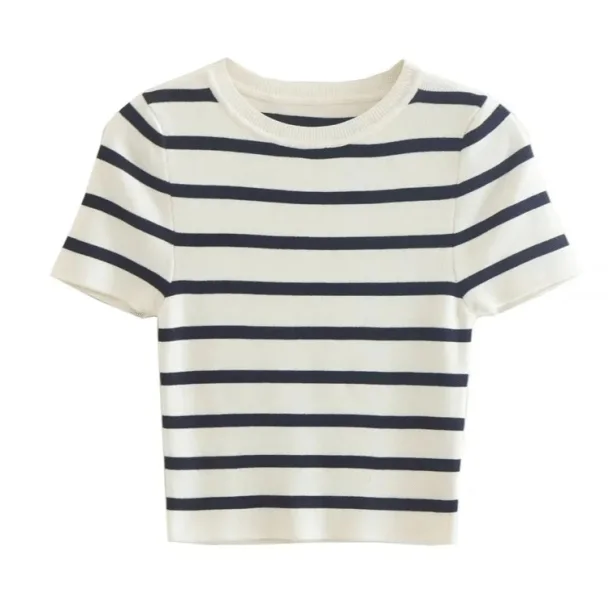
Cropped nautical cuts present a distinct styling opportunity: they highlight the natural waist while showing off maritime design details like square bib collars, short cap sleeves, or chest graphics. Because these tops end between the lower ribcage and the belly button, pairing them with mid-rise or low-rise bottoms exposes a large section of midriff that can disrupt the clean aesthetic of traditional maritime wear. High-rise bottoms restore visual harmony by bridging that gap.
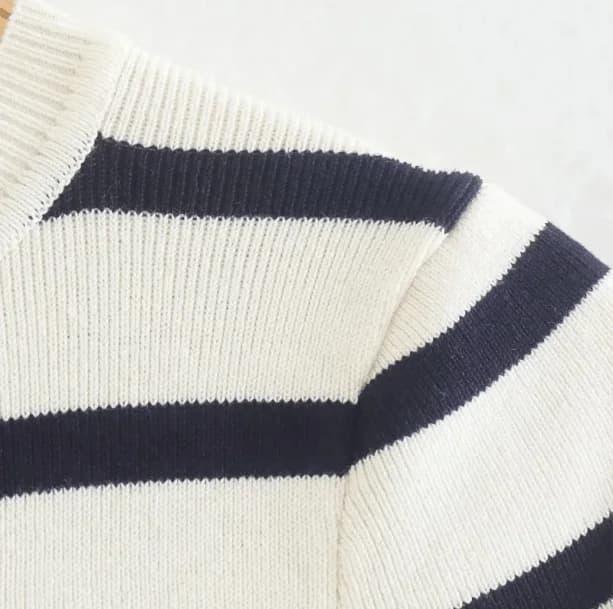
A dedicated piece like the Nautical Crop Top, available in sizes S to L and made from polyester, offers a structured cut that stays put when moved. Pairing this kind of top with waistbands that hit at or just above the navel creates a flattering, intentional proportion where only a hint of skin shows, or none at all when you are standing naturally. To browse similar cuts and lengths, explore our nautical crop tops range.
When styling cropped cuts, think about the thickness of your bottom half. A cropped top inherently removes visual fabric weight from your torso, which means lightweight, flimsy shorts can leave the overall outfit looking insubstantial. Opt instead for sturdy twill pants, structured denim, or tailored linen trousers that ground the outfit and make the cropped length feel crisp and intentional.
4. The Play Between Asymmetrical Denim and Symmetric Nautical Tops
Traditional maritime tops rely heavily on symmetry: even horizontal bars, centered anchor prints, mirror-image collar flaps, and centered button placements. While pairing symmetric tops with classic denim works reliably, adding an asymmetrical waist detail provides an unexpected edge that modernizes the overall outfit without breaking the nautical theme.
The Cross Waist Jeans, offered in sizes S up to 2XL, introduce a diagonal, overlapping front closure that breaks up the rigid horizontal lines of sailor shirts. When you tuck a straight-cut striped top into an asymmetrical waistband, the diagonal waist line guides the eye smoothly across the midsection, softening what could otherwise be a very boxy shape.
Another compelling alternative is the Irregular Front High Waist Jeans, available in sizes S through 2XL, which feature unique front-panel construction. The visual complexity of these jeans pairs best with tops that have simpler, unembellished necklines, like a crew or round scoop neck. If your top features large bows or heavy collar flap embroidery, sticking to clean, standard waistbands is generally safer to avoid competing visual focal points.


5. Styling the Classic Crewneck Sweater for Variable Climates
The crewneck is the most universal nautical silhouetteThe overall shape an outfit creates, from fitted to loose and layered., wrapping close around the base of the throat with a ribbed collar band. Its strength lies in thermal comfort and sheer adaptability, but without intentional styling, an oversized crewneck can make your upper body look like a solid, undefined block. Mastering this cut requires managing cuff placement, waistband tucking, and proportion.
The Nautical Sweater, crafted from polyester in S through 2XL and offered in Black or Red color options, exemplifies this classic profile. In transitional or cooler weather, the Black colorway provides a bold, graphic base that pairs naturally with off-white or beige corduroy trousers. The Red option brings a vibrant maritime accent that works cleanly against washed blue denim or navy trousers. You can explore more cozy seasonal knits in the nautical sweaters section.
To keep a crewneck from swamping your frame, push the sleeves up toward the forearms to expose your wrists, which immediately creates a lighter silhouetteThe overall shape an outfit creates, from fitted to loose and layered.. If the sweater hem is ribbed, fold the ribbing inward along your natural hip line or tuck a small section into your waistband off-center. This small adjustment prevents the straight bottom hem from cutting your legs in half visually.

6. Sleeveless Sweater Vests and Underlayer Dynamics
Sweater vests have long roots in maritime rowing, yachting, and deck wear, providing core warmth while freeing the arms for activity. Styling a nautical sweater vest depends heavily on whether you treat it as a standalone sleeveless top in warm climates or as a layeringWearing pieces over or under one another to add depth, warmth or contrast. piece over button-down shirts, long-sleeve tees, or dresses.
The Nautical Vest Sweater, made from polyester and offered in sizes S, M, and L as pictured, features armholes and a neckline tailored for easy pairing. Worn alone over bare shoulders on warm sunny days, it creates a sporty, clean athletic look when paired with pleated tennis skirts or linen shorts. In cooler weather, slipping this vest over an oversized white poplin button-up instantly reframes the collar and arms, letting the cuffs and collar points emerge around the knit borders.
When layeringWearing pieces over or under one another to add depth, warmth or contrast. beneath a vest, pay close attention to armhole clearance. If your base shirt has wide, dolman-style sleeves, it will bunch uncomfortably under standard vest armholes. Choose tailored, fitted sleeve bases to ensure the fabric lies flat beneath the knit, maintaining clean lines from shoulder to cuff.
7. Sailor Collars and Square Back Flaps
The traditional sailor collar features a wide, flat front opening that finishes in a deep, squared-off fabric flap across the upper back. This is one of the most distinctive cuts in nautical apparel, originating from naval uniforms designed to keep hair grease off wool coats. Because this collar has dramatic physical presence, it requires careful coordination with your lower half and hair styling.
When wearing a top with a pronounced sailor collar, keep your jacket or outerwear choices minimal. LayeringWearing pieces over or under one another to add depth, warmth or contrast. a tight jacket over a wide sailor collar bunches the back flap into a wrinkled roll behind your neck. Instead, wear the top as the outermost layer, or choose an open, loose cardigan that allows the back square flap to rest flat against your shoulder blades.
In terms of bottoms, a wide sailor collar works exceptionally well with tailored, wide-legged trousers. Check out our dedicated nautical pants collection to find trousers that echo this structured, mid-century naval profile. Wide pants anchor the volume of the large collar flap, whereas tight bottoms can cause the collar to look disproportionately broad and theatrical.

8. Layering Nautical Tops Over Dresses and Swimwear
A practical styling approach for coastal travel or warm afternoons involves using lightweight nautical tops as functional cover-ups. Rather than treating tops strictly as shirts to be tucked into pants, you can layer cropped or open-knit tops over one-piece foundations to add dimension and sun protection.
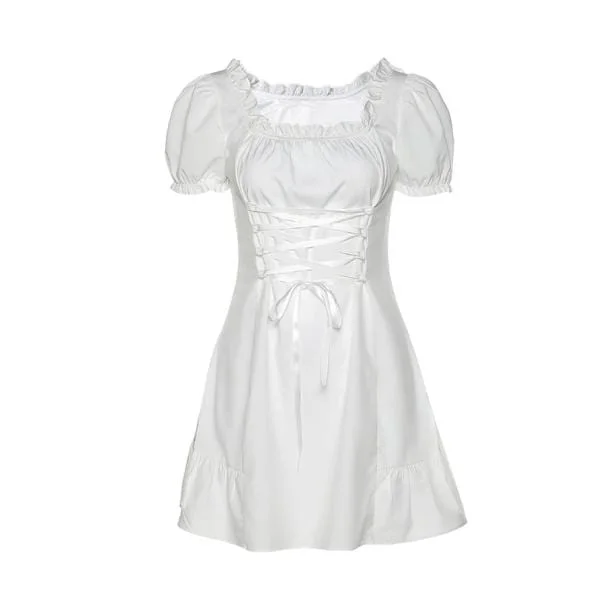
For a light summer aesthetic, pairing an airy cropped sailor tee over the Innocent White Dress, offered in sizes S through L, transforms the dress into a two-piece ensemble. The hem of the top establishes a faux waistline, while the flowing skirt underneath softens the crisp lines of the nautical cut. This pairing works particularly well if the dress neckline sits slightly lower than the top, keeping the focus entirely on the top's collar construction.
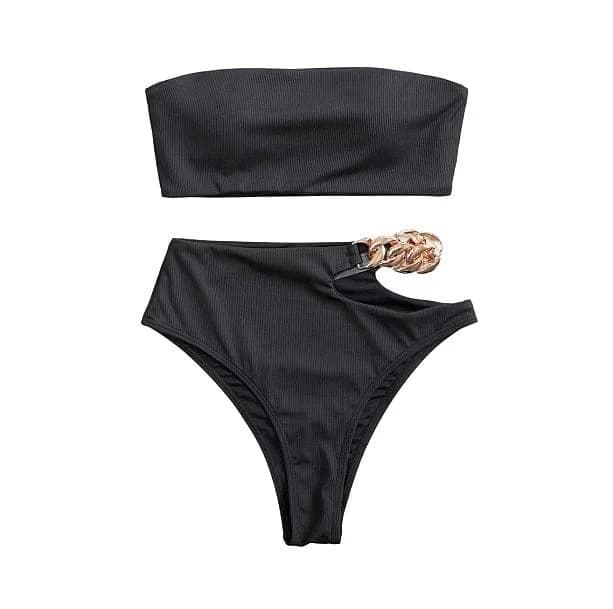
For beach or poolside settings, an open-weave or oversized crewneck nautical top serves as an effortless layer over swimwear like the Aesthetic Bikini With Chain, available in Black or White across sizes S to L. The top can be slipped on loosely during the heat of the day, allowing the metallic chain details and straps to subtly accent the open neck, providing casual structure without feeling overly dressed.
9. The Impact of Sleeve Length on Neckline Balance
While necklines draw the eye to your face, sleeve lengths determine how your top interacts with your hips and waistline. A long-sleeve boat neck creates a very continuous, uninterrupted sweep of fabric across your arms, which can make your silhouetteThe overall shape an outfit creates, from fitted to loose and layered. feel solid and elongated. If you are petite, full-length horizontal stripes on long sleeves can feel overwhelming without some skin break.
Three-quarter sleeves, traditionally popular on French coastal shirts, end just below the elbow. This sleeve length creates a visual break right at your natural waistline when your arms rest at your sides. When paired with a wide scoop or boat neck, three-quarter sleeves draw attention directly to your waistband, making it the ideal cut to wear with high-waisted shorts, culottes, or A-line skirts.
Cap sleeves and sleeveless cuts, conversely, push all visual emphasis up toward the collar and neck. When wearing a sleeveless nautical top, ensure the armholes sit flush without gaping to keep the look refined. Pairing sleeveless cuts with longer, flowing trousers or maxi skirts creates an appealing high-low proportion that lengthens the overall silhouetteThe overall shape an outfit creates, from fitted to loose and layered..
10. Color Palettes and Print Scale Around the Face
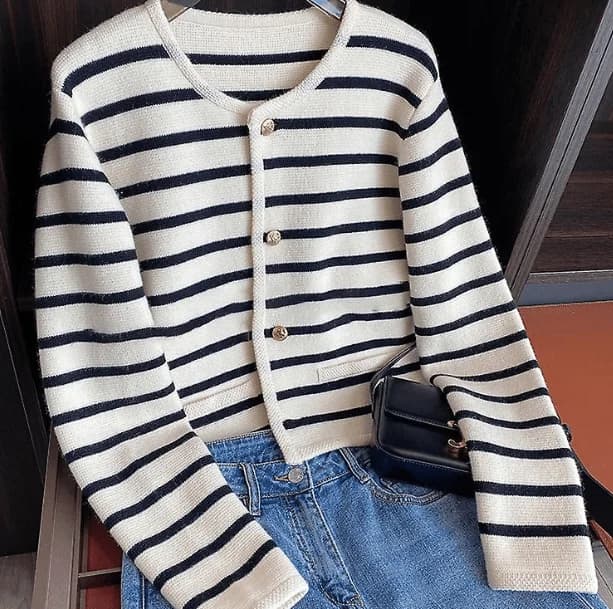
Nautical tops generally adhere to a disciplined color paletteA small group of colors you repeat to make an outfit feel connected. of crisp white, deep navy, jet black, vibrant crimson, and ecru. The distribution of these colors relative to your neckline significantly impacts how bright or structured your face appears. A dark navy stripe directly abutting the collar creates a defined, graphic boundary, whereas an ecru or white ground directly framing the throat softens the jawline.
Print scale also alters how a cut is perceived. Fine, narrow Breton stripes (pencil stripes) create a delicate, textured appearance that reads almost like a solid tone from a distance, making them suitable for office environments or understated casual wear. Broad, wide block stripes draw intense graphic attention, exaggerating the width of whichever part of the torso they cross.
When pairing striped tops with bottoms, maintain print discipline. Unless you are intentionally practicing advanced print mixing, avoid pairing horizontal striped tops with floral or plaid bottoms. Crisp solid bottoms in khaki, white denim, dark indigo, or solid black allow the precise cuts and striping of your nautical shirt to stand out cleanly without visual noise.
11. Proportion Rules for Tucking, Cropping, and Overlapping
Achieving a balanced outfit requires intentionality at the hemline. A full tuck works best when your nautical top is made from lightweight knitwear or fine cotton and your bottoms feature a structured waistband, such as denim or pleated trousers. Full tucks emphasize the natural waist, making them ideal companions for crewneck and boat neck shirts where you want to highlight leg length.
The half-tuck (or French tuck) involves tucking only the front center of the shirt while letting the sides and back drape naturally over the waistband. This technique works exceptionally well with relaxed, boxy nautical sweaters. It softens the stiffness of a straight hem, prevents the garment from visually shortening your legs, and lends a relaxed, casual attitude to heavy-weight tops.
For naturally cropped tops, tucking is unnecessary and often counterproductive. Instead, focus on the overlapping gap between the top hem and the trouser waistband. A zero-gap overlap, where the fabric of the top brushes the top millimeter of the denim waistband, produces a sleek, continuous silhouetteThe overall shape an outfit creates, from fitted to loose and layered.. A one-to-two-inch gap creates a playful, casual break suited for weekend outings, warm weather, or layered beachwear.

12. Footwear and Accessory Pairings Based on Necklines
Accessories should complement, not compete with, your chosen neckline. A wide boat neck provides an open expanse across the collarbones that looks best either bare or decorated with minimal, short stud earrings; long dangling necklaces can tangle awkwardly with the wide seam line. Conversely, a deep V-neck naturally frames delicate pendant necklaces or small neckerchiefs tied closely around the throat.
Footwear also plays a role in grounding the proportions set by your top half. Because a boat neck or sailor collar widens the upper silhouetteThe overall shape an outfit creates, from fitted to loose and layered., footwear needs enough visual presence to anchor the lower half. Pair wide-collar tops with structured loafers, clean white court sneakers, or canvas espadrilles rather than barely-there strappy sandals.
If you are wearing a fitted, cropped nautical top, you can experiment with slightly chunkier shoe silhouetteThe overall shape an outfit creates, from fitted to loose and layered.s, such as platform loafers or lug-sole boat shoes, to create an appealing streetwear contrast against the preppy upper body. The key is ensuring that the weight of the footwear echoes the weight and texture of your trousers or skirt.
13. Common Styling Pitfalls to Avoid
One frequent mistake when building a nautical outfit is falling into costume territory. Wearing a sailor-collar top, high-waisted gold-button shorts, anchor jewelry, and a captain's cap all in one ensemble looks like a stage uniform rather than a refined personal outfit. To keep the look modern and chic, select one distinct maritime hero piece—like a striped boat neck or collar sweater—and keep the remaining elements neutral and minimalist.
Another pitfall is ignoring fabric weights between the top and bottoms. Pairing a thick, heavy polyester cable-knit sweater with delicate, paper-thin silk shorts results in an awkward seasonal clash where the top looks uncomfortably warm and the bottom looks freezing. Ensure that your fabrics share a similar visual weight and seasonal logic, matching heavier knits with sturdy denim, wool blends, or heavy twill.
Finally, watch out for ill-fitting undergarments under boat neck tops. Because bateau collars reach outward toward the shoulder points, standard bra straps frequently slide into view. Opt for a strapless bra, multi-way straps, or undergarments matched to your skin tone to maintain the clean, continuous horizontal neckline of the shirt.

14. The Practical Nautical Pairing Checklist
Before heading out the door in your nautical outfit, run through a quick structural audit to confirm your proportions, collar placement, and textures are working together cleanly. Checking these key points takes less than thirty seconds and ensures you look put-together throughout the day.
First, verify your neckline-to-bottom balance: if your top is wide or boxy, are your pants cut with enough width or structure to support it? Second, examine your waistband interaction: is your crop top hitting at an intentional height, or is your sweater tuck creating bulky bunches beneath your denim? Finally, check your accessories to ensure no necklaces are fighting the collar's natural shape.
Check that bra straps do not peek out along wide boat neck collars.
Ensure heavy knit hems are either cleanly tucked, cropped, or folded above the widest hip line.
Pair boxy, oversized sailor tops with straight or wide-leg trousers rather than tapered leggings.
Keep jewelry minimal around intricate sailor flaps or contrast-tipped V-necks.
Limit themed nautical elements to one or two pieces per outfit to avoid a costume aesthetic.
Use this concise checklist whenever you style your maritime tops for the day ahead: