Created by the Kawaii Vibe editorial team. Our named style desks are editorial personas. Product details and availability can change.
Building an everyday outfit around Normcore accessories does not mean piling on tiny decorative accents until your outfit feels busy. The core method is simple: choose exactly one functional focal item, whether that is a utilitarian bag, an unadorned metal wrist piece, or an unassuming knit layer, and keep every supporting detail quiet. When you anchor your outfit with a single distinct piece, your silhouetteThe overall shape an outfit creates, from fitted to loose and layered. looks deliberate rather than neglected.
Many people struggle with understated dressing because they confuse low-key styling with lack of direction. If every piece you wear is equally anonymous, the outfit can look flat and unintentional. Conversely, adding typical statement jewelry or loud prints breaks the quiet aesthetic entirely. The solution is establishing a clear visual anchor, balancing clean proportions, and letting practical design do the talking.
In this buyer guide, we walk through concrete outfit formulas, practical material balances, seasonal shifts, and careful accessory paring. Whether you are building from scratch or refining an existing wardrobe, here is how to select your primary focal point and style everything else to support it.
The Single Focal Point Principle in Understated Dressing
The single focal point rule requires that only one accessory or foundational garment leads the eye, while every other element stays clean, functional, and visually quiet. When you browse broader Normcore Clothes, you will notice that simplicity is built on straightforward cuts and muted tones. If you decide to introduce a distinct accessory, it needs space to exist without competing items cluttering the neckline, wrists, or waistline.
To put this into practice, identify your lead piece before you get dressed. If your focal piece is a boxy canvas tote, your wristwear should be either absent or entirely flush, your footwear should be plain, and your clothing should feature flat seams. When your lead piece has subtle structure, the remaining items serve as a cohesive canvas. This prevents the look from slipping into visual clutter while keeping you far away from looking disheveled.
Understanding this hierarchy saves time during your morning routine. Instead of asking yourself which rings, necklaces, and hats to combine, you make one primary decision. Once that primary piece is chosen, every subsequent layer is selected solely to complement its silhouetteThe overall shape an outfit creates, from fitted to loose and layered. and finish.

Selecting Your Anchor: Bags, Wristwear, or Layered Textures
Choosing what serves as your anchor depends on where you want the visual weight of your outfit to sit. If your routine demands hauling notebooks, chargers, or daily necessities, exploring dedicated Normcore Bags makes the bag your natural centerpiece. A structured canvas or plain nylon carryall provides an architectural element against loose, casual clothing.
Alternatively, you can make wristwear the focus by exploring subtle Normcore Bracelets. A slim metal band or a matte chain gives an intentional touch to bare wrists or rolled-up cuffs. When your wristwear is the hero, your bag should be an ultra-plain neutral pack or pocket-stored pouch so the two do not fight for dominance.
Lastly, your focal point can be a tactile fabric layer rather than a standalone accessory. When your clothing texture takes center stage, your accessories become purely secondary utility pieces. Deciding between a carry item, a piece of hardware, or a textural layer before styling creates an instant blueprint for the rest of your outfit.
The Everyday Heavy-Knit Outfit Formula
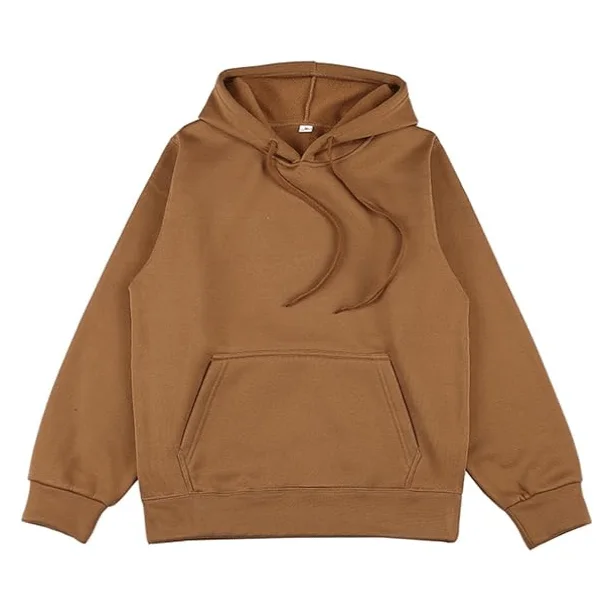
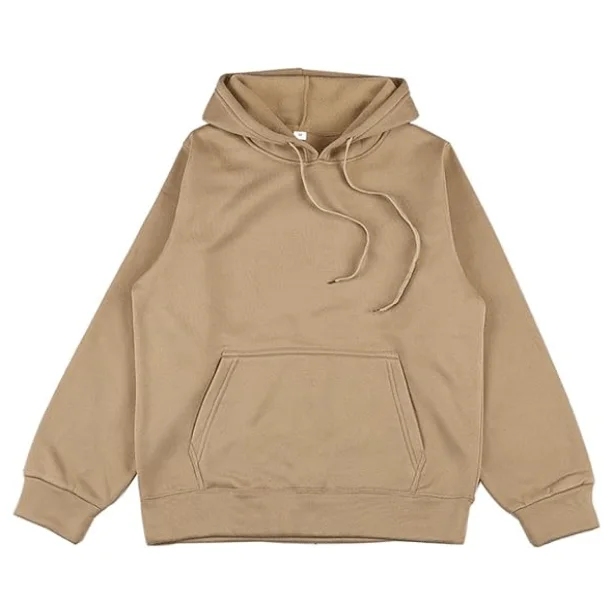
A practical cold-morning combination begins with a cozy, dense upper layer that sets a soft, relaxed volume. For this look, the Normcore Hoodie, made of polyester and available in versatile shades like Gray, Apricot, Black, or Navy Blue, provides a clean casual base with its classic drawstring hood and kangaroo pocket. Because the hooded silhouetteThe overall shape an outfit creates, from fitted to loose and layered. creates soft bulk around the neck and shoulders, additional neckwear should be skipped entirely.
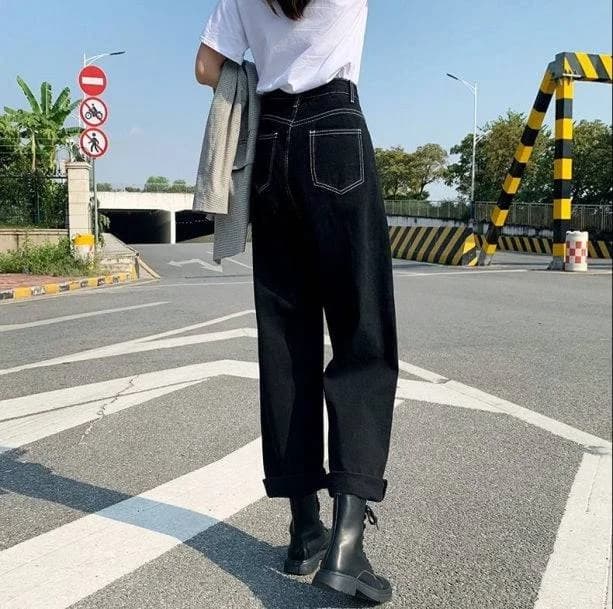
Pair this hooded top with straight-leg bottoms like the Normcore Jeans, crafted from polyester and spandex for slight stretch and easy movement. With the heavy knit fabric establishing a relaxed mood, let your single accessory focal point be a flat-faced utility messenger bag worn cross-body. The strap cuts diagonally across the sweatshirt fleece, creating clean definition without adding unnecessary hardware.
Keep footwear simple with low-profile leather or canvas sneakers in white, off-white, or slate gray. Because the upper fleece already has substantial visual volume, keeping the lower leg straight and the feet uncluttered keeps the entire outfit grounded and practical.

Balancing Casual Denim and Utility Outerwear
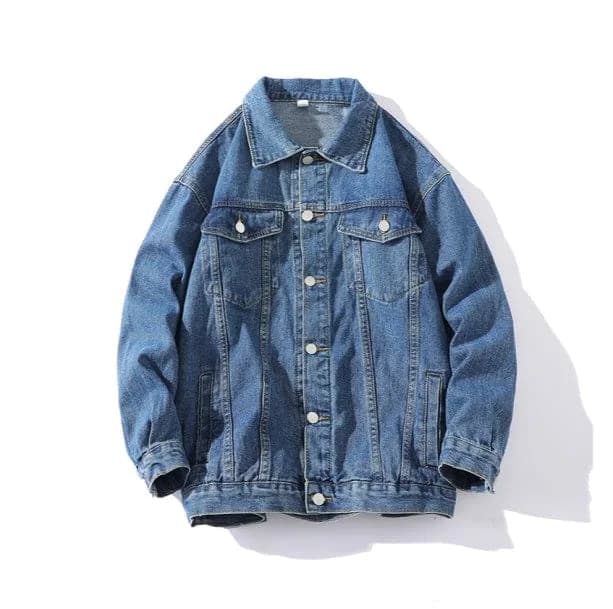
When your outfit leans into structured outerwear, the jacket naturally draws attention, meaning any added accessory must match its utility. The Normcore Jean Jacket, made from a blend of polyester and cotton and offered in tones like Army Green, Gray, Light Blue, and Black, brings sharp seams and metal button closures to your upper body.
Because this jacket features chest pockets and panel stitching, your accompanying accessories should avoid fussy textures. Here, the ideal focal accessory is a clean leather-strap wristwatch or a minimal cuff from the Normcore Jewelry catalog. Let the bracelet peek out just beneath the buttoned cuff when your arm moves, offering a quiet metallic echo to the jacket's buttons without competing for attention.
Under the denim layer, a plain crewneck top keeps the chest area flat. Complete the pairing with relaxed chinos or charcoal twill trousers. By allowing the outerwear's cut and a single wrist accent to lead, you achieve a well-proportioned outfit that feels utilitarian rather than over-styled.

Styling Clean Cotton Layers for Mild Weather
In mild transitional weather, breathable mid-layers create an uncomplicated, crisp base that pairs easily with understated accents. The Normcore Sweatshirt, constructed from cotton and polyester in clean White or Black, offers a flat ribbed crew collar that sits neatly against the collarbones. This unadorned neckline provides the ideal backdrop for a single accessory anchor.
If you choose a slender chain as your focal point, let it rest inside or right along the ribbed collar, keeping the length short so it does not bounce against the chest. Alternatively, if you want your carryall to be the focal point, keep the collar completely bare and sling a neutral shoulder bag over one arm. The contrast between smooth cotton-blend fleece and durable woven canvas gives the pairing subtle depth.
Finish this transitional look with loose-fitting trousers and simple slip-on shoes. Because the crewneck sweatshirt lacks hoods, zippers, or excessive seams, it allows your chosen focal point—whether metal hardware or a utility tote—to stand out naturally without visual competition.

Warm-Weather Warmth: Minimal Tees and Focused Accents
During warm summer months or indoor settings, outfits naturally feature fewer pieces, making each styling choice more noticeable. The Normcore T-Shirt, made of cotton and polyester in a one-size cut and shades like Apricot, White, Blue, and Gray, offers an easy, relaxed drape. Because a tee provides bare arms and an open neckline, it is easy to accidentally over-accessorize with hats, sunglasses, and rings all at once.
To maintain clean styling, select only one zone to highlight. If you choose your hands and wrists, wear a single brushed-metal cuff from your collection and leave the neck, head, and waist totally unadorned. If your focal accessory is a pair of wire-frame sunglasses, keep the wrists bare and tuck keys or daily essentials into your pockets or an unassuming hip bag.
Pair the t-shirt with loose cotton shorts or rolled-hem trousers. When the base layers are lightweight and relaxed, restraint is what keeps the outfit sharp. One deliberate piece against bare skin creates a far stronger impression than multiple competing trinkets.
Proportions, Scale, and Visual Weight
Visual weight is the perceived heaviness of an item based on its size, color, and texture. When organizing an outfit around Normcore Accessories, matching the scale of your accessory to your body frame and clothing drape is essential. A massive oversized tote bag paired with an ultra-slim tee and skinny trousers will overwhelm your frame, making the bag look like luggage rather than a styling choice.
Similarly, wearing a paper-thin chain necklace over a chunky, heavy-gauge sweater causes the jewelry to disappear into the yarn folds, losing its impact entirely. If your clothing is oversized and boxy, choose an accessory with enough physical presence to hold its own, such as a medium-to-large structured tote or a wider wrist band.
Look at your silhouetteThe overall shape an outfit creates, from fitted to loose and layered. in a full-length mirror and observe where your eye lands first. If your gaze jumps erratically between chunky boots, a thick belt, dangling neck cords, and a bright bag, your proportions are competing. Remove items until only your chosen focal point catches the eye, with the rest of your clothing softly framing it.

Hardware Finishes and Material Consistency
When working within a minimal aesthetic, the finish of your functional hardware plays a major role in keeping an outfit cohesive. Zippers, bag clips, watch casings, belt buckles, and metal jewelry should speak a similar visual language. While exact color matching across every metal is not mandatory, mixing bright high-shine brass with brushed industrial silver often creates accidental dissonance.
For a clean approach, lean toward brushed, matte, or oxidized finishes over high-gloss, diamond-cut shine. A matte silver or gunmetal finish integrates naturally with casual fleece, flat cotton, and washed denim. When shopping for everyday accents, check the clasp details, rivet colors, and strap adjusters on your daily carry items to make sure they do not clash with your favorite wrist pieces.
Leather and webbing materials also benefit from subtle consistency. If your bag features flat black nylon webbing, pairing it with technical nylon sneaker accents or a rubber watch strap maintains a cohesive utilitarian look. If you wear oiled brown leather footwear, a raw canvas bag with matching leather pull tabs ties the outfit together smoothly.
Adapting Your Focal Point for Wet and Cold Climates
inclement weather introduces technical outerwear, umbrellas, and heavy footwear, which can easily swallow delicate accessories. In heavy rain or sleet, delicate necklaces and small wrist jewelry get hidden under storm flaps, scarves, and ribbed cuffs. In these conditions, shifting your focal point to a weather-resistant bag or a sturdy piece of utility headwear is the most practical move.
A coated, water-repellent messenger bag or a rubberized backpack serves as both a weather shield and your primary visual statement. The clean, slick texture of waterproof fabrics contrasts handsomely against wool blend overcoats or standard polyester shell jackets. Because the bag is worn on the very outside of your layers, it stays visible and functional throughout your commute.
Underneath your waterproof shell, keep clothing base layers simple so shedding outer gear indoors does not disrupt your style. If you remove a heavy rain jacket at a cafe or office, an unadorned knit layer beneath ensures you remain comfortable and cleanly put-together without needing to rearrange hidden jewelry.
Adapting Your Focal Point for Hot and Dry Climates
In hot, dry regions, layered clothing is out of the question, meaning your accessories have to work alongside single-layer tops and shorts. Heat also makes heavy leather bags or tight metallic cuffs sticky and uncomfortable against the skin. In warm climates, lightweight canvas, breathable webbing, and woven cords become the best vehicle for your focal point.
Consider making your focal piece a lightweight unlined cotton tote or an airy unstructured shoulder pouch. These bags rest lightly against lightweight t-shirts without trapping heat against your torso. If you prefer personal wear over bags, a single loose-fitting metal or marine-cord bracelet allows airflow around the wrist while adding subtle interest to short-sleeved outfits.
Sun protection items like plain unstructured baseball caps or clean bucket hats in washed khaki, navy, or slate can also serve as the anchor. When your hat is the lead accessory, omit necklaces, wrist stacks, and graphic prints. Let the clean lines of the cap shield your eyes and frame your face, keeping the rest of the outfit effortless and heat-appropriate.
Comparing Accessory Options: Bags vs. Minimal Jewelry
Deciding whether to build your look around a functional bag or a personal jewelry piece comes down to your destination and daily carry requirements. Both have distinct strengths, and understanding how they alter your silhouetteThe overall shape an outfit creates, from fitted to loose and layered. helps you choose the right direction for the day.
A bag alters the overall geometry of your silhouetteThe overall shape an outfit creates, from fitted to loose and layered.. It introduces flat planes, diagonal strap lines, and functional bulk that can break up monochromatic clothing sets. A jewelry piece, on the other hand, operates on a micro-detail level. It does not alter your silhouetteThe overall shape an outfit creates, from fitted to loose and layered.'s outline, but instead adds a focal point that is only fully appreciated in close proximity.
Use the comparison below to evaluate which option fits your immediate outfit plan:
- Bags as focal point: Best for active commutes, university, or work routines; easily balanced against oversized knits; functional utility built right in.
- Bags styling requirement: Demands that wristwear, neckwear, and headwear remain stripped back to avoid a cluttered silhouetteThe overall shape an outfit creates, from fitted to loose and layered..
- Jewelry as focal point: Best for minimalist indoor environments, warm weather, and streamlined dining or social outings.
- Jewelry styling requirement: Works best against flat, untextured necklines or bare wrists, with pocket storage or an invisible carryall handling your belongings.
Common Pitfalls to Avoid When Styling Quiet Outfits
The most frequent error when building low-key outfits is treating 'plain' as an excuse for worn-out, neglected garments. Stretched-out necklines, pilled sweaters, and scuffed, salt-stained shoes do not read as intentional minimalism; they simply look uncared for. Maintaining crisp seams, clean sneaker soles, and well-kept fabric surfaces is what makes straightforward outfits look sharp.
Another common misstep is stacking too many subtle accessories at the same time. Wearing a minimal ring, a minimal bracelet, a minimal chain, a minimal watch, and a minimal canvas bag does not equal a minimal outfit. In aggregate, five minimal items create just as much visual distraction as one loud statement piece. Stick to your chosen hero item and leave the other areas bare.
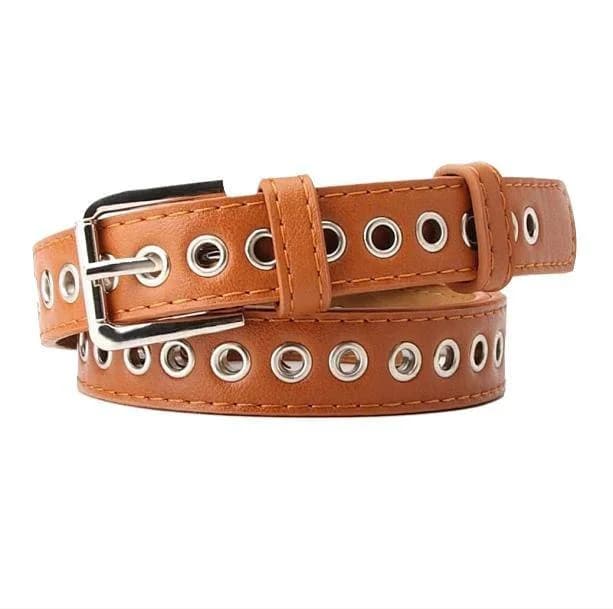
Lastly, avoid over-coordinating your accessory colors to an exact shade. Matching your bag, belt, watch strap, and sneaker trim in the exact same tone of camel or beige looks overly staged. Natural variation across neutrals—such as pairing an olive jacket with an off-white bag and black trainers—looks relaxed and effortless.
Building a Long-Term Rotation: The Three-Anchor Strategy
You do not need a vast collection of accessories to look well-dressed every day. In fact, keeping a tightly edited capsule of three distinct anchors allows you to rotate through dozens of cohesive outfit combinations with zero decision fatigue. The ideal small collection contains one everyday carryall, one structured piece of wristwear, and one clean neutral headwear piece.
Your carryall anchor should be a durable, mid-sized neutral bag that accommodates your daily essentials and pairs smoothly with both fleece tops and outerwear. Your wristwear anchor should be a timeless, non-gemstone piece in brushed steel, matte silver, or understated leather that slips easily under jackets and shirts. Your headwear anchor should be an unbranded cotton twill cap in a grounding shade like charcoal, washed navy, or olive.
By owning just these three reliable options, getting dressed becomes intuitive: pick whichever anchor matches your day's functional needs, put on your favorite neutral base clothing, and leave the other two anchors at home. This simple discipline ensures you never over-accessorize.

The Step-by-Step Outfit Checklist
Before heading out the door, run through a quick diagnostic check to ensure your outfit achieves the right balance of simplicity, comfort, and intentional focus. Checking your outfit takes just ten seconds and prevents accidental over-styling.
Ensure your silhouetteThe overall shape an outfit creates, from fitted to loose and layered. feels natural to move in. If an accessory requires constant fiddling, readjusting, or checking in mirrors, it does not fit the relaxed spirit of low-key dressing. The best accessory is one you put on, adjust once, and forget about for the rest of the day.
Review these quick check points before you leave home:
- Identify the anchor: Can you immediately point to the single accessory or structural piece leading your outfit?
- Check neckline clarity: Is your collar area free of competing bulk, overlapping chains, or redundant drawstrings?
- Check wrist and hand balance: If you are wearing a watch or bracelet, are your other fingers and wrists kept completely bare?
- Evaluate metal harmony: Do your zipper pulls, clasps, and wristwear share comfortable, non-clashing finishes?
- Inspect garment care: Are your everyday base layers clean, lint-free, and well-maintained at the hems and cuffs?
- Assess functional comfort: Does your focal bag or daily accessory serve a genuine practical purpose for today's itinerary?