
Created by the Kawaii Vibe editorial team. Our named style desks are editorial personas. Product details and availability can change.
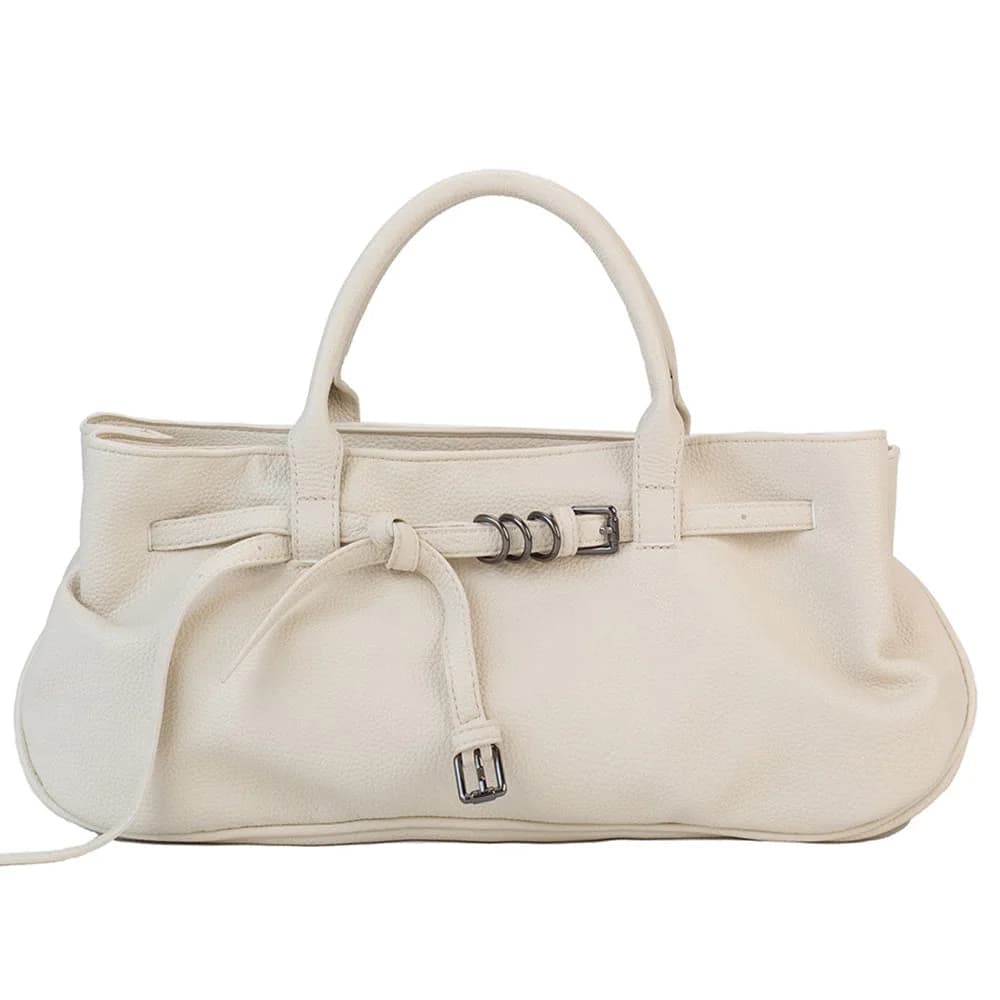
Choosing a bag for a normcore outfit comes down to balance rather than showy branding. When clothing relies on unpretentious cuts, straight lines, and neutral tones, an overly structured designer purse or a stiff formal clutch immediately looks out of place. Instead, the right bag mirrors the quiet simplicity of the clothes while doing the practical job of carrying your daily gear.
The core challenge is balancing silhouetteThe overall shape an outfit creates, from fitted to loose and layered., physical scale, and interior volume. A bag can look right on a shelf, but if it is too tiny, it gets swallowed by an oversized jacket, and if it is too massive, it drags down a straight-leg trouser look. You also need to know whether your actual items—like a tablet, water bottle, or reading book—will fit without bulging against the sides and breaking the clean lines of the outfit.
In this guide, we break down how specific bag categories pair with foundational wardrobe pieces. We will look at scale rules, shoulder-strap drops, bulk management, and how to coordinate everyday carrying styles without turning the bag into a loud visual distraction.
1. The Geometry of Normcore: Soft Outlines vs. Hard Edges
Normcore outfits thrive on unfussy lines and practical textiles. Because pieces in this aesthetic are generally cut for comfort, pairing them with an intensely sharp, hard-sided box bag can feel jarring. When an accessory is overly rigid, it introduces a formal stiffness that contradicts the relaxed nature of straight-cut pants, basic tees, and casual outerwear.
To keep the overall look cohesive, aim for bags with softened structure. Canvas sacks, washed-cotton satchels, lightly structured sling bags, and natural-drape shoulder bags blend seamlessly with everyday casual wear. These shapes echo the relaxed folds of clothing rather than fighting against them. If you prefer leather or faux-leather finishes, choose tumbled, matte, or softly pebbled surfaces over high-gloss patent or rigid board-backed construction.
When you build your outfit starting from the larger garment selection in Normcore Clothes, observe how the fabric falls. A soft, drapey silhouetteThe overall shape an outfit creates, from fitted to loose and layered. works naturally with a bag that has some give, while heavier canvas or twill can support a slightly sturdier rectangular shape without appearing excessively dressy.
- Soft-sided pouches and slouchy carriers preserve casual lines.
- Avoid high-shine finishes, stiff board-backed edges, and ornate gold hardware.
- Matte fabrics like canvas, ripstop, and tumbled synthetic leather blend best.
2. Finding the Right Scale: Matching Bag Volume to Torso Proportions
Scale is the most common reason a bag feels awkward against an outfit. If you carry a micro-bag while wearing an oversized coat, the accessory looks like an afterthought or a miniature toy. Conversely, carrying a weekender tote when you are just running an errand in slim basics makes you look like you are rushing to catch a flight.
A practical rule of thumb is visual proportion: your bag should sit within the natural width of your torso when viewed from the front. Crossbody bags and shoulder bags that measure roughly between 25 and 35 centimeters across hit a sweet spot for everyday scale. They provide enough presence to anchor the outfit without obscuring the waistband or hip line.
If you are styling a wider layer, such as pairing the cotton-blend Normcore Sweatshirt with wide-leg pants, you can easily carry a medium-sized messenger or tote. The broader shoulder cut of the sweatshirt provides enough visual weight to balance out a bag that holds books or a small laptop, preventing the accessory from dominating your profile.

3. Tote Bags: Managing Slouch, Capacity, and Shoulder Drop
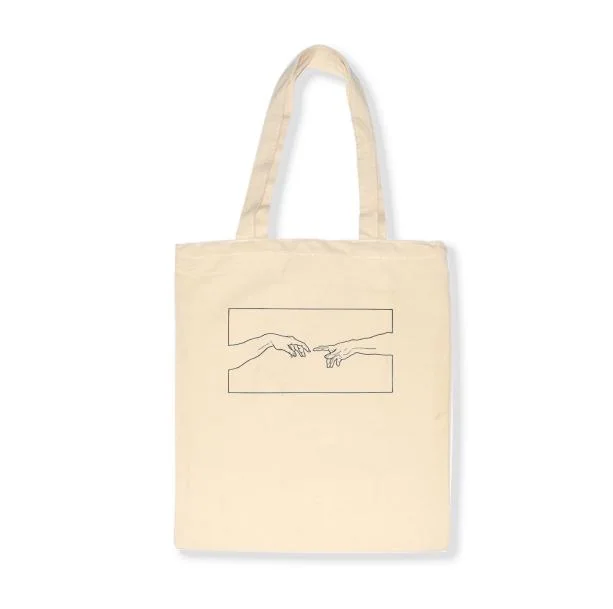
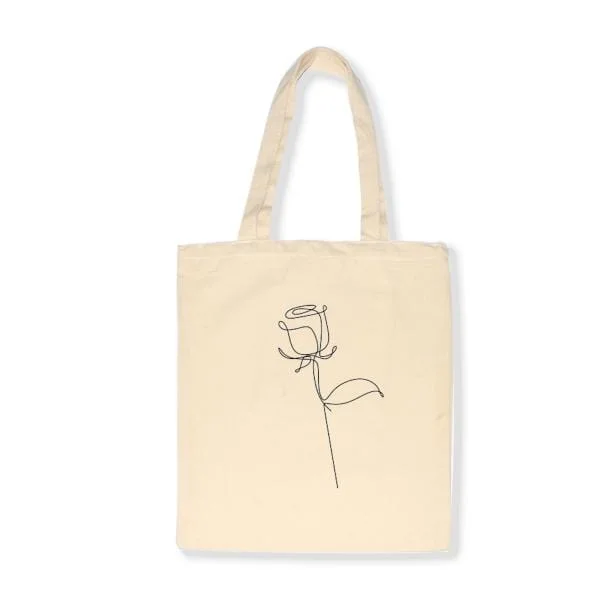
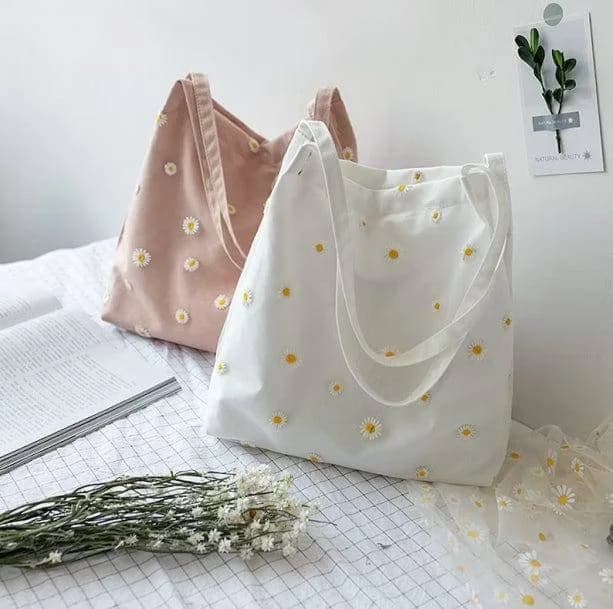
A classic tote is perhaps the most familiar accessory in the aesthetic, but not all totes behave the same way on the body. A deep canvas bag without structure can turn into a bottomless pit, causing your keys and lip balm to sink to the base, which creates an awkward bottom-heavy bulge against your thigh.
When browsing through Normcore Tote Bags, pay attention to strap drop—the vertical distance from the top of the handle to the top edge of the bag. A strap drop of 25 to 30 centimeters allows the bag to slide easily over bulky sleeves without getting stuck in your armpit. If the strap is too short, you will be forced to carry the bag in the crook of your elbow, which introduces an overly formal, high-street posture.
For daily practicality, consider what you are carrying. Flat documents, an e-reader, and a compact water bottle sit nicely against your side in a lightweight tote. To avoid distortion, place heavier objects in the center and flatter items along the outer walls, allowing the fabric to fall naturally against your hip as you walk.
4. Backpacks: Distributing Weight Without Looking Like a School Kid
Backpacks are inherently practical, but styling them within a mature casual wardrobe requires careful attention to clean lines and muted hardware. Bags covered in external bungee cords, excessive webbing, and bright trail-running accents quickly veer into technical hiking gear rather than effortless streetwear.
To find something streamlined, look through dedicated Normcore Backpacks. A clean dome shape or a simple roll-top in charcoal, olive, black, or beige fits naturally against an everyday jacket. The goal is to look like you chose the pack for tidy utility, not like you forgot to unpack your campus books.
Adjusting the straps makes a massive difference in how the backpack frames your silhouetteThe overall shape an outfit creates, from fitted to loose and layered.. Avoid letting the pack sag below your lower back; tighten the harness so the bottom edge rests comfortably in the lumbar zone. This keeps your back straight, stops the pack from pulling the collar of your shirt backward, and maintains a clean, upright posture.
5. Crossbody and Sling Bags: Placement Across the Chest and Hip
Crossbody carriers and slings are ideal when you only need your phone, wallet, keys, and sun protection. However, where the bag sits against your body completely changes the vibe of your outfit. A bag slung high across the sternum offers an active, utilitarian tone, while a bag hanging lower at the hip leans relaxed and classic.
If you are wearing an unstructured top like the loose-fitting Normcore T-Shirt, wearing a sling strap pulled taut across the chest can bunch up the lightweight cotton-polyester blend fabric. In this case, lengthening the strap so the pouch rests gently against the upper hip prevents wrinkles across the chest while keeping your hands completely free.
For heavier days where you are moving quickly between errands, tightening the strap to keep the pouch snug under the arm prevents the bag from swinging back and forth. Just ensure the strap width is wide enough—around 3 to 4 centimeters—so it does not dig into your shoulder or distort the line of your collar.


6. Daily Essentials Audit: What Really Fits in Each Silhouette
Choosing a bag starts with an honest assessment of what you leave the house with every day. Cramming items into a bag that is too small leads to strained zippers and lumpy outer pockets, both of which spoil the clean, calm aesthetic you are building with your clothes.
• Small Crossbody / Sling (1–3 liters): Fits a phone, cardholder, keys, lip balm, and a small hand sanitizer. Bulky sunglasses cases will stretch the corners.
• Medium Messenger / Shoulder Bag (6–10 liters): Comfortably carries an 11-inch tablet or paperback book, standard water bottle, sunglasses case, small pouch, and keys without distortion.
• Daily Tote / Standard Backpack (15–20 liters): Accommodates a 13-to-15-inch laptop in a sleeve, a light layer, water bottle, lunch container, notebooks, and small daily pouches with room to spare.
To keep things clear and realistic, here is a functional breakdown of what common bag formats can actually hold without losing their shape:
- Measure your largest daily item (like a water flask or laptop) before choosing a bag size.
- Avoid overpacking canvas bags; excessive weight ruins the drape of the fabric.
- Use small interior organizer pouches to keep soft-sided bags from becoming bottom-heavy.
7. Fabric Compatibility: Pairing Bags with Denim and Workwear
The tactile relationship between your bag fabric and your clothing fabric matters just as much as the shape. Pairing a rugged denim layer with an ultra-delicate satin or thin nylon pouch creates an uncomfortable clash in visual weight and texture.
When layeringWearing pieces over or under one another to add depth, warmth or contrast. with heavy materials—for instance, throwing on the cotton-and-polyester blend Normcore Jean Jacket—you need a bag made from a material that can stand up to that texture. Heavyweight cotton canvas, matte Cordura, or durable duck cloth pair naturally with the twill texture of denim. These combinations feel intentional because both pieces share a history of durable, everyday utility.
Another factor to keep in mind is friction. Coarse raw denim can transfer indigo dye onto pale cotton totes or light-colored canvas satchels. If you frequently wear unwashed or dark-wash jeans, opt for bags in black, charcoal, or deep olive to prevent blue rub-off from ruining the base of your bag.

8. Balancing Volume: Pairing Roomy Bags with Oversized Hoodies
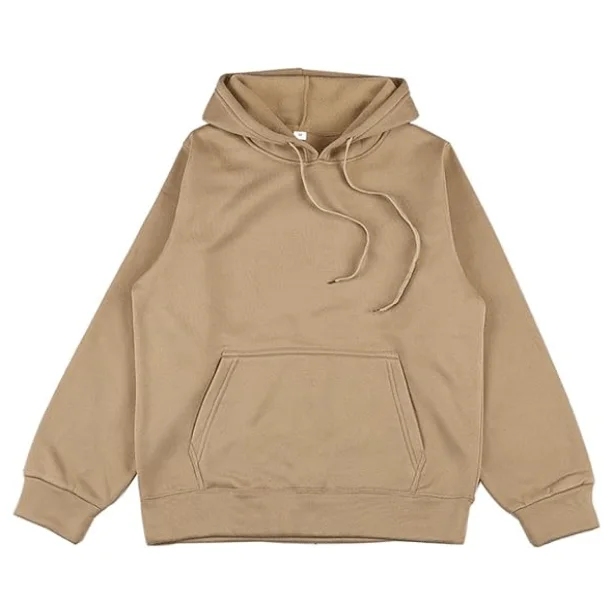
Oversized streetwear layers require thoughtful bag selection so you do not end up looking buried in fabric. A loose hoodie has broad drop shoulders and an extended torso, which changes the visual anchor points of your upper body.
When wearing a relaxed fleece top like the polyester Normcore Hoodie, carrying a tiny, short-strap shoulder purse often looks constricted, as the strap pinches the hood and pulls the fleece uncomfortably around your neck. Instead, an open-top tote carried in hand or a crossbody with an extended strap that sits below the thick hem of the fleece works significantly better.
If you prefer a backpack with a hooded sweatshirt, wear both straps rather than slinging one strap over a single shoulder. Wearing a backpack on one side causes an oversized hoodie to twist sideways, dragging the pocket pouch across your stomach and making the entire outfit look uneven.
9. The Lower Half: Bag Placement Relative to Pants and Hips
Where a bag lands against your lower half influences the perceived length of your legs. A bag that bounces directly against the widest part of your thigh breaks the long vertical line created by straight-leg or wide-cut trousers.
When wearing straight-leg denim like Normcore Jeans, adjust your crossbody straps so the main compartment rests just at the waistline or the high hip. This keeps your legs looking continuous and prevents the bag from knocking against your knees or mid-thigh as you walk. It also makes accessing your cards or phone much quicker.
For handheld totes, check the overall height of the bag against your arm length. If the base of the tote is only a few inches above the ground when your arm is extended straight down, it creates a downward visual drag. Choose a tote that clears your ankles by at least 30 centimeters when held by the top handles.
10. Color Harmony: Working with Neutrals Without Looking Flat
Normcore palettes generally stick to understated basics: heather gray, off-white, navy, muted olive, and washed black. The goal when selecting an accessory from the broader range of Normcore Bags is to choose a shade that integrates quietly rather than one that acts as a neon focal point.
Tonal dressing is an easy way to achieve this. If your outfit is primarily gray and navy, a faded black or slate canvas bag complements the cool undertones without drawing unnecessary attention. Alternatively, if your wardrobe leans into warm beige and stone, an ecru or natural unbleached canvas tote brings subtle warmth without introducing high-contrast color clashes.
You do not need your bag to match your shoes exactly. In fact, an exact color and material match—like matching shiny brown boots to a matching shiny brown belt and satchel—looks traditional and formal. Subtle variation in matte neutral shades feels far more relaxed and modern.
11. Weather Adaptations: Rain, Layers, and Fabric Performance
Your choice of bag must also hold up to regional climate realities. A light cotton canvas tote might look effortless on a dry spring afternoon, but during a steady autumn downpour, it absorbs water quickly, soaking your papers and leaving you with a damp, heavy sack against your leg.
For damp or unpredictable weather, switch to water-resistant nylon, coated ripstop, or treated polyester bags. These materials shed rain while retaining the low-key, non-glossy appearance appropriate for casual wear. They also dry quickly on a coat rack without water-staining, unlike untreated smooth leathers.
When colder weather calls for thick coats and knitwear, ensure your bag straps have sufficient adjustability. A crossbody strap that fits comfortably over a summer T-shirt will often feel choke-tight when pulled across a thick wool coat or down parka. Check that any bag you use year-round has at least 15 to 20 centimeters of extra strap slack to accommodate seasonal outer layers.
12. Small Accessories as Bag Companions: Straps, Clips, and Pouches
Because understated bags tend to have minimalist exteriors without flashy hardware, small utility details can serve as subtle accents. This is where functional hardware from Normcore Accessories—such as simple matte carabiners, webbing key straps, or plain coin pouches—proves useful.
Clip a simple key hook to the base of your strap, or slip an internal organizer pouch inside an unlined tote. These additions keep your smaller essentials organized while maintaining a clean, utilitarian aesthetic. Avoid noisy metal charms, loud logos, or oversized tassels that conflict with the understated mood of the outfit.
If you frequently swap bags between workdays and weekends, using a lightweight zippered pouch to hold your core carry items (chapstick, mints, cables, cards) lets you move your essentials from a tote to a backpack in five seconds flat, preventing forgotten items.
13. Common Styling Mistakes to Avoid
Even with the best intentions, a few common mistakes can disrupt an otherwise great casual outfit. The most frequent misstep is choosing a bag with prominent luxury monogramming or oversized metallic designer emblems. A massive gold logo completely undermines the understated spirit of normcore dressing.
Another pitfall is overstuffing structured bags. If the seams of a rectangular messenger or crossbody are bulging, the bag looks messy and ill-suited to your needs. If your items do not fit comfortably inside the bag without forcing the zipper, step up to a larger size like a tote or daypack rather than stretching a smaller silhouetteThe overall shape an outfit creates, from fitted to loose and layered. out of shape.
Finally, watch out for strap wear and tear. Worn-out, frayed nylon webbing, peeling imitation leather, or heavily stained canvas bags do not look 'effortlessly lived-in'—they simply look neglected. Keep your canvas clean with a gentle spot wash, wipe down synthetic fabrics, and ensure your straps remain in good repair.

14. The Practical Buyer’s Checklist
Before picking up a new everyday bag, running through a quick checklist ensures the piece will genuinely work with the clothes you wear every week. It takes only a moment to verify whether a bag will sit comfortably on your shoulders and match your daily routine.
Review these practical parameters to ensure your next bag balances perfectly with your casual wardrobe:
• SilhouetteThe overall shape an outfit creates, from fitted to loose and layered. Harmony: Does the bag have softened structure rather than hard formal edges or rigid corners?
• Proportion: Does the bag width sit naturally within the width of your torso without swamping your frame?
• Capacity Truth-Check: Will your daily essentials (water flask, phone, laptop, keys) fit comfortably without bulging?
• Strap Adjustability: Can the strap lengthen enough to clear a heavy hoodie or winter jacket comfortably?
• Finish and Tone: Is the material matte and understated, in a neutral shade that complements your existing palette?