Created by the Kawaii Vibe editorial team. Our named style desks are editorial personas. Product details and availability can change.
Balancing a casual hoodie comes down to managing volume, hemline drop, and structural contrast. When you strip away loud graphics, hyper-trendy tailoring, and fussy styling details, you rely entirely on how pieces sit against each other. The core goal of styling unpretentious basics is looking grounded, comfortable, and deliberate without appearing sloppy.
Whether you prefer an oversized cut or a compact silhouetteThe overall shape an outfit creates, from fitted to loose and layered., the secret lies in avoiding an undefined blob of fabric. A simple pullover needs deliberate breaks—whether that is an exposed base layer peaking beneath the band, a structured denim collar resting over the hood, or an intentional pant width that supports the weight of fleece.
In this guide, we break down concrete combinations for balancing hems, managing multiple layers, matching outerwear, and dialing in daily color contrast. By treating casual pieces as modular building blocks, you can build reliable daily outfits across varied weather conditions.
The Core Proportional Rule: Upper Volume and Lower Line
The fundamental challenge with styling a relaxed fleece top is silhouetteThe overall shape an outfit creates, from fitted to loose and layered. balance. A hoodie naturally introduces rounded bulk around the neck, shoulders, and midsection. If you pair a wide, rounded torso with completely formless trousers that pool aggressively, your entire frame loses structural definition. Conversely, pairing extreme oversized volume with skin-tight leggings often looks unintentional rather than purposeful.
To create visual balance, look at the overall geometry of your lower half. Straight-cut pants, utility trousers, or relaxed denim offer enough substance to anchor the broader top without competing for space. You want the downward visual line from your hips to your shoes to feel continuous and stable, framing the softer drape of the upper layer.
- Straight and wide-leg bottoms provide structural grounding for boxy pullovers.
- Avoid hyper-tapered hemlines if the fleece sits low on the thighs.
- Allow heavy footwear to visually counterbalance bulk at the shoulders and chest.

Managing the Waistband and Base Layer Hems
A very common styling mistake is letting the elastic ribbed hem of a hoodie clamp tightly around the widest part of the hips. When the bottom band folds in on itself, it balloons the belly of the fabric outward, creating an awkward bubble shape. To fix this, adjust the band to sit naturally flat against your waistline, or roll the hem gently under if you want a cleaner boxy line.
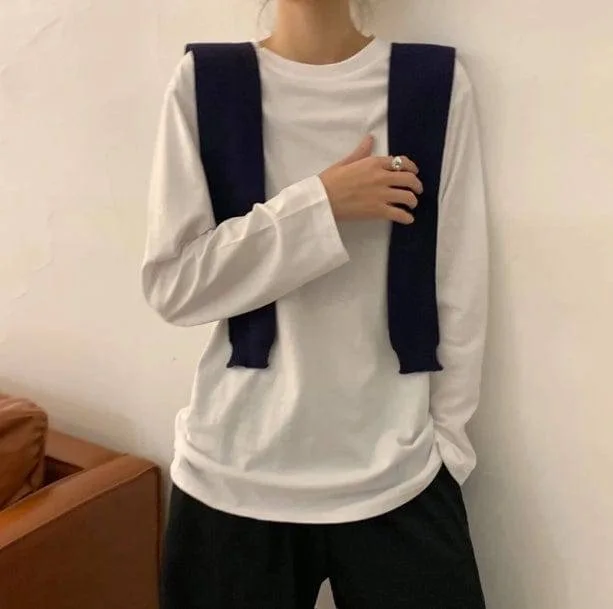
Introducing a deliberate base layer is an easy way to break up this transition. Adding an unprinted, neutral tee underneath creates a crisp horizontal hemline break between your fleece and your waistband. For instance, pairing a classic piece from our Normcore Tops selection under your pullover lets a clean band of cotton sit between your top and your trousers.
The simple addition of the Normcore T-Shirt, available in Apricot, White, Blue, and Gray in One size made of cotton and polyester, gives you that practical sliver of white or gray peeking out below the bottom rib. That two-inch slice of base fabric instantly separates the weights of the garments, making the outfit look structured rather than accidentally thrown on.

Layering Outerwear Over Hoods Without Bulk
Outerwear over fleece requires clear space distribution around the neckline and shoulders. A thick double-lined hood will push against narrow jacket collars, causing the fabric to choke up against your neck. The key is choosing outerwear with a dropped shoulder seam or a broad open collar that lets the hood rest flat against the upper back.
When exploring broader styles, take a look at the wider Normcore Clothes range to understand how utilitarian silhouetteThe overall shape an outfit creates, from fitted to loose and layered.s interact. Outerwear should have enough room through the bicep and underarm so the hoodie sleeves do not bunch tightly inside the jacket arms.
If the jacket collar has lapels or a zip, fasten it only halfway. Letting the jacket fall open down the chest line exposes the hoodie underneath, creating two clean vertical lines that visually slim the torso and accommodate the thick fleece without stiffness.
To keep a jacket from crowding a hoodie, choose an open collar and check that the two hems land at different points. That gives the layers clearer separation while leaving the hood visible. If you want to take the outfit toward simpler details and relaxed proportions, the Ulzzang Clothes collection offers a distinct reference; keep one understated outer layer over the hoodie.
Using Denim Jackets to Add Structure
Denim provides the rigid counterweight that soft jersey knit lacks. Because a sweatshirt has round lines and relaxed shoulders, throwing on a structured jacket instantly sharpens your silhouetteThe overall shape an outfit creates, from fitted to loose and layered.. The structured yoke and firm button placket cut through the casualness of fleece.
A versatile choice for this combination is the Normcore Jean Jacket, crafted from polyester and cotton in sizes M through 4XL. Offered in Gray, Light Blue, Dark Blue, Black, Army Green, White, Pink, and Green, it allows you to pick between tonal pairing or contrasting outer frames.
Place the hood entirely outside the jacket collar, letting it fall freely over the back yoke. Keep the front unbuttoned or button only the lower middle buttons. This secures the waist while allowing the sweatshirt front to remain visible, offering practical mid-weight temperature control for breezy days.

Hoodie Selection: Selecting Weight, Fit, and Colorways
The specific construction of your sweatshirt dictates how easily it takes on layers. A lightweight poly-blend pullover can easily slide underneath jackets, while an ultra-thick heavy fleece acts as standalone outerwear. If your goal is everyday modular layeringWearing pieces over or under one another to add depth, warmth or contrast., opt for a versatile mid-weight piece that can function across both setups.
Within our dedicated Normcore Hoodies edit, you will find options tuned for straightforward, unprinted daily styling. Finding an option that prioritizes simple lines over oversized logos lets you repeat the piece throughout the week without feeling tied to a loud visual graphic.
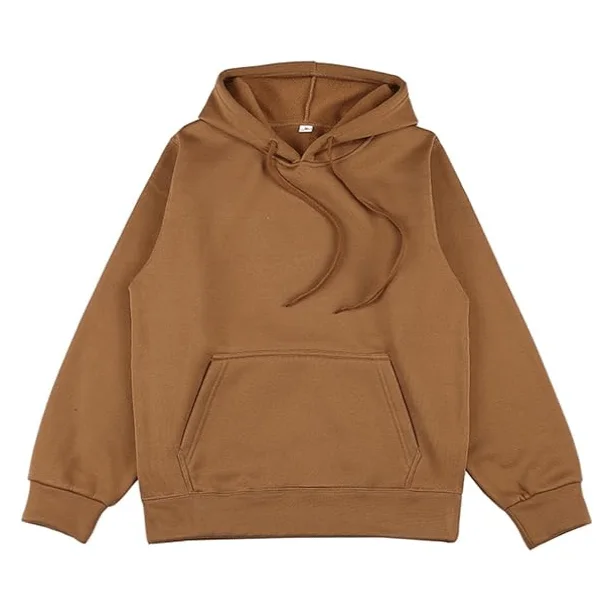
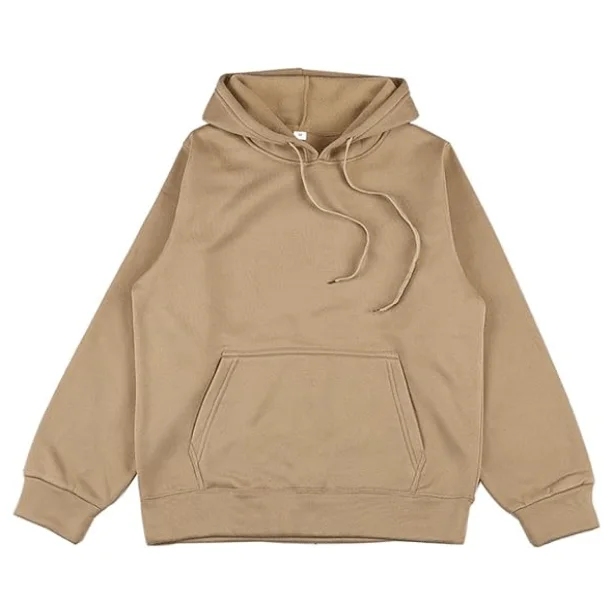
The core Normcore Hoodie is constructed from polyester and comes in S through 3XL. Because it is available in a broad palette including Apricot, Khaki, Brown, Navy Blue, Black, Gray, Red, Orange, Yellow, Green, White, and Blue, you can pick quiet earthy neutrals for minimal palettes or use a classic primary shade as a standalone color focal point.
Crewnecks Versus Hoodies: When to Swap Silhouettes
While hooded sweatshirts offer warmth and athletic utility, they add considerable fabric behind the neck. In colder conditions where you plan to wear a thick scarf or an overcoat with high lapels, the hood can create unnecessary visual crowding. In these scenarios, switching to a crewneck sweatshirt is often the smarter styling choice.
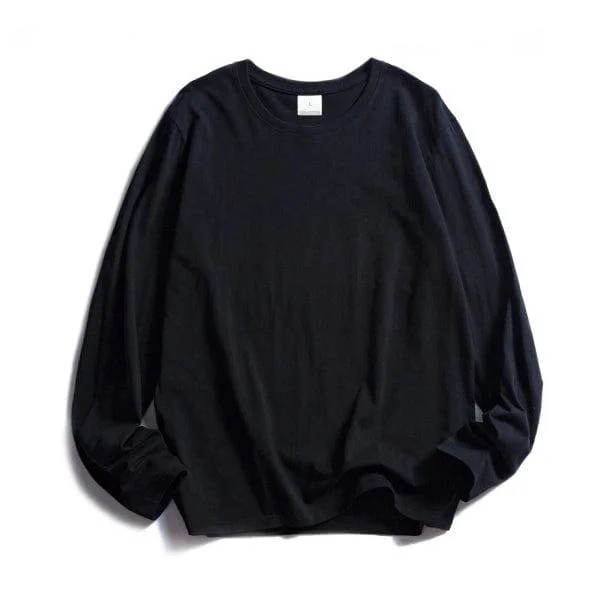
The rounded crew neck collar cleanly exposes base t-shirts without piling up bulk beneath heavy coats. The Normcore Sweatshirt, constructed from a cotton and polyester blend and available in sizes S to 2XL, offers an uncluttered profile in classic White or Black.
Swapping in a crewneck gives your neck breathing room and creates a slightly cleaner, minimalist look. It sits flat under heavy winter jackets, making it an excellent alternative when you want the relaxed comfort of fleece without managing the drape of an external hood.

Balancing Fleece with Tailored and Relaxed Denim
Jeans and hoodies are a default pairing, but the cut of your denim completely determines whether the look reads as intentional or careless. Low-rise, excessively faded denim can make casual fleece feel dated. Instead, aim for mid-to-high rises with a straight leg profile to establish a stable structural foundation.
Our Normcore Jeans, made from a polyester and spandex blend in sizes S through 2XL as pictured, feature a modern relaxed line that complements wide-cut tops. The slight give in the fabric maintains daily mobility while keeping a defined leg shape.
To balance the proportions, align the hem of the hoodie just past the waistband of your jeans. If the hoodie falls too long, use a light interior tuck into the waistband or let a base tee bridge the gap so your legs do not look visually cut off at mid-thigh.
Warm-Weather Balance: Hoodies with Shorts
Transition seasons often bring cool mornings followed by mild afternoons. Pairing a long-sleeve hooded top with shorts is a practical solution that balances warmth on top with ventilation below. The critical factor here is hemline management: if your hoodie is long enough to cover your shorts, you look like you forgot to wear bottoms.
To make this proportion work, pair a standard-length fleece with structured bottoms like the Retro Style Straight Leg Shorts. Made from a cotton and polyester blend in sizes 25 to 31, and available in Black, Blue, Gray, and White, these shorts provide a distinct architectural hemline that clearly extends past the fleece.
The crisp straight-leg cut of the shorts contrasts nicely with the soft, rounded shoulders of the top. Finish with mid-crew socks and clean retro running sneakers to anchor the exposed lower legs.
Layering Outerwear Pieces from Jackets to Sweaters
Normcore balances casual staples by layeringWearing pieces over or under one another to add depth, warmth or contrast. pieces of slightly different weights and textures. While jackets are the traditional outer layer, you can also rotate utilitarian work jackets, chore coats, and clean zip layers to adapt to seasonal shifts.
Browse through the curated Normcore Jackets collection to see how clean field jackets, overshirts, and utility cuts handle layered bulk. Look for options with minimal branding and straight hemlines that sit slightly below the hoodie waistband.
Alternatively, you can reverse the expected order on chilly days by layeringWearing pieces over or under one another to add depth, warmth or contrast. a roomier hoodie under open knitwear. While less conventional, broad cardigans or textured pieces from our Normcore Sweaters section can work over lighter jersey layers when dialed in carefully.
- Ensure outer jacket armholes are deep enough to prevent underarm pinching.
- Keep outer jacket hems equal to or slightly longer than the hoodie hem.
- Stick to simple neutral hardware like flat buttons or matte zippers to maintain low-key styling.
Knitwear Variations: Exploring Alternative Layers
Fleece is not the only way to achieve relaxed, comfortable proportions. If you want a softer, slightly preppier texture that still avoids aggressive logos, standard knit sweaters provide identical warmth with a distinct visual hand-feel. Sweaters often drape closer to the frame, creating cleaner vertical lines.
For an alternative, consider the Preppy Style Sweater, constructed from spandex in sizes S to M in Blue, Gray, White, Light Blue, Pink, Brown, and Purple. Its fine-knit texture offers a smooth surface that slides under jackets with zero friction.
Similarly, the Aesthetic Khaki Sweater, available in S, M, and L as pictured, delivers a warm neutral base that coordinates effortlessly with relaxed trousers. Mixing soft sweaters into your wardrobe gives you flexible ways to play with volume without always relying on a casual fleece hood.
Color Palettes: Contrast Versus Monochromatic Dressing
A low-profile aesthetic thrives on smart color relationships. Dressing in tonal palettes—such as pairing an Apricot or Khaki hoodie with ecru trousers and beige footwear—elongates the body while maintaining a calm, cohesive aesthetic. Monochromatic dressing also allows variations in fabric texture to take center stage.
If you prefer contrast, stick to high-stability combinations: pairing a gray heather hoodie with dark washed denim and a black overcoat, or a navy hoodie with olive chinos. Avoid pairing bright neons with faded, dusty pastels, as conflicting color temperatures can make an outfit look uncoordinated.
When working with bolder colors like Red or Orange in the Normcore Hoodie, let the sweatshirt stand as the sole saturated piece. Keep your outerwear, pants, and footwear strictly neutral—black, charcoal, or dark indigo—so the outfit remains grounded and wearable.
Footwear Proportion: Anchoring the Silhouette
Shoes are the physical anchor of any outfit featuring a hoodie. Because a sweatshirt adds visual mass to the top of your frame, tiny, ultra-thin canvas slip-ons can make your feet look disproportionately small. The overall silhouetteThe overall shape an outfit creates, from fitted to loose and layered. will feel top-heavy and unfinished.
Pair relaxed fleece tops with sneakers that carry a bit of presence: classic tennis shoes with a cupsole, retro running shoes with thicker EVA midsoles, or clean leather low-tops. In cooler or wetter weather, casual boots or low-profile hiking shoes work exceptionally well with straight-leg denim.
Ensure that your trousers break cleanly over the shoes. A slight single break or a neat, loose cuff helps transition the eye down from the relaxed fleece through the denim straight into the footwear, completing a continuous, well-balanced outfit.
- Opt for shoes with moderate sole thickness to support upper-body volume.
- Avoid ultra-flimsy slip-ons that visually vanish under straight-leg pants.
- Coordinate shoe accents with your exposed base-layer tee for subtle continuity.
Common Styling Pitfalls to Avoid
One of the easiest mistakes to make with a plain hoodie is drifting into accidental slouchiness. While the style prioritizes ease, intentionality is what separates a clean outfit from lazy loungewear. Avoid pairing your hoodie with matching thin, unshaped sweatpants in public unless you are deliberately breaking the look up with a tailored topcoat.
Another common error is mismatched hem lengths. If your jacket is significantly shorter than your sweatshirt—such as an ultra-cropped bomber worn over an extra-long pullover—the hoodie bunches awkwardly below the back waist, distorting your proportions.
Finally, watch out for worn, stretched collar bands on base tees. If you layer an undershirt beneath a hoodie, make sure its collar sits crisp and flat against the base of your neck. A loose, bacon-curled collar quickly undermines the clean, deliberate feel of your layers.
The Outfit Balance Checklist
Before heading out, run through a quick structural assessment in front of a full-length mirror. Checking your hem heights, volume distribution, and mobility takes only a moment and ensures your outfit looks intentional all day.
Start at the top: does your hood rest smoothly over your jacket collar, or is it bunching tightly around the sides of your neck? Look at the midsection: is the bottom hem of the hoodie pulled flat, or has it ballooned out over your beltline? Ensure your base tee extends roughly one to two inches beneath the fleece if you are wearing an exposed layer.
Finally, check your lower half. Do your trousers provide a wide enough leg opening to comfortably frame your shoes, balance your shoulders, and let you move naturally? If every layer sits comfortably and moves without bunching, your outfit has hit the right balance.
- Neckline: Hood rests flat on outerwear; no choking fabric buildup.
- Waistline: Sweatshirt ribbing sits flat; optional base layer cleanly exposed.
- Leg line: Straight or relaxed cut grounds upper fleece volume.
- Footwear: Substantial sole thickness maintains overall visual equilibrium.