Created by the Kawaii Vibe editorial team. Our named style desks are editorial personas. Product details and availability can change.
Balancing normcore pants outfits comes down to controlling where your clothes create visual weight. Because the normcore aesthetic leans into unpretentious, functional silhouetteThe overall shape an outfit creates, from fitted to loose and layered.s, wearing wide or straight-leg trousers without planning your torso layers can quickly make an outfit feel flat or unintentionally baggy. The secret is managing the relationship between the width of your leg, the break of your hemline, and the length of whatever top you pull on.
When an outfit works, each layer supports the next rather than competing for space. You do not need complex tailoring or aggressive accent pieces to build a grounded look. Instead, you need clear rules on where your hems should finish, when to crop or tuck a top, and how to introduce outerwear that complements rather than hides your trouser cut.
In this guide, we break down concrete styling adjustments for straight cuts, relaxed wide legs, knit lounges, and flares. We map out precise proportions across 14 practical scenarios so you can assemble functional everyday outfits using pieces from our Normcore Clothes catalog with complete confidence.

The Core Equation: Leg Width Meets Torso Volume
Normcore outfits rely on calm, balanced proportions. The fastest way to throw off a relaxed trouser is to mismatch the horizontal volume of your top with the leg opening of your bottoms. If you wear an oversized upper half alongside loose trousers without establishing a structural reference point, your silhouetteThe overall shape an outfit creates, from fitted to loose and layered. loses its frame. A simple baseline is the rule of counterweights: pairing a generous leg width with a neater, waist-length top, or pairing a broader upper layer with a clean, straight-falling hem.
When you wear relaxed bottoms from the Normcore Pants collection, you want your upper torso to set a recognizable boundary. This does not mean wearing skin-tight shirts; rather, it means letting a sweater or jacket hit right at the hip bone or natural waistband instead of draping all the way down past your seat. This break gives your body definition while letting the pants do the visual heavy lifting.
If you prefer roomy sweaters or loose outerwear on top, keep the pants cut straight and steady rather than voluminous all the way to the floor. Creating this dialogue between vertical straight lines and boxy upper cuts keeps normcore feeling intentional, uncluttered, and comfortable for daily routines.
If you prefer a roomier top with relaxed trousers, use the hem to keep the proportions readable: choose a tee that ends near the waistband rather than one that falls well past the hips. This simple balance can also work in a different styling direction; the Ulzzang Clothes collection pairs relaxed proportions with understated details.
- Counterbalance loose leg cuts with tops that hit right at the belt line or natural waist.
- Anchor oversized sweaters by choosing trousers with a crisp, straight, vertical drape.
- Avoid pairing ultra-wide hemlines with low-slung, knee-length tunics without a front tuck.
Mastering Hem Breaks: Full Break, Slight Break, and Floating Hems
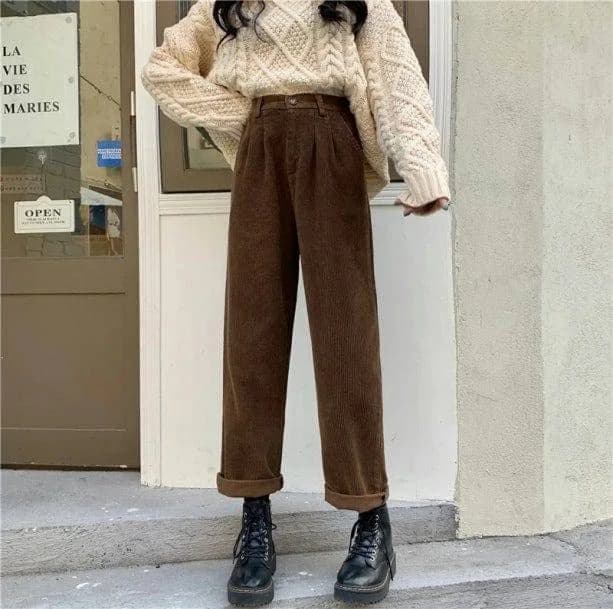
Where your trouser leg meets your shoe dictates the energy of your entire outfit. A full break occurs when the fabric collapses over the top of your footwear with a distinct fold. This works best with wider, heavier fabrics that have enough heft to drape without bunching sideways into messy ripples. If you wear a full break, make sure the shoe has enough sole height to prevent the back hem from dragging on dirty pavements.
A slight break is the workhorse of everyday styling. The hem barely rests against the tongue or laces of your shoe, creating a single, gentle ripple before falling clean. This is the most versatile option for straight-cut trousers, as it creates an uninterrupted vertical line from the hip to the instep. It maintains the laid-back mood of normcore without looking like you bought the wrong inseam length.
A floating or cropped hem finishes just above the ankle bone. This cut exposes the collar of your shoe or your socks, immediately lightening the visual weight of the outfit. Floating hems shine during warmer months or when paired with chunky retro trainers, offering a neat, utilitarian contrast that keeps heavy twills or denims feeling nimble.
Straight-Leg Blue Jeans with Structured Jean Jackets
Straight-cut denim provides the most reliable foundation for a minimalist wardrobe. A classic straight leg creates an even column from the thigh to the cuff, making it easy to layer on top without worrying about exaggerated shapes. For a sturdy, everyday setup, team straight denim with the Normcore Jean Jacket, which comes in Polyester, Cotton across options like Gray, Light Blue, Dark Blue, Black, Army Green, White, Pink, and Green in sizes M through 4XL.
To prevent double-denim from feeling like a costume, make sure your jacket and jeans either match closely in tone or contrast distinctly. A Dark Blue denim jacket worn over standard blue straight jeans creates a grounded, utilitarian set. The jacket should fit slightly boxy through the chest while resting squarely at your belt line. This leaves the full vertical length of the jeans visible, lengthening your lower half naturally.
Underneath the jacket, keep it simple with an untucked neutral t-shirt that peeks out just an inch below the waistband, or tuck it in completely and finish with a plain leather belt. This setup works exceptionally well in mild autumn or spring weather, giving you practical pockets and easy temperature control through unbuttoning.
- Ensure your denim jacket hem hits near the belt line to show the full leg length.
- Mix contrasting denim washes like Army Green or Black over traditional blue straight legs.
- Wear a flat-soled canvas shoe or court sneaker to complement the clean vertical hem.

Wide-Leg Corduroy Pants Paired with Neat Knit Sweatshirts
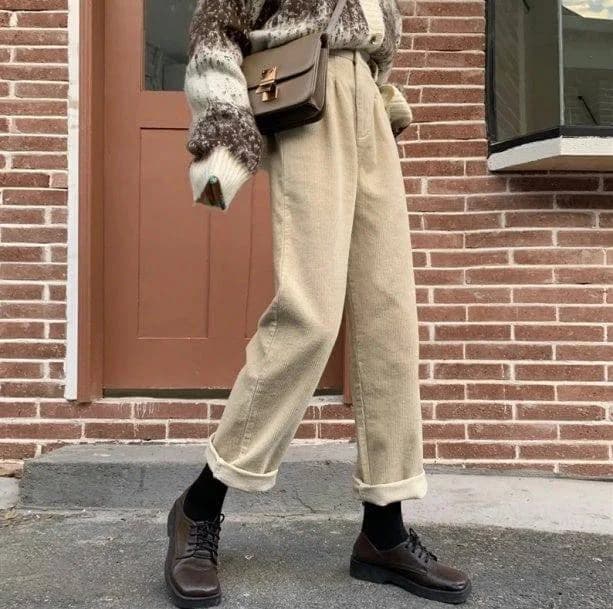
Corduroy introduces rich textural depth to an outfit, but the soft ribs can add perceived volume to your legs. If you select a wide-cut corduroy, you need an upper half that keeps that fabric from overwhelming your frame. The Grandmacore Corduroy Pants provide an ideal relaxed base, offered in Brown, Beige, Black, and Purple in sizes S, M, and L. The texture works naturally with minimal athletic knits.
To balance the drape of corduroy, bring in the Normcore Sweatshirt, constructed from Cotton, Polyester and available in clean White and Black in sizes S to 2XL. The ribbed cuffs and bottom band of the sweatshirt help cinch the fabric gently at your wrists and hips, providing the visual structure needed alongside wide-wale trousers. A Black sweatshirt over Brown or Beige corduroy offers an earthy, grounded palette.
Because corduroy has physical weight, your footwear needs to hold its own. Pair this outfit with chunky-soled derbies, hiking-inspired low shoes, or thick-soled trainers. Lightweight plimsolls can disappear underneath a wide corduroy hem, causing the pants to puddle awkwardly around your toes instead of falling in a smooth, continuous line.

Fluid Lounge Trousers Styled for Everyday Streetwear
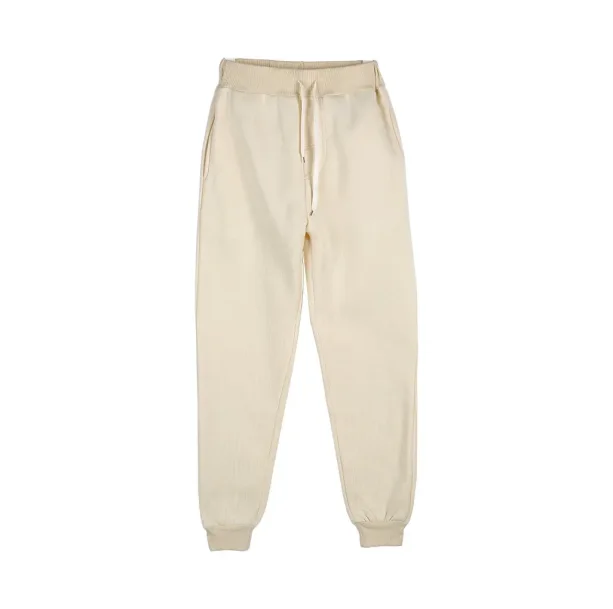
Lounge trousers have moved firmly beyond the living room into everyday city wear, but styling them requires clear boundaries so they do not look like pajamas. The key is pairing soft, drapey leg fabrics with structured, intentional outerwear. The Clean Girl Lounge Pants are made of Polyester in Beige, White, Brown, and Khaki across sizes S through XXL, offering a relaxed drape that moves fluidly with your stride.
Because these pants lack the rigid waistbands of denim or canvas, you should avoid pairing them with sloppy, oversized loungewear on top. Instead, wear a crisp white t-shirt tucked smoothly into the elastic waist, then layer a sturdy utility overshirt or a chore coat on top. The outer layer provides the crisp corners, collar points, and pocket flaps that counter the fluid softness of the polyester pants below.
When choosing shoes for fluid lounge bottoms, go for streamlined athletic sneakers or minimal leather slip-ons. Ensure the hem rests right at the top of your laces with a slight break. If the pants are too long, the soft fabric will gather and bunch, which quickly degrades the clean, effortless appearance you are aiming for.
- Tuck your inner tee to clearly display the waistband of the lounge pants.
- Add structured outerwear with sharp collars to offset the soft, fluid trouser drape.
- Stick to neutral tones like Khaki, Beige, and Brown for an understated, unified palette.

Flared and Bell Bottoms: Managing Lower Leg Flare with Torso Proportions
Flared pants create visual drama at the ankle, which means your upper layers need to step back and let the hem do the talking. When pants widen from the knee down, pairing them with an overly long jacket can cut your silhouetteThe overall shape an outfit creates, from fitted to loose and layered. in half and make your legs appear compressed. The Aesthetic Bell Pants feature a Cotton, Polyester blend in Light Blue, Dark Blue, and Black in sizes S through XL, offering a defined bell hemline.
To make flared pants work within a clean aesthetic, pair them with tops that finish cleanly at the high hip. A fitted long-sleeve crewneck or a short, boxy button-down keeps your upper body compact, allowing the flared hem to establish an elongated line. If you wear an outer layer, keep it unbuttoned so your vertical center remains exposed from collar to waistline.
Footwear with a subtle platform or a raised heel works wonders under bell bottoms. The extra half-inch of height ensures the bell can drape open without crumpling against the pavement. Flat, low-profile shoes can cause bell hems to drag, especially at the heel, so select footwear with enough sole presence to let the flare hang cleanly.
Everyday Tees with Relaxed Denim: Mastering the Front Tuck and Hem Line
The t-shirt and jeans combination is the absolute core of the normcore look, but small styling choices decide whether the outfit looks considered or neglected. When you wear a standard t-shirt with pants from the Normcore Jeans range, the way your shirt hits your waistband determines your torso-to-leg proportions. A t-shirt that hangs straight down to mid-thigh truncates your leg line, making loose jeans look bulky.
A reliable solution is the Normcore T-Shirt, made of Cotton, Polyester in One size across Apricot, White, Blue, and Gray. If you leave it fully untucked, make sure it rests just below the top of your pockets. For a sharper look, try a loose front tuck: take the center two inches of the front hem, slide it behind your belt or waistband, and let the sides and back drape naturally. This instantly reveals your waist without looking overly formal.
If you prefer a completely untucked silhouetteThe overall shape an outfit creates, from fitted to loose and layered., balance the look by rolling the hems of your jeans up by one or two small cuffs. Exposing a bit of ankle or contrasting sock balances out the longer torso line created by an untucked tee, bringing equilibrium back to the overall outfit.
- Use a casual front tuck to reveal your waistband and lengthen your leg line.
- Select mid-tone basic tees like Gray, Apricot, or White for effortless versatility.
- Roll your jean hems one neat fold if your untucked t-shirt falls slightly long on the hip.
Oversized Hoodies Over Tapered vs. Wide-Leg Pants
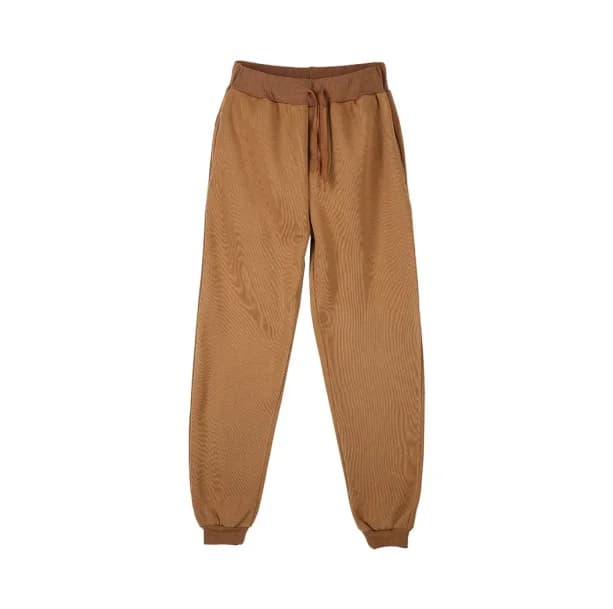
Wearing an oversized hoodie requires careful trouser selection to avoid drowning in fabric. The Normcore Hoodie offers a cozy Polyester build in an expansive color range—Apricot, Khaki, Brown, Navy Blue, Black, Gray, Red, Orange, Yellow, Green, White, and Blue in sizes S through 3XL. How you style it depends entirely on whether your trousers are tapered or wide.
When pairing this hoodie with tapered pants, the voluminous hood and dropped shoulders create an inverted triangle shape. This is an athletic, casual silhouetteThe overall shape an outfit creates, from fitted to loose and layered. that looks best when the pants taper sharply down to clean, low-profile sneakers. The tapered ankle keeps the bottom half sharp and prevents the roomy hoodie from looking sloppy.
When pairing the same hoodie with wide-leg pants from our Normcore Tops and bottoms styling lineup, you must prevent the hoodie from hanging entirely limp. Fold the bottom ribbed band inward so the fabric bubbles gently at your natural waist rather than covering your pockets. This shortens the hoodie’s visual length, allowing your wide trousers to form a long, sweeping lower block without swallowing your height.
- Fold the bottom band of oversized hoodies inward when pairing with wide-leg trousers.
- Allow the full dropped-shoulder cut to hang relaxed over neatly tapered ankle cuts.
- Choose neutral hoodie shades like Navy Blue, Gray, or Khaki to ground the silhouetteThe overall shape an outfit creates, from fitted to loose and layered..
Transitional Weather Layering: Trench Coats, Cardigans, and Inseams
LayeringWearing pieces over or under one another to add depth, warmth or contrast. for variable spring or autumn days introduces multiple hem lengths into a single look. A classic normcore layeringWearing pieces over or under one another to add depth, warmth or contrast. system combines three tiers: an inner base layer tucked into pants, an open mid-layer cardigan, and a long coat or mac that falls below the knee. The challenge here is ensuring that these different horizontal lines do not chop your body into disconnected blocks.
When wearing full-length pants like the Normcore Jeans in Polyester, Spandex (available in S through 2XL), a long coat actually helps streamline wide or relaxed pant legs. The long vertical lapels of an unbuttoned trench draw the eye upward and downward, cutting off the side bulk of wide trousers. As you walk, the coat moves backward, framing the straight column of your jeans and boots.
Keep your mid-layer shorter than your coat. If your cardigan hangs lower than the jacket over it, the layeringWearing pieces over or under one another to add depth, warmth or contrast. looks haphazard. A mid-layer that hits just below the belt line, sitting inside a coat that finishes below the knee, produces a clean stair-step effect. This keeps your torso warm while showing off the relaxed drape of your trousers with every step.

Warm-Weather Proportions: Lightweight Trousers, Sandals, and Camp Shirts
When temperatures rise, layeringWearing pieces over or under one another to add depth, warmth or contrast. options disappear, meaning your pants and shirt have to do all the structural work alone. Heavy fabrics feel suffocating, so the move is lightweight cottons, poly-blends, and linens that breathe easily. To keep light trousers from looking like sleepwear in hot weather, structure comes from collar shapes, sleeve rolls, and footwear choices rather than extra garments.
Pair airy, loose-fitting trousers with an open-collar camp shirt or a boxy short-sleeve button-down. Let the shirt hang untucked, but make sure the sleeve cuffs are neat and the shoulders sit properly. If the shirt has a straight-cut hem that finishes right at the hip, it provides an architectural frame that balances the flowy movement of thin trouser fabrics in a warm breeze.
Footwear in warm weather should anchor the pant hem cleanly. Wide-strap leather sandals, fisherman sandals, or minimal slide mules give lightweight trousers enough base support. Steer clear of ultra-flimsy flip-flops, which can cause the hems of wide, lightweight pants to trail on the ground or bunch awkwardly around your heels.
- Choose boxy, straight-hem camp shirts that hit cleanly at the upper hip.
- Anchor thin trouser fabrics with substantial strap sandals or clean leather slides.
- Cuff lightweight pants loosely at the ankle to encourage airflow and define the hem.
Cold-Weather Bulk: Chunky Knitwear, Boots, and Heavyweight Trousers
Winter dressing presents the opposite issue: heavy knitwear, insulated jackets, and thick socks can quickly turn an outfit into a shapeless mass. To handle the bulk of cold weather, your pants need enough weight and substance to stand up to heavy woolens and puffy outerwear. Thin chinos or soft lounge pants will collapse under the visual weight of a down jacket, creating a top-heavy, unbalanced look.
Opt for heavyweight twill, thick denim, or corduroy from the Normcore Hoodies and winter-ready collections. When you wear a thick fisherman sweater or a heavy wool crewneck, use the half-tuck technique if the knit is pliable, or simply let it fall naturally over trousers that have a substantial straight-leg width. A trouser with an 8- to 9-inch leg opening easily handles the visual bulk of a thick sweater without being overpowered.
Footwear becomes the ultimate anchor in freezing conditions. Lug-sole boots, classic work boots, or padded winter sneakers provide the necessary ground contact. Make sure your trouser hems rest neatly on top of the boot collar or fall smoothly over the upper shaft, avoiding tight tucks into socks that disrupt the pants' straight fall.
- Match chunky sweaters with dense fabrics like heavyweight denim or thick corduroy.
- Ensure trousers have a wide enough leg opening to drape cleanly over winter boot shafts.
- Avoid pairing ultra-puffy jackets with spindly, thin-fabric bottoms to prevent a top-heavy build.

Footwear Pairing Guide: Retro Runners, Loafers, Canvas, and Lug Soles
Your shoes act as the foundation that dictates how your pants hang. Even the best-proportioned trousers will look off if paired with footwear of an incompatible shape and sole thickness. In normcore styling, four primary shoe categories handle virtually every trouser cut: chunky retro runners, classic penny loafers, flat canvas sneakers, and lug-sole shoes.
Chunky retro runners feature high soles and broad heel bases. They excel with wide-leg pants and puddling hems, as their wide footprint catches the fabric and keeps it from dragging underfoot. Flat canvas sneakers have a low profile, making them ideal for cropped straight-leg denim or rolled trousers where the entire shoe and ankle line are visible. Pairing flat canvas with extra-wide puddling pants often causes the shoe to disappear entirely, which can look awkward.
Lug-sole derbies and sturdy loafers occupy a smart middle ground. They bring structured firmness to relaxed pants, creating an appealing contrast between casual loose tailoring and practical leather utility. When wearing loafers, aim for a floating or slight break so the penny strap or vamp of the shoe remains fully visible, highlighting the clean line between leather and cloth.
- Match chunky retro runners with wide-leg pants to catch full-break puddles cleanly.
- Pair low-profile canvas sneakers with cropped or single-cuffed straight trousers.
- Keep loafers visible by ensuring pants feature a slight or floating ankle break.
Common Proportion Pitfalls and How to Correct Them
The line between intentional normcore and looking like you got dressed in the dark is thin, usually coming down to small proportion mistakes. The most frequent error is the 'double-droop'—wearing an oversized, longline t-shirt over low-rise, pooling wide trousers. This pulls the visual center of your body down toward your knees, flattening your height and hiding your frame.
Another common pitfall is the ankle bunch. When straight-leg trousers are about two inches too long for your shoes, the fabric stacks in stiff accordion folds down the shin. While a single soft break looks relaxed, stiff accordion stacking makes the garment look poorly fitted. To fix this immediately, fold a single cuff inward or roll it once outward to let the pant fall flat against the shoe tongue.
Finally, beware of wearing jackets that finish at the exact same point as your untucked shirts. Having two hems finish simultaneously creates a thick, horizontal shelf right across your hips. Instead, ensure your jacket is either noticeably shorter than your base tee (creating a visible layered step) or comfortably longer, establishing a clean, staggered depth.
- Fix awkward ankle bunching with a quick single fold or an inward cuff.
- Prevent a horizontal hip shelf by staggering inner and outer garment lengths.
- Avoid low-rise puddling pants paired with longline tees that shorten your legs.
The Proportions Checklist: Quick Fit Evaluation
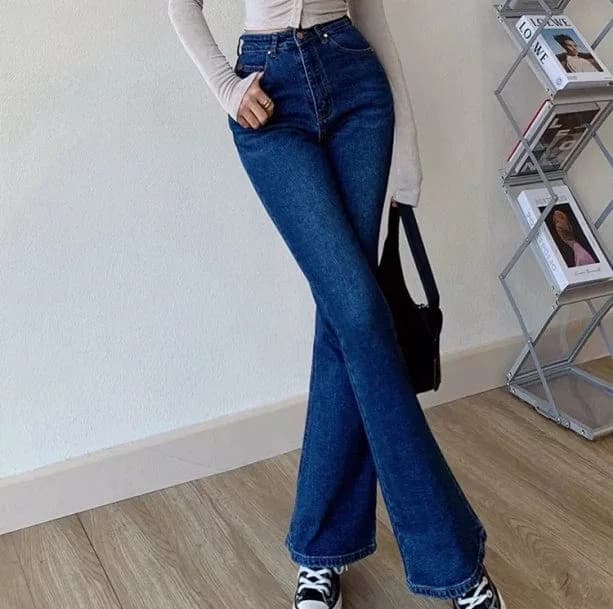
Before heading out the door, running through a quick proportion evaluation ensures your outfit feels unified and comfortable throughout the day. It takes only ten seconds in front of a mirror to verify that your hemlines, waist points, and layers are working in harmony rather than competing.
Start at your waistline: is your torso visually defined? If your pants are exceptionally wide or loose, ensure your top hits near your belt or has been casually tucked at the front. Next, inspect your hemline break: does the fabric fall cleanly over your footwear, or is it bunching into rigid folds? If it wrinkles awkwardly, adjust your cuff or swap to a shoe with a thicker sole to lift the fabric.
Finally, evaluate your outer layer. If you are wearing a jacket, overshirt, or cardigan, check that the front panels create a clear vertical frame down your centerline. When these elements align—balanced horizontal widths, clean hem breaks, and organized layer steps—your normcore outfit will carry that effortless, understated ease that defines the aesthetic.
- Waist check: Does the top finish at the belt line or feature a functional front tuck?
- Hem check: Does the trouser break once over the shoe without messy stacking?
- Frame check: Does open outerwear create a clean, unbroken vertical line?