Created by the Kawaii Vibe editorial team. Our named style desks are editorial personas. Product details and availability can change.
Building an outfit around basic tops sounds simple until the proportions feel slightly off in the mirror. A plain shirt can look crisp and intentional or completely flat depending on how its neckline relates to your shoulder line and what bottoms sit underneath the hem. In normcore dressing, the top is rarely an ornate statement piece. Instead, its specific cut does the heavy lifting, establishing the balance between relaxed drape and structured tailoring.
When you start an outfit with the upper half, the collar style, drop of the shoulder, and bottom hem determine where visual weight lands. A thick crewneck collar pulls attention up to your jawline, while an open neck lengthens your collarbone and demands a different waistline rise. Learning to read these lines lets you pair simple garments with purpose, transforming everyday basics into grounded street looks that feel clean, unforced, and balanced.
The High Crewneck Base: Grounding Daily Layers
The high crewneck serves as the absolute backbone of clean street dressing. Because a snug, circular collar sits right at the base of the throat, it establishes a horizontal line across the clavicle that naturally squares your upper frame. This collar style tends to look best when you counterbalance its high coverage with relaxed, straight-leg trousers or mid-weight denim. If the neckline sits tight, loose bottoms keep the outfit from feeling restricted, creating a relaxed vertical column that reads effortless rather than stiff.
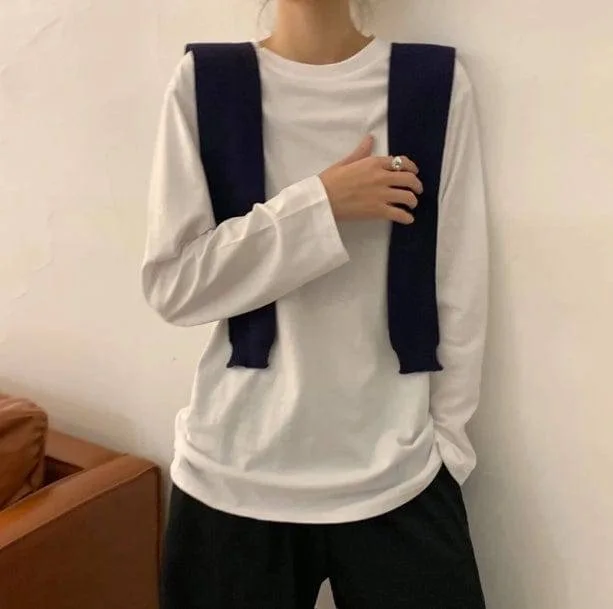
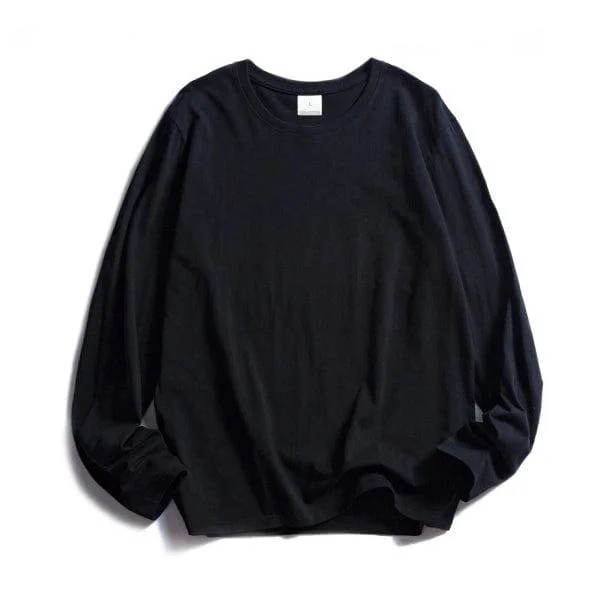
If you are starting your morning routine with a classic staple, browsing normcore t-shirts offers an easy reference point for how standard collars alter your posture. A piece like the Normcore T-Shirt, constructed from cotton and polyester and offered in one size across apricot, white, blue, and gray tones, delivers that classic tight-collar baseline. Because this piece has a boxier one-size build, pairing it with straight-cut pants creates a calm line down the torso.
Letting the hem hang loose over dark chinos keeps the visual weight balanced, while tucking it slightly into mid-rise bottoms draws focus back to the neatness of the circular neck band.
- Works cleanly beneath unbuttoned collared shirts or utility jackets.
- Frames the neck neatly without demanding heavy jewelry or scarves.
- Balances wide or relaxed-leg trousers by keeping the upper frame contained.

Crewneck Volume: Pairing Boxy T-Shirts with Structured Bottoms
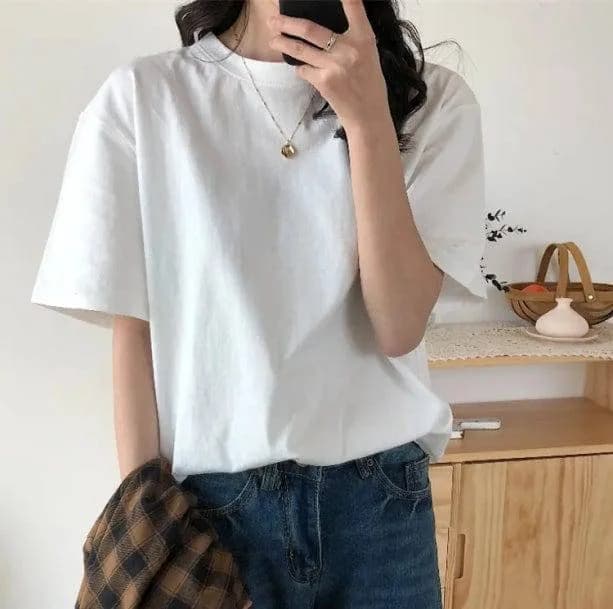
A boxy cut creates broad shoulder seams that fall past your natural shoulder line. When the sleeves drop low and the torso remains straight, the silhouetteThe overall shape an outfit creates, from fitted to loose and layered. can easily swamp your frame if your lower half is equally shapeless. The goal here is contrast through density and structure. Instead of reaching for fluid, soft loungewear, pair a heavy, squared-off top with bottoms that have rigid fabric integrity, such as raw canvas work pants or structured denim.
To see how wide-cut silhouetteThe overall shape an outfit creates, from fitted to loose and layered.s interact with different lower garments, check the full array of normcore tops. A wider chest measurement means your trousers need defined anchor points, such as a sturdy waistband, visible belt loops, or a crisp front crease. When your boxy tee stops right around your upper hip, pairing it with structured bottoms keeps your body shape legible. If your trousers break cleanly over the tops of your shoes, the overall outfit appears squared and intentional rather than borrowed or accidentally oversized.
- Opt for rigid denim or heavy canvas to balance wide-cut shoulders.
- Look for sleeves that hit just above the elbow to maintain forearm visibility.
- Avoid ultra-flimsy bottoms that collapse under the visual weight of boxy fabric.
Cropped Hemlines: Managing Waist Rises and Midsection Gaps
A cropped cut fundamentally changes how a casual top interacts with your waistline. By cutting the torso short, a cropped hem draws the primary horizontal focal line across your midsection instead of down past your hips. The most reliable way to anchor this cut is pairing it with high-rise bottoms where the waistband meets or slightly overlaps the lower hem. This configuration creates an elongated leg line while maintaining the understated modesty typical of standard street utility.
Exploring normcore crop tops reveals options that range from snug baby-tee shapes to boxy, cut-off profiles. If you choose a boxier crop, pair it with structured pants that sit directly at your natural waist. This prevents random gaps of skin from interrupting the outfit during movement while keeping the silhouetteThe overall shape an outfit creates, from fitted to loose and layered. balanced. For cooler days, leaving a half-inch margin between the hem and high-waisted denim provides casual separation without making the outfit feel skimpy or incomplete.
- Pair cropped tops with bottoms sitting at or above the belly button.
- Select rigid waistbands to keep the hemline resting flat against your body.
- Layer cropped cuts over high-waisted shorts or pleated trousers for summer balance.
Deep Necklines: Introducing Casual Sweaters and Open Lines
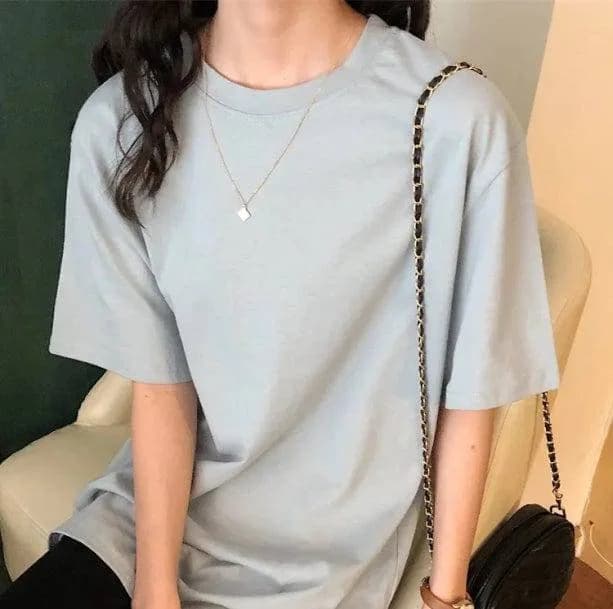
While high collars provide a utilitarian feel, open and V-neck cuts invite airiness into an understated wardrobe. An open neckline pulls focus downward along the sternum, visually elongating your neck and softening broad shoulders. In understated dressing, deep necklines should avoid feeling formal or dainty; instead, they should feature relaxed, knitted textures and slightly loose chest profiles that convey casual ease.
A piece such as the Old Money Aesthetic V Neck Sweater, offered in sizes S, M, and L as pictured, demonstrates how an open collar softens upper torso layeringWearing pieces over or under one another to add depth, warmth or contrast.. The angled collar opening pairs exceptionally well with higher-rise trousers, because the downward point of the collar leads the eye right toward the waistline. You can leave the neckline bare with a simple flat chain or layer a snug white crewneck underneath to introduce clean color blocking and wind protection on cooler afternoons.
- Softens broad shoulders by directing visual lines downward.
- Layers easily over basic flat collars to build depth without excess weight.
- Coordinates naturally with tailored, pleated trousers and flat leather sneakers.

Fleece and Hooded Necklines: Managing Upper Bulk
A hooded neckline carries built-in bulk that frames the back of your head and shoulder blades. Because the hood rests directly around the nape, it adds immediate volume to your upper profile. If your jacket or overshirt also has a heavy collar, the combination can bunch awkwardly around your ears. To manage this cut cleanly, treat the hoodie as either the definitive outer layer or tuck it beneath smooth, flat-collared outerwear like an unlined trench or trucker jacket.
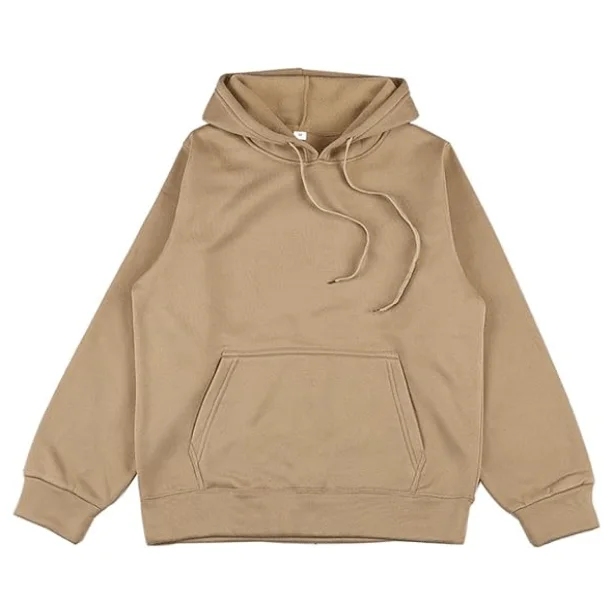
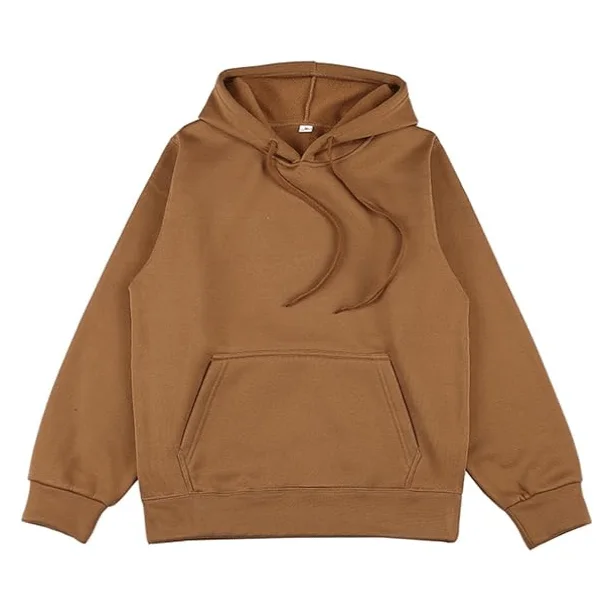
Browsing dedicated options like normcore hoodies shows how simple kangaroo-pocket fleece pieces set an everyday tone. The Normcore Hoodie, made of polyester and available in sizes S through 3XL across a spectrum including Apricot, Khaki, Brown, Navy Blue, Black, Gray, Red, Orange, Yellow, Green, White, and Blue, delivers this essential silhouetteThe overall shape an outfit creates, from fitted to loose and layered.. Because this hoodie offers substantial upper mass, balancing it requires bottoms with moderate leg width. Pairing an Apricot or Gray hoodie with straight-cut pants creates a proportional, cohesive profile from shoulders to sneakers.
- Keep base layer collars flat beneath the hood to avoid throat bunching.
- Match hooded bulk with straight or wide trousers to keep lower legs grounded.
- Use neutral tones like Navy, Gray, or Khaki for flexible daily wear.
The Classic Sweatshirt: Collar Ribbing and Shoulder Seams
A standard crewneck sweatshirt brings a sporty, mid-century athletic shape to casual utility. Its distinct features—ribbed collar trim, triangle v-notch stitching, and banded cuffs—introduce subtle structure to a cotton-blend base. When styling a sweatshirt, pay close attention to the shoulder seam. A set-in sleeve gives a sharper, more defined outline around your collarbones, whereas a raglan sleeve creates a continuous, sloping curve down the arm that reads much more relaxed.
The Normcore Sweatshirt, constructed from cotton and polyester in White and Black across sizes S to 2XL, works as an adaptable middle or outer layer. You can layer it smoothly over a collared button-down with the pointed collar tucked inside, or wear it alone over simple bottoms. Because the waistband is banded, you can fold the hem upward against your beltline to control the sweater's length, making it easy to adapt between low-slung denim and high-waisted utility pants.
- Fold or blouson the bottom ribbed band to adjust where the garment hits your waist.
- Layer over a white crewneck tee to let a clean quarter-inch rim show at the neck.
- Choose between set-in sleeves for structure and raglan seams for soft drape.

Layering Outerwear Over Varied Necklines
When you add jackets over everyday tops, the interaction between collars determines whether an outfit looks intentional or cluttered. Flat collars sit neatly beneath almost any outerwear piece, while bulky or ribbed collars demand thoughtful spacing. A light canvas chore coat or denim jacket will lay flat against crewnecks, whereas hooded tops need wide lapels or collarless shells to prevent bunched fabric behind your neck.
A utilitarian layer like the Normcore Jean Jacket, made from a polyester and cotton blend in sizes M up to 4XL and available in Gray, Light Blue, Dark Blue, Black, Army Green, White, Pink, and Green, functions as a versatile outer layer. The classic fold-down collar of a trucker jacket sits flat across the shoulders, making it an ideal companion for the Normcore Sweatshirt or a plain crewneck tee. If you prefer a tailored aesthetic, the Dark Academia Jacket, available as pictured in S through XL, introduces sharper lapels that frame crew collars or V-neck knitwear with structured precision.
A flat-collared jacket can add a clear outer line without crowding a crewneck. Try it open over a plain tee with straight-leg trousers, leaving enough space between the neckline and collar for each layer to read. For another take on this simple layeringWearing pieces over or under one another to add depth, warmth or contrast. choice, the Ulzzang Clothes collection focuses on relaxed proportions and understated details.
- Ensure outer jacket lapels lie flat over base layer collars.
- Avoid pairing high-neck coats with oversized hoodies unless the coat is unbuttoned.
- Use contrasting fabric textures, such as denim over fleece, to define your layers.

Bottom Silhouettes: Pairing Tops with Straight and Wide Pants
Selecting the right bottom piece completes the foundation established by your top's neckline and hem cut. If you wear an oversized, boxy tee, slender jeans can make your upper body look disproportionately top-heavy. Conversely, pairing broad tops with straight or wide-leg pants produces a consistent silhouetteThe overall shape an outfit creates, from fitted to loose and layered. that feels balanced and grounded in casual street culture.
A standard anchor like the Normcore Jeans, cut from a polyester and spandex blend across sizes S to 2XL, provides a classic denim base. Because they incorporate slight stretch and a predictable everyday cut, they bridge the gap between tight tops and relaxed upper layers. When pairing them with an oversized hoodie or a loose t-shirt, letting the hems fall cleanly over low-profile sneakers creates an uninterrupted vertical line. For a broader styling perspective, reviewing Normcore Clothes illustrates how straightforward denim and unbranded outerwear function alongside minimalist tops to create balanced outfits.
- Mirror relaxed upper fits with straight or slight-wide lower legs.
- Check that the trouser break matches your shoe height to preserve clean proportions.
- Avoid extreme tapering when styling heavy crewneck sweatshirts.
Fabric Weight and Neckline Retention
A shirt's cut is only as good as the fabric used to construct it. Thin, low-density jerseys often stretch out at the collar after repeated daily wear, resulting in a wavy, misshapen neck band that undermines an otherwise clean outfit. Mid-weight and heavy jersey fabrics maintain their structural ring around your neck, creating a crisp boundary that stands up to outer layers without sagging.
When choosing everyday basics, inspect the collar ribbing. Ribbed neckbands that contain a touch of elastane or tight mechanical knit bounce back after dressing, retaining their circular shape. Synthetic blends, like the cotton and polyester composition found in the Normcore T-Shirt, help garments resist immediate stretching and hold their flat shape over long days. Pairing a heavyweight tee with soft pants feels deliberate, whereas a floppy, stretched-out tee can make the entire look seem careless.
- Choose collars with tight, double-needle ribbing to prevent bacon-neck curling.
- Look for balanced cotton-poly blends that hold their shape through frequent wear.
- Hang or fold your tops carefully to keep neck openings from stretching out on hangers.
Texture Balancing: Knits, Fleece, and Poplin
Dressing in muted tones and straightforward cuts can occasionally feel monotonous if every piece shares the same matte texture. Introducing variety through tactile materials adds depth without requiring bold patterns or loud logos. Pairing a textured knit sweater with smooth cotton-blend pants, or wearing a looped fleece hoodie beneath a rigid twill jacket, creates visual interest purely through surface variation.
A warm layer like the Aesthetic Khaki Sweater, available in sizes S, M, and L as pictured, introduces soft knit dimension into an everyday wardrobe. Its tactile surface breaks up the smooth flatness of standard jeans or chinos. When styling knit tops, keep your base layers clean and flat so the outer texture takes center stage. Balancing fuzzy or ribbed woolens against smooth denim creates a pleasing contrast that keeps low-key outfits looking rich and layered.
- Pair fuzzy or chunky knitwear with flat-weave denim or twill.
- Layer smooth cotton jerseys beneath fuzzy fleeces to keep collars clean.
- Mix matte and slightly lustrous fabrics to bring subtle dimension to monochrome looks.
Seasonal Adaptations for Global Climates
Because understated streetwear is worn across varied regions, adapting your neckline and cut choices to the local climate is crucial. In warmer, humid conditions, a looser crewneck in lightweight fabric allows air to circulate around the chest, while cropped cuts provide effortless cooling at the midriff. In chilly or wind-prone settings, tall, dense crew collars and adjustable drawstring hoods keep drafts off your throat and trap core body heat.
During transitional seasons, lightweight tops act as modular building blocks. A plain t-shirt under an open chore coat lets you adjust your coverage as temperatures rise and fall throughout the day. In cold climates, wearing a snug crewneck tee beneath the Normcore Hoodie seals the neckline, preventing brisk breezes from chilling your upper chest. Adapting to the weather is simply a matter of swapping fabric weights while keeping the core proportions of your cuts consistent.
- Wear loose-cut crewnecks and cropped hems during hot, dry spells.
- Layer a snug tee beneath open hoodies or sweaters when facing brisk winds.
- Keep transitional outerwear unbuttoned to display your top's neckline structure.
Footwear and Proportions: Anchoring the Look
Footwear serves as the visual counterweight to your top's cut. A bulky, heavy-gauge hooded sweatshirt paired with ultra-light, paper-thin canvas shoes can make an outfit look top-heavy. To balance broad, relaxed tops, choose shoes that offer some sole height or visual presence, such as flat-soled court sneakers, retro running shoes, or classic leather boots.
If you are wearing a cropped top that shows the waistline, low-profile leather sneakers keep the silhouetteThe overall shape an outfit creates, from fitted to loose and layered. light and agile. Conversely, when styling the broad, draped shoulders of an oversized Normcore Sweatshirt, chunkier midsoles ground your feet and anchor the lower half. Aligning the visual weight of your shoes with the cut and volume of your upper half ensures the entire outfit looks harmonious from head to toe.
- Balance oversized hoodies and heavy sweaters with substantial-soled footwear.
- Pair low-profile, clean sneakers with cropped tops and high-waisted bottoms.
- Choose neutral shoe colorways—white, gray, or black—to maintain an unforced aesthetic.
Common Proportion Pitfalls to Avoid
When styling understated basics, subtle mistakes in cut and length can ruin an outfit's overall balance. The most frequent misstep is pairing an overly long, baggy t-shirt with tight skinny pants, which distorts your natural proportions by shortening your legs and over-elongating your torso. Another common pitfall is wearing an outer layer whose collar clashes with your top, such as a stiff denim jacket collar fighting against an awkwardly bunched hoodie base.
Another error lies in neglecting your neckline depth relative to your chest size. Very high, tight collars on thick frames can sometimes appear restrictive, while extremely deep collars on boxy, lightweight shirts can cause the shoulders to slide out of alignment. Always check in the mirror how the collar sits when you move your arms naturally. If the fabric ripples awkwardly or pulls across the front, adjusting the shoulder size or choosing a different neck cut will instantly restore the clean lines you want.
- Avoid combining long, tunic-length tops with tightly tapered skinny jeans.
- Prevent bunched, competing collars by checking how outerwear sits over hoods.
- Ensure your tops have enough shoulder width to stop high collars from pulling.
Buyer Checklist for Normcore Tops
Before adding another everyday piece to your closet, review this straightforward criteria list. Taking a moment to assess the neckline style, hem drop, and fabric mix will ensure the garment pairs seamlessly with your current trousers and coats, saving you from styling frustration later on.
A thoughtfully built wardrobe focuses on utility, comfortable drape, and versatile colors. Use this checklist as your final filter when comparing cuts, weights, and fits for daily wear.
- Neckline Type: Does the collar (crew, V-neck, or hood) match your favorite jackets?
- Hemline Drop: Does the bottom cut align with your preferred trouser waistline?
- Fabric Composition: Does the blend offer the right mix of breathability and collar shape retention?
- Shoulder Placement: Is the shoulder drop tailored or relaxed enough for your chosen pants?
- Color Compatibility: Will the shade integrate easily with your existing denim and sneakers?