
Created by the Kawaii Vibe editorial team. Our named style desks are editorial personas. Product details and availability can change.
Choosing a bag for classic, understated dressing comes down to visual weight rather than loud detailing. When you pull together a tailored blazer, clean pleats, or smooth knitwear, an unstructured or over-embellished bag can instantly pull the entire look off-balance. The right piece should complement the architectural lines of your clothing while effortlessly holding what you actually carry through the day without bulging at the seams.
Many people struggle when deciding between a rigid top-handle, a compact shoulder bag, and a generous daytime tote. A bag that looks sharp on a display shelf can easily swallow a petite outfit, while an undersized evening pouch looks misplaced alongside a crisp, double-breasted coat. Balancing your bag's shape and scale against your outfit silhouetteThe overall shape an outfit creates, from fitted to loose and layered. ensures you look polished rather than weighed down.
In this guide, we break down geometric shapes, internal volumes, strap drop lengths, and structural integrity. Whether you are building an outfit around sharp tailoring, airy warm-weather fabrics, or relaxed coastal coordinates, you will find direct styling solutions to make sure your bag looks intentional from morning coffee runs to formal dinners.
1. The Geometry of the Silhouette: Structured vs. Soft
The structural outline of your bag sets the tone for your entire outfit. Tailored dressing relies on neat hemlines, crisp lapels, and intentional creases. If you introduce a slouchy, formless hobo bag to a structured blazer, the contrast often looks accidental rather than relaxed. Structured bags—such as trapezoids, clean rectangles, and boxy top-handles—mirror the discipline of tailored outerwear and crisp shirting.
Soft bags have their place, but only when their softness feels deliberate. A lightly supple bucket bag or an arched crescent can soften sharp garments, provided the base remains firm enough to prevent sagging. When shopping through Old Money Bags, look closely at the corners and base construction. A flat bottom with protective feet or reinforced seams will maintain its profile whether it sits on a restaurant table or tucks beneath your arm.
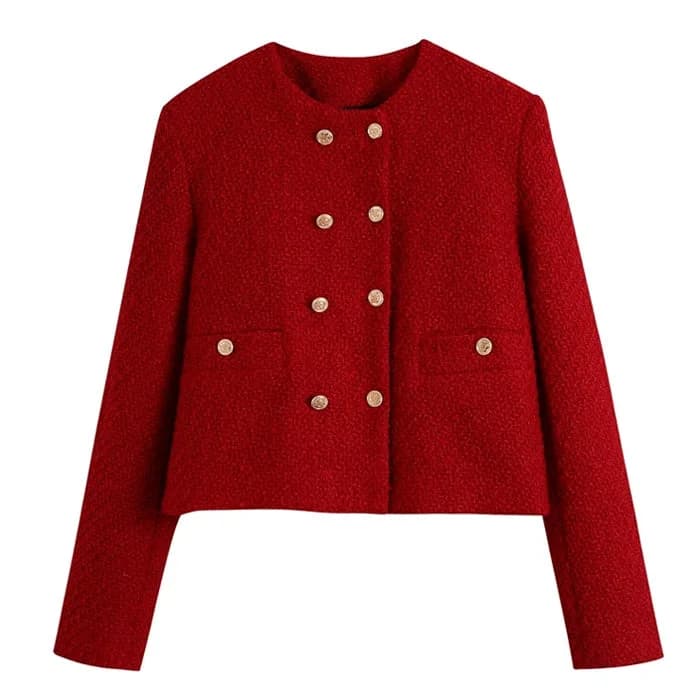
When building an ensemble around sharp layers, pairing a rigid silhouetteThe overall shape an outfit creates, from fitted to loose and layered. against soft textiles creates pleasing tactile contrast. For instance, pairing a structured rectangular bag with the knit texture of the Old Money Style Tweed Jacket (cut in Cotton and Polyester in Red) keeps the textured woven fabric from feeling untidy. The straight lines of the bag ground the soft weave of the jacket, giving the whole outfit an anchor.
- Rigid trapezoids and structured rectangles reinforce crisp outerwear and pressed trousers.
- Curved crescent or barrel silhouetteThe overall shape an outfit creates, from fitted to loose and layered.s balance sharp collar points and structured lapels.
- Slouchy bags require reinforced bases so they do not collapse when filled.
2. Finding the Right Scale: Matching Bag Size to Garment Volume
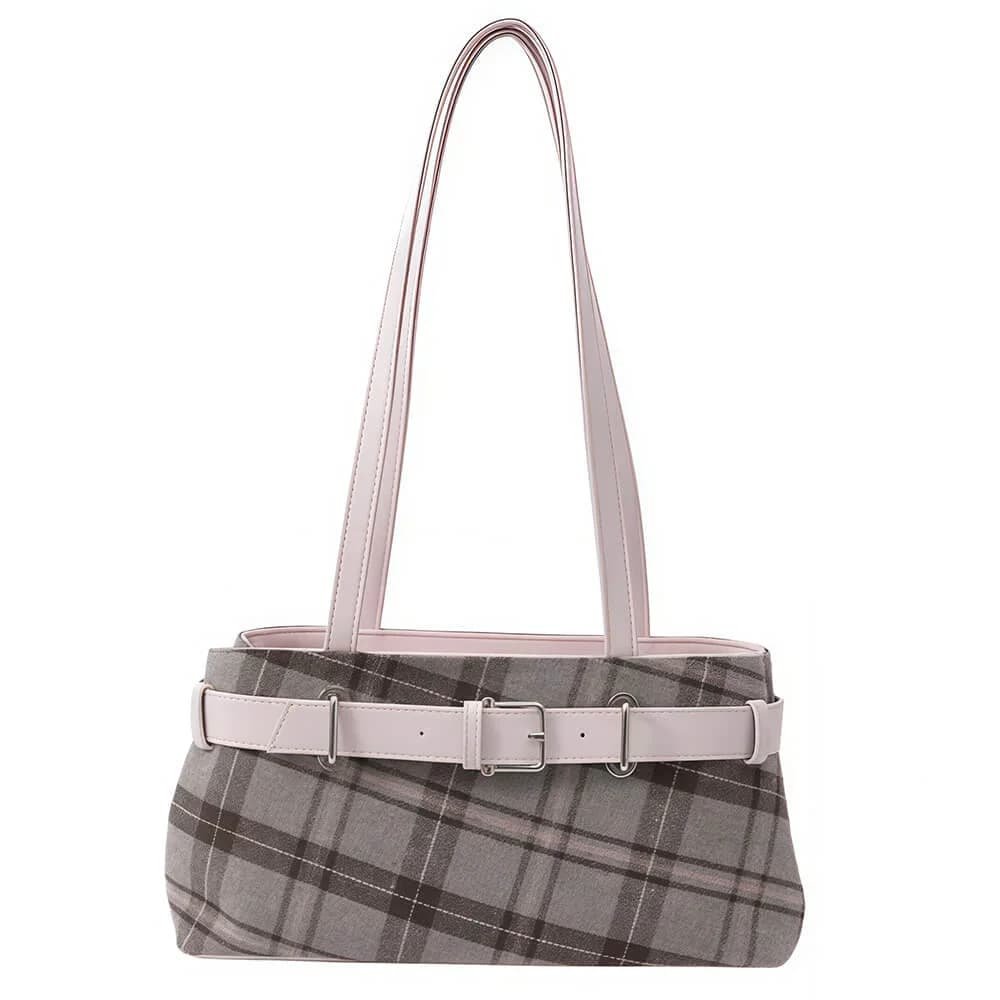
Scale is the relationship between the physical footprint of your bag and the visual bulk of your clothing. An oversized tote paired with a slip skirt can visually drag the lower half of your body down, making the skirt appear frail by comparison. Conversely, carrying a micro-clutch with an oversized wool trench coat can look mismatched, as the substantial fabric swallows the tiny accessory completely.
To determine proper scale, evaluate the widest and longest garments in your look. If you wear wide-leg trousers and a heavy knit, a medium-sized bag provides the right visual counterweight. If your outfit is fitted and streamlined—such as high-waisted shorts or a neat pencil skirt—a small to medium shoulder piece keeps the visual line unbroken. You want the bag to read as a cohesive component of your silhouetteThe overall shape an outfit creates, from fitted to loose and layered. rather than a separate distraction.
When wearing shorter, lighter silhouetteThe overall shape an outfit creates, from fitted to loose and layered.s like the Old Money Satin Mini Skirt (available in White, Black, Brown, and Green Polyester), an oversized satchel would quickly overpower the garment. Choosing a neat, hand-held frame bag or an under-arm baguette keeps the proportion tidy and allows the drape of the satin to remain the focal point of the lower body.
With wide-leg trousers and a substantial knit, choose a medium bag with enough visual presence to balance the outfit, then keep its shape simple. A shaped top can add definition above the trousers without asking the bag to do all the work. For a more expressive approach to polished layers and finishing details, see Onee Gyaru Clothes.
- Compact to small frames work best with minimal, fitted garments and short hemlines.
- Medium satchels and shoulder pieces balance relaxed trousers and tailored blazers.
- Large totes require substantial garments like structured coats or wide-leg suiting to look proportional.

3. Everyday Capacities: What Actually Fits Inside
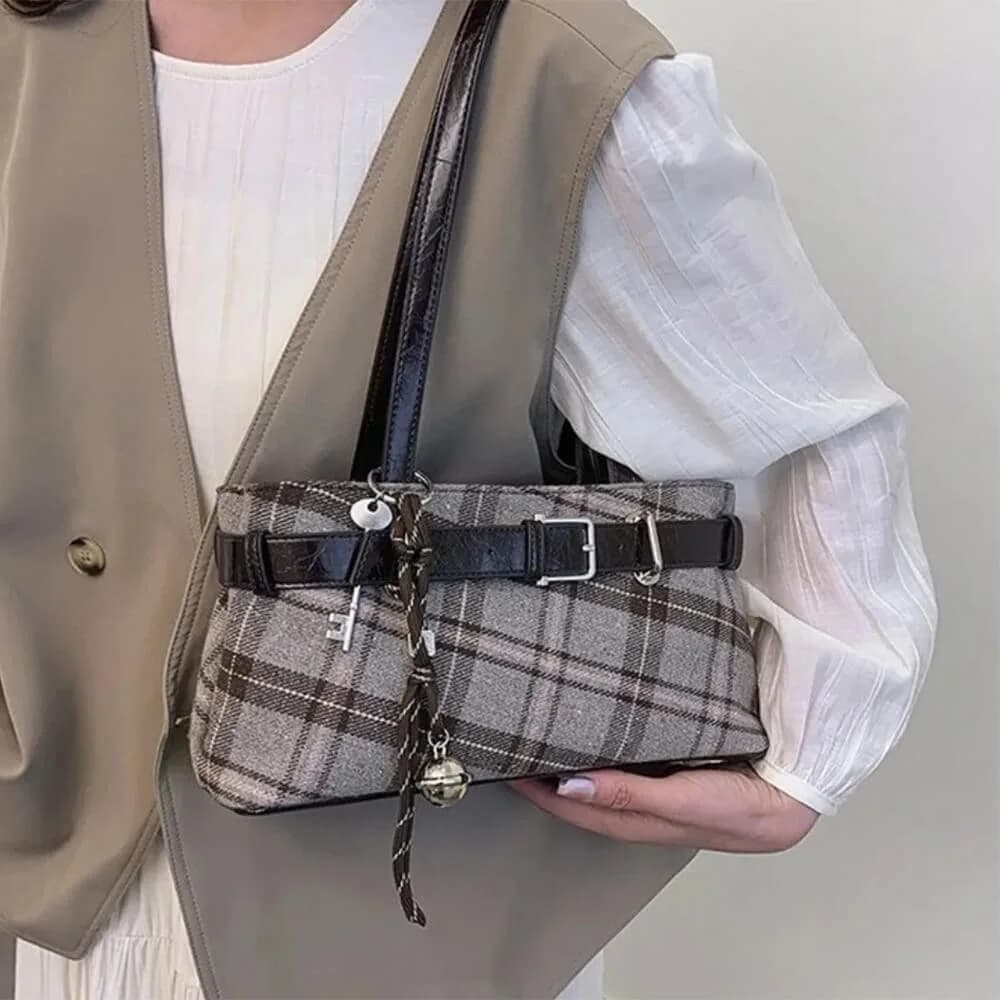
A beautifully structured bag loses its appeal the moment a phone or sunglasses case causes the seams to stretch awkwardly. Traditional, refined styling demands that a bag retains its clean exterior geometry without external lumps, bulges, or gaps where clasps cannot close. Before selecting a bag shape, map your daily essentials into realistic cubic capacity.
A compact shoulder bag measuring around eight inches across will easily accommodate a cardholder, slim smartphone, keys, and a compact powder. It will not, however, hold a hardcover book, an umbrella, or an oversized water bottle. If those are mandatory daily items, forcing them into a small silhouetteThe overall shape an outfit creates, from fitted to loose and layered. ruins both the bag's longevity and your outfit's polish. Instead, step up to a structured mid-sized doctor bag or a medium day-satchel designed with dedicated compartments.
When you evaluate pieces across Old Money Clothes, consider how often your daily schedule demands transitioning from work tools to evening dinners. Carrying a mid-sized structured tote with interior divider sleeves gives you clean exterior lines while keeping cables, compacts, and chargers organized out of sight, avoiding that overstuffed look entirely.
- Small pouches (under 7 inches) carry cards, key fobs, and lipstick only.
- Compact shoulder bags (8 to 10 inches) fit large smartphones, compact wallets, and small cosmetics.
- Medium day bags (11 to 14 inches) fit small planners, sunglasses in hard cases, and slim water bottles.
4. The Role of the Structured Tote for Work and Commuting
Commuting poses a unique styling challenge: you need utility and volume, but fabric shopping totes or athletic nylon backpacks disrupt the calm discipline of classic style. A proper work tote must possess enough structural backbone to stand upright on its own. Soft, floppy totes droop around your feet and crease unpredictably, degrading the clean lines of tailored clothing.
Look for clean-edged options within Old Money Tote Bags featuring thick, reinforced sidewalls, bound seams, and dedicated flat bases. Parallel top handles that remain upright or fold flat neatly will keep the profile streamlined. If you carry a laptop, prioritize a bag with a padded center divide, which holds heavy equipment centrally and prevents the tote from bowing inward under weight.
For a work-appropriate combination, pair a dark, boxy tote with straight-leg trousers, a crisp button-down, and smooth flats. The sharp corners of the tote extend the architectural lines of your trousers, creating a cohesive, professional vertical line that reads as composed rather than hurried.
- Prioritize reinforced bases with feet so the tote stands upright on desks and floors.
- Ensure handles have enough clearance to slip comfortably over jacket sleeves without pinching.
- Choose totes with internal dividers to prevent heavy electronics from warping exterior panels.

5. Top-Handle vs. Shoulder vs. Crossbody: Movement and Posture
The method you use to carry your bag fundamentally alters your posture and how fabric hangs against your body. A top-handle bag, carried in the hand or draped in the crook of the elbow, projects deliberate formality. It keeps the torso completely unobstructed, allowing the full front design of blazers, cardigans, and dresses to remain clearly visible without strap compression.
Shoulder bags introduce ease and movement. A short-drop shoulder bag sits close under the arm, drawing the eye upward toward the collarbone and shoulders. Crossbody bags, while functional, require caution in tailored contexts. A crossbody strap cuts diagonally across your chest, which can pull the lapels of a coat open, crease delicate silks, or bunch up fine knits. If you prefer crossbody functionality, opt for a very thin strap worn low at the hip, and slip it off once you arrive indoors.
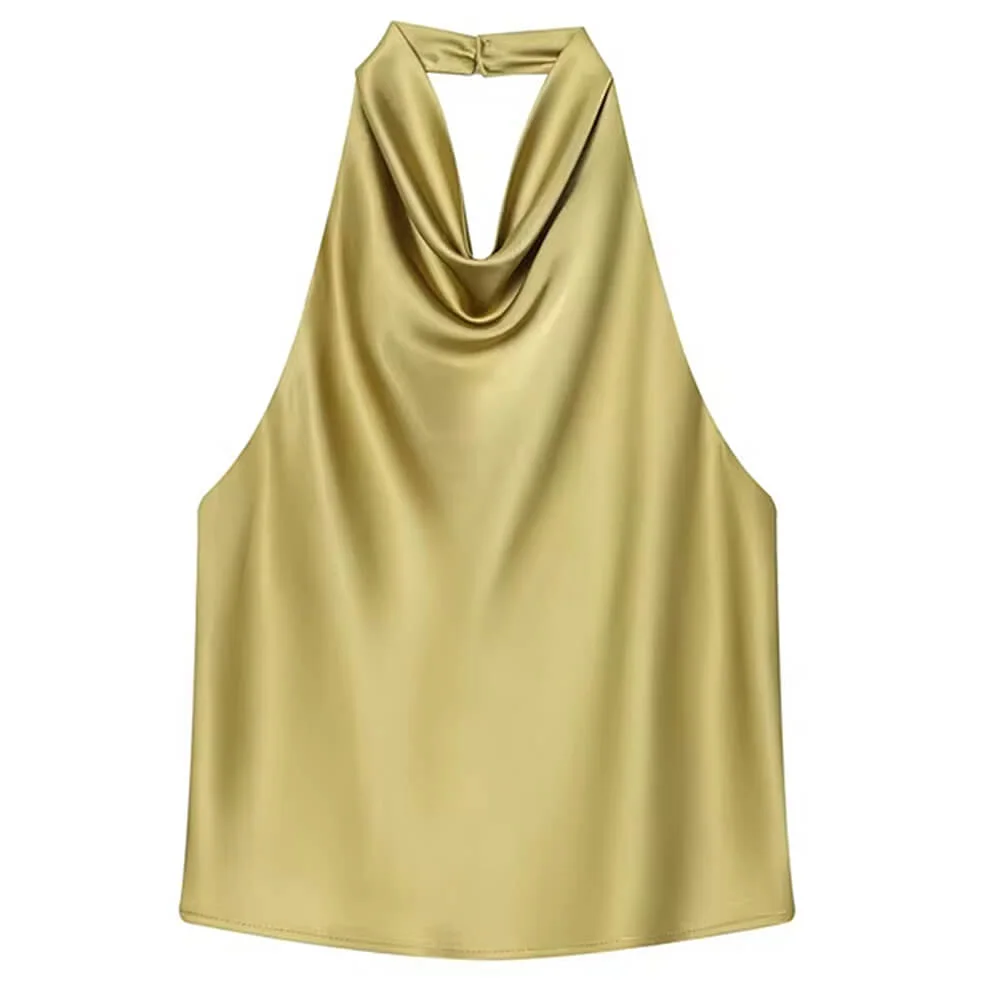
When wearing an open, delicate neckline such as the Old Money Satin Halter Top (offered in Green, Black, Pink, Brown, White, and Yellow Polyester), a crossbody strap would visually bisect the smooth neck tie and chest drape. Pairing this halter top with a small top-handle or a short-strap shoulder bag keeps the neck, shoulders, and chest completely clean and uninterrupted.
- Top-handle bags highlight sleeve tailoring and keep the chest and torso fabric completely smooth.
- Short shoulder straps anchor the bag under the arm and draw attention toward jewelry and necklines.
- Crossbody straps should be thin and minimal to avoid crushing collars, lapels, and smooth fabrics.
6. Pairing Bags with Warm-Weather Silhouettes
Warmer temperatures call for lighter fabrics like cotton poplin, linen, and silk crepe. When your clothes become lighter and airier, heavy, jet-black leather bags can look visually oppressive and out of season. However, substituting them with novelty beach bags or unlined cotton sacks often swings too far into casual territory, losing the elevated sensibility of classic style.
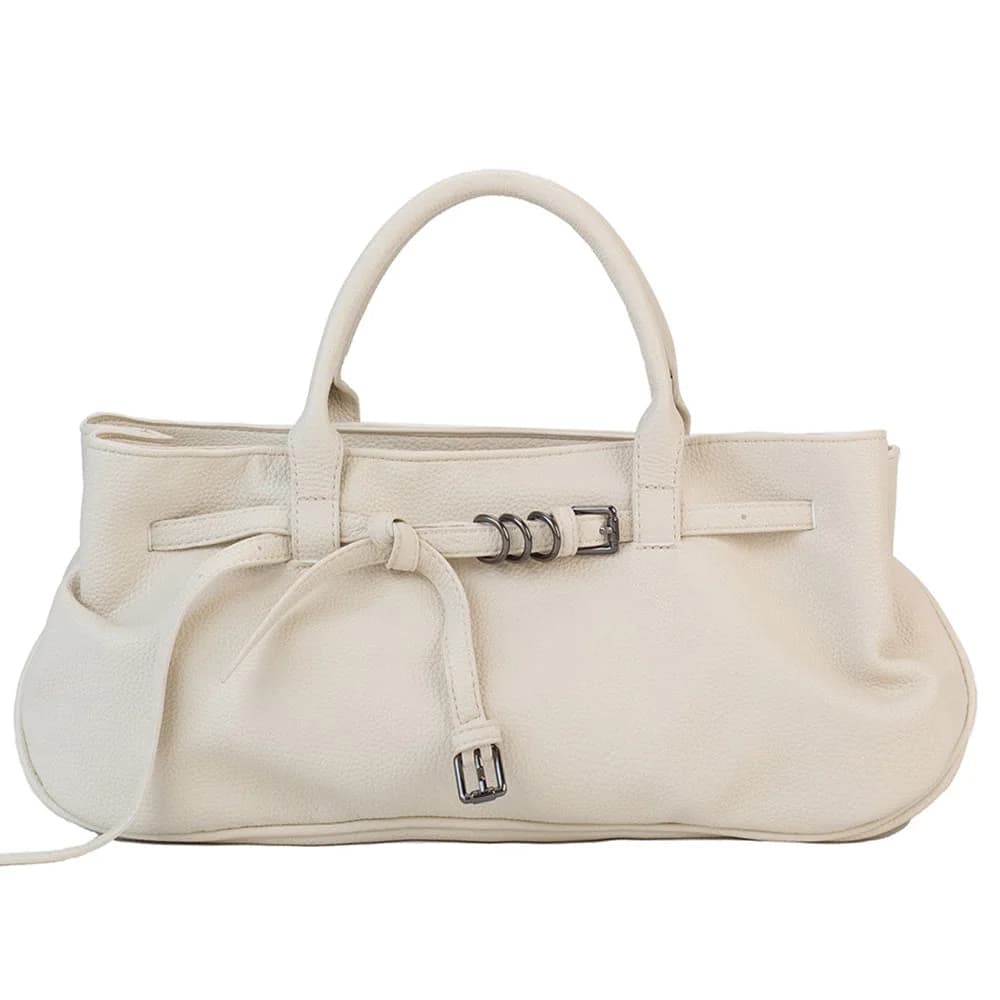
Instead, balance warm-weather garments with medium-toned, structured bags, or hybrid designs that pair natural textures with clean bindings. If you opt for woven materials, look for tight, uniform basket weaves framed with leather trims rather than loose, floppy raffia. Clean whites, soft biscuits, warm tans, and rich creams keep the palette sunny while preserving architectural shape.
Consider styling the crisp, nautical-inspired Old Money Yacht Club Dress (made of White Polyester) with a structured, rigid mini-satchel or a boxy cream shoulder bag. The bright tone of the dress pairs naturally with pale or tan accessories, creating an effortless resort feel that maintains structural elegance without tipping into casual loungewear.
- Replace heavy black satchels with tan, cream, warm brown, or ecru tones for sunny seasons.
- Select tight, reinforced woven textures with finished edges rather than unlined beach baskets.
- Keep bag profiles small to medium to complement lightweight, fluttery, or sleeveless garments.

7. Transitioning to Evening: Compact Frames and Minaudières
Evening dressing requires minimal silhouetteThe overall shape an outfit creates, from fitted to loose and layered.s that do not compete with formal fabrics. Once the sun sets, daytime totes and large satchels should be left at home. An evening bag for classic dressing is restrained, tidy, and functional enough to carry your phone, a slim lip color, and house keys without looking packed.
Structured frame bags, small envelope clutches, and rigid minaudières fit this brief effortlessly. Clutches that feature subtle clasps or tuck-away chain straps offer versatility between cocktail receptions and seated dinners. Pay close attention to how the closure operates: an audible, satisfying mechanical click signals solid construction, whereas sloppy magnetic tabs can pull apart unexpectedly under light tension.
To complement evening textures, coordinate small accessories with intention. If you are wearing tailored separates from Old Money Tops, you can anchor the look by pairing a compact black evening clutch with the Old Money Crystal Statement Ring (available in Gold and Silver). The small frame of the bag keeps your hands free to showcase subtle jewelry accents without visual clutter.
- Select small frame clutches, neat envelopes, or structured box minaudières for dinner.
- Check that hidden chain straps are fully detachable or can tuck away smoothly without bulging.
- Limit evening bag contents to emergency essentials to keep the closure firmly shut.
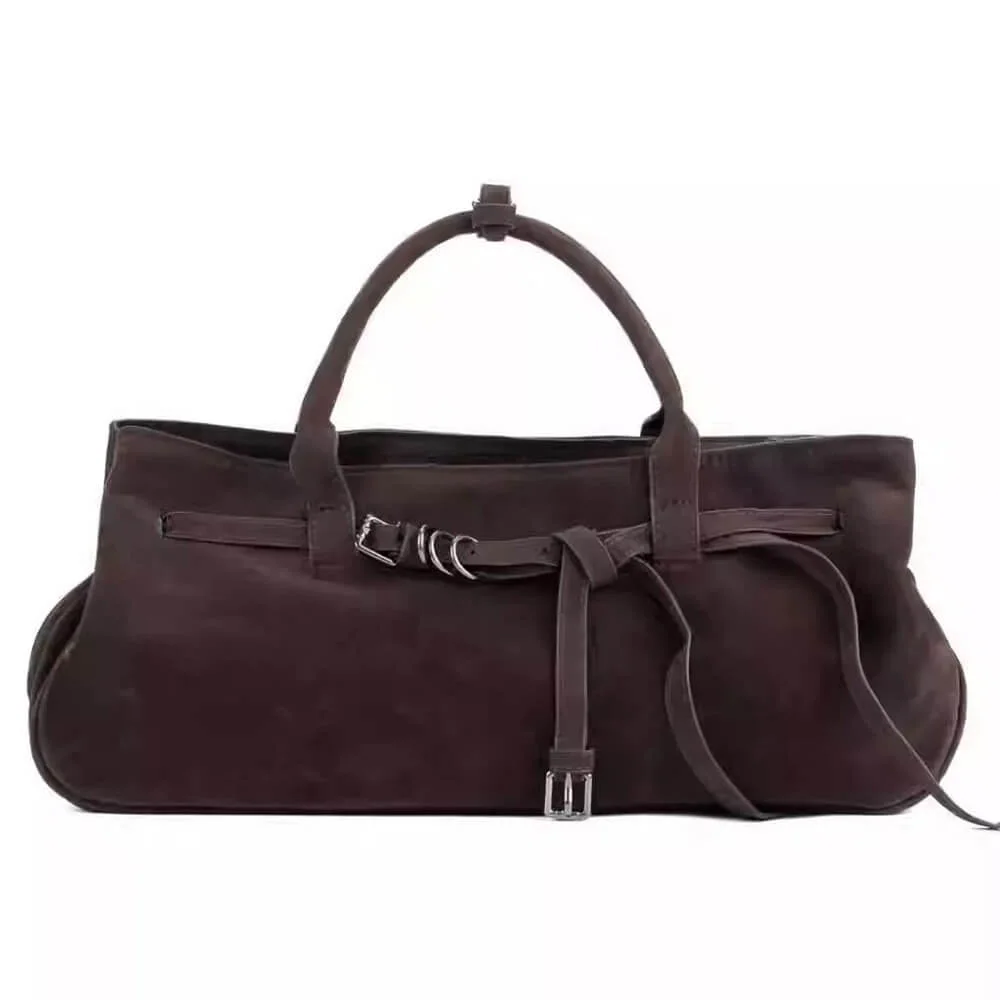
8. Navigating Tailored Separates: Skorts and Pleats
Modern classic wardrobes frequently incorporate contemporary tailored separates like skorts, pleated mini skirts, and crisp culottes. These pieces blend the structure of suiting with youthful proportions. When styling a bag alongside structured mini bottoms, maintaining proportional balance at the hip is crucial to avoid adding unintended bulk.
If your bag falls right at the widest point of a pleated or flared skort, the repeated bumping of the bag as you walk can disrupt the garment's drape and make your hip area look crowded. To solve this, adjust your strap length so the bag sits either firmly above the waistband (as a short shoulder bag) or swings comfortably below the hemline of the skirt.
For example, when styling the Old Money Asymmetric Mini Skort (available in Brown, Black, Pink, and White Polyester), the asymmetric front panel is an important visual detail. Pairing it with a neat, under-arm baguette bag keeps the waist and hip line clear, allowing the unique wrap-style front of the skort to stand out clearly without friction or obstruction.
- Ensure straps place the bag above the waistline or below the hem to prevent crowding flared bottoms.
- Avoid heavy, abrasive textured bags that create friction against delicate skirt fabrics.
- Keep bag silhouetteThe overall shape an outfit creates, from fitted to loose and layered.s compact when pairing them with leg-baring tailored separates.
9. Hardware Coordination: Metals, Zippers, and Buckles
Hardware is one of the most immediate indicators of a bag's overall design quality. Heavy, highly polished yellow-gold hardware paired with cool silver jewelry creates visual conflict that disrupts an otherwise harmonious outfit. While mixing metals can work in eclectic aesthetics, classic dressing leans into cohesion, quiet restraint, and tonal consistency.
Take inventory of the metal accents you wear most often—your watch, belt buckles, rings, and shoe bits. If your favorite timepiece features warm tones, a bag with understated pale gold or brushed brass hardware creates a polished throughline. If your jewelry leans cool and minimalist, choose bags with polished palladium, silver, or understated nickel closures.
You can establish a consistent hardware language by echoing tones across your pieces. For example, pairing a bag featuring subtle gold-tone hardware with the Old Money Aesthetic Watch Bracelet (crafted from Zinc Alloy in Green, Yellow, or Pink options) unifies your look. The metal highlights on your wrist and handbag support one another, presenting a thoughtful, put-together impression.
- Match bag hardware (zippers, feet, clasps) to the dominant metal of your jewelry and watch.
- Brushed brass and pale gold provide a softer, more subtle finish than high-shine yellow plating.
- Check that zipper teeth run smoothly without snagging or puckering the surrounding seams.
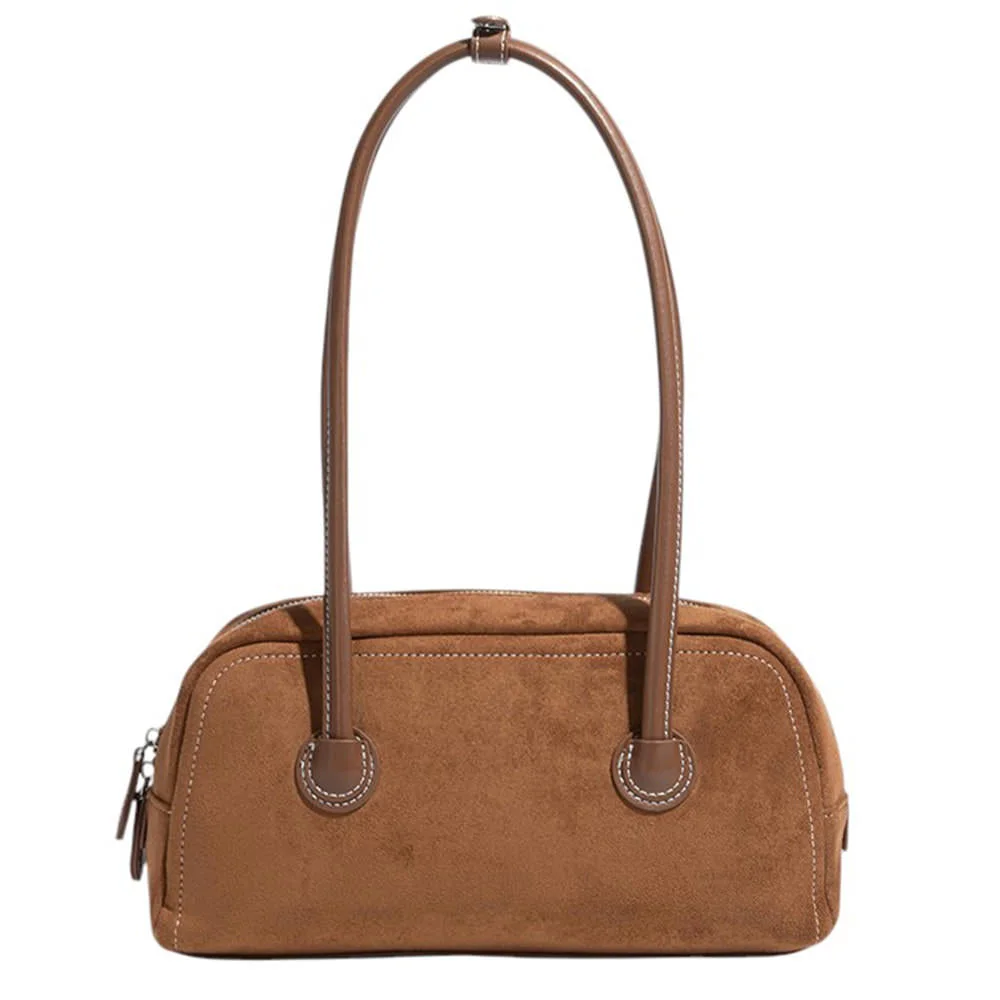
10. Balancing Leather Textures and Belts
A common misconception in timeless styling is that your shoes, bag, and belt must all be made from identical leather. Exact matching can often look overly calculated or dated. A more nuanced, modern approach is texture balancing—pairing complementary finishes that share a tonal family while adding subtle tactile interest.
Pairing smooth box calf leather with rich suede, pebble grain, or subtle embossed croco prevents an outfit from feeling flat. If you are wearing a smooth leather loafer, a softly textured suede belt creates depth. The key is to ensure the finishes do not fight for attention; one piece should serve as the primary texture, while the other provides a quiet background.
To illustrate, look at the rich nap of the Old Money Suede Wide Belt (made from Vegan Suede in Red, Brown, and Black). If you wrap this suede belt around high-rise trousers, carrying a smooth, semi-matte leather tote creates an attractive contrast between the matte suede and the firm, polished leather, enriching the whole outfit without repeating materials identically.
- Aim for tonal harmony rather than an exact, rigid match across your leather accessories.
- Pair smooth bag finishes with textured belts like suede, woven webbing, or subtle embossing.
- Keep leather sheens consistent; do not pair high-gloss patent pieces with rustic, matte leathers.
11. Weather Adaptability: Rain, Commutes, and Outdoor Events
A practical wardrobe must account for the elements. Wet weather, damp commutes, and fluctuating humidity can quickly damage vulnerable materials. Unfinished leathers can spot permanently in a sudden downpour, while untreated woven fibers absorb moisture, causing bags to lose their crisp shape and structural integrity.
For wet or unpredictable forecasts, prioritize treated leathers with sealed edge-paint, durable water-resistant finishes, or sturdy, coated canvases. When shopping within Old Money Accessories, look for details that protect the interior, such as secure zip-top closures instead of open bridge-snaps, and elevated metal base feet that keep the bottom panels dry when placed on damp surfaces.
When facing drizzle, pair a water-resistant trench coat with a structured, zip-top satchel. Carrying an umbrella in one hand means you need a bag that sits securely on your shoulder or tucks easily into the crook of your elbow, ensuring you can navigate slick city streets or garden pathways while keeping your belongings completely dry.
- Choose bags with zip closures and protective metal feet for rainy commutes.
- Avoid untreated, raw leathers and open-weave straw bags in wet or humid weather.
- Ensure shoulder straps have sufficient grip to stay on wet trench coats or slick outerwear.
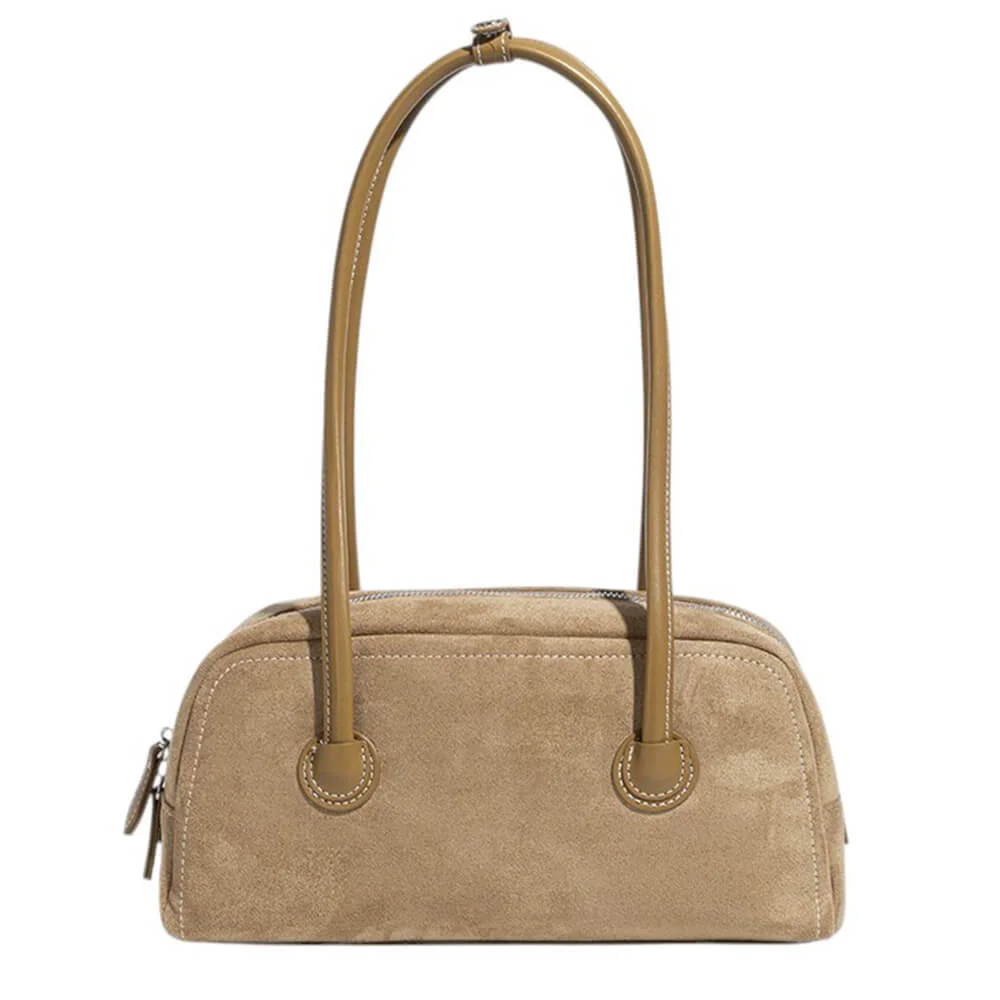
12. Avoiding Common Pitfalls: Logos, Proportions, and Slouch
The quickest way to undermine classic dressing is through oversized branding. Massive monogram prints, loud metal letter charms, and high-contrast designer stamps distract from clean lines and garment construction. Understated styling relies on fine seams, rich materials, and balanced proportions to signal refinement, rather than conspicuous logos.
Another frequent pitfall is carrying an overfilled, unstructured bag that sags under the weight of its contents. When a soft leather bag carries heavy items, the bottom drops into an uneven curve, creating a visual droop that looks sloppy next to crisp pleats or pressed trousers. If a bag loses its intended shape when filled, it needs an internal base shaper or you should switch to a sturdier silhouetteThe overall shape an outfit creates, from fitted to loose and layered..
Finally, watch your strap lengths. Shoulder bags that hang too low pull the eye downward, making the wearer look shorter and destabilizing the outfit's vertical balance. Regularly check your bag's strap adjustments so the silhouetteThe overall shape an outfit creates, from fitted to loose and layered. sits cleanly between your natural waist and the top of your hip bone.
- Avoid oversized monograms, loud hardware branding, and novelty keychains.
- Do not let bags sag; use base inserts if a soft tote droops under daily weight.
- Adjust shoulder straps so the bag rests comfortably between the waist and upper hip.
13. Bag Comparison Guide: Choosing for Your Needs
Selecting the right silhouetteThe overall shape an outfit creates, from fitted to loose and layered. requires evaluating how you spend your day, how much you carry, and which clothing pieces you wear most frequently. Different occasions demand specific design solutions, and understanding the trade-offs between rigidity, volume, and hands-free convenience ensures you make a practical choice.
A structured top-handle bag is the gold standard for formal meetings, lunches, and events where your posture is front and center. It offers moderate capacity and keeps your garments completely smooth, but it requires you to occupy one hand. A small shoulder baguette gives you effortless mobility for dinners and casual strolls, yet it restricts your carry capacity to small daily essentials.
A large structured tote provides maximum storage for laptops, planners, and daily essentials, making it the clear winner for travel and office days. However, it can overwhelm petite frames or light, warm-weather garments if not balanced by structured tailoring. Review the comparison breakdown below to decide which style best matches your daily routine.
- Structured Top-Handle: Best for lunches and business meetings; high formality, moderate capacity, hand-carry only.
- Under-Arm Shoulder Bag: Best for day-to-night transitions; medium formality, compact capacity, allows hands-free movement.
- Rigid Work Tote: Best for commuting, work, and travel; structured utility, high capacity, requires substantial clothing scale.
- Box Evening Clutch: Best for formal dinners and events; maximum formality, minimal capacity, carried in hand.
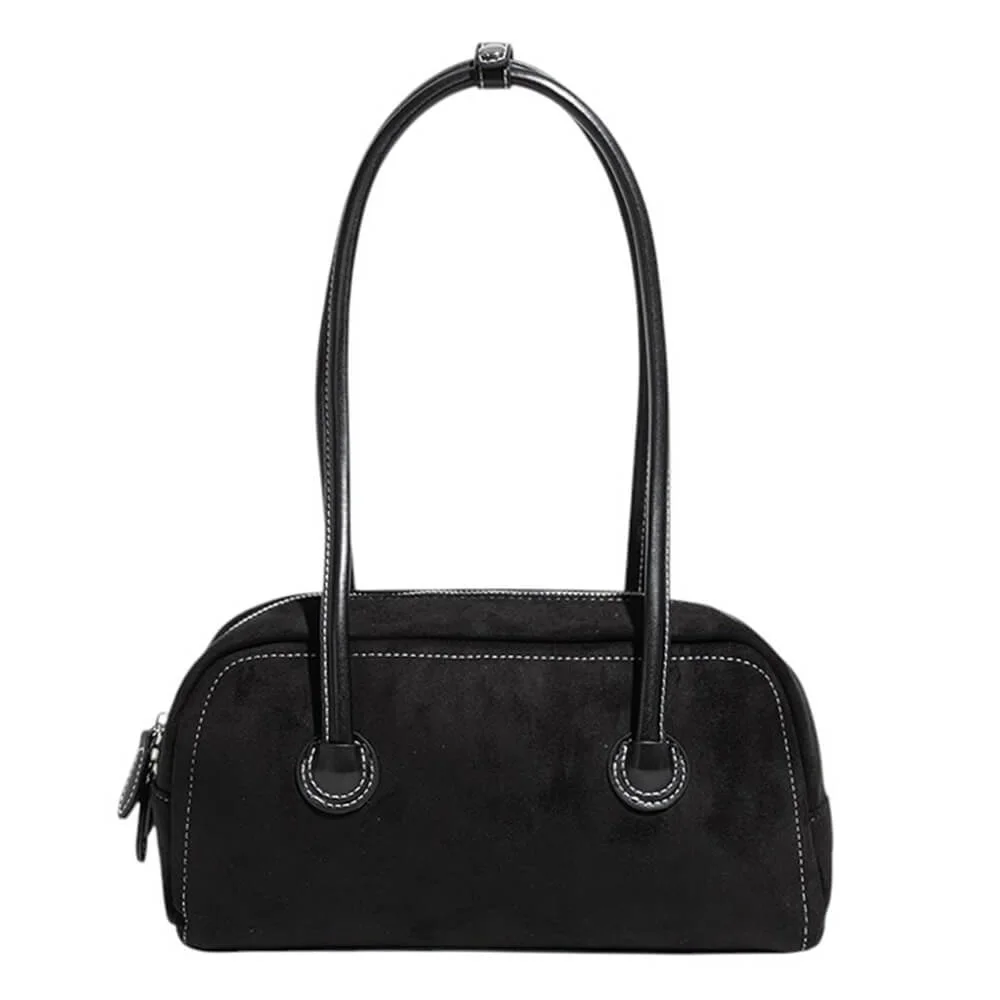
14. The Practical Bag Selection Checklist
Before purchasing a new bag or finalizing an outfit before heading out the door, running through a quick mental checklist guarantees that your accessory supports your look rather than fighting it. Clean dressing is about intentional choices, where every accessory has a clear purpose, correct proportions, and functional harmony with your clothing.
Start by looking in a full-length mirror from a few steps back. Observe the balance between the bag's physical footprint and your outfit's widest point. Next, check the closure: if the seams are pulling or the zipper strains to meet, edit down your carried items or switch to a slightly larger silhouetteThe overall shape an outfit creates, from fitted to loose and layered. with better internal capacity.
Finally, ensure that your metals and materials harmonize across your entire look. Your hardware finishes should align, your strap length should keep the bag resting at a flattering point, and the bag's exterior structure should remain crisp and unyielding. Keep this checklist handy whenever you assemble your wardrobe for the week.
- Scale: Does the bag size balance the bulk and hemline of your outfit?
- Structure: Does the bag maintain its clean geometric shape without bulging or sagging?
- Capacity: Do all daily essentials fit inside comfortably with the clasp or zipper closed?
- Hardware: Are the bag's metal accents aligned with your jewelry, belt, and watch tones?
- Placement: Does the strap position the bag comfortably between your waist and upper hip?