
Created by the Kawaii Vibe editorial team. Our named style desks are editorial personas. Product details and availability can change.
Styling an old money cardigan comes down to how you button, layer, and balance your proportions. Rather than treating a knit as a plain top layer thrown on without thought, classic heritage dressing relies on deliberate fastening choices, structured collars peeking through soft knits, and clean lower-half tailoring. When you understand the mechanics of where a hem falls and which buttons stay open, you immediately avoid the boxy, dated look that can happen with traditional knitwear.
Whether you prefer a lightweight crewneck knit or a heavier ribbed texture, the secret lies in pairing quiet knit pieces with tailored contrasts like pleated shorts, structured skorts, crisp cotton shirts, and fluid bias-cut skirts. Looking through our wider edit of Old Money Clothes shows how balance runs through the entire wardrobe philosophy: if your knit is relaxed, your base layers and tailoring stay sharp.
This guide outlines direct rules for button placement, styling knits over dresses and collared tops, shoulder-draping techniques, and seasonal weather adaptations. You will find concrete outfit formulas, visual checks to prevent common styling mistakes, and practical suggestions for assembling polished outfits from head to toe.
The Core Fastening Rule: How to Button a Heritage Cardigan
The quickest way to make a cardigan feel stiff or frumpy is buttoning every single button from throat to hem. In classic dressing, cardigans are almost never fastened all the way down. Doing so pulls the fabric flat against your midsection and creates a rigid, unbroken block of color that flattens your natural waistline. Instead, the standard styling approach is to fasten the middle buttons while leaving both the top and bottom free.
For a four-button or five-button cardigan, leave the top button undone to let your collarbone or base layer show, fasten the next two or three buttons through your ribs and waist, and deliberately leave the lowest button unfastened. This creates an inverted 'V' split at the hem. The split lets the knit flare slightly over your hips and waistband, preventing pulling while making room for higher-rise skirts or trousers beneath.
If you are wearing an ultra-fine crewneck cardigan as a standalone top, you can button it up to the collarbone but still leave that single bottom button open. That subtle opening creates natural drape whenever you walk or sit down, keeping the knit fluid rather than bunching up awkwardly around your beltline.
- Leave the top button open to reveal shirt collars, neckline jewelry, or clean skin.
- Fasten the middle two to three buttons to anchor the garment along your natural waist.
- Always leave the bottom button unfastened to form a soft inverted V that sits cleanly over waistbands.
Crewneck Versus V-Neck: Choosing the Right Neckline
Your choice between a crewneck and a V-neck cardigan changes how you construct the rest of your outfit. A crewneck cardigan leans into mid-century country club styling. It offers a modest, structured neckline that works exceptionally well when buttoned up and paired with delicate chains or clean collared shirts tucked firmly underneath. Because the neckline sits high, it draws attention directly to your face and shoulders.
A V-neck cardigan, by contrast, brings vertical lines into play and visually lengthens your torso. The deeper drop offers generous room for showing off necklines, layered shirts, and structured collars. When you browse the knit silhouetteThe overall shape an outfit creates, from fitted to loose and layered.s within our dedicated Old Money Cardigans collection, paying attention to the neckline depth is the first decision you should make based on what tops you wear most often.
If you frequently wear collared poplin shirts, a V-neck cardigan frames the collar points and neck stand cleanly without pinching them against your neck. If you prefer wearing cardigans buttoned completely over bare skin or paired with flat t-shirts, a neat crewneck creates a polished, balanced frame that requires minimal adjustment throughout the day.
Layering Over Collared Shirts and Tailored Bases
One of the most recognizable heritage outfits pairs a buttoned cardigan over a crisp collared shirt. The trick to executing this cleanly is managing bulk around the neck, cuffs, and hem. If your collared shirt is too thick or oversized, the cardigan will stretch awkwardly over the placket, creating lumpy ridges across your chest. Choose lightweight cotton, poplin, or linen shirts that sit flat against your skin.
When assembling the layers, pop the shirt collar gently outside the cardigan neckline, ensuring the points sit smooth rather than wrinkled. Unbutton the cardigan cuffs once and push them up your forearms, pulling a half-inch of the shirt cuff out so it turns back over the knit sleeve. This tiny visual break adds structure and keeps the sleeves from looking bulky around your wrists.
To build out the foundation for these layered combinations, explore the options in Old Money Tops. Sticking to fitted base layers prevents fabric bunching along the side seams, ensuring the outer cardigan retains its clean drape from shoulder to hip.
- Pick lightweight poplin or fine cotton inner shirts to eliminate ridges under the knit.
- Expose shirt cuffs slightly past the cardigan sleeve to create structured contrast.
- Keep shirt collars neatly pressed so they rest symmetrically over the cardigan neck ribbing.
Draping Knits Over the Shoulders: Knotting and Placement
Draping a cardigan across your shoulders is a practical styling tool for unpredictable temperatures and a hallmark of effortless resort dressing. Done incorrectly, however, the knit slips off your shoulders or knots into an uneven lump. To achieve a clean drape, pick a mid-weight knit that has enough substance to stay put without feeling heavy around your neck.
Hold the cardigan behind your back by the shoulders, lay it flat across your upper back, and bring the two sleeves forward over your collarbones. For a classic relaxed drape, simply let the sleeves hang straight down over your chest. Gravity and the friction of your base shirt will keep a properly balanced knit in place as you walk. This works best when worn over a tailored polo, structured t-shirt, or a sleeveless base.
If you need the cardigan to stay secure while moving around, tie a single loose knot across your chest. Place the knot slightly off-center or centered right at your sternum, tying it gently so the fabric does not bunch into a tight ball. For an alternative look, you can also drape the knit diagonally across your torso, tying one sleeve over the shoulder and the other beneath the opposite arm for a sporty, equestrian-inspired feel.
Pairing Cardigans with Pleated Skorts and Mini Hemlines
When styling a cardigan with a short skirt or skort, managing your vertical proportions is critical. A loose, hip-length cardigan paired with a mini hemline can overwhelm your frame, making the skirt virtually disappear from behind. To keep the look intentional, pair a slightly cropped or tucked cardigan with high-waisted tailoring.
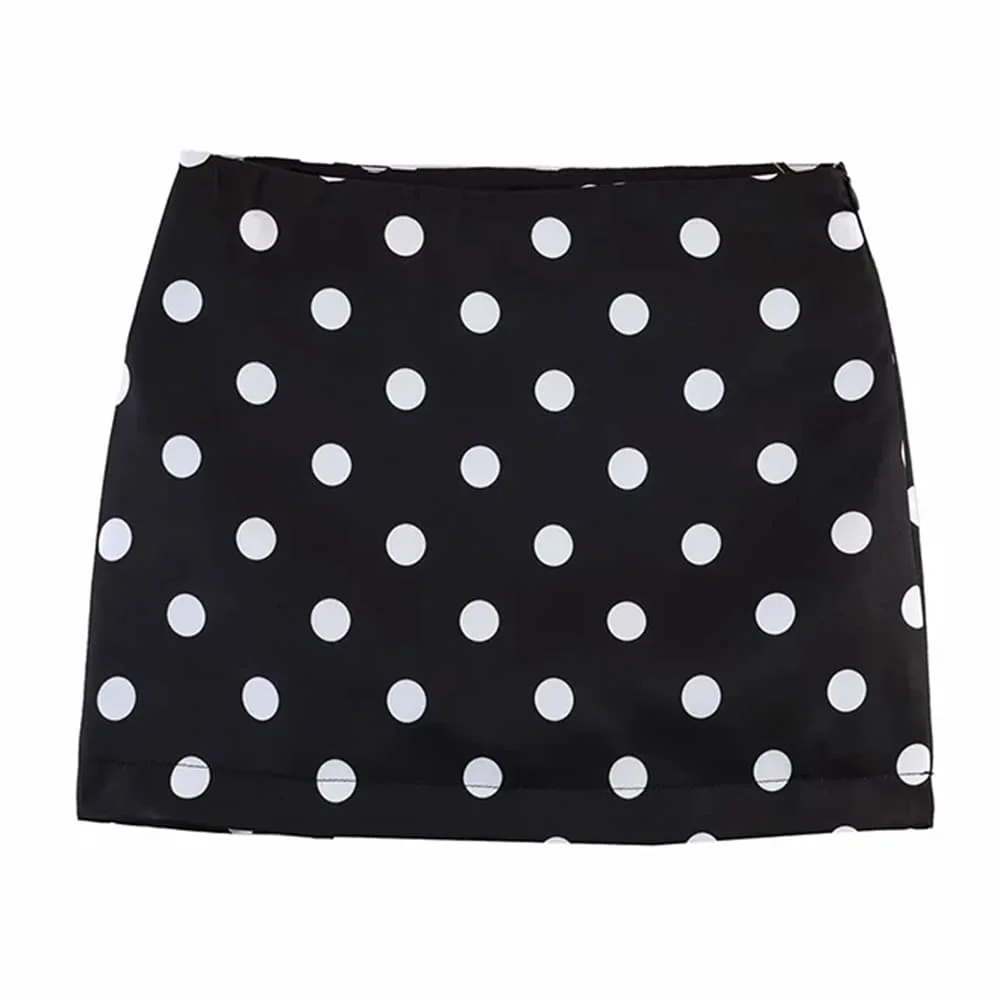
For a preppy, active weekend outfit, pair an ivory or navy cardigan with the French Girl Polka Dot Skort, which is made from lightweight polyester and comes in Black and Brown options across sizes S to L. The subtle micro-print grounds the solid knit, while the built-in shorts underneath give you comfort and ease of movement during full days on your feet.
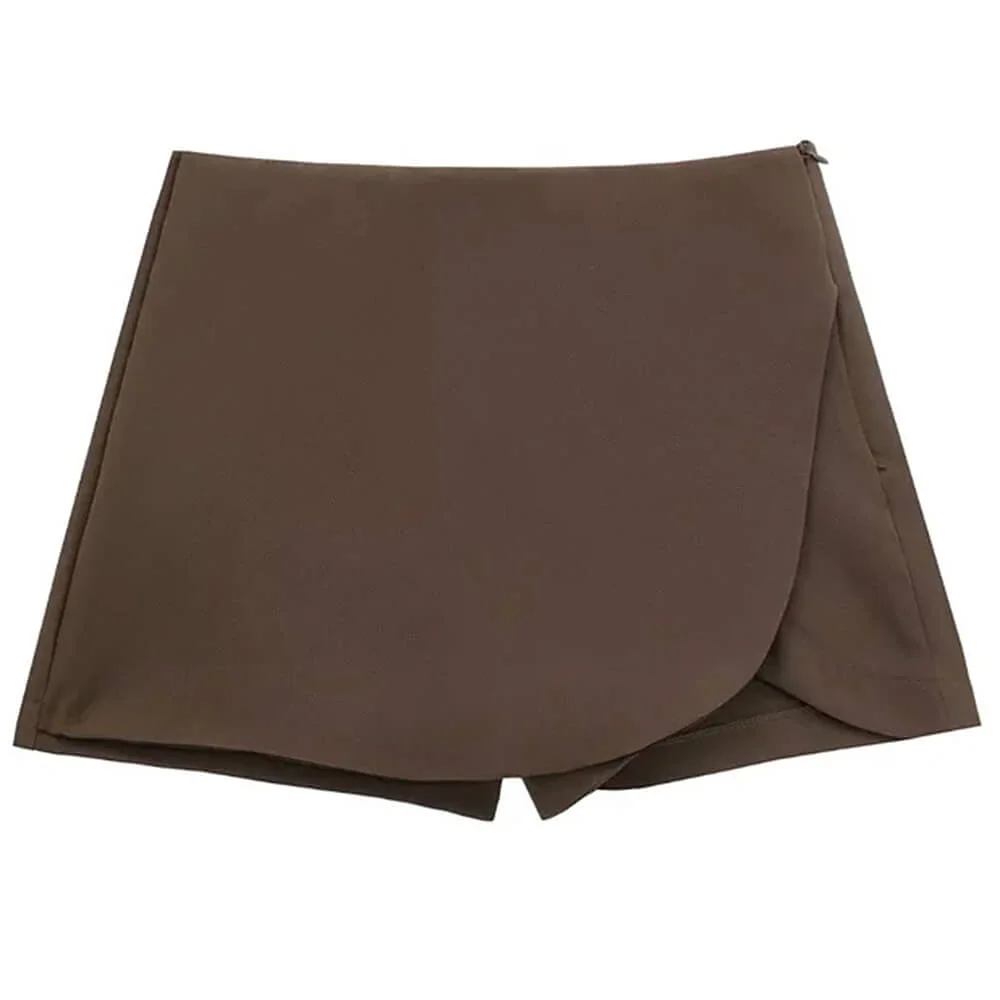
Another strong pairing is the Old Money Asymmetric Mini Skort, crafted from polyester and available in Brown, Black, Pink, and White across sizes S to XL. Its clean geometric front wrap contrasts beautifully against the soft, looped texture of a fine cardigan. Fasten the cardigan at the waist and let the open bottom buttons fan over the asymmetric front waistband to highlight the tailoring.
- Match shorter hemlines with cardigans that end at the natural waist or high hip.
- Balance soft knit textures with crisp woven skorts that hold their structural shape.
- Leave lower cardigan buttons open to frame high-rise waistbands cleanly.
Slip Dresses and Satin Layers Under Knits
LayeringWearing pieces over or under one another to add depth, warmth or contrast. a knit over a fluid satin base creates a sophisticated contrast between matte wool or cotton textures and glossy woven surfaces. This pairing is ideal for transitional evenings when you want the ease of a dress without feeling underdressed or cold. The key is ensuring the cardigan does not compress the fluid drape of the dress underneath.
A long, fluid slip dress works best with an unbuttoned cardigan worn open, or a shorter cardigan loosely fastened by only one central button. If you prefer separates, you can pair a fine-gauge knit with the Old Money Satin Mini Skirt. Made from smooth polyester and offered in White, Black, Brown, and Green in sizes S through XL, this skirt provides the high-shine surface needed to cut through heavier knitwear.
For warm-weather gatherings, you can also layer an open knit cardigan over the Old Money Yacht Club Dress, a crisp white polyester dress offered in sizes S, M, and L. Draping a navy, beige, or forest green cardigan over your shoulders on top of this dress adds tonal dimension and gives you an extra layer when sea breezes pick up in the late afternoon.
- Contrast matte knit yarns against lustrous satin or smooth woven fabrics.
- Fasten only a single center button over fluid dresses to let the skirt move naturally.
- Choose neutral dress bases to let contrasting knitwear tones take center stage.


Cardigans as Standalone Tops: Buttoned-Up Styling
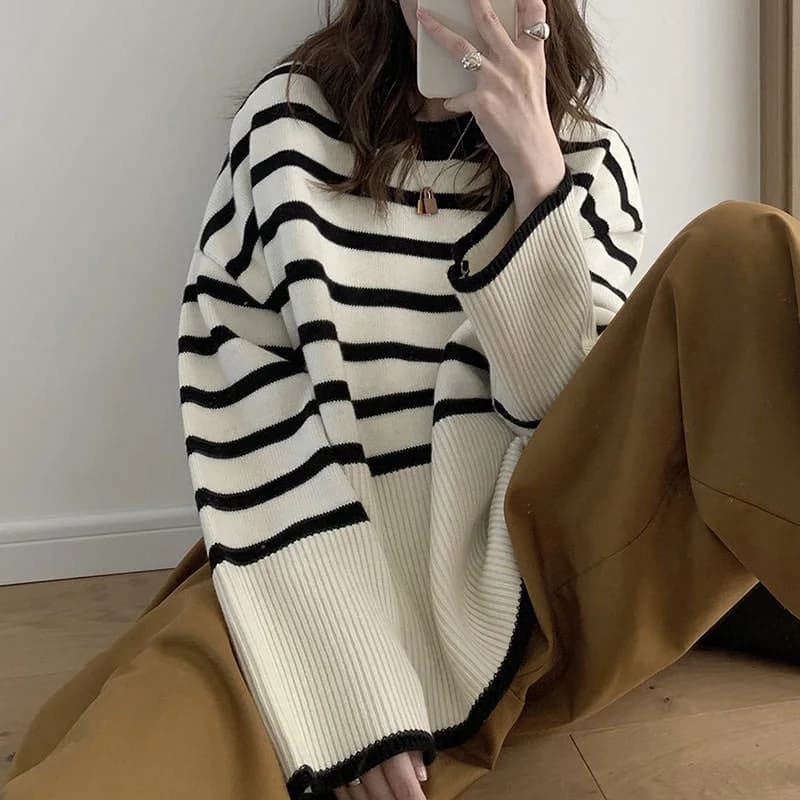
Wearing a cardigan directly against your skin as a top is a contemporary way to style traditional knitwear. This approach eliminates internal layeringWearing pieces over or under one another to add depth, warmth or contrast. bulk, creating an uncluttered neckline and a streamlined silhouetteThe overall shape an outfit creates, from fitted to loose and layered. that tucks smoothly into high-waisted trousers. However, because the cardigan serves as your sole garment, fit and opacity require careful attention.
Select a cardigan with closer button spacing to prevent gapping across the chest. If the buttons are set far apart, the knit will pull open whenever you bend forward or sit down. Ensure the armholes fit comfortably close without cutting in, and choose smooth, seamless lingerie that sits invisibly beneath the knit fabric. A ribbed knit often works best here, as the natural stretch adapts to your body while retaining its shape.
Tuck the cardigan fully into wide-leg linen or wool trousers, finishing the waist with a slim leather belt with a polished brass or silver buckle. Alternatively, do a partial 'French tuck' at the center front if your cardigan has a thicker hem band. This brings clean structure to your waist without adding fabric bulk around your hips and lower back.
Sporty Layering: Rugby Collars and Knit Textures
Heritage style frequently borrows elements from collegiate athletics, rowing clubs, and tennis courts. Blending structured athletic collars with traditional knit pieces creates a relaxed, weekend-ready aesthetic that feels grounded and practical. The balance lies in pairing casual cotton jersey collars with classic knitwear colors like cream, deep navy, racing green, and rich burgundy.
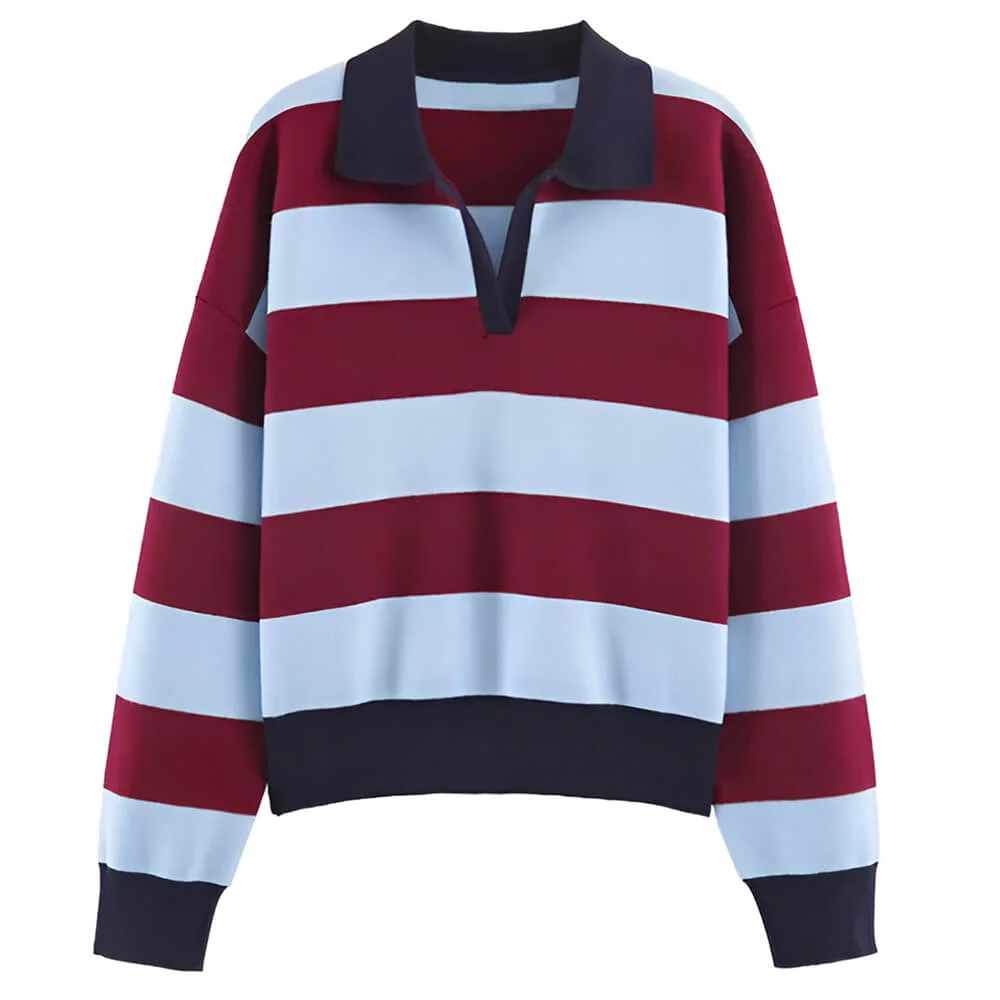
If you enjoy the collegiate look, consider how knitwear layers alongside pieces like the Campus Striped Rugby Collar Sweatshirt. Made from polyester and available in sizes S to L, it comes in varied multi-color combinations like Blue/burgundy, Yellow/grey, Pink/brown, Red/brown, Brown/blue, Pink/red, Blue/green, and Red/blue. While too thick to wear underneath a fitted cardigan, this rugby-style pullover serves as an excellent reference point for sporty collar layeringWearing pieces over or under one another to add depth, warmth or contrast..
You can achieve a similar preppy balance by wearing a knit cardigan tied over your shoulders above a rugby-collared piece, or by exploring our broader assortment of Old Money Sweaters to mix and match varied collar weights, polo plackets, and textured knits according to the weather.
- Incorporate polo or rugby collars beneath open knits for an athletic collegiate touch.
- Keep color paletteA small group of colors you repeat to make an outfit feel connected.s anchored in heritage tones like navy, bottle green, and cream.
- Drape lightweight cardigans over collar-heavy sweatshirts when heading out for casual weekends.
Elevating Outfits with Tailored Outerwear Layers
Cardigans can act as mid-layers underneath tailored outer garments just as effectively as they serve as outer layers themselves. During cooler transitional months, wearing a fine cardigan between a basic shirt and a structured jacket provides warmth without the stiffness of a heavy winter coat. The main guideline is ensuring sleeve diameters align comfortably without bunching fabric inside the armholes.
For a sharp, polished outfit, layer a fine crewneck cardigan beneath structured jackets like the Old Money Style Tweed Jacket. Crafted from a structured blend of cotton and polyester in a rich Red colorway across sizes XS to L, this jacket brings architectural shoulders and tactile richness that frame softer knits beneath it effortlessly.
When layeringWearing pieces over or under one another to add depth, warmth or contrast. a cardigan under a tailored jacket, keep the cardigan buttoned flat and ensure its hem does not extend noticeably past the jacket hemline. The jacket should remain the dominant silhouetteThe overall shape an outfit creates, from fitted to loose and layered., while the cardigan acts as a subtle framing device around your collar and chest. This creates depth and visual interest through contrasting textiles.
- Wear fine-gauge knits under structured jackets to avoid restrictive sleeve bulk.
- Ensure the cardigan hem sits flush with or higher than your jacket's bottom edge.
- Mix tactile fabrics like tweed, woven cotton, and fine wool for multidimensional layeringWearing pieces over or under one another to add depth, warmth or contrast..
Transitioning from Warm Afternoons to Cool Evenings
Managing outfits across fluctuating temperatures requires adaptable pieces that can be put on, taken off, or adjusted without compromising your silhouetteThe overall shape an outfit creates, from fitted to loose and layered.. A quality cardigan is the most functional layer for this scenario because it can shift between being worn, draped, or carried in seconds. Planning your base layer carefully ensures you look composed even when the knit comes off entirely.
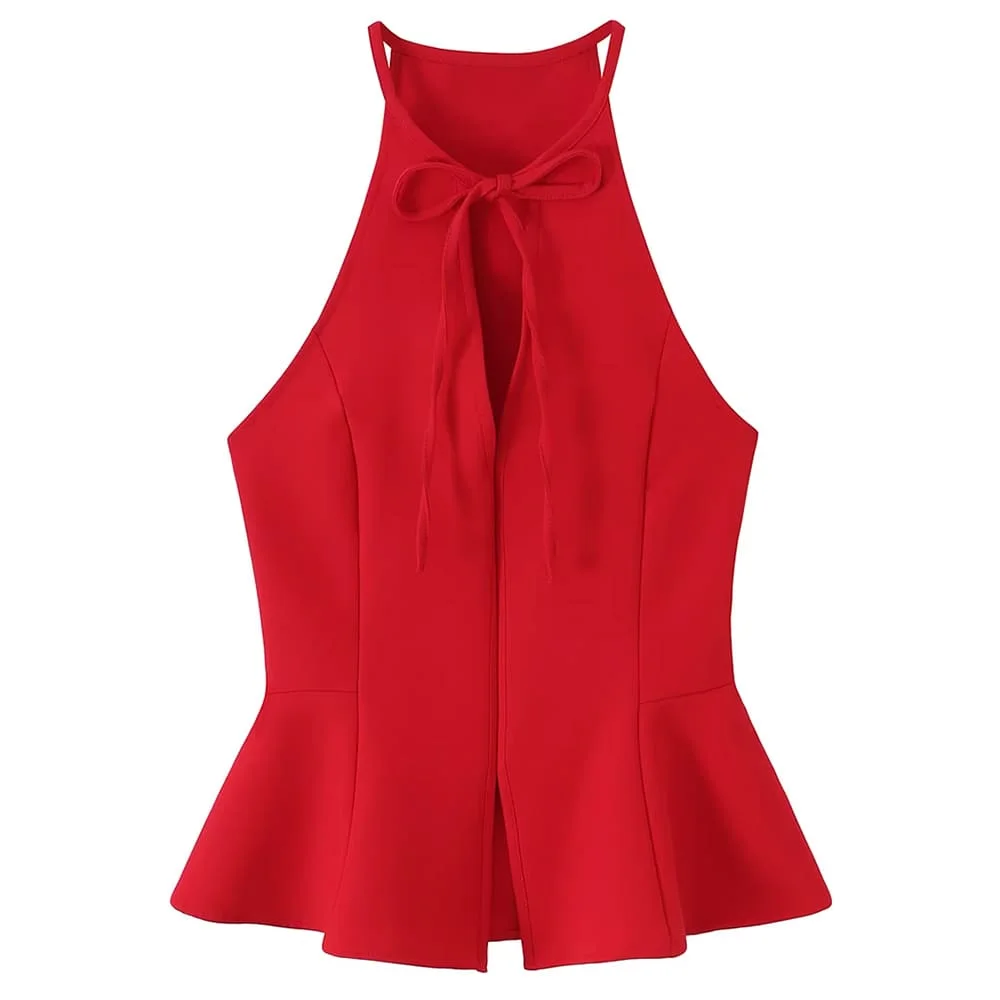
For warm afternoons, start with a sleeveless or halter base such as the Old Money Satin Halter Top. Made from polyester and offered in Green, Black, Pink, Brown, White, and Yellow across sizes XS through L, this top keeps you cool during peak daylight hours. Keep your cardigan loosely draped over your shoulders while walking outdoors in the sun.
As the sun sets and the temperature drops, slip the cardigan on, fastening the middle two buttons to secure warmth around your core while letting the halter neckline peek through the cardigan's open collar. Having that quick, elegant transformation lets you navigate shifting climates smoothly whether you are traveling, dining outdoors, or spending the day by the water.
- Choose supportive, stylish base tops so your outfit looks intentional without the knit.
- Drape knits over your shoulders during hot midday hours to stay hands-free.
- Button the cardigan through the midsection when temperatures drop to seal in warmth.
Dressing Down with Denim and Casual Footwear
While heritage styling is naturally rooted in formal tailoring, pairing an old money cardigan with casual denim is one of the most practical everyday looks you can wear. The contrast between traditional knit details—like horn buttons, cable patterns, or contrast trim—and lived-in denim prevents your outfit from feeling overly stiff or staged.
Choose high-rise jeans with a straight or wide-leg cut in a uniform wash, such as classic indigo, ecru, or mid-blue. Avoid heavy distressing, raw hems, or dramatic acid washes, as these details clash with the refined nature of classic knitwear. Button your cardigan through the center and tuck the front hem slightly into your waistband, securing it with a minimal leather belt.
Finish the combination with timeless, low-profile footwear. Leather penny loafers, clean white leather tennis sneakers, or simple ballet flats keep the mood relaxed yet put-together. If your cardigan has an open V-neck, wear a plain white cotton crewneck t-shirt underneath for an effortless weekend feel that looks intentional without trying too hard.
- Stick to clean, non-distressed denim in straight-leg or wide-leg silhouetteThe overall shape an outfit creates, from fitted to loose and layered.s.
- Add a simple leather belt to anchor the boundary between the knit and your jeans.
- Choose understated footwear like penny loafers, clean tennis shoes, or ballet flats.
Cardigans Paired with Tailored Dresses
LayeringWearing pieces over or under one another to add depth, warmth or contrast. knitwear over dresses requires careful attention to waist placement and silhouetteThe overall shape an outfit creates, from fitted to loose and layered. flow. If you wear an unstructured, mid-length cardigan over a dress with an already voluminous skirt, you risk hiding the waistline completely. The goal is to either emphasize the dress's natural tailoring or provide a clean, intentional contrast.
When styling knits alongside dresses in our Old Money Dresses line, consider where the waist seam sits. Fit-and-flare or A-line dresses work best with cropped cardigans that end exactly at the seam, or with an open, shoulder-draped knit that leaves the front profile of the dress completely visible as you move.
If you are wearing a dress with a column or sheath silhouetteThe overall shape an outfit creates, from fitted to loose and layered., you can comfortably experiment with longer, straight-cut cardigans. Leaving the cardigan entirely unfastened creates two strong vertical lines down your body, which elongates your frame while adding warmth and subtle movement to an otherwise structured outfit.
- Align cropped cardigan hems directly with the waist seams of flared dresses.
- Use shoulder-drapes over dresses to preserve their front silhouetteThe overall shape an outfit creates, from fitted to loose and layered. and shape.
- Pair column dresses with long, open cardigans to create flattering vertical lines.
Common Styling Mistakes to Avoid
Even high-quality knitwear can look disheveled if small styling errors creep into your outfit. One of the most frequent missteps is ignoring fabric care. Pilling under the arms and along the flanks quickly ruins the crisp, clean finish that heritage dressing demands. Keep a fabric comb or gentle depiller on hand and maintain your knits regularly between wears.
Another common pitfall is improper hanging. Hanging heavy knits on thin wire hangers stretches out the shoulder seams, leaving unsightly 'hanger bumps' that distort the garment's natural drape. Always fold your cardigans neatly in a drawer or shelf, or use wide, padded knitwear folds if you must store them in a wardrobe closet.
Finally, watch out for visual clutter around your neckline. If your cardigan has bold buttons, an intricate cable pattern, or contrast ribbing, keep your inner layers and jewelry understated. Pairing a busy patterned top, large statement necklace, and a heavily textured cardigan all at once creates conflicting focal points that detract from the clean, quiet elegance of classic styling.
- Never hang heavy knits on thin hangers; fold them flat to maintain shoulder structure.
- Regularly depill high-friction areas to keep the knit looking fresh and well-kept.
- Avoid combining heavy neckline jewelry with bold knit collars or patterned shirts.
The Quick Cardigan Styling Checklist
Before stepping out the door in an old money cardigan outfit, run through a quick visual checklist to make sure your proportions, layers, and fastenings are working together seamlessly. Taking ten seconds to adjust a collar or release a button can elevate your entire appearance from ordinary to impeccably styled.
Start at your neckline: if you are layeringWearing pieces over or under one another to add depth, warmth or contrast. over a shirt, ensure the collar points are smooth and centered. Move down to your buttons: confirm that your bottom button is left completely unfastened, allowing the knit hem to sit smoothly over your trousers, skort, or skirt without pulling. Check your cuffs to make sure sleeve layers sit comfortably at your wrists without bunching.
Finally, examine your side and back profile in a full-length mirror. Your cardigan should skim your body cleanly rather than pulling across your shoulder blades or ballooning out around your lower back. When every element sits naturally and comfortably, your outfit communicates the relaxed confidence that sits at the very heart of classic heritage dressing.
- Neckline: Are inner collars neatly pressed and smoothly positioned?
- Buttons: Is the bottom button unfastened to form a clean inverted V hem?
- Cuffs: Are sleeves pushed up or layered cleanly without bunching at the wrist?
- Drape: Does the fabric skim smoothly across the back and hips without pulling?