Created by the Kawaii Vibe editorial team. Our named style desks are editorial personas. Product details and availability can change.
Styling an old money dress comes down to balance rather than piling on vintage signifiers. When your base dress features simple lines, understated seams, and restrained necklines, the supporting pieces do the heavy lifting. The secret is selecting outerwear that respects your natural waist, choosing shoes that balance hem length, and adding small accessories that carry deliberate visual weight.
Getting the look right means avoiding overcomplicated extras. A sleek shift dress or collared polo dress can easily look costume-like if you pair it with loud patterns or conflicting textures. By setting clear boundaries around color paletteA small group of colors you repeat to make an outfit feel connected.s, silhouetteThe overall shape an outfit creates, from fitted to loose and layered.s, and material contrasts, you can assemble outfits that feel effortless and neat across daytime plans, dinner dates, or transitional weather.
Whether you already have a favorite tennis-inspired piece or you are shopping through refined silhouetteThe overall shape an outfit creates, from fitted to loose and layered.s, this guide breaks down the mechanics of proportion, shoe height, outerwear cuts, and jewelry choices. We will walk step by step through practical styling formulas so you can build cohesive looks without overthinking.
Understanding the Base Silhouette and Hemline Proportions
Every outfit starts with the cut of your dress. Classic aesthetics lean on tailored sheath cuts, breezy A-line skirts, pleated tennis-style hemlines, and crisp shirt dresses. To layer effectively, look closely at where the skirt finishes on your leg and where the waist seam rests. A mini dress creates room for longer coats or structured cropped tops, while midi lengths call for outerwear that either hits squarely above the hip or drops past the dress hem entirely.
When you browse through Old Money Dresses, consider how the fabric drape changes your layeringWearing pieces over or under one another to add depth, warmth or contrast. strategy. Light polyester weaves hang cleanly against smooth slip linings, making them great candidates for fitted cardigans. On the other hand, stiffer cotton-blend fabrics hold their own structure, which prevents structured blazers from crushing or warping the garment underneath. Pay attention to bust darts and neckline shapes before picking your first external layer.
- Mini hemlines pair cleanly with cropped jackets or floor-sweeping longline dusters.
- Midi lengths require defined waist emphasis to prevent your torso from looking compressed.
- Straight-cut shift dresses need open-front layers to maintain vertical, lengthening lines.
Layering Outerwear Over Collared and Halter Silhouettes
Collared dresses present a unique styling puzzle because their built-in lapels can clash with heavy outerwear collars. If your dress features a polo neck or folded collar, look for outerwear with collarless construction, deep V-neck openings, or smooth lapels that sit flat against your chest. Crewneck sweaters thrown over the shoulders work particularly well here because they frame the collar without crowding it.
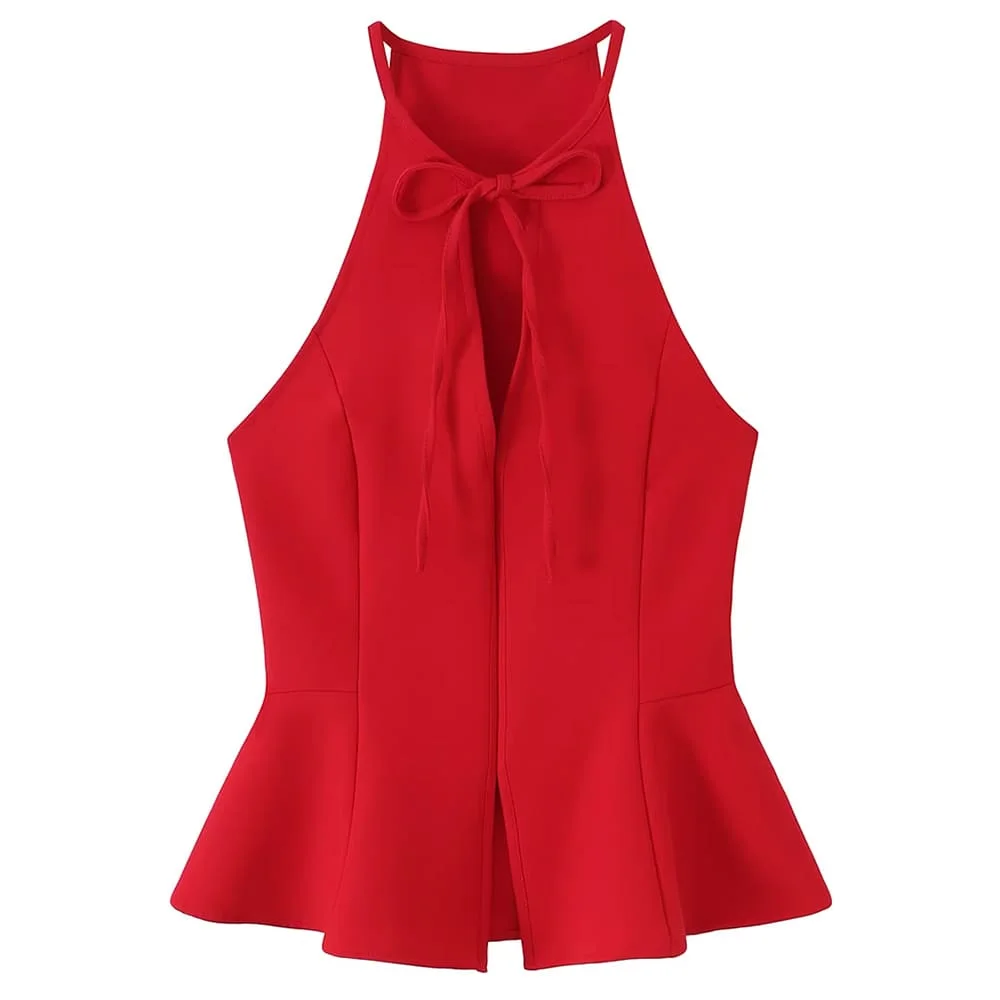
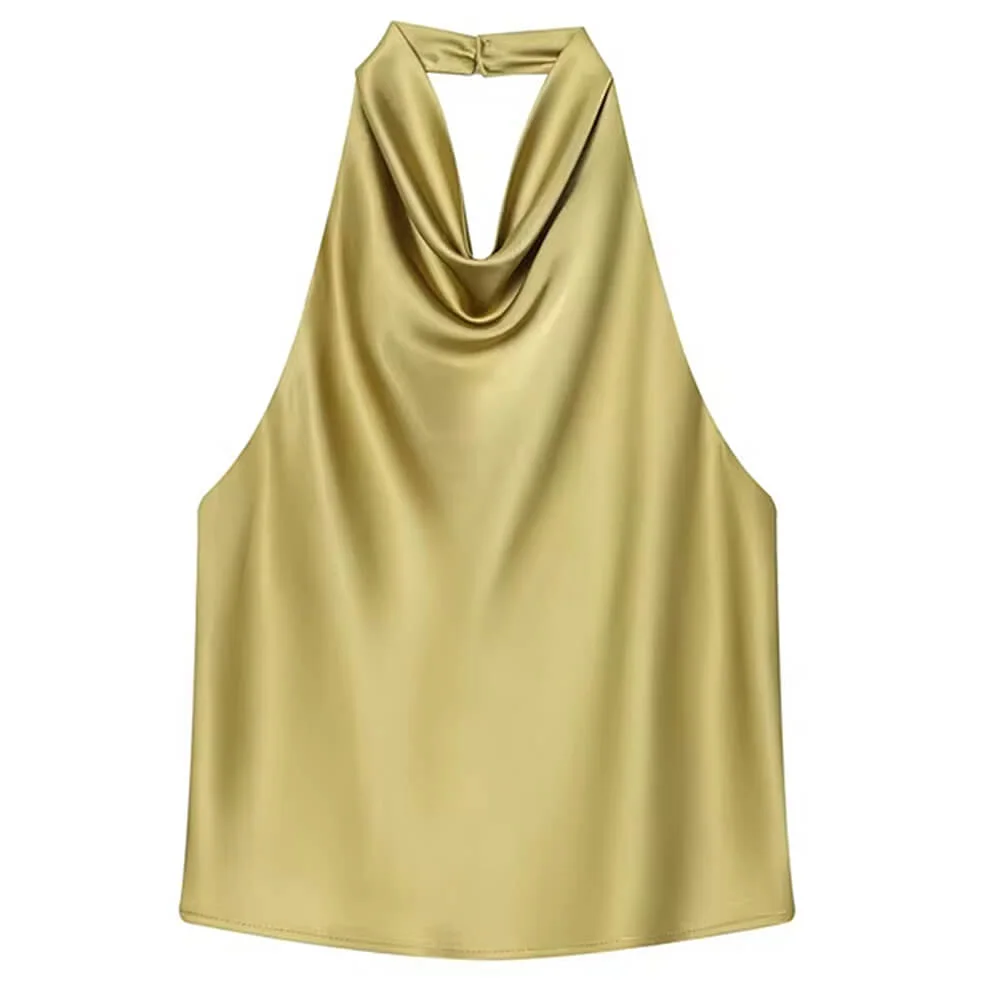
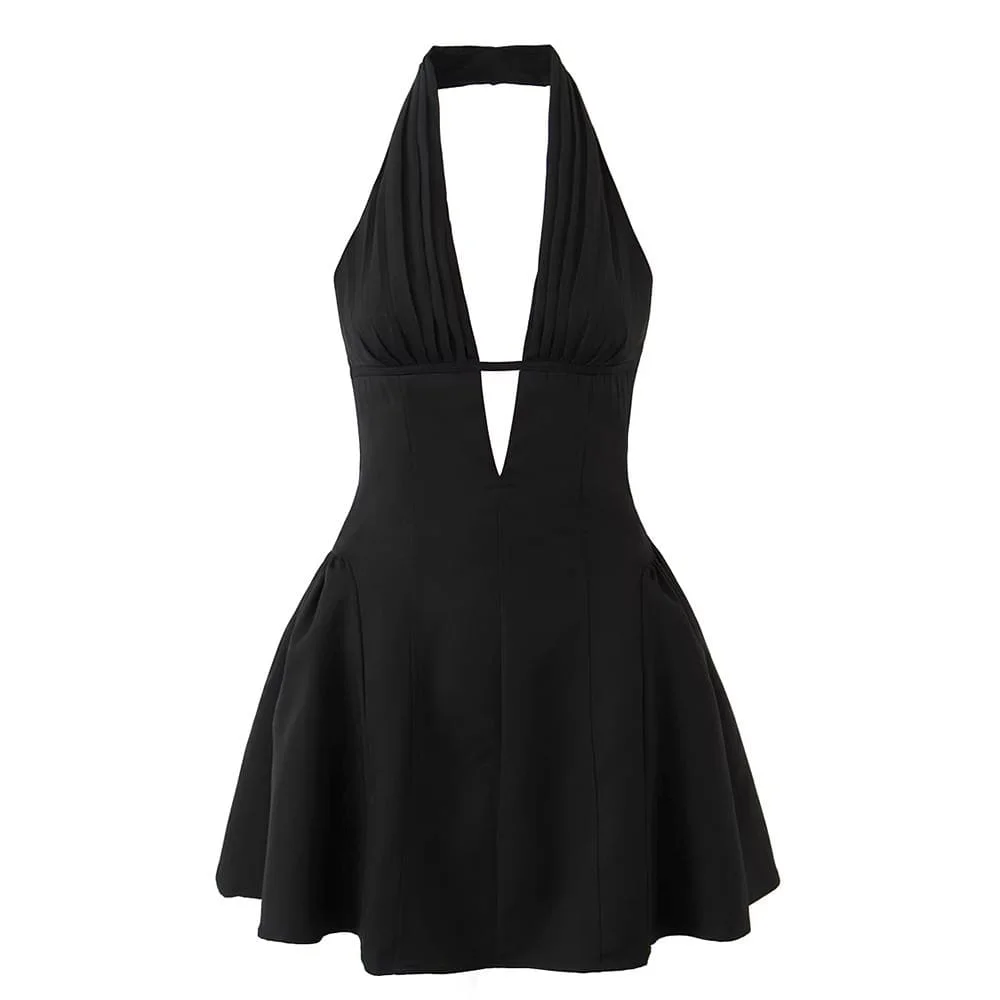
Dresses with halter or open necklines need a completely different approach. For warm-weather evenings, an airy sleeveless cut like the Old Money Satin Halter Top, which comes in Green, Black, Pink, Brown, White, and Yellow, shows how polyester satin handles low-profile straps under light wraps. When layeringWearing pieces over or under one another to add depth, warmth or contrast. over halter dresses, drape a fine-knit cardigan over your shoulders and loosely tie the sleeves at your collarbone to protect your neck from breezy drafts while keeping the silhouetteThe overall shape an outfit creates, from fitted to loose and layered. uncluttered.
Balancing Texture With Structured Tweed and Woven Jackets
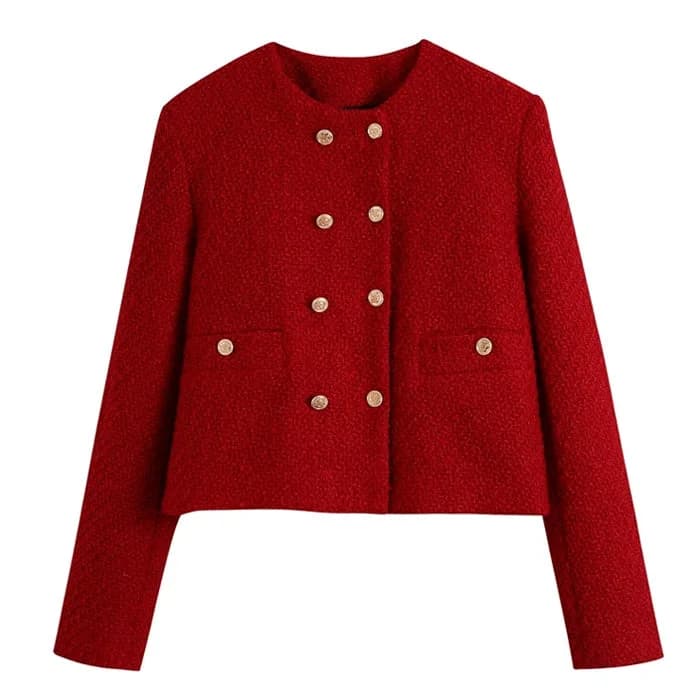
Contrast between smooth fabric and tactile outerwear brings depth to clean monochromatic outfits. If your dress is made from matte polyester or soft cotton jersey, a substantial woven topper instantly changes the mood. The Old Money Style Tweed Jacket offers a distinctive example in a Red Cotton and Polyester blend with neat front tailoring, available in sizes XS through L. Its structured shoulders frame simple dresses beautifully without needing extra padding or stiff tailoring underneath.
When wearing a vibrant or textured jacket, keep the dress beneath quiet. A stark white, ecru, or midnight navy dress anchors bright outerwear so the overall ensemble remains disciplined. Make sure your jacket sleeves end right at the wrist bone; this leaves space to showcase a delicate watch face or thin chain bracelet, which creates a polished finish around your hands.
- Pair rougher tweed textures with ultra-smooth dress fabrics to avoid visual competition.
- Keep inner layer necklines simple when your jacket features prominent lapels or metallic buttons.
- Leave structured boxy jackets unbuttoned over fitted dresses to create flattering vertical sightlines.
Shoe Formulas: Loafers, Mary Janes, and Low-Profile Flats
Footwear choices directly influence whether your outfit leans casual, sporty, or dressy. Penny loafers, horsebit moccasins, and almond-toe ballet flats are steady staples that ground shorter hemlines. When styling a mini dress, a structured leather loafer introduces architectural weight that prevents the short skirt from looking too informal. Adding an ultra-thin ankle sock in ecru or sheer cream softens the transition between shoe leather and bare skin.
Mary Janes with low block heels or flat soles offer an alternative that feels playful yet classic. They work particularly well with A-line mini cuts because the horizontal strap provides balance across the top of the foot. Avoid heavy lug soles or exaggerated platforms when styling these dresses; streamlined, low-profile leather outsoles keep the focus squarely on the clean lines of your dress.
- Penny loafers in oxblood, chestnut, or black ground lightweight mini dresses.
- Almond-toe flats elongate the leg line without adding height or foot fatigue.
- Delicate socks in ribbed cotton or sheer mesh add a purposeful styling detail around ankles.
Heels, Slingbacks, and Tall Boots for Transitional Weather
When temperatures drop or evening plans demand more polish, swap your everyday flats for pointed slingbacks or sleek knee-high riding boots. Slingbacks with modest kitten heels add sharp lines to below-the-knee hems without competing with the skirt volume. A pointed toe peeking out from under a pleated or A-line skirt creates a long, unbroken visual line that flatters every height.
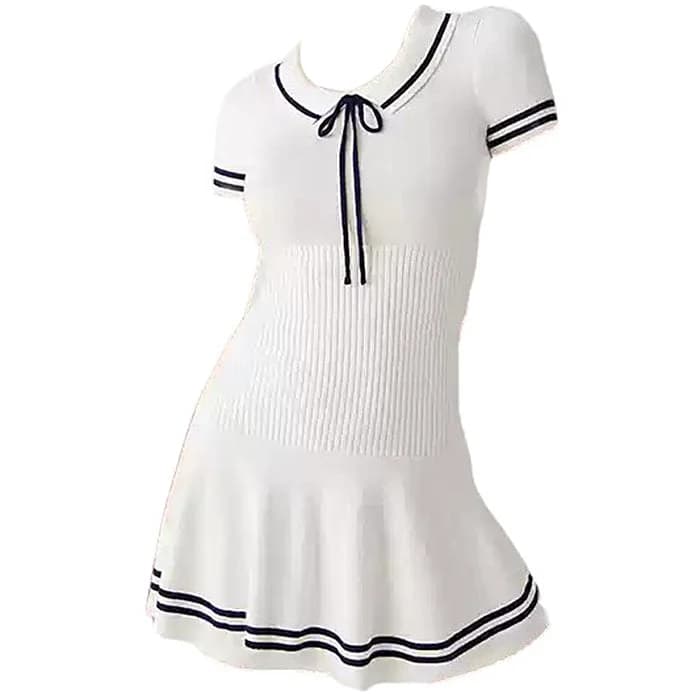
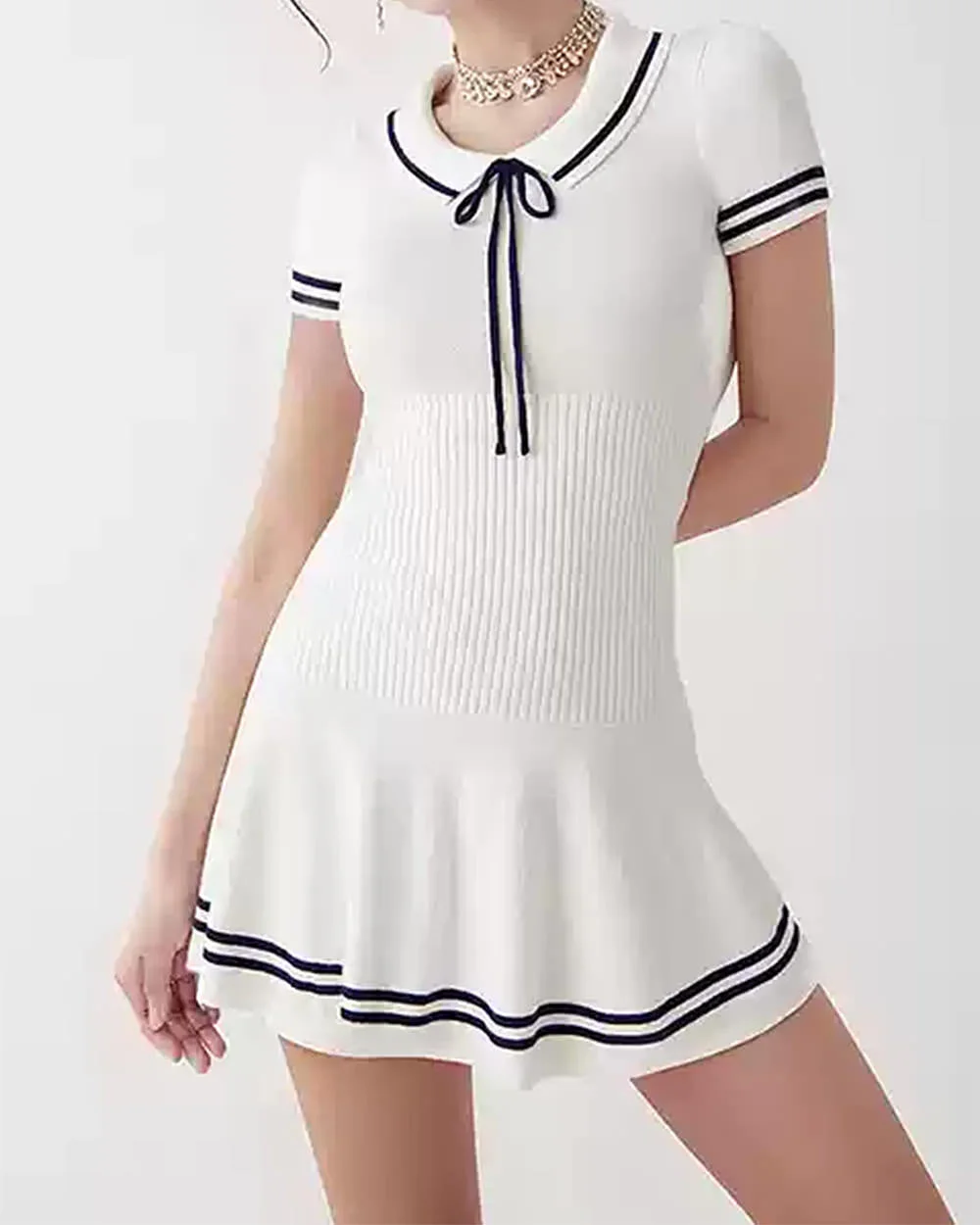
For cooler days, tall leather or suede boots are an ideal match for short hemlines. A tailored dress like the Old Money Yacht Club Dress, offered in crisp White polyester across sizes S, M, and L, pairs naturally with smooth dark boots and a belted wool-blend trench. The space between the bottom hem of the dress and the top of the boot shaft creates an intentional gap that feels grounded and organized against autumn or early spring chills.

Jewelry Curation: Metals, Pearls, and Minimalist Accents
Accessories in this aesthetic rely on quiet presence rather than bold, oversized focal points. A single strand of uniform freshwater pearls, delicate hoop earrings in warm gold tones, or simple diamond-simulant studs are sufficient for almost any neckline. When wearing dresses with high boat necks or polo collars, bypass necklaces entirely and shift visual attention to small drop earrings and a slender metallic watch band.
Wristwear choices anchor your look whenever you gesture or move. A leather-strap watch with a rectangular dial creates a clean, classic impression that round oversized digital watches simply cannot duplicate. If you prefer stacking jewelry, limit yourself to one thin bangle alongside your watch, and keep your rings down to simple signet bands or unadorned metallic loops across only one or two fingers.
- Match metal finishes across earrings, bag hardware, and watch casings for harmony.
- Omit necklaces on collared or ruched necklines to prevent visual clutter around the collarbones.
- Opt for leather watch straps in deep cognac, espresso, or black to match your shoe leather.
Handbag Shapes: Structured Totes, Top-Handles, and Frame Bags
A floppy, unconstructed bag can instantly dismantle the tailored look of an outfit. When carrying a dress with crisp seams, choose bags that maintain their own shape when set down on a table. Small top-handle satchels, structured mini totes, and leather frame bags keep your silhouetteThe overall shape an outfit creates, from fitted to loose and layered. disciplined. Look for firm side gussets and discreet hardware that doesn't distract from your outfit's color scheme.
Color coordination between your handbag and footwear does not need to be an exact duplicate, but their undertones should be aligned. For example, warm tan loafers pair comfortably with cream canvas bags featuring brown leather trim. If you carry a vibrant base dress, neutral bags in bone, taupe, or navy balance the field. For day-to-day utility, a medium-sized box tote carries daily essentials without sagging or pulling your shoulder line out of alignment.
Knitwear Draping: The Tied-Over-Shoulder Technique
Draping a sweater over your shoulders is one of the most practical styling tricks for unpredictable temperatures. The knit adds dimension across your back and shoulder seams while remaining ready to put on whenever room air conditioning drops or breezes pick up. To execute the drape cleanly, fold the collar of the sweater inward once, rest it across your shoulder blades, and gently cross the sleeves over your chest.
Choosing the right knit gauge is essential for this technique. Chunky cable knits can add too much bulk around your neck, making the drape look heavy or cumbersome. Instead, select fine-gauge merino or cashmere-blend crewnecks in cream, camel, or navy. If you are exploring broader wardrobe options across Old Money Clothes, having two or three lightweight crewnecks on rotation gives you dozens of layeringWearing pieces over or under one another to add depth, warmth or contrast. variations across different dresses.

Styling Separates as Dresses: Pleated Skirt and Top Formulas
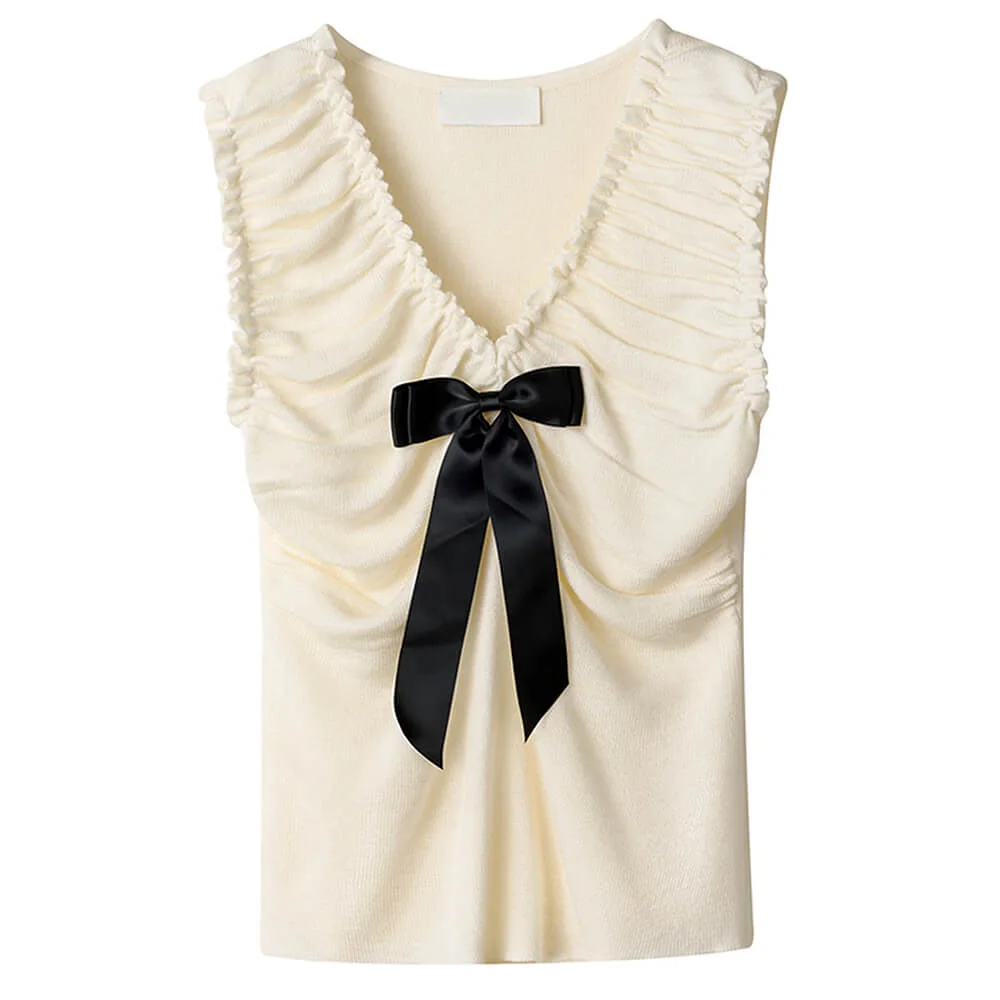
You can easily build the continuous silhouetteThe overall shape an outfit creates, from fitted to loose and layered. of a dress using coordinated separates. Pairing a monochrome blouse with a high-waisted pleated bottom creates the illusion of a one-piece garment while offering total flexibility for individual sizing. A piece like the Preppy Ruched Top with Satin Bow, cut from Beige polyester in a flexible Free Size, provides soft bodice detailing that tucks neatly into tailored bottoms.
Combining that fitted top with options from Old Money Pleated Skirts gives you the structured flare of a tailored tennis or day dress. For cooler days, the Preppy Style Plaid Pleated Midi Skirt, offered in Blue across sizes S through 4XL, extends that coordinated aesthetic into longer hemlines. By tucking your top firmly into the waistband, you establish a sharp waistline that mirrors the silhouetteThe overall shape an outfit creates, from fitted to loose and layered. of a classic belted midi dress without the fit restrictions of a single-piece garment.
Shorts, Skorts, and Active-Inspired Hemline Styling
Short, active-inspired hemlines require intentional layeringWearing pieces over or under one another to add depth, warmth or contrast. to keep them feeling poised rather than strictly athletic. When styling dresses cut with sporty hems, you can look to coordinated skirts for balance ideas. The Old Money Satin Mini Skirt, crafted in Polyester in White, Black, Brown, and Green, demonstrates how a sleek finish brings an elevated edge to short lengths.
Similarly, the Old Money Asymmetric Mini Skort, available in Brown, Black, Pink, and White, provides built-in mobility under a wrapped front panel. When working with skirts or short dresses of this length, temper the exposed leg line by wearing an oversized button-down shirt open over your shoulders, or a relaxed unbuttoned cardigan. The extra coverage across your arms and back balances the short hemline comfortably for daytime gatherings and outdoor lunches.
- Balance exposed legs with longer outerwear lengths or long sleeves up top.
- Opt for structured fabrics that hold their shape through sitting and walking.
- Add low tennis sneakers in all-white leather to maintain an energetic, preppy daytime look.
Traditional Pattern Mixing: Plaids, Kilts, and Solid Layers
Patterned dresses and skirt ensembles can fit seamlessly into an old money aesthetic when the scale of the pattern remains disciplined. Tartan, houndstooth, and micro-check patterns bring rich heritage associations, but they need solid, quiet layers to avoid sensory overload. If you love traditional weaves, examining options within Old Money Skirts provides great inspiration for balancing dark grounds with pale accents.
For instance, the Preppy Style Checkered Kilt Skirt comes in Blue and Green polyester across sizes S to 4XL, using flat pleats and buckled accents to establish heritage character. When your dress or lower half features a pattern like this, select outerwear and shoes pulled directly from the background shades of the plaid. Pulling deep forest greens or midnight blues for your knitwear creates an integrated, intentional outfit that never feels busy.
Hair Accessories, Headwear, and Silk Scarves
Finishing an outfit requires attention to how your hair and neckline interact. A small silk square scarf tied in a neat neck knot adds instant vintage polish to a plain collarless dress. You can also weave that same scarf around the handle of your leather handbag to introduce subtle color without committing to a patterned garment. Keep prints to classic equestrian, geometric, or nautical motifs with tidy rolled hems.
Hair accessories should also lean understated. Black velvet bows, tort-shell claw clips, and thin satin headbands keep your hair tidy while complementing the clean architecture of your dress. If you are dressing for bright sun, select an unadorned straw boater or a neutral baseball cap made from washed cotton twill with zero external branding. This keeps the look grounded and practical for outdoor strolls or court sidelines.
With a simple dress and tidy neckline, choose a small hair clip that echoes one color in a scarf without adding another print. Keep other accessories quiet, or use a single bolder earring as the focal point. A clean base with a deliberate accent also suits the more statement-led approach to finishing details in Onee Gyaru Clothes.
- Tie small silk scarves at the throat, around a ponytail, or along your bag handle.
- Choose hair accessories in matte tortoiseshell, black velvet, or smooth metal.
- Avoid oversized novelty clips or heavily sequined headbands that break visual harmony.
Comparing Dress Styling Across Hemlines and Materials
Making smart outfit decisions means evaluating your wardrobe pieces based on fabric weight, hemline drop, and garment structure. When shopping through curated collections like Old Money Tops, think about how various fabrics move together. Light chiffon or slippery polyester dress bases behave differently under wool jackets than heavier cotton twills, and understanding these material pairings helps you prevent bunching, static cling, and awkward draping.
Fabric Weight Alignment: Light slip dresses demand fluid layers like unlined trenches or fine-gauge knits. Dense tweed or heavy linen dresses require structured jackets that can match their thickness without buckling.
Hemline vs. Boot Shaft Height: When wearing tall boots with dresses, make sure the dress hem clears the boot top by at least two inches, or drops low enough to fully overlap the boot. Halting directly at the boot rim cuts your leg line awkwardly.
Color Temperature: Pair cool-toned dresses (navy, stark white, icy blue) with silver accents or black leather. Pair warm-toned dresses (cream, camel, olive) with yellow gold accents and rich cognac footwear.
Use this comparison framework to assess whether an outfit formula works before heading out the door:

Styling Pitfalls to Avoid and Quick Outfit Checklist
The most frequent mistake in styling classic dresses is over-thematizing. Wearing a collared dress, a crest-embroidered blazer, pearl necklaces, white gloves, and horsebit loafers all in one outfit crosses the line from tasteful styling into theatrical costume. The goal is to let one or two elements carry the heritage mood while the rest of the outfit remains quiet, clean, and functional.
Another common error is ignoring garment care and fit. Because these silhouetteThe overall shape an outfit creates, from fitted to loose and layered.s are simple, wrinkles, loose threads, and ill-fitting shoulders stand out immediately. Make sure your clothes fit comfortably across your chest and hips without pulling. Review this quick checklist before you step outside to ensure your look is balanced, comfortable, and sharp:
Does your outerwear length cleanly complement your dress hem without awkward gaps?
Are your shoe leather tones harmonious with your handbag or belt hardware?
Have you limited bold focal points to one key piece (such as a textured tweed jacket or pattern scarf)?
Are all fabrics steamed, lint-free, and moving freely without static cling?