
Created by the Kawaii Vibe editorial team. Our named style desks are editorial personas. Product details and availability can change.
Wearing a hooded sweatshirt within an understated, classic wardrobe can feel like a contradiction. Hoodies are inherently sporty, soft, and casual, while the traditional country club or heritage aesthetic leans heavily on crisp tailoring, clean edges, and pressed textiles. When you pair a slouchy top with baggy bottoms, the outfit quickly loses its shape and leans toward loungewear rather than deliberate styling.
The secret to styling an old money hoodie lies entirely in structural contrast. By managing where your hem rests, sharpening the shoulders with outer layers, and keeping your bottoms clean and neat, you create an ensemble that feels relaxed without looking sloppy. You are using the hoodie as an intentional mid-layer or a soft casual staple, anchored by pieces that introduce tension and refinement.
Whether you want to wear a simple fleece pullover on an off-duty weekend or tuck it underneath structured outerwear for a brisk morning walk, understanding balance and silhouetteThe overall shape an outfit creates, from fitted to loose and layered. is key. Here is how to navigate proportions, layers, and garment pairings so your everyday fleece looks put-together and clean.
The Baseline Silhouette: Ratios and Volume Control
Achieving a poised look with casual fleece starts by understanding volume. A hooded top automatically adds mass around the neck, chest, and upper torso. If you match that upper volume with completely unstructured bottoms, like standard sweatpants or wide, pooling jersey trousers, your body line reads as a continuous block of relaxed fabric. To avoid this, apply the rule of opposing proportions: pair relaxed volume on top with clean, linear shapes below, or vice versa.
When deciding on your garment cut, inspect the collection of Old Money Hoodies to see how hem length impacts your waistline. A hoodie that falls just past the hip bones creates a longer torso line, requiring a straighter leg or a structured A-line skirt to establish a clear focal point. Conversely, a sweatshirt with a slightly banded waist allows you to fold the ribbing upward, resetting your visual waistline and making your legs look longer.
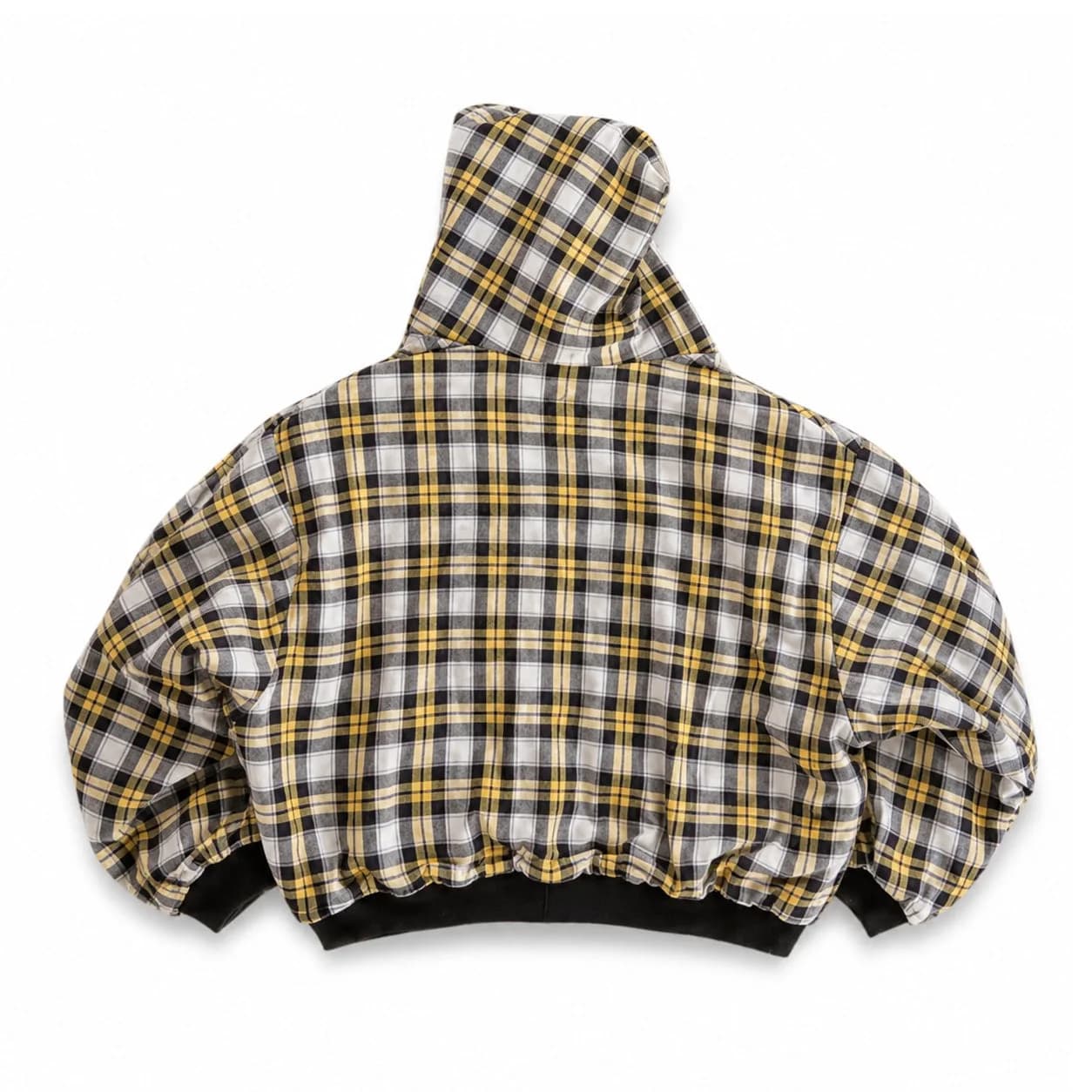
Controlling volume also means watching the hood itself. A double-layered hood with decent stand frames the jawline cleanly, whereas a limp, thin hood collapses flat across your back. If the hood sits upright, it mimics the collar of a jacket, giving your shoulders an athletic, upright frame rather than a slumping profile.
- Keep one half of your outfit fitted or tailored whenever the other half is soft and oversized.
- Adjust the bottom ribbed waistband so it rests neatly against your natural hip or waistline rather than stretching down over your glutes.
- Ensure shoulder seams do not drop past the mid-bicep unless you are purposefully balancing it with slim, pressed trousers.
Layering Under Tailored Outerwear
One of the most effective ways to sharpen a fleece top is by sandwiching it beneath structured tailoring. While throwing on a soft cardigan creates a cozy lounge effect, layeringWearing pieces over or under one another to add depth, warmth or contrast. a neat overcoat or jacket over your hoodie instantly introduces architectural lines. The contrasting lapels frame the central zipper or chest, breaking up the horizontal mass of the sweatshirt and drawing the eye vertically.
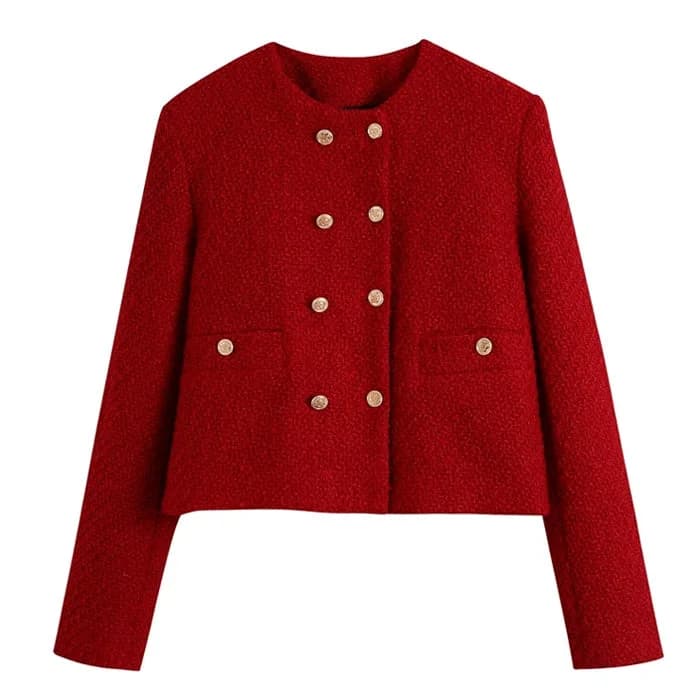
Structured coats, trench coats, and sharp blazers work well because their shoulder pads and canvassed chests tame the soft drape of the fleece. For an outfit with strong vintage collegiate energy, consider pairing a classic navy or heather grey pullover with the Old Money Style Tweed Jacket. Made of cotton and polyester in a striking red tone, this jacket provides rigid visual boundaries that keep the fleece from expanding outward.
When layeringWearing pieces over or under one another to add depth, warmth or contrast. beneath structured outerwear, pay close attention to armhole clearance and sleeve length. Your coat must have enough room in the upper arm to accommodate thick fleece without binding, and the hoodie cuffs should either sit flush at the wrist or extend just a quarter-inch past the jacket cuff for a neat, intentional finish.
To make the coat-and-hoodie contrast feel more intentional, keep the hoodie simple and let a shaped base layer define the opening beneath the lapels. A clean neckline and a slim belt can sharpen the relaxed fleece without changing its casual character. For a different approach centered on polished layers and expressive finishing details, see Onee Gyaru Clothes.
Balancing Hems with Pleated and Kilt Skirts
Pairing an athletic hoodie with a pleated skirt creates a timeless, heritage tennis or prep school aesthetic. However, the exact hemline of both garments determines whether the outfit looks intentional or messy. If a long, baggy hoodie covers the top half of your skirt pleats, it flattens the movement of the skirt and produces an awkward, bulky middle third.
To make this combination work, choose skirts with built-in structure. The Preppy Style Checkered Kilt Skirt, crafted in polyester and available in blue and green, provides rigid, crisp pleating that holds its shape against the weight of a heavy top. Tuck the bottom ribbing of your hoodie up and under your bra band or an inner belt, allowing the waistband of the kilt to remain visible. This cleanly defines your waist while letting the checkered pleats fan out naturally.
Alternatively, longer skirts demand a more compact upper silhouetteThe overall shape an outfit creates, from fitted to loose and layered.. If you are wearing a piece like the Preppy Style Plaid Pleated Midi Skirt, which comes in a blue plaid pattern, keep your hoodie fitted and relatively short. A midi length already covers a significant portion of your lower body, so a cropped or tucked fleece balances the vertical ratio, preventing the fabric from overwhelming your frame.


Sharp Bottoms: Trousers, Chinos, and Creased Lines
Trousers are the quickest way to pull a hoodie out of gym territory. Swapping denim or sweatpants for tailored wool trousers, crisp cotton chinos, or pleated slacks shifts the overall impression of the outfit. The vertical press crease running down a trouser leg acts as an antidote to the rounded, horizontal folds of cotton fleece.
When pairing slacks with fleece, look for a mid-to-high rise. High-rise trousers let you fold the bottom hem of the hoodie right at the waistband, keeping your leg line clean and uninterrupted. If your trousers have belt loops, adding a sleek leather belt provides a subtle, polished detail when your hoodie hem moves as you walk.
For footwear, steer clear of technical running sneakers when wearing this combination. Instead, lean into classic penny loafers, minimalist leather court shoes, or neat Chelsea boots. The firm sole and clean leather trim anchor the trousers, balancing the softness of the sweatshirt on top.
- Select trousers with forward pleats or sharp front creases to introduce crisp vertical lines.
- Ensure trouser hems break cleanly at the shoe rather than stacking in loose folds around the ankles.
- Match the weight of your trousers to your fleece: choose heavier wool blends or dense twill so the bottom half does not feel too light.
Base Layering: Collars and Layered Necklines
A hoodie worn on its own has a very informal, casual neckline. By introducing a deliberate base layer underneath, you create depth and nod to traditional collegiate layeringWearing pieces over or under one another to add depth, warmth or contrast.. The simplest technique is popping a crisp woven collar out through the neck opening of the hoodie. A pressed button-down collar keeps the fleece opening structured and adds a touch of brightness near your face.
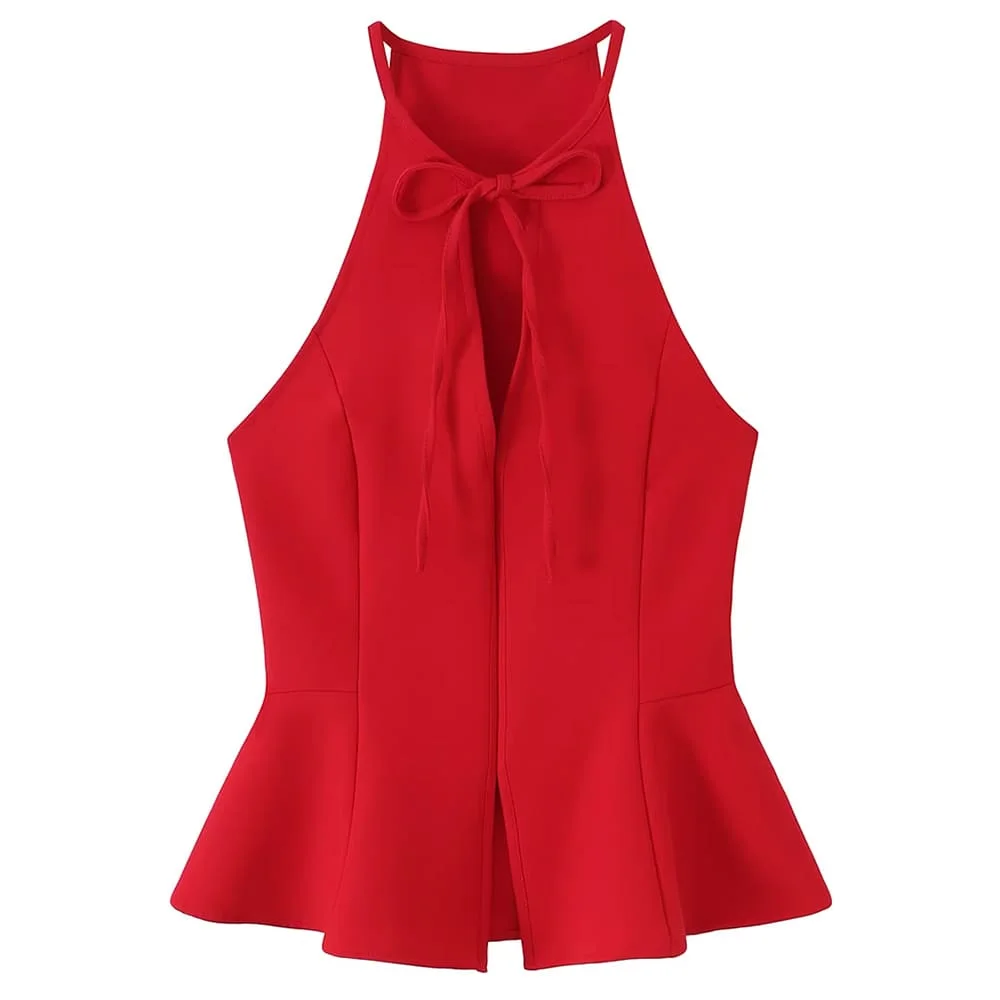
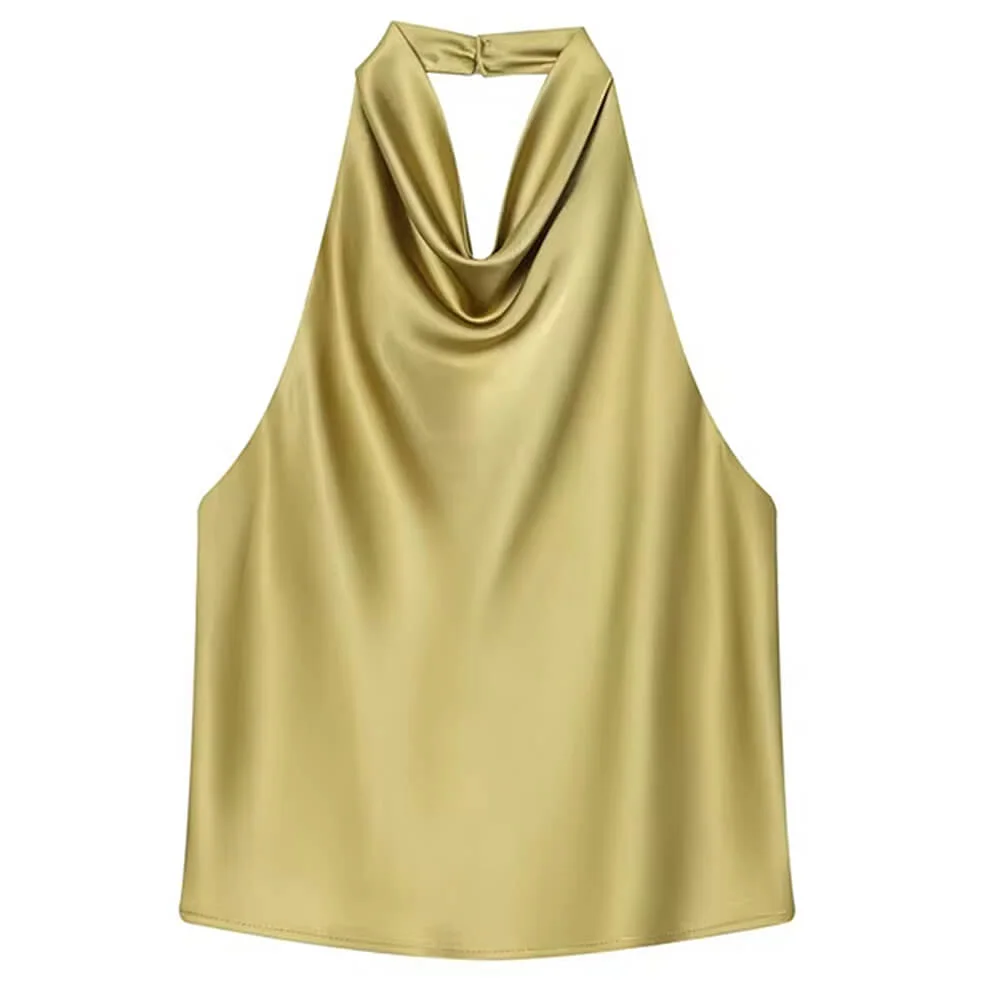
For warmer transitional weather or lighter indoor styling, you can also experiment with sleek, fitted tops beneath an unzipped hoodie. The Old Money Satin Halter Top, offered in polyester across green, black, pink, brown, white, and yellow options, brings a smooth, lustrous texture that contrasts sharply with fleece. Wearing a zip hoodie partially undone over a lustrous halter adds an unexpected high-low contrast that works especially well for casual evening plans.
If you prefer a more classic daytime approach, explore the broader range of Old Money Tops to find simple crewneck tees and collared options. Allowing half an inch of a bright white t-shirt collar to show along the hoodie neckline frames your face cleanly and makes the entire outfit look considered.
Shorts and Skorts: Navigating Transitional Proportions
Wearing a heavy, warm top with bare legs is a hallmark of casual transitional dressing, often seen on coastal weekend retreats and cool summer mornings. The key to nailing this proportion is avoiding an outfit that looks top-heavy. If your hoodie is oversized and your shorts are invisible, the outfit appears unfinished.
Using structured bottoms with practical details solves this issue immediately. The Old Money Asymmetric Mini Skort, made of polyester and available in brown, black, pink, and white, pairs cleanly with an oversized athletic top. The wrap front and tailored waistband give the look intentional geometry, while the built-in shorts underneath provide ease of movement and comfort during everyday wear.
Keep your footwear grounded when pairing fleece tops with minis or skorts. A pair of crew socks pushed slightly down, matched with neutral retro trainers or classic boat shoes, fills the visual space on your lower legs. This distributes visual weight evenly from the hood at your neck down to the ground.
Knitwear Versus Fleece: Deciding on the Right Layer
Before building an outfit, it helps to decide whether your day calls for fleece or knitwear. While both provide warmth and relaxed comfort, they send different style signals and interact with surrounding garments in distinct ways. Understanding when to use which piece allows you to curate your wardrobe more effectively.
Traditional sweaters offer a denser, flatter weave that naturally slides under narrow blazers and slim coats without adding bulk. Browsing Old Money Sweaters reveals classic cable knits, fine-gauge crewnecks, and ribbed wools that skew intrinsically dressy. Sweaters are ideal when you want your outfit to lean traditional, professional, or formal.
Hoodies, on the other hand, bring an energetic, sporty element that softens stiff tailoring. If a tweed jacket and trousers feel a bit too rigid for a casual coffee run, swapping a merino crewneck for a fleece hoodie adds modern ease. Use knitwear when you want understated neatness, and reach for hoodies when you want high-low contrast and cozy functionality.
- Choose knitwear for dinner reservations, business-casual environments, and slim-fitting outerwear.
- Opt for hoodies on travel days, weekend walks, and when you want to tone down sharp jackets.
- Consider fabric thickness: fine-gauge knits tuck neatly into skirts, whereas fleece hoodies require rolling or folding.
Satin and Fluid Bottoms for Texture Play
Pairing matte cotton fleece with fluid, high-sheen fabrics creates visual interest through contrasting textures. Heavy fleece can sometimes look flat or dull on its own; juxtaposing it with the liquid-like surface of satin creates a deliberate balance between casual loungewear and evening refinement.
A prime piece for this pairing is the Old Money Satin Mini Skirt, tailored in polyester and offered in white, black, brown, and green. When styling this skirt with a hoodie, choose a monochromatic or tonal palette. For instance, pairing a cream or oatmeal hoodie with the white satin mini creates an upscale, cohesive line where the only difference lies in the way the fabrics catch the light.
To keep the satin skirt from feeling too fragile against heavy fleece, anchor the bottom of the outfit with substantial footwear. Opaque tights paired with knee-high leather riding boots or clean loafers add visual weight, bridging the gap between the sporty top and the delicate bottom half.
Outerwear Curation: Finding the Right Jacket Fit
Not every jacket cuts cleanly over a hoodie. Outerwear with tight armholes, rigid shoulders, or high, stiff collars will fight with the hood and fabric bulk, causing bunching around the neck and shoulders. Selecting the right companion layer is essential for comfortable, sharp layeringWearing pieces over or under one another to add depth, warmth or contrast..
When looking through Old Money Jackets, seek out styles with raglan sleeves, relaxed armscyes, or unstructured shoulders. Boxy chore coats, barn jackets, and relaxed wool car coats drape smoothly over fleece without pulling across your back. If the jacket features a stand-up collar, make sure it is wide enough to let the base of the hood rest cleanly outside the garment.
Pay attention to hem lengths as well. Your outer jacket should generally fall either slightly shorter than a neatly banded hoodie for an intentionally cropped silhouetteThe overall shape an outfit creates, from fitted to loose and layered., or long enough to completely cover the hoodie hem. Having your outer jacket end just an inch above an unbanded, drooping hoodie hem looks mismatched and visually disorienting.

Dress Layering and Modern Prep Combinations
LayeringWearing pieces over or under one another to add depth, warmth or contrast. a hoodie over or under a dress is a modern way to extend your wardrobe across different seasons. While hoodies are typically paired with separates, dropping a fleece top over a dress can transform the bottom skirt portion into a functioning day outfit while keeping you comfortably insulated.
Consider pairing a clean, neutral pullover over the Old Money Yacht Club Dress. This white polyester dress features a clean tennis-inspired cut that looks sharp when its hemline peaks out beneath a navy or forest green hoodie. The pleated hem of the dress adds crisp geometry, while the soft fleece upper gives the outfit an informal, off-court sensibility.
To maintain your proportions with this combination, ensure the hoodie does not fall below the widest part of your hips. If the top is too long, it covers the dress bodice entirely and presses down on the skirt pleats, muddying the clean lines of the dress beneath.
Color Palettes: Tonal Restraint and Heritage Tones
The color paletteA small group of colors you repeat to make an outfit feel connected. you select plays a massive role in whether your hoodie outfit reads as intentional styling or last-minute gym wear. Saturated neon tones, harsh graphic prints, and large branded logos pull fleece straight into modern streetwear. To keep the look rooted in classic, understated aesthetics, focus on neutral and heritage hues.
Build your combinations around heather grey, oatmeal, rich navy, dark forest green, warm camel, and chocolate brown. A tonal outfit—such as a heather grey hoodie paired with charcoal flannel trousers and an off-white overcoat—creates a sophisticated gradient. By keeping the colors muted and related, the hoodie blends into the overall composition rather than jumping out as an overtly casual element.
When introducing a pop of color, keep it classic. A deep burgundy cap, a hunter green canvas tote, or a small silk scarf tucked beneath the hood provides visual personality without disrupting the clean, grounded harmony of your neutral base pieces.
Footwear and Accessory Proportions
Accessories and footwear act as the finishing polish that solidifies your outfit's direction. Because a hoodie is naturally informal, your choice of footwear determines whether the final look leans casual-sporty or upscale. Leaving the house in worn-in canvas sneakers will keep the outfit firmly casual, whereas leather footwear changes the dynamic entirely.
Leather penny loafers, sleek riding boots, and minimalist court shoes introduce clean edges that elevate the fleece. If you prefer sneakers, choose vintage-inspired athletic silhouetteThe overall shape an outfit creates, from fitted to loose and layered.s in leather or suede with neutral color blocking, keeping them clean and scuff-free. Pair them with ribbed cotton crew socks in cream or white to frame the ankle neatly.
For accessories, avoid overly sporty nylon gym bags or technical backpacks. Opt instead for structured leather totes, classic canvas boat bags, or structured shoulder bags. Complement the neckline with simple, understated jewelry: a pair of small gold hoops or a classic watch with a leather strap adds just enough polish without feeling overdone.
- Choose structured leather or suede footwear to balance the casual texture of cotton fleece.
- Avoid technical athletic accessories; swap nylon bags for leather totes or heavy canvas holdalls.
- Keep jewelry small, classic, and metallic to add subtle points of light around a relaxed neckline.
Common Styling Pitfalls to Avoid
Even with the best pieces, a few common mistakes can disrupt your outfit's balance. The most frequent pitfall is ignoring the condition of the fleece itself. Pilling, faded wash tones, frayed drawstrings, and stretched-out ribbed hems immediately give an outfit a neglected feel. Your fleece pieces must be well-maintained, clean, and neatly pressed to sit comfortably alongside tailored garments.
Another common error is failing to manage excess fabric when layeringWearing pieces over or under one another to add depth, warmth or contrast.. Jamming a heavy, double-faced fleece hoodie under a slim, tailored blazer creates uncomfortable bunching in the armpits and distorts the blazer's lapels. Always test your arm mobility before heading out; if your outer layer feels tight across the back, choose a lighter hoodie or a roomier coat.
Finally, avoid the temptation to pair an oversized hoodie with wide, pooling sweatpants. While comfortable for lounging at home, this combination lacks any structural tension. Exploring the curated selections across Old Money Clothes will show you how tailored trousers, structured skirts, and clean collars provide the necessary counterweight to make casual hoodies look deliberate and refined.
- Do not wear faded, pilled, or stretched-out sweatshirts with crisp, structured garments.
- Avoid jackets that squeeze your arms or force the hood into an awkward, bunched position.
- Never leave proportions entirely unstructured; always establish a defined waist, wrist, or ankle line.
The Outfit Balance Checklist
Before heading out the door, take a moment to evaluate your outfit in a full-length mirror. A successful hoodie ensemble relies on harmony between soft leisurewear and crisp tailoring. By quickly auditing your silhouetteThe overall shape an outfit creates, from fitted to loose and layered., hem placements, and accessories, you can ensure your fleece looks refined and intentional.
First, check your neckline: Does your hood sit upright and neat, framing your coat collar, or is it twisted and caught beneath your outer layer? Second, inspect your waistline: Is your hem folded or cropped to show where your bottoms begin, or is it clinging tightly to your hips and elongating your torso awkwardly? Finally, look at your footwear: Does your shoe choice add structure and purpose, grounding the casual nature of the top? When these elements align, your hoodie outfit will look balanced, comfortable, and sharp.
Use this simple checklist as your everyday guide whenever you style a hooded top: