Created by the Kawaii Vibe editorial team. Our named style desks are editorial personas. Product details and availability can change.
Selecting jewelry for tailored clothing comes down to understanding negative spaceAn uncluttered area that gives the rest of a design room to stand out.. When an outfit looks busy, the issue is almost never the pieces themselves, but how they fight against collars, fabric weight, and metal tones. Getting this right means treating chains, hoops, and bands as finishing frames rather than noisy focal points.
A disciplined jewelry setup balances collar architecture, wrist proportions, and color paletteA small group of colors you repeat to make an outfit feel connected.s. Whether you are dressing for warm afternoons or brisk evenings, keeping your accessories uncluttered requires knowing where your collar ends and where your skin begins. This guide breaks down structural pairings so you can build layered accents that look intentional rather than haphazard.
The Core Principle: Establishing a Visual Anchor
Visual balance starts by choosing one dominant accessory zone before adding secondary touches. When wearing classic silhouetteThe overall shape an outfit creates, from fitted to loose and layered.s, attempting to highlight your ears, neck, and hands simultaneously creates competing focal points. Instead, pick a primary zone, such as an eye-catching pendant or a sculptural ring, and keep the remaining items quiet and low-profile.
If your outfit has high visual texture or sharp tailoring, keeping the neckline bare often makes hand and wrist accessories stand out more effectively. Pairing tailored separates with a dedicated piece from our Old Money Jewelry selection ensures your accessories support the clothing rather than distracting from clean lines.
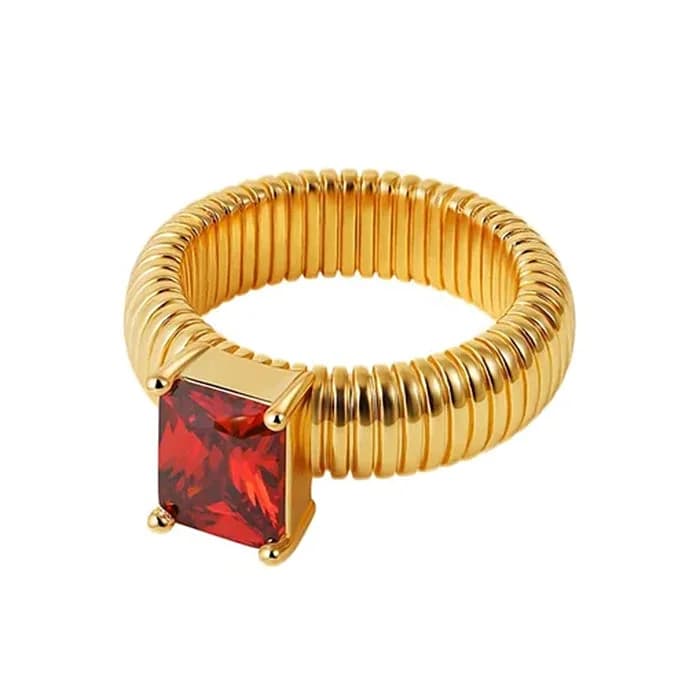
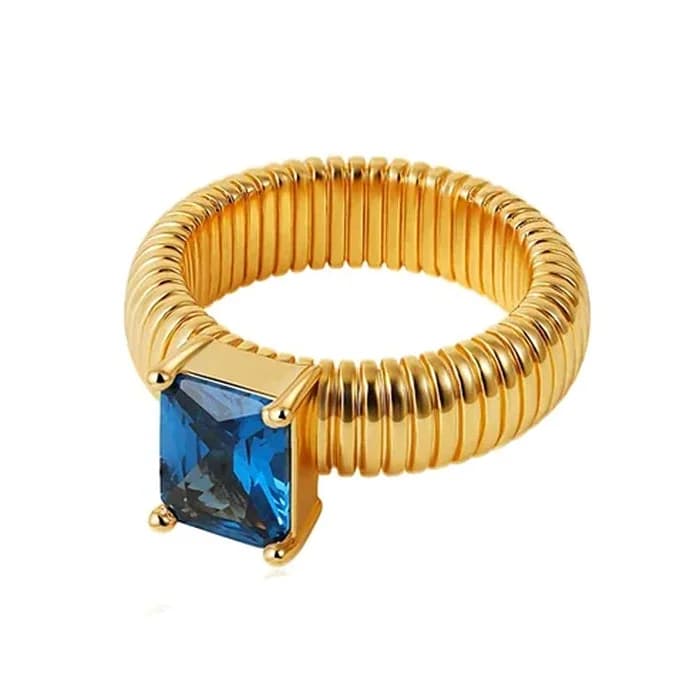
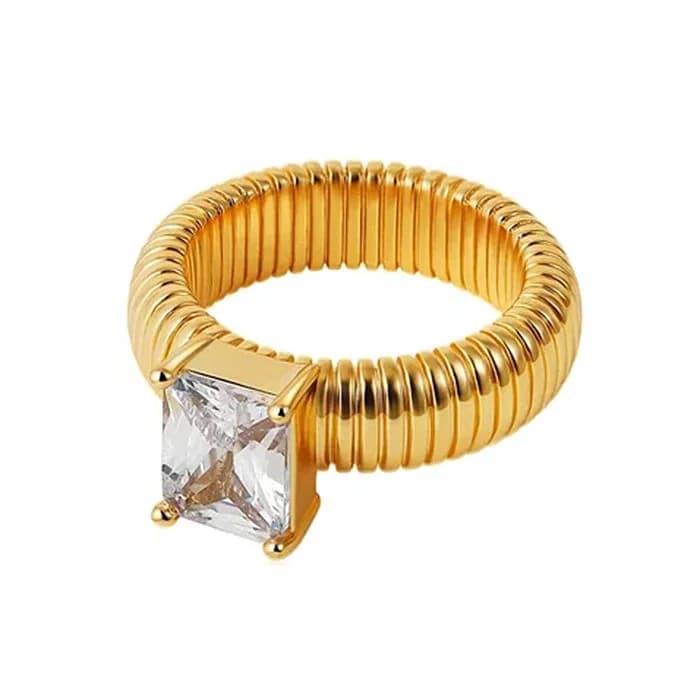
When your necklace is the clear anchor, scale down your earrings to understated studs or slim huggies. If you opt for an expressive hand ornament like the Old Money Statement Ring, which features a zinc alloy band and comes in Blue, Red, White, or Green options across sizes 6 through 8, allow your wrists and ears to remain relatively unadorned so the stone color reads cleanly.
- Pick one primary jewelry anchor per outfit: neck, ears, or hands.
- Let secondary pieces match the primary piece in metal tone while staying significantly smaller.
- Leave at least one traditional zone completely bare to give the eye a resting spot.
Crew Necks and High Collars: Pendant Lengths and Collars
Crew necks and mock collars sit high on the clavicle, leaving zero exposed skin along the chest. This structure demands careful calculation of necklace length. A short chain that lands directly on the collar seam looks messy and constantly catches on fabric edges. You either need a collar necklace that rests entirely above the neckline on bare skin, or a longer chain that hangs well below the seam.
For standard crew knits, chains measuring twenty to twenty-four inches drop cleanly onto the torso, creating an elongating vertical line against a solid color. This approach prevents the pendant from flipping or tangling in high ribbed collars. Ensure the pendant has enough physical weight to rest flat against moving cloth rather than swinging erratically.
If your top features rich woven textures, skipping neckwear entirely and focusing on your lobes is often the sharper move. Exploring structured pieces in Old Money Earrings lets you frame your jawline without creating friction against heavy knit collars or structured lapels.
V-Necks and Button-Downs: Framing Open Skin
V-shaped necklines create a built-in triangular frame that naturally directs attention downward. The most cohesive way to accessorize this cut is by mirroring the triangular drop with your chain. A pendant suspended on a sixteen- or eighteen-inch chain sits comfortably in the hollow of the collarbone, filling negative spaceAn uncluttered area that gives the rest of a design room to stand out. without touching the collar edges.
When styling an unbuttoned poplin shirt, leave two buttons open to expose the neck base. Adding a delicate chain with a minimal bar or drop creates a subtle focal point inside the lapels. The jewelry should rest squarely against your skin, sitting at least an inch above where the shirt fabric crosses over.
If you prefer a multi-strand look, combine two chains of differing weights. A flat snake chain resting high on the throat paired with a slightly longer, lightweight cable chain holding a modest pendant maintains neat boundaries without tangling in the shirt fabric.
Halter Necks and Bare Shoulders: Strategic Earring Focus
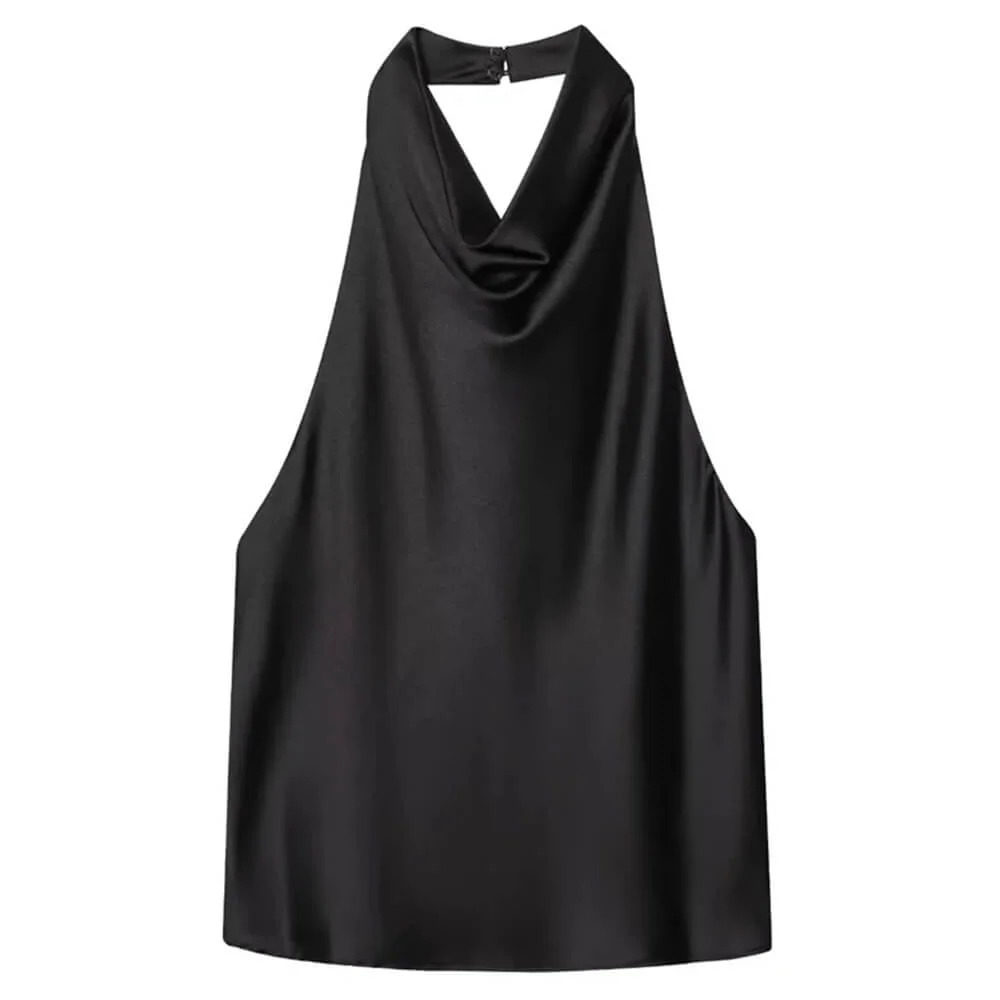
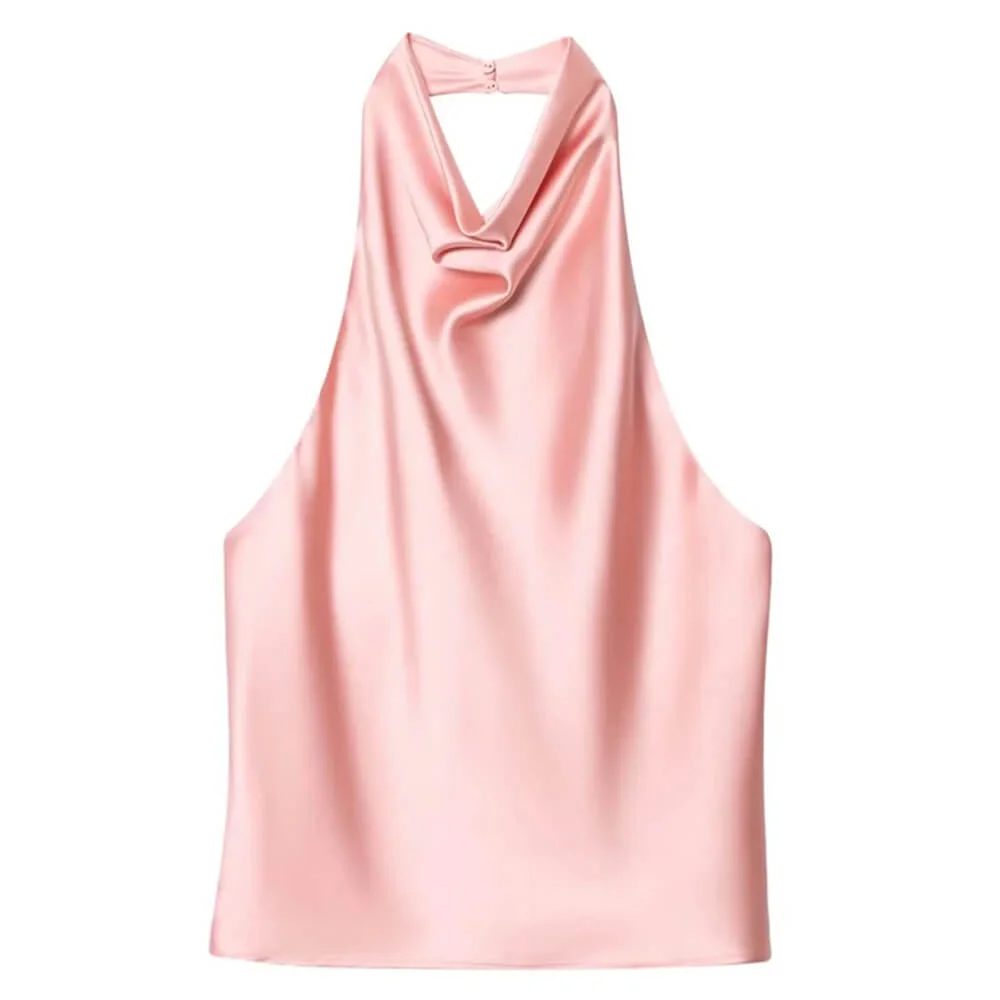
Halter silhouetteThe overall shape an outfit creates, from fitted to loose and layered.s draw lines diagonally inward toward the neck, naturally occupying the space where chains usually rest. Adding a necklace to a high halter top creates visual friction and crowds the throat. The cleanest way to style these cuts is to eliminate neckwear entirely and shift emphasis upward to the ears and downward to the hands.
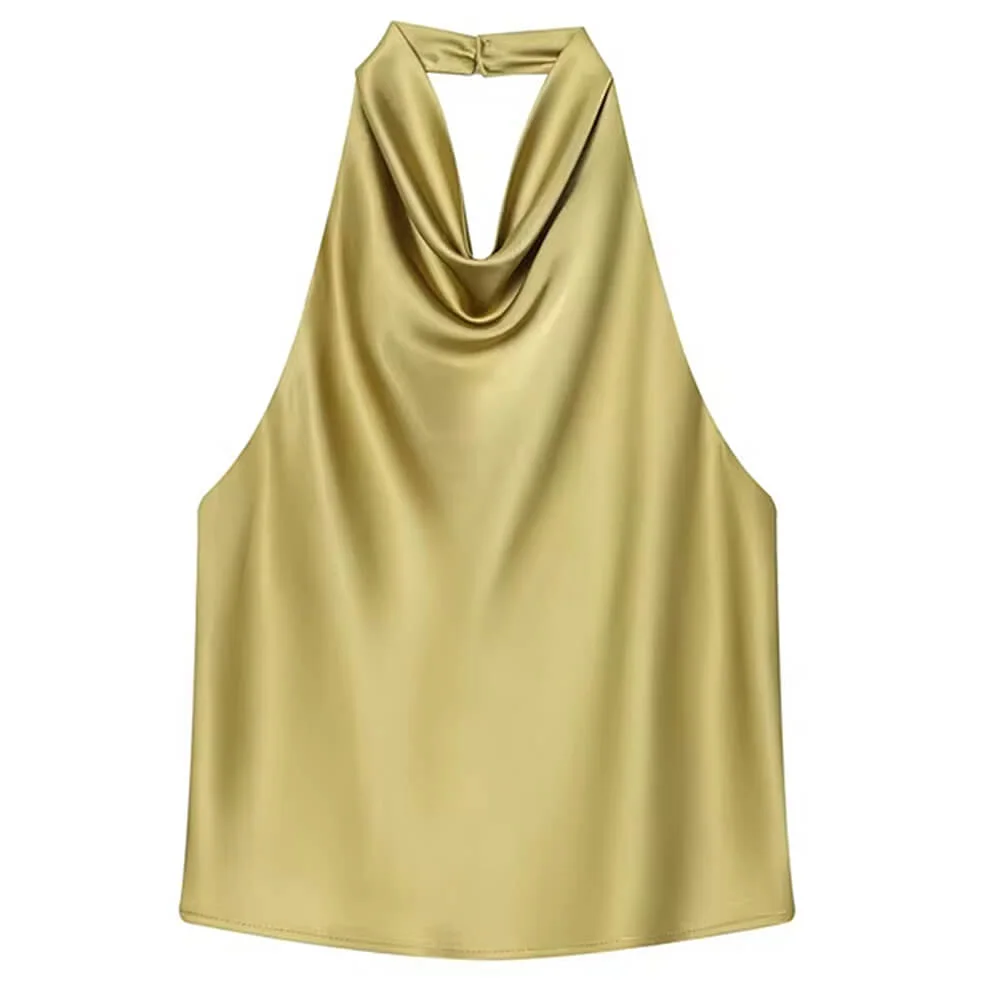
A clean example is pairing sleek halter cuts like the polyester Old Money Satin Halter Top, available in Green, Black, Pink, Brown, White, and Yellow, with polished drop earrings or medium gold-toned hoops. Because the shoulders and clavicles remain open, elongated ear pieces complete the silhouetteThe overall shape an outfit creates, from fitted to loose and layered. without any clutter.
To maintain balance across the entire figure, ground the lower half with streamlined pieces from our Old Money Clothes line. A minimalist wrist cuff or a single structured ring gives the open-shoulder silhouetteThe overall shape an outfit creates, from fitted to loose and layered. an intentional, grounded finish.
Square and Sweetheart Cuts: Geometric Neckwear Guidelines
Square and sweetheart necklines showcase broad horizontal spans across the chest and shoulders. These sharp architectural lines look best when paired with jewelry that softens the geometry without breaking it. A rounded collar necklace, a uniform strand of medium beads, or a tennis necklace that mirrors the horizontal baseline works exceptionally well.
Keep the necklace short enough that it sits on bare skin, maintaining a visible gap of at least two inches between the jewelry and the dress fabric. A piece that dips over the edge of a square neckline interrupts the dress cut and disrupts the garment's tailoring.
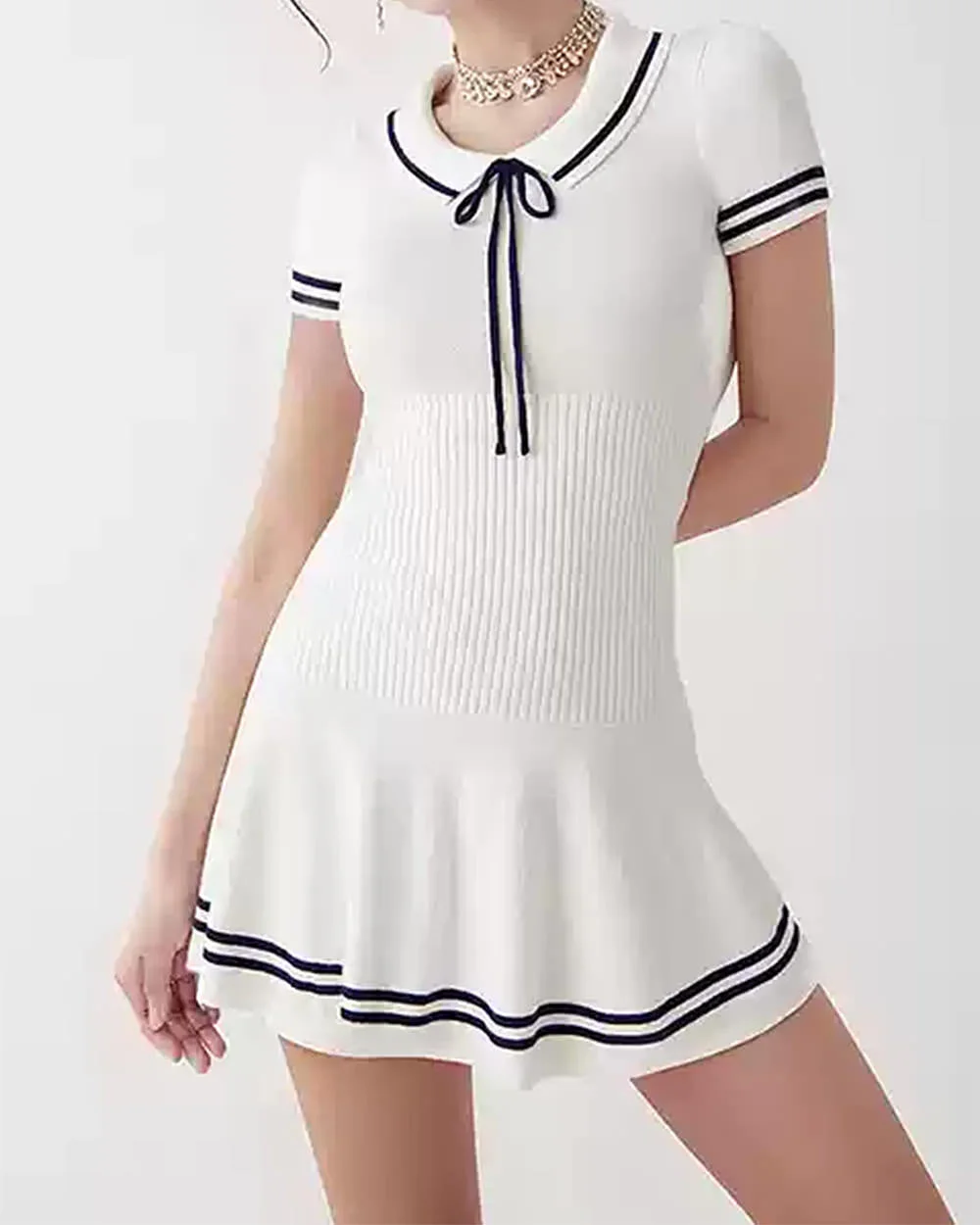
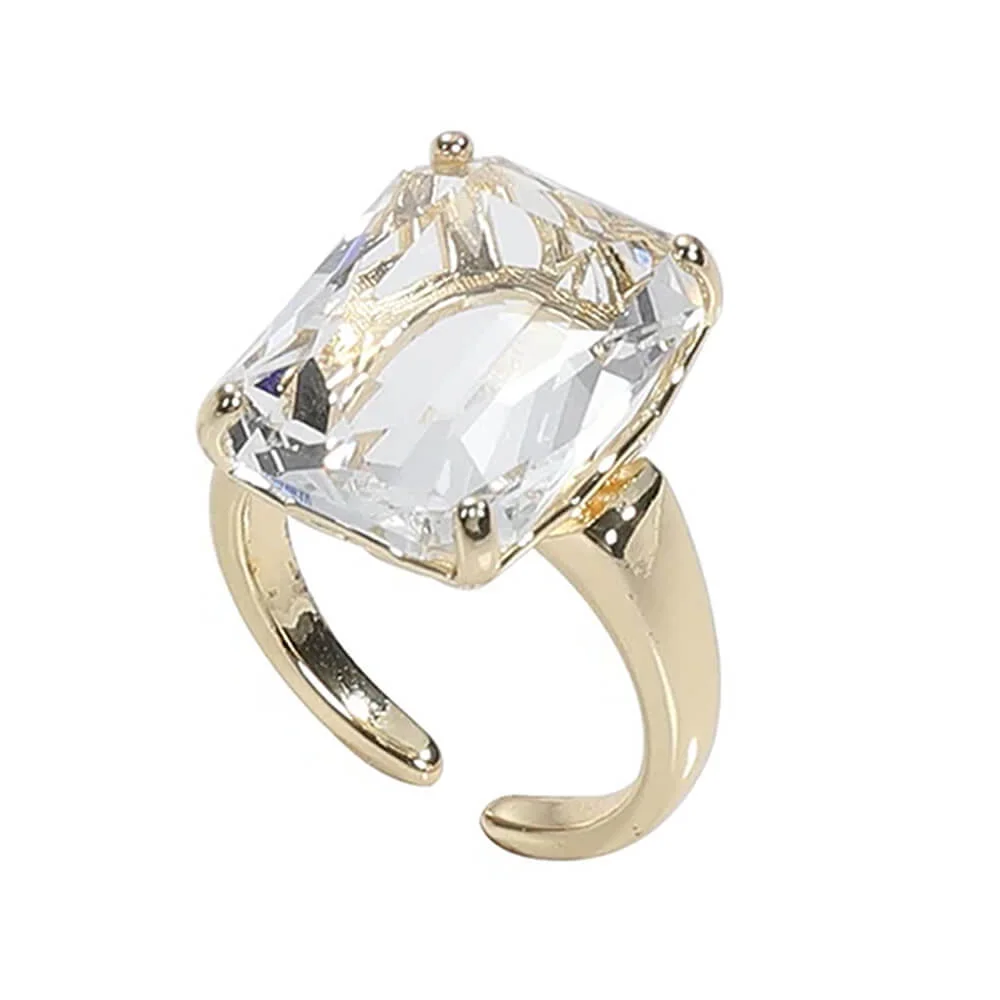
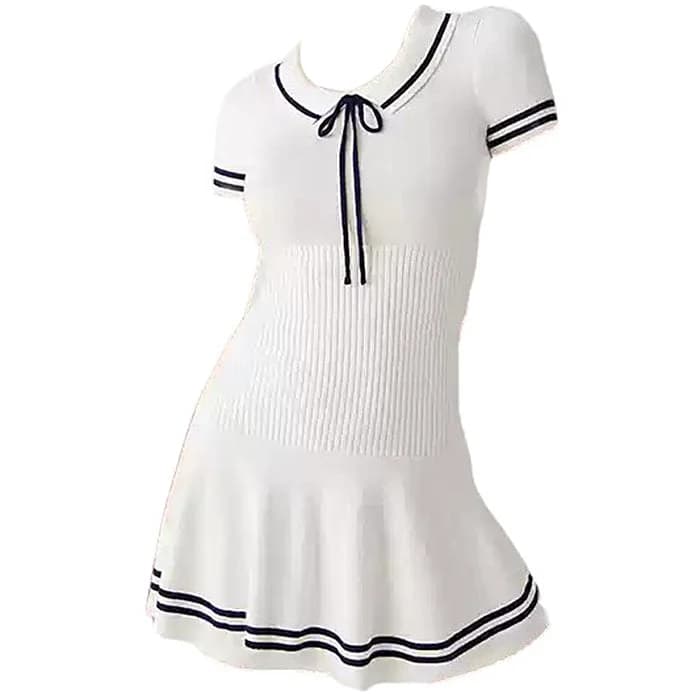
For a tailored square-neck dress or a piece like the white polyester Old Money Yacht Club Dress, consider keeping the neck clear and focusing your accessories on the hands and wrists. Adding an adjustable Old Money Crystal Statement Ring in Gold or Silver provides an eye-catching touch that lets the crisp neckline stand out cleanly.
- Maintain at least two inches of open skin between your chain and the square garment hem.
- Avoid heavy, long V-shaped pendants that fight the blunt horizontal edge of the fabric.
- A rounded choker-length strand provides balanced contrast to angular silhouetteThe overall shape an outfit creates, from fitted to loose and layered.s.

Metal Tones and Undertones: Choosing Gold, Silver, or Mixed Tones
Choosing between warm gold and cool silver comes down to fabric shades and personal skin undertones. Gold tones naturally complement rich earth tones, warm creams, camel, olive, and chocolate browns. Silver tones, on the other hand, look particularly striking against stark black, crisp optical white, charcoal, and cool navy.
Personal coloring also plays an important role. Cool undertones with pink or blue notes tend to pair effortlessly with silver, platinum, and white gold finishes. Warm undertones with peach, golden, or olive notes harmonize naturally with yellow gold tones. Neutral undertones can seamlessly alternate between both metal categories.
Mixing metals is entirely achievable when done with clear purpose rather than by accident. The secret is wearing a two-tone bridge piece, such as a watch combining stainless steel with yellow gold accents, or stacking two slim bands of contrasting metals on the same finger. This makes contrasting metals look deliberate rather than mismatched.
- Match warm gold metals with olive, brown, cream, and warm-toned tailoring.
- Pair cool silver finishes with navy, black, slate grey, and pure white fabrics.
- Use a deliberate two-tone bridge piece whenever mixing metals in the same outfit.
The Two-Piece Limit: Curating Layered Necklaces
LayeringWearing pieces over or under one another to add depth, warmth or contrast. necklaces successfully requires strict restraint. Wearing more than two or three chains at once often leads to tangling, uneven weight distribution, and a noisy aesthetic. Sticking to a two-piece combination creates depth while keeping individual chains clearly defined against skin or cloth.
To achieve this balance, contrast the scale and texture of both pieces. Combine a smooth, flat herringbone or snake chain close to the base of the neck with a slightly longer, airy cable chain carrying a small coin or bar pendant. The difference in chain gauges prevents them from twisting together throughout the day.
Space the lengths with at least two inches of clearance between the upper and lower strand. If your primary chain rests at sixteen inches, your secondary piece should hang at eighteen or twenty inches. This separation gives each chain its own visual lane, preventing clutter and distracting movement.
Wrist Proportions: Watches, Bangles, and Sleeve Lengths
Styling the wrist depends heavily on the length and cut of your sleeves. When wearing long, tailored cuffs or thick knitwear, a bulky stack of bangles creates friction, bunching up sleeves and feeling restrictive. A single slim watch or a flat curb link bracelet that slips easily under the cuff is far more practical and visually neat.
Short sleeves, rolled cuffs, and sleeveless cuts give you room to display a more detailed wrist arrangement. The zinc alloy Old Money Aesthetic Watch Bracelet, which comes in Green, Yellow, and Pink dial accents, serves as an ideal centerpiece. Its structured links look refined on their own, needing only a thin complementary bangle alongside it.
Ensure your wrist stack never covers more than two inches of your arm. Leaving several inches of bare forearm visible maintains clean bodily proportions, especially when your lower half features tailored pieces like the polyester Old Money Asymmetric Mini Skort in Brown, Black, Pink, or White.
Ring Stacking Without Visual Chaos
Piling multiple thick rings on every finger quickly overwhelms the hand and detracts from clean outfits. A disciplined ring arrangement balances negative spaceAn uncluttered area that gives the rest of a design room to stand out. across both hands, distributing weight so neither hand feels overloaded or neglected.
Focus on an asymmetrical distribution. If you wear a wide signet or a colorful gem on your right index or ring finger, balance the left hand with nothing more than one or two slim bands. This keeps both hands functional and stops metal edges from clattering against each other during routine tasks.
If you enjoy distinctive handwear, explore curated choices within Old Money Rings. A piece with substantial presence, such as an adjustable Old Money Crystal Statement Ring in Gold or Silver, should anchor the hand solo. Avoid placing another large ring on adjacent fingers to keep the look light and comfortable.
- Leave at least two fingers completely bare on each hand to maintain balanced spacing.
- Keep statement stones on either the ring or index finger, leaving the middle finger neutral.
- Never stack chunky rings directly against each other on neighboring fingers.
Fabric Weights and Finishes: Balancing Texture and Hardware
The weight and texture of your clothing dictate the scale of jewelry that will look balanced against it. Ultra-light, fluid fabrics like silk and satin can be overwhelmed by chunky chains, while delicate thread-thin chains often disappear completely against heavy wool, corduroy, and tweed.
When wearing high-texture garments like the cotton and polyester Old Money Style Tweed Jacket in Red, select jewelry with sufficient physical presence and a smooth finish. Polished domed earrings or a solid metal wrist cuff hold their own against dense weave patterns without snagging individual yarns.
Conversely, lightweight garments require a softer hand. A lustrous fabric like the polyester Old Money Satin Mini Skirt, offered in White, Black, Brown, and Green, pairs best with smooth accessories that reflect soft ambient light. Avoiding rough prong settings near smooth weaves prevents accidental pulls and keeps your outfit looking pristine.
Transitional Styling: Adapting Jewelry Across Climates and Hours
Changing weather conditions and shifting daylight call for smart, minor adjustments to your jewelry choices. In warm, sunny environments, bare necklines and wrists invite lightweight metals that catch daylight naturally. Sweat and humidity can irritate the skin if you wear heavy, tight chokers, making airy, unrestrictive chains a far more sensible choice.
As temperatures cool and layers increase, jewelry needs to shift outward. Rings move from dainty bands to wider profiles that balance out bulkier outerwear. Necklaces either shift to long pendant chains that rest over fine turtlenecks, or step aside entirely in favor of sculptural earrings and brooches secured to coat lapels.
Discovering balanced pairings in our broader Old Money Accessories collection helps you coordinate hats, belts, and hardware across shifting climates. Keeping your hardware finishes consistent across cold-weather coats and warm-weather tailoring creates a dependable signature look throughout the year.
Common Jewelry Mistakes That Add Unwanted Visual Clutter
The most frequent jewelry mistake is wearing a matching set of identical earrings, necklace, bracelet, and ring. Wearing matching sets often feels rigid and dated rather than effortless. A more modern, relaxed approach pairs complementary pieces that share a metal tone or finish without matching exact motifs.
Another common error is ignoring the scale of garment hardware. If your trench coat or jacket features bold, shiny brass buttons, layeringWearing pieces over or under one another to add depth, warmth or contrast. heavy silver chains at the neck creates visual friction. Align your jewelry finishes with visible zippers, buckles, and buttons to maintain harmony across the entire ensemble.
Lastly, avoid wearing necklaces with pendants that rest directly across uneven seams, lapel folds, or complex patterns. If a chain constantly drops beneath a lapel or flips over an uneven edge, it creates a messy appearance. Adjust the chain length so it rests cleanly on flat skin or smooth fabric.
- Avoid rigid matching sets; choose items that harmonize through metal tone instead.
- Match your accessory metals to functional garment hardware like buttons and buckles.
- Prevent chains from landing halfway across lapels or seams where they flip awkwardly.
The Outfit Assembly Checklist
Before heading out, run through a quick inventory of how your chosen jewelry interacts with your clothing. Checking balance takes less than a minute and prevents midday adjustments, tangled chains, or uncomfortable hardware catches.
Begin at the neckline and observe where the metal sits relative to your collar. Ensure there is clear separation between the bottom of your chain and the top edge of your fabric. If they overlap awkwardly, switch to a longer pendant or remove the necklace in favor of a clean earring and ring combination.
Next, check your hands and wrists against your sleeve cuffs. Move your arms naturally to confirm that bracelets glide comfortably without jamming under wristbands. Finally, verify that your dominant statement piece has adequate space to stand out without competing against neighboring accents.
Once the necklace sits clearly against the neckline, check whether another part of the outfit already draws the eye. With a crisp collar, skip the pendant and choose simple earrings; with a plain top, let one pendant lead while other accessories stay quiet. For a more expressive approach to shaped tops and statement-minded finishing, see Onee Gyaru Clothes.
- Check that chains sit cleanly on skin or flat against fabric, never catching on seams.
- Confirm sleeve cuffs move freely over watches or wrist links without getting stuck.
- Ensure no more than one oversized or brightly colored statement piece is active at once.
Summary: Building a Dependable Jewelry Rotation
Curating a refined jewelry collection does not require owning dozens of competing options. A tightly edited assortment of dependable essentials—a fine link chain, a balanced watch, classic hoop earrings, and a couple of distinctive rings—can be adapted across your entire wardrobe.
Focus on how individual pieces interact with neckline cuts, fabric weights, and garment hardware. By adhering to the two-piece layeringWearing pieces over or under one another to add depth, warmth or contrast. limit, respecting open skin boundaries, and selecting metal tones that complement your wardrobe palettes, you can assemble polished looks with minimal effort.
Let your clothing and accessories elevate one another through clean balance and proper spacing. When each chain, watch, and ring has its own dedicated zone, your accessories effortlessly highlight your personal style without any clutter.