Created by the Kawaii Vibe editorial team. Our named style desks are editorial personas. Product details and availability can change.
Finding the right footwear for tailored outfits usually comes down to a single detail: where your hem stops relative to your shoe. When you coordinate trousers, skirts, and dresses with classic flats, loafers, or ankle boots, the break of the fabric dictates how clean the overall line looks. A trouser leg that bunches over a slim sole looks messy, while an ankle boot that cuts off an awkward skirt length disrupts your visual balance.
Getting this right does not require an endless wardrobe of footwear. It comes down to understanding how sole thickness, vamp height, and shaft width interact with the width and length of your clothing. By looking at hem breaks and silhouetteThe overall shape an outfit creates, from fitted to loose and layered.s together, you can make footwear choices that feel intentional, comfortable, and sharp every day.
In this guide, we break down practical pairings for every hemline, from micro minis and tailored skorts to cropped trousers and puddling slacks. We will examine how to choose between flats, heels, and structured lace-ups so your daily rotation always looks balanced.
The Core Rule of Hem Breaks and Shoe Profiles
The fundamental mechanic of pairing shoes with trousers is matching the volume of the shoe to the opening of the pant leg. Trousers with a tapered ankle opening need a clean shoe that clears the hemline without catching. If you choose a bulky shoe with a high tongue, the fabric stacks awkwardly on top, breaking the vertical line of the leg. Conversely, very wide trousers swallow ultra-slim ballet flats, leaving your feet looking hidden and causing your hems to drag on dirty ground.
When deciding on daily combinations, assess the shoe profile from both the front and side views. A low-vamp shoe, such as an open slip-on mule, exposes the top of your foot. This creates an optical illusion of extra leg length, making it an excellent pairing with trousers that hit exactly at the ankle bone. Sturdier lace-ups, on the other hand, provide enough structure to anchor straight-leg pants that have a slight half-break.
Before you get dressed, look at your reflection with your intended shoes already on. If the fabric catches, puddles unevenly, or folds back on itself, either the hem is too long for that sole height or the footwear lacks the necessary vamp structure to support the cut of the fabric.
- Full break: Best paired with structured soles that keep fabric 1–2 cm above wet pavement.
- Half break: Works seamlessly with classic lace-ups and standard loafers without bunching.
- No break: Ideal for cropped cuts, ankle boots, and low-profile slip-on shoes.
Pairing Tailored Minis and Skorts With Classic Footwear
Styling shorter hems like mini skirts and skorts requires careful attention to the visual weight at the bottom of your legs. Because shorter cuts expose the calf and ankle, heavy footwear can create a bottom-heavy effect, while excessively delicate shoes can make an outfit feel unbalanced. A tailored mini skirt benefits from footwear that offers crisp lines without dominating the silhouetteThe overall shape an outfit creates, from fitted to loose and layered..
A structured choice like the Old Money Satin Mini Skirt, made from smooth polyester and offered in neutral and deep tones like White, Black, Brown, and Green, carries a gentle sheen. When styling a sleek mini like this, low-profile shoes ground the clean look without competing with the fabric's soft drape. Pair it with a classic low-heeled shoe or a streamlined flat to maintain an understated, daytime feel.
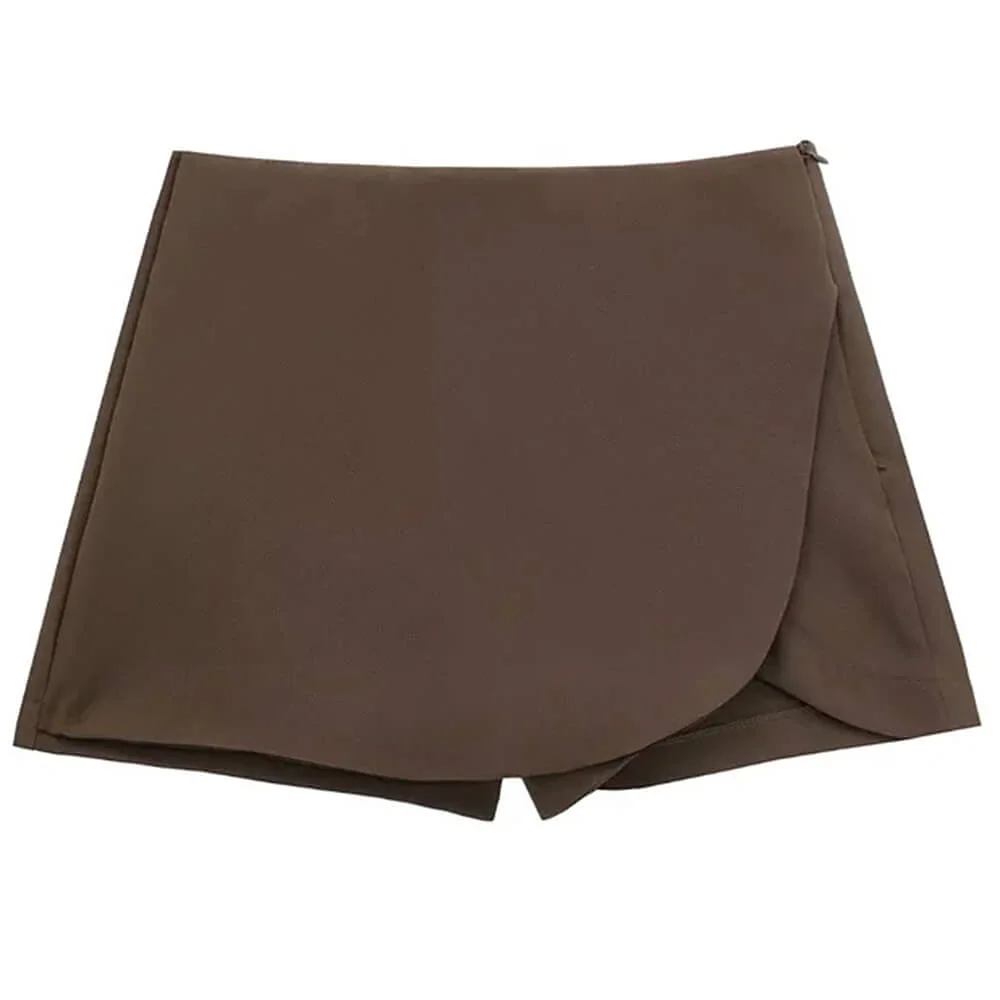
Similarly, functional pieces like the Old Money Asymmetric Mini Skort, which comes in Brown, Black, Pink, and White polyester, bring asymmetrical visual lines to your upper leg. Because the hemline has geometric movement, your footwear should stay grounded. Simple, structured shoes provide the calm base required to let the architectural cut of the skort sit naturally.
With a tailored mini, match the shoe’s visual weight to the coverage above: a streamlined flat keeps the exposed ankle line light, while a defined low heel can balance a more structured jacket. Keep the shoe clean-lined if the outfit already has a strong collar or accessory. For a more expressive finish with polished layers and shaped tops, see Onee Gyaru Clothes.
- Choose clean toes and smooth leather finishes to complement satin and structured polyester.
- Avoid calf-height boots that visually divide the leg into three disjointed segments.
- Opt for low heels or flat soles to keep everyday daytime proportions comfortable and relaxed.

Oxford Shoes: Balancing Formal Tailoring and Daily Knits
Lace-up shoes provide structure that instantly organizes soft garments like heavy knits and relaxed trousers. When you wear soft wool, cable knits, or cotton blends on top, your lower half can look unfinished if you finish the outfit with unstructured shoes. An Oxford shoe provides a crisp geometric boundary at the floor, balancing cozy textures with deliberate shape.
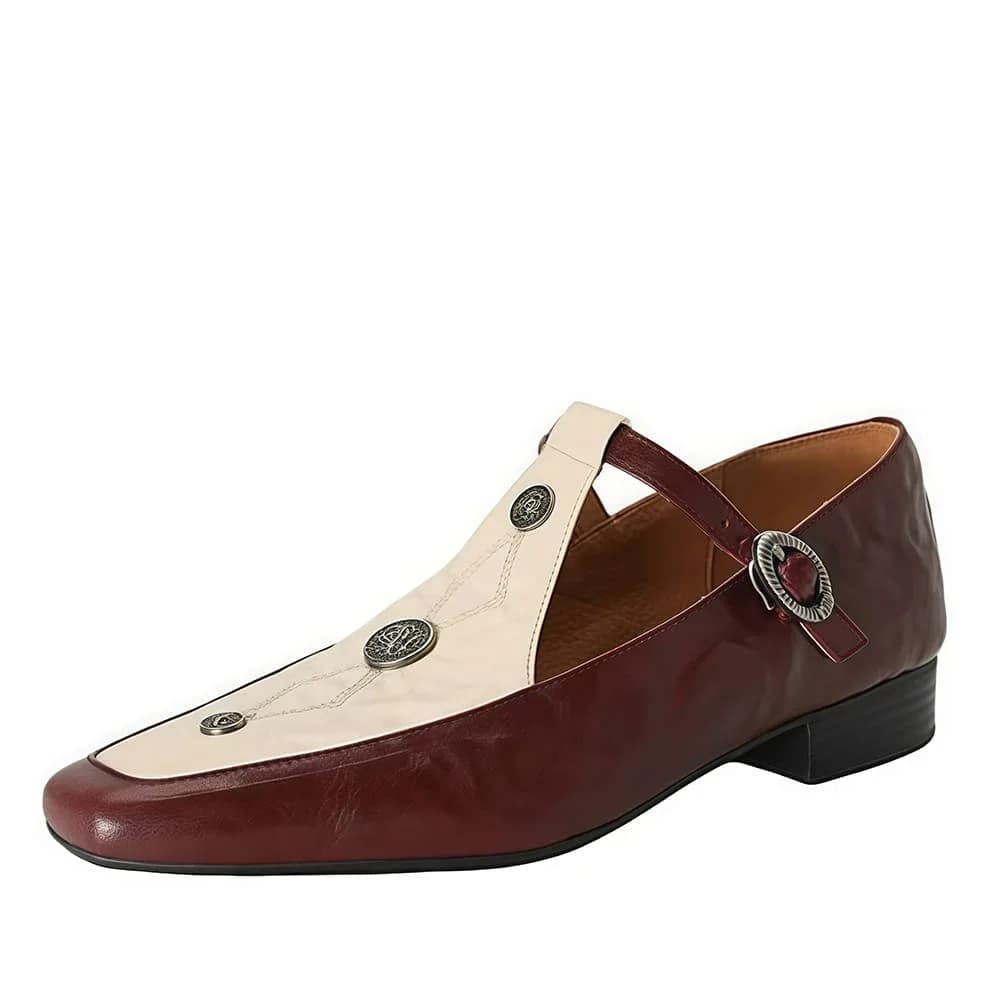
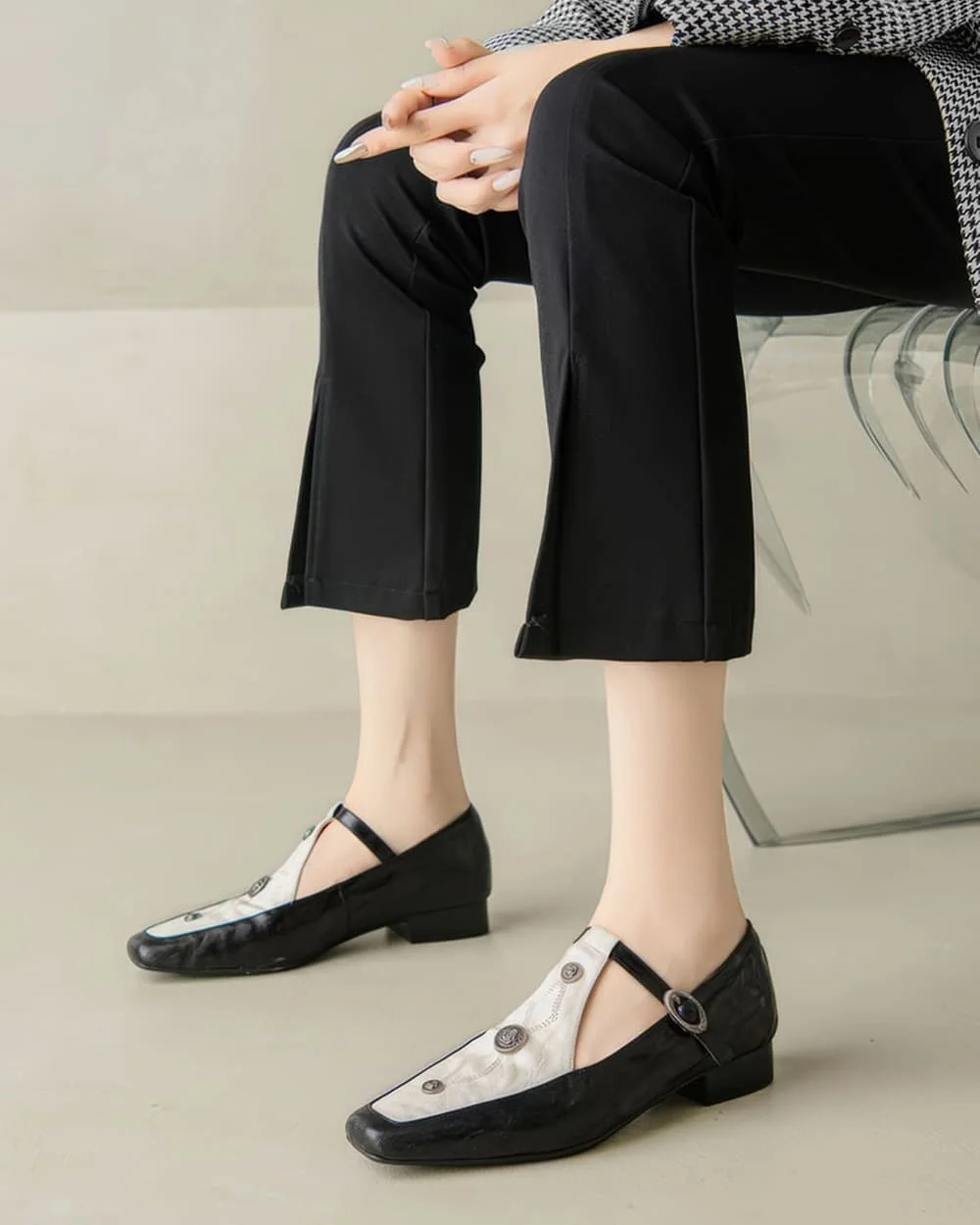
For a timeless collegiate look, the Sunday Tea Buckle Oxford Shoes offer classic vintage styling with a buckled strap detail. Constructed from vegan leather and available in Black and Brown, this pair runs small, so reviewing the sizing information before ordering is recommended. The defined toe and low block heel create a sturdy frame that supports straight-cut trousers or pleated skirts.
You can browse a wider variety of structured soles in our Old Money Shoes collection to find profiles that match your wardrobe palette. Pair brown lace-ups with warm beige trousers, or keep black pairs reserved for crisp charcoal tailoring and deep navy skirts to achieve high contrast without looking loud.
- Team structured lace-ups with straight-leg trousers cut to a slight half-break.
- Contrast the smooth finish of vegan leather with chunky ribbed knitwear.
- Keep socks either completely invisible or deliberate in ribbed neutral cotton.

Mules and Slip-Ons With Cropped Trousers and Satin Tops
Slip-on footwear works best when there is clear space between your hemline and the shoe's upper. When you wear cropped cigarette pants or ankle-grazing culottes, a closed-toe slip-on leaves the heel exposed, creating an open line that feels fresh and relaxed. This dynamic prevents tailored trousers from feeling overly rigid or corporate during daytime wear.
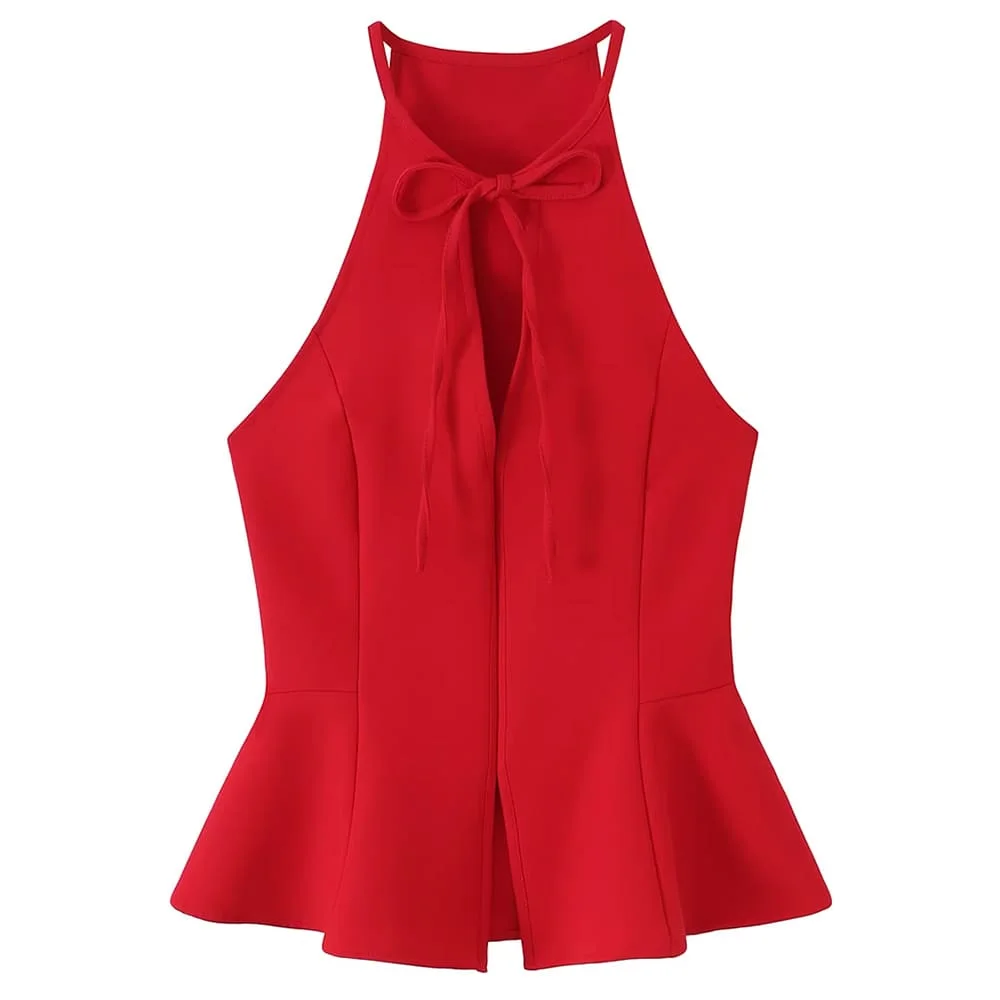
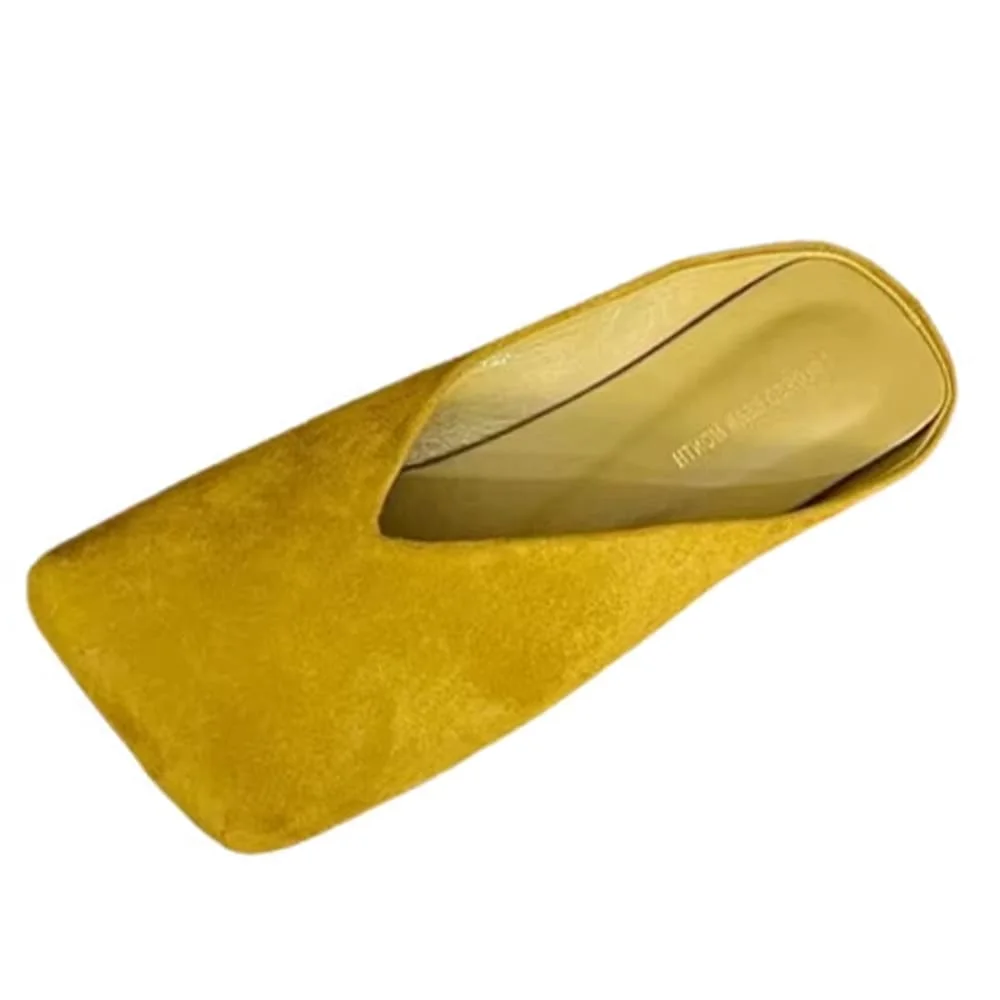
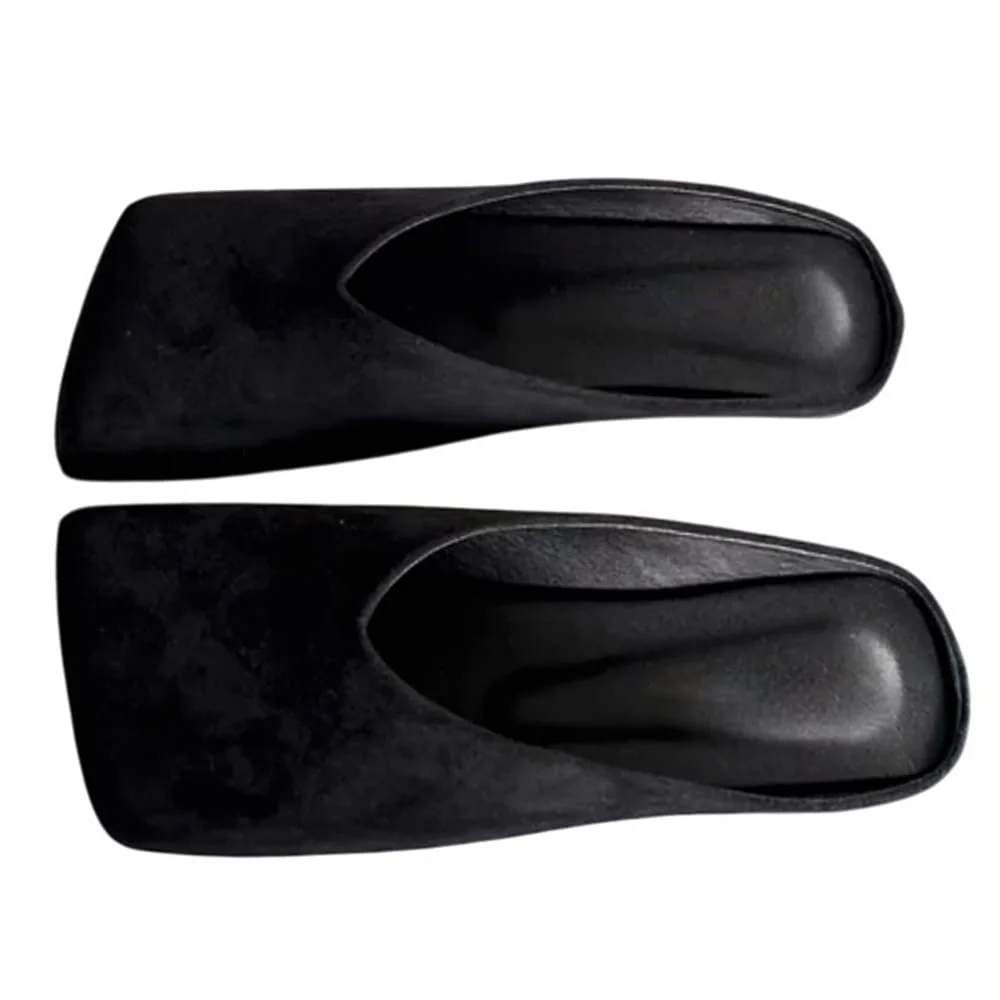
Consider the Velvet Slip On Mule Shoes, crafted from vegan suede and offered in vibrant Yellow alongside classic Black and deep Purple. The plush finish adds rich texture to smooth fabrics. If you pair them with cropped dark trousers and the Old Money Satin Halter Top—available in polyester across shades of Green, Black, Pink, Brown, White, and Yellow—the mix of velvet texture and satiny sheen creates an interesting interplay of materials.
Because slip-on mules have no back strap, the trouser hem must sit entirely above the shoe's collar. If your pant cuffs drop too low, your heels will repeatedly step onto the fabric with every stride, quickly damaging the hem.
- Ensure trouser cuffs finish at least 2 cm above the top of the mule's footbed.
- Use jewel-toned or rich neutral vegan suede to soften sharp monochrome outfits.
- Avoid wide-leg trousers that catch between your heel and the sole while walking.

Balancing Layered Outerwear and Tweed With Sturdy Footwear
When building an outfit with structured jackets, shoe choice governs whether the look feels balanced or top-heavy. Heavy fabrics such as wool blends, houndstooth, and bouclé carry substantial visual presence. If your footwear is overly delicate, your upper body looks weighted down. Balancing this silhouetteThe overall shape an outfit creates, from fitted to loose and layered. requires shoes with defined welts, structured toes, or modest heels.
For example, the Old Money Style Tweed Jacket features a rich cotton and polyester weave in vibrant Red. A jacket with this much visual punch requires footwear with equally clear definition. You can explore curated layers in our Old Money Clothes catalog to see how structured jackets harmonize with classic straight-leg bottoms and clean leather shoes.
To achieve this balance, choose footwear with a squared or soft almond toe rather than an ultra-pointy, thin-soled flat. A clean Oxford, a penny loafer with an outsole lip, or a refined ankle boot provides the necessary visual weight to ground the textured weave of a statement jacket.
- Match the visual weight of thick tweed weaves with structured, welted shoe soles.
- Keep shoe hardware minimal so it does not clash with jacket buttons or trims.
- Select neutral leather tones to keep saturated outerwear colors looking anchored.
The Role of Ankle and Knee-High Boots Under Midis and Maxis
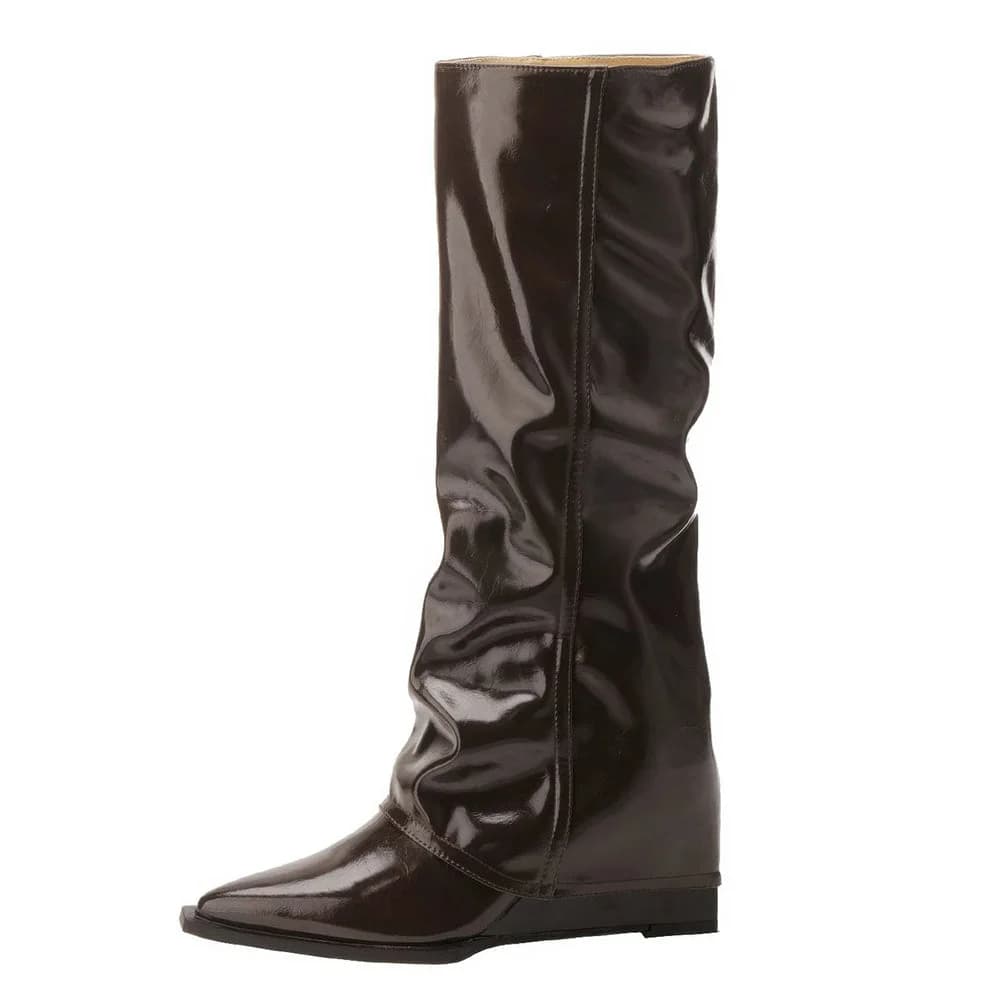
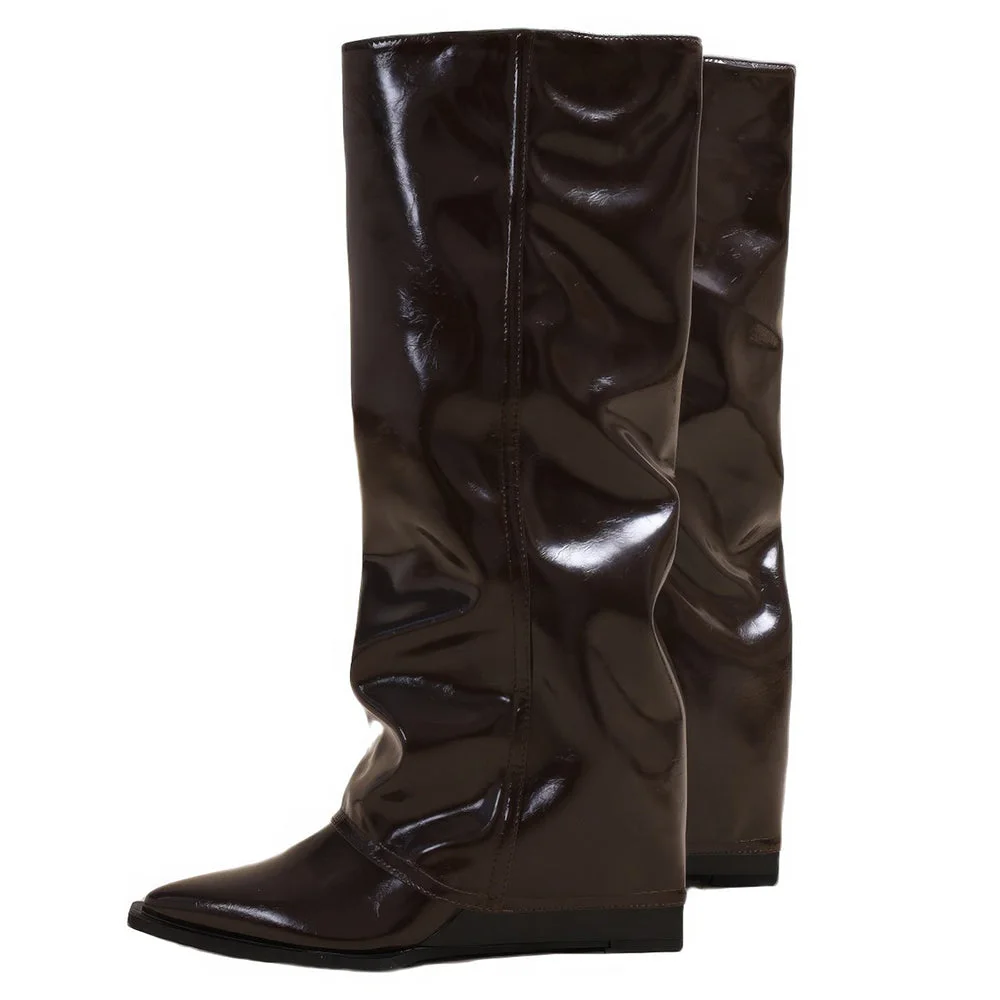
Finding the right boot height under long skirts depends on eliminating awkward gaps between leather and fabric. When wearing midi skirts, an ankle boot that cuts off exactly where the hem falls can create an unflattering gap of bare leg. To avoid this, your boot shaft should either disappear cleanly up under the skirt hem or sit noticeably below it.
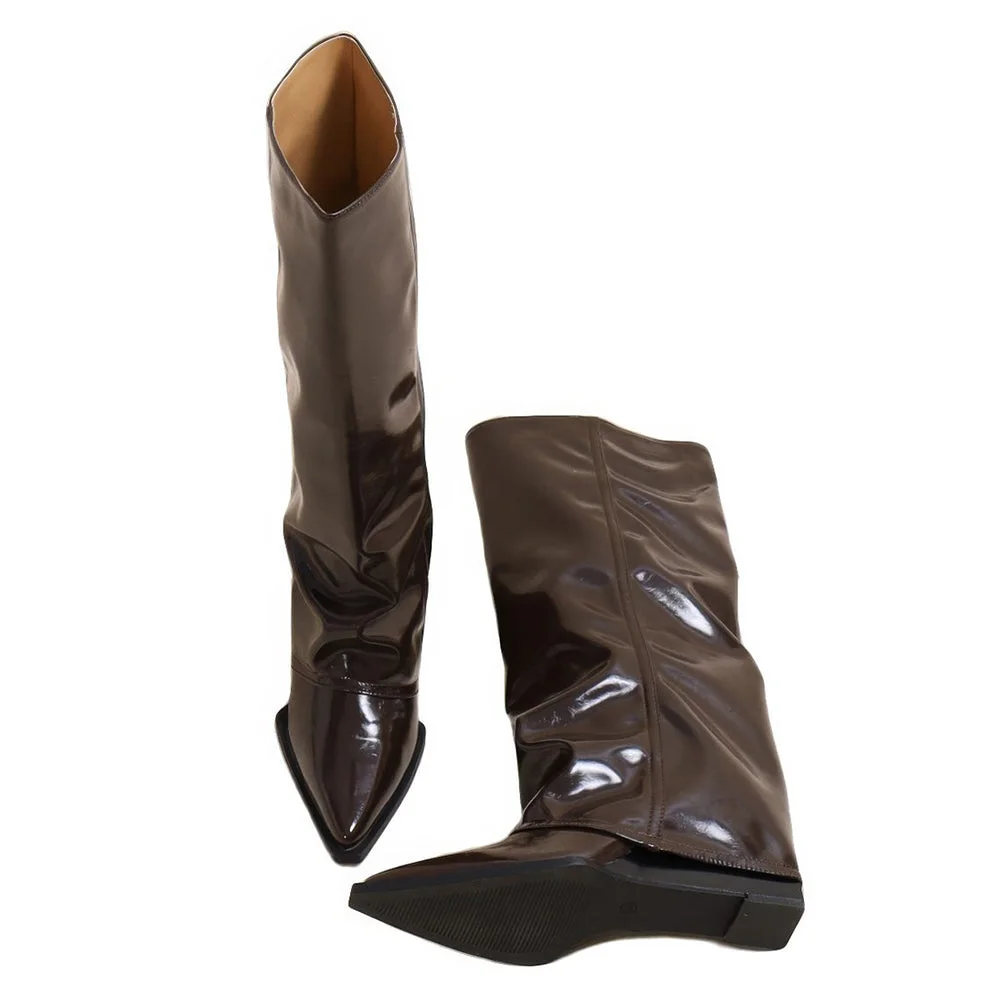
For transitional seasons and chilly days, browsing Old Money Boots lets you choose between slim ankle profiles and tall, structured shafts. Knee-high boots paired with a midi skirt create an unbroken silhouetteThe overall shape an outfit creates, from fitted to loose and layered. that shields against cold wind while maintaining a smooth line from hip to toe. For shorter skirts, ankle boots provide clean proportions without swallowing the lower leg.
Material contrast also plays an essential role here. A matte leather or soft faux-suede boot balances fluid silk or satin skirts, while patent finishes can sometimes create too much surface glare when paired with high-shine fabrics. Stick to matte or softly burnished materials for everyday versatility.
- Ensure midi skirt hems clear ankle boots by several inches or fully conceal boot tops.
- Use knee-high shafts under flowy fabrics to prevent skirts from clinging to bare tights.
- Match dark boot tones to your skirt hemline to create a seamless, lengthening line.
Summer Dresses and Resort Footwear: Low-Profile Pairings
Warm-weather outfits demand footwear that feels light without descending into casual beach flip-flops. Lightweight cotton and linen garments lose their tailored polish if paired with sloppy slide sandals. The goal is to choose low-profile footwear with clean construction, like leather slides, slingback flats, or simple espadrille soles.
A piece like the Old Money Yacht Club Dress, cut from crisp White polyester, exemplifies clean resort styling. Because the silhouetteThe overall shape an outfit creates, from fitted to loose and layered. is minimal and bright, heavy dark shoes would look out of place. Pair this dress with slim cream flats, neutral leather mules, or pale espadrilles to maintain a breezy, cohesive palette suited for sunny days and garden lunches.
When styling light-toned dresses, examine the color temperature of your footwear. Warm ivory dresses clash with icy, blue-tinted white leather, whereas rich cognac, sand, or warm tan footwear grounds a light dress naturally without introducing jarring contrast.
- Stick to tan, cognac, or soft cream tones when styling bright white dresses.
- Choose thin outsoles and minimal straps to keep warm-weather looks breezy.
- Steer clear of thick platform sandals that overpower lightweight summer fabrics.
Styling Knitwear and Sweaters With Grounded Footwear
Chunky sweaters and fine knit tops present very different footwear requirements. A thick fisherman knit worn with relaxed chinos needs shoes that match its casual weight, such as rugged brogues or sturdy Chelsea boots. Fine-gauge merino or lightweight ribbed tops, by contrast, look best over sharp, tailored slacks with streamlined loafers.
If you are assembling outfits built around classic knitwear, browse our Old Money Sweaters for pieces that layer effortlessly over collared shirts. A cozy crewneck layered over an unbuttoned oxford shirt naturally calls for classic lace-ups or dark loafers, anchoring the relaxed heritage mood of the outfit.
For a more delicate aesthetic, combine a fine knit top with the Preppy Ruched Top with Satin Bow. This polyester piece in Beige features soft ruching and a bow detail that calls for equally neat, refined shoes. Pair it with slim leather flats or low-heeled buckle shoes to mirror the delicate neckline details on your upper body.
- Match chunky cable knits with heavier lug-free soles, derbies, or sturdy brogues.
- Pair fine-knit tops and delicate bows with slim almond-toe flats or minimal loafers.
- Coordinate sweater undertones with shoe leathers for harmonious earthy outfits.
Monochrome Bottoms: Creating Continuity From Waist to Toe
One of the easiest ways to look put-together is creating a unified visual column from your waist down to your footwear. When your trousers, socks, and shoes share similar color depth, your legs appear longer and your outfit looks cohesive. This does not mean every item must match identically, but the tonal values should blend smoothly rather than clash.
For example, pairing black tailored trousers with black socks and black leather shoes creates a sharp line ideal for cool, formal days. If you prefer earthy tones, wear chocolate brown trousers over the Sunday Tea Buckle Oxford Shoes in Brown. The shared warm undertones eliminate jarring transitions, allowing the eye to move easily across the whole look.
When styling monochrome combinations, add depth through textural contrast rather than color changes. Combine matte wool trousers with glossy polished leather, or wear smooth polyester skorts alongside soft vegan suede mules. This provides visual richness without breaking your clean vertical silhouetteThe overall shape an outfit creates, from fitted to loose and layered..
- Pair black trousers with deep black footwear to eliminate harsh breaks at the ankle.
- Mix textures—like matte fabrics and polished leathers—to keep monochrome looks dynamic.
- Avoid pairing stark white socks with dark shoes unless aiming for a strict retro look.
Fabric Care, Sole Maintenance, and Wet Weather Tactics
Classic shoe styles rely on crisp, well-maintained surfaces to look their best. Scuffed toe caps, worn-down heel tips, and road grime quickly ruin an otherwise immaculate outfit. Caring for your shoes is not just about cleanliness; it ensures that your hems hang correctly over well-supported arches and even soles.
Synthetic leathers and vegan suede options, such as those used in the Velvet Slip On Mule Shoes, require specific, gentle maintenance. Suede finishes should be treated with a protective spray before their first outing and brushed dry with a soft shoe brush after contact with dust. Smooth vegan leather simply needs a wipe-down with a damp microfiber cloth to remove street dust before it sets into the creases.
During wet weather, pay close attention to your hem lengths. Puddle breaks and full breaks are high-risk options in the rain because fabric absorbs road moisture instantly. Choose ankle-cropped pants or style tall boots under water-resistant outerwear so your hems stay dry, neat, and elevated above slush.
- Wipe down smooth synthetic leathers after every damp wear to avoid salt marks.
- Use a rubber suede brush to lift dirt from faux-suede finishes without flattening nap.
- Switch to cropped hems and higher soles on rainy days to prevent wet fabric edges.
Building an Everyday Capsule: Tops, Hems, and Shoes
A well-curated wardrobe relies on interchangeability between tops, skirts, and shoes. Instead of buying complete standalone outfits, select pieces whose cuts and color paletteA small group of colors you repeat to make an outfit feel connected.s align across categories. When your tops and bottoms harmonize, you can swap footwear freely depending on whether your day calls for active walking or an evening dinner.
Start your core rotation with versatile shirts from our Old Money Tops collection, pairing them with reliable skirts or tailored trousers. For instance, pairing the Old Money Satin Halter Top in Black with the Old Money Satin Mini Skirt in Brown creates a sleek base that can be dressed down with flat loafers or styled up with low mules.
By sticking to a disciplined palette of cream, black, forest green, and rich tan, every shoe in your closet pairs naturally with multiple outfits. You eliminate the frustration of owning beautiful shoes that only match a single pair of pants, creating a morning routine that is fast, effortless, and reliably sharp.
- Stick to three core shoe shades: deep black, rich brown, and warm neutral tan.
- Ensure every top can pair with at least two different bottom hem lengths.
- Rotate between flat lace-ups and low slip-on mules to suit varying daily walking needs.
Proportion Pitfalls: Mistakes That Throw Off Your Line
Even high-quality pieces can look awkward if the transition between shoe and hem is miscalculated. The most common pitfall is the unintended stacking break, which happens when wide trousers are cut too long for flat shoes. The fabric collapses over the bridge of the foot, forming rumpled folds that look sloppy and collect street dirt under your heel.
Another frequent mistake is wearing bulky, high-shaft sneakers or high-tongue shoes with tapered trousers. This creates an unsightly bulge at the calf, ruining the clean taper of your pants. Tapered bottoms require shoes that sit low at the ankle bone, such as low-cut loafers or clean ballet flats, so the ankle looks clearly defined.
Finally, beware of wearing dark, heavy ankle boots with pale, lightweight dresses. A light chiffon or fine satin dress paired with heavy black ankle boots cuts your lower body abruptly at the ankle, making the bottom half look disconnected from the breezy mood up top.
- Avoid pants that drag beneath the shoe heel; have them hemmed to clear the floor.
- Do not force high-top or thick-tongued footwear under slim, tapered pant cuffs.
- Skip heavy dark footwear under airy, pastel, or bright white summer garments.
Comparing Flats, Low Heels, and Sturdy Soles for Daily Wear
When shopping for everyday footwear, deciding between flat soles, low block heels, and structured lace-ups depends on your lifestyle and typical transit. Flat soles offer immediate, grounded ease, making them great for running errands and casual strolls. However, ultra-thin flats provide little arch support and can cause wide trousers to drag along the ground.
Low block heels—typically between 2 and 4 centimeters—solve many hemline issues by lifting trouser cuffs slightly off the street while keeping your stride stable and comfortable. This slight lift improves posture and ensures long, tailored trousers drape smoothly down your leg without puddling.
Sturdy lace-ups like the Sunday Tea Buckle Oxford Shoes provide all-day ankle support and dependable stability. Their firm soles protect your feet during long walks through city streets, while their structured shape brings instant discipline to relaxed knitwear, pleated skirts, and loose trousers.
- Ultra-flat soles: Best for cropped ankles, skorts, and casual daytime strolls.
- Low block heels: Best for fluid trousers, long skirts, and avoiding hem drag.
- Structured lace-ups: Best for extended walking, layered knits, and pleated bottoms.
Daily Styling Checklist for Clean Hems and Footwear
Before walking out the door, take thirty seconds to review how your hem and footwear interact in motion. Stand naturally in front of a full-length mirror, walk a few paces forward, and watch how the fabric settles over your shoes. If the pants gather awkwardly or the skirt twists around your boot tops, adjust your pieces before leaving.
Check your hem heights against outdoor conditions. If clouds are looming, swap floor-skimming trousers for an ankle-cropped cut paired with water-resistant footwear. Check that your socks or tights blend smoothly with your hemline or shoe color, ensuring there are no random breaks of exposed skin where you intended a clean, continuous line.
Keep this mental checklist handy every morning to streamline your dressing routine. By making purposeful footwear decisions based on hem length, shoe profile, and material balance, you ensure your everyday outfits look crisp, polished, and effortless.
- Check trousers in motion: ensure hems fall smoothly without catching on shoe tongues.
- Verify gap spacing: confirm midi skirts either overlap boot shafts or clear them neatly.
- Match sole weight to layers: pair structured outerwear with equally defined footwear.
- Inspect condition: ensure toe caps are clean, scuffs are buffed, and soles are free of dirt.