Created by the Kawaii Vibe editorial team. Our named style desks are editorial personas. Product details and availability can change.
Balancing an outfit built around a structured or tailored skirt comes down to how your top, waistline, and shoes interact with the hemline. When styling classic silhouetteThe overall shape an outfit creates, from fitted to loose and layered.s, adding more volume or stacking heavy layers without checking where the waistband lands often leaves the overall look feeling bulky or uneven. Getting the look right means paying attention to vertical proportions, neckline depth, and the weight of your footwear against the length of your skirt.
Whether you are styling a crisp pleated hem, a sleek satin cut, or a textured knit piece, every silhouetteThe overall shape an outfit creates, from fitted to loose and layered. demands a slightly different approach to upper-body volume and shoe profiles. A tennis-inspired pleated cut handles fitted knit polos and low-profile flats very differently than an A-line wool skirt pairs with tall leather boots. Understanding where to tuck, where to crop, and which shoe finish stabilizes the silhouetteThe overall shape an outfit creates, from fitted to loose and layered. prevents outfit clashes and keeps your daily dressing straightforward.
This guide outlines clear, repeatable pairing rules across hemlines, fabrics, and cut combinations. By breaking down top cuts, collar heights, waist positioning, and footwear options step by step, you can assemble balanced looks using pieces already in your wardrobe alongside targeted collection staples.
The Baseline Proportion Rule: Hemline to Top Volume
Every well-proportioned skirt outfit depends on managing visual weight between your top half and bottom half. When a skirt has built-in movement or fullness, pairing it with an equally loose, untucked blouse immediately removes definition from your frame. Conversely, wearing skin-tight cuts from head to toe creates an athletic look rather than the refined, tailored balance typical of classic dressing. The goal is to counterbalance fullness: wide or flared cuts need streamlined tops, while straight or narrow skirts can handle relaxed knitwear.
When you are exploring Old Money Clothes, consider how horizontal lines draw the eye. A short, pleated hem already creates visual activity around the thighs. To keep the silhouetteThe overall shape an outfit creates, from fitted to loose and layered. grounded, your top should offer clean lines and minimal fuss, such as a neat crewneck, a fine-gauge knit, or a tailored button-down tucked firmly into the waistband. If you prefer to wear an oversized knit, the skirt beneath needs enough structure to anchor the drape without disappearing under heavy fabric.
Footwear also factors into this volume equation. Bulky shoes paired with an oversized sweater and a wide skirt make the lower half look weighed down. Keeping the top fitted when wearing flared cuts creates a natural vertical line, allowing loafers, slingbacks, or clean leather trainers to complement the outfit without fighting for attention.
- Pair flared or pleated skirts with fitted tops or neatly tucked button-downs to define your natural waist.
- Match straight or pencil-style silhouetteThe overall shape an outfit creates, from fitted to loose and layered.s with relaxed sweaters, boxy cardigans, or layered knit vests.
- Keep shoe weight proportional: slim shoes balance fitted tops, while sturdier loafers ground slightly heavier outer layers.
Mastering the Waistline: High-Rise Tucks vs. Belt Anchors
The waistband serves as the focal anchor for almost every classic skirt look. When styling pieces from our wider range of Old Money Skirts, deciding whether to tuck, half-tuck, or add an external leather belt determines how clean your outfit looks throughout the day. A clean high-rise cut elongates the legs, but an unevenly bunched shirt hem can instantly break that vertical line.
A full tuck works best with lightweight shirting, crisp poplin, or fine-gauge jersey knits. If your top is made of a heavier knit, a full tuck can create awkward bulging around your hips. In those cases, a neat French tuck or folding the ribbed hem of your sweater up into your undergarments offers a smooth line without unnecessary bulk. When wearing a skirt with a tailored waistband and belt loops, sliding on a slim leather belt in dark brown or black immediately adds intention to the outfit.
Avoid pairing wide, decorative statement belts with delicate skirts, as heavy hardware clashes with traditional tailoring. Stick to narrow leather bands with brushed brass, gold, or silver buckles. If your skirt features a smooth, loopless waist, skipping the belt entirely and opting for a clean, seamless tuck creates an uninterrupted flow from your torso down to the hem.
- Choose thin, breathable tops for full tucks to avoid fabric bunching around the lower abdomen.
- Use a neat fold or subtle front tuck for medium-weight sweaters to preserve waist definition.
- Select belts between 1.5 cm and 2.5 cm wide with understated metallic buckles to anchor tailored skirts.

Pleated Skirt Balances: Pairing Collars and Structured Tops
Pleated skirts carry a strong collegiate, country-club heritage that makes them versatile across casual and polished settings. When browsing through dedicated Old Money Pleated Skirts, the width of the pleat influences what kind of collar works best up top. Knife pleats offer a sharp, uniform rhythm that looks particularly balanced when paired with structured collars, such as a stiff point-collar shirt or a tipped knit polo.
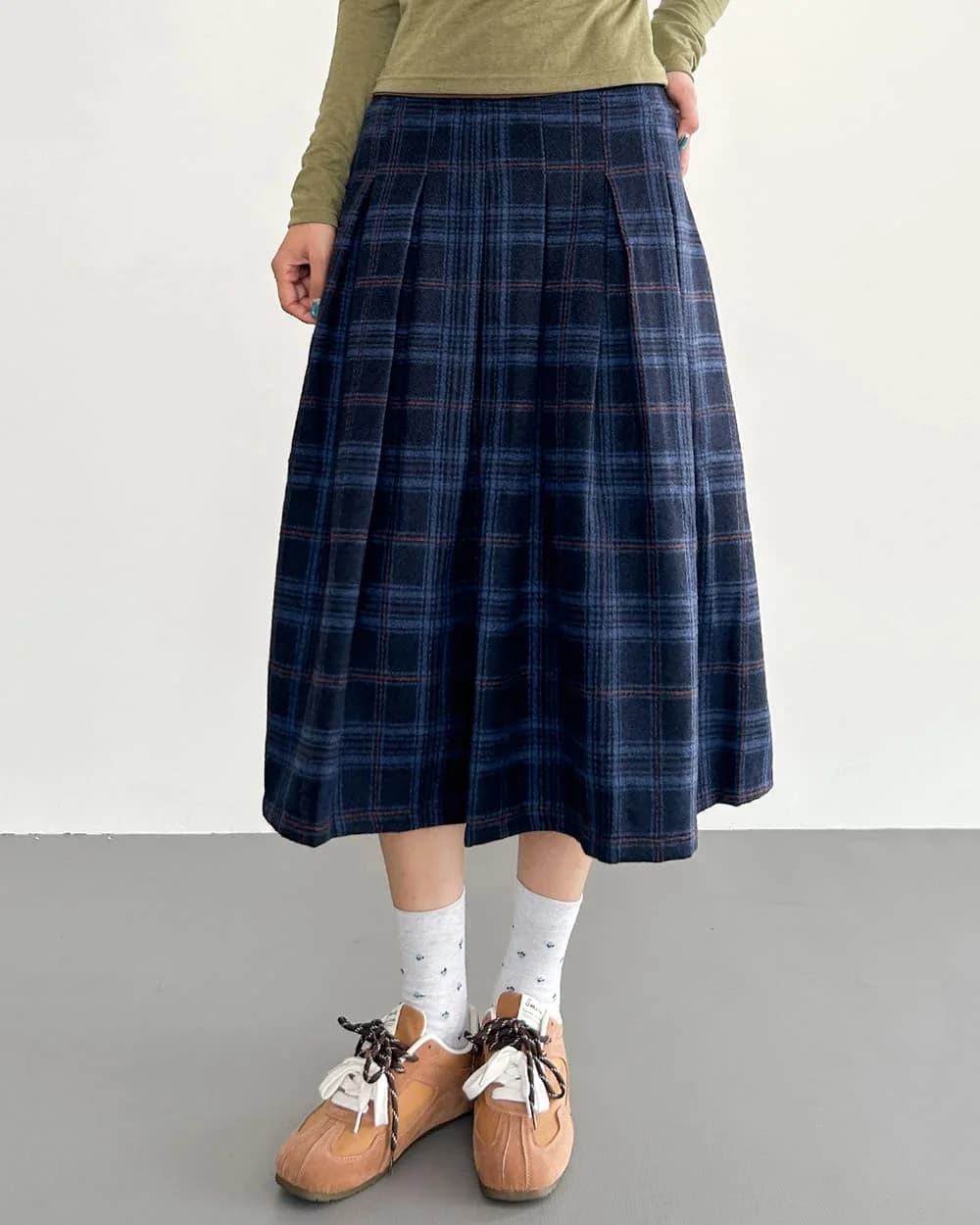
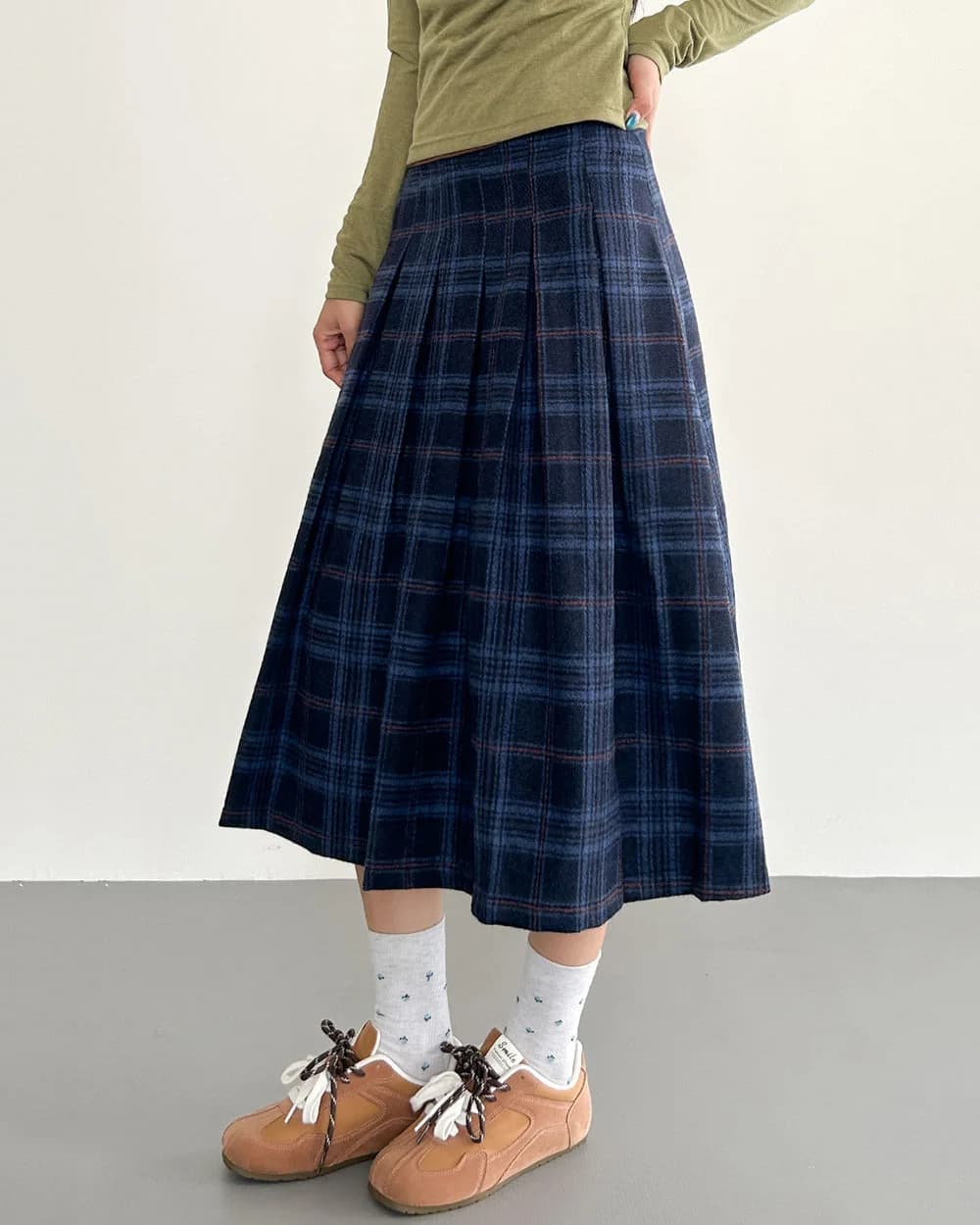
If you are wearing an option like the Preppy Style Plaid Pleated Midi Skirt, which is offered in Blue, the longer hemline provides substantial visual coverage. To balance a patterned midi pleated cut, choose a solid, fitted upper layer. A crisp white oxford shirt layered under a navy crewneck knit frames the plaid without competing against it. The longer length of the skirt also calls for footwear that shows a hint of ankle or fits closely to the calf, preventing the lower half from feeling overly heavy.
For shorter pleated options, balancing the exposed leg is essential. A higher neckline, like a mock neck, a crewneck, or a fully buttoned collar, counteracts the shorter skirt length to keep the look tasteful and grounded. Avoid overly plunging necklines with short pleated skirts, as keeping the upper half modest and crisp maintains the signature collegiate balance.
- Layer stiff-collared shirts under thin crewnecks to create sharp contrast against sharp knife pleats.
- Offset longer patterned pleated skirts with neutral, solid-color tops to prevent visual chaos.
- Balance shorter pleated hemlines with higher, structured necklines like mock necks and buttoned polos.
Mini Skirt Outfits: Hemline Math and Upper-Body Coverage
Mini skirts can look exceptionally chic and refined when the rest of the outfit respects the proportion balance between exposed leg and upper-body coverage. Exploring Old Money Mini Skirts reveals structured A-lines, textured wools, and tailored cuts that sit well above the knee. The fundamental styling rule here is straightforward: as the hemline moves up, upper-body coverage should increase. Pairing a short hem with a long-sleeve knit, a tailored blazer, or a buttoned shirt creates an effortless, refined balance.
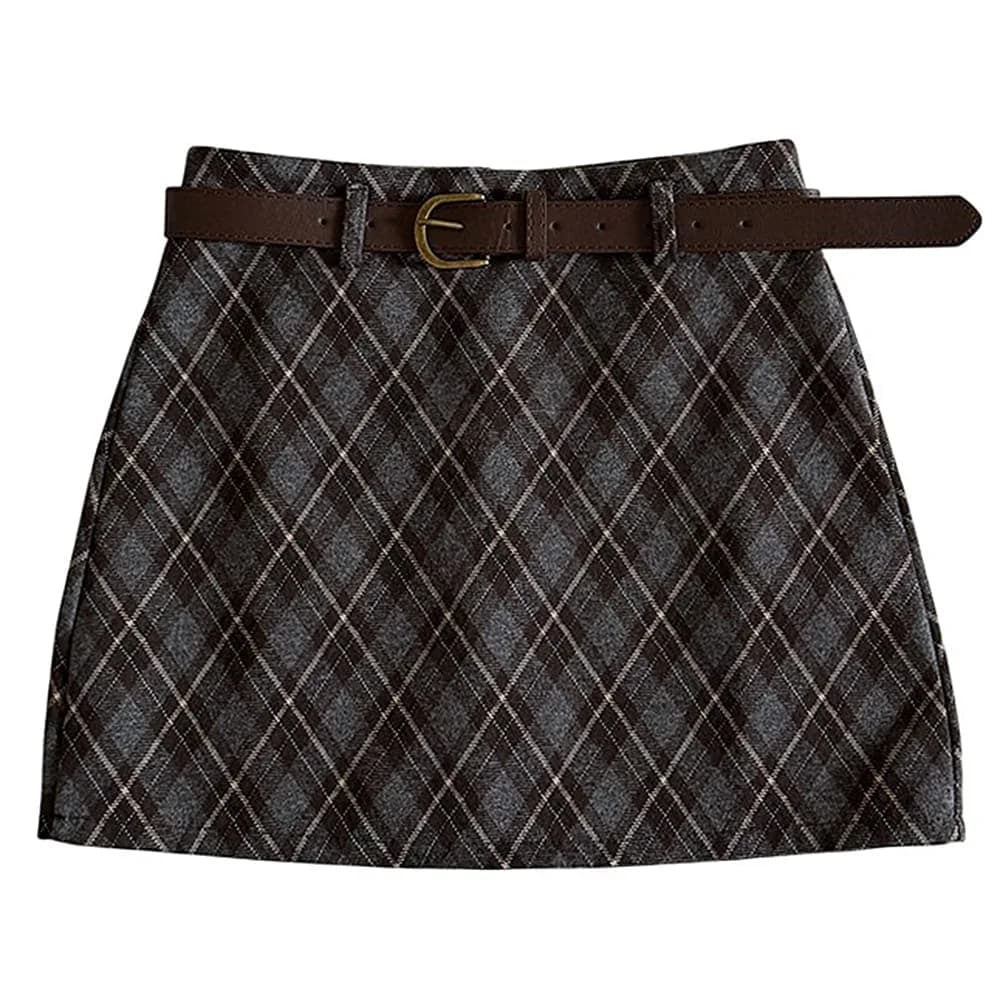
Consider a structured option like the Library Crush Argyle Mini Skirt, made from a polyester and wool blend and available in Red, Blue, and Grey/brown. Because the argyle pattern provides classic visual detail, pairing it with a solid, long-sleeve cream knit or an espresso turtleneck keeps the focus on the skirt's rich texture. Tucking a fine knit neatly into its waistband ensures that the argyle pattern sits flat and uninterrupted.
Footwear choice plays a huge role in balancing a mini skirt. Very high, thin heels can tip a short hemline into evening-party territory rather than everyday classic elegance. Instead, choose flat leather loafers, equestrian riding boots, or sleek ballet flats. These flat or low-heeled options anchor the short hemline, offering an easy, grounded look suitable for morning appointments or casual lunches.
- Offset exposed legs by choosing long sleeves, high necklines, or structured outer layers.
- Anchor patterned mini skirts with solid, neutral knits in cream, navy, or deep brown.
- Prioritize flat loafers, low-block heels, or knee-high riding boots over thin stilettos.

Satin and Fluid Skirts: Managing Drape with Tailored Separates
Satin fabrics bring a soft sheen and fluid drape that contrast beautifully against structured, matte separates. However, pairing fluid skirts with loose, unstructured tops often makes an outfit feel too casual or pajama-like. To wear a satin piece with classic polish, introduce heavy textures or crisp tailoring up top to create deliberate contrast against the skirt's smooth surface.
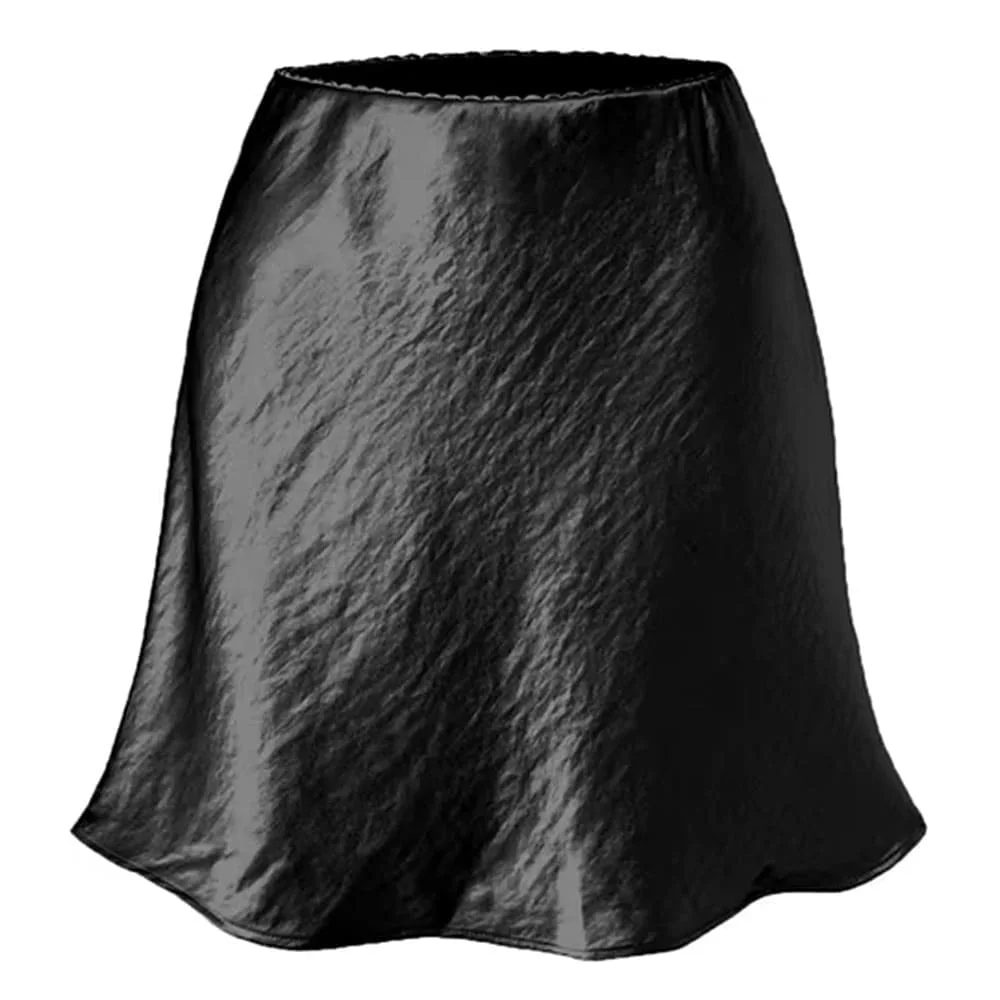
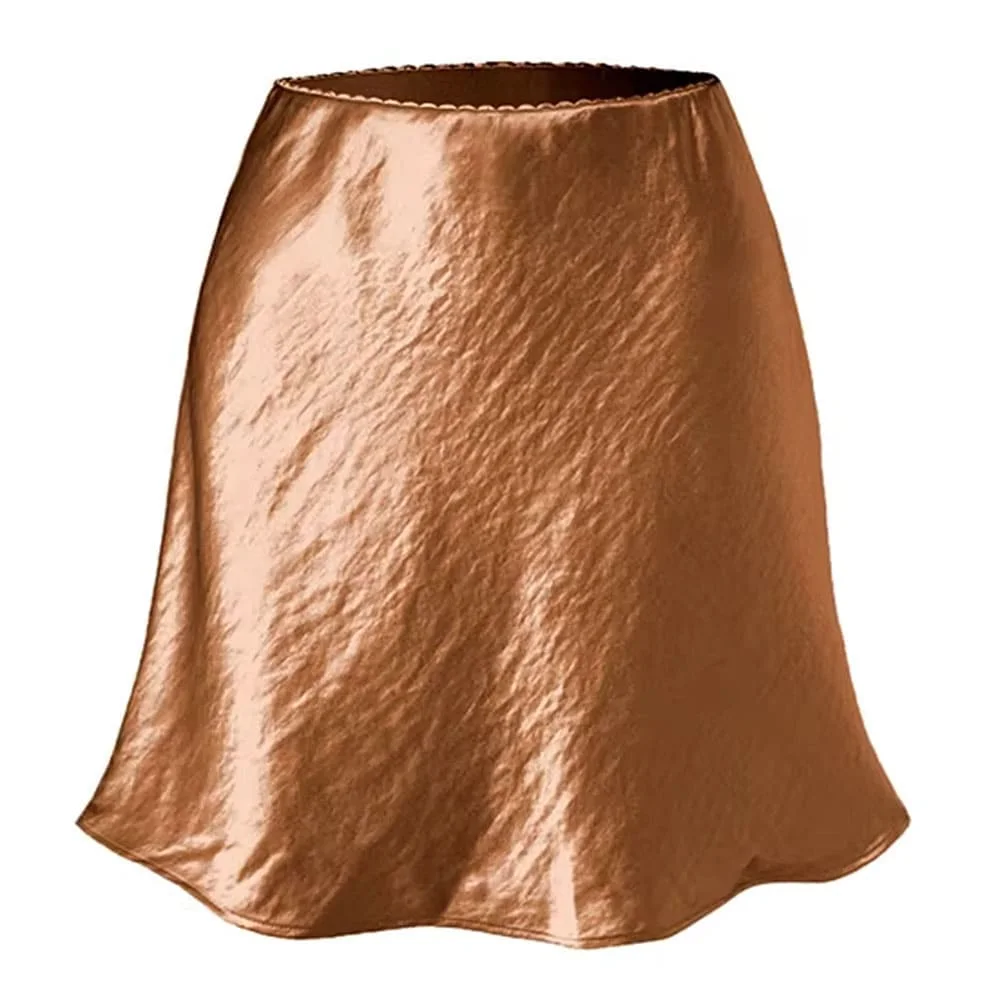
The Old Money Satin Mini Skirt, constructed from polyester and offered in White, Black, Brown, and Green, demonstrates how a sleek finish benefits from grounding textures. Try pairing the Brown or White colorway with a chunky ribbed knit sweater or a structured tweed blazer. The difference between the light-reflecting fabric of the skirt and the matte, textured finish of the knitwear creates visual depth while keeping the outfit relaxed and wearable.
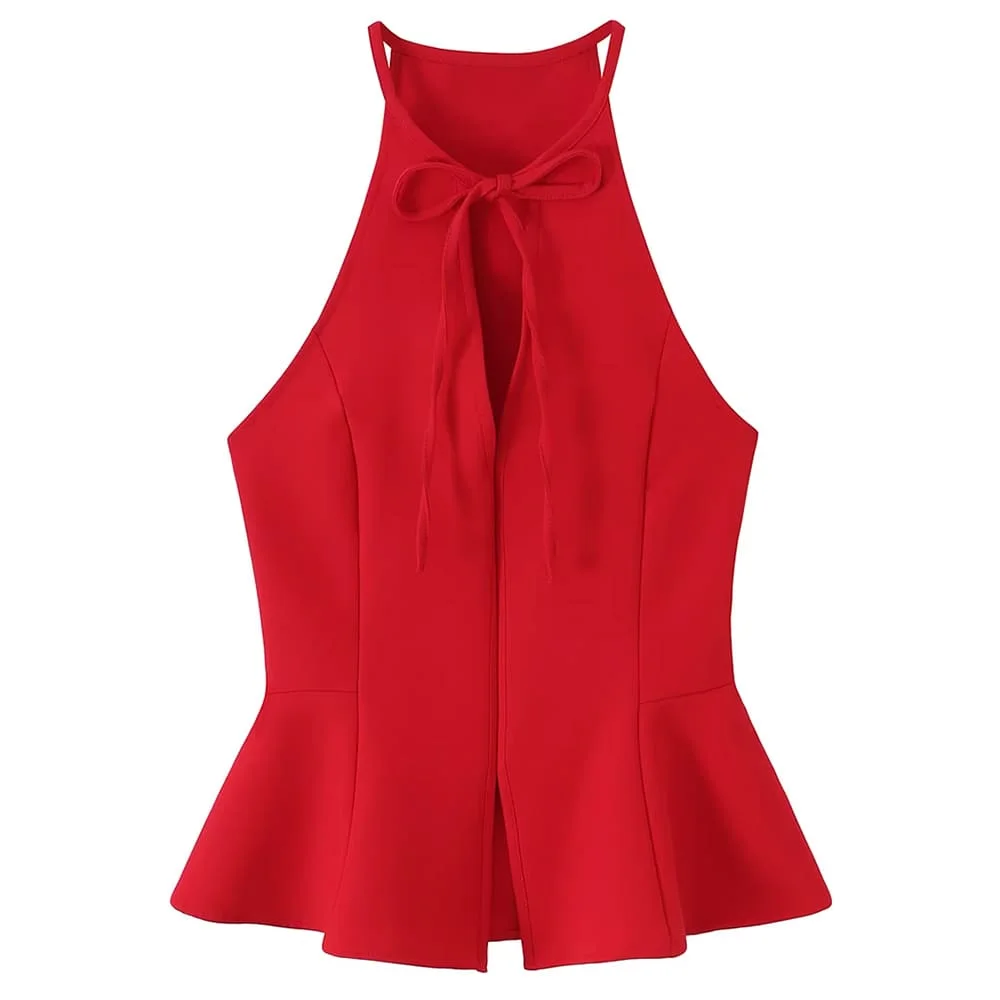
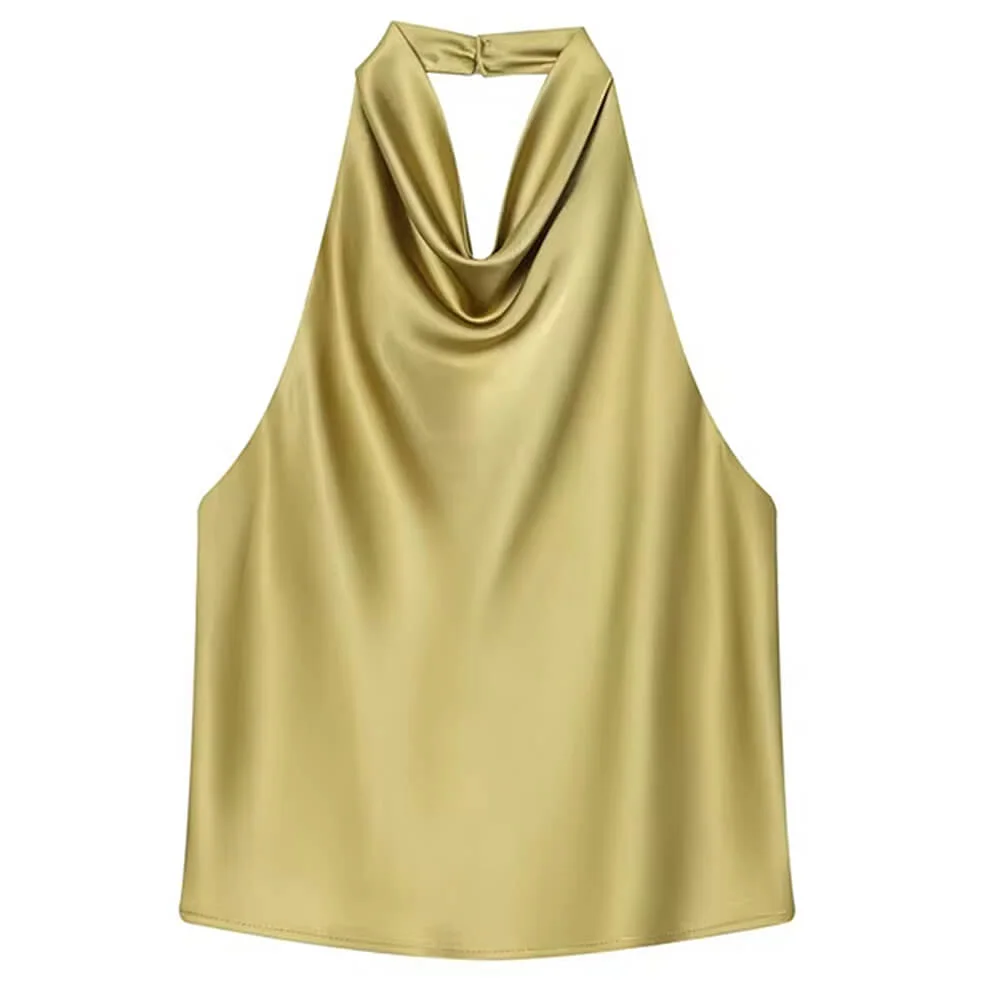
If you are dressing for warmer weather, you can pair satin with sleek tops from our curated Old Money Tops. You could also choose an all-satin combination by pairing the skirt with the Old Money Satin Halter Top, which comes in Green, Black, Pink, Brown, White, and Yellow. To keep that matching satin pairing balanced for day or evening, drape a structured wool blazer or a classic cotton trench coat over your shoulders to temper the sheen and frame the neckline.
- Combine high-shine satin with matte textures like wool, cashmere, or crisp cotton.
- Throw a tailored blazer over fluid mini skirts to provide structure around the shoulders.
- Ground glossy fabrics with simple leather accessories rather than high-gloss patent leather.

Pattern Play: Plaid, Argyle, and Polka Dot Styling
Patterned skirts bring classic heritage charm to any capsule wardrobe, but styling them incorrectly can quickly make an outfit look busy. Patterns like houndstooth, argyle, plaid, and polka dots already command attention, meaning the supporting tops, coats, and accessories should stay quiet and deliberate. The simplest way to style a patterned skirt is to identify the secondary color within the print and mirror that shade in your top.
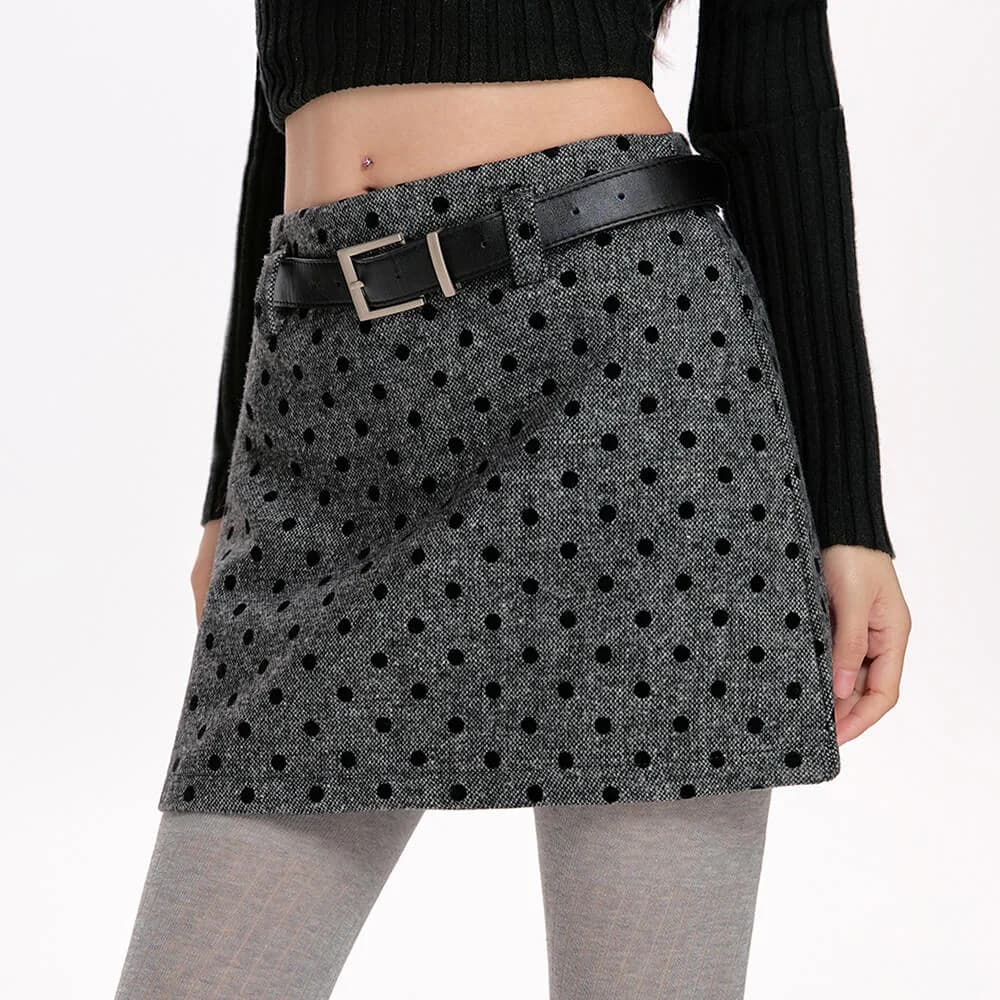
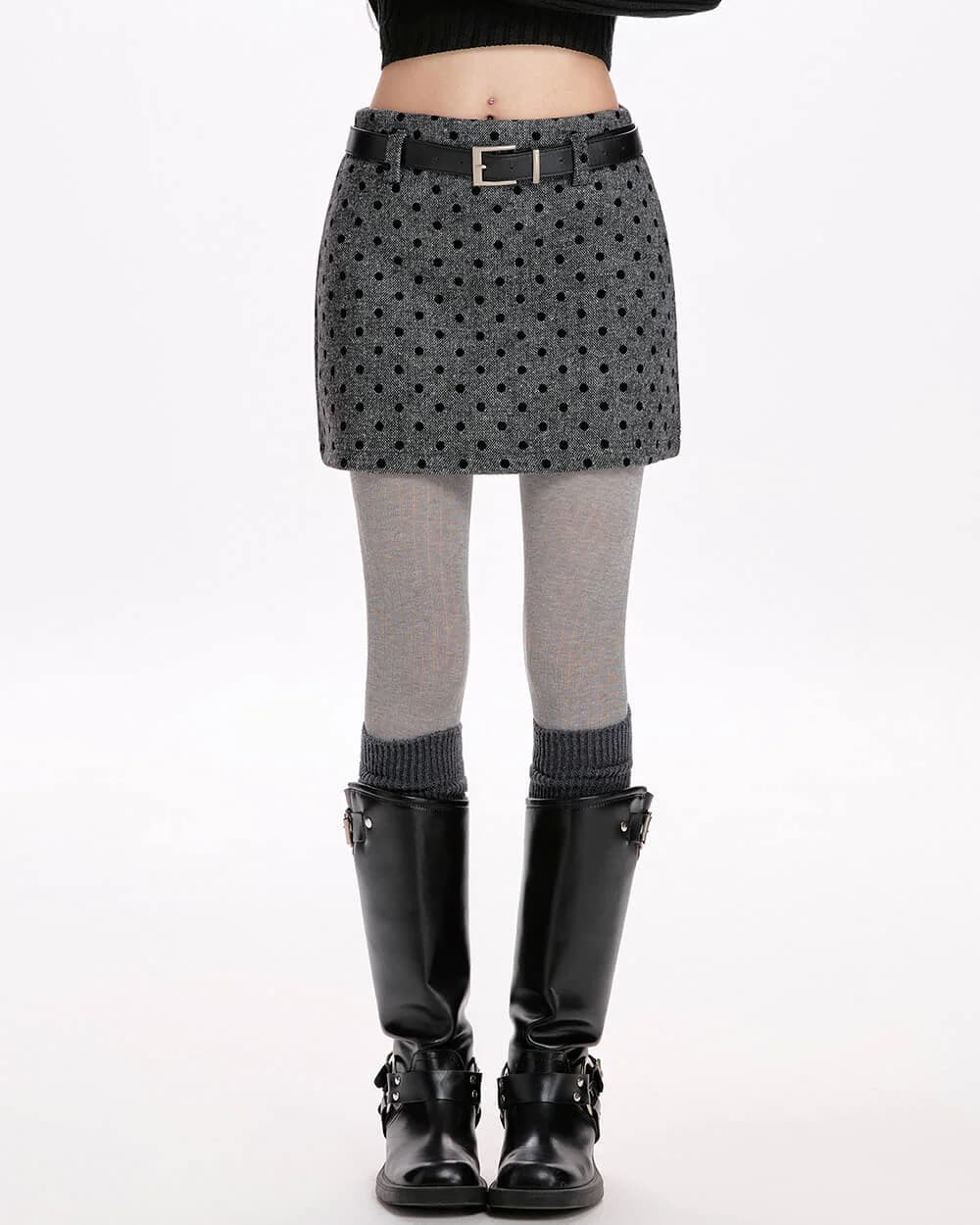
Take the Madeleine Polka Dot Mini Skirt, which comes in a refined Grey polyester finish. The subtle polka dot pattern adds playful vintage charm. To keep the look sophisticated, pair it with a fitted black boatneck top or an off-white silk-blend button-down. Keeping the top monochromatic lets the skirt's print stand out naturally without visual friction.
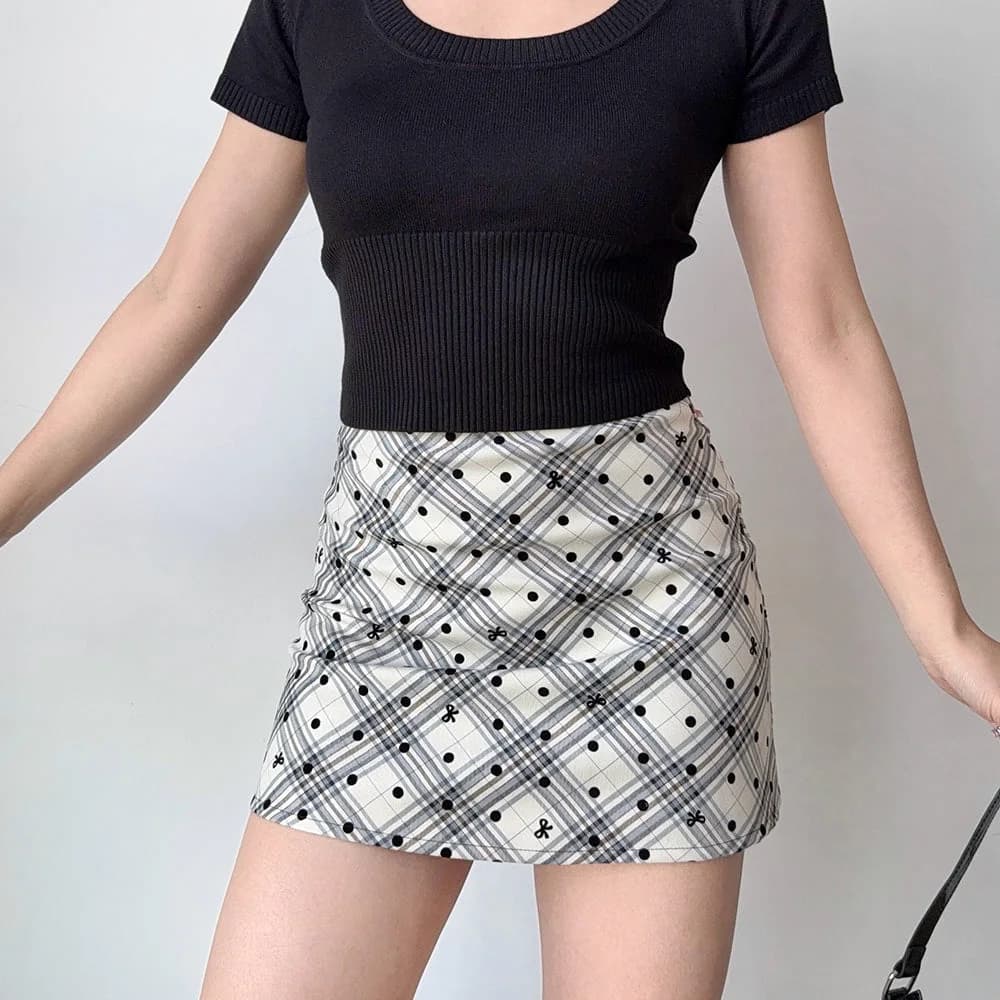
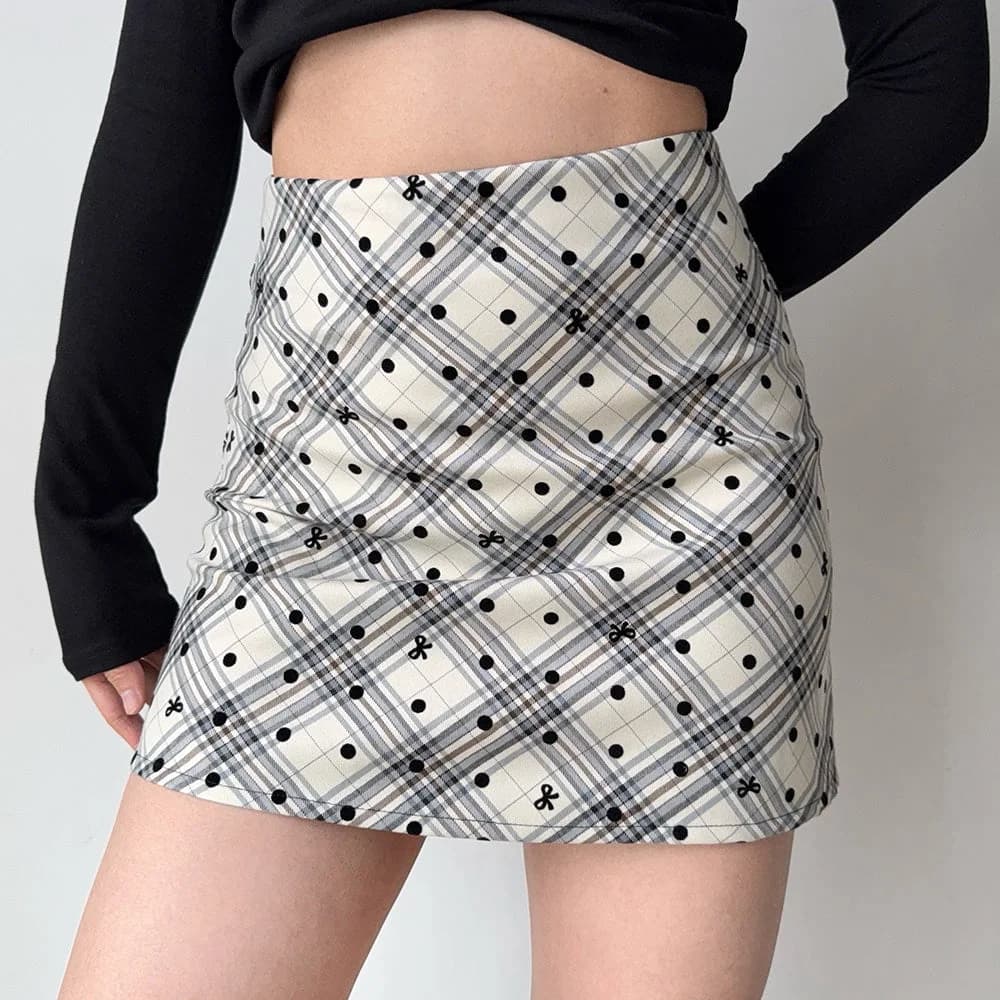
Another strong example is the Missed Calls Plaid Polka Dot Skirt, offered in Black/white polyester. Combining elements of plaid and dot patterns in one piece requires strict restraint with the rest of your outfit. A minimalist black mock-neck knit and sheer black tights allow the hybrid pattern to serve as the outfit's centerpiece. Adding bright, busy accessories would compete with the print, so stick to clean leather shoes and simple jewelry.
- Pick one neutral color from your skirt's print and repeat it in your top or knitwear.
- Avoid mixing competing large-scale prints unless the secondary piece is a subtle micro-stripe.
- Use matte, solid-colored tights to seamlessly connect patterned skirts to your shoes.

The Co-Ord Shortcut: Styling Pre-Matched Sets Without Looking Stiff
Matching sets remove the guesswork of pairing tops and skirts, but they can occasionally feel overly formal or stiff if styled without personal touches. The secret to wearing a co-ord with modern ease lies in how you break up the matchy-matchy feel through accessories, footwear, and subtle unbuttoning. A coordinated knit set provides a cohesive silhouetteThe overall shape an outfit creates, from fitted to loose and layered. that feels effortlessly put-together when styled with the right casual elements.
The Mocha Sweater & Skirt Co-Ord, made from a cozy polyester and wool blend in rich Brown, delivers an instantly cohesive silhouetteThe overall shape an outfit creates, from fitted to loose and layered.. Because the pieces share the exact same yarn and color, the outfit creates an unbroken vertical line that flatters your frame. To keep the set looking relaxed, leave the collar casually unbuttoned, roll the cuffs once, and slip into off-white leather sneakers or oxblood penny loafers. A structured leather shoulder bag finishes the look without adding clutter.
Similarly, the Caramel Top & Skirt Co-Ord in Wool and Polyester offers flexible styling options in Cardigan / Beige, Skirt / Beige, or the full Cardigan + Skirt / Beige set. Wearing the set together gives a streamlined, monochrome look, but you can also wear the cardigan unbuttoned over a white rib tank to soften the presentation. Alternatively, separating the pieces—pairing the cardigan with tailored trousers or the skirt with an ivory fisherman sweater—doubles the utility of your wardrobe.
- Unbutton top collars or push up knit sleeves to keep matching sets looking approachable.
- Break up monochromatic sets using contrasting leather accessories in deep brown, tan, or black.
- Mix and match set pieces with separate wardrobe staples to get more mileage from each garment.
Shoe Pairing Strategy: Loafers, Flats, and Mary Janes
Footwear choices establish whether a skirt outfit leans casual, collegiate, or formal. Flat shoes and low-heeled classics are the foundation of traditional tailored aesthetics, offering comfort while keeping your silhouetteThe overall shape an outfit creates, from fitted to loose and layered. grounded. Loafers, Mary Janes, and ballet flats each interact with skirt hems in distinct ways, influencing where the eye lands.
Penny loafers or horsebit loafers are the quintessential choice for pleated and wool skirts. Their sturdy leather soles balance structured skirts and thick knits. When wearing loafers with a mini skirt, adding thin white crew socks or sheer ankle socks gives a nod to vintage prep school styling. For midi-length skirts, bare ankles or ultra-sheer hosiery prevent loafers from looking overly heavy.
Mary Janes and ballet flats provide a lighter, more delicate alternative. A pointed or almond-toe leather flat lengthens the leg line, making it a great match for A-line mini skirts or flowing midi cuts. Patent Mary Janes add a hint of texture against matte wool fabrics, while soft lambskin ballet flats keep satin and cotton skirts looking soft and understated.
- Pair horsebit loafers with pleated skirts to lean into a classic, tailored aesthetic.
- Style Mary Janes with mini skirts and crew socks for a tasteful, vintage-inspired silhouetteThe overall shape an outfit creates, from fitted to loose and layered..
- Choose pointed-toe flats with longer hemlines to elongate the foot and keep hems looking light.
Boot Pairings: Knee-Highs, Chelsea, and Ankle Profiles
When cooler weather arrives, boots become an essential tool for styling skirt outfits. The key to successful boot pairing is avoiding awkward gaps between the top of the boot and the skirt's hemline. When a boot shaft cuts across your leg in an unflattering spot, it can visually shorten your frame and disrupt an otherwise cohesive look.
Knee-high equestrian or riding boots are the ideal match for mini skirts. By covering the calf, they provide warmth and visual coverage that balances the shorter hemline. Choosing a boot with a straight, structured shaft in smooth brown or black leather creates a clean line from the knee down. When styling knee-high boots with mini skirts, aim for 10 to 15 centimeters of space between the top of the boot and the skirt hem.
With midi skirts, pairing them with tall boots that slide up under the hemline creates a continuous, unbroken silhouetteThe overall shape an outfit creates, from fitted to loose and layered. that blocks out wind and cold. Ankle boots require more care: low Chelsea boots can create an awkward, stumpy look when paired with midi skirts unless the skirt falls well above the ankle. If you prefer ankle boots, opt for sleek, close-fitting sock-style boots that tuck neatly under the hem rather than bulky work-boot styles.
- Wear straight-shaft knee-high boots with mini skirts to balance upper-leg exposure.
- Let midi skirts drape over tall boots to create a seamless, windproof vertical line.
- Avoid wide-shaft ankle boots with midi skirts, as they break the visual flow of your leg.
Layering Outerwear: Trench Coats, Blazers, and Longlines
Outerwear frames your skirt outfit, serving as the first layer people notice when you step outside. The length of your jacket or coat relative to your skirt hem makes all the difference in maintaining proportion. When outer layers end at awkward, competing lengths, your outfit can quickly look unorganized and mismatched.
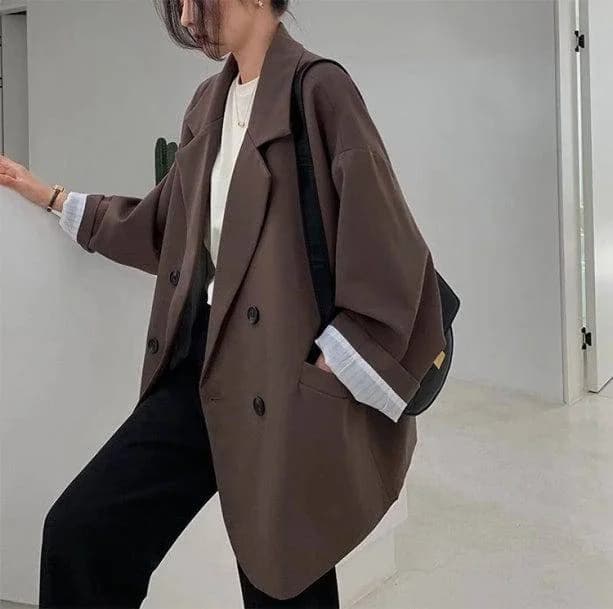
A tailored, double-breasted blazer works exceptionally well with mini skirts. If your blazer hem ends just a couple of centimeters above or at the exact same level as your skirt, it creates an intentional, suiting-inspired finish. To execute this look, leave the blazer unbuttoned to reveal your tucked-in top and defined waistband, which preserves your vertical proportions and prevents you from looking boxed in.
For longer skirts, such as pleated midis, your best outerwear choices are either a cropped jacket that hits squarely at your natural waist or a longline coat that extends past the skirt hem. A classic belted trench coat that falls mid-calf envelops the entire outfit in a streamlined shell. Avoid mid-thigh coats when wearing midi skirts, as splitting your body into three distinct visual tiers breaks up your silhouetteThe overall shape an outfit creates, from fitted to loose and layered..
A mini skirt and blazer already create a crisp outline, so keep the layer underneath close to the body and avoid another bulky hem. Tuck a shaped top cleanly into the waistband to preserve the line; a single noticeable earring can add personality without competing with the jacket. For a more expressive take on defined tops and finishing details, see Onee Gyaru Clothes.
- Match blazer lengths closely to mini skirt hems for a tailored, polished effect.
- Pair midi skirts with coats that fall past the hem or crop neatly at the waistband.
- Leave structured coats unbuttoned when walking to showcase the defined waistline beneath.
Hosiery and Socks: Tights, Sheers, and Ribbed Accents
Legwear is often treated as a last-minute addition, but it dramatically changes how your skirt and shoes connect. Bare legs may work during warm seasons, but transitional months and chilly weather call for hosiery that enhances your outfit rather than detracts from it. The right tights smooth transitions between hemline and footwear, while the wrong pair can make an ensemble feel disjointed.
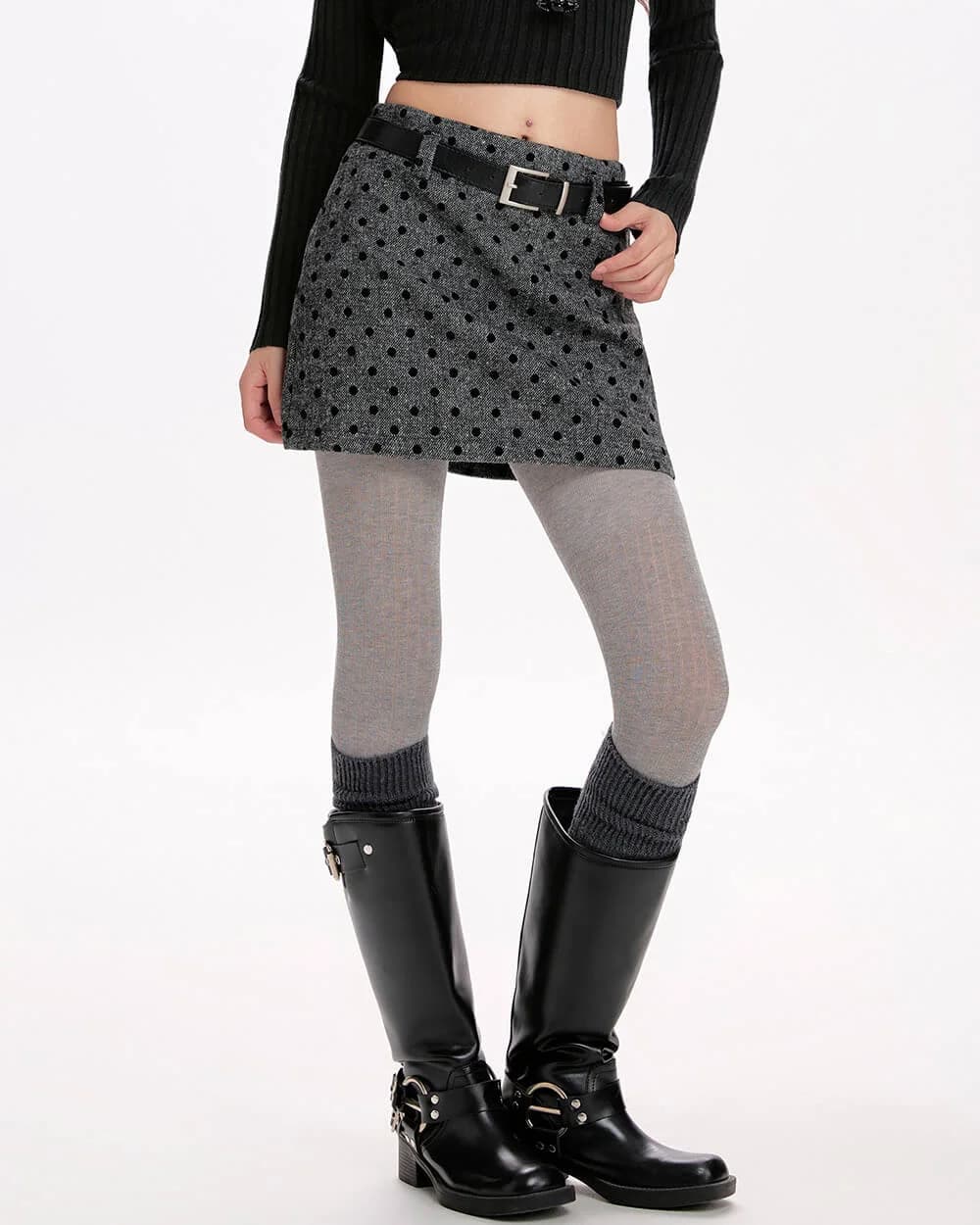
Semi-sheer black tights (around 15 to 30 denier) offer a versatile choice for styling darker mini skirts and loafers. Unlike thick, opaque tights, semi-sheer finishes allow subtle skin tone to show through, keeping your legs looking light and refined even under heavy wool outerwear. When wearing brown skirts, opt for espresso or chocolate-toned tights rather than harsh black, maintaining a harmonious palette across your lower half.
White or cream ribbed crew socks bring an authentic retro collegiate accent to pleated skirts and loafers. To wear this look cleanly, pull the socks up straight or give them a single neat fold just above the ankle bone. Avoid slouchy, messy socks, which clash with the crisp lines of pleats. During winter, fully opaque fleece-lined tights in dark hues let you wear mini skirts comfortably without sacrificing a tailored look.
- Choose 15–30 denier semi-sheer tights for an elegant balance with mini skirts.
- Match tight colors to your footwear or skirt palette (espresso with brown, black with charcoal).
- Keep white crew socks neatly pulled up when pairing with pleated skirts and leather loafers.
Color Coordination: Neutrals, Tonal Layering, and Accents
The traditional old-money palette relies heavily on understated neutrals: ecru, cream, camel, navy, hunter green, espresso, and charcoal. Creating outfits within this palette does not mean wearing flat, single-tone beige from head to toe. Successful tonal styling involves layeringWearing pieces over or under one another to add depth, warmth or contrast. different shades and textures within the same color family to create depth and interest.
When styling a neutral skirt, pairing it with tops in neighboring shades yields a rich, cohesive look. For example, pair a cream wool mini skirt with an oatmeal cashmere sweater, a tan leather belt, and dark chocolate riding boots. The subtle gradation from light cream down to deep brown provides visual interest while keeping the overall palette calm, balanced, and intentional.
If you want to incorporate color, treat deep jewel tones and heritage shades as neutrals. Hunter green, deep burgundy, and rich navy integrate seamlessly with camel and cream staples. A navy pleated skirt paired with a cream cable-knit sweater and burgundy loafers adds personality while remaining grounded in classic, time-tested color combinations.
- Layer varying tones of the same color family (such as cream, beige, and camel) for depth.
- Use rich accent tones like burgundy, hunter green, and navy against neutral foundations.
- Avoid neon or overly saturated hues, which disrupt traditional color harmony.

Common Proportion Pitfalls and How to Fix Them
Even when using classic wardrobe pieces, small styling errors can disrupt your outfit's balance. Identifying these common mistakes allows you to adjust your look quickly in front of the mirror before heading out the door. Most proportion issues stem from misplaced waistlines, mismatched outerwear lengths, or clashing fabric weights.
A frequent pitfall is pairing a thick, heavy sweater with a delicate, unstructured skirt without defining the waist. A chunky cable-knit sweater left draped over a satin skirt swallows your silhouetteThe overall shape an outfit creates, from fitted to loose and layered. and pulls the eye downward. You can easily fix this by tucking the front hem of the sweater into your waistband or folding the sweater's bottom hem under itself using a thin elastic belt underneath, creating instant waist definition.
Another common mistake is choosing shoes that clash with your skirt's fabric weight. Wearing chunky, lug-sole boots with an airy pleated skirt can overpower the delicate folds of the fabric. Conversely, wearing flimsy, ultra-thin flats with a heavy wool tweed skirt makes the lower half look unfinished. Always ensure that the physical weight of your footwear complements the structure of your skirt fabric.
- Fix drowning silhouetteThe overall shape an outfit creates, from fitted to loose and layered.s by using a front-tuck or internal belt-fold on chunky knits.
- Match fabric weights: pair heavy wool skirts with structured shoes, and light satins with sleeker footwear.
- Check hemline breaks: ensure coats either match the skirt length or extend past it cleanly.
The Outfit Balance Checklist
Before stepping out in your skirt outfit, running through a quick mental checklist ensures that your proportions, textures, and accessories work together harmoniously. Taking two minutes to assess your look in a full-length mirror helps you spot small imbalances and make quick adjustments to your tuck, footwear, or outerwear.
Start at your head and work downward. Check your neckline: does it balance the amount of leg exposed by your hemline? If you are wearing a mini skirt, a crewneck, collared shirt, or layered sweater maintains visual balance. Next, check your waistline: is your tuck smooth, or is bulky fabric bunching under the skirt? If you are wearing a belt, make sure its leather finish matches or complements your shoes and handbag.
Finally, examine the lower half of your outfit. Ensure that your skirt hem and boots do not overlap in an awkward spot, and confirm that your hosiery fits smoothly without twisting. Check that your shoes offer the appropriate visual weight for the fabric of your skirt. When each element fulfills its purpose without competing for attention, your skirt outfit will look polished, timeless, and effortlessly put-together.
- Verify that upper-body coverage appropriately balances your hemline length.
- Confirm that your top tuck is smooth, flat, and free of bulky bunching at the hips.
- Ensure leather tones across your belt, shoes, and bag feel intentional and harmonious.
- Check that your footwear weight correctly complements the drape and fabric of your skirt.