
Created by the Kawaii Vibe editorial team. Our named style desks are editorial personas. Product details and availability can change.
LayeringWearing pieces over or under one another to add depth, warmth or contrast. classic knitwear can quickly feel bulky or stiff if you stack heavy pieces without considering weight, necklines, and hem lengths. The classic tailored approach relies on clean lines, balanced volumes, and functional comfort rather than piled-on fabrics.
Getting the right look comes down to matching your knitwear silhouetteThe overall shape an outfit creates, from fitted to loose and layered. to your base layer and bottoms. Whether you are pairing a fine-gauge crewneck over a woven shirt or styling a chunkier pullover across your shoulders, small adjustments in placement change the entire balance of your outfit.
This guide walks through practical layeringWearing pieces over or under one another to add depth, warmth or contrast. formulas for different body shapes and climates. We break down collar spacing, sleeve management, skirt proportions, and midweight outerwear transitions using straightforward styling principles.
The Core Principles of Clean Knitwear Layering
The foundation of tailored knitwear dressing is controlling volume. When you add a sweater over another garment, each layer needs a specific job. Your base layer should provide structure at the collar and cuffs, while the knit acts as the mid-weight thermal core without bunching up under the arms or around the waist.
A common mistake is pairing two thick, structured materials directly together. If your sweater has substantial texture, keep the underlayer light, smooth, and close to the torso. If your knit is fine and lightweight, you can introduce a stiffer woven cotton collar beneath it without disrupting how the sweater sits on your shoulders.
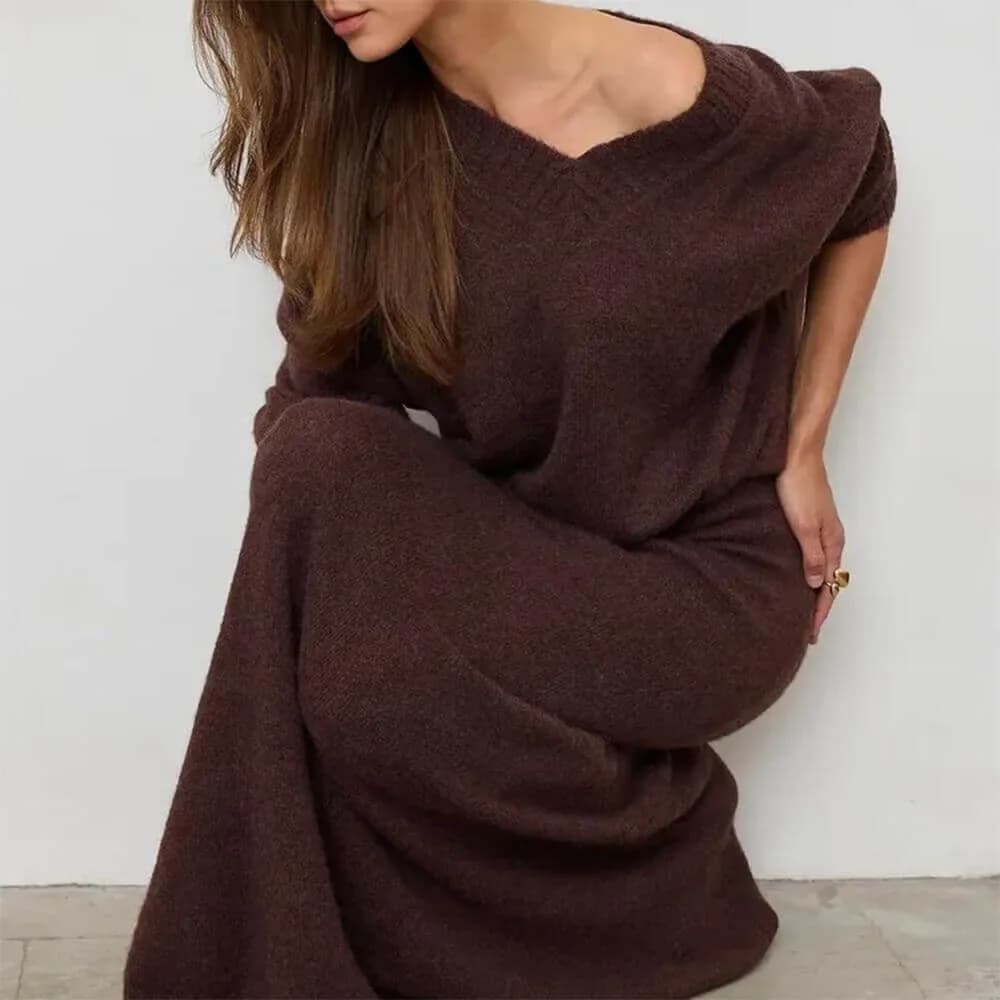
Browsing through dedicated Old Money Sweaters gives you a sense of standard necklines and weights to work with. Focus on how the armholes fit; high-cut armholes allow seamless layeringWearing pieces over or under one another to add depth, warmth or contrast. over shirts, whereas dropped shoulders are better suited for casual drape or relaxed outerwear combinations.
Shoulder Draping and the Classic Over-the-Shoulder Knot
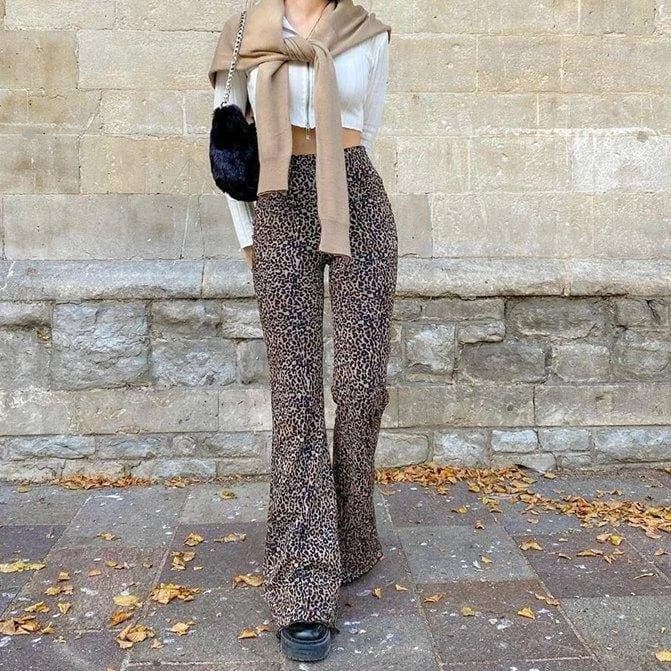
Draping a sweater over your shoulders is one of the most practical ways to carry an extra layer through shifting daytime temperatures. The secret to keeping it in place without constant adjusting is how you balance the weight across your collarbones.
Instead of knotting the sleeves tightly against your neck, rest the body of the knit squarely across your upper back. Cross the sleeves loosely over your chest and tie a soft, low knot around mid-sternum. This creates a relaxed anchor that will not slide sideways when you walk.
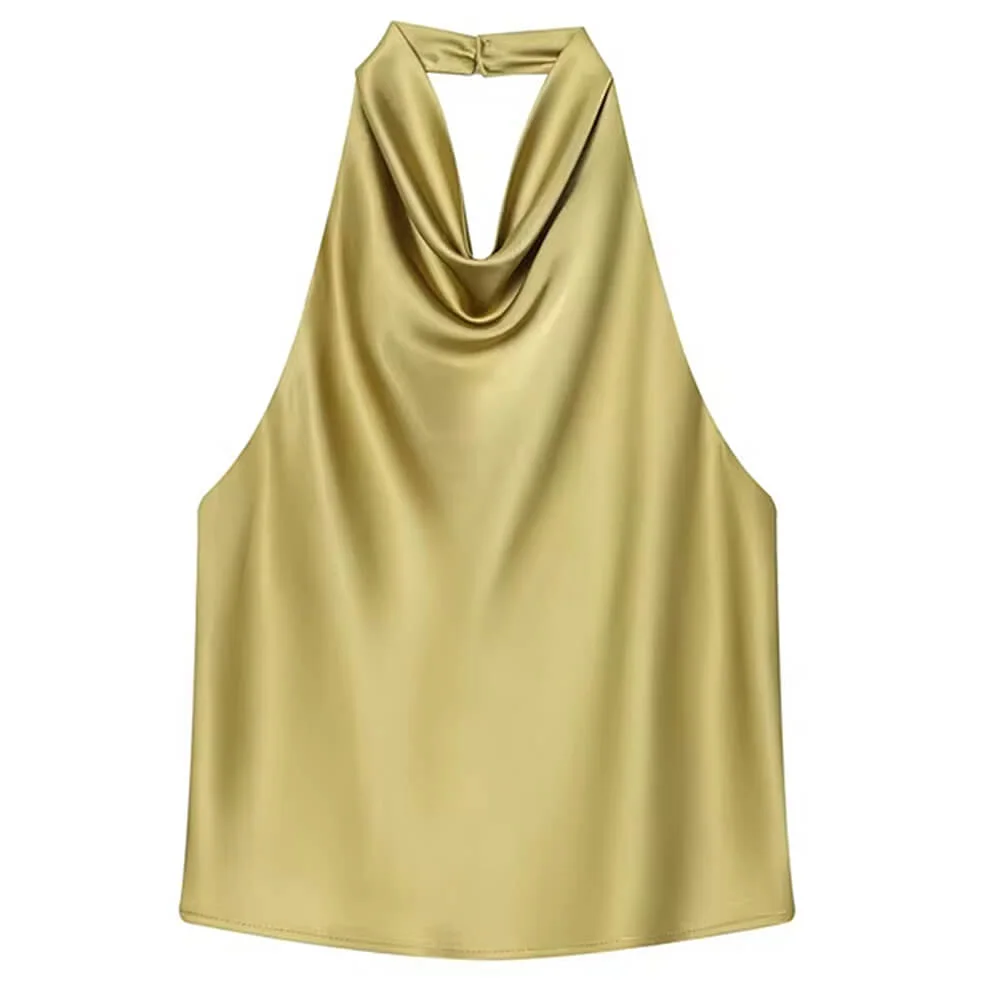
This draping method pairs exceptionally well over structured warm-weather tops. For instance, wearing the knit over the Old Money Satin Halter Top, which is made of smooth polyester in shades like white, brown, or green, lets you maintain an open, warm-weather neckline while keeping an insulating layer ready for when the temperature drops.
Balancing Proportions for Petite and Shorter Torsos
When you have a shorter torso or petite frame, longline or boxy knits can easily overwhelm your natural waistline. The goal is to avoid cutting your body horizontally in awkward places. Sweaters that hit right at the high hip or feature a gentle ribbed hem help preserve a lengthened leg line.
A useful styling trick is the French tuck, where you lightly fold just the front center inch of your knit into your waistband while letting the sides taper back naturally. This immediately reveals your belt or waist seam without adding bulk to your hips.
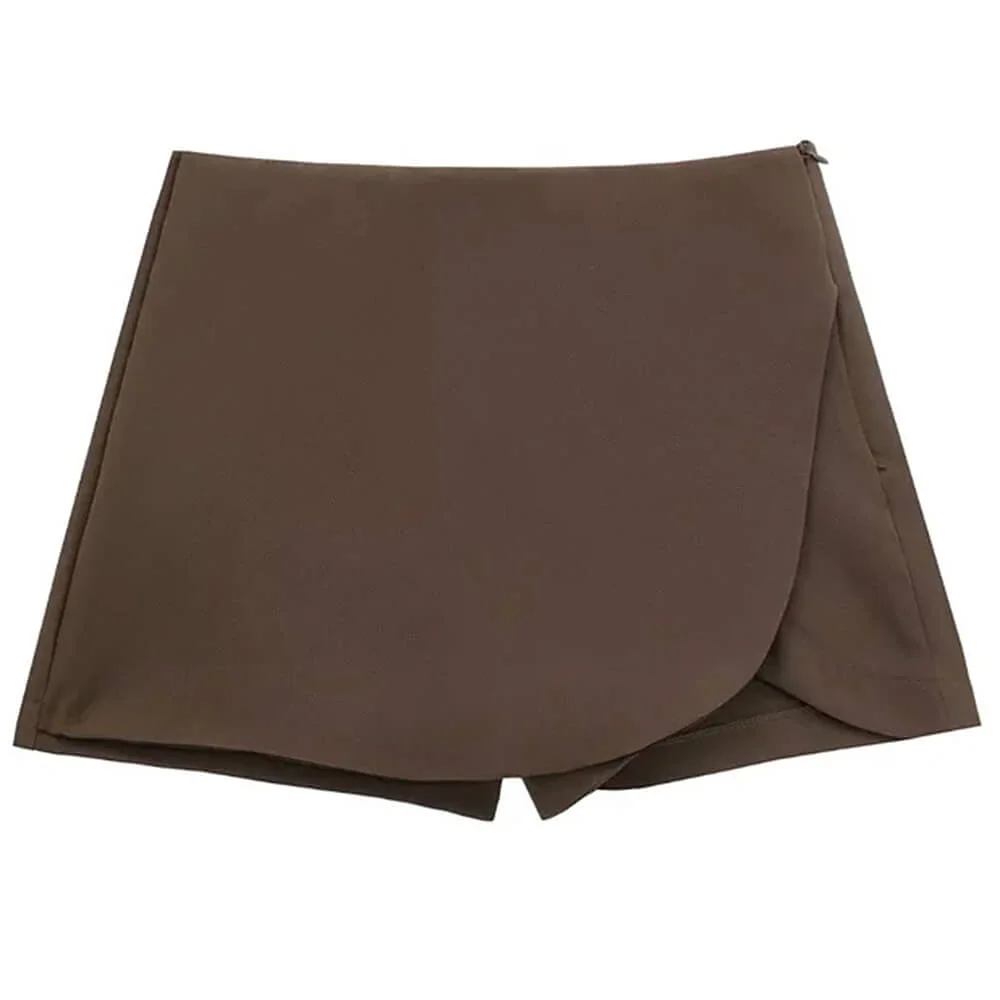
Pairing a neat, tucked knit with bottom layers like the Old Money Asymmetric Mini Skort in brown, black, pink, or white creates clear vertical contrast. The diagonal line of the skort hem keeps the eye moving upward, balancing the volume of a mid-weight sweater above it.
Layering Knits for Taller and Long-Torso Frames
Taller figures and longer torsos handle broader horizontal proportions well, but standard cropped knits can sometimes appear unintentionally shrunken. To create cohesive balance, look for sweaters with standard hip lengths or extended cuff ribs that reach the wrist bone comfortably.
LayeringWearing pieces over or under one another to add depth, warmth or contrast. a slightly longer woven base beneath a mid-length sweater helps break up a tall frame cleanly. Allowing two inches of a crisp shirttail to peek out under the ribbed hem anchors the outfit and bridges the transition between your sweater and your trousers or skirt.
You can explore comprehensive wardrobe bases across Old Money Clothes to see how wider trousers and straight-leg cuts balance out longer pullovers. Keeping your bottom pieces structured ensures that relaxed knits look deliberate rather than oversized.
Collar Play: Crisp Poplins, Polos, and Turtlenecks
The interaction between your sweater neckline and your underlayer defines the formality of your look. Crewneck knits provide a snug frame for classic pointed collars. To keep collar tips from curling outward, ensure the sweater neckline sits firmly against the collar band rather than pushing down on the points.
V-neck sweaters offer more room and benefit from wider spread collars or soft turtlenecks underneath. A thin turtleneck under a fine-gauge V-neck sweater creates sharp geometric contrast while locking in neck warmth during breezy mornings.
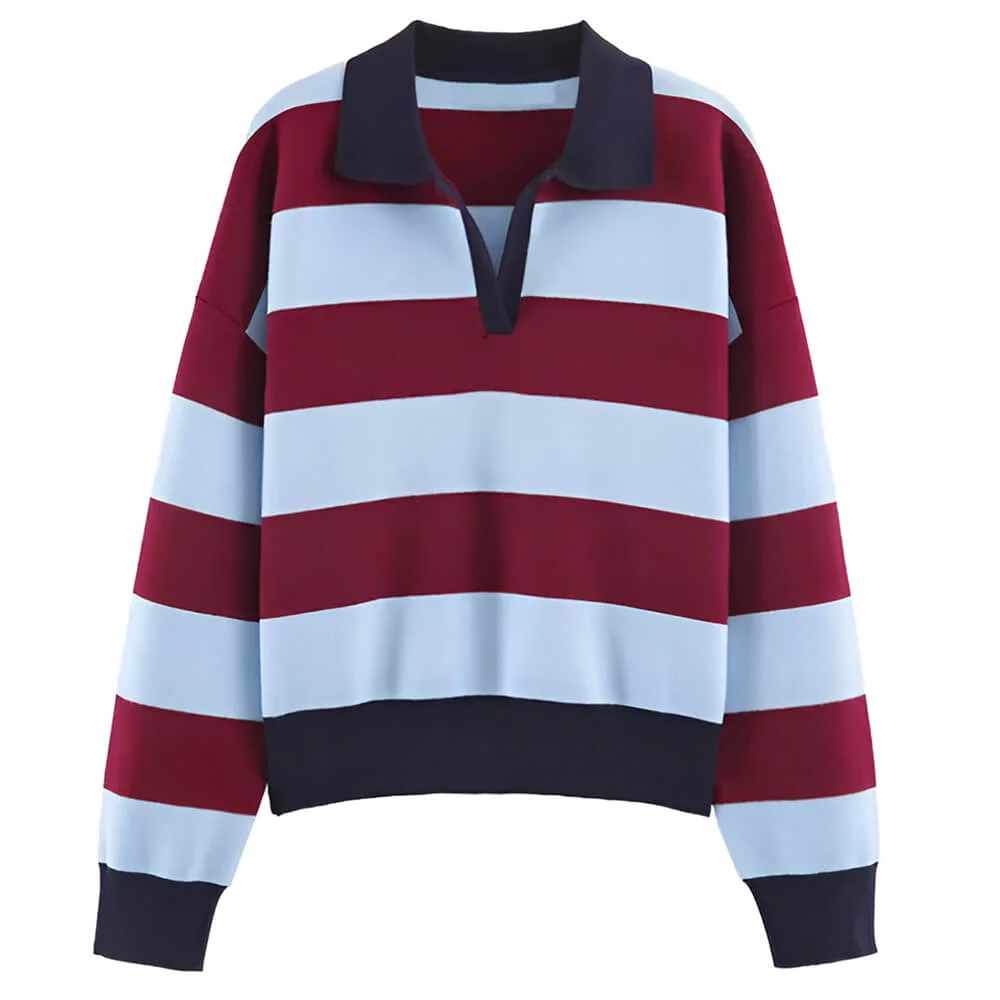
For relaxed campus-inspired days, a collared layer like the Campus Striped Rugby Collar Sweatshirt, crafted in polyester with options such as blue/burgundy and yellow/grey, serves as a sporty focal piece. You can layer a fitted thermal underneath its white collar, letting the structured neckline stand out effortlessly.
Pairing Sweaters with Tailored Skirts and Skorts
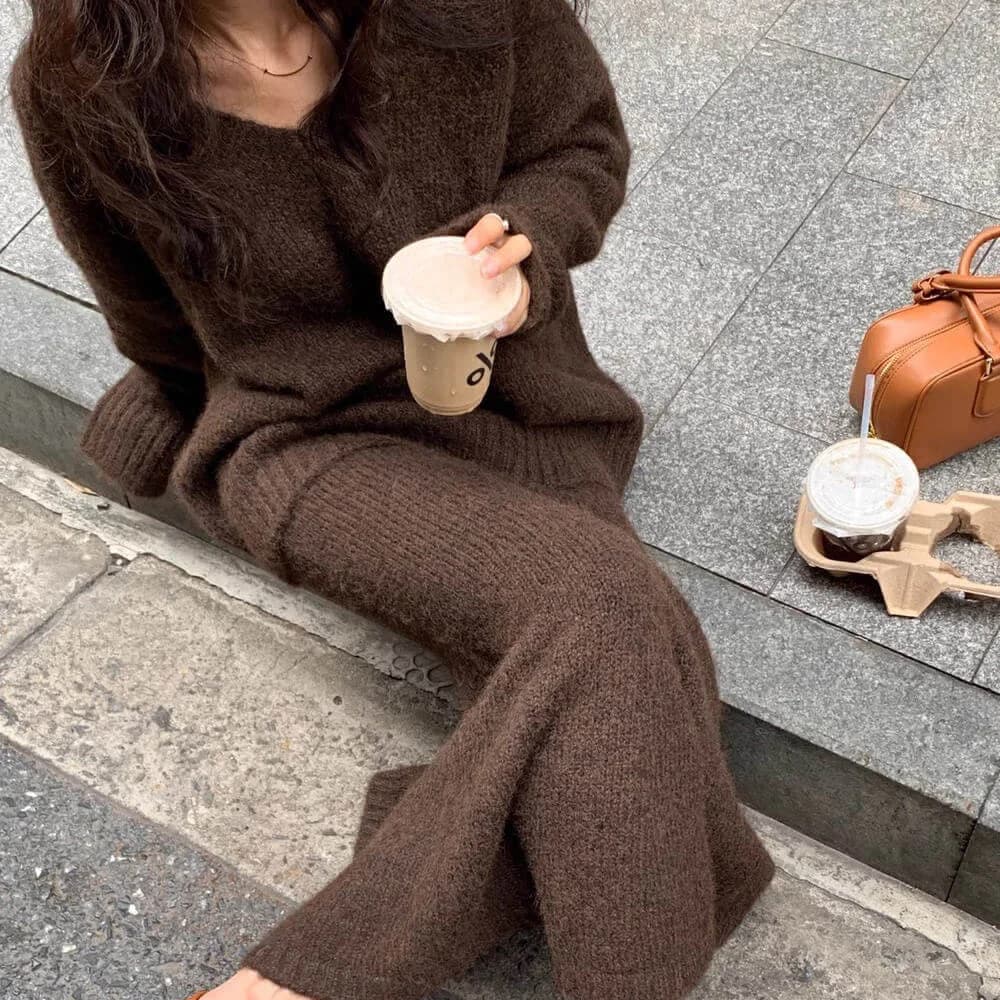
A classic knit paired with a tailored bottom is an easy formula for warm-to-cool transitional dressing. The key is contrasting textures: chunky or matte knits look best against sleek, woven, or fluid bottoms.
When working with mini lengths, look to options in Old Money Skirts to find pieces with structured waistbands. A smooth, glossy bottom like the Old Money Satin Mini Skirt in white, black, brown, or green creates an appealing surface contrast against fuzzy wool-blend or ribbed knitwear.
For a touch of subtle pattern play, pairing a plain cream or navy crewneck with the French Girl Polka Dot Skort in black or brown balances playful graphic details with quiet, understated knitwear. The internal shorts offer practical coverage while the clean front panel maintains a polished shape.

Cardigans as Mid-Layers and Outer Pieces
Cardigans provide exceptional layeringWearing pieces over or under one another to add depth, warmth or contrast. versatility because their button closures allow you to control air circulation and silhouetteThe overall shape an outfit creates, from fitted to loose and layered. definition throughout the day. Buttoning only the center two buttons creates an open A-line silhouetteThe overall shape an outfit creates, from fitted to loose and layered. at the hips, keeping your movement unhindered.
To use a cardigan as an insulating mid-layer, select a slim, fine-gauge cut that slips easily under trench coats or blazers. If your cardigan is thicker and features textured cabling, treat it as outerwear and wear it unbuttoned over a tailored sleeveless base.
Check out the selection of Old Money Cardigans to choose between crewneck cuts, deep V-necks, and ribbed trims. Remember that leaving the bottom button undone is an easy way to prevent the fabric from buckling horizontally across your lower stomach.
When wearing a cardigan as outerwear, a shaped camisole underneath can make the open front feel deliberate. Pair it with straight trousers and fasten one button near the waist to define the line. Let the knit remain the main feature, with one considered accent rather than several competing details. For a more expressive approach to polished layers and finishing details, see Onee Gyaru Clothes.
Warm-Climate Styling: Breathable Bases and Light Drape
Wearing traditional knit styles in hot, humid, or dry warm climates requires a strategic approach to fabric weights and styling placements. Heavy knits are impractical, so your focus shifts to open knits or carrying your layer loosely until evening breezes arrive.
Base tops should prioritize airflow. Combining light sleeveless tops from Old Money Tops with an open-weave knit draped loosely over your arms or tied around your waist keeps the aesthetic sharp without causing overheating.
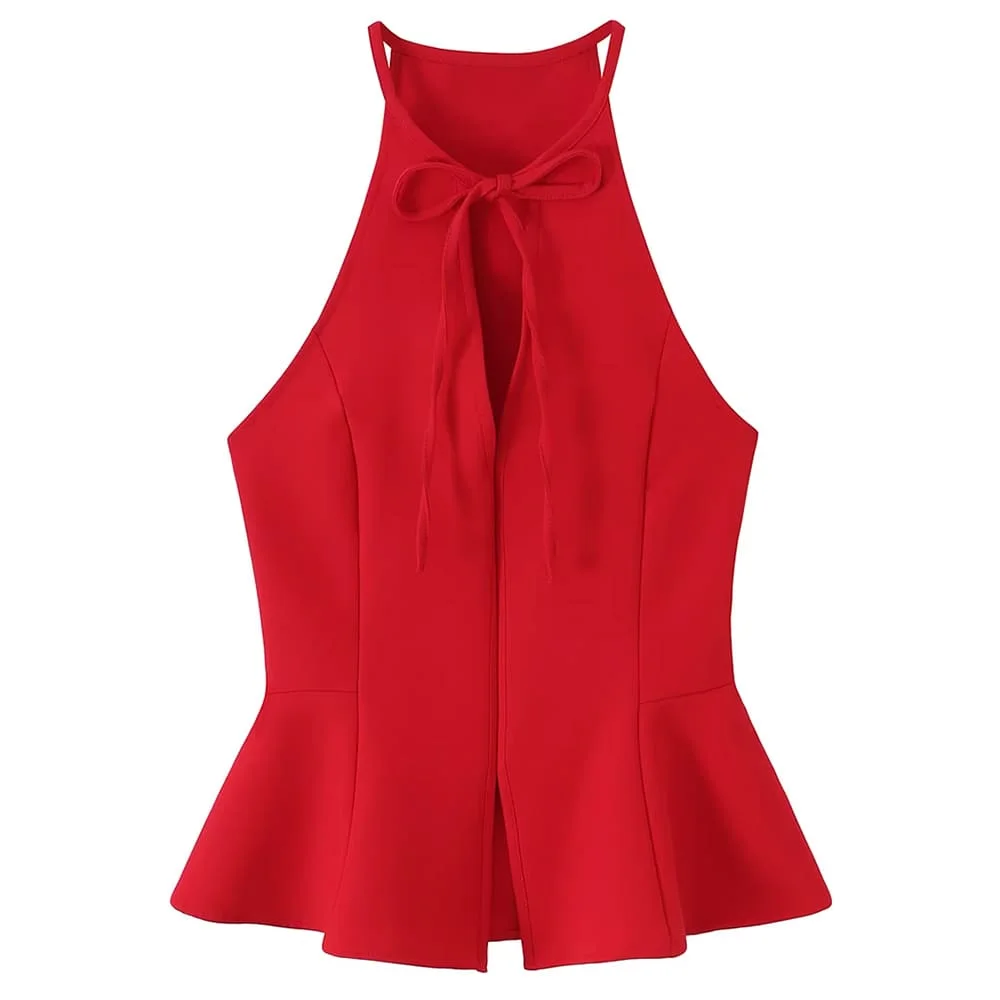
A feminine piece like the Meet Me In Paris Halter Peplum Top in red polyester pairs comfortably under an open, lightweight cardigan. The peplum waist flared subtly below the knit hem, creating balanced visual interest around the hips while keeping your arms covered.
Cold-Climate Formulas: Thermals, Knits, and Outerwear
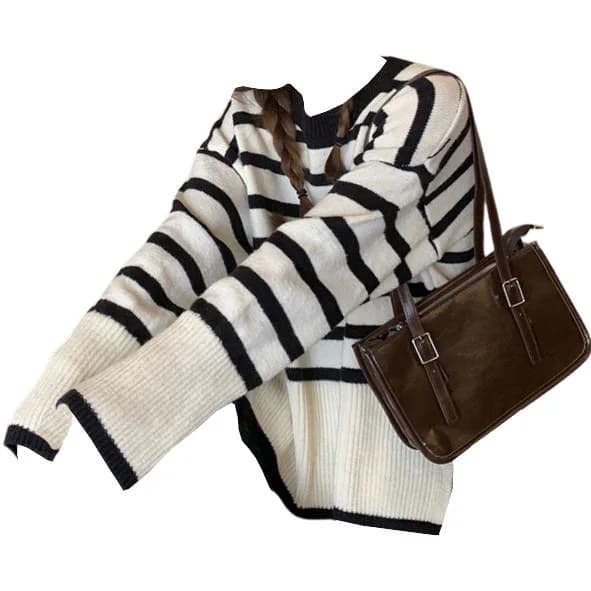
When temperatures drop significantly, effective layeringWearing pieces over or under one another to add depth, warmth or contrast. requires stacking thin, thermal layers rather than throwing one massive coat over a thin top. The warmth comes from the trapped air between each distinct garment.
Start with a moisture-wicking base layer against the skin, followed by a mid-weight sweater, and finish with a structured outerwear piece. The outerwear shoulders must be cut wide enough to prevent the sweater sleeves from binding tightly at your elbows or bicep.
A structured layer such as the Old Money Style Tweed Jacket in red cotton-polyester blend offers a rich tactile finish when worn over a fitted mock-neck sweater. Its tailored frame holds clean lines, keeping your silhouetteThe overall shape an outfit creates, from fitted to loose and layered. structured even when you are bundled up against brisk winds.
Color Coordination and Tonal Layering Techniques
Tonal layeringWearing pieces over or under one another to add depth, warmth or contrast. involves stacking different shades of the same color family—such as oat, camel, and cream—to create depth without loud visual disruption. This technique is a hallmark of classic dressing because it emphasizes textures over bold graphics.
When assembling a monochrome or tonal outfit, make sure the shades are distinctly different. Wearing two items in slightly mismatched creams can look like an accidental laundry error, whereas pairing a crisp ivory collar with a warm camel sweater and ecru trousers looks intentional.
If you prefer higher contrast, stick to proven combinations: rich navy blue over a stark white base, or chocolate brown paired with pale sky blue. These pairings keep the outfit grounded, calm, and readable from a distance.
Styling Knits Over Dresses for Extended Versatility
LayeringWearing pieces over or under one another to add depth, warmth or contrast. a sweater directly over a one-piece dress is an effective way to double your wardrobe utility across seasons. It transforms a warm-weather dress into what appears to be a matched skirt set.
To avoid losing your waistline under a relaxed sweater, place a thin leather belt around your dress at your natural waist. Put on your sweater, tuck the front hem up into the underside of the belt, and gently fold the excess knit down over it. This locks the sweater hem at your preferred height without bulky tucking.
This method works nicely over the Old Money Yacht Club Dress, a white polyester piece that provides a streamlined foundation. Placing a navy or forest green crewneck over this crisp white base immediately adapts the sleeveless dress for cooler morning walks.
Fabric Pairings and Texture Management
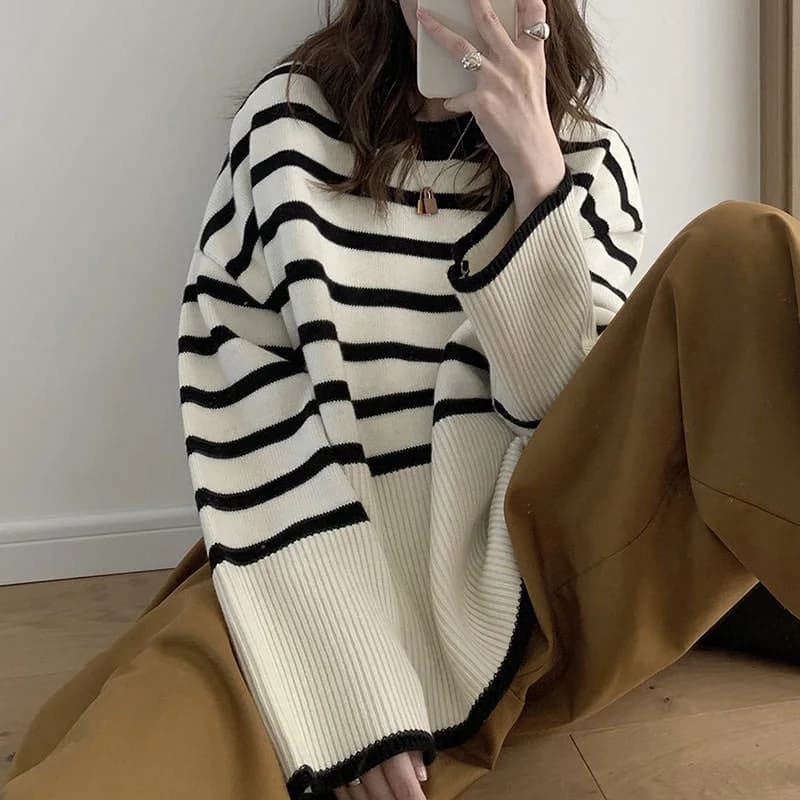
Texture management prevents layered outfits from looking flat. If every garment in your outfit has a smooth, matte finish, the overall look can feel plain. Introducing contrasting textures brings depth to quiet outfits.
Combine brushed wools or ribbed knits with smooth cotton poplins, crisp pleats, or soft satins. The light-catching sheen of polyester satin provides an ideal companion to the low-sheen, absorbing qualities of knitted yarns.
Be mindful of fabric friction. Coarse knits can cause pilling when worn over delicate, friction-sensitive linings. Wearing a silky-smooth underlayer prevents knits from catching and clinging awkwardly to your torso as you move through your day.
Common Layering Pitfalls to Avoid
One frequent layeringWearing pieces over or under one another to add depth, warmth or contrast. mistake is collar crowding. If your sweater has a snug crewneck and your shirt has an oversized, stiff spread collar, the tips will push outward awkwardly. Match broad collars with open V-necks, and reserve neat point collars for standard crewnecks.
Another pitfall is cuff bunching. When sliding a sweater over long woven sleeves, hold the shirt cuff firmly in your palm as you push your arm through the knit sleeve. Once through, fold the shirt cuff back over the sweater ribbing just once for a neat finish.
Lastly, avoid pairing heavy, thick knitwear with overly flimsy unlined bottoms. If a sweater is very heavy, it requires pants or skirts with enough substance and weight to ground the lower half of the outfit.
Practical Knitwear Layering Checklist
Before stepping out in a layered knitwear outfit, take a quick inventory of your silhouetteThe overall shape an outfit creates, from fitted to loose and layered. and comfort level to make sure your outfit looks cohesive and feels easy to wear throughout the day.
Check how your layers interact from the side and back, not just the front mirror. A clean front tuck can sometimes cause strange bunching at the rear waistband that needs a quick smoothing down.
- Base layer fit: Ensure the underlayer sits flat against your skin without bunching under the armpits.
- Collar harmony: Confirm that the shirt collar sits symmetrically inside or over the knit neckline.
- Hem proportion: Check that your sweater ends at a natural break point (waist, high hip, or mid-hip) relative to your bottoms.
- Texture balance: Pair smooth surfaces against ribbed, textured, or brushed knits for depth.
- Mobility check: Raise your arms to ensure the knit does not untuck awkwardly or bind at the elbows.
Transitioning Layered Knits from Desk to Evening
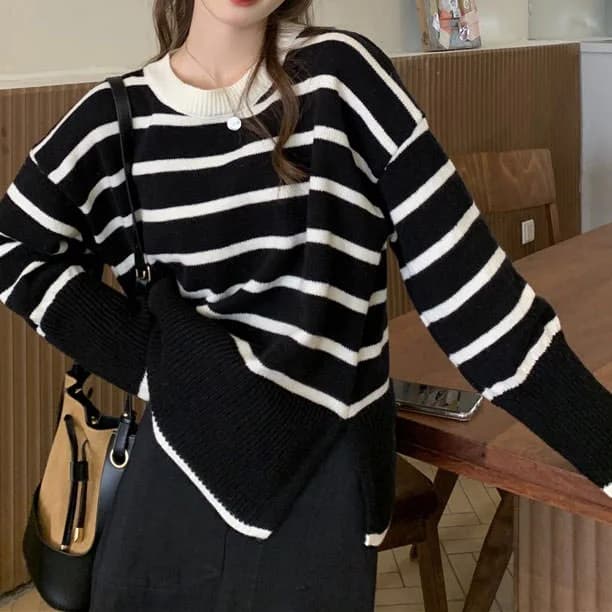
A frequent challenge is taking a layered sweater outfit from a formal office setting straight into casual dinner plans without completely redressing. The solution lies in choosing adaptable mid-layers and using simple subtractions. During working hours, wearing a structured knit over a collared base creates an authoritative silhouetteThe overall shape an outfit creates, from fitted to loose and layered., but removing the collared underlayer entirely or loosening the neckline instantly softens your presentation for evening settings.
If you begin your day with a buttoned knit layered over tailored separates, you can unbutton the top two buttons or fold back your cuffs to reveal simple jewelry as the evening begins. For a quick switch into dinner-ready proportions, swap structured daytime trousers for a fluid, reflective bottom from our Old Money Skirts. The contrast between matte knit yarn and a fluid skirt creates an effortless dinner look without adding unnecessary layers.
Alternatively, transition your knit from a main top into an accessory when heading out for the evening. If you wear an elegant sleeveless foundation from our Old Money Tops beneath your office pullover, you can remove the sweater once you arrive at your venue and drape it loosely over your shoulders. This keeps your shoulders insulated from evening breezes while showcasing a lighter, evening-appropriate silhouetteThe overall shape an outfit creates, from fitted to loose and layered. underneath.