Created by the Kawaii Vibe editorial team. Our named style desks are editorial personas. Product details and availability can change.
Building an outfit around pastel tops begins with understanding how the collar, shoulders, and hemline interact with whatever you wear on your lower half. When dealing with soft tones like baby blue, lilac, blush pink, and mint green, outfit shapes matter far more than they do with darker shades. Dark clothing naturally pulls together through shadow and uniform depth, whereas pale tones draw the eye straight to seam lines, sleeve shapes, and the open space around your collarbones.
A boxy crewneck requires a completely different trouser shape than an open-neck camisole or an oversized drop-shoulder sweater. If you match wide, relaxed tops with similarly loose trousers without defining a clear structural break, the soft palette can easily look shapeless. Alternately, pairing slim tees with heavy bottoms without balancing the shoulder line can make an outfit feel bottom-heavy. This guide breaks down the mechanics of collars, hemlines, and cuts so you can style light-toned tops with sharp intention.
1. Why Necklines and Cuts Define Pale Outfits
Light colors reflect light, which naturally emphasizes surface area and overall silhouetteThe overall shape an outfit creates, from fitted to loose and layered.. When you wear a soft-hued piece from a broader range of Pastel Clothes, the shape of your upper body becomes the primary focal point of the outfit. Dark clothing often disguises awkward hemlines or competing proportions, but soft tints highlight every transition between your top, your waistband, and your accessories.
The distance between your chin, collarbones, and the shirt edge sets the tone for your upper body balance. A high, ribbed collar commands attention upward, creating a clean frame for simple pants or layered jackets. An open neckline reveals more skin, lowering the visual visual center of gravity and leaving space for choker necklaces, heavier collars, or oversized coats. Recognizing where an upper garment directs visual focus lets you choose trousers and skirts that complement rather than clash.
2. High Crewnecks and Graphic Tee Proportions
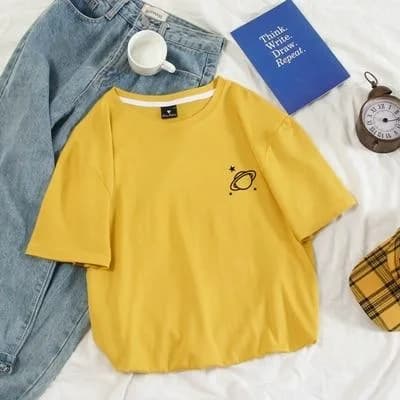
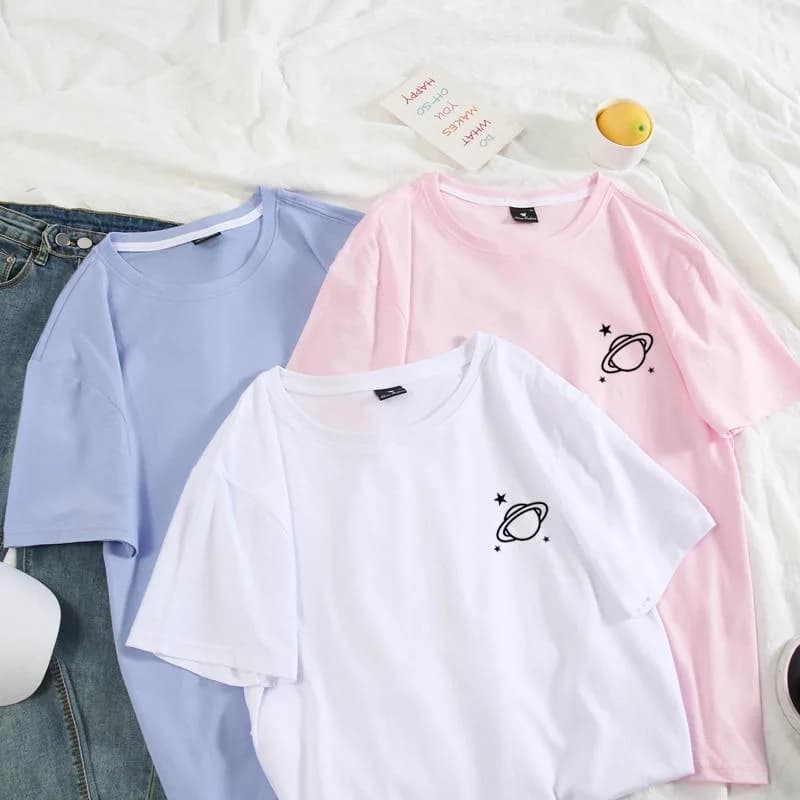
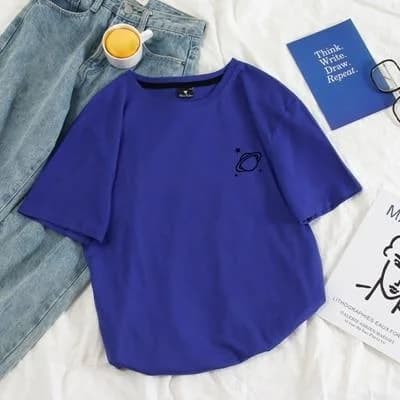
High crewnecks provide a stable, horizontal frame across the base of your throat. Because this neckline sits close to the neck, it tends to make the upper torso look structured and square. When styling relaxed graphic tees, like the Pastel Planet T-Shirt available in shades like white, light blue, and pink, you need to manage that flat, squared-off shape against your lower half.
If you wear a crewneck untucked over loose, unstructured sweatpants, the outfit loses structure quickly. Pairing high-crew graphic designs from our pastel t-shirts selection with mid-to-high-rise bottoms creates an instant visual anchor. For example, half-tucking a crewneck shirt into straight-leg washed denim reveals the belt line, breaking up the wide swath of pale fabric and keeping your proportions grounded.
3. Styling Open-Shoulder Tanks and Cami Cuts
Tank tops and camisoles remove fabric from the shoulders entirely, creating maximum negative spaceAn uncluttered area that gives the rest of a design room to stand out. around the neck, collarbones, and arms. When working with delicate cuts like the polyester Pastel Kitty Tank Top, the upper body silhouetteThe overall shape an outfit creates, from fitted to loose and layered. is minimal and close to the skin. To prevent the look from feeling unfinished, the bottom half needs to carry enough weight or visual volume to balance that openness.
A slim tank top works exceptionally well when paired with contrasting wide-leg utility trousers, relaxed skater denim, or tiered mid-length skirts. This creates an A-line profile where the slim, open top naturally leads into structured volume below. If your climate turns cool, throw an unbuttoned overshirt or a heavy cardigan across the shoulders; the exposed neckline still frames the center of the torso cleanly without feeling swallowed up by outer layers.

4. Boxy Drop-Shoulder Sweaters and Knit Silhouettes
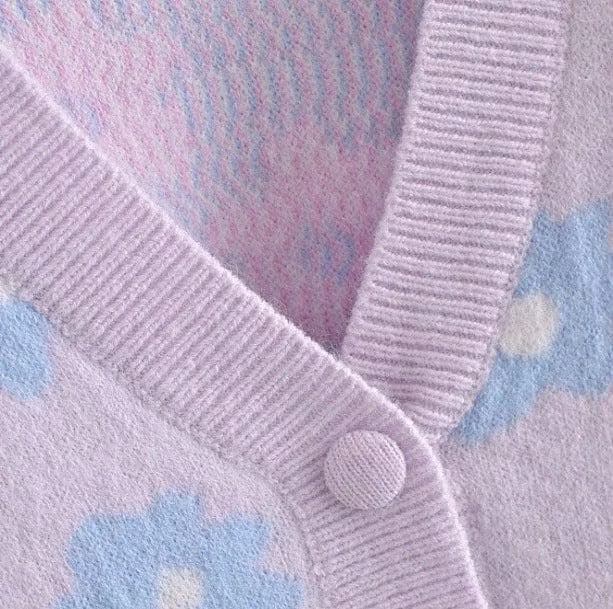
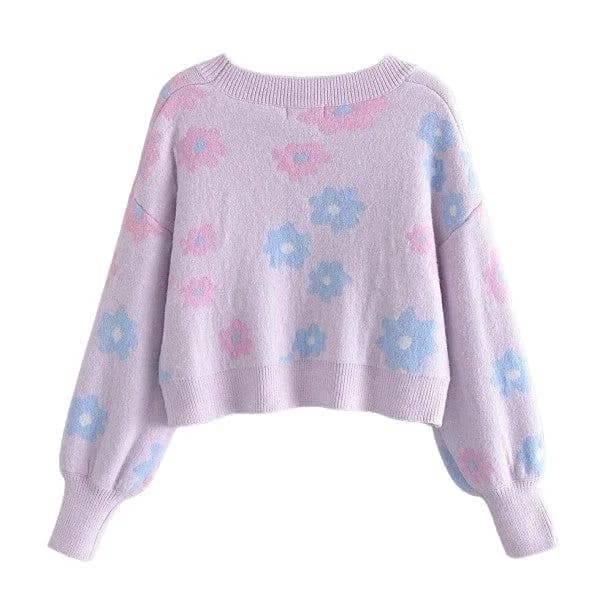
Drop-shoulder cuts push the armhole seam down past the natural shoulder, creating a relaxed, rounded top profile. When combined with knitwear, such as the Pastel Purple Daisy Sweater, the garment naturally adds bulk across the chest and torso. The goal here is to balance the wide, soft drape of the knit so it looks deliberate rather than ill-fitting.
Because drop-shoulder sweaters add volume across the upper frame, they pair naturally with streamlined bottoms. A pleated tennis skirt worn with knee-high socks creates a classic streetwear contrast against the broad sweater hem. Alternatively, slim-straight cords or fitted mom jeans ground the knitwear's visual weight. Avoid wearing excessively billowy maxi skirts with an untucked drop-shoulder sweater, as two rounded, voluminous shapes together can overwhelm your frame.
A streamlined skirt can balance a drop-shoulder sweater’s broad shape. Try a plain pleated skirt with one small star hair clip, keeping the sweater as the main focal point. For a softer palette, Yume Kawaii clothes pair dreamy pastels with celestial details; choose one of those accents and leave the skirt simple to preserve the outfit’s proportions.

5. Collared Pastel Shirts and Structured Layering
Button-down garments bring crisp vertical and diagonal lines into a color paletteA small group of colors you repeat to make an outfit feel connected. that is usually dominated by softness. Browsing tailored options within our pastel shirts lineup introduces pointed collars, plackets, and button cuffs that instantly sharpen soft pinks, mints, and baby yellows. A structured collar draws the eye upward and gives definition to your jawline.
You can wear a collared shirt fully buttoned for a clean, mod look, or wear it open as an airy outer layer over a plain base tee. When styling a pale button-up under a round-neck pullover, pop the collar points outside the sweater rim to establish a clear focal point. Tucking a structured pale shirt into tailored high-waisted shorts or pleated slacks creates a smart balance between casual ease and tidy tailoring.
6. Colorblocking and Multi-Panel Tops
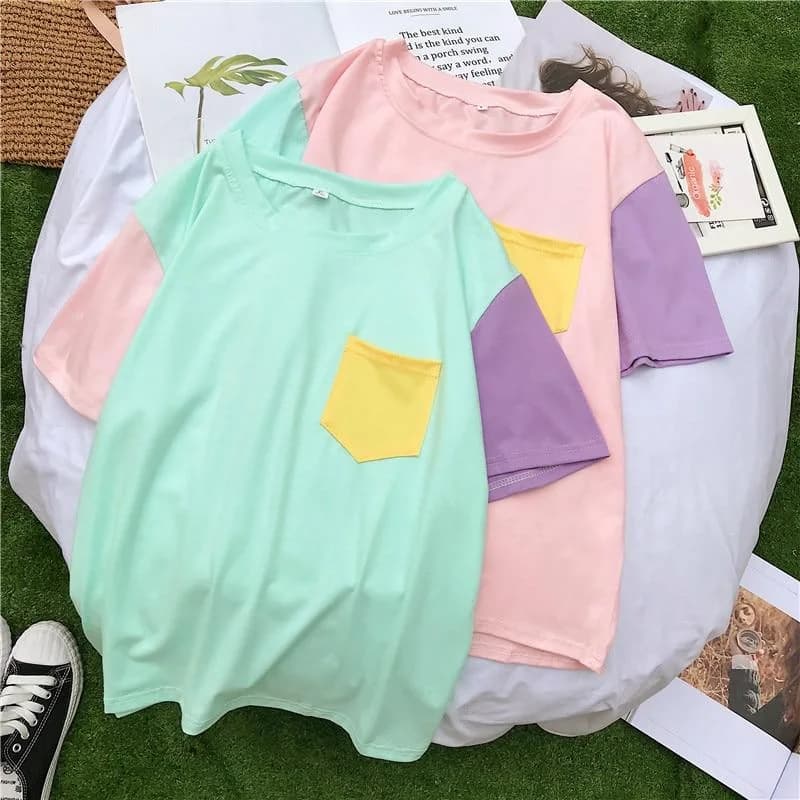
Tops that feature multiple color panels alter how the eye registers your torso dimensions. The Color Block Pastel T-Shirt, offered in Green and Pink options, divides the shirt into distinct blocks of color. Horizontal panels can broaden the chest, while split vertical panels draw the eye up and down, slimming the central torso line.
When pairing multi-toned pieces from our curated pastel tops collection, choose bottoms that match one specific hue from the shirt rather than introducing a completely new color. If your top features lilac, soft cream, and mint, pairing it with trousers matching that same mint shade unifies the entire outfit. This technique anchors the busy panels of the shirt while keeping the overall palette clean and coordinated.
7. The Contrast Method: Dark Bottoms and Subcultural Edges
Pastels do not need to stay confined to sugary, monochrome aesthetics. Setting sweet colors against heavy black bottoms creates a striking, high-contrast look rooted in alternative streetwear. Exploring elements from Pastel Goth Clothes shows how pale tones take on an entirely different edge when paired with black denim, combat boots, and metal hardware.
Consider pairing an illustrated soft-tone knit, like the Donuts Pastel Sweater in blue or pink, with a black micro-pleated skirt, fishnet tights, and heavy platform creepers. The stark contrast between the bright, playful top and the dark, industrial accessories highlights the sweater's cut without letting the outfit dissolve into pure sweetness. This styling strategy works across all seasons simply by switching out skirts for black cargo pants.
8. Modular Sleeves and Detachable Details
Tops that include unusual arm details change how you approach sleeve proportions. The Pastel Soft Girl Tee with Arm Warmers, made from a cotton and polyester blend and available in Blue or Beige, creates a distinct broken-sleeve look. By separating the shoulder from the forearm, this design introduces horizontal breaks along the arm that draw attention out toward your wrists.
When wearing separated sleeves or arm warmers, your lower half should remain relatively uncluttered. Straight-leg cargo pants or clean A-line skorts provide a calm base that allows the arm hardware or strap detailing to stand out. Adding chunky wrist cuffs or layered rings complements the hand covers, while keeping the neckline bare maintains an uncluttered, modern street look.
9. Heavy Fleeces and Oversized Patchwork Cuts
Heavy fleece and oversized sweatshirts represent the maximum volume end of the casual spectrum. The cotton and polyester Pastel Patchwork Oversized Sweatshirt introduces broad seams, varied color patches, and a wide ribbed hem. Garments with this much mass must be styled with careful attention to hemline height.
If you let an oversized sweatshirt sit flat around the widest part of your hips, it can compress your vertical proportions. A simple fix is folding the ribbed bottom hem inward, resting it at your natural waist or atop your hip bones. This simple adjustment creates a blouson drape that defines your waistline while maintaining the cozy volume across your chest and shoulders. Pair this shape with straight vintage-wash jeans or cycling shorts for balanced street styling.
10. Layering Outerwear Without Hiding the Top
The right jacket can frame a pastel top rather than cover it up completely. Adding an outer layer like the Soft Girl Pastel Jacket allows you to frame high-contrast or graphic tops within a cohesive, tonal border. When combining pale outerwear with pale tops, vary the textures to prevent the fabrics from blending into one flat blur.
For example, pair a smooth polyester or jersey top with a textured corduroy or denim jacket. Keep the jacket unbuttoned so the front placket creates two vertical lines down your torso, naturally elongating your frame. This framing effect highlights whatever graphic or neckline you have going on underneath, while giving you warmth and practical pockets.
11. Footwear and Accessories That Anchor Pale Tops
Because pastel tops sit light on the eye, your choice of shoes and bags dictates whether the overall outfit feels airy or grounded. Delicate footwear, like white canvas sneakers or minimal ballet flats, preserves the soft, weightless mood of the outfit. This pairing is ideal when styling romantic open collars or light crop tops during warmer months.
Conversely, if you want an outfit grounded in urban street fashion, pair soft tops with chunky lug-sole loafers, platform trainers, or utilitarian boots. Bringing visual weight down to your feet counterbalances wide drop-shoulder knits and high crewnecks. Echoing the tone of your top through a canvas tote, hair clips, or socks completes the outfit without feeling overly matched.
12. Navigating Trans-Seasonal Weather and Light Palettes
Pastel tones are versatile across all seasons, but shifting weather requires smart layeringWearing pieces over or under one another to add depth, warmth or contrast. adjustments. In damp, grey chill, pale tops can easily become stained by splashback or feel visually out of sync with heavy winter coats. In these conditions, use light knitwear as a mid-layer sandwiched between thermal undershirts and durable, water-resistant outerwear.
During warm, humid months, prioritize open collars, airy armholes, and breathable fabrics to stay comfortable. A lightweight pastel shirt worn open over a breathable camisole protects your skin from the sun while allowing plenty of airflow. When temperatures drop in the evening, simply button the shirt up and tuck it into your waistband for immediate warmth without altering your core outfit pieces.
13. Common Cut and Proportion Mistakes to Avoid
The most common mistake when styling pastel tops is wearing an oversized, long-hem top over wide, pooling trousers with zero waist definition. While oversized streetwear is a timeless look, light colors can easily erase all sense of shape if there is no structural break. Ensure your outfit has at least one defined point: a visible belt, an exposed ankle, a tucked hem, or an open neckline.
Another pitfall is ignoring collar heights when layeringWearing pieces over or under one another to add depth, warmth or contrast.. Wearing a high crewneck t-shirt beneath a jacket that closes at an awkward mid-chest point can make your neck look constricted. Always look at the negative spaceAn uncluttered area that gives the rest of a design room to stand out. around your throat in the mirror. If your collar feels crowded, swap the crewneck for a lower scoop or leave your jacket lapels open to give the top room to breathe.
14. Everyday Styling and Fit Checklist
Before heading out the door, take a moment to evaluate your outfit from the top down. Look at how the neckline frames your face, whether the hemline sits at a flattering point, and whether your footwear supports the visual weight of your top layer. Adjusting a single hem fold or changing your shoe profile can completely transform how your outfit feels.
Use this simple mental checklist whenever you are styling light-toned tops to ensure your proportions look balanced, intentional, and comfortable throughout the day:
- Check collar clearance: Make sure necklaces and jacket lapels do not crowd your neckline.
- Evaluate the shoulder seam: Match drop shoulders with clean-lined bottoms, and fitted shoulders with wider cuts.
- Break up the hem: Half-tuck or roll the waistband on long tops to create clear waist definition.
- Harmonize fabric weights: Pair lightweight tops with sturdy trousers to give the outfit structure.
- Ground your footwear: Use chunky platforms for contrast or minimal canvas shoes for a light, breezy look.
Choosing Between Monochrome Pastels and Cream Neutrals
Deciding whether to pair your pastel top with matching pale tones or warm neutrals depends on the visual depth you want to achieve. Wearing pale pink or baby blue directly with ecru, buttermilk, or beige trousers softens the outfit while maintaining separation between garments. In contrast, pairing two identical soft tones from head to toe creates a streamlined, uniform column that makes the garment silhouetteThe overall shape an outfit creates, from fitted to loose and layered. your primary statement.
When selecting pieces from our wider pastel clothing range, cream, stone, and tan bottoms offer an accessible middle ground. Neutrals break up the light spectrum without introducing the harsh edge of dark denim or jet black. For instance, tucking a lilac or mint crewneck into high-waisted beige linen trousers provides enough earthy grounding to make soft shades feel relaxed and mature for casual workday settings.
If you prefer a tonal pastel look, mix subtle variations in shade intensity rather than searching for an exact pigment match. Pairing a pale yellow knit over buttercup shorts or an ice-blue top over muted sky denim creates delicate tonal tiers. Introducing one textured piece—like ribbed cotton or washed twill—ensures that multiple soft colors hold distinct structural boundaries instead of melting together visually.