Created by the Kawaii Vibe editorial team. Our named style desks are editorial personas. Product details and availability can change.
Short answer: keep one pastel as the star, then anchor it with something deeper. A lilac sweater under a brown cardigan, a butter yellow knit with dark denim, a mint top with plum accessories. The pastel stays soft, and the dark piece stops it looking faded.
Pastels go pale in autumn for a simple reason. The light is lower, the surroundings turn rusty and brown, and a pale colour sitting alone starts to look flat. Give it a deeper neighbour and it suddenly looks chosen on purpose.
This guide walks through how to do that step by step: picking your pastel, choosing the deep partner, layeringWearing pieces over or under one another to add depth, warmth or contrast., proportions, footwear, accessories and a checklist. Everything here is about cute autumn aesthetic outfits you can build from pieces you may already own, plus a few optional suggestions from our shop.
The Core Rule: One Pastel, One Anchor
The easiest formula is a pastel plus a deep anchor colour. Think of the pastel as the highlight and the anchor as the frame. Chocolate brown, aubergine plum, dark indigo denim and espresso all work as anchors because they have enough weight to hold a pale colour in place.
Try a baby pink knit with chocolate trousers. Or a sage sweater with indigo jeans. Or a lavender top under a plum coat. In each case the pastel is close to your face, where it brightens you, and the deeper tone sits lower or on the outside, where it grounds the look.
A good test is to squint at your outfit in the mirror. If everything blurs into one pale shape, add a deeper piece. If it looks heavy and dark with only a speck of colour, swap one dark item for a mid-tone like denim. You want roughly a balance where the pastel is easy to spot but not the whole outfit.
Avoid stacking three pastels of the same softness head to toe in autumn. It can work in spring light, but in cooler months it often reads washed out. Two pastels is fine if a deep colour sits between them.
Choosing Your Pastel Shade
Not all pastels behave the same in autumn. Warmer pastels such as butter yellow, peach, apricot and soft pistachio blend naturally with the leafy tones around you. Cooler ones like baby blue, lilac and icy pink need a little more help, usually from a warm brown to stop them feeling chilly.
Pick based on what sits next to your face. If pale shades make your skin look tired, choose a pastel with a bit of grey or dust in it, like dusty rose or sage, rather than a bright sugary one. If you love the sweet look, keep the sugary shade but add a rich anchor underneath.
You can browse a range of soft knits in the pastel sweaters collection and compare how each shade looks against your usual wardrobe colours. Hold a deep brown or denim item next to the screen in your mind: does the pastel look lovely beside it, or does it fade? That quick comparison saves a lot of returns.
Texture matters too. A fuzzy or chunky knit gives a pastel more depth than a thin flat jersey, because the surface catches light and creates shadow. If your pastel is very pale, texture is your friend.
The Deep Partners: Brown, Plum and Denim
Each deep partner gives a different mood. Brown is the cosy, retro one. It makes pink look like a vanilla-and-cocoa treat and turns yellow into something warm. Plum is the moodier, more romantic option, and it flatters lavender, mint and peach. Denim is the casual middle ground and works with almost every pastel.
Use brown when you want a soft, bookish feel: brown trousers, a brown cardigan or brown boots. Use plum when you want a little drama: a plum skirt, a plum scarf or plum tights. Use denim when you want easy and relaxed: mid or dark wash jeans with a pastel knit on top.
You do not need to match undertones perfectly, but a quick guide helps. Warm pastels like peach and butter sit well with chocolate and rust-leaning browns. Cool pastels like lilac and baby blue sit well with plum, navy denim and cooler espresso browns.
If you are unsure, start with denim. It is forgiving, and it lets the pastel do the talking while a deeper shade shows up in your shoes or bag.
Layering Order That Keeps Pastels Visible
LayeringWearing pieces over or under one another to add depth, warmth or contrast. is where many pastel outfits go wrong. If you bury the pastel under a heavy dark coat, it vanishes. The trick is to leave a visible panel of it, ideally at the neckline, the hem or the sleeves.
A reliable stack is: pastel base, deeper mid layer worn open, then outerwear that either matches the mid layer or sits one step darker. For instance, a mint knit, a brown open cardigan, and a dark denim jacket. You still see mint at the centre, framed by brown.
Cardigans are the best tool here because they frame rather than cover. The cardigan sweaters collection is a good place to look for a deeper mid layer to throw over a pastel top. Leave it unbuttoned or fasten only the middle buttons so the pastel shows above and below.
Reverse it, too. A pastel cardigan over a chocolate or plum knit looks just as good. The pastel then becomes the open frame, and the deep colour sits in the middle. Both approaches work, so choose whichever makes your face look best.
Five Outfit Formulas to Copy
Here are combinations you can adapt with what you own. First: lilac knit, dark indigo straight jeans, chocolate boots. Second: butter yellow cardigan over a cream tee, brown corduroy or plaid trousers, tan or brown shoes. Third: sage sweater, plum midi skirt, black or brown boots with dark tights.
Fourth: baby pink knit, mid-wash wide denim, brown belt and bag. Fifth: peach cardigan over a chocolate turtleneck, dark denim skirt, ankle socks and sturdy shoes. Every one has a single hero pastel and at least one deep anchor.
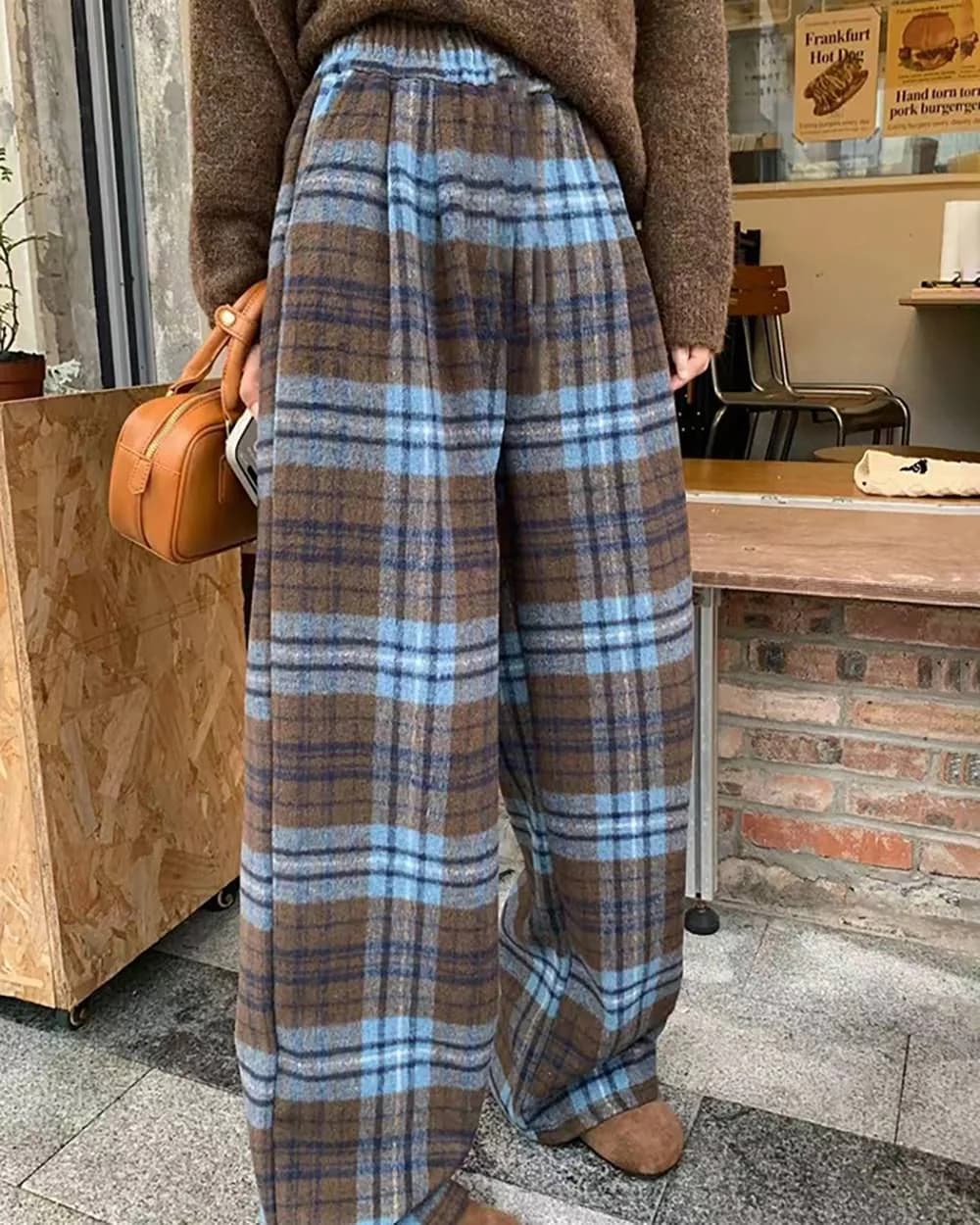
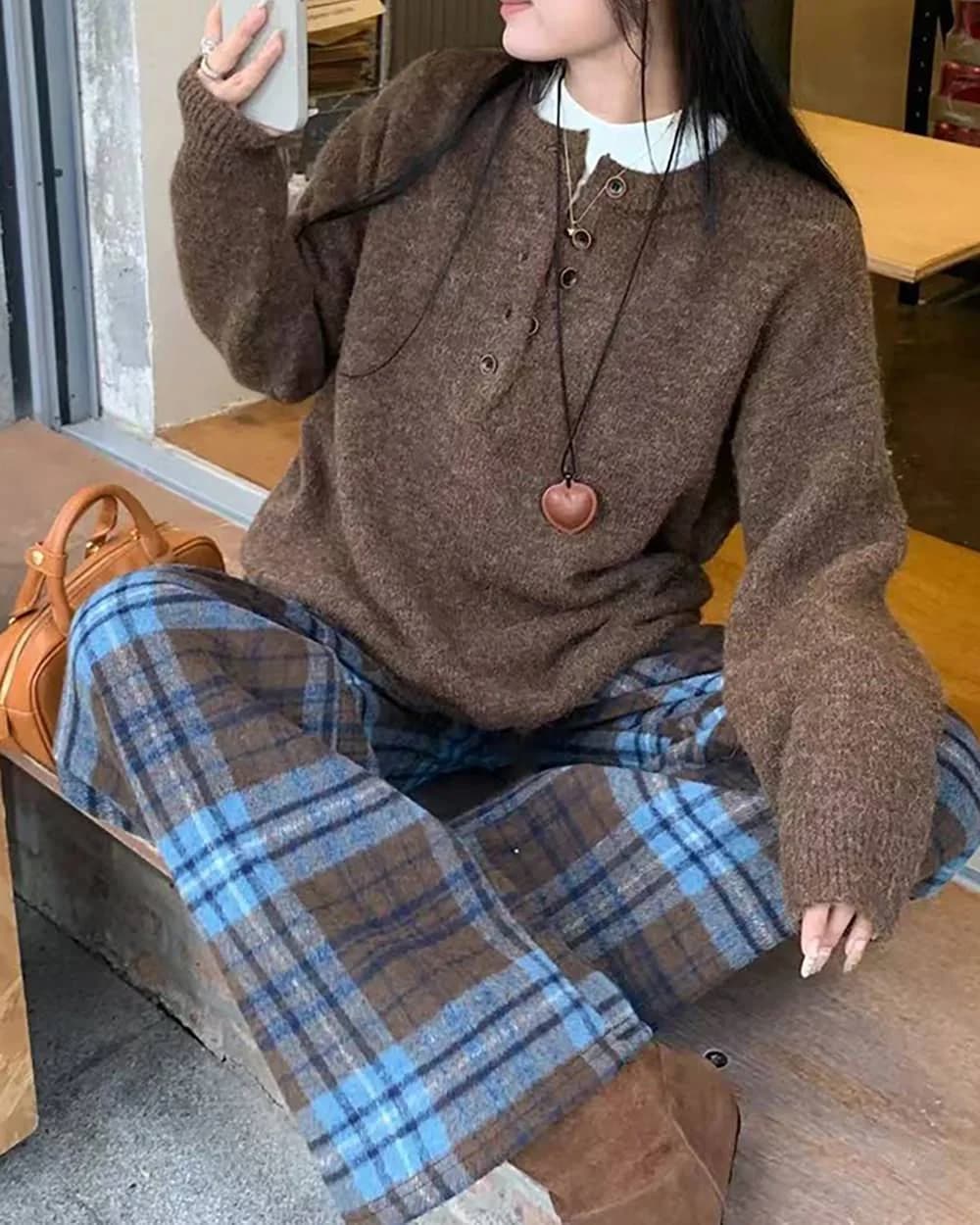
For a plaid option, the Autumn Study Vintage Plaid Wide Leg Pants come in a brown/blue colourway in polyester, sizes S to XL. They could serve as the anchor in the second formula, with a pale yellow or pink knit on top. The brown and blue give you two deep tones, so the pastel has plenty to sit against.
Adapt each formula to the weather. In mild days, swap the cardigan for a light knit tied at the shoulders. In cold spells, add a coat in a deep tone and keep the pastel at the neckline.

Proportions and Placement
Where the pastel sits matters as much as which one you pick. Near your face, a pastel can brighten. Low on the body, it can make an outfit feel light and airy. Right in the middle, as a big block, it dominates. Choose deliberately.
A fitted or cropped pastel knit looks good with high-waisted wide trousers, because the shape stays balanced. An oversized pastel sweater looks better with slimmer bottoms or a short skirt, so you do not disappear into volume. If both top and bottom are roomy, define your waist with a belt or a tucked front.
Try the two-thirds rule. Let about two thirds of the outfit be mid to deep tones and one third be pastel. That keeps the soft colour noticeable without letting it take over. It is not a strict measurement, just a way of judging the overall balance when you check yourself in the mirror.
Wide-leg trousers need a little thought with boots. If the hem is long, a chunkier sole helps stop fabric dragging. If the hem is short, show a bit of sock between hem and shoe for a playful line.
Choosing Autumn Knits and Cardigans
When comparing knits, look at three things: colour depth, texture and shape. Colour depth tells you how pale the pastel really is. Texture tells you how well it will hold up in lower light. Shape tells you what to wear it with.
A cropped cardigan suits high waists and wide trousers. A longer, slouchy one suits slim jeans and skirts. A crew neck pastel sweater works under a collared shirt for a preppy touch, while a V-neck leaves room for a scarf or layered tee.
If you want one dependable item, choose a deep brown or plum cardigan from the cardigan sweaters collection, then pair it with several pastels you already have. A single deep layer can unlock many outfits. It is more useful than buying a new pastel for each look.
Check product pages for fabric details and sizing notes rather than guessing. Only trust what the listing says about material and fit, and when in doubt choose the size that suits how you like to layer underneath.
Boots, Shoes and Socks
Footwear is your quickest way to add depth. Because shoes sit at the bottom of the outfit, a dark pair anchors the whole look, especially if the top half is pale. Brown boots with a pastel sweater is one of the most reliable pairings there is.
Browse the boots collection for options in deeper shades, and think about height. Ankle boots suit trousers and midi skirts. Taller boots work with short skirts and dresses. Choose whichever fits the way you move through your day, including how much walking you do.
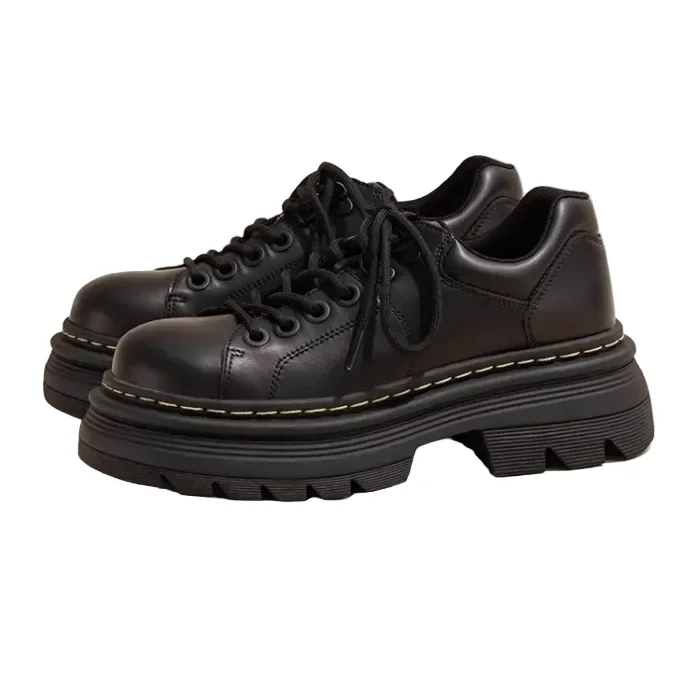
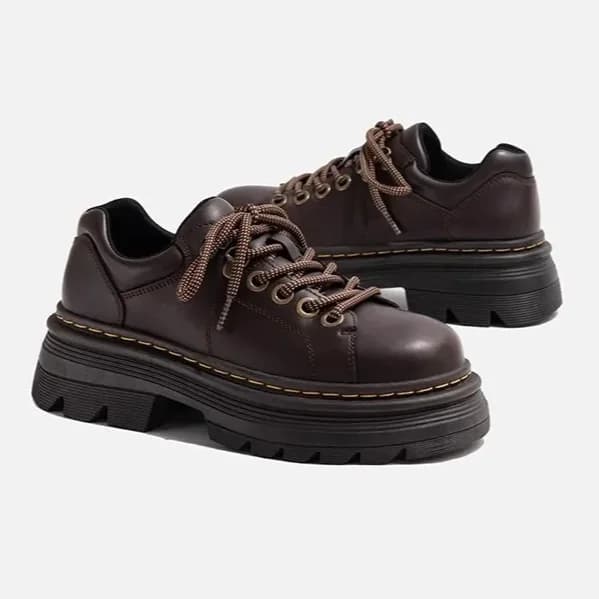
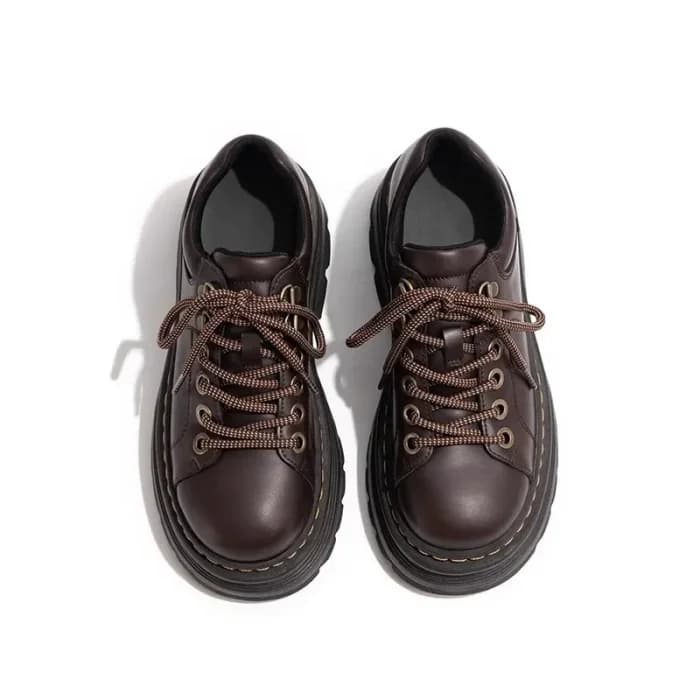
For a schoolgirl, retro feel, the Autumn London Derby Shoes come in black or brown in PU leather with a rubber sole, listed in sizes 5, 6, 6.5, 7.5 and 8.5. The brown pair would work well with butter yellow or pink knits and plaid trousers. Check the listed measurements and compare them with a pair you already wear, as there is no size chart provided.
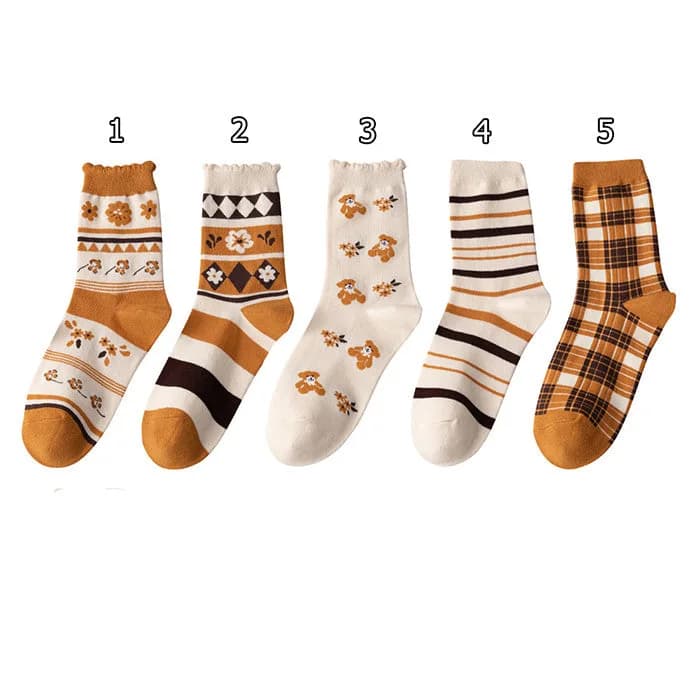
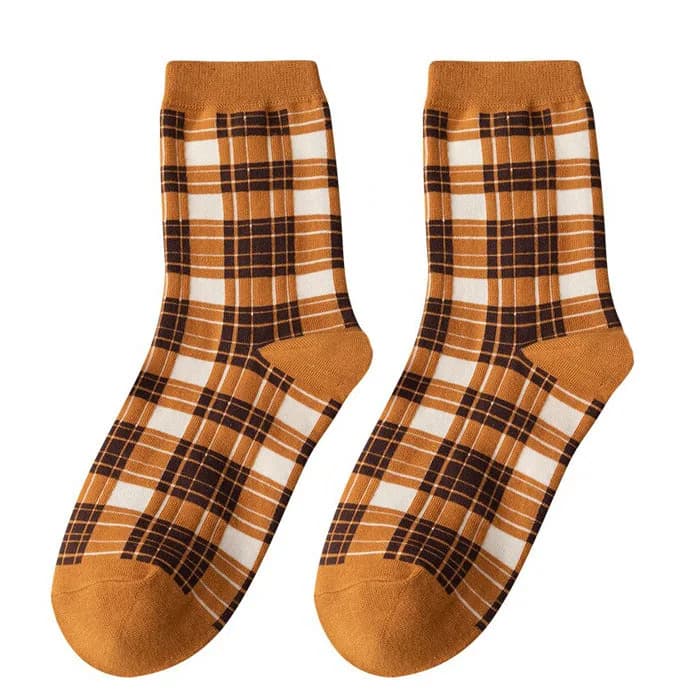
Add Autumn in France Socks, which are 100% cotton and one size, with five design options. Fold them over the top of a shoe or boot so a small flash of pattern shows. Pick a design that includes one of your outfit colours, so it looks linked rather than random.
Accessories That Bridge Pastel and Deep
Accessories are the glue. The right scarf, bag or hair piece repeats colours from both sides of your outfit, so the pastel and the deep tone feel connected. Aim to echo one pastel and one deep colour in your extras.
The Autumn Feels Polka Dot Fringe Scarf is made from wool and acrylic, in one standard size, and comes in Multi, Green/yellow, Brown/red, Purple/brown and Blue/green. The Purple/brown option could bridge a lilac sweater and brown trousers neatly, while Green/yellow might link a sage knit with a butter cardigan. Wrap it loosely near your face to repeat the colours where they count.
The Autumn Feels Plaid Tote Bag is polyester, in Multi, and could carry your daily things while adding a pattern in deeper tones. The Autumn Leaves Hair Claw, made of acrylic in orange, is a small warm accent that works against blue or lilac.
Keep it to one patterned accessory per outfit if your clothes are already detailed. If your outfit is plain, two is fine.

Small Tech Touches That Match the Mood
Cute autumn aesthetic outfits do not stop at clothing. Phone and earbud cases are tiny colour moments you see all day, and they can echo your palette. They will not change how a sweater looks, but they make a look feel complete.
The Autumn Leaves Striped iPhone Case comes in Beige and lists iPhone 13 through iPhone 17 models, including Pro and Pro Max versions. Always match the exact model name before ordering. A beige case sits well with pastels because it is neutral and warm.
The Autumn Feels Striped AirPods Case comes in Multi and lists AirPods 1/2, Pro, 3, Pro 2 and 4. Again, check your model against the list. It could pick up a stripe of brown or plum from your outfit when you pull it out of your bag.
These are optional extras. Spend on clothing and shoes first, and add small items if you want the whole look to feel coordinated.
Weather, Fabric and Comfort
Autumn weather swings, and it differs by place and by month, so build outfits that can lose or gain a layer. A thin pastel tee or knit as the base, a cardigan in the middle and a coat or jacket on top gives you three adjustable stages.
If mornings are cold and afternoons are warm, make sure the pastel layer looks good alone. You might take your jacket off and be left with just the base, and it should still look finished. If it rains, deeper shoes and a darker outer layer hide splashes better than pale ones.
Think about fabric feel against skin. Knits can be warm but itchy for some people, so wear a thin tee underneath if you are sensitive. Check care labels and product details before you buy, and wash pastels separately from dark browns and plums at first, since new dark fabrics can sometimes release dye.
Scarves are handy for temperature changes, because you can loosen or remove them without undoing the whole outfit.
Common Pitfalls and Easy Fixes
The biggest mistake is too much pale at once: pastel top, cream trousers and white shoes. The fix is to swap one piece for something deeper, usually the shoes or bottoms. The second is going too dark, so the pastel looks like an afterthought. Fix that by moving the pastel closer to your face.
Another pitfall is mismatched undertones. A cool, icy blue with an orange-brown can clash. If that happens, bridge the two with a neutral like denim or cream, or switch the brown to a cooler espresso. Test combinations in daylight where possible.
Watch out for pattern overload. Plaid trousers, a striped scarf, polka dots and a patterned bag all together can feel messy. Pick one lead pattern and let the rest be plain or tone on tone.
Finally, do not ignore fit. A pastel that is too tight shows every line and can look harsh, while one that is too loose can swamp you. Choose a size that lets you layer comfortably and move freely.
Building a Small Capsule Around Pastels
You can create many outfits from a handful of pieces. Start with two or three pastels you love, two deep layers such as a brown cardigan and a plum knit, one pair of dark denim, one pair of patterned or brown trousers, and a pair of sturdy boots. That is enough for a couple of weeks without repeating a look.
Use the Fall Clothes collection to fill any gaps once you have counted what you own. Look for the thing that unlocks the most combinations, not the thing that looks nicest alone. Often that is a deep mid layer or a good pair of trousers.
Before buying anything new, lay out your pieces and test three outfits using only what you have. If a new item works with at least three existing things, it earns its place. If it works with only one, think twice.
Treat the list below as a final check before you leave the house.
- Is there one clear pastel, near your face or at the hem?
- Is there at least one deep anchor in brown, plum or denim?
- Do the undertones of your pastel and deep colour get along?
- Is only one item strongly patterned?
- Does your outfit still look finished if you remove the outer layer?
- Do your shoes add enough depth to ground the look?
- Have you checked sizes, materials and model names on product pages?