Created by the Kawaii Vibe editorial team. Our named style desks are editorial personas. Product details and availability can change.
Short answer: pick lined if you mostly write sentences, dot grid if you mix writing with lists, tables and little drawings, and blank if you sketch or collage more than you write. That covers most people. The rest of this guide helps with the in-between cases, because plenty of us do a bit of everything.
Layout is only half the choice. Binding decides whether a notebook lies flat on your desk, fits in a tote, or survives being shoved in a bag with a water bottle. A pretty cover is great, but the inside is what you live with every day.
Below, you will find habit-by-habit examples, a way to compare notebooks side by side, and a few optional extras like stickers and pencil cases to make the whole setup feel like yours. Cute notebooks are more fun when they actually get used, so we are starting with your habits, not the cover.
The Fast Answer: Match the Page to What Your Hand Does
Think about what your pen does most. If it travels left to right in sentences, lined pages give your handwriting a rail to follow. If it makes boxes, arrows, checklists and small headers, dot grid gives you invisible guides without the visual noise of full lines. If it draws, shades or glues things down, blank pages leave you the most room.
A quick test: open your phone notes or last notebook and look at what you wrote. Mostly paragraphs and lecture points? Lined. A mix of lists, calendars and doodles? Dots. Mostly drawings, lettering or scrapbook-style pages? Blank. Be honest about the habit you have, not the one you wish you had.
If you cannot decide, dot grid is the safest middle ground. It supports writing, planning and sketching reasonably well, even if it is not the best at any single one. Lined and blank are more specialised, which is good when you know exactly what you want.
Lined Pages: Best for Writing Lots of Words
Lined notebooks are the easiest to read back later. The lines keep your handwriting level when you are rushing, which matters in lectures, meetings or when you are brain-dumping before bed. If your notes are mostly sentences, this is the layout that will annoy you least.
Check the line spacing before you buy, if the listing gives it. Tight lines suit small handwriting and fit more on a page. Wider lines suit larger writing and feel more relaxed. If a listing does not state the spacing, treat it as unknown rather than guessing, and look at photos of the page for clues.
Lined pages can feel restrictive for diagrams, since the lines cut through drawings. If you add the odd doodle or sticker, that is fine. If you find yourself drawing mind maps on every page, you probably want dots instead.
Good fits for lined: journaling in full sentences, class notes, meeting notes, reading logs, and recipe or gratitude notebooks where words are the point.
Dot Grid: The Flexible Middle Option
Dot grid pages have small dots in a grid instead of lines. They give you structure when you want it and disappear when you do not. You can write in straight rows, draw tidy tables, sketch a weekly layout, or ignore the dots and doodle freely.
This is why dot grid is so popular for planning and bullet journaling. You can create your own columns for habits, budgets or to-dos without being locked into someone else's template. The trade-off is that handwriting can wander more than on lines, so beginners sometimes feel their pages look messier at first.
Dots also work well for people who switch between tasks. One page might hold a packing list, a tiny floor plan for your room and a quick sketch of a plant. Try that on lined paper and the lines get in the way.
Good fits for dot grid: bullet journals, planners you build yourself, study notes with diagrams, and anyone who likes neat layouts but hates rigid ones.
Blank Pages: For Sketching, Collage and Free Layouts
Blank pages give you total freedom. There is nothing to follow, so drawings, lettering and glued-in extras can go anywhere. If you sketch characters, plan outfits, make scrapbook spreads or tape in photos, blank is the layout that stays out of your way.
The downside is that writing can slope without guide lines. A trick is to slip a lined sheet under the page as a guide, if the paper is thin enough to see through. Not every paper allows this, so check by testing on a page you do not mind losing.
Blank is also the best choice for sticker-heavy pages. Stickers do not have to line up with dots or lines, so you can cluster them like a little collage. If your plan is a decorated memory book, blank gives you the cleanest backdrop.
Good fits for blank: sketchbooks, art journals, scrapbooks, mood boards, and idea notebooks where drawings outnumber words.
Bullet Journaling: What to Look For
Bullet journaling means building your own system from short entries: tasks, events, notes, trackers. Dot grid is the usual pick because you can draw a monthly calendar one month and a habit tracker the next. Lined works if you mostly keep daily lists. Blank works if you want your layouts to be more illustrated than structured.
A few features make bullet journaling smoother. A binding that lies flat helps when you draw across two pages. Numbered pages or space to number them yourself helps with an index. A back pocket is handy for loose stickers or receipts, but only count it if the listing says it has one.
Before committing to a pen, test it on the paper. Ink that shows through the back limits you to one side of the page. If you cannot check in person, assume nothing and keep a few pens you do not mind testing on the last page.
Start simple. A monthly spread, a weekly spread and a notes page is plenty for the first month. You can always add trackers later.

Note-Taking for Class or Work
For lectures and meetings, speed matters more than looks. Lined pages win for most people because you can write fast and still read it later. Dot grid is a good swap if your notes include diagrams, formulas or tables. Blank is rarely ideal here unless you take visual notes.
Consider one notebook per subject or project, rather than one giant notebook for everything. It makes finding things easier and lets you choose layouts per use: lined for a reading-heavy course, dots for a design or maths one. If you are shopping for the new term, browse the Aesthetic Back To School Stationery collection for ideas that sit alongside notebooks.
Leave a margin or the left page empty for questions and follow-ups. That small habit turns messy notes into something you can actually revise from. Colour-coding with two pens is plenty; more than that and you spend the lecture changing pens.
Sketching and Doodling: Paper and Layout Tips
For sketching, blank pages are the classic choice, but dots can work nicely if you like to plan proportions or draw comics in panels. Lined is the least friendly for drawing, though plenty of people doodle in lined notebooks happily if it is just for fun.
Paper feel matters more than layout for drawing. Smooth paper suits fine liners and pencils. Textured paper grabs pencil and gives shading some grain. Unless a listing states paper weight or type, do not assume. If you plan to use markers or watercolour, keep a test page handy to see bleed and warping before you commit a favourite drawing.
Think about size too. Small notebooks are great for quick doodles on the go. Larger ones give you room to stretch your arm and draw bigger shapes. A pocket-size book you carry beats a big one that lives on a shelf.
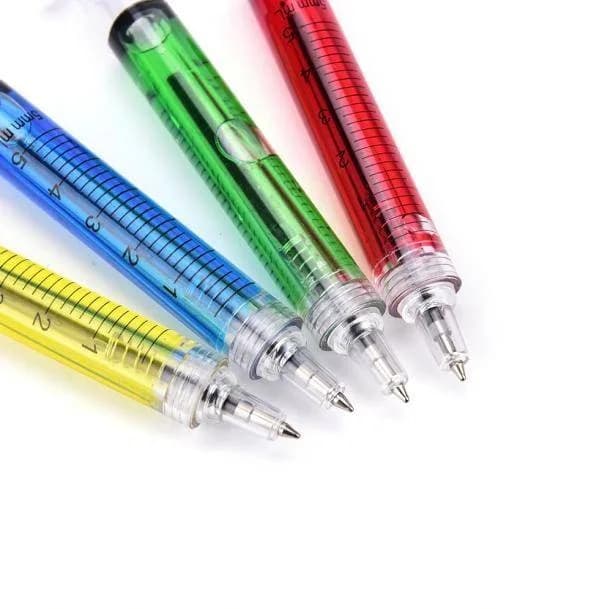
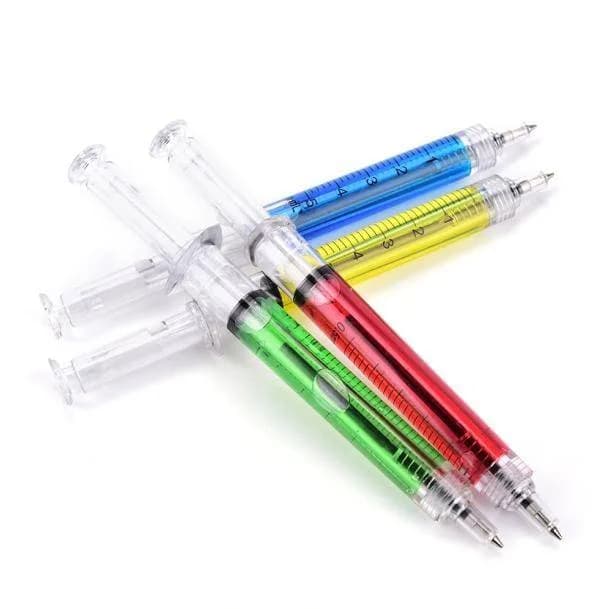
If you like fun pen options for doodling, the Novelty Syringe Pens are a quirky desk extra, best treated as a novelty item for casual notes and doodles.


Binding Basics: Spiral, Stitched, Glued and Hardcover
Spiral binding lies flat and folds back on itself, which is great for writing on the go or drawing on one page at a time. The downside is that the coil can catch on bags and the pages may tear at the holes if you rip them out roughly.
Stitched or sewn bindings usually open more flatly than glued ones and tend to hold up over time, though how flat depends on the specific notebook. Glued bindings are common and fine for everyday notes, but can need a firm press to stay open.
Hardcovers protect pages in a bag and feel nice for keepsake journals. Softcovers are lighter and bend easily, so they suit pockets and totes. Elastic closures, ribbons and pockets are handy extras, but only count them when the product details list them.
When comparing, ask: will I draw across the spread? Do I carry this every day? Do I want to tear pages out? Your answers point to the binding.
Size and Portability: Where Will It Live?
Size should match your life. A pocket notebook is for quick lists and ideas. A medium notebook fits in most bags and is a comfortable all-round size. A large one is better for desk use, planning and drawing, where space is a bonus rather than a burden.
Picture your daily routine. Do you carry a tote, a backpack or a tiny crossbody? A big notebook that does not fit in your bag stays home, and then you stop using it. If listings do not give dimensions, do not guess; wait for measurements or choose something else.
Weight matters too. A hardcover with thick paper can feel heavy after a full day of carrying. If you commute or walk to class, lighter is kinder to your shoulders.
Many people end up with two notebooks: a small one for on the go and a bigger one at home for proper planning or drawing. That is a perfectly good setup, and it lets you use two different layouts.

Cute Covers Without Sacrificing Function
Cute notebooks should still work well. Look past the cover and check the inside layout, binding and size. A gorgeous cover on a notebook with the wrong layout for your habits will stay unused, which is the opposite of cute.
If you love decorating, a plain cover is a blank canvas. Stickers can turn a simple notebook into something personal. Options like Aesthetic Vibes Stickers, Vaporwave Retro Stickers or Funny Art Stickers can go on covers, inside pages or planner dividers. If your taste runs darker, the Aesthetic Death Stickers offer a different mood. For more choices, browse the full Kawaii Stickers collection.
Place stickers with a little thought. A cluster in one corner looks deliberate. A scatter across the whole cover can feel busy. Smooth the surface first and press from the centre outward so edges sit flat.


Decorating Pages: Stickers, Tape and Layouts
Decoration works best when it supports the page. In a bullet journal, use one sticker as a header for each week and leave the rest clean. In a sketchbook, tuck stickers into corners so they frame a drawing instead of covering it. In a lined notebook, use a small sticker as a bookmark for important pages.
Mind paper thickness. Thin pages may wrinkle if you add many stickers or glue, and ink may bleed through. Test on a back page if you are unsure, and avoid loading every spread, since a thick, bumpy notebook will not close well.
A simple rule: pick two or three stickers per spread and repeat colours across pages so the notebook feels cohesive. It saves time too, since you stop agonising over every placement.
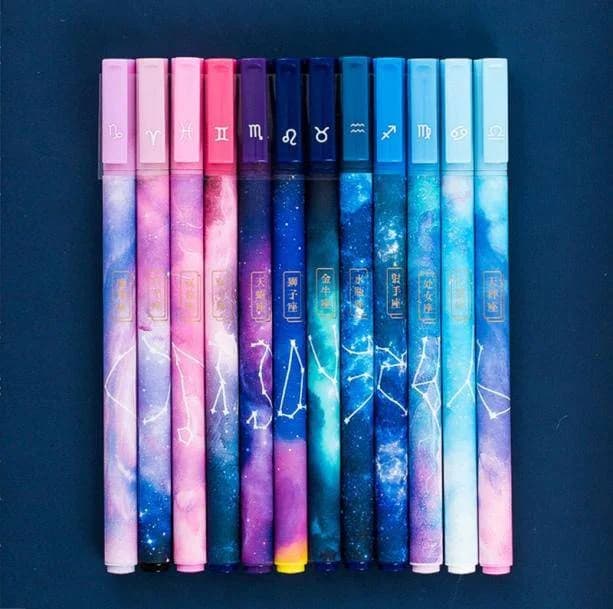
For a coordinated desk look, the Stationery collection and the Aesthetic Stationery collection are places to find pens, extras and matching bits.
Desk and Bag Extras That Make Notebooks Easier to Use
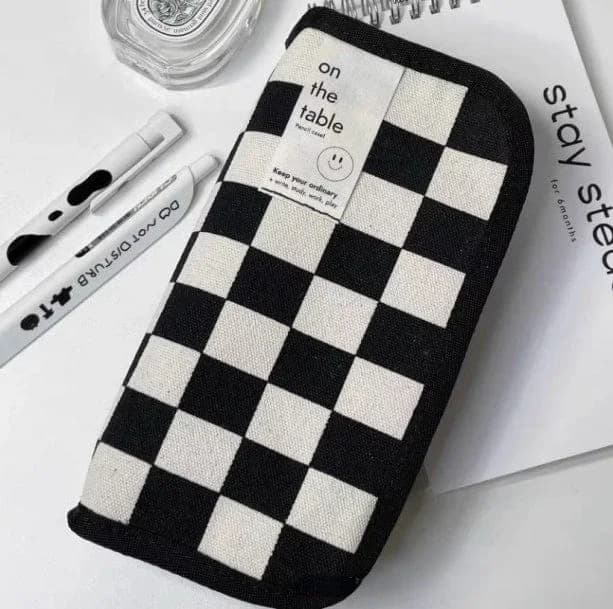
A notebook is easier to use when its tools are close by. A pencil case keeps pens from rattling around your bag. The Cute Toothpaste Pencil Case is listed in vegan leather at 29 x 10 cm, a slim shape that suits pens, pencils, a highlighter or two and similar flat items. Measure your favourite pens first if you want to be sure they fit.
If you keep memories, the Cuteness Overload Photo Album in pink can sit beside a blank notebook for a scrapbook-style setup. Use the album for printed photos and the notebook for captions, ticket stubs and doodles. I would not assume page count or photo size, so check the listing details.
Keep a small kit: your main pen, a backup, a pencil, and a few stickers. That is enough to handle most notes, sketches and layouts without carrying your whole desk around.
How to Compare Notebooks Side by Side
When two notebooks look equally cute, compare the practical details. Write down layout, binding, size, cover type and any extras like pockets or bookmarks. Only trust what the listing states; blanks in the information are a reason to ask or choose another option, not to fill in the gaps yourself.
Then match against your habits. Do you draw across spreads? You want flat binding. Do you carry it daily? Prioritise size and weight. Do you use wet or heavy ink? Be cautious about paper until you can test it. A simple scoring of one to five for each factor makes the decision less fuzzy.
Finally, consider how it will look in a month. Will you still like the cover? Will the layout still suit you? If your habits are changing, a flexible dot grid is a safe bet.
Checklist before buying:
Pitfalls to avoid include buying for the cover alone, choosing a size that will not fit your bag, and assuming paper quality that is not listed.
- What will I do most: write, plan or draw?
- Lined, dot grid or blank?
- Does it need to lie flat?
- Will it fit my bag or desk?
- Is paper info listed, or will I test first?
- Do I have stickers and a pencil case to go with it?