

Created by the Kawaii Vibe editorial team. Our named style desks are editorial personas. Product details and availability can change.
Styling botanical jewelry comes down to managing small focal points so they never end up tangling into a busy mess. When your pieces feature delicate vines, pressed-leaf pendants, miniature watering cans, or sculpted petals, they carry distinct textural details that need breathing room. If you drop three botanical pendants over an intricate printed graphic tee or bunch heavy charms directly onto a crowded crewneck ribbing, the individual designs get lost immediately.
The secret to building an intentional look is treating your neckline, your chain weights, and your metal undertones as an interconnected frame. A well-placed pendant sits right in the open space of your skin or stands out cleanly against a smooth block of solid fabric. Meanwhile, picking metal colors that reflect your skin undertone or outfit palette creates effortless cohesion without demanding that every single accessory match down to the exact clasp.
In this guide, we break down how to pair specific necklines with layered chains, select between bright gold and soft silver, balance ear styling with chest accents, and avoid common styling traps. Whether you are assembling a casual weekend look or dressing up for coffee, these concrete guidelines will help you curate your botanic accents smoothly.
Solving the Visual Clutter Problem with Botanical Charms
Botanical pendants naturally carry intricate contours: tiny serrated leaf edges, delicate wire stems, and organic cutouts. Because these shapes are visually lively on their own, wearing multiple nature-inspired pendants on identical chain lengths causes immediate friction. The eye does not know which miniature monstera or floral drop to settle on, and the charms physically bounce against one another throughout the day, causing annoying tangles and potential surface scratches.
To resolve this, you need to establish a hierarchy. Choose exactly one piece to act as the primary pendant, and let every supporting chain offer clean, contrasting texture. A polished box chain, a flat snake chain, or a fine cable strand can sit above or below a botanical focal point without competing for attention. This principle allows the organic motif to read clearly while adding depth to your collarbone area.
When selecting pieces from our broader Plant Mom Jewelry catalog, start by deciding which element holds the visual weight. If you pick a larger terrarium charm or detailed leaf sprig, keep your second piece strictly linear, such as a plain metallic choker or a simple bead strand.
- Reserve detailed organic shapes for your focal pendant only.
- Separate pendant drops by at least two inches to avoid physical collisions.
- Use flat snake chains or smooth rope links to break up delicate branch motifs.
Crewnecks and Graphic Tees: Positioning Over Prints
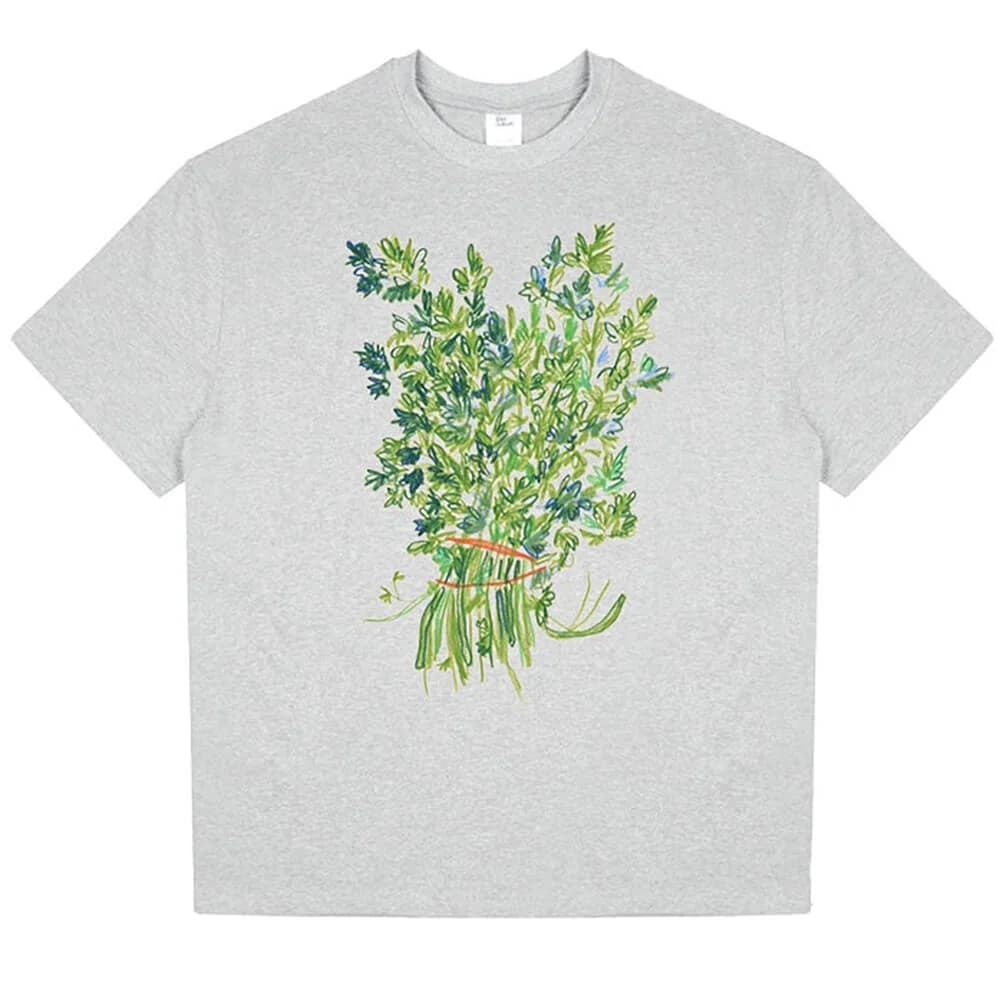
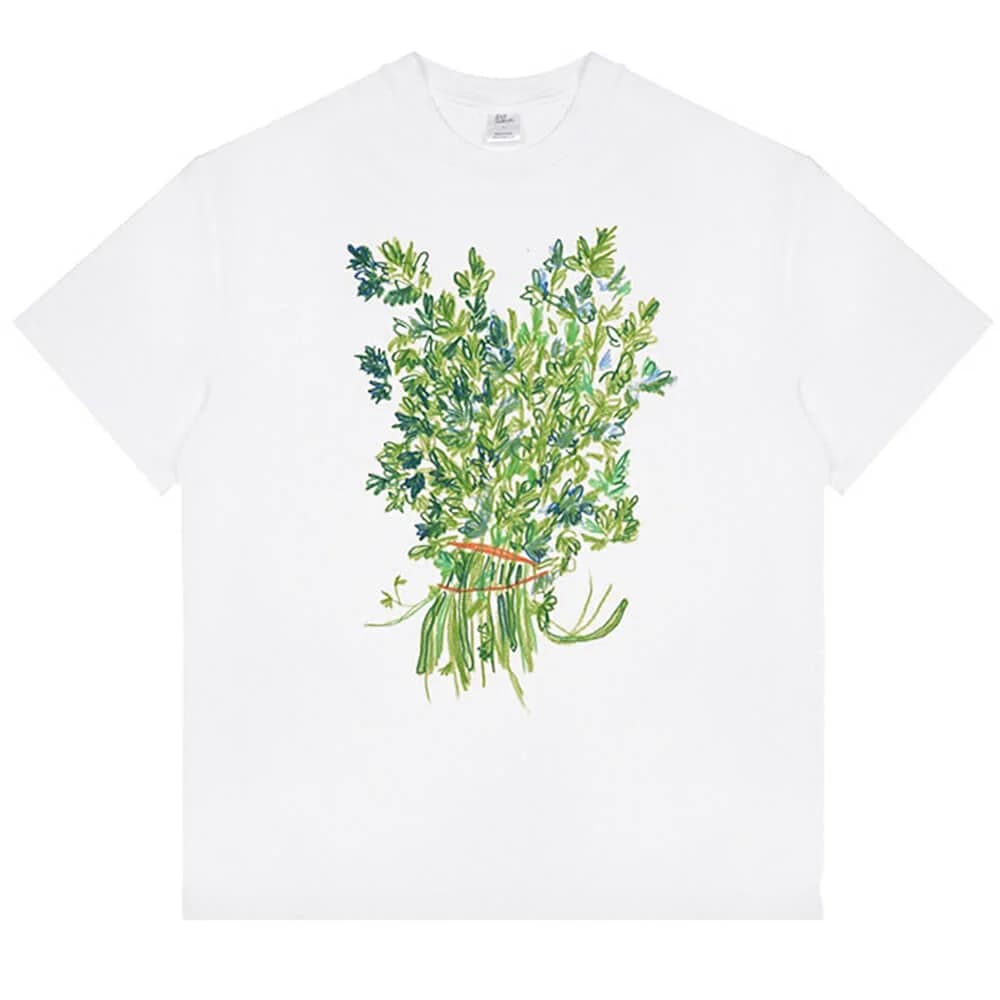
Crewneck t-shirts present a unique challenge because the high ribbed collar leaves little to no bare chest space. When you wear a graphic top like the Herb Bouquet Cottagecore T-Shirt, dropping a short charm necklace over the chest means the pendant lands directly on top of the printed stems. The charm fights the print, and the chain sits uncomfortably halfway across the ribbed collar.
To fix this, shift your layeringWearing pieces over or under one another to add depth, warmth or contrast. strategy completely below the graphic or stay strictly above it on the collarbone. A short, smooth choker measuring 14 to 15 inches sits neatly above the crewneck collar directly against your skin, framing your throat. Alternatively, run an elongated 22 to 24-inch chain that falls entirely past the graphic print, letting a botanical drop rest against the solid fabric at your mid-torso.
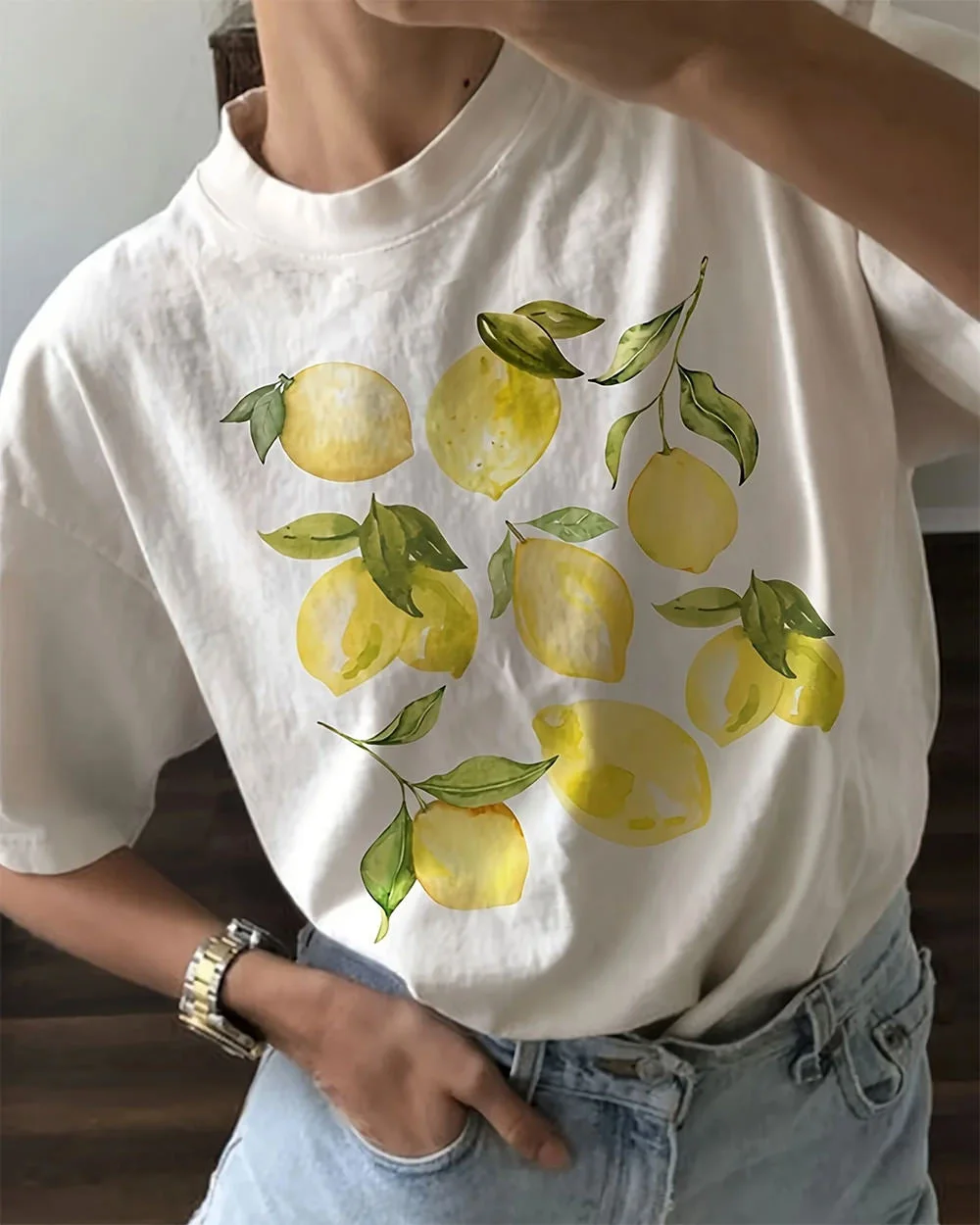
If your shirt features higher chest prints, like the Amalfi Lemon Graphic T-Shirt, you can also swap heavy chest layers for statement headwear or drop earrings, allowing the shirt's front graphic to remain crisp and undisturbed.
- Position chokers directly on bare skin above high crewneck bands.
- Use long 22-inch to 24-inch chains to bypass central chest artwork.
- Select plain chain links if your necklace rests across busy typography.


V-Necks and Button-Downs: Following Natural Geometry
A V-neck or partially unbuttoned collared shirt creates an angular, downward-pointing frame that naturally guides the eye toward your center. This opening is one of the most forgiving spaces for botanical layeringWearing pieces over or under one another to add depth, warmth or contrast. because it supplies empty skin that contrasts cleanly against metalwork. However, wearing a rounded choker inside a sharp V-neck can disrupt that flow, creating competing visual angles.
The ideal approach is echoing the V-shape with staggered chain lengths. Place a delicate point-style chain at 16 inches and follow it with a longer 18-inch pendant that terminates in an elongated leaf, branch, or teardrop charm. The pendant naturally settles into the lowest point of the neckline opening, grounding the entire stack.
When wearing linen button-downs or relaxed blouses, leave two buttons undone to generate sufficient negative spaceAn uncluttered area that gives the rest of a design room to stand out.. If you are layeringWearing pieces over or under one another to add depth, warmth or contrast. under breezy cardigans, check that your longest pendant finishes at least one inch above where the shirt fabric rejoins, preventing the charm from slipping under your shirt hem as you walk.
Scoop Necks and Square Necklines: Balancing Horizontal Openings
Square necklines and wide scoop cuts broaden your shoulder line horizontally, creating an open canvas across your collarbones. This horizontal framework can make single dainty chains look isolated or lost. At the same time, dropping a single extra-long chain can pull the visual balance down too abruptly, leaving the broad upper chest looking empty.
For square necklines, horizontal balance is key. A slightly structured collar necklace or a graduated multi-strand stack that stays between 15 and 18 inches fills the open horizontal field comfortably. You can pair a smooth collar wire with a textured leaf-link chain, ensuring both sit parallel to the straight-cut neckline.
Scoop necks offer curved softness, which pairs exceptionally well with rounded beads, miniature floral drops, and curved vine links. Look for selections within our Plant Mom Necklaces collection that feature soft swoops rather than rigid angular drops to mirror the natural contour of scoop-cut tops.
Matching Metal Undertones: Warm Golds vs. Crisp Silvers
Choosing between yellow gold, rose gold, silver, and antique brass should be guided by your outfit palette and natural skin undertones. Warm metals like yellow gold and rich brass highlight earthy tones like forest green, moss, terracotta, and warm beige. When you wear earth-forward cottons, gold metalwork brings out the sunny, lively qualities of botanical motifs.
Cool silver, pewter, and white gold provide a crisp, modern contrast. Silver is particularly striking against deep emerald, sage, charcoal, and cool-toned floral patterns. If your wardrobe revolves around muted dusty greens and slate tones, silver jewelry gives your leafy accents a fresh, dew-kissed clarity that does not clash with cool fabric dyes.
If you are styling casual neutral tops such as the How To Pickle Aesthetic Print Graphic T-Shirt, the soft beige 100% cotton base pairs seamlessly with either warm yellow gold or brushed antique brass, accentuating the rustic, pantry-inspired theme of the graphic.
- Pair yellow gold with warm olive, warm cream, terracotta, and khaki.
- Select polished silver for sage green, forest green, navy, and crisp white.
- Opt for antique brass or bronze when styling vintage-inspired botanical graphics.

The Two-Metal Rule: How to Mix Metals Without the Mess
Mixing metals is a classic styling technique, but throwing random combinations together can look accidental rather than deliberate. To make mixed metals work with botanical charms, implement the two-metal rule with a deliberate 70/30 distribution. Choose one dominant base metal—such as warm gold—for 70 percent of your jewelry, and introduce silver as an intentional 30 percent accent.
A reliable way to anchor this combination is using a single bridge piece that already contains both tones. A pendant featuring a silver Monstera leaf framed in a gold bezel instantly validates your choice to wear silver earrings with a gold chain. The bridge piece acts as proof that the metal mix is a coordinated styling decision.
Distribute your mixed metals evenly across your body rather than stacking all silver on your neck and all gold on your ears. If you wear a gold chain with a silver charm, balance it by choosing rings or wristwear that alternate between the two tones, keeping your total accessories harmonized.
- Stick strictly to two metal colors at a time to prevent chaotic visuals.
- Maintain a clear 70/30 proportion between your primary and secondary metals.
- Wear a two-tone bridge piece to visually tie separate metal chains together.
Chain Thickness, Weight, and Pendant Scale Proportions
Proportion is the quiet factor that determines whether your layered necklace stack looks polished or clumsy. Hanging a hefty, cast-metal botanical medallion on a whisper-thin thread chain makes the chain look fragile and causes the pendant to pull the chain into an awkward tight V-shape. Conversely, placing an ultra-dainty miniature bud charm on a chunky rope chain swallows the charm completely.
When building a three-chain layer, graduate your chain weights deliberately. Start closest to the neck with your lightest, finest chain—like a 1.2mm cable chain. For your middle tier, step up to a medium-weight 2mm chain that holds your decorative botanical charm. Finally, if you add a third tier, opt for a slightly sturdier link, such as a paperclip chain, which holds its own shape without competing.
Consider your overall clothing fabrics as well. Heavy knits, corduroy overalls, and denim demand slightly heavier jewelry weights so the metal does not vanish against the textured textile. Lightweight linens and silk-blend camisoles naturally favor whisper-light chains and delicate botanic drops.
Earrings and Necklaces: Managing the Ratio
A common mistake when styling nature-themed accessories is piling intricate details onto your ears and your neck simultaneously. If you wear dangling leafy earrings, a layered floral necklace, and a decorative hair clip all within six inches of one another, the area surrounding your face becomes overwhelming. You need to pick whether your neck or your ears will serve as the primary stage.
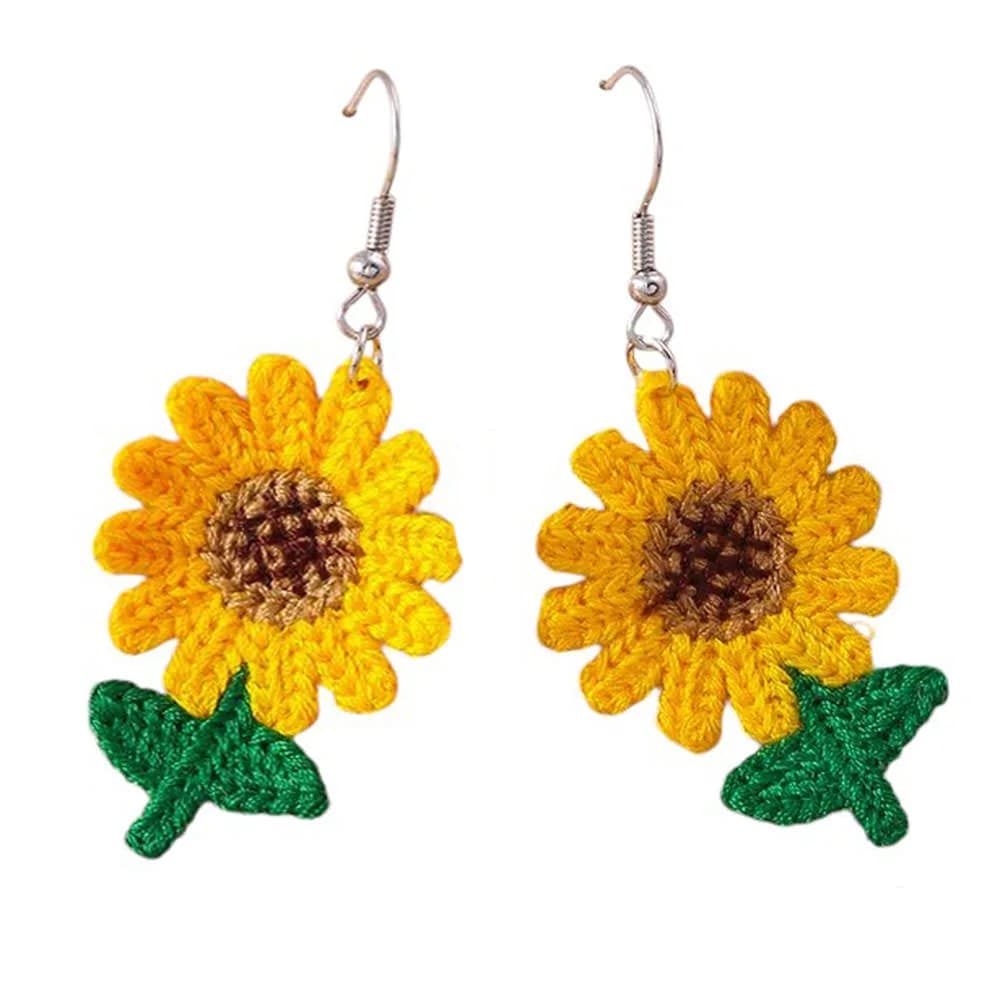
If you decide on statement earrings like the Crochet Sunflower Earrings, which offer bold yellow and green visual presence, scale your neck jewelry back to a single minimalist chain or skip the necklace entirely. Allowing bold earrings to shine on their own keeps your upper profile fresh, artistic, and uncluttered.
When your necklace stack takes center stage with multiple tiers and pendants, swap your earrings for subtle botanical studs—such as tiny silver sprouts, smooth jade beads, or minimal gold leaf backings from our Plant Mom Earrings collection. This keeps the attention fixed firmly on your neckline architecture.
- Pair large floral drop earrings with bare necklines or ultra-fine single chains.
- Wear understated botanical studs whenever you layer two or more necklaces.
- Keep statement pieces separated by adequate physical distance on your body.
Turtlenecks and High Collars: Winter Botanical Styling
Cold-weather styling does not mean you have to pack away your plant-inspired accessories. In fact, solid dark turtlenecks, mock necks, and ribbed knit sweaters provide an ideal backdrop for gleaming botanical pendants. The high, solid fabric acts like a display mount, highlighting the delicate silhouetteThe overall shape an outfit creates, from fitted to loose and layered.s of your charms without any skin tone distractions.
To layer successfully over knitwear, you must extend your chain lengths. Short 14 to 16-inch chains will choke against high sweater necks and constantly ride upward beneath the folded fabric collar. Instead, begin your stack at 20 inches and let your secondary chain drop down to 24 or 28 inches. Long sweater chains give your heavy knitwear structure and draw the eye downward.
Choose pendants with smooth, rounded edges over knits. Fine filigree with tiny open prongs can easily snag on woven wool, mohair, or chunky acrylic loops. Smooth cabochon stones, polished metal leaves, or pressed-resin pendants glide effortlessly over knitted fibers without catching or pulling threads.
Pairing Jewelry with Full Outfits and Bottoms
Your jewelry does not exist in a vacuum; it responds to your full silhouetteThe overall shape an outfit creates, from fitted to loose and layered., from your tops down to your trousers or skirts. When you style a feminine piece like the Cottagecore Aesthetic Green Floral Skirt, your jewelry should complement that soft, garden-inspired mood without overloading the outfit with competing floral motifs. Pair the skirt with a simple cream top and a minimal leaf-drop pendant to let the skirt pattern lead.
For an edgier, everyday indie look, you might combine casual shorts like the Indie Aesthetic Crochet Flower Denim Shorts with a boxy tee. Here, rugged denim and textured crochet patches balance well with chunkier brass or antiqued silver chains. The heavier metal finish grounds the playful craft elements of the shorts.
Explore our wider assortment of Plant Mom Clothes to match your jewelry metals with complementary apparel colors. Choosing pieces that harmonize in mood creates a deliberate aesthetic rather than a random assortment of green items.
- Balance highly patterned skirts with understated, single-pendant necklaces.
- Use heavier antiqued chains when wearing structured denim with decorative patches.
- Mirror the soft tones of floral apparel with brushed gold or warm amber stones.
Incorporating Hair and Bag Accessories Without Crowding
Jewelry extends beyond metal chains; functional accents in your hair and on your bags also contribute to your total visual footprint. When coordinating multiple accessories, pay close attention to proximity. Placing a decorative floral clip in your hair directly above large botanical earrings creates visual confusion around your ears.
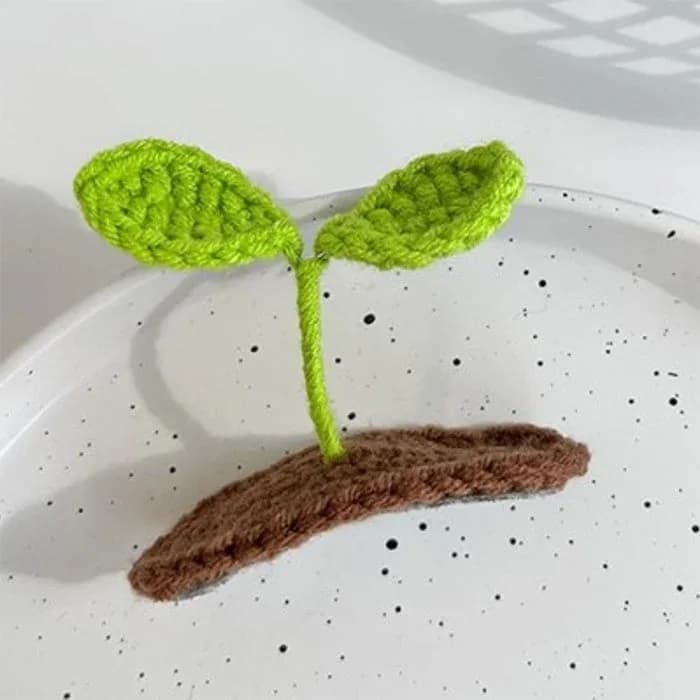
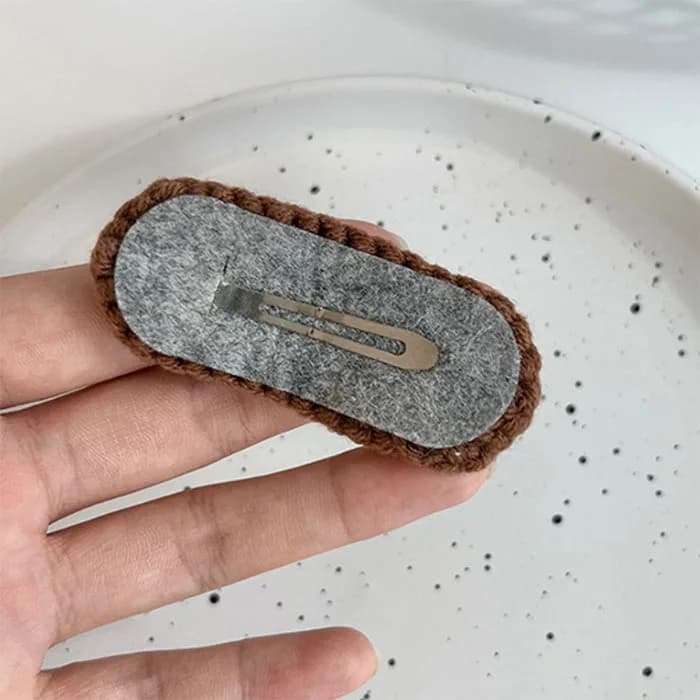
If you are wearing the Plant Mom Crochet Aesthetic Hair Clip, let it serve as your primary head accent. Pull your hair back on one side and pair it with simple metal studs or a minimalist chain necklace. This spaces out the crochet texture, allowing the hand-crafted look of the hair clip to stand out without competing with metal drops below.
Look through our complete range of Plant Mom Accessories for tote bags, hats, and pins that tie your concept together. If your upper body already features layered chains and rings, let your bag carry your plant-mom motifs through embroidered patches or canvas prints, distributing the theme naturally throughout your entire outfit.
Casual Summer Tops: Tanks, Camis, and Halters
Warm-weather outfits often leave your shoulders and upper chest completely exposed, creating generous space for jewelry styling. When wearing casual knit tops like the 2000s Aesthetic Bug Print Tank Top, the playful insect graphics introduce an earthy, outdoor theme that calls for breezy, uncomplicated metal accents.
With thin-strap camisoles and tank tops, avoid overly dense, heavy collar necklaces that can weigh down the airy, effortless feel of the outfit. Instead, build a light, sunlit stack using fine chains with miniature botanical drops—like a tiny acorn, dewdrop bead, or delicate clover. The exposed collarbones and shoulders frame the fine jewelry effortlessly.
For halter tops, which pull diagonally inward toward the neck, long dangling chains can look messy against the converging straps. Stick to a short, centered pendant chain that sits cleanly in the triangular chest cutout, or skip the necklace entirely and focus on botanical ear cuffs and rings.
Everyday Pitfalls: Tangling, Clashing, and Over-Theming
Even the most carefully chosen botanical accessories can look messy if practical styling rules are ignored. The most common problem is chain tangling, which happens when you wear two necklaces of the exact same weight and length. As you walk, turn your head, or take off your jacket, the chains inevitably twist together into an annoying knot.
Another major pitfall is over-theming your outfit. Wearing a leaf necklace, leaf earrings, a leaf ring, a leaf bracelet, and a leaf-printed tee makes your look feel costume-like rather than effortless. Select one or two plant motifs per outfit and surround them with clean geometric or textured essentials to give the nature charms meaningful contrast.
Lastly, beware of chain friction against delicate fabrics. Fine chain clasps can catch on lace necklines or textured crochet trims. Always check that your necklace clasp sits securely at the nape of your neck and stays clear of fabric edges that could tug it out of place.
- Never wear two necklaces of identical length and gauge if you want to avoid knots.
- Limit direct plant motifs to two pieces maximum per single outfit.
- Ensure clasps are smoothed and turned away from open knit tops to prevent snagging.
The Plant Mom Jewelry Styling Checklist
Before heading out the door, take thirty seconds to review your accessory arrangement in a full-length mirror. Checking your jewelry against your complete outfit ensures that your botanic charms enhance your look rather than creating an uncoordinated cluster of metal.
By keeping these checkpoints in mind, you will curate an effortless, botanical-inspired aesthetic that feels both expressive and refined every day.
Use this practical checklist to verify your layeringWearing pieces over or under one another to add depth, warmth or contrast. balance, neckline compatibility, and metal distribution across your accessories:
- Focal Point Check: Is there exactly one primary botanical charm commanding attention on your chest or ears?
- Spacing Check: Are your layered necklace chains separated by at least 1.5 to 2 inches of length?
- Print Check: Does your pendant rest cleanly in negative skin space or flat fabric, away from graphic tees?
- Metal Balance: If you are mixing metals, is one finish clearly dominant (around 70%) with a bridging element?
- Ear-to-Neck Ratio: If your earrings are bold and colorful, did you keep your neckline clean and minimal?


