
Created by the Kawaii Vibe editorial team. Our named style desks are editorial personas. Product details and availability can change.
Designing a botanical interior is less about packing every flat surface with terracotta pots and more about establishing a clear balance between living greenery, room architecture, and soft furnishings. When too many leaf textures compete for the same narrow patch of window light, a bedroom or living area quickly starts feeling chaotic rather than grounded and airy.
A successful layout begins with an honest inventory of your window exposures and floor traffic. By establishing dedicated visual zones, you can display high-density foliage where plants actually thrive while balancing the rest of the room with breathable wall hangings, layered textiles, and structured color anchors.
This guide outlines a repeatable method for choosing a cohesive interior palette, arranging shelves and floor plans, and matching your surroundings with relaxed everyday styling, without cluttering walkways or making daily plant care a chore.
Setting the Core 60-30-10 Palette for Foliage Interiors
Living leaves introduce complex greens with yellow, blue, and brown undertones. If you paint large walls in competing saturated greens, the space loses depth and living stems blend into the backdrop. A functional starting point is the classic interior split: sixty percent neutral foundation, thirty percent secondary structural tone, and ten percent sharp accent color.
For the primary sixty percent, choose neutral walls in warm alabaster, pale oatmeal, or chalky greige. These soft, non-competing surfaces bounce natural daylight into shadowed room corners and give botanical silhouetteThe overall shape an outfit creates, from fitted to loose and layered.s clean contrast. The secondary thirty percent belongs to architectural furniture, raw woods, woven jute floor rugs, or soft textiles like curtains and large throws.
Your final ten percent should highlight intentional contrasting details. Warm terracotta, pale butter yellow, soft apricot, or deep charcoal accents anchor eye level across shelves and bed spreads. When browsing curated accents in the Plant Mom Room Decor range, use this ratio to keep new decor pieces from clashing with the natural green volume of your potted collection.
- 60% Base: Pale stone, warm off-white, light linen walls, or soft birch flooring.
- 30% Secondary: Mid-tone raw oak, textured rattan, soft sage bedding, or canvas curtains.
- 10% Accent: Burnt sienna pot saucers, brass hardware, or citrus and berry textile prints.
Mapping Light Zones and Layout Traffic
Every indoor plant room has two competing priorities: botanical health and human walkway clearance. Before deciding where decorative shelving or reading chairs sit, map out direct sunlight, indirect bright light, and deep shade areas across the morning and afternoon.
Cluster high-light plants directly along the window sill or on ceiling-hung tracks. Keep the immediate path between your door, closet, and bed entirely free of floor planters. Nothing breaks the calm of a leafy retreat faster than tripping over a heavy ceramic pot in the dark or knocking over delicate stems while carrying laundry.
Use secondary light zones—spaces three to six feet back from east- or south-facing windows—for primary seating and layered decorative staging. This setup places you inside the lush ambiance of the greenery while leaving your watering pathways open and completely unobstructed.
Balancing Soft Furnishings with Living Foliage
Large groupings of potted plants bring a lot of hard visual weight into a room through ceramic finishes, metal stands, and plastic drainage saucers. Soft furnishings act as an acoustic and visual dampener, preventing botanical corners from reading like cold greenhouse staging areas.
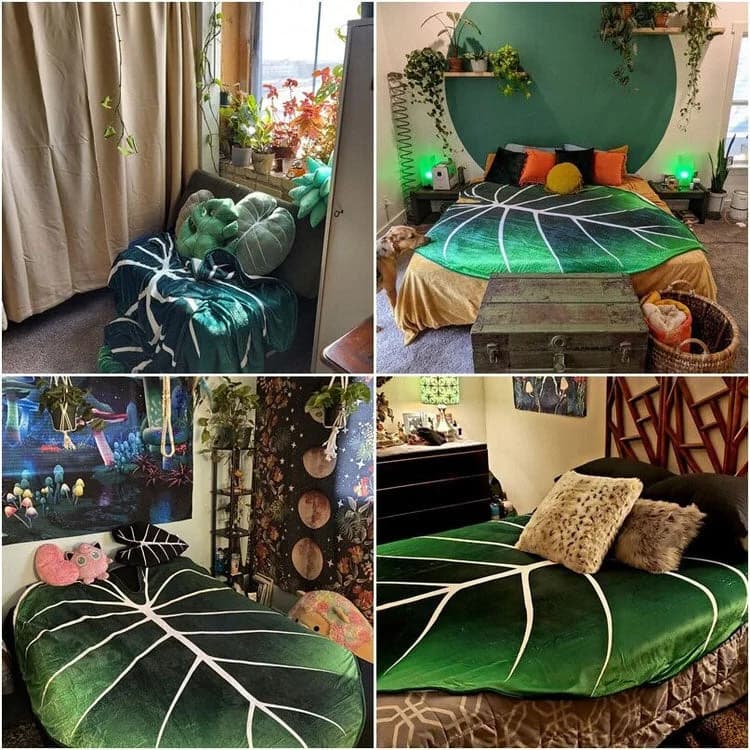
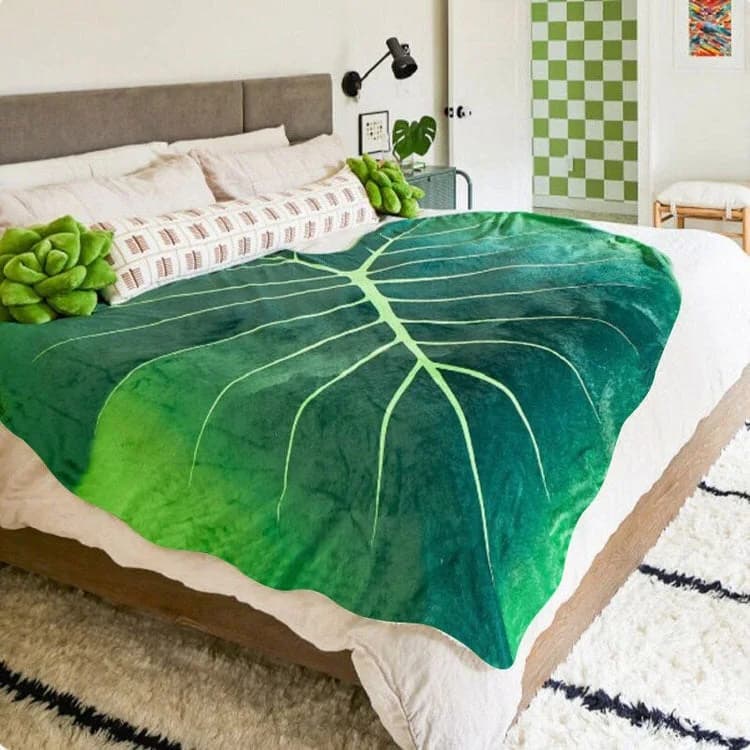
Draping a woven throw across a desk chair or the foot of a bed immediately softens linear shelf edges. The Plant Mom Aesthetic Leaf Blanket comes in green polyester across four sizes (from 100*150 cm up to 160*220 cm), letting you select a small lap throw for a reading chair or an expansive bed runner that bridges neutral sheets and potted vines.
Pairing structured throws with rounded cushions prevents your seating zone from looking stiff. Choosing tactile layers from the Plant Mom Blankets collection gives the eye a comfortable place to rest when surrounded by sharp snake plants and sprawling monstera leaves.
- Small throws (100*150 cm) work best over reading chairs and wide windowsill benches.
- Mid-to-large sizes (150*200 cm and 160*220 cm) provide full coverage for twin and queen beds.
- Synthetic woven fibers offer dependable stain resistance near plant potting trays.

Structuring Wall Space and Focal Art Points
Blank drywall above beds and desks can feel disconnected from low-standing planters if you do not carry botanical elements upward. Instead of scattering dozens of small frames across the wall, choose one or two deliberate anchors to organize the space.
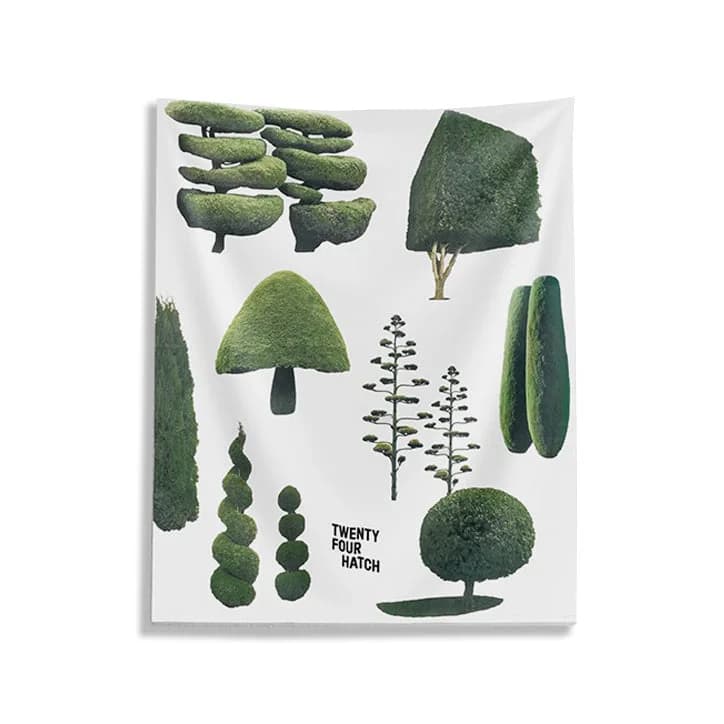
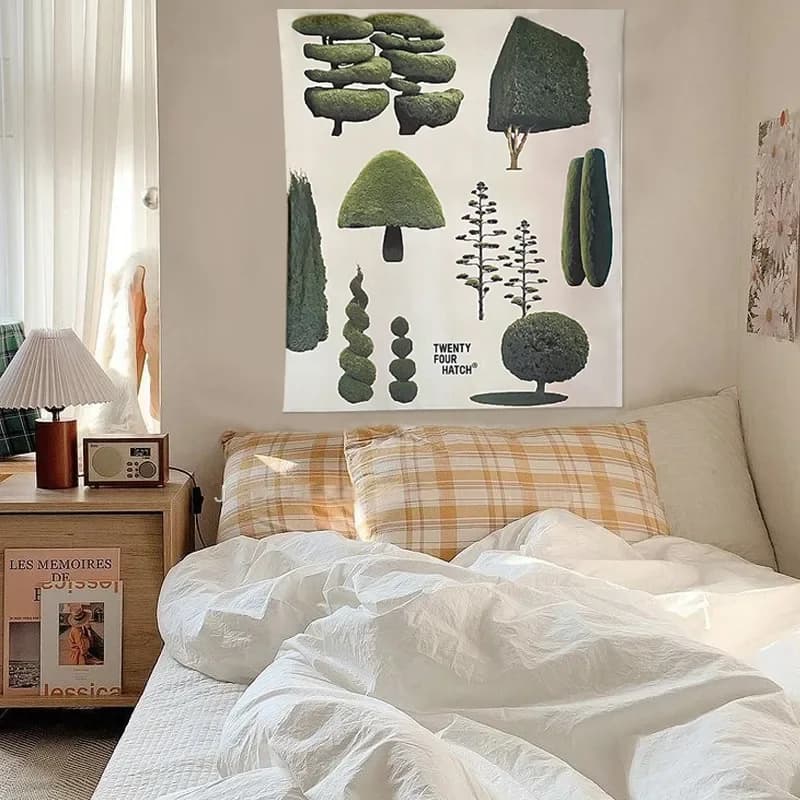
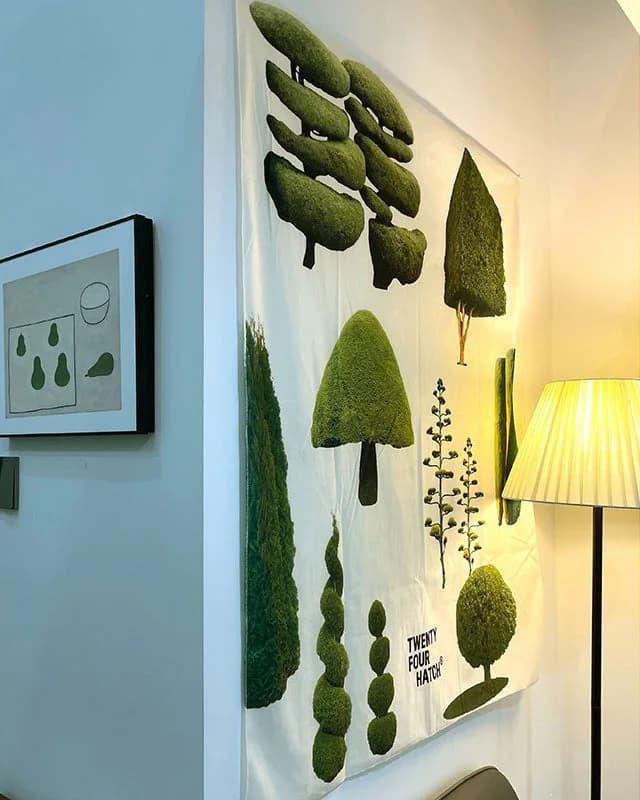
The Plant Mom Aesthetic Trees Wall Tapestry, available in a generous one-size format, creates an immediate vertical focal point without putting heavy frames above your bed. Because it hangs flat and adds fabric texture, it dampens room echo while drawing the gaze upward toward hanging pothos or wall-mounted vining hooks.
When building a cohesive gallery wall, explore prints and framed canvas pieces inside Plant Mom Wall Art. Position hanging frames at standing eye level, leaving at least eight to twelve inches of breathing space between the top leaves of any tall floor plant and the bottom of your artwork frames.
Integrating Mirrors and Natural Light Reflection
Natural light is the most valuable currency in any plant-centric room. Placing mirrors opposite or adjacent to windows bounces illumination deeper into shadowed corners, effectively doubling the ambient light available to low-light tolerant varieties like zz plants and pothos.
Mirrors also break up flat drywall by reflecting living leaves from across the room, making a modest plant corner appear twice as deep. The Forest Mushroom Wooden Mirror, available in four distinct numbered visual styles, introduces organic timber framing and playful fungi detailing that pairs naturally alongside trailing shelf plants.
Mount accent mirrors where they catch the mid-morning sun, but avoid angling them directly onto delicate tropical foliage. Concentrated, reflective hot spots can scorch thin foliage during intense summer afternoons in warmer climates.

Layering Accent Cushions and Seating Textures
A dedicated reading bench or corner armchair turns a leafy room into an inviting sanctuary. To make seating feel integrated with surrounding planters, mix sculpted botanical forms with classic geometric pillow shapes.
The Plant Mom Aesthetic Succulent Pillow is shaped like an unfurling rosette and comes in Green, Sage Green, and Mint across two sizes (25cm and 45cm). Tucking a 45cm version into the corner of a neutral canvas armchair immediately communicates the botanical theme without requiring loud, busy wallpaper.
To avoid a themed novelty look, balance shaped novelty cushions with structured square pillows in woven linen or plain cream cotton from the broader Plant Mom Pillows collection. This combination provides both firm lumbar support for long reading sessions and playful visual charm.
- Combine one sculptural botanical cushion with two textured square pillows per couch corner.
- Use the compact 25cm succulent size for small desk chairs and the 45cm size for beds.
- Stick to cool mint and sage cushions when your living plants lean toward darker emerald leaves.

Dressing for the Space: Everyday Botanical Loungewear
The relaxed, earthy energy of a plant mom room translates naturally into everyday home outfits. Spending an afternoon misting leaves, wiping foliage, and repotting cuttings calls for practical, washable cotton and blended layers that let you move comfortably.
Pairing your surroundings with your casual wardrobe keeps indoor gardening sessions feeling intentional. The Herb Bouquet Cottagecore T-Shirt, constructed from a cotton and polyester blend and offered in Green, White, and Grey from sizes S to 4XL, works nicely tucked into high-waisted linen trousers or relaxed denim shorts.
For a slightly different creative twist during weekend potting routines, the How To Pickle Aesthetic Print Graphic T-Shirt provides a breathable 100% cotton option in an earthy beige tone (sizes M to 3XL). Natural cotton fibers withstand stray potting mix stains, wash cleanly, and stay cool during warm indoor maintenance days.
- Potting outfit: 100% cotton graphic tee, loose utility pants, and slip-on clogs.
- Watering routine: Blended poly-cotton t-shirt, relaxed shorts, and an apron with deep tool pockets.
- Relaxed reading look: Oversized graphic tee draped over soft leggings with wool socks.
Transitional Styling for Warm and Cool Climates
A plant-focused bedroom needs to adapt as the weather changes outside, especially when drafts or radiator heat begin affecting both your personal comfort and plant humidity levels. Building a flexible wardrobe and room layout requires thoughtful seasonal transitions.
During warmer months, keep clothing breezy and bright. The Amalfi Lemon Graphic T-Shirt in white cotton-polyester pairs easily with lightweight bottoms, echoing the sunny Mediterranean citrus palette that complements terracotta plant pots. When stepping out into garden centers or backyard greenhouses, pair graphic tees with the breezy Cottagecore Aesthetic Green Floral Skirt, crafted in lightweight green polyester (sizes S to L).
As temperatures drop in southern or northern winters, rotate your room textiles by switching light covers for thicker blankets. In your wardrobe, transition from skirts to wide-leg corduroy pants, layeringWearing pieces over or under one another to add depth, warmth or contrast. soft cardigans over your favorite botanical tops from the Plant Mom Clothes collection to stay warm near chilly window glass.
Organizing Shelves and Vertical Staging
Bookshelves and wall-mounted ledges allow you to keep dozens of small cuttings without consuming every square inch of your desk or nightstand. However, stacking shelves entirely with plants makes pruning awkward and restricts ambient light from reaching lower tiers.
Apply an alternating stair-step pattern when arranging plant shelves. Place a cascading vine like a philodendron on the top shelf, let its runners drape across the edge, and balance the shelf below it with horizontal stacks of books, ceramic dishes, or small framed botanical art.
Always leave at least four to six inches between the top rim of your planters and the bottom of the shelf above them. This buffer ensures adequate air movement, prevents mold growth on potting soil, and makes watering cans easy to maneuver without snapping fragile leaf petioles.
Flooring, Rugs, and Moisture Protection
Water spills and loose soil are inevitable realities of keeping houseplants indoors. Designing a resilient layout means choosing floor finishes and protective layers that protect your floorboards and rental carpets from stubborn water rings.
Avoid laying delicate silk or high-pile shag rugs directly under heavy floor planters. Instead, anchor your primary seating zone with flat-weave cotton rugs or naturally durable jute runners, both of which handle occasional dampness far better and vacuum clean easily after repotting sessions.
Always place deep drip trays beneath every nursery pot, even if your outer ceramic planter claims to be watertight. For valuable hardwood surfaces or laminate flooring, place thin cork pads or glazed ceramic coasters underneath trays to eliminate trapped condensation rings.
- Place cork or silicone mats beneath every heavy floor saucer.
- Choose low-pile, washable flat-weave rugs within four feet of main plant stands.
- Keep a small dedicated micro-fiber towel tucked near your watering station for quick cleanups.
Lighting Strategy: Combining Daylight and Grow Fixtures
Even the most carefully planned room layout will fall flat if your light levels drop too low in winter or in rooms with small north-facing windows. Rather than settling for harsh industrial fixtures, modern botanical spaces can integrate full-spectrum grow bulbs into everyday decorative lamps.
Swap out standard incandescent bulbs in your adjustable gooseneck desk lamps or standing floor fixtures for warm-white grow bulbs. This lets you deliver supplementary photons to your ficus or calatheas while maintaining a comfortable, warm living room ambiance in the evenings.
Run supplementary grow lighting on an automated timer set for eight to twelve hours a day, ideally syncing with natural daylight hours. This regularity supports healthy foliage growth without disrupting your sleep schedule with unnatural midnight illumination.
Curating Small Desk and Workstation Botanical Corners
Desks easily become overrun with water cups, propagation tubes, and tangled charging cables. Keeping a desk green and refreshing requires firm spatial boundaries between work tools and living plants.
Dedicate a single corner of your desk surface to plants, ideally the side opposite your dominant writing or mouse hand to avoid accidental spills. Select compact, slow-growing varieties like haworthias or peperomias that stay tidy and do not drop sticky sap onto keyboards.
Complement your desk greenery with functional organizers like wooden pencil cups, ceramic catch-all trays for paperclips, and a small framed illustration from your wall art rotation. Elevating a single small succulent on a wooden block leaves desk space underneath clear for notebooks and stationery.
Common Botanical Decor Mistakes to Avoid
The excitement of building an indoor jungle often leads to a few common decorating traps. Recognizing these pitfalls early saves you money, protects your furniture, and prevents plant stress.
One frequent mistake is buying decorative cachepots without checking drainage dimensions. Dropping a nursery pot into an outer container that fits too tightly restricts airflow, trapping moisture at the base and causing undetected root rot. Always choose decorative pots that leave a half-inch finger gap around the plastic liner.
Another common misstep is overcrowding windowsills until curtains can no longer close. Blocking your window treatments limits your privacy and prevents you from pulling insulated curtains shut during freezing winter nights or blistering summer heatwaves.
- Never place moisture-sensitive electronics directly under hanging macrame planters.
- Avoid grouping plants with vastly different humidity needs right next to each other.
- Do not block natural room ventilation paths, heating vents, or air returns with dense foliage clusters.
A Practical Checklist for Room Layout Setup
Start with structural bones: verify where your windows face, map sunlight paths, and confirm that your primary walking corridors are completely clear of tripping hazards. Once furniture is anchored, introduce your major textile anchors, from rugs to leaf-motif throws and cushions.
Finish with living plants and personalized wall styling, positioning mirrors to amplify natural light and hanging tapestries to absorb ambient noise. Following this sequence prevents clutter and ensures every new decor addition serves a genuine visual or practical purpose.
Before bringing home new furniture, textiles, or botanical displays, review this sequential setup checklist to make sure your room layout remains functional, stylish, and easy to maintain throughout the year.
- Confirm clear 30-inch minimum pathways between doors, bed, and wardrobe.
- Install saucers, cork pads, and water barriers under all pot locations.
- Hang wall tapestries and mirrors securely at standing eye level.
- Layer seating with supportive pillows and washable, durable throws.
- Position plants strictly according to light requirements, not purely decorative whims.


