
Created by the Kawaii Vibe editorial team. Our named style desks are editorial personas. Product details and availability can change.
Choosing a bag for a queer academia outfit usually comes down to solving a tug-of-war between tailored silhouetteThe overall shape an outfit creates, from fitted to loose and layered.s and real daily carry needs. A heavy structured briefcase can look great with a button-up, but it feels rigid and unyielding if you are carrying an uneven load of books, extra layers, and small tech gear. At the same time, an unstructured canvas tote will drag down the sharp lines of a pleated skirt or trench coat if the drop is too long.
The goal is balancing shape, strap architecture, and visual weight against the clothes you wear every morning. Queer academia outfits rely on texture contrasts, subtle subcultural graphics, and loose-meets-fitted proportions. Your bag needs to support those layers without breaking the balance or rubbing fabrics the wrong way.
This guide walks through matching shapes to your carry needs, adjusting scale for your body frame and coat thickness, organizing your items, and choosing hardware that complements the broader catalog of Queer Academia Clothes.
1. Defining Your Everyday Carry Profile Before Picking a Silhouette
Before you commit to a specific satchel or tote, write out the actual items you carry on an ordinary day. Most people overestimate how much structured space they need for technology while underestimating the bulk of loose items like water bottles, chargers, pencil pouches, and mid-layer cardigans. A stiff, rectangular bag might look crisp on a hanger, but the moment you try to wedge a curved travel mug inside, the closure strains and ruins the profile.
Categorize your items into rigid essentials (like a laptop, tablet, or notebook) and malleable bulk (such as spare socks, an umbrella, or knitwear). If your daily inventory is mostly flat and rigid, a structured messenger or slim portfolio maintains clean geometry against wide-leg trousers. If your carry includes rounded canisters, snacks, and extra accessories, a bag with softer side gussets or accordion folds will adapt without bulging strangely against your hip.
Take a moment to check your baseline measurements as well. A bag designed for an eleven-inch tablet will distort if forced to swallow a fourteen-inch notebook. Start by browsing the range in Queer Academia Bags with your largest non-negotiable object in mind so you avoid sizing mistakes from day one.

2. Satchels, Messengers, and Briefcases: The Structured Workhorses
Structured satchels and classic messenger bags are the traditional anchor of scholarly styling. Their squared corners and flap closures mirror the lapels of blazers, the waistbands of tailored skirts, and the seams of button-downs. When paired with pieces like the Aesthetic Corduroy Skirt, a firm rectangular satchel brings a grounded, formal contrast to the plush, ridged surface of the corduroy.
The primary advantage of these shapes is edge control. Because the bag retains its boxy form regardless of how much is inside, it gives your entire outfit a composed, studious look. However, that same rigidity means structured satchels are less forgiving when overfilled. If you pack them past their intended volume, the front flap pushes outward, creating an awkward bulk that bounces against your legs.
Pay attention to depth rather than just width. A satchel that is twelve inches wide but only two inches deep works nicely for a slim notebook, but it will not close over a knit cap or a chunky pencil tin. Check internal dividers; while pockets help with pens and metro passes, too many fixed internal partitions can limit your ability to slide in odd-shaped belongings.

3. Totes and Shoppers: Balancing Soft Drape with Sharp Tailoring
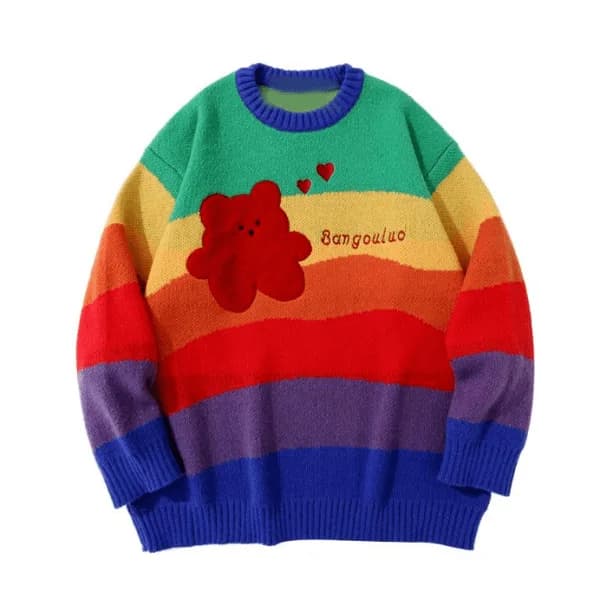
Totes offer an easy, informal drape that plays well against oversized graphic knits and relaxed trousers. When you wear a statement top like the Rainbow Bear Sweater, a simple rectangular tote keeps the visual focus on the knit's pattern while offering quick top-loading access for your reading material or class notes.
The pitfall of everyday totes is sagging. Thin cotton or unlined canvas drops into a heavy teardrop shape the moment you drop keys, a phone, and a heavy hardback to the bottom. That bottom-heavy triangle cuts across pleated lines and pulls at your shoulder seam. To prevent this, look for totes constructed with a flat base panel, or add a light cardboard or leather insert at the bottom to maintain a clean horizontal base.
Handle drop length is equally important. If you wear thick wool coats or oversized blazers, a short ten-inch drop will wedge the bag tightly under your armpit, bunching up your sleeve fabric. Aim for a handle drop that leaves comfortable clearance between your arm and side, or select a tote that features both hand-carry grips and a longer, detachable shoulder strap.
4. Backpacks and Rucksacks: Hands-Free Geometry on the Move
When you commute by bike or walk across a large campus, a two-strap backpack distributes weight evenly and keeps your hands free. In queer academia styling, a compact leather or heavy-canvas rucksack creates a neat silhouetteThe overall shape an outfit creates, from fitted to loose and layered. that sits centered between your shoulder blades without pulling your lapels askew.
Backpack scale can easily overwhelm an outfit if you choose a high-capacity trail pack for ordinary urban study sessions. An oversized technical bag covers up the tailored waistline of trousers and wrinkles the back of your outerwear. Instead, look for compact, domed or flap-front daypacks that stop well above your lower back, preserving the drape of your clothing beneath.
Consider strap width and padding as well. Narrow straps look sleeker, but if you load the pack with heavy texts, they can dig into your shoulders and cause friction wear on delicate fabrics. Wide, flat straps distribute pressure more gently across button-down shirts from the Queer Academia Tops selection, keeping your garments smooth and intact throughout the day.
5. Crossbody Bags and Small Camera Pouches: Casual, Low-Volume Options
If you only carry a wallet, phone, keys, and a compact paperback, a small crossbody bag or boxy camera pouch is the most practical choice. It eliminates dead space and prevents you from hauling around an empty, flopping sack. These smaller shapes sit diagonally across your chest, adding an asymmetrical line that breaks up symmetrical blazers and cardigans.
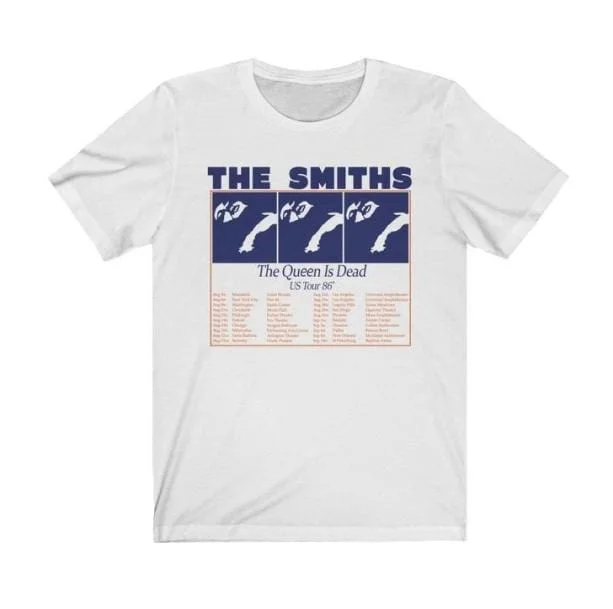
A compact crossbody pairs naturally with relaxed, everyday basics like The Queen Is Dead T-Shirt tucked into tailored trousers. The diagonal strap holds the lightweight cotton close to the torso, accentuating your proportions without feeling fussy or overly formal. It gives you immediate access to your essentials while keeping the outfit relaxed and street-ready.
Be mindful of where a small crossbody rests on your body. If the strap is too long, the pouch swings low against your mid-thigh, disrupting your stride. If it is too short, it crowds your chest and competes with necklaces or collars. Look for bags with adjustable buckles so you can position the pouch securely at hip level or tucked just beneath your ribs.
6. Proportions, Scale, and Frame: Avoiding Visual Overload
Bag scale is relative to both your physical frame and the overall volume of your clothing. If you wear broad, oversized garments like dropped-shoulder sweaters or cocoon coats, a tiny micro-bag can look visually lost, while a medium-to-large structured messenger provides a grounding focal point that anchors the generous fabric.
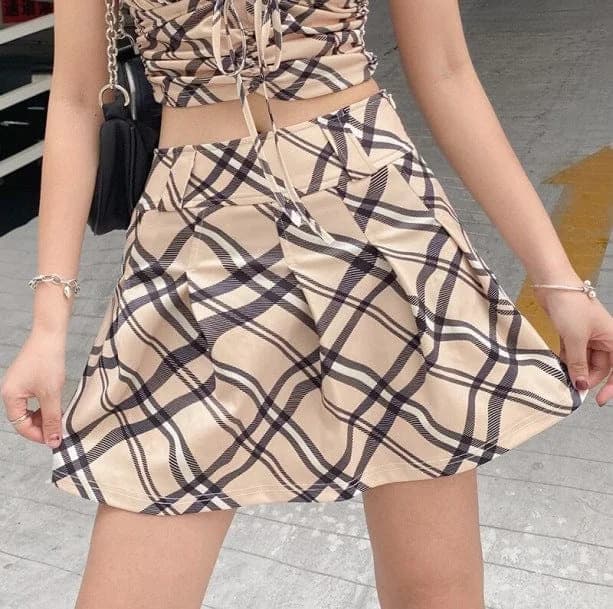
Conversely, if you are wearing a sharper, more fitted combination like a tucked shirt with the Vintage High Waisted Mini Skirt, an oversized weekender tote can visually overpower the neat lines of your waist and hem. A small or medium satchel keeps the balance intact, echoing the compact, tailored proportions of the skirt without hiding your silhouetteThe overall shape an outfit creates, from fitted to loose and layered..
When evaluating scale in a mirror, look at both the front and profile views. A bag might look proportional from the front, but if it projects five or six inches outward from your hip, it can add unwanted bulk to your side profile. Balance your bag's width and depth against your natural stride to ensure you can walk comfortably without bumping into doorways or armrests.
7. Pairing Bags with Trousers, Skirts, and Distinct Bottoms
The hemline and rise of your bottoms influence how a bag hangs against your body. High-waisted trousers with distinct waist details need bags that rest either slightly above the waistband or well down at mid-thigh so the hardware does not rub directly against the buttons or front folds.
For instance, pairing a structured shoulder bag with the distinct crossover detail of Cross Waist Jeans works best when the strap length allows the bag to float cleanly past the waist. If the bag rests directly over the waistband, the friction of your stride can push the bag against the denim seams, causing it to bounce awkwardly and distort the front lines of your pants.
Longer skirts present a different styling consideration. A midi length, such as the Midi Plaid Rainbow Skirt, introduces a sweeping horizontal hemline around the calves. Wearing a very long, low-slung messenger bag alongside a midi skirt can create competing horizontal lines near your knees. Keeping your bag positioned higher—near your natural waist or tucked under your arm—maintains clear vertical space and lets the skirt pattern flow uninterrupted.
8. Layering Over Knitwear, Blazers, and Outerwear
LayeringWearing pieces over or under one another to add depth, warmth or contrast. is fundamental to queer academia fashion, but thick knits and tailored coats interact directly with bag straps. Slipping a rigid leather strap over a chunky cotton piece like the Rainbow Stripes Sweater can compress the knit ribbing or cause friction fuzz if the underside of the strap is rough or unfinished.
When wearing tailored blazers with structured shoulder pads, avoid narrow, tight shoulder bags that pinch the pad downward. That downward tension pulls on the jacket collar, making it gap at the back of your neck. A handheld briefcase, a top-handle satchel, or a messenger worn with a relaxed crossbody strap keeps your jacket shoulders sitting flat and crisp.
Outerwear thickness also changes your required strap drop. A strap that fits comfortably over a light cotton button-down in spring will feel uncomfortably tight when stretched over a winter overcoat. Look for bags with multiple adjustment notches or removable strap extensions so you can lengthen the loop as the seasons shift and your outerwear becomes heavier.
Before heading out, check where a crossbody strap falls across your layers: it can interrupt a waistcoat’s front or obscure a blouse collar. For a prince-inspired outfit where those details are central, choose a handheld bag to keep the front unobstructed. The Kodona Clothes collection offers a reference for blouse and waistcoat-inspired layers to coordinate with your usual bag.
9. Hardware, Fastenings, and Small Accents
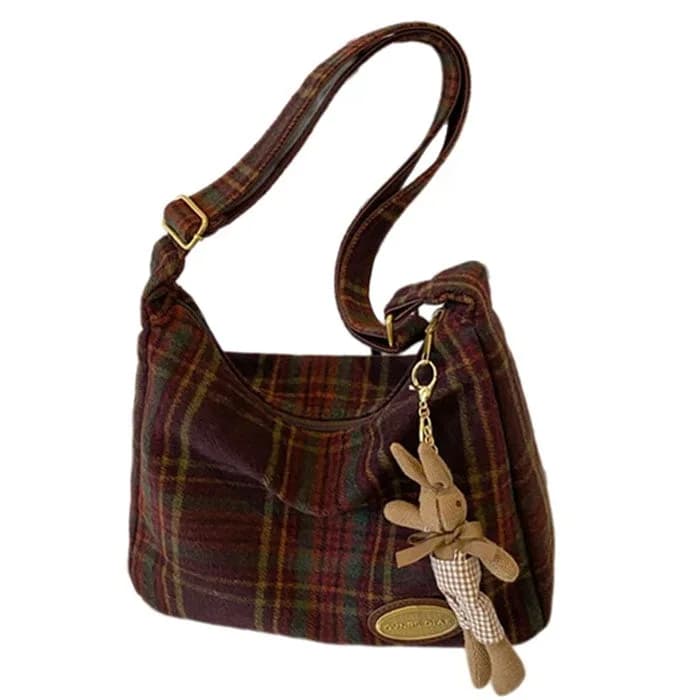
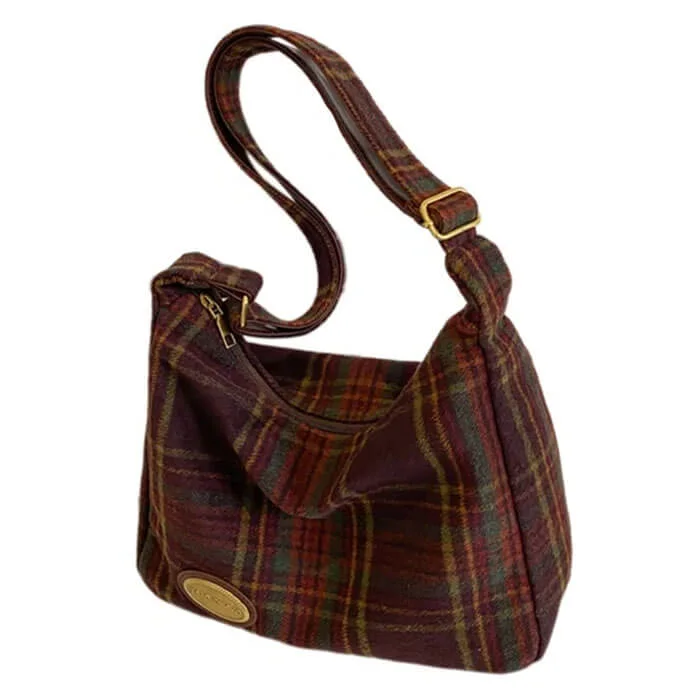
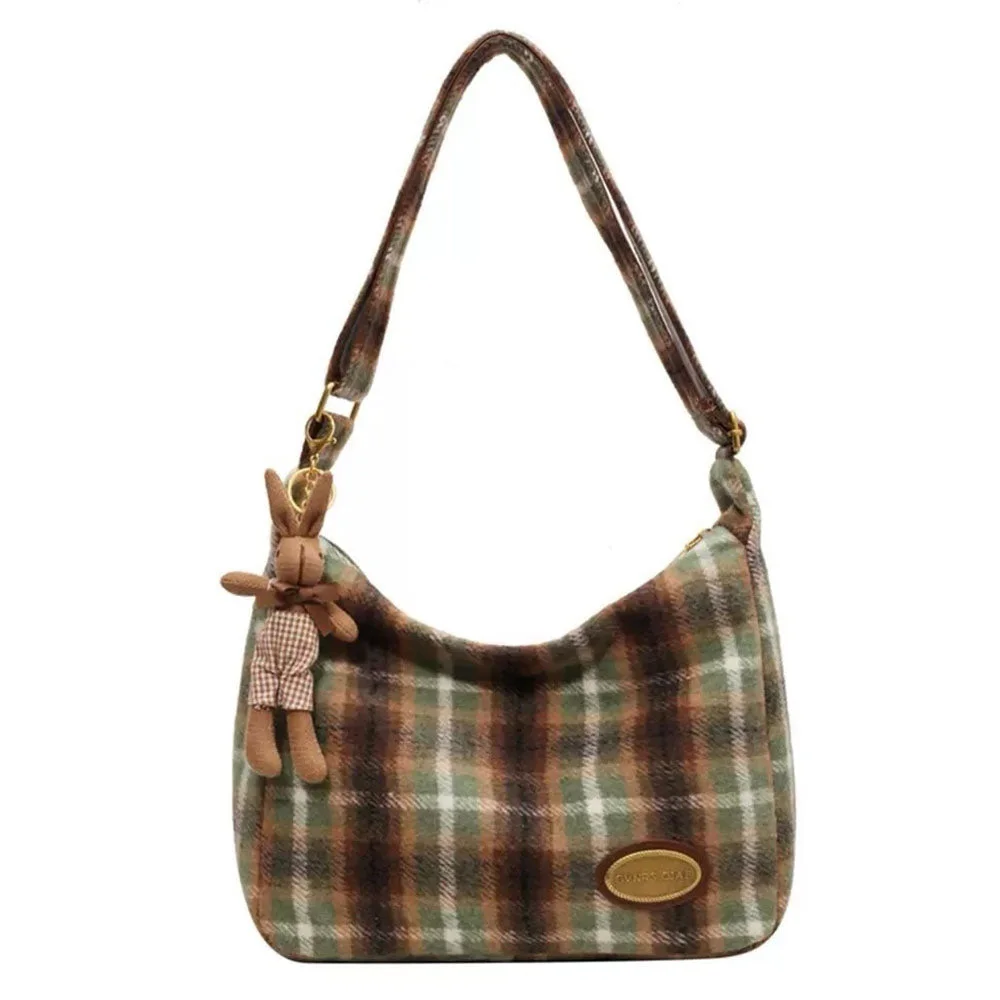
The small metal details on your bag—buckles, snap buttons, swivel clips, and zipper teeth—help bridge the gap between academic seriousness and playful subcultural styling. Antiqued brass and brushed gold hardware naturally complement warm tweeds, rich browns, and forest greens. Bright silver, nickel, and chrome hardware offer a crisper, more modern energy that works well with dark charcoal and black bases.
Fastening systems also dictate how you use your bag throughout the day. Traditional roller buckles look authentic and scholarly, but having to unbuckle two straps every time you want your transit card quickly becomes frustrating. Look for satchels that feature hidden magnetic snaps or push-locks beneath decorative buckle straps, giving you the classic aesthetic without the daily hassle.
You can also use hardware to complement expressive tops. A piece like the Rainbow Zipper Up Top features functional metal elements that you can subtly match or contrast with your bag's clasps. Tying these metal accents together creates a deliberate, put-together impression without needing your outfit to be overly formal or rigid.

10. Interior Organization: Pocket Architecture and Book Weight
A well-chosen bag must perform on the inside just as well as it looks on the outside. Books, notebooks, and reference guides are heavy, dense objects. If a bag lacks interior structure, heavy books slide toward the center, creating an uncomfortable lump that digs into your hip or back while you walk.
Examine the pocket layout carefully. Dedicated slip pockets on the back wall of a bag keep flat notebooks and e-readers sitting flush against your body, which stabilizes the load. Zippered internal compartments are ideal for securing keys, pens, and IDs, keeping them from disappearing under stacks of paper or settled at the very bottom of the main cavity.
Consider how you protect both your gear and your bag's interior lining. Uncapped pens, leaky highlighters, and loose water bottles can permanently stain canvas or leather interiors. Using a compact internal organizer insert or dedicated pencil pouches keeps your aesthetic bag clean and lets you switch between different silhouetteThe overall shape an outfit creates, from fitted to loose and layered.s in your wardrobe in seconds.
11. Adapting Bags for Weather, Commutes, and Climate
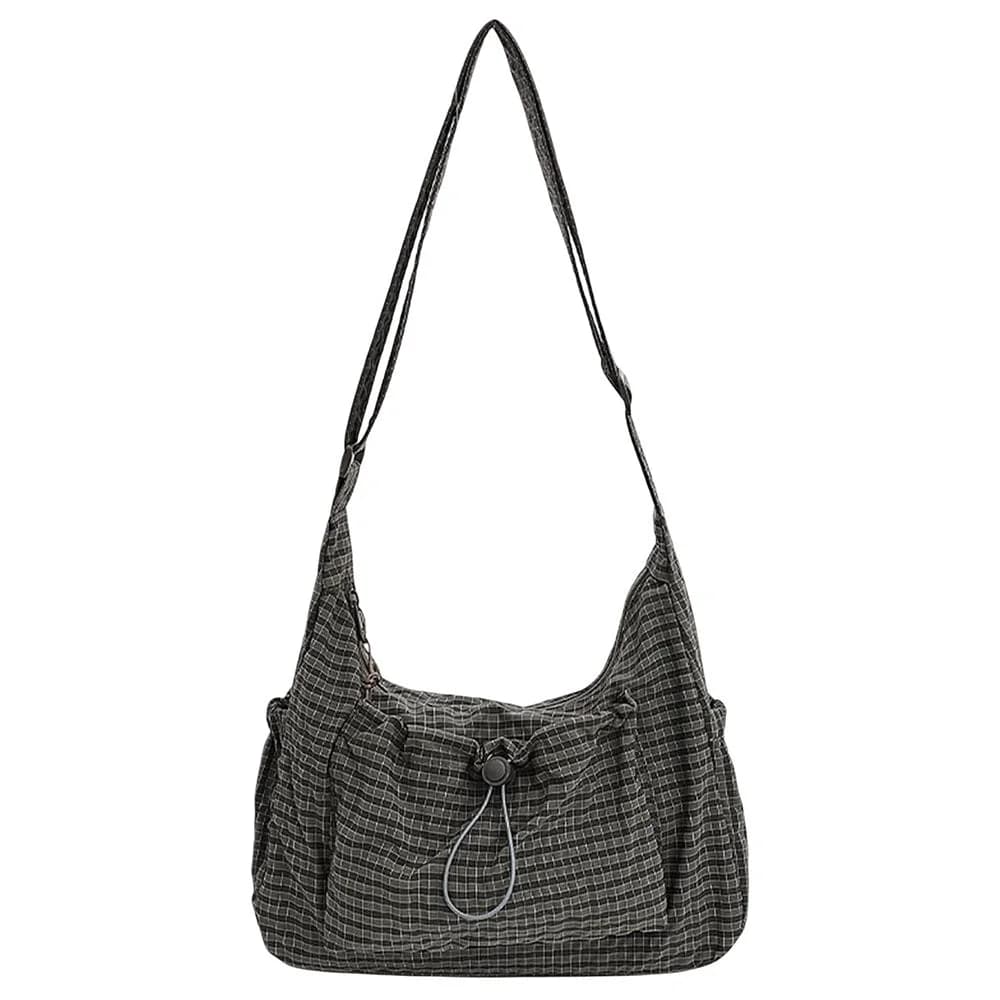
Weather protection is an essential practical factor when selecting bags for scholarly styles. Paper books, journals, and tech hardware are vulnerable to rain, making bag closure design critical. A classic flap-over closure sheds drizzle far more effectively than an open-top tote or a loose drawstring cinch.
In wet, rainy climates, pay attention to the gap between the bag body and the edge of the flap. Bags with folded gussets or zip-top main compartments under the flap keep sideways rain from sneaking into your carry. If you prefer unlined canvas or raw leather bags, applying a fabric water-repellent spray or leather conditioner helps moisture bead off without altering the bag's visual tone.
In hot or humid weather, how a bag sits against your body matters for airflow. A wide messenger bag worn tightly across your chest or back can trap heat and create sweat marks on light tees from the Queer Academia T-Shirts range. In warmer months, opt for top-handle carry styles or extend your shoulder strap so the bag rests away from your upper torso.
12. Integrating Badges, Charms, and Accents Appropriately
Customizing a scholarly bag with pins, enamel badges, key fobs, and fabric patches is a time-honored way to personalize queer academia outfits. It lets you signal literary interests, identity flags, and artistic tastes against a traditional, structured backdrop. However, where and how you place these accents affects both the bag's longevity and its overall balance.
Avoid piercing thick, rigid leather flaps with standard enamel pin posts, as the holes are permanent and can weaken the material over time. Instead, attach pins and badges to fabric strap webbing, canvas panels, or onto a removable key tag hanging from the hardware ring. This approach lets you swap your visual accents to match different outfits without causing permanent damage to the bag.
You can explore more styling accents in Queer Academia Accessories to find brooches, pins, and small accessories that coordinate with your hardware. Aim for small groupings—two or three clustered pins on a corner pocket or strap base create an intentional, curated focal point without cluttering the bag's clean silhouetteThe overall shape an outfit creates, from fitted to loose and layered..
13. Common Buying Pitfalls When Selecting an Academic Bag
One of the most frequent mistakes is choosing a bag purely for its exterior aesthetic without measuring your actual daily devices. A vintage-style mini briefcase might look picture-perfect on a desk, but if your laptop sticks out three inches from the top, you lose both weather protection and closure functionality. Always verify internal cavity dimensions, not just exterior seams.
Another common pitfall is ignoring total carry weight. A heavy leather satchel with thick brass hardware can weigh three to four pounds before you put a single book inside. Adding a heavy anthology, a water bottle, and a tablet turns your morning commute into an uncomfortable shoulder workout. If you walk long distances, prioritize bags built with lightweight canvas or streamlined leather trims over massive, unlined hide.
Finally, beware of delicate lining fabrics and flimsy zipper teeth. Cheap, coarse zippers can scratch your hands every time you reach for a pen, and thin polyester linings can rip along internal pocket seams after a few weeks of holding sharp notebook corners. Check that stress points like handle anchors and strap loops feature reinforced stitching or metal rivets.
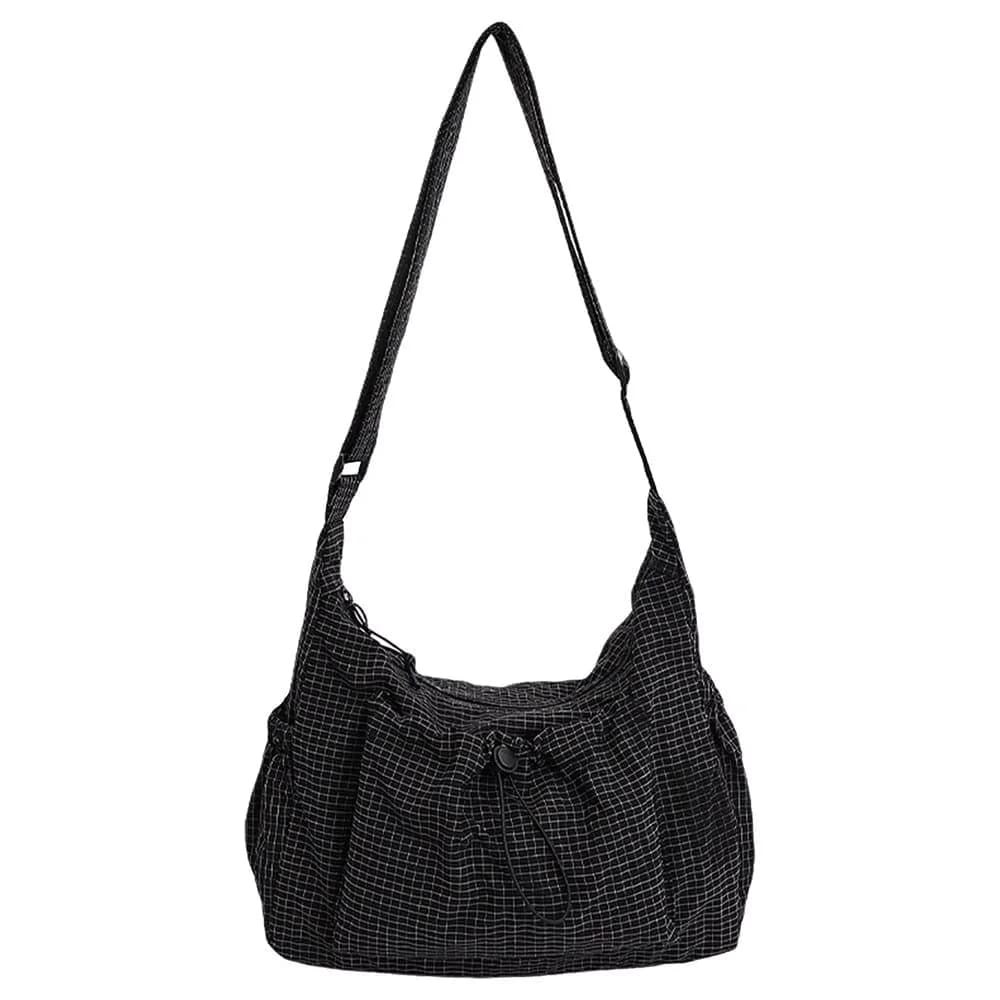
14. The Final Outfit-and-Bag Selection Checklist
Before making your final choice, run through a practical checklist that connects your bag to your daily clothing rotation. Ensuring that your carry piece works with your full range of outfits avoids buyer regret and keeps your morning routine smooth and effortless.
By answering these questions honestly against your personal daily routine, you can select an academic bag that protects your belongings, supports your posture, and complements your layered wardrobe effortlessly.
Use these practical questions to confirm that the bag matches your aesthetic and functional standards:
- Does the main compartment fully close over your largest non-negotiable daily item?
- Is the strap drop adjustable enough to clear your thickest autumn or winter coat?
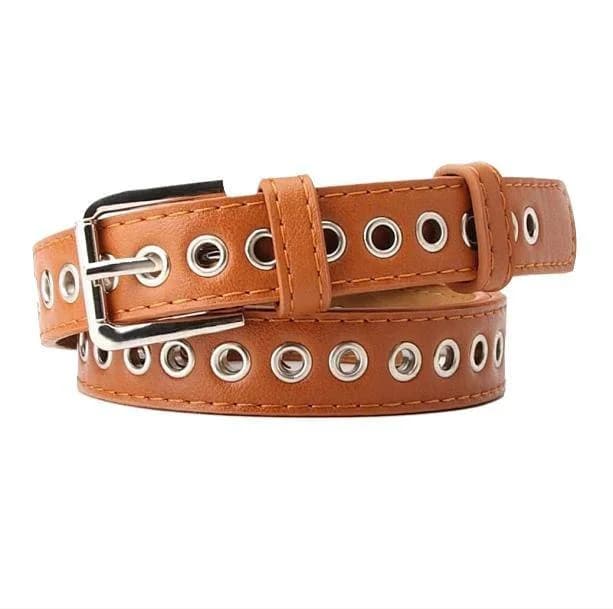
- Does the bag's hardware finish (brass, silver, black) coordinate with your everyday belt buckles and jewelry?
- Is the total empty weight comfortable enough for your average walking distance?
- Does the silhouetteThe overall shape an outfit creates, from fitted to loose and layered. anchor your outfit's proportions without crowding your waistline or hemline details?