Created by the Kawaii Vibe editorial team. Our named style desks are editorial personas. Product details and availability can change.
Styling a cardigan within the queer academia aesthetic comes down to balancing scholarly silhouetteThe overall shape an outfit creates, from fitted to loose and layered.s with subversive, playful, or vintage-inspired touches. Cardigans act as functional outerwear, mid-layers, and framing pieces all at once. How you button them, tuck them, or stack textures underneath completely shifts the tone of your outfit from studious and sharp to relaxed and unstructured.
Getting the proportions right means paying close attention to collar lines, hem lengths, and the volume of your bottom layer. A relaxed knit over structured trousers creates a very different visual balance than a cropped button-up layer over a pleated skirt. Understanding where the eye lands based on your button placement allows you to build outfits that feel intentional rather than haphazard.
In this guide, we break down concrete styling rules, specific buttoning formulas, neckline pairings, and seasonal swaps. Whether you are building an ensemble around graphic basics, tailored staples, or colorful accents, these practical steps will help you assemble balanced, daily outfits without second-guessing your mirror.
The One-Button Anchor: Framing Collars and Graphic Prints
Fastening only a single middle button is one of the most reliable styling methods for mid-weight knits. This approach creates an X-shaped silhouetteThe overall shape an outfit creates, from fitted to loose and layered., cinching lightly near the natural waist while leaving the chest open and the lower hem flared. It instantly prevents chunky yarn from forming a shapeless column around your torso, drawing attention to whatever underlayer you choose to feature.
This buttoning method is particularly effective when you want to highlight a standout print without leaving your cardigan completely open to the wind. Pairing an unbuttoned lower hem with high-waisted bottoms gives your legs clear visual definition while keeping your shoulders draped and cozy. If your knit has five buttons, the third button down usually hits right at the narrowest point of your torso, creating the cleanest line.
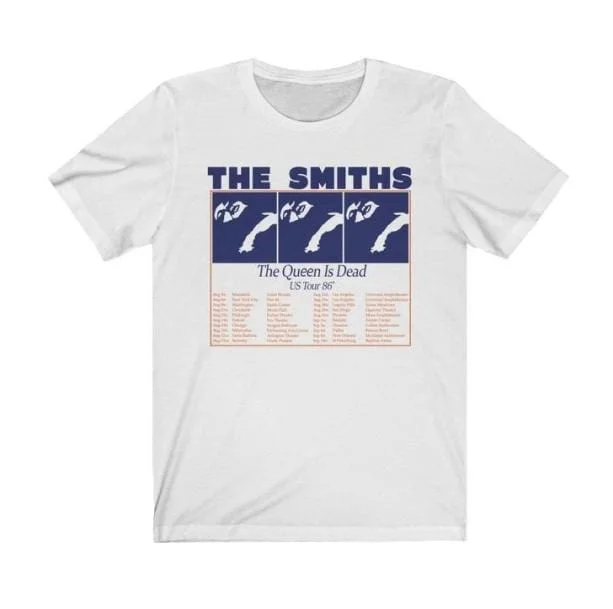
For a playful, retro-leaning layer, you can wear a relaxed knit over The Queen Is Dead T-Shirt, fastening that single middle button so the graphic remains legible beneath the V-neck split. This technique pairs naturally with relaxed bottoms like wide-leg trousers or straight denim, framing the graphic print cleanly between soft knit folds without bunching.
- Fasten only the third button on a five-button cardigan to naturally define your midsection.
- Ensure the neckline of your tee sits flat against your collarbones so the cardigan lapels frame it evenly.
- Let the lower hem flare freely to accommodate the waistband of your pants or skirt.

The High-Button Fasten: Creating Trapeze and A-Line Silhouettes
Fastening only the top one or two buttons transforms your knitwear into a subtle trapeze shape. This method secures the shoulders and collarbone while letting the rest of the knit fall open into a clean triangular split. It creates visual movement as you walk and keeps heavy fabrics from feeling restrictive around the hips.
This high-fasten style works exceptionally well over pleated skirts, A-line hems, and voluminous trousers. Because the knit opens up right below the sternum, it reveals the waistband of your bottoms, helping you maintain balanced vertical proportions even when working with an oversized, slouchy piece. It also lets airflow circulate freely on moderate days when full closure would feel too warm.
You can anchor this upper-button approach by browsing our wider range of Queer Academia Clothes to find trousers or skirts with interesting waist details that deserve to be seen. Keeping the top buttons done up provides just enough structure around the neck to keep collared tops or mock necks perfectly centered throughout the day.
The Asymmetric Button Offset: Modernizing Traditional Knits
Intentionally misaligning buttons by one slot introduces an angular, avant-garde drape to an otherwise traditional scholarly knit. By sliding the third button into the second hole and continuing downward, the placket twists slightly across your torso. This generates dynamic diagonal folds in the fabric, breaking up symmetry in a visually engaging way.
This offset technique is ideal when you want to give a simple, vintage-style knit a slightly deconstructed edge. It works best on lighter to mid-gauge sweaters with flat plastic or horn buttons, as very thick wooden toggles or stiff cabling might pull too hard against the buttonholes. Check that the fabric does not feel strained across the bust before settling on this styling choice.
Because the hem will hang unevenly, balance the asymmetry by pairing the knit with clean, streamlined bottoms. A pair of tailored flat-front slacks or minimal shorts keeps the focus squarely on the shifted folds of the sweater, turning standard scholarly knits into conversational statements without requiring any sewing or permanent alterations.
Layering Collars: Turtlenecks, Camp Collars, and Pointed Necklines
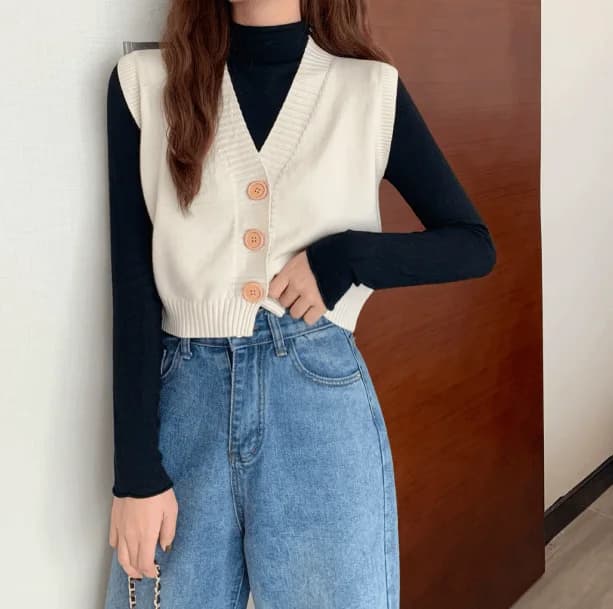
Neckline interaction dictates whether a layered outfit looks refined or cluttered. When wearing a deep V-neck knit, you have substantial canvas to display contrasting collars. A sharp pointed collar buttoned all the way up creates a tidy, traditional collegiate look, whereas a soft camp collar draped over the sweater lapels feels more relaxed, vintage, and informal.
Mock necks and turtlenecks offer a seamless base layer that elongates the neck beneath open or partially buttoned knits. When mixing these pieces, pay attention to collar thickness. If your knit has a ribbed collar band, pair it with a smoother, fine-gauge turtleneck to avoid creating a bulky ring around your neck. Exploring complementary options within Queer Academia Tops will help you identify comfortable jersey bases that layer smoothly under thicker cardigans.
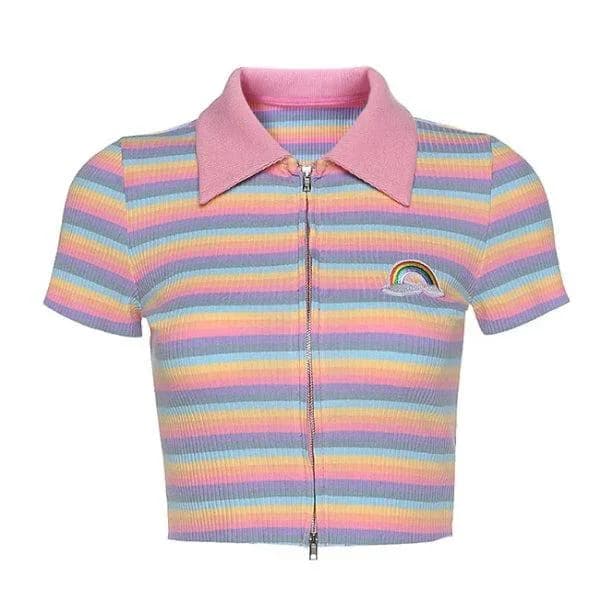
For an unexpected layered collar combination with an athletic undertone, layer a V-neck knit over the Rainbow Zipper Up Top. Zipping the inner collar halfway creates a sporty stand collar that frames the throat, while the colorful pull tab peeks out past the knit placket, blending collegiate tailoring with a vibrant, modern street-style touch.
A cardigan’s open V can frame a collared shirt, while a blouse under a waistcoat creates a more defined, prince-inspired neckline. For the latter, keep the collar points visible and avoid a thick layer at the throat, which can crowd the same area. The Kodona Clothes collection offers a reference for exploring blouse and waistcoat layers.
Tuck Styles: Full Tucks, Half Tucks, and the Hem Roll
Tucking knitwear requires strategic handling to avoid adding bulk around your midsection. A full tuck works almost exclusively with fine-gauge, fitted knits worn inside structured, rigid waistbands. If your knit is lightweight, button it completely and smoothly slide the hem into high-rise bottoms, gently blousing out just half an inch of fabric over the beltline for comfortable movement.
When dealing with medium-weight cardigans, the French tuck or half tuck is far more forgiving. Simply tuck the front two inches of the button placket into the center front of your waistband, leaving the sides and back to drape naturally. This defines the front rise of your bottoms while keeping the side profile relaxed and concealing any zipper pulling.
Alternatively, the internal hem roll is an excellent tool for cropped looks without scissors. Fold the bottom ribbed hem of your cardigan upward and inward, tucking the rolled edge under the lower band of a fitted bralette or camisole underneath. This creates a secure, faux-cropped silhouetteThe overall shape an outfit creates, from fitted to loose and layered. that sits precisely at your natural waist, pairing seamlessly with high-rise trousers.
Cardigans as Mid-Layers: Styling Under Jackets, Trench Coats, and Blazers
Treating your knit as an intermediate thermal layer introduces rich textural depth to cool-weather outfits. A cardigan worn between a crisp shirt and a heavy woolen coat acts as a frame, softening the transition between a stiff collar and a broad lapel. The secret to comfortable layeringWearing pieces over or under one another to add depth, warmth or contrast. here lies in armhole depth and sleeve friction.
Your outer coat must have armholes cut deep enough to prevent the sleeve of your cardigan from bunching into the armpit, which causes restriction and heat buildup. Choose knits with smooth finishes or tightly woven yarns rather than loose, fluffy bouclé when dressing beneath tailored blazers. This allows your arms to slide into the jacket sleeves without catching or twisting your base layer.
Color contrast is equally valuable when stacking pieces. A dark brown or navy overcoat layered over a warm camel or cream knit creates classic contrast that visually splits the front of the body, drawing a clean vertical line. Leaving the outer jacket unbuttoned while fastening two central cardigan buttons keeps your torso insulated while showcasing all three distinct layers at once.
The Graphic Base Strategy: Pairing Statement Tees with Outerwear
Grounding a traditional knitwear piece with an everyday graphic tee is a signature styling choice that prevents academia-inspired outfits from feeling overly formal or costumey. The contrast between vintage academic textures—such as cables, waffle stitches, or soft brushed wools—and cotton screen prints creates an effortless everyday look suitable for coffee shops or casual study sessions.
When pairing knits with graphic tees, match the scale of the graphic to the cardigan opening. A wide, low V-neck accommodates large central illustrations or bold band typography, whereas a crew-neck cardigan buttoned near the top works better with small chest-pocket prints. Look through curated Queer Academia T-Shirts to find tees with balanced graphic placements that do not disappear awkwardly beneath knit lapels.
To achieve a balanced silhouetteThe overall shape an outfit creates, from fitted to loose and layered., select a cardigan that is slightly looser than the t-shirt underneath. If your tee is oversized, either tuck it fully into your trousers or opt for a longline boyfriend-cut cardigan so the hem of the shirt does not awkwardly protrude past the ribbing of a shorter knit.

Balancing Proportions: Cropped Knits vs. Voluminous Bottoms
Playing with visual scale creates a cohesive outfit. Cropped cardigans that hit above the pelvic bone create an immediate high-waisted focal point. To make the most of this cut, pair it with bottoms that feature ample volume, such as wide-leg pleat-front trousers, balloon jeans, or flowing A-line skirts. The contrast between the compact upper torso and the broad lower half produces an architectural, flattering silhouetteThe overall shape an outfit creates, from fitted to loose and layered..
When styling a cropped knit, buttoning it completely closed turns the garment into a standalone top. This eliminates the need for an underlayer and creates clean, uninterrupted lines across your chest and shoulders. Make sure the sleeves are long enough to reach your knuckles or push them up to the forearms to add casual nonchalance to the tailored waist.
For a rich combination of scholarly textures, wear a cropped cream or tan knit alongside the Aesthetic Corduroy Skirt. The tactile, ridged texture of the corduroy mirrors the depth of the knitwear, while the defined waistband sits cleanly against the cropped cardigan hem, establishing balanced proportions for any casual outing.
- Choose cardigans that hit right at your natural waist when pairing with wide-leg or pleated skirts.
- Push cardigan sleeves up slightly to expose wrists and balance wide proportions on the lower half.
- Ensure bottom hems do not compete; avoid tucking thick ribbed cardigan edges into tight skirts.

The Contrast of Denim: Casual Twists on Academic Knits
While tailored wool trousers are the traditional foundation of academic aesthetics, denim introduces a practical, contemporary touch that keeps outfits grounded. The sturdy twill weave of blue, charcoal, or washed black denim provides a rugged foil to soft, fuzzy yarns, immediately modernizing the outfit for everyday campus or city wear.
Straight-leg or relaxed-fit jeans work best here, echoing vintage collegiate styles from past decades. If your knit is oversized, rolling the cuffs of your jeans once or twice exposes the ankle or a pair of leather loafers, which lightens the visual weight of the outfit. Adding a simple leather belt bridges the denim texture with your knitwear, tying the top and bottom halves together.
For an eye-catching alternative to standard denim cuts, combine an open knit with the Cross Waist Jeans. The off-center, crossover waistband creates dynamic diagonal lines at the midriff, which are framed effectively by an unbuttoned or single-buttoned cardigan, adding an architectural, playful element to an otherwise classic look.

Styling with Mini and Midi Skirts: Silhouette Formulas
Cardigan pairings with skirts require careful consideration of hem lengths to avoid visually cutting your legs into awkward thirds. With mini skirts, an oversized cardigan that hits right at or slightly past the skirt hem creates a cozy, cocooning silhouetteThe overall shape an outfit creates, from fitted to loose and layered.. This pairing works exceptionally well when worn with opaque tights, crew socks, or chunky derbies, balancing coverage with leg exposure.
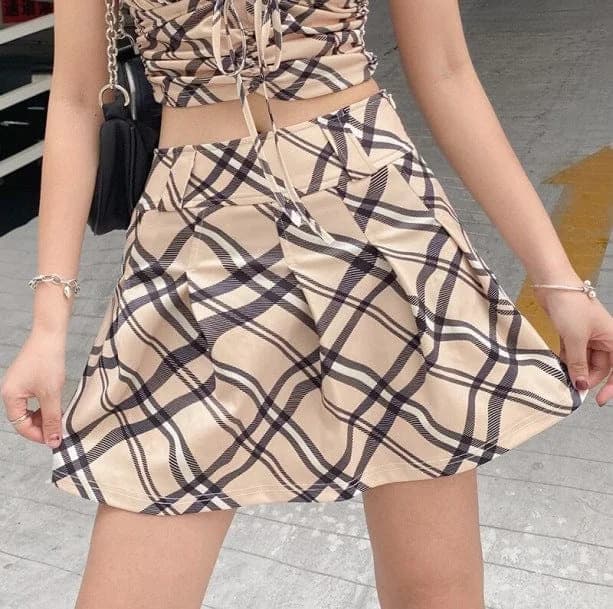
For a sharp, collegiate mini look, wear a fitted fine-knit button-down tucked into the Vintage High Waisted Mini Skirt. The structured waistband and clean lines of the skirt in beige or black give the knitwear a tailored anchor, keeping the outfit sharp, balanced, and ready for study sessions or evening outings.
When switching to midi skirts, reverse the volume formula. A long, flowy midi skirt pairs best with a fitted, cropped, or tucked cardigan to keep your waistline visible. Combining the colorful, sweeping lines of the Midi Plaid Rainbow Skirt with a solid, buttoned cardigan keeps the colorful tartan pattern as the hero piece while maintaining a clean, structured upper body.
Cardigans vs. Sweaters: Choosing the Right Layer for Your Outfit
Deciding whether an outfit calls for a cardigan or a pullover sweater depends on the flexibility and visual complexity you need throughout the day. A cardigan acts as a versatile styling frame; you can change its shape using buttons, take it off easily when indoor temperatures rise, or drape it over your shoulders. It is inherently dynamic because it showcases whatever you wear underneath.
Pullover sweaters, by contrast, offer a unified block of color and texture. They function as a singular visual statement without vertical placket lines interrupting the front. When looking for seamless knitwear options, exploring the Queer Academia Sweaters collection is helpful for discovering pullovers with bold patterns or textured ribbing that serve as the focal point of an ensemble.
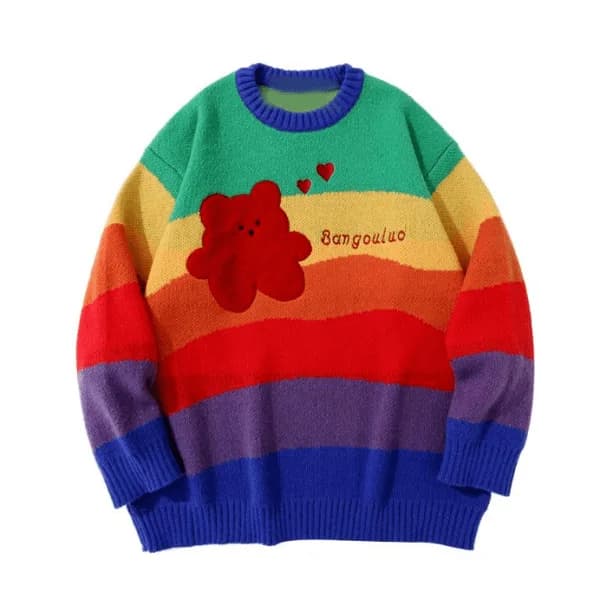
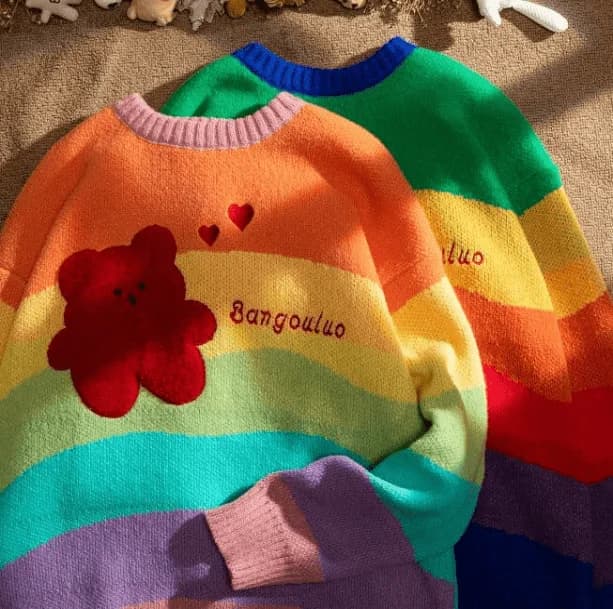
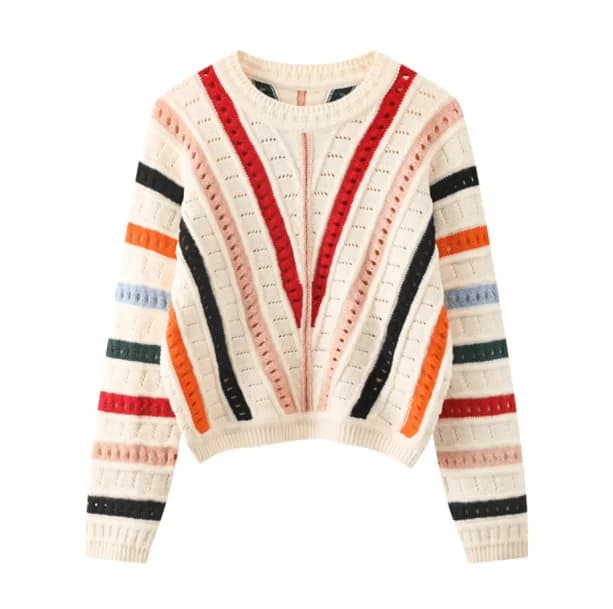
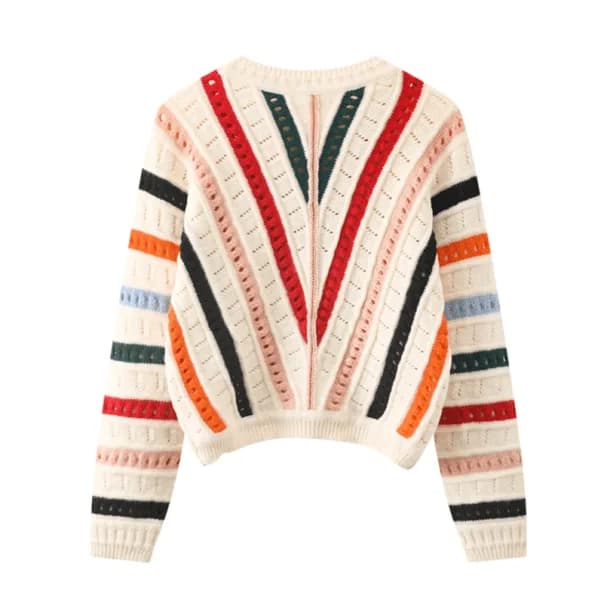
For instance, if your goal is bold, graphic character without the visual break of buttons, pieces like the Rainbow Bear Sweater or the Rainbow Stripes Sweater provide a complete, self-contained look. Choose a pullover when you want a streamlined, warm layer that stays put, and choose a cardigan when you want the freedom to adjust your silhouetteThe overall shape an outfit creates, from fitted to loose and layered. and display layered collars or tees.
- Pick cardigans for unpredictable weather or outfits that rely on layered shirts and graphic t-shirts.
- Choose pullovers when you want a continuous front pattern without the visual interruption of buttons.
- Drape cardigans diagonally across the chest or over shoulders for an adaptable extra layer.
The Off-Duty Scholar: Oversized and Slouchy Styling
The oversized silhouetteThe overall shape an outfit creates, from fitted to loose and layered. is a cornerstone of relaxed academia dressing, offering comfort during long desk sessions while retaining an artistic, studious charm. Achieving a stylish oversized look requires deliberate sizing choices rather than simply wearing clothes that do not fit. Look for garments designed with dropped shoulder seams and wider sleeves, which drape smoothly without bunching awkwardly under the arms.
When wearing a slouchy cardigan, establish at least one point of structural definition to avoid looking lost in fabric. You can achieve this by pushing the sleeves up your forearms, showing your wrists, or tucking in your base layer so the waistline remains identifiable from the front. Leaving the knit unbuttoned and allowing it to fall behind your hips as you walk also helps maintain a sense of lightness.
Footwear plays a vital role in balancing oversized top layers. Chunky lug-sole oxfords, combat boots, or platform loafers provide enough visual weight at the bottom of the outfit to anchor the generous drape of the sweater. Pairing slouchy knits with slender or straight-leg bottoms prevents the overall outfit from appearing bottom-heavy or unkempt.
Styling Pitfalls to Avoid: Bulk, Gapping, and Length Clashes
One common issue when styling buttoned knitwear is placket gapping across the chest. This happens when a knit is slightly too narrow across the bust or shoulders, causing the fabric between buttonholes to pull open horizontally and expose your base layer unevenly. If you notice gapping, leave those specific buttons undone or size up to ensure the placket sits completely flat against your chest.
Another frequent mistake is layeringWearing pieces over or under one another to add depth, warmth or contrast. heavy knits over equally bulky underlayers, such as thick flannel shirts or oversized hoodies. This combination creates bunching in the sleeves and restricts elbow movement, leaving you feeling stiff and overheated. Always pair thick, chunky cardigans with thin, smooth base layers like fine cotton t-shirts or fitted thermal tops to preserve your mobility.
Lastly, be mindful of competing hem lengths. A standard cardigan that ends awkwardly at the widest part of your hips can clash with an untucked t-shirt that extends two inches lower. Either tuck the inner shirt into your waistband or select an underlayer that sits flush with or shorter than the cardigan hem. This creates clean horizontal boundaries and keeps your outfit looking intentional and neat.
The Outfit Assembly Checklist: Ready to Wear
Before walking out the door, take thirty seconds in front of a mirror to assess how your knitwear interacts with the rest of your pieces. A few quick adjustments can take an outfit from feeling haphazard to perfectly styled. Make sure your collars are sitting flat, your sleeves are adjusted comfortably, and your buttons are fastened to create the silhouetteThe overall shape an outfit creates, from fitted to loose and layered. you want.
Step through each point systematically to make sure your outfit feels comfortable and functional for whatever the day brings.
Use this systematic checklist to ensure every element of your cardigan outfit is working in harmony:
- Is the placket lying flat without horizontal pulling or awkward buttonhole gapping?
- Does your base layer collar (crew, turtleneck, or pointed) sit cleanly inside or over the cardigan neckline?
- Are your waist proportions clear, whether through button placement, a half tuck, or a cropped hem?
- Does your outer jacket have sufficient armhole depth to accommodate the knit sleeves without bunching?
- Is there balanced visual weight between your footwear and the volume of your cardigan?