Created by the Kawaii Vibe editorial team. Our named style desks are editorial personas. Product details and availability can change.
Building a jewelry setup for queer academia styles usually starts with a simple practical problem: how to wear vintage chains, antique pendants, and signet bands over heavy collars without looking like a tangled mess. Scholarly tailoring uses stiff fabrics, folded lapels, wool knits, and buttoned necklines that fight with lightweight necklaces. When you throw in mixed rings and wrist pieces, it is very easy to cross the line from curated collector to overloaded.
The trick is understanding how neckline geometry, fabric thickness, and metal finishes interact. Instead of piling on whatever looks antique in your drawer, you want each piece to sit in its own dedicated lane. A sharp shirt collar demands a completely different chain drop than an open-knit cardigan or a crewneck sweater, and your choice of warm bronze, deep gold, or aged silver sets the mood for the entire outfit.
In this guide, we break down necklace placement across common tailored necklines, explain how to mix metal finishes without visual chaos, and organize your daily wrist and hand jewelry. You will also find wearable outfit formulas that pair subtle academic accents with everyday closet staples.
1. Neckline Geometry and Chain Placement
The fundamental rule of wearing necklaces in queer academia styling is respecting the border of your shirt collar. Stiff button-downs, crisp poplins, and structured stand collars create firm frame lines around your throat. If you drop a delicate pendant directly across a fabric fold, the chain will flip upside down, snag behind the button placket, or disappear underneath the collar points. To keep chains visible and orderly, you either need a short drop that sits completely inside an open collar band against bare skin, or a long pendant that clears the bottom button entirely.
For button-down shirts worn open at the first or second button, aim for chains between 40 and 45 centimeters (about 16 to 18 inches). This allows the focal pendant to rest squarely in the hollow of your throat without sliding behind the collar edges. If you button the shirt fully to the neck, switch to a longer, heavier drop—roughly 55 to 65 centimeters (22 to 26 inches)—so the pendant hangs cleanly over your sternum. The added weight prevents the chain from sliding around as you move, keeping the silhouetteThe overall shape an outfit creates, from fitted to loose and layered. clean throughout the day.
- Choker or 40cm chain: sits neatly inside an unbuttoned collar without touching fabric
- 45cm to 50cm chain: best for open crewnecks or unbuttoned overshirts
- 55cm to 65cm pendant: clears button plackets and sits flat against the chest on fully buttoned shirts

2. Layering Under Pointed Collars and Lapels
When you introduce structured layers like waistcoats, tailored blazers, and trench coats, pointed lapels create a deep V-shape that competes with your jewelry. If your chain mimics the exact angle and length of your jacket lapel, the pieces blend into the seam lines and lose their impact. The solution is contrasting lines: pair angular lapels with rounded chains, or anchor a sharp V-neck vest with a distinct vertical drop that hangs lower than the neckline split.
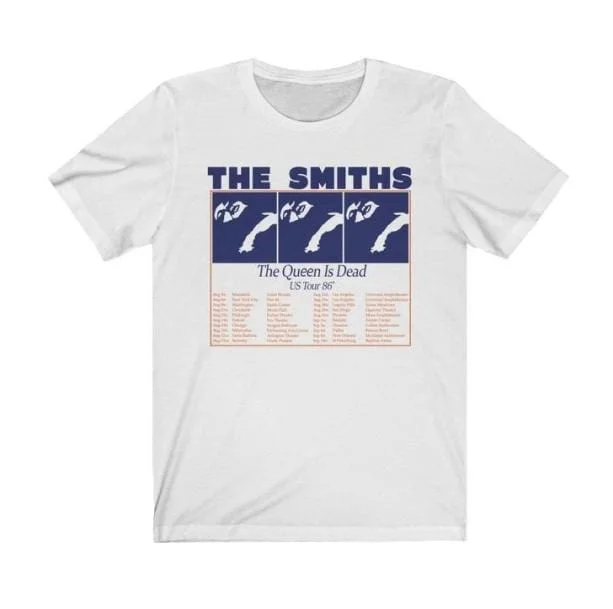
A great everyday base for this look is a graphic underlayer paired with dark tailoring. For instance, tucking The Queen Is Dead T-Shirt beneath an unbuttoned blazer or an open cardigan creates a relaxed foundation. Over a printed tee like this, avoid busy chain clusters that clash with the text. Instead, select one medium snake chain or a solid link chain from our dedicated Queer Academia Jewelry collection that sits either just above the print or falls below it. This grounds the graphic print with a deliberate touch of vintage structure.
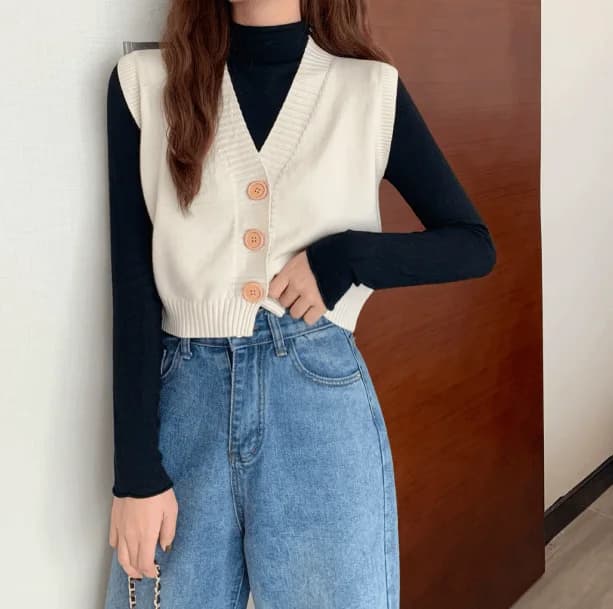
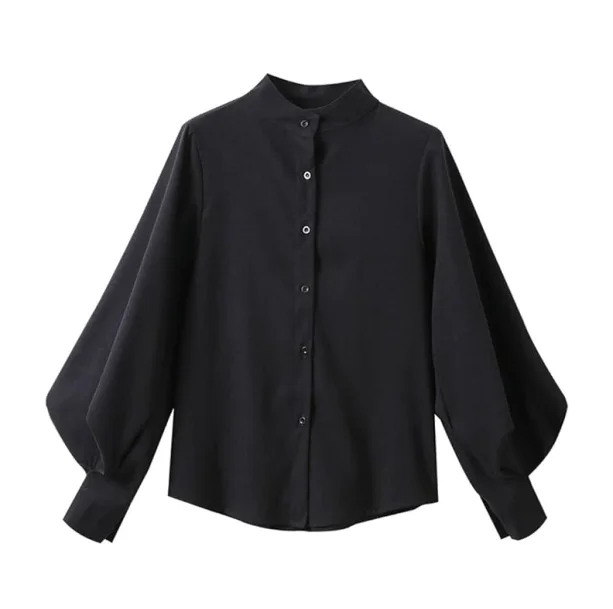
With pointed lapels, a necklace can compete with the garment’s own V. For a more deliberately prince-inspired outfit, use a visible blouse collar or a small pin at the waistcoat edge as the focal point instead. The Kodona Clothes collection offers a reference for building around blouse and waistcoat layers without adding another line at the neckline.
3. Handling Heavy Knits and Turtlenecks
Chunky cable knits, ribbed turtlenecks, and brushed wool tops swallow delicate jewelry. Thin wire chains easily get trapped in knit loops, pulling threads and twisting awkwardly across the chest. When dressing for cold weather, your jewelry needs substantial physical weight and thicker links to rest flat against plush textures. Rolo chains, curb links, and heavy box chains provide the necessary surface area to sit smoothly on top of sweaters.
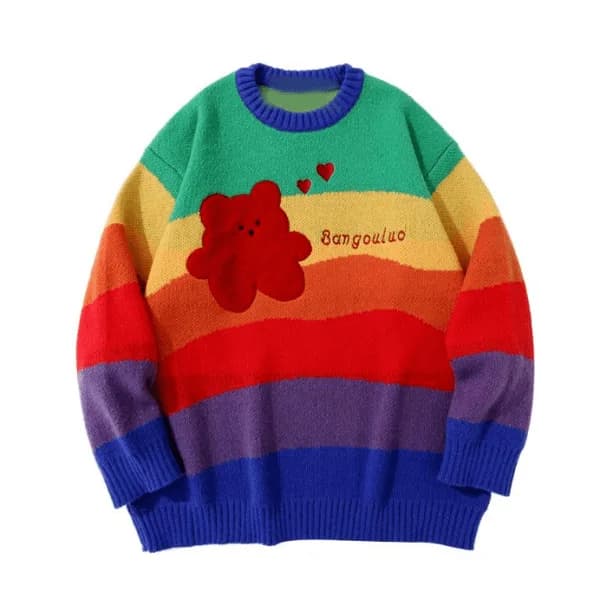
Consider how heavy knits alter your visual proportions. A colorful piece like the Rainbow Bear Sweater carries substantial visual presence through its knit texture and pattern. If you choose to accessorize an expressive knit, pair it with simple, heavy-gauge brass or pewter pieces rather than ornate filigree. A thick cable chain with a smooth coin or lock pendant anchors the playful knit without fighting the graphic front. Keep the length at 60 centimeters so the pendant rests in the center of the torso rather than bunching near the ribbed crew collar.
4. Mixing Metal Finishes Without Chaos
The traditional dark academia aesthetic leans heavily on worn gold, oxidized brass, and blackened bronze, while modernist interpretations often prefer cool stainless steel and bright silver. You do not need to choose only one metal family, but mixing metals successfully requires a clear ratio. An equal 50-50 split between shiny silver and yellow gold often feels accidental or disjointed. A 70-30 or 80-20 ratio, however, looks intentional and cohesive.
Pick one dominant metal tone to establish the mood of your outfit, then introduce a secondary metal as an accent. For example, if your belt hardware, watch casing, and primary signet ring are antique silver, keep your main necklace chain in that same silver family. You can then layer a smaller, warm brass pendant or wear a mixed-metal band on your opposing hand. The contrast gives the impression of a collection built naturally over years, rather than a pre-packaged jewelry set.
- Dominant base (70%): dictates your main chains, watch, and belt buckle
- Accent metal (30%): applied to secondary rings, pendant accents, or cuff details
- Texture tie-in: matching the finish (such as matte, hammered, or antiqued) helps bridge different metal colors
5. The Three-Tier Necklace Rule
If you want to wear multiple chains without looking messy, use the three-tier rule. Clutter happens when two necklaces share the same chain thickness, sit at the same length, or feature competing pendants of similar size. A balanced stack needs distinct separation in length, texture, and visual weight across three specific zones.
Tier one sits closest to the base of the throat at 38 to 40 centimeters; this should be a low-profile base chain like a plain herringbone, curb, or micro-rope chain. Tier two hangs at 45 to 50 centimeters and introduces texture, such as a paperclip link or braided wire. Tier three drops to 55 to 60 centimeters and carries your primary pendant—such as an engraved medallion, an antique key, or an anatomical charm. By keeping the pendant exclusive to the longest tier, you prevent charms from clinking together or tangling into knots.
- Top tier (38–40cm): smooth, flat chain with zero charms
- Middle tier (45–50cm): textured link chain to create visual space
- Bottom tier (55–60cm): substantial link chain bearing a single focal pendant
6. Curating Rings and Hand Balance
Hand styling is central to scholarly aesthetics, where fountain pens, notebooks, and aged paper draw the eye directly to the fingers. The secret to styling multiple rings without feeling encumbered is asymmetrical distribution. Avoid putting the exact same number of rings on both hands. If your left hand carries a heavy signet ring on the pinky and an engraved band on the middle finger, keep your right hand lighter with a single thumb band or index finger accent.
Leave at least one or two fingers completely bare on each hand to give the eyes a visual rest. Spreading rings evenly across all ten digits feels heavy and interferes with daily tasks like writing or typing. Pay attention to ring width as well: balance wide cigar bands or stone-set signets by pairing them alongside thin, minimalist wire bands rather than stacking multiple heavy rings on adjoining fingers.
7. Wrist Accents: Watches, Cuffs, and Chains
A classic leather-strap watch or an antique mechanical timepiece often serves as the anchor for academic wristwear. When adding bracelets to the mix, you want to avoid loose, noisy stacks that slide up and down your forearm. Keep wrist accents close to the wrist bone and vary the materials between leather, metal, and cord.
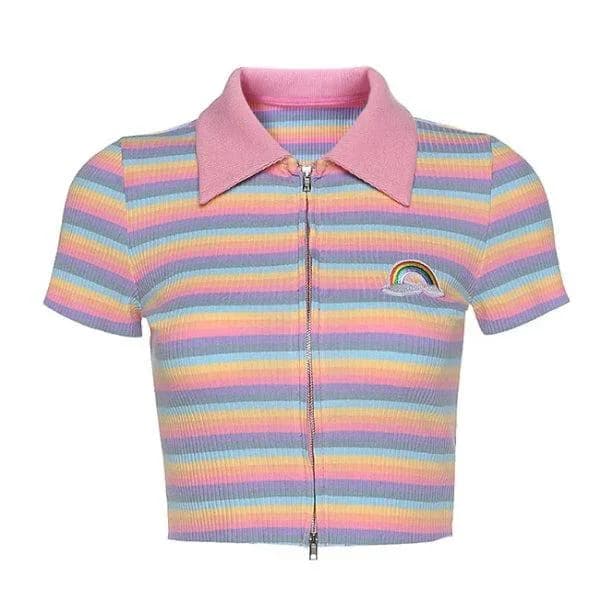
If you are wearing an analog watch on one wrist, balance the other wrist with a structured cuff or a medium chain link from our curated Queer Academia Bracelets selection. A slim oxidized silver cuff or a braided dark leather band complements tailored cuffs, especially when your shirt sleeves are rolled up two turns. For warmer, casual days where you might wear the Rainbow Zipper Up Top with sleeves pushed past the elbows, a single flat curb chain adds just enough metallic detail without competing with the zipper hardware.

8. Framing the Face: Earring Selection
Earrings in queer academia styling frame your jawline and balance the weight of collars, glasses, and necklaces. If you wear thick-rimmed reading glasses or dark tortoiseshell frames, wearing long, dangling chandelier earrings can make the area around your ears feel crowded. Compact hoops, huggies with small drop charms, and mismatched studs offer a sharper, cleaner profile.
Explore our lineup of Queer Academia Earrings to find everyday pieces that complement eyewear. Dagger charms, small botanical drops, celestial motifs, and safety-pin silhouetteThe overall shape an outfit creates, from fitted to loose and layered.s all fit the academic mood nicely. If you have multiple lobe or cartilage piercings, organize them by descending size: place your heaviest drop or hoop in the first lobe piercing, following with smaller studs and plain seamless rings as you move up the ear curve.
- With thick glasses: stick to huggies, sleeper hoops, or sculpted flat studs
- With collarless shirts: medium drop charms and small dangling keys add vertical interest
- Multiple piercings: transition from textured pendants at the lobe to plain hoops along the helix
9. Outfit Formula: The Casual Library Session
For long study days or casual campus meetups, comfort takes priority, but you still want the outfit to look intentional. Start with an easy, tactile bottom like the Aesthetic Corduroy Skirt. The ribbed corduroy fabric provides instant vintage texture that pairs naturally with collegiate layers. Tuck in a fitted ribbed long-sleeve tee or a soft knit, and pull on a pair of sturdy oxfords or broken-in loafers.
To keep the jewelry low-maintenance, select a single 45-centimeter antiqued brass pendant and a pair of small huggie earrings. You do not need multiple necklace tiers for casual studying; a single meaningful pendant sitting over ribbed cotton feels purposeful and stays out of your way while taking notes. Finish the look with two slim silver rings and an analog watch with a brown leather strap to complement the warm corduroy tones.

10. Outfit Formula: The Modern Tailored Look
When you want a sharper, more structured ensemble, blend traditional tailoring with relaxed denim. Take our Cross Waist Jeans and use the asymmetrical waistband as a modern styling detail. Pair these trousers with a crisp white button-down shirt, left unbuttoned at the top two buttons, and throw a relaxed tweed blazer or dark wool jacket over your shoulders.
Because this outfit combines classic tailoring with unconventional denim cuts, your jewelry can bridge the gap between historic and modern. Layer a 40-centimeter flat snake chain inside the open shirt collar, and add a 55-centimeter box chain carrying an engraved wax-seal pendant that rests against the cotton shirt. Check our broader catalog of Queer Academia Clothes to see how tailoring pieces interact with denim. On your hands, wear a chunky signet ring on your dominant index finger and a flat band on the opposite thumb.
- Base: Cross Waist Jeans with an open-collar poplin shirt and structured jacket
- Necklaces: 40cm snake chain (modern) paired with a 55cm seal pendant (vintage)
- Hands: One index signet ring, one minimal thumb ring
11. Outfit Formula: Patterned Knitwear and Heritage Pleats
Incorporating bold pattern into an academic wardrobe requires careful jewelry restraint. If you style the vibrant Midi Plaid Rainbow Skirt with a dark mock-neck knit, the skirt pattern already serves as the visual centerpiece. In this scenario, wearing bright, multi-colored beaded necklaces or novelty brooches creates visual competition that feels messy rather than scholarly.
Instead, choose quiet, sculptural jewelry that lets the heritage plaid pattern shine. A long 65-centimeter gunmetal chain with a heavy stone pendant creates an elongated vertical line down the solid knit top. At the ears, wear brushed matte studs or tiny metal hoops. For another variation on colorful knits, layeringWearing pieces over or under one another to add depth, warmth or contrast. the Rainbow Stripes Sweater over a collared shirt calls for minimal collar pins rather than neck chains, letting the knit stripes remain unobstructed.
12. Contrast Styling: Subverting Traditional Academia
Traditional academia can sometimes feel rigid, uniform, and overly serious. Queer academia intentionally disrupts that solemnity by contrasting scholarly staples with playful, unexpected silhouetteThe overall shape an outfit creates, from fitted to loose and layered.s. A great example is pairing formal tailoring with a shorter cut, such as wearing the Vintage High Waisted Mini Skirt with knee-high socks, heavy brogues, and an oversized dark cardigan.
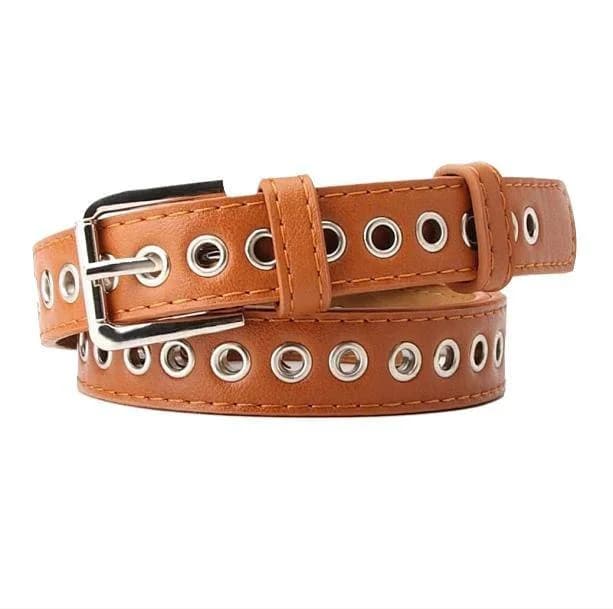
Jewelry plays an essential role in this subversion. Instead of staying strictly within traditional heraldic motifs, introduce charms that carry personal symbolism—such as celestial icons, quill pens, safety pins, or anatomical hearts. Combining classic signet rings with subtle queer motifs creates an aesthetic that respects archival research while rejecting outdated dress codes. Explore our full range of Queer Academia Accessories to discover berets, belts, and pins that support this balance.

13. Common Styling Mistakes to Avoid
One of the most frequent styling errors is wearing chains that match the collar width of your top, causing the necklace to constantly disappear beneath the fabric. If your chain length places the pendant directly on top of your shirt collar rim, it will snag every time you turn your head. Always ensure your chain sits either completely on bare skin or clearly on the fabric field below the collar band.
Another mistake is neglecting scale. Delicate 1-millimeter chains get lost against heavy wool blazers and thick cardigans, while massive chunky biker chains overpower lightweight cotton button-downs. Always match the visual weight of your chains to the thickness of your clothing fabric. Lastly, resist the urge to wear every piece of jewelry you own at once; choosing two focal areas—such as ears and hands, or neck and wrists—creates a much cleaner impression.
14. Daily Care and Setup Checklist
Keeping vintage-style and mixed-metal jewelry looking good requires simple daily maintenance. Sweat, body oils, and friction against heavy wool can darken plating or leave residue on light-colored fabrics. Wipe down your metal pieces with a soft microfiber cloth after each wear, and store chains hanging vertically or laid flat in separate compartments to avoid stubborn knots.
Before stepping out the door in your layered academic outfit, run through a quick physical checklist. Ensure your chains move freely without catching on your shirt placket, confirm that your ring arrangement leaves your writing hand comfortable, and verify that your metal tones feel intentional rather than accidental. With a thoughtful balance of lengths, textures, and finishes, your jewelry will serve as the perfect finishing touch to any scholarly wardrobe.
- Chain clearance: confirm pendants do not hit buttons or slide beneath lapels
- Movement check: shake your head slightly to ensure earrings do not catch on glasses or collars
- Weight balance: ensure heavy knit sweaters are paired with medium-to-heavy chain gauges
- Storage: hang chains individually to prevent tangled links and knotting