Created by the Kawaii Vibe editorial team. Our named style desks are editorial personas. Product details and availability can change.
Matching footwear to your outfit in queer academia comes down to intentional balance between hemline cuts, fabric weight, and the visual footprint of your sole. While traditional collegiate dressing leans on rigid conventions, queer interpretations treat shoes as structural anchors that break rules on purpose, whether you are styling a pooling pleated trouser or a tailored skirt.
The central challenge is avoiding awkward breaks at the ankle where your fabrics gather without direction or your footwear gets visually buried. By understanding how the height of your shoe collar meets the edge of your cuff, you can create clean lines or dramatic stacked draping that feels deliberate rather than accidental.
This guide walks through practical ways to coordinate footwear types across distinct hem lengths, silhouetteThe overall shape an outfit creates, from fitted to loose and layered.s, and weather conditions, using straightforward proportions that keep your overall look grounded.
The Baseline Rule: Setting Break Points and Ankle Spacing
Getting your trouser hems and shoe collars to look intentional starts with controlling the break point. A break is simply the fold or dent that forms in your pant leg when fabric hits the top of your shoe. In queer academia dressing, you will mostly rotate between three treatments: no break with exposed socks, a slight half-break that rests neatly on the vamp, and a full stacking break that pools over chunky soles.
When pairing low-profile shoes with straight-leg trousers, aiming for no break keeps the silhouetteThe overall shape an outfit creates, from fitted to loose and layered. crisp and leaves room to show off ribbed, patterned, or contrasting socks. If your trousers feature heavier fabrics like wool blends or dense corduroy, giving them a slight half-break lets the cloth drape naturally over the instep without drowning the shoe shape.
The most common error is wearing an undefined, puddle-like hem over slender footwear. When the pant opening is too wide for a slim sole, the fabric folds inward awkwardly and hides the shoe entirely. Match your wider, fluid trousers with footwear that carries enough sole thickness to meet the bottom of the hem decisively.
- No Break: Hem rests just above the shoe collar; ideal for showing patterned socks and slender oxfords.
- Half Break: Hem drapes lightly over the top laces or vamp, creating a single soft fold.
- Full Stack: Wider cuffs intentionally pool over thick lugs or platforms without dragging on the floor.
Pairing Classic Oxfords With Cropped and Tapered Hems
Low-lace shoes like oxfords present a neat silhouetteThe overall shape an outfit creates, from fitted to loose and layered. that demands clean ankle definition. Because oxfords feature a low cut around the lateral ankle bones, pairing them with trousers cut slightly short creates an open visual frame. Tapered wool trousers, rolled chinos, and ankle-length slacks all give oxfords the breathing room they need to read clearly as academic staples.
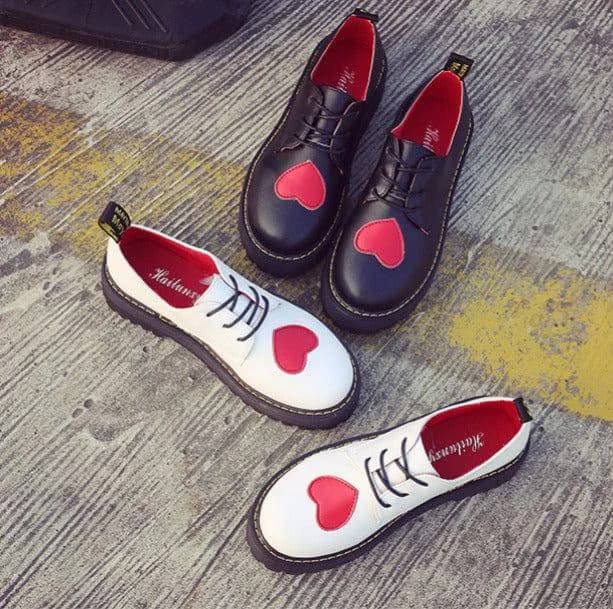
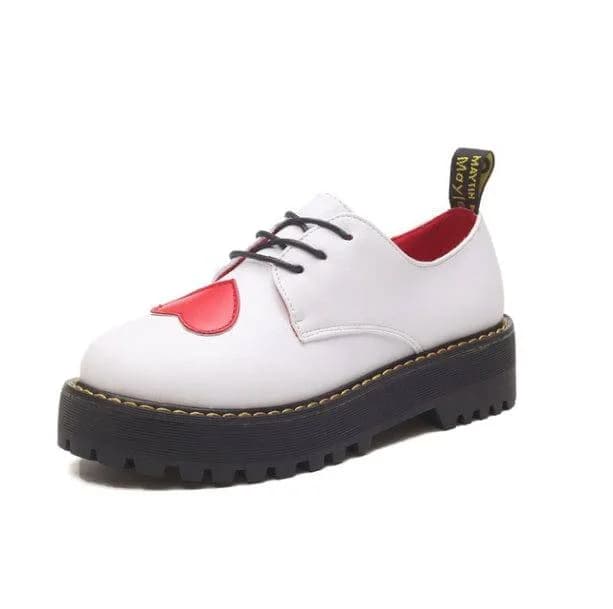
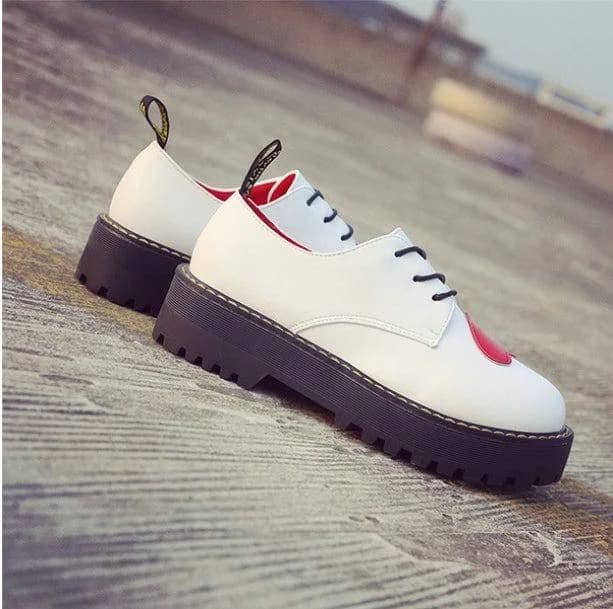
To lean into personal detail, you can introduce whimsical accents on the upper while keeping the bottom profile lean. The Love Heart Oxford Shoes feature a rubber base with a bonded leather insole, offering a subtle graphic twist on a tailored standard. Styled with cropped trousers that stop two inches above the collar, they let your socks bridge the gap smoothly.
If you prefer a monochromatic look, black oxfords pair naturally with charcoal tapered trousers and structured blazers. For a softer balance, white or light tones work well against earth-toned bottoms, keeping the lower half crisp without feeling overly corporate.
- Pair cropped ankle cuts with ribbed knit socks to frame low-top laces cleanly.
- Avoid floor-length wide hems that swallow the low profile of classic oxford uppers.
- Select rubber outsoles for regular city walking when you need reliable traction.
Balancing Chunky Loafers and Creepers With Puddle Pants
Wide-leg tailoring and puddle pants require substantial footwear to keep fabric from dragging on wet sidewalks. A chunky loafer or square-toed creeper provides the physical height and wide perimeter needed to catch the drape of wide hems, producing a relaxed, slouchy look that feels deliberate.
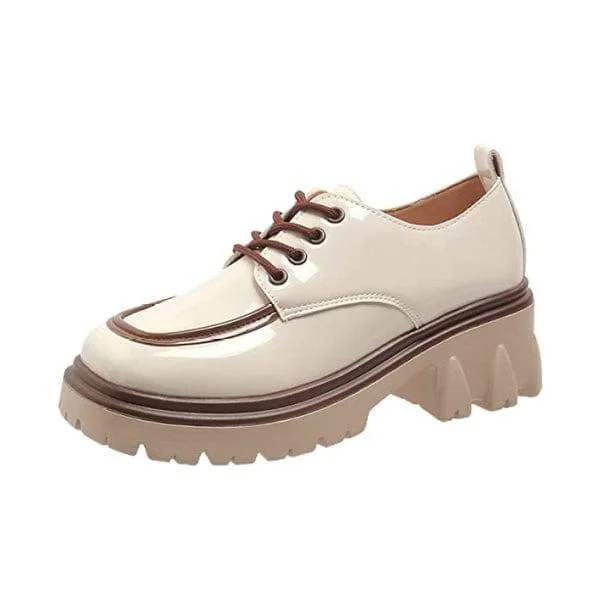
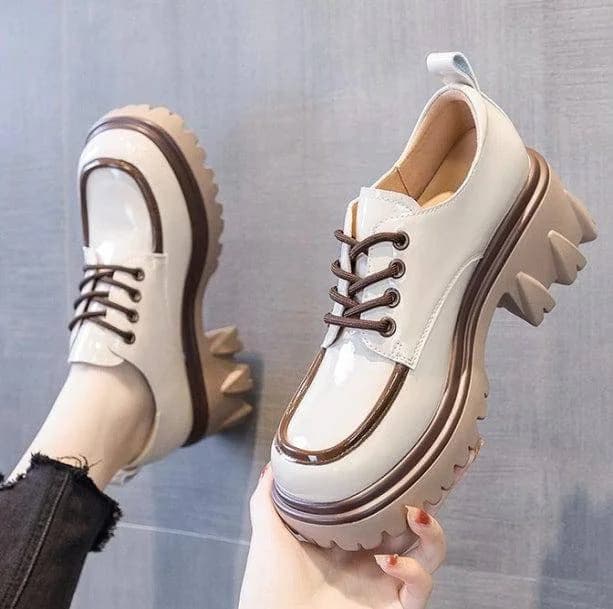
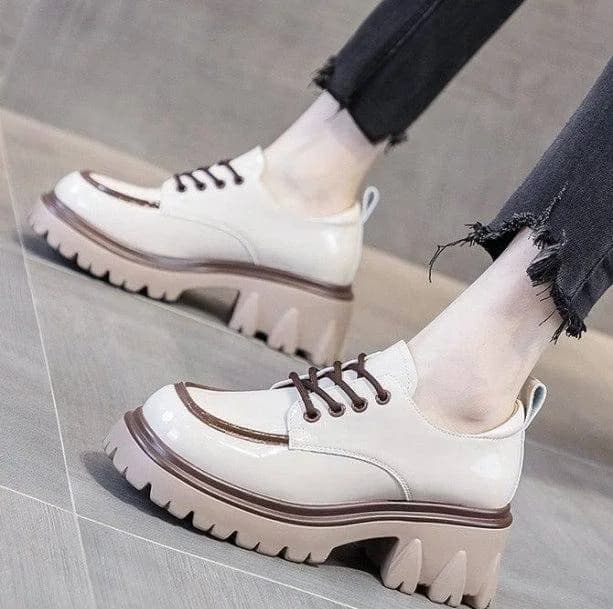
The Square College Shoes offer a distinct profile with their PU upper and lightweight EVA insole. Because they feature a squared toe box and solid sole proportion, they anchor wider hems easily. When you walk, the hem rests directly on the broad toe line rather than sliding beneath your heel.
For this pairing, check the trousers in natural motion. The back hem should hover roughly a half-inch off the ground when you walk, resting against the heel counter without catching underneath. This balance maintains the flowing line of the drape while keeping your hems dry and undamaged.
- Square toes and wide rands prevent wide hems from sliding beneath the shoe.
- EVA insoles keep chunky silhouetteThe overall shape an outfit creates, from fitted to loose and layered.s lightweight during extended days on your feet.
- Test your pant length in walking shoes to ensure the back hem stays off the floor.
Styling Platform and Block-Heel Footwear With Mid-Length Skirts
Pleated midi skirts, A-line corduroy skirts, and wrap silhouetteThe overall shape an outfit creates, from fitted to loose and layered.s can visually shorten the legs if paired with flat, low-contrast shoes. Introducing a block heel or raised sole creates upward lift that rebalances the proportion between the knee and ankle, anchoring the movement of mid-weight fabrics.
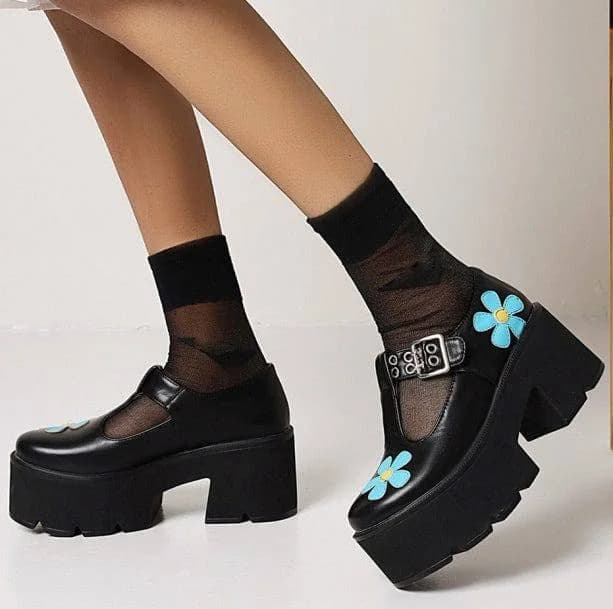
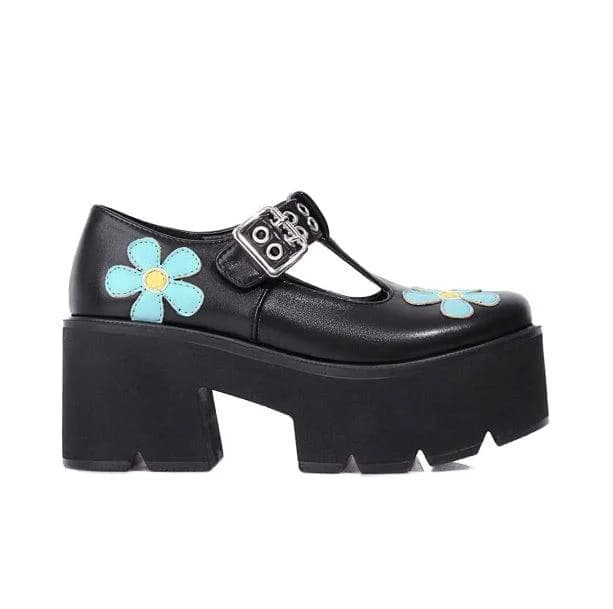
Choosing footwear with vintage character can shift the entire tone of a mid-length outfit. The Daisy Chunky Heel Shoes feature a patent leather construction with a floral cutout accent and a solid chunky heel. When paired with a below-the-knee silhouetteThe overall shape an outfit creates, from fitted to loose and layered., the heel adds structure that contrasts nicely with structured academic fabrics like twill or heavy cotton.
If you are coordinating these pieces, explore the full selection of Queer Academia Shoes to compare heel heights and upper textures. A chunky block heel stabilizes your stride far better than a thin stiletto while maintaining the scholarly, vintage-infused mood central to the aesthetic.
- Midi skirts call for a visible heel or platform to prevent the lower leg from looking shortened.
- Patent leather uppers add an intentional textural contrast against matte corduroy or wool.
- Block heels distribute weight evenly, making them realistic for all-day campus walking.

Integrating Combat and Lug-Sole Boots Into Tailored Looks
Boots bring a utilitarian edge to academic dressing, disrupting neat suit trousers and pleated skirts with durable textures. When working with lug-sole boots, your primary hem decision is whether to tuck, roll, or let the trouser drape over the boot shaft. Each method changes the silhouetteThe overall shape an outfit creates, from fitted to loose and layered. from formal to practical.
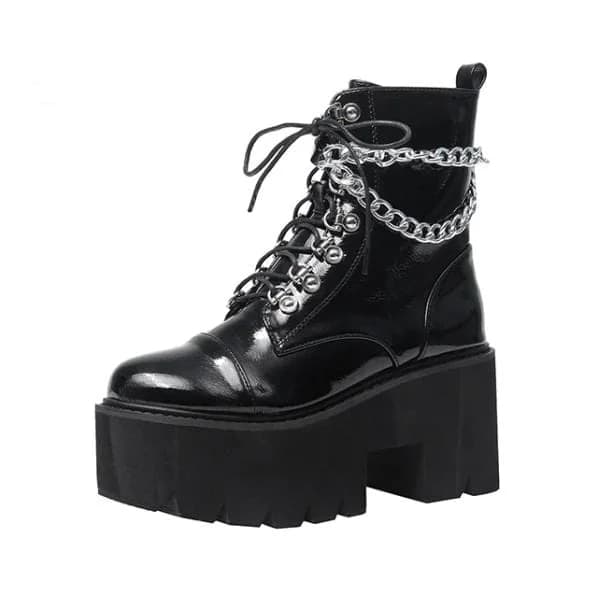
Adding industrial elements elevates the outfit without losing its studious base. The Chunky Boots With Chain feature a thick PU build and an attached chain detail across the upper, providing an unapologetically heavy base. Wearing these under straight-leg trousers with an upturned cuff exposes the metal hardware while keeping the trouser leg clean.
For broader outfit planning, browse through Queer Academia Boots to evaluate various shaft heights and lace designs. High-shaft boots pair seamlessly with rolled hems that sit just at the top eyelet, creating a tidy visual transition between cloth and leather.
- Roll cuffs twice to sit right above the boot collar, highlighting hardware details.
- Tuck slimmer trousers directly into boot shafts for an intentional military-academic look.
- Ensure boot outsoles offer deep lug treads if you commute across slick outdoor paths.
Everyday Sneakers: Keeping Casual Footwear Studious
Sneakers can sometimes feel too casual for an academic aesthetic, but choosing the right silhouetteThe overall shape an outfit creates, from fitted to loose and layered. prevents them from looking like gym gear. The key lies in selecting sneakers with clean paneling, retro profiles, and understated neutral color paletteA small group of colors you repeat to make an outfit feel connected.s that align with collegiate layeringWearing pieces over or under one another to add depth, warmth or contrast.. Low-profile leather or canvas trainers work particularly well with relaxed tailoring.
When integrating trainers into your weekly rotation, explore the options within Queer Academia Sneakers. Styling a simple retro sneaker alongside pressed chinos, a crisp collared shirt, and a cardigan strikes an effortless balance between comfort and intention. It keeps your morning routine simple while looking put-together.
To ensure sneakers complement tailored trousers, aim for a straight cuff that breaks softly on the instep. Avoid overly technical running shoes with neon accents or high-tech foam outsoles, as these distract from the vintage and literary textures found throughout the rest of your outfit.
- Choose low-top canvas or leather trainers with simple vintage paneling.
- Pair sneakers with relaxed-cut trousers featuring a single clean break at the tongue.
- Stick to cream, white, black, or deep forest green tones to preserve a scholarly palette.
Coordinating Bottoms: Trousers, Denim, and Textured Skirts
Your choice of bottom garment dictates which shoe silhouetteThe overall shape an outfit creates, from fitted to loose and layered. will balance your overall frame. Dense, tactile fabrics like corduroy demand shoes with substantial presence, whereas lighter chinos or pleated trousers can handle leaner footwear profiles. Pairing contrasting textures keeps monochromatic outfits engaging.
Consider the pairing of a rich ribbed fabric like the Aesthetic Corduroy Skirt with smooth leather oxfords or patent block heels. The matte, ridged surface of the corduroy balances the sheen of polished footwear, grounding the lower half of your outfit. A short corduroy hem also provides plenty of vertical space to play with opaque tights or tall ribbed socks.
For a denim alternative that plays with asymmetrical tailoring, the Cross Waist Jeans introduce modern lines to classic shoe choices. Their crossover waistband adds visual interest up top, while their relaxed leg profile pairs cleanly with both chunky low-tops and sturdy ankle boots, providing a flexible foundation for everyday outfits.
- Heavy fabrics like corduroy pair naturally with thick outsoles and polished finishes.
- Shorter skirts leave room to experiment with knee socks, patterned tights, and oxford shoes.
- Relaxed denim pairs easily with chunky college shoes for balanced proportions.
Upper-Body Layering and Its Effect on Shoe Weight
Shoe choice does not happen in isolation from your torso layers. When you wear heavy outerwear, such as an oversized wool overcoat, trench coat, or chunky cable-knit sweater, your footwear must carry enough visual weight to anchor the silhouetteThe overall shape an outfit creates, from fitted to loose and layered.. Wearing delicate, thin-soled shoes under an oversized coat can make an outfit look top-heavy.
LayeringWearing pieces over or under one another to add depth, warmth or contrast. pieces from Queer Academia Tops allows you to set the tone for your lower-half proportions. An oversized knit demands a shoe with a wider toe box or thicker sole, such as a platform creeper or lugged boot. Conversely, a fitted button-down shirt worn with high-waisted slacks matches naturally with slimmer lace-up oxfords.
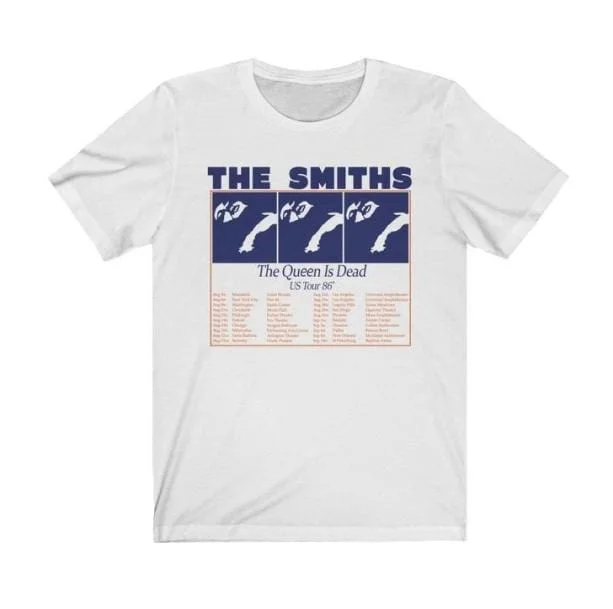
You can also contrast formal tailoring with casual statement layers. Wearing The Queen Is Dead T-Shirt underneath a structured blazer bridges post-punk energy and literary prep. Grounding this hybrid pairing with chunky creepers or studded lace-ups connects the graphic top to the shoes without feeling disorganized.
A blouse and waistcoat create a more defined upper half than an oversized knit, so the shoes need not carry as much visual weight. With straight trousers, try a slim lace-up shoe to keep the outfit’s line composed; reserve a heavier sole for substantial outerwear. The Kodona Clothes collection offers a reference for this prince-inspired layeringWearing pieces over or under one another to add depth, warmth or contrast. direction.
- Heavy overcoats and chunky knits require thick soles to prevent a top-heavy appearance.
- Fitted tops and light knitwear align neatly with low-profile oxfords and slim loafers.
- Casual graphic tees under blazers pair well with chunky, alternative-leaning footwear.
Injecting Color Accents Without Clashing With Footwear
While queer academia relies heavily on earth tones, mahogany, and deep blacks, strategic bursts of color can bring individuality to your look. The key to introducing bright tones without clashing with your footwear is maintaining a shared undertone across your accessories.
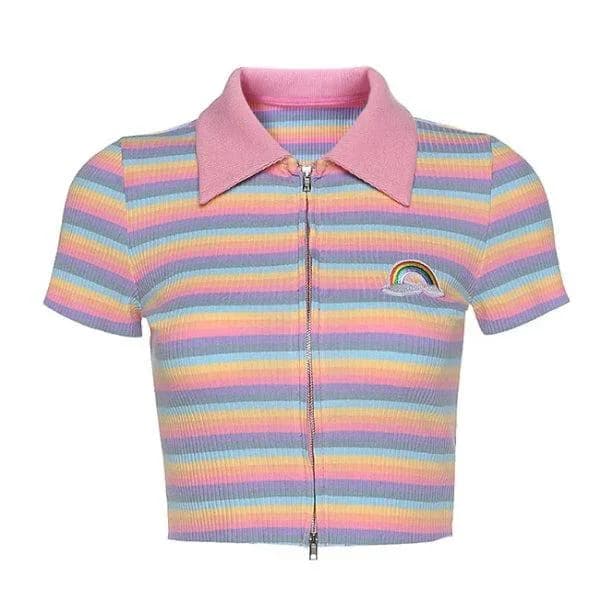
An active piece like the Rainbow Zipper Up Top brings bright energy into an otherwise muted wardrobe. When wearing colorful upper garments, your footwear should either provide a neutral anchor—such as black square-toe shoes or solid boots—or directly echo one of the accent colors through your socks or laces.
If you are building an extensive wardrobe, review the broader Queer Academia Clothes assortment to see how tailored separates interlock with colorful elements. Keeping the shoes neutral allows you to rotate vibrant tops and patterned sweaters without needing to purchase separate footwear for each piece.
- Let neutral black or brown shoes ground bright, multi-colored statement tops.
- Use socks to bridge accent colors from your upper layers down to your footwear.
- Match leather finishes across belts and bags rather than trying to match exact fabric dyes.
Weather Adaptations: Cold Rains, Heat, and Seasonal Transitions
Academic dressing traditionally favors autumn and winter, but practical outfits require adjustments across varied climates. Wet weather demands careful attention to outsole grip, upper materials, and water protection, especially when styling hems that hover near the pavement.
In damp, rainy conditions, water-resistant synthetic materials like the PU uppers on the Square College Shoes offer practical benefits over untreated suede. Their EVA insoles provide cushioned comfort on long walking days, while the raised platform keeps your trouser hems elevated above shallow puddles.
During warmer months, lighten your footwear by swapping heavy wool socks for lightweight cotton ankle socks, and pairing low oxfords or retro sneakers with linen-blend trousers or pleated shorts. Keeping your hems neatly cuffed allows air circulation around the ankles, keeping you comfortable while preserving your tailoring.
- PU and treated smooth leathers resist damp conditions better than raw canvas or suede.
- Raised platforms protect long trouser hems from absorbing dirty rainwater off the street.
- Swap heavy socks for breathable cotton weaves when temperatures rise.
Sock Selection: Lengths, Gauges, and Color Strategy
Socks are the bridge between your hem and your footwear, transforming how a shoe sits against your trousers or skirts. In queer academia, socks are rarely hidden; they are used to add texture, introduce contrast, or establish an intentional vintage look. Choosing the wrong sock length or gauge can disrupt an otherwise balanced outfit.
When wearing cropped trousers with oxfords, opt for a mid-calf ribbed knit sock. The vertical ribbing adds tactile interest, and the mid-calf height ensures no bare skin peeks through when you sit down. For skirts and pinafores, knee-high socks or opaque tights in rich tones like burgundy, forest green, or heather grey provide warmth while framing your shoes.
White athletic crew socks can also be deployed intentionally when styling retro sneakers or chunky loafers. Paired with dark trousers rolled to the ankle, a crisp white sock offers a nod to mid-century collegiate style that feels sharp and clean.
- Mid-calf ribbed socks prevent accidental bare skin breaks when sitting down in trousers.
- Knee-high socks and opaque tights frame chunky shoes beneath skirts and dresses.
- Use contrasting sock tones to deliberately separate dark footwear from dark trousers.
Common Proportion Pitfalls and How to Correct Them
Achieving balanced styling often comes down to diagnosing small silhouetteThe overall shape an outfit creates, from fitted to loose and layered. mistakes. The most frequent issue is the 'floating foot,' where skin-tight skinny pants meet an oversized, chunky platform boot. This extreme contrast makes the shoes appear disproportionately heavy, throwing off your visual balance.
To fix this, swap skinny bottoms for a straight, relaxed, or wide-leg cut that flows naturally toward the edges of the boot. Another common mistake is cuffing trousers too high, leaving an awkward gap of several inches above low-top sneakers. Cuffs should rest just at the shoe line to avoid fragmenting the vertical line of your legs.
Similarly, pairing thin, flat-soled ballet flats or delicate canvas slip-ons with heavy tweed coats makes the foundation look insubstantial. Match the physical presence of your footwear to the heaviest layer on your body, and your silhouetteThe overall shape an outfit creates, from fitted to loose and layered. will immediately feel cohesive.
- Avoid pairing extreme skinny pants with oversized platforms to prevent an unbalanced look.
- Keep trouser cuffs close to the shoe collar rather than rolling them excessively high.
- Match the visual weight of your shoes to the heaviest layer worn on your torso.
Evaluating Materials, Soles, and Construction
Understanding shoe construction helps you select footwear that lasts through daily commutes and long library sessions. Shoe uppers come in various materials, each offering different trade-offs in break-in time, water resistance, and appearance. Synthetic PU uppers require minimal conditioning and handle moisture well, while genuine leather molds to your foot over time.
Insole materials are equally important for comfort. EVA insoles provide lightweight, shock-absorbing cushioning that reduces fatigue, whereas bonded leather or dense rubber insoles offer structured support. When comparing lug soles, check the flexibility of the outsole; a rigid platform with no flex at the ball of the foot can tire your calves over long walks.
Examine how the upper is attached to the sole. Stitched rands provide a classic aesthetic look, while cemented rubber units offer dependable waterproofing for everyday city walking. Choose the construction that aligns with your commute and climate needs.
- PU uppers offer easy maintenance and solid moisture resistance for daily wear.
- EVA footbeds absorb impact effectively during prolonged walking on hard pavements.
- Check sole flexibility to ensure comfortable movement across extended wear.
Practical Styling Checklist: Assembling Your Outfit
Before heading out, run through a quick mental inventory to ensure your footwear, hemlines, and upper layers work together harmoniously. Checking these practical alignment points takes only a few seconds and prevents adjustments throughout your day.
Start at your feet: Does your sole weight match the heaviness of your outerwear? Next, look at your hems: Are your pant legs dragging on the ground, or resting with an intentional break? Finally, inspect your socks: Do they create a smooth visual transition between your shoe collar and the bottom edge of your garment?
By standardizing these daily checks, styling your queer academia footwear becomes straightforward and intuitive, allowing you to build expressive, comfortable outfits every day.
- Outerwear Check: Does the shoe sole carry enough visual weight to balance your heaviest coat?
- Hem Check: Does your pant hem rest cleanly without bunching awkwardly or dragging behind your heel?
- Sock Bridge: Is your sock choice intentional in gauge, color, and height relative to your hem?
- Comfort Check: Are your insoles and outsoles suited for the walking distance and terrain ahead?