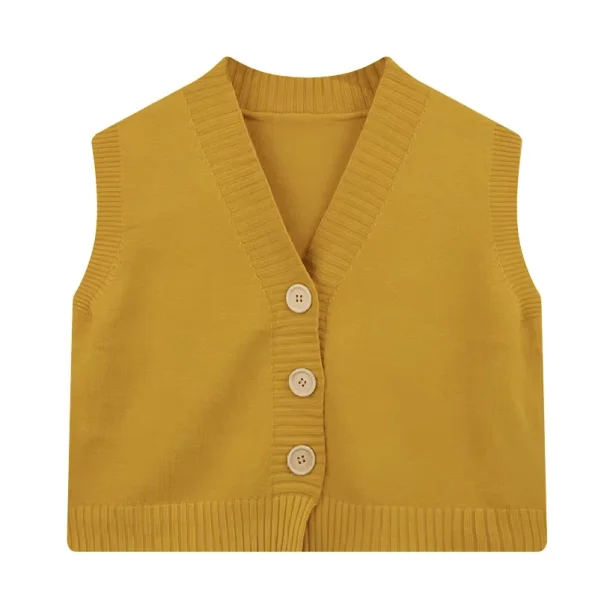
Created by the Kawaii Vibe editorial team. Our named style desks are editorial personas. Product details and availability can change.
LayeringWearing pieces over or under one another to add depth, warmth or contrast. knitwear within queer academia fashion comes down to balancing traditional tailored shapes with relaxed, individual silhouetteThe overall shape an outfit creates, from fitted to loose and layered.s. Instead of settling for a stiff, unyielding uniform look, wearing knits effectively means thinking about collar clearance, hemline drape, and how much volume your torso carries compared to your bottoms. A single knit can shift from crisp to relaxed simply by altering what peeks out at the collar and cuffs.
The goal with queer academia sweaters is to give you functional depth rather than bulky, uncomfortable stacks of fabric. Whether you are navigating freezing winds in the UK or mild mid-season shifts in Australia, knowing how to balance yarn thickness, underlayer fabrics, and skirt or trouser rises will keep your daily outfits sharp and wearable.
This guide breaks down specific layer formulas, climate adjustments, and neckline geometries so you can match knits to your exact body frame and local weather. You will find concrete outfit ideas, honest comparisons between different garment cuts, and real pitfalls to avoid when building your weekly rotation.
Solving the Bulk Trap: Collar and Shoulder Fit
The biggest frustration when layeringWearing pieces over or under one another to add depth, warmth or contrast. under knitwear is bunched fabric around the armpits and collarbones. When an underlayer has heavy shoulder seams or rigid woven fabric, pulling a fitted pullover on top forces that excess cloth into thick folds. To solve this, focus entirely on the shoulder drop and armhole depth of your knit before deciding what goes underneath it.
If your sweater has a fitted raglan shoulder or a sharp set-in seam, pair it with thin cotton undershirts or sleeveless button-downs. Save your roomier graphic tees or boxy button-downs for drop-shoulder pullovers. When you give the inner sleeves room to slide without dragging against the knit yarn, your arms move freely and your upper torso keeps a clean, deliberate outline.
- Check that your underlayer seam sits slightly closer to your neck than your sweater seam to prevent uneven bunching.
- Choose fine rib knits or cotton tees when wearing tailored blazers directly over your sweater.
- Smooth out inner collar bands with your fingers after pulling on your jumper so the collar points lie completely flat.

Crew Necks, V-Necks, and Collars: Matching Your Neckline Geometry
Different knit collar shapes change the visual balance of your chest and neck. A crew neck keeps things compact and grounded, making it great for showing just the sharp tips of an undershirt collar or letting a graphic tee collar band peek out cleanly. If you want to show a graphic print beneath an open front, a crew pullover works best worn oversized so the hem drops low.
V-necks draw the line downward, providing breathing room if you have a broader chest or want to show off neckties, jewelry, or layered lapels. You can find several classic and alternative knit cuts across the Queer Academia Sweaters selection to test which depth suits your neck length. For a balanced proportion, ensure your inner shirt collar band matches the curve of the sweater neckline so fabric does not twist throughout the day.
A collared shirt under a V-neck creates a familiar frame. For a more deliberately prince-inspired silhouetteThe overall shape an outfit creates, from fitted to loose and layered., choose a blouse with a defined collar and add a waistcoat, leaving the collar visible. Skip the sweater if you want the collar and waistcoat edges to read clearly. The Kodona Clothes collection offers a reference for this more structured combination.
Base Layers: Choosing Between Collared Shirts and Graphic Tees
Your base layer determines both the climate flexibility and the subcultural tone of your outfit. A stiff woven button-down leans straight into vintage library energy, while a cotton graphic top grounds the sweater in modern daily streetwear. The contrast between traditional collegiate knitwear and casual printed jersey creates the core tension that defines this aesthetic.
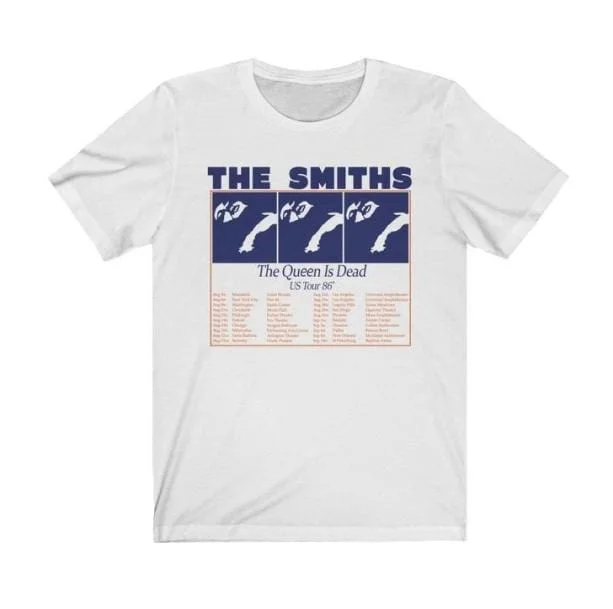
For a casual look that works indoors with the sweater pulled off or draped over your shoulders, wear The Queen Is Dead T-Shirt, which comes in One size as pictured. A casual base layer gives you the option to shed heavy knits when heated rooms get stuffy, keeping the academia music-subculture vibe intact without sweating through thick wool. Check out the wider range of Queer Academia T-Shirts to find graphics that complement muted knit tones.
Balancing Long Knits with High-Waisted Bottoms
When an oversized sweater extends past your hips, it can easily swallow the shape of your legs and shorten your visible height. The quickest way to restore balance is to adjust where the sweater hem rests relative to your waistband. Tucking just the front corner of a medium-weight knit into structured pants defines your waistline while leaving the back loose and slouchy.
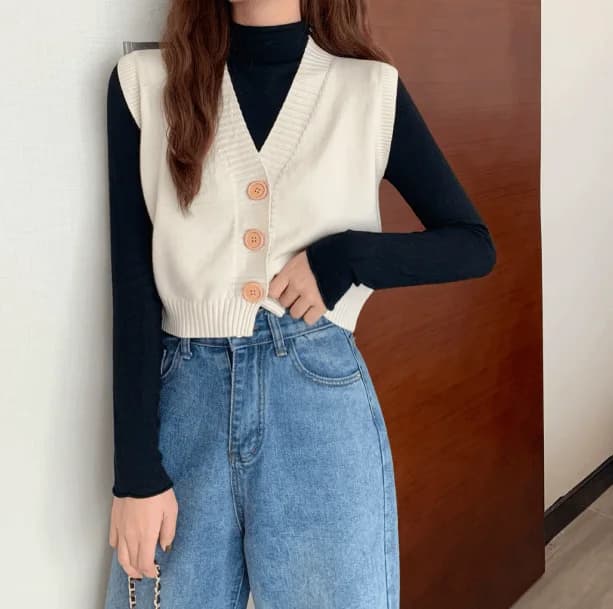
For trousers with tailored waist details, pairing a relaxed knit with the Cross Waist Jeans, offered in S through 2XL as pictured, lets you highlight the asymmetric waistband without losing the cozy ease of a thick pullover. Half-tucking creates an easy diagonal line that stops thick knits from looking like a flat block of color across your midsection.

Pleats, Midi Cuts, and Mini Skirts: Pairing Knits with Lower Halves
Pairing knits with skirts requires careful thought about volume distribution. A heavy, chunky sweater worn over an equally thick, wide skirt creates a very wide silhouetteThe overall shape an outfit creates, from fitted to loose and layered. that can feel overwhelming on shorter frames. The trick is contrasting fabric weights: pair heavy knit tops with structured woven skirts, or airy pleated hemlines with dense cotton pullovers.
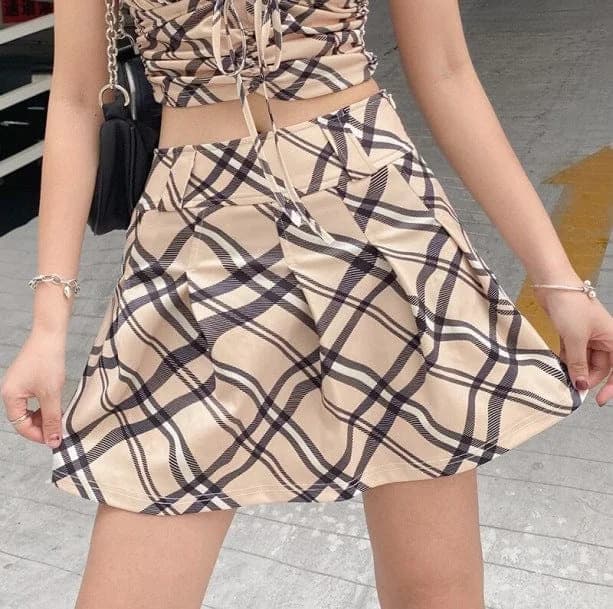
If you prefer shorter lengths that elongate the legs under longline jumpers, the Vintage High Waisted Mini Skirt, available in Beige or Black in sizes S and M, works well paired with thick ribbed tights and heavy boots. For those who like classic schoolroom lengths, you can also browse structured styles in the Queer Academia Skirts catalog to ground larger crew necks.
Color Theory: Melancholy Palettes Meets Subtle Rainbow Accents
Traditional academia aesthetics rely heavily on sepia tones, charcoal, deep olive, and chocolate brown. Queer academia keeps that muted, studious base but intentionally disrupts it with purposeful pops of saturated color or playful motif work. You do not need to choose entirely between muted vintage tones and bold pride colors; the style thrives on mixing both.
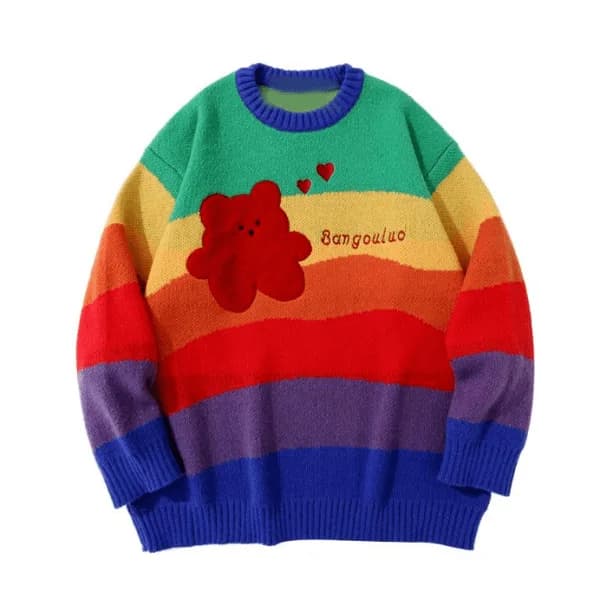
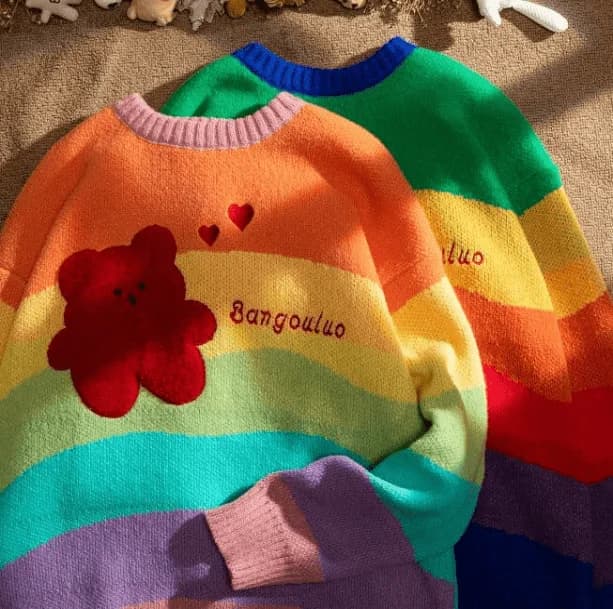
A prime example of this contrast is the Rainbow Bear Sweater, crafted from a blend of polyester, cotton, and acrylic in options A and B with sizing from S to XXL. The graphic character and colorful stripes cut through gloomy tweed coats and dark trousers, giving your outfit an irreverent, nostalgic warmth that feels distinctly personal.
Adapting to Warm Climates: Breathable Mid-Layers and Light Knits
LayeringWearing pieces over or under one another to add depth, warmth or contrast. is easy when temperatures drop, but warmer climates in places like southern California or Australia during transitional months demand lightweight tactics. Instead of dense wool, choose cotton knits with open weaves that circulate air while still giving you that textural, layered look.
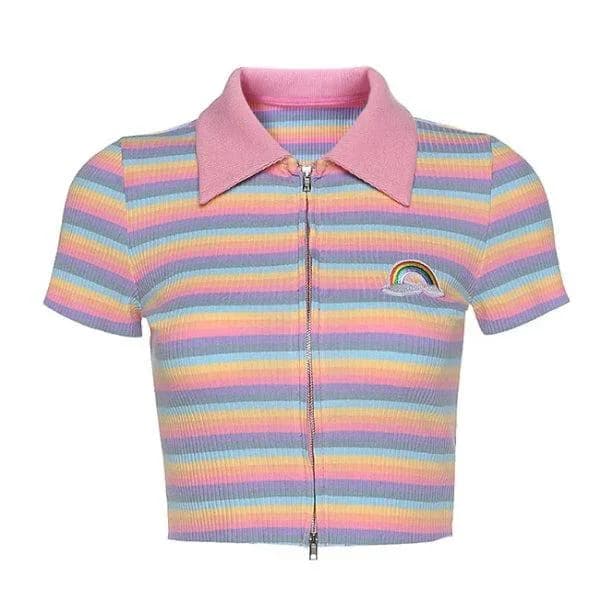
To handle fluctuating warm-to-cool days, style the Rainbow Zipper Up Top, available in S, M, and L as pictured, as an adaptable base layer under an unbuttoned lightweight cardigan. An adjustable zip allows you to vent heat instantly, ensuring you stay comfortable on long commutes without sacrificing your layered look. You can find more versatile warm-weather underpinnings in the Queer Academia Tops hub.
Cold-Weather Defenses: Stacking Thermals, Knits, and Trench Coats
True winter layeringWearing pieces over or under one another to add depth, warmth or contrast. requires a three-tier method: a moisture-wicking base close to the skin, an insulating sweater in the middle, and a wind-resistant shell on top. If any layer is too tight, it squeezes out trapped warm air and actually makes you colder. Keep your sweaters comfortably loose so warmth stays locked between fabric layers.
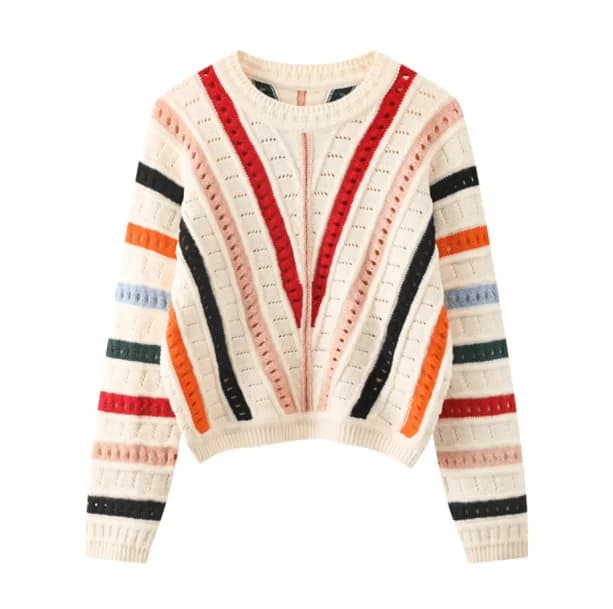
For reliable insulation without stiff synthetic rigidity, the Rainbow Stripes Sweater is made of cotton in sizes S to L as pictured, offering natural breathability while retaining heat under wool overcoats. Wear a snug thermal undershirt beneath it, then top with an oversized vintage trench. The cotton weave moves easily, avoiding the scratchiness of raw wool collars against your neck.
Plaid Formats: Pattern Clashing Without Looking Messy
Pattern clashing is a staple of queer styling, but unguided mixing can look cluttered rather than curated. When combining patterned knits with patterned skirts or pants, balance the scale of the prints. Pair tight, dense patterns with broad, open checks so the eye can easily distinguish between pieces.
A great anchor piece for pattern play is the Midi Plaid Rainbow Skirt, made of polyester in sizes S through 2XL as pictured. Because its check pattern contains distinct hues, you can pull one specific accent tone from the skirt and match it to a solid knit, or pair it with subtle horizontal knit stripes for a confident, eccentric library look.
Petite and Tall Styling: Proportions and Visual Length
Height and torso length change how knit hems drape over your clothes. For petite frames, long tunics and oversized crew necks can visually lower your knees, making legs look shorter. To avoid this, push sweater sleeves up to reveal your forearms, and tuck hem edges into high-rise waistbands to expose more leg line.
Taller individuals often struggle with sleeves that pull short when reaching or waistbands that crop too high. Opt for drop-shoulder jumpers with extended rib cuffs, or let a longer curved-hem shirt hang loose beneath the sweater hem to add deliberate length. Browsing full-outfit assemblies in the Queer Academia Clothes category can give you practical ideas for matching torso-to-leg proportions across different body types.
Plus-Size and Curvy Styling: Controlling Drape and Waistlines
When shopping for fuller figures or curvier silhouetteThe overall shape an outfit creates, from fitted to loose and layered.s, avoid stiff, boxy knits that stand away from your frame like a tent. Soft-draping yarns like acrylic blends or finely combed cotton fall naturally over curves, following your body's shape without clinging uncomfortably or adding unwanted bulk.
Pairing a softer, fluid sweater with structured, firm bottoms creates a sharp visual balance. For instance, wearing a relaxed, draped knit over the Aesthetic Corduroy Skirt, offered in S to XL as pictured, provides dense textural contrast that holds its own shape beneath a loose sweater hem. This gives your outfit clear structure while keeping your torso relaxed and comfortable.
Fabric Care and Longevity: Keeping Knits Fresh
Academic style relies on clothes looking worn-in, loved, and durable—not frayed, pilled, or misshapen. Sweaters made from cotton, acrylic, and polyester blends each require specific care to hold their knit density and keep hems from warping after a season of heavy wear.
Never hang heavy knitwear on thin wire hangers, as the downward pull stretches out the shoulders and leaves awkward bumps in the fabric. Fold your sweaters flat on a shelf or roll them loosely in storage boxes. When cleaning, wash inside-out on gentle cycles in cool water, and lay flat on a drying towel so the damp fibers maintain their original shape.

Common Layering Mistakes to Avoid
The quickest way to ruin a thoughtful knitwear outfit is ignoring small friction points. The most frequent error is pairing a clingy synthetic undershirt with an unlined wool sweater, creating static cling that twists your tops sideways within minutes of walking. Always ensure your inner layer has a smooth finish so the knit glides freely over it.
Another common slip-up is ignoring sleeve width when throwing on jackets. Shoving a chunky batwing or drop-shoulder sweater into a slim-cut tailored blazer compresses the sweater arms, restricts elbow movement, and creates unsightly wrinkles across your upper arms. Always check that your coat armholes are cut deep enough to welcome the knit you chose for the day.
- Never wear contrasting dark tees under thin, loosely knit cream sweaters unless you want the graphic showing through.
- Avoid wearing bulky necklaces under tight crew necks where chains distort the collar ribbing.
- Do not let your base shirt hem hang out untidy; either tuck it cleanly or ensure it peeks out evenly all around.
Your Daily Layering Checklist
Before walking out the door, take a quick scan in the mirror to verify comfort, mobility, and visual balance. Check that your neck feels free from scratchy friction and that your cuffs push up easily if you need to wash your hands or type on a keyboard. Practical comfort is the foundation of genuine personal style.
Queer academia is all about styling classic garments on your own terms. By choosing the right necklines, matching knit volume to your lower layers, and picking breathable fabrics tailored to your local climate, you will create dependable outfits that feel sharp, expressive, and ready for everyday life.
- Collar Check: Does your base layer sit neatly without twisting under the sweater neckline?
- Mobility Check: Can you comfortably cross your arms without the shoulder seams pulling tight?
- Hem Placement: Does your sweater hem hit at a flattering spot relative to your skirt or pants?
- Climate Reality: Can you comfortably take off your top knit if indoor heating is running high?
Footwear and Sock Geometry: Anchoring Chunky Knits
A common challenge when wearing substantial knitwear is balancing the visual weight at your feet so the outfit does not feel top-heavy. Heavy gauge jumpers, oversized silhouetteThe overall shape an outfit creates, from fitted to loose and layered.s, and longline hems draw the eye upward and widen your upper torso. If you pair them with ultra-flat, low-profile canvas sneakers without socks, the bottom half can look abruptly cut off, throwing your proportions entirely out of balance.
To counter a voluminous sweater, select footwear with deliberate presence. Sturdy lug-sole loafers, combat boots, or chunky brogues ground larger knit silhouetteThe overall shape an outfit creates, from fitted to loose and layered.s by mirroring their visual substance. If you are wearing cropped bottoms like tailored trousers or the Vintage High Waisted Mini Skirt, use visible ribbed socks to bridge the gap between hem and shoe. Scrunching mid-calf knit socks slightly creates a textural callback to your sweater yarn without feeling repetitive.
When styling longer hemlines like the Midi Plaid Rainbow Skirt, avoid footwear that cuts across the widest part of your calf. Instead, opt for ankle-grazing leather boots that tuck cleanly under the pleated fabric, or pairing low oxfords with dark, opaque tights to maintain a continuous, uninterrupted line down to the floor.