Created by the Kawaii Vibe editorial team. Our named style desks are editorial personas. Product details and availability can change.
Building an outfit around a top starts with understanding how its neckline and cut frame your face and torso. In queer academia styling, the silhouetteThe overall shape an outfit creates, from fitted to loose and layered. above the collarbone sets the direction for everything below the waist. A structured mock neck calls for an entirely different waistline and leg shape than a boxy graphic crewneck or an unzipped polo collar. When you identify the visual weight of your top first, deciding between a pleated skirt, structured denim, or tailored trousers becomes straightforward.
The broader aesthetic combines vintage collegiate textures, bookish motifs, and subtle subversive details. Yet without attention to cut, outfits can easily feel cluttered or visually unbalanced. A heavy, slouchy knit combined with an equally voluminous bottom often loses the deliberate tailoring that defines the look, while a tight, stark t-shirt can clash with rich library textures like corduroy and wool.
This guide walks through styling individual necklines and cuts step by step. We look at collar spreads, sleeve volumes, tucking techniques, and fabric weights to help you assemble coherent looks suited to both mild afternoons and chilly study spaces, keeping proportions intentional from top to bottom.
1. The High Collar and Mock Neck Silhouette
A high neckline immediately brings an intellectual, mid-century tone to an outfit. Whether it is a fitted turtleneck or a casual ribbed mock neck, this cut visually elongates the neck while drawing focus straight to your jawline and shoulders. Because the fabric sits high, it creates a large, uninterrupted canvas across the chest. Pairing this with the right bottom requires deciding whether you want to emphasize a sharp, tailored line or balance the sleekness with volume underneath.
When styling a fitted mock neck, tucked-in bottoms create a grounded, clean profile. High-waisted trousers with double pleats or a structured mini skirt give the upper body crisp structure. Leaving a slim mock neck untucked over heavy bottoms can cause an awkward horizontal crease across the hip, breaking the continuous line of the outfit. For outerwear, high collars sit cleanly beneath unbuttoned chore coats, trench coats, or open cardigans without any collar clashes around your neck.
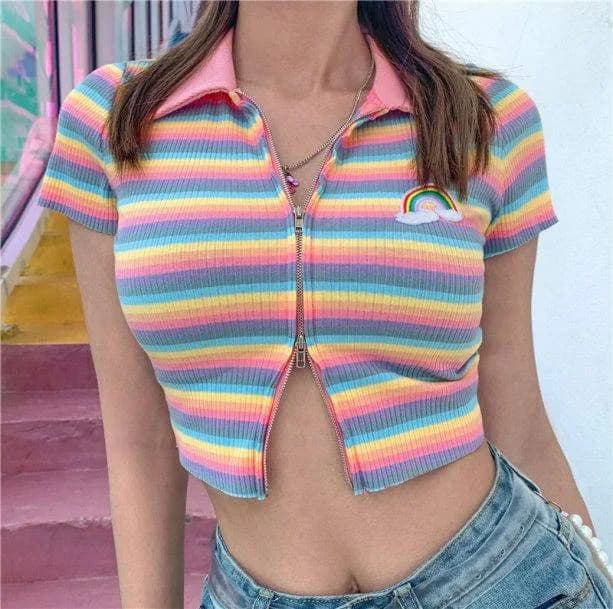
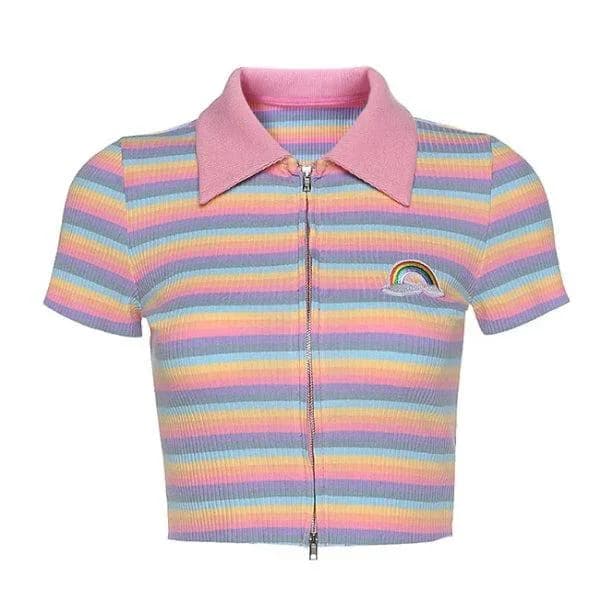
If you are working with an adjustable high neck, such as the Rainbow Zipper Up Top, you gain immediate versatility. Zipping it fully creates an athletic, academic stance that frames small jewelry nicely. Leaving it half-zipped transforms it into an open polo-style collar, revealing the collarbone and softening the shoulder line. Experimenting with collar heights allows you to adapt to warm indoor environments without compromising your overall silhouetteThe overall shape an outfit creates, from fitted to loose and layered..
- Tuck slim high necks into structured, high-waisted bottoms to keep a clean waistline.
- Use open outer layers like cardigans to add depth without crowding the throat.
- Adjustable zip collars allow quick transitions between sharp structure and casual open styling.

2. Graphic Crewneck Tees and Academic Contrast
A simple t-shirt can sometimes feel too casual for an aesthetic built around collegiate heritage, but graphic crewnecks offer an easy canvas for cultural references and literary wit. The standard crew sits close to the base of the neck, making it a neutral, dependable anchor. The goal when wearing a casual shirt is to surround it with heritage textiles so the final look remains grounded in tailored references rather than gym wear.
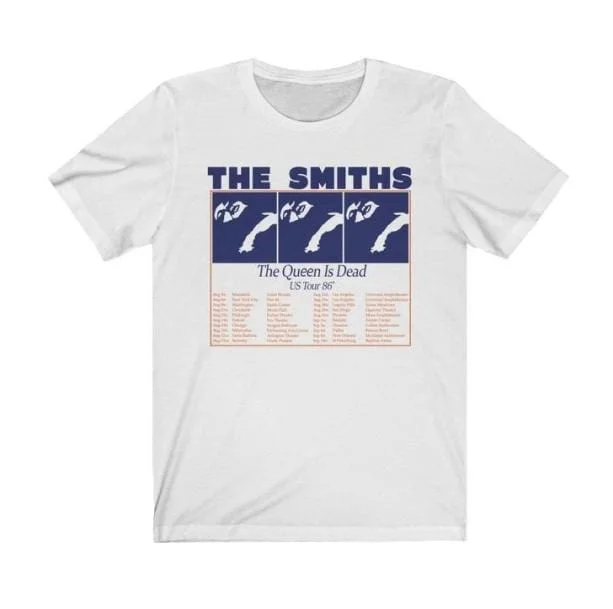
A piece like The Queen Is Dead T-Shirt relies on musical and cultural nods that naturally fit academic post-punk inspiration. Because it features a classic crew neckline and a standard cut, you can treat it as your base layer beneath a structured wool blazer or an open corduroy overshirt. The contrast between raw cotton jersey and textured tailoring keeps the outfit looking deliberate rather than thrown together at the last minute.
To anchor a graphic crewneck, pair it with textured skirts or heavy twill trousers. Tucking the t-shirt completely into a belted waistband sharpens the transition between casual cotton and formal tailoring. If the shirt has a wider boxy cut, doing a clean front tuck into relaxed trousers maintains an easy drape while preventing the fabric from bunching up around your hips. You can find more printed variations across our Queer Academia T-Shirts selection to build these casual base layers.
- Counterbalance casual cotton tees with heavyweight wool, tweed, or corduroy outer pieces.
- Full-tuck boxy crewnecks into belted bottoms to avoid visual bulk at the hip.
- Let literary, musical, or art prints show through partially unbuttoned jackets.
3. Asymmetric Waistlines and Cropped Tops
When working with tops that feature cropped cuts or shorter hems, the waistline of your bottoms takes on heightened visual importance. A cropped top draws the eye down to mid-torso, creating an intentional gap or a close meeting point with your waistband. This makes asymmetrical or distinctive waistband designs an ideal pairing, as they turn a functional seam into an architectural focal point of your outfit.
Pairing a shorter knit or fitted baby tee with the Cross Waist Jeans creates an engaging diagonal line across the stomach. The crossover waistband breaks up the usual horizontal boundary, making a simple top feel substantially more modern and styled. This combination works exceptionally well when your top has a clean, plain neckline, ensuring that the visual intrigue remains focused on the waist without competing design elements.
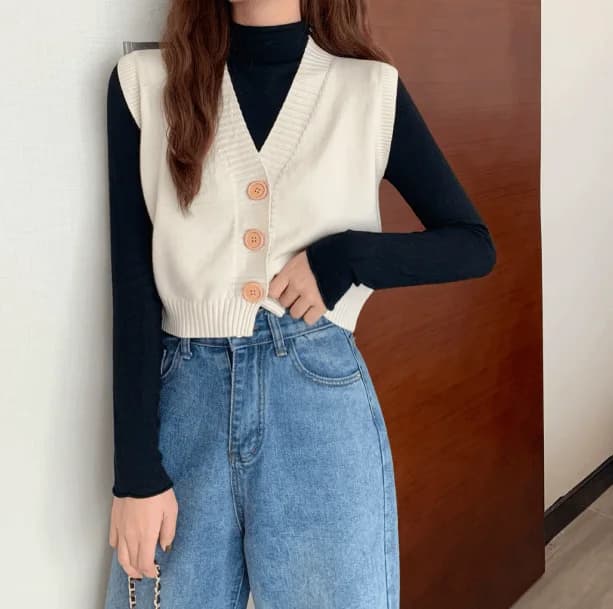
If you prefer not to show bare skin, you can wear cropped tops over a thin, tucked-in collared shirt. The crisp white or blue shirting fabric peeking out beneath the cropped hem bridges the gap to the asymmetrical denim, providing warmth and an extra layer of academic texture. This layeringWearing pieces over or under one another to add depth, warmth or contrast. method honors classic school-uniform styling while leaning into playful, deconstructed proportions.

4. Chunky Sweaters and Proportional Balance
Chunky sweaters bring tactile warmth and a comforting, bookish charm to any wardrobe. However, their physical volume requires careful consideration of the bottoms you select. A wide, thick knit top paired with wide, draping bottoms can easily swallow your frame, turning what could be a sharp academic ensemble into a shapeless pile of wool. Balancing chunky knits is entirely about countering mass with clean lines.
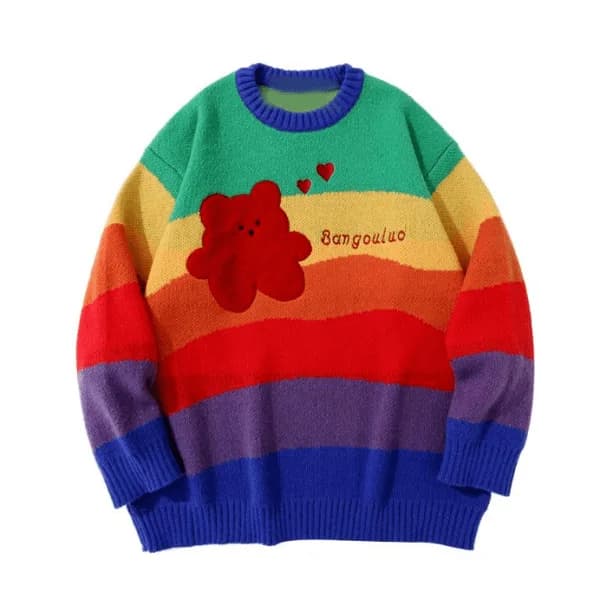
The Rainbow Bear Sweater offers a relaxed, tactile knit with playful color contrast across the chest. Because this piece has generous body volume and relaxed dropped shoulders, pairing it with clean, fitted, or structured bottoms restores equilibrium. An A-line skirt in a sturdy fabric or straight-leg trousers cut from heavy cotton will hold their shape beneath the sweater hem, providing a sturdy foundation for the bulky knit.
When styling thicker knits, tucking can sometimes create uncomfortable lumps around the waist. Instead, allow the ribbed hem of the sweater to fold naturally onto itself, resting right at your hip bones. If the hem is loose, try a French tuck just at the very center front of your trousers, leaving the sides and back hanging free. This reveals your belt or waistband and defines your leg line without adding bulk to your midsection.
- Pair oversized, drop-shoulder knits with structured skirts or straight-cut trousers.
- Avoid full-tucking heavy knits to prevent bulky bunching under the waistband.
- Use a gentle front fold or half-tuck to define the waistline without sacrificing warmth.
5. Styling Tops with Corduroy Bottoms
Corduroy is a cornerstone fabric within academic styling, offering soft ridges that catch the light and provide visual depth. When your bottoms feature this distinct ribbed texture, your top needs to either complement the ribbing or provide a smooth, flat counterpoint. Introducing another heavy, competing texture on top can sometimes make an outfit feel overwhelmingly heavy, so choosing the right cut and fabric is essential.
A smooth crewneck tee or a fine-gauge knit tucked into the Aesthetic Corduroy Skirt creates a classic, collegiate study look. The matte, dense texture of corduroy provides enough visual weight to anchor lightweight tops, allowing you to wear breathable cottons even in cooler weather by simply adding tights and a light jacket. Choosing a fitted top with a neat neckline balances the flared, sturdy structure of an A-line corduroy skirt.
If you decide to wear a textured knit over corduroy, focus on scale. Pair wide-wale corduroy with a smooth, tight jersey knit, or fine-wale corduroy with a looser, open weave. Keeping the scales distinct prevents the textures from clashing. For footwear, round out this pairing with classic leather brogues, oxford shoes, or matte ankle boots to maintain the vintage library feel from top to bottom.
6. Horizontal Stripes and Broad Necklines
Stripes have long held a place in both maritime and collegiate dress, but horizontal stripes on tops inevitably alter how your shoulders and chest are perceived. Boat necks, wide crewnecks, and horizontal patterns draw the eye outward, creating a wider, more horizontal impression across the torso. Learning to balance this width is key to building a harmonious outfit.
The Rainbow Stripes Sweater brings energetic color bands to a classic crew-neck silhouetteThe overall shape an outfit creates, from fitted to loose and layered.. Because horizontal bands emphasize width, pairing this top with vertical elements below the waist helps elongate your overall silhouetteThe overall shape an outfit creates, from fitted to loose and layered.. Pleated trousers, skirts with vertical seams, or longline open cardigans cut through horizontal lines and create a flattering, structured balance.
To keep striped tops firmly within an academic aesthetic rather than looking like pure sportswear, pair them with traditional suiting textures. Grey wool flannel trousers or a navy pleated skirt ground the vibrant colors of the knit. Tucking the striped sweater into a dark, high-waisted bottom cleanly delineates where the stripes end and the tailored shape begins, keeping the focus sharp and neat.

7. Framing the Collarbone with Open Necklines
While high necks and turtlenecks are frequent go-tos for cooler months, open necklines—such as scoop necks, wide V-necks, and unbuttoned polo collars—offer an airy, relaxed alternative. Exposing the collarbone softens the structured, slightly rigid feel of traditional collegiate dress, lending an effortless, bohemian poet atmosphere to your outfit.
When wearing tops with open necklines, jewelry and neckwear become key styling tools. A dainty pendant necklace, a silver chain, or a loosely knotted silk neckerchief fills the negative spaceAn uncluttered area that gives the rest of a design room to stand out. without overwhelming the cut. If your top has an open V-neck, it also provides an ideal opportunity for subtle layeringWearing pieces over or under one another to add depth, warmth or contrast.: slip a crisp collared button-down underneath, letting the collar tips rest cleanly over the sweater’s V-cut to channel quintessential Ivy League tailoring.
For bottoms, open necklines pair beautifully with higher-waisted garments. Because the upper chest is exposed, high-waisted trousers or midi skirts maintain balanced proportions, ensuring the outfit does not feel overly bare. The contrast between an open, relaxed collar and a sharply tailored lower half captures the relaxed intellectual vibe that characterizes this personal style.
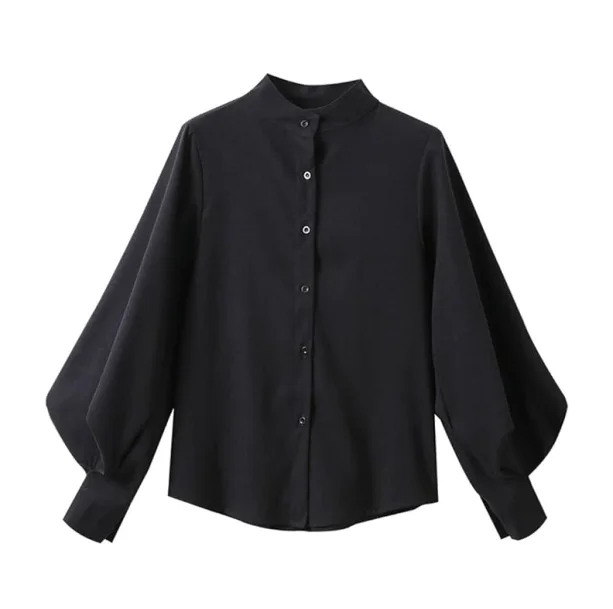
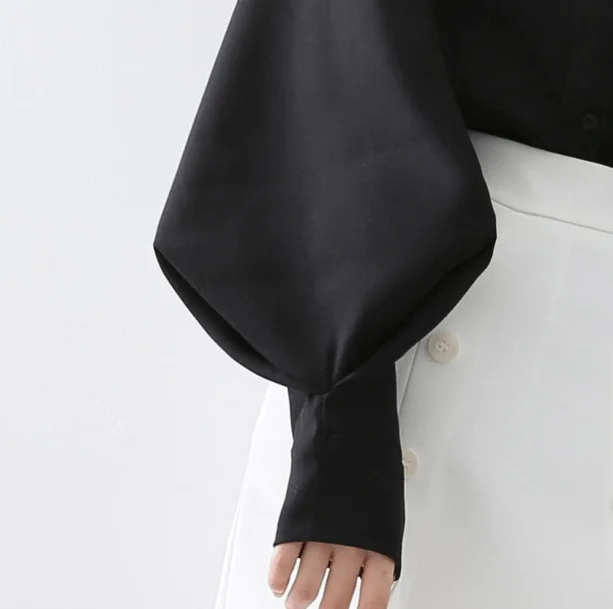
An open neckline can sit beneath a more defined layer while keeping its relaxed feel. For a prince-inspired outfit, try a blouse with a visible collar under a waistcoat, and keep jewelry minimal so the collar and V-shaped edges remain clear. The Kodona Clothes collection offers a reference for pairing blouses with waistcoat-inspired layers.
- Fill open chest space with layered metal chains, pendants, or light neck scarves.
- Layer structured button-down collars underneath V-necks for vintage collegiate depth.
- Anchor open necklines with high-waisted, tailored bottoms to maintain classic proportions.
8. Mini Skirts and Upper-Body Volume
Pairing tops with shorter hemlines is a study in vertical balance. Wearing a tight, minimal top with a mini skirt can often feel unbalanced and overly casual, lacking the bookish charm that layered tailoring provides. Conversely, balancing a shorter skirt with thoughtful upper-body volume creates a dynamic, intentional silhouetteThe overall shape an outfit creates, from fitted to loose and layered. that feels both youthful and scholarly.
The Vintage High Waisted Mini Skirt offers a sharp, defined waistline that easily supports looser, more relaxed tops. Pairing this piece with a boxy, long-sleeve tee, an oversized blazer, or a slouchy ribbed sweater establishes a pleasing visual proportion: relaxed and covered on top, streamlined and leg-lengthening below. The high waistband acts as the fulcrum that keeps the oversized top from looking sloppy.
When the weather cools down, this combination adapts effortlessly. LayeringWearing pieces over or under one another to add depth, warmth or contrast. opaque black tights, ribbed knit socks, and sturdy loafers or combat boots under the skirt adds rich texture while keeping you warm. Throw an unbuttoned trench coat or an oversized wool coat over your shoulders to echo the hemline of the skirt while adding flowing, scholarly movement to your walk.
- Offset shorter skirt hemlines by choosing tops with longer sleeves or looser silhouetteThe overall shape an outfit creates, from fitted to loose and layered.s.
- Use a defined high waist to ground oversized sweaters and prevent losing your shape.
- Layer tights, knee-high socks, and long coats for weather adaptability and rich texture.
9. Midi Skirts and Pattern-Mixing with Tops
Midi skirts offer an elegant, vintage mid-calf length that immediately imparts a classic, bookish feel. When working with printed or patterned midi skirts, choosing the right top requires balancing both color paletteA small group of colors you repeat to make an outfit feel connected.s and pattern scales. A busy top paired with a busy skirt can look chaotic unless the patterns share a clear, unifying dialogue.
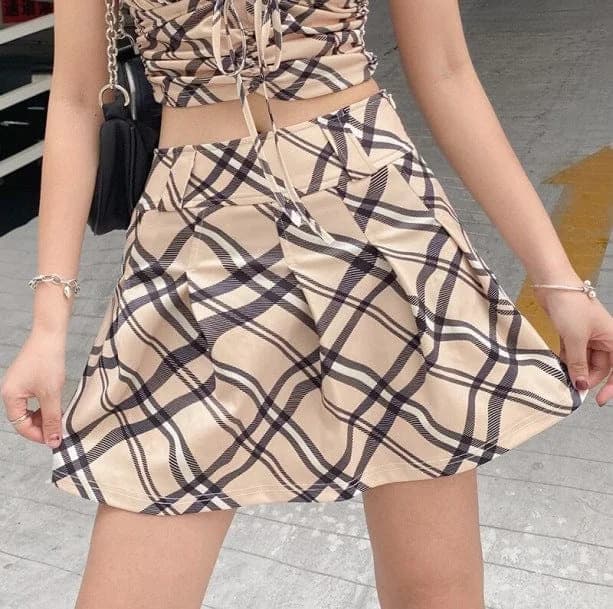
The Midi Plaid Rainbow Skirt incorporates classic tartan geometry with colorful accents. To make a patterned piece like this the focal point, you can pair it with a solid, neutral top that pulls one single color from the plaid—such as deep navy, forest green, or creamy off-white. A fine-knit crewneck or a fitted ribbed long-sleeve top creates a calm foundation that lets the skirt's pattern shine.
If you enjoy deliberate pattern-mixing, choose tops that feature patterns of a distinctly different scale. For example, a micro-stripe t-shirt or a graphic tee with bold, simple typography can sit comfortably against a medium-scale plaid skirt. The secret is ensuring the background tones harmonize, creating a playful, academic look that feels creative rather than mismatched. Explore our full range of Queer Academia Skirts for diverse lengths and patterns to style with your tops.
10. Tucking Strategies: Full Tuck, French Tuck, and Layered Bands
How you transition from your top to your bottoms can completely redefine an outfit, even when using the exact same two garments. The method you use to secure your hemline dictates your waist definition, how your clothes drape, and how formal the overall ensemble looks. Mastering a few reliable tucking methods is essential for styling tops of various cuts.
A full tuck involves smoothing the top all the way around your waistband and securing it with a belt. This approach works best with lightweight cotton tees, fitted mock necks, and crisp button-downs, producing a clean, mid-century collegiate line. It emphasizes the natural waist and highlights belt details, such as vintage brass buckles or tooled leather straps. It is the gold standard for high-waisted tailored trousers and pleated skirts.
The French tuck (or front tuck) offers a more relaxed, casual alternative. By tucking only the center front hem into your waistband and letting the sides drape loosely, you define your waistline without pulling the fabric tight over your hips. This technique is particularly helpful for medium-weight sweaters and boxy t-shirts that are too thick for a complete tuck. If a knit is far too heavy to tuck at all, consider rolling the ribbed hem under and securing it with a thin waist belt hidden underneath, allowing the knit to blouse naturally.
- Full tucks create a sharp, structured silhouetteThe overall shape an outfit creates, from fitted to loose and layered. ideal for high-waisted tailoring.
- French tucks define the front waistline while keeping the hips and back relaxed.
- Use the hidden-belt trick for thick sweaters to achieve a cropped look without bunching.
11. Comparing Knits: When to Choose Sweaters vs. Long-Sleeve Tees
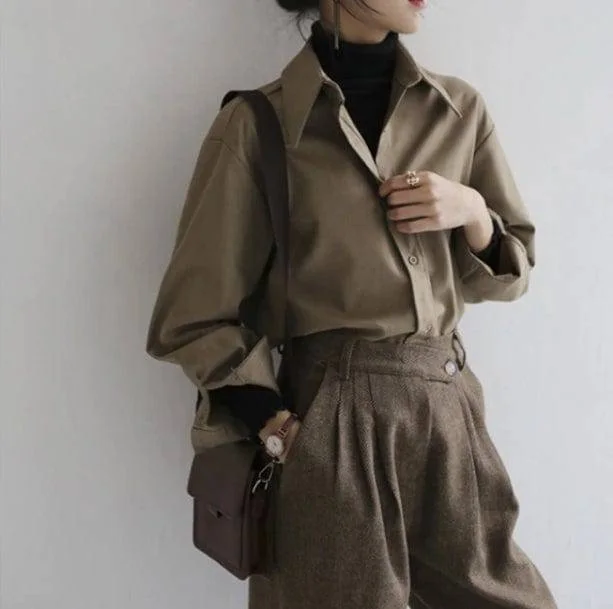
Deciding between a structured sweater and a lightweight long-sleeve t-shirt often comes down to ambient temperature, the amount of layeringWearing pieces over or under one another to add depth, warmth or contrast. you plan to do, and the formality of the setting. While both pieces fit comfortably into everyday academic wardrobes, they interact very differently with your jackets and bottom garments.
Sweaters provide natural texture, physical warmth, and a cozy, traditional library appearance. However, their volume means they generally require roomier outer coats with wide armholes, such as duffle coats or oversized overcoats. A dense knit can feel stifling in heated classrooms or transit systems. You can browse through our dedicated Queer Academia Sweaters collection to find pieces ranging from fine layeringWearing pieces over or under one another to add depth, warmth or contrast. knits to thick outer pullovers.
In contrast, long-sleeve tees and fitted cotton tops offer smooth layeringWearing pieces over or under one another to add depth, warmth or contrast. ease. They slide seamlessly underneath fitted blazers, chore jackets, and dungarees without catching or bunching at the shoulders. They also dry faster and adapt better to unpredictable weather. If you tend to run warm or spend your days moving between cold streets and warm interiors, a breathable long-sleeve base layer paired with a removable button-down or cardigan is often far more practical than a single heavy sweater.
- Choose sweaters for maximum standalone texture, warmth, and classic collegiate volume.
- Opt for long-sleeve tees when wearing structured, narrow-sleeved jackets or blazers.
- Consider indoor heating and layeringWearing pieces over or under one another to add depth, warmth or contrast. practicality before committing to heavy knitwear.
12. Building Cohesive Ensembles Across Aesthetic Parents
When expanding your personal wardrobe, it helps to understand how your specific tops relate to broader stylistic categories. The pieces highlighted here belong to the dedicated Queer Academia Tops catalog, focusing on literary motifs, relaxed silhouetteThe overall shape an outfit creates, from fitted to loose and layered.s, and subtle rainbow accents. However, viewing them alongside broader collegiate fashion gives you a wider range of styling ideas.
In general dark academia, outfits lean heavily into monochrome brown, charcoal, and black palettes, relying on heavy wools, stiff collars, and vintage formalwear. In contrast, the wider Queer Academia Clothes assortment invites playful color pops, relaxed streetwear cuts, and deconstructed casual basics. This makes styling tops far more expressive and comfortable for daily wear, allowing you to combine a tailored trouser with a graphic band tee or a vibrant knit.
To build a balanced outfit that bridges both approaches, use a structured heritage piece as an anchor—like a plaid skirt, wool trench, or pleated slacks—and pair it with a top that features personal, expressive details. This balance ensures your look feels respectful of classic vintage tailoring while distinctly reflecting your own modern identity.
13. Common Proportional Pitfalls and Easy Adjustments
Styling tops and bottoms within this aesthetic comes with a few common stumbling blocks. The most frequent misstep is pairing two oversized, shapeless items together without a visual anchor. While comfortable, wearing an extra-wide sweater over an unbelted, voluminous skirt can eliminate all sense of form, looking untidy rather than thoughtfully academic. An easy fix is simply rolling the sweater sleeves up to show your forearms or adding a structured leather cross-body bag to pull the volume closer to the body.
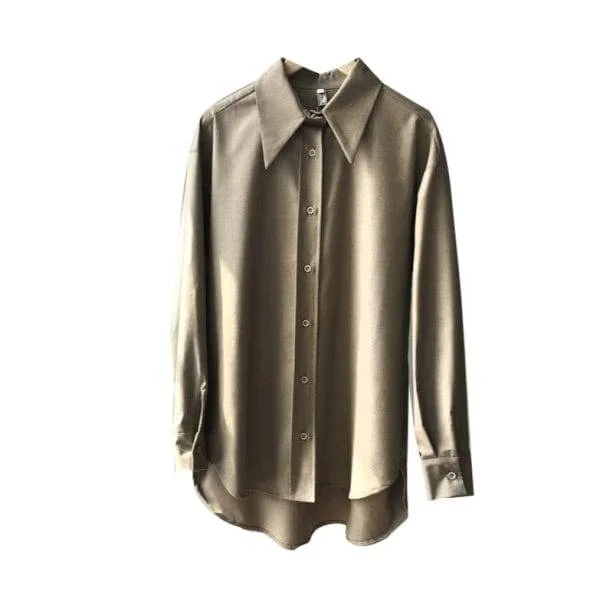
Another common pitfall is collar clash. Wearing a top with a wide, spread collar underneath a jacket that also has wide lapels can crowd your neck and shoulder area, making the outfit look messy. If your jacket has pronounced lapels, opt for a simple crewneck, a clean mock neck, or a sleek, collarless base top. Save your statement collars for collarless cardigans or open, minimalist jackets.
Finally, pay close attention to hemline intersections. Having an untucked t-shirt hem sit just two inches below an open cardigan hem creates a disjointed, messy layered edge. Aim for noticeable differences in length: either tuck the t-shirt completely into your trousers, or choose an outer layer that extends significantly past the top’s hemline, such as a mid-thigh trench or knee-length duster.
- Avoid pairing shapeless tops with shapeless bottoms; use belts, cuffs, or bags for structure.
- Prevent collar crowding by pairing lapel-heavy coats with collarless or mock-neck base tops.
- Ensure layered hems have intentional length differences rather than awkward two-inch overlaps.
14. The Outfit Pairing Checklist
Before stepping out the door, running through a quick mental checklist ensures your top and bottom pairing feels balanced, comfortable, and tailored to your day. This simple diagnostic helps you spot proportion errors, temperature mismatches, or styling conflicts before you leave home.
First, evaluate your neckline and accessories. Is your collar sitting flat, or is it bunching under your jacket? If your neckline is open, have you chosen jewelry or an under-layer that complements the negative spaceAn uncluttered area that gives the rest of a design room to stand out. without crowding it? Second, examine your waistline transition. Does your chosen tuck method flatter the fabric weight of your top? A thin cotton tee should sit smooth inside the waistband, while a heavier knit should drape softly without creating bulk at the front.
Third, review your fabric textures and weather adaptability. Have you balanced smooth surfaces with tactile materials, like pairing corduroy or wool with breathable cotton? Can you comfortably remove an outer layer if an indoor room is overheated without ruining the proportion of your outfit? When all these elements align, your outfit will feel effortless, expressive, and ready for study sessions, gallery walks, or casual days out.
- Neckline check: Ensure collars lie flat and open necklines are intentionally framed.
- Waist check: Verify that your tucking method works cleanly with your top's fabric weight.
- Texture check: Balance smooth jerseys and cottons against heavy corduroy, wool, or denim.
- Mobility check: Confirm you can comfortably raise your arms and adjust layers throughout the day.