Created by the Kawaii Vibe editorial team. Our named style desks are editorial personas. Product details and availability can change.
Stepping out in bright multi-color accents can transform an everyday outfit, but wearing every shade at once often leads to visual overload. When you want to incorporate high-energy tones without looking chaotic, the most reliable formula is selecting one distinct focal point and letting the surrounding pieces serve as calm, intentional support.
Whether your chosen hero piece is a prismatic bag, a pair of multi-tone kicks, or a curated cluster of bright charms, deciding where eyes should land first changes how the rest of your clothes function. Instead of battling contrasting prints, your base garments can frame your accessories and make your personal style look thoughtful.
This guide breaks down exactly how to evaluate your wardrobe, isolate one hero accessory or statement garment, and assemble balanced outfits for various settings without overthinking your morning routine.
The Single Focal Point Principle
The single focal point rule means designating one zone of your outfit to carry the full spectrum of color, while keeping the adjacent zones visually quiet. When you choose a bright multi-colored item, every other piece you wear acts either as a frame or as background noise. If your shoes, bag, hat, and jewelry all compete with separate rainbow patterns simultaneously, the eye cannot rest on any single detail.
To establish a clear visual hierarchy, decide whether your primary accent sits near your face, on your torso, down at your wrists, or at your feet. For example, if you pick an expressive piece from our curated rainbow accessories collection, you can let that specific item claim top billing. Everything else—from your denim wash to your outer layer—should be selected to contrast cleanly with that item rather than fight it for dominance.
Mapping Your Canvas: Picking the Right Base Tone
Before adding bright details, consider the background fabric they will rest against. Pure black offers the sharpest graphic contrast, making neon and saturated rainbow pigments pop aggressively. Crisp white or optic cream creates a fresh, playful streetwear feel that reads light and youthful. Heather grey, washed charcoal, and unbleached ecru provide a softer transition that prevents multi-color accents from feeling overly stark.
Denim is another practical neutral canvas. A light stone wash highlights pastel or clear resin accents, while deep indigo frames solid acrylic beads or saturated primary bands exceptionally well. When selecting a canvas, assess whether you want your accessories to stand out against high contrast, or sit seamlessly within a softer, muted palette.

Neckline Accents and Framing Your Face
When your primary accent lives around your neck, collar placement dictates the entire effect. A bold strand or prismatic pendant looks sharpest against uncluttered necklines such as scoop necks, jewel crewnecks, or modest band collars. High-contrast layeringWearing pieces over or under one another to add depth, warmth or contrast. allows individual beads, links, or charms to remain legible rather than sliding under fabric folds.
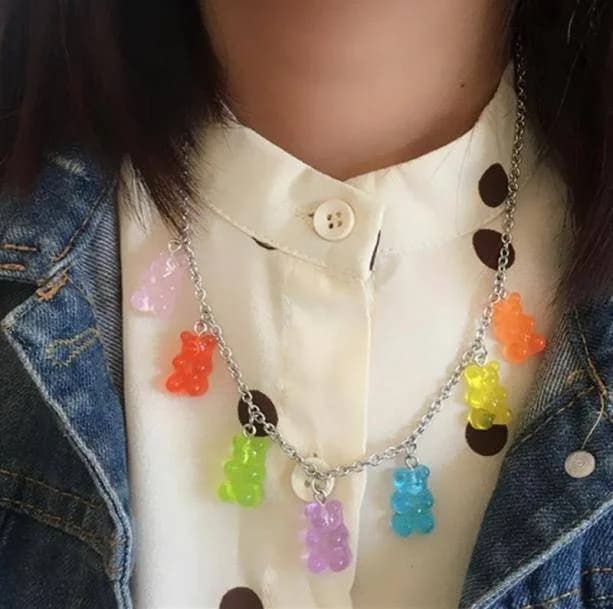
If you want to experiment with multi-hued neckwear, look through our rainbow necklaces to find an anchor length that fits your standard collars. You can wear a multi-colored choker nestled against an open collarbone, or drop a longer pendant over a neutral crew sweater. The key is ensuring your top does not feature conflicting chest graphics or busy collar embroidery right beneath the jewelry.
Wrist Stacking Without Visual Clutter
Wrist stacks let you introduce multi-tone styling in a subtle, kinetic way. Because your hands move throughout the day, wrist accents provide bursts of color without permanently dominating your upper torso. The secret to a tidy stack is varying textures while anchoring the collection around one primary multi-colored strand.
Explore rainbow bracelets to find a central piece, then flank it with one or two solid bands in brushed silver, neutral silicone, or clear beads. Avoid piling five wide spectrum cuffs on the same arm; doing so creates an uneven, heavy block that overpowers simple sleeve cuffs. Keep the opposite wrist bare or styled with a minimalist watch to maintain proportion.
Earrings, Rings, and Micro Spectrum Details
Micro spectrum details are ideal if you prefer low-profile accents that reward close-up observation. Mini spectrum huggies, mismatched spectrum studs, or multi-stone eternity bands add personality without demanding the spotlight from ten feet away. These smaller elements let you play with joyful accents in casual and low-key environments.
You can browse rainbow jewelry to discover petite items that bring small flashes of color. When styling micro pieces, let them stand alone rather than matching every accessory category. Pairing delicate rainbow studs with a monochrome top and simple jeans feels fresh and modern, whereas pairing them with an identical bracelet, ring, and belt can look rigid.
Letting a Statement Top Become Your Anchor
Sometimes the focal point is not a small accessory, but a striking top that carries the entire spectrum across your chest. When your shirt contains the primary color story, your accessories should shift to minimal supporting roles. Solid silver rings, a plain canvas tote, or a matte black cap let the garment speak without distraction.
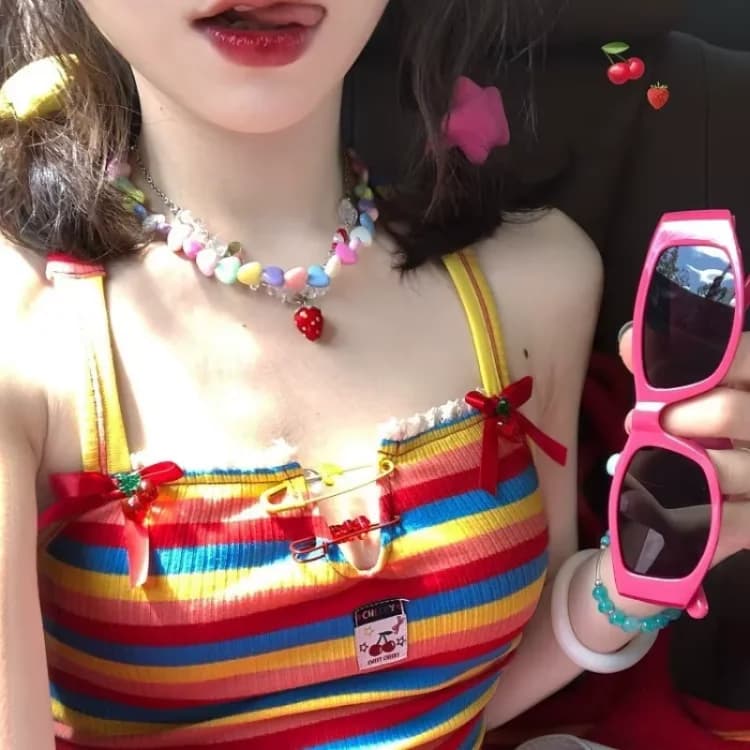
For a lightweight, slim-fit silhouetteThe overall shape an outfit creates, from fitted to loose and layered. with Y2K and streetwear notes, the Rainbow Striped Tank Top made of polyester features a scoop neckline that frames bare skin cleanly. Alternatively, if you want long sleeves, the polyester Rainbow Muse High Neck Top provides solid coverage up to the chin, demanding completely neutral accessories so the print remains the undisputed focal point.

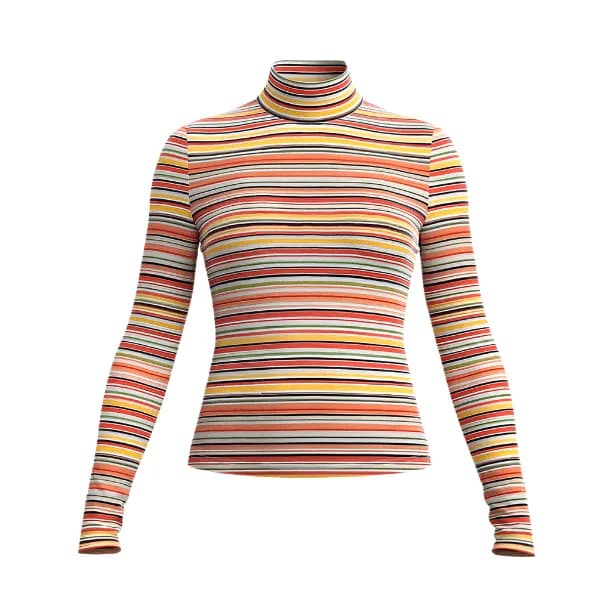
Graphic Prints and Casual Styling
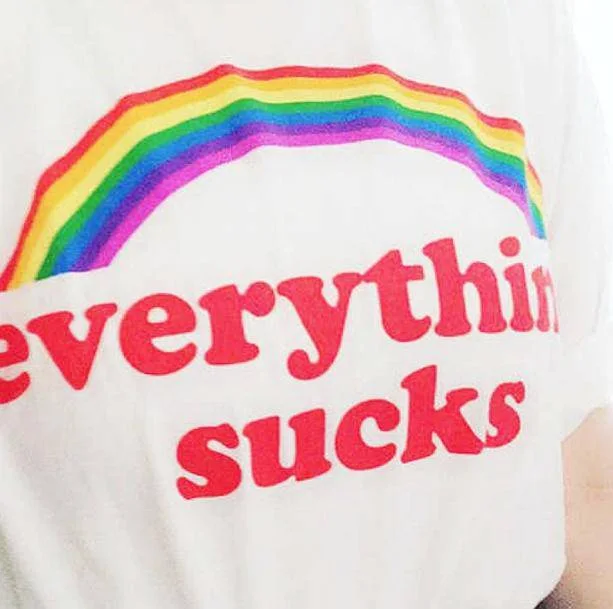
Graphic tees with rainbow motifs offer a relaxed, streetwear-friendly way to display multiple colors. Because graphic shirts combine text and illustration, adding intricate jewelry over the chest often looks messy. Instead, let the graphic carry the front panel, and place any secondary accents on your lower half or headwear.
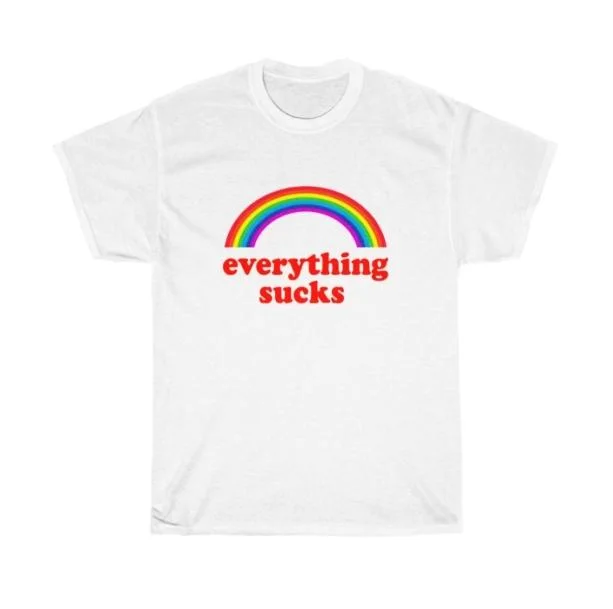
Consider pairing the Everything Sucks Rainbow T-Shirt, cut from a polyester and spandex blend with a regular casual fit, alongside solid cargo pants or black denim shorts. To maintain balance, skip multi-color necklaces entirely and stick to a plain shoulder bag and neutral canvas sneakers.
With a graphic tee, leave the chest artwork clear and add one small accent elsewhere, such as a bright hair clip with plain cargo pants. For a more print-and-accessory-led outfit, Ganguro Clothes offers a distinct styling direction rather than another way to style the tee graphic.
If the shirt graphic is the focal point, keep a second accessory away from the chest and choose just one playful detail. A bright hair clip inspired by oshare-kei clothes adds color near the face without competing with the illustration or adding another necklace. Pair it with solid bottoms, as suggested above, to keep the graphic easy to pick out.
Knitwear Textures Versus Accessory Finishes
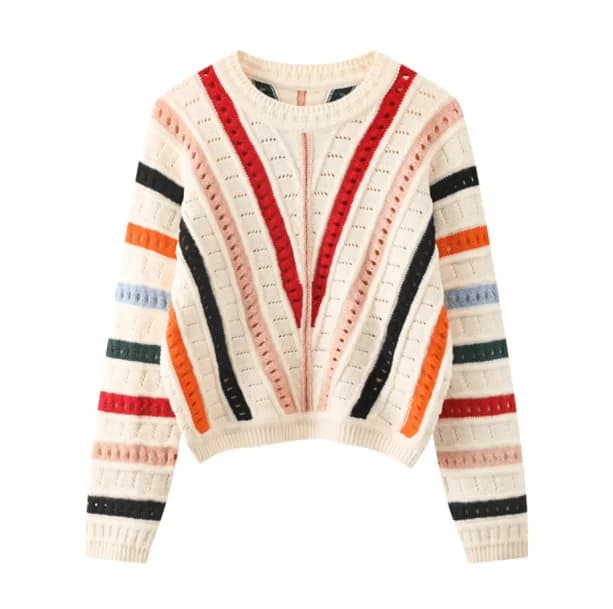
Chunky knitwear changes how accessories reflect light. Matte, fuzzy wool or acrylic yarns absorb light, meaning glossy acrylic beads, enameled charms, or polished metal accessories stand out sharply against them. When your sweater itself carries broad rainbow bands, keep your extra jewelry nearly invisible.
If you opt for a bold layer like the Rainbow Stripes Sweater in cotton, the broad horizontal striping does all the visual work. Adding a patterned scarf or multi-tone beanie will compete with the clean knit bands. Similarly, the Rainbow Bear Sweater, constructed from a blend of polyester, cotton, and acrylic in options A and B, holds significant visual weight on its own, calling for plain bottoms and unadorned wrists.
Swapping the Accent to the Lower Half
Placing your focal point on your lower half is an effective way to break up monochrome outfits. A multi-tone skirt or trousers anchors your silhouetteThe overall shape an outfit creates, from fitted to loose and layered. downward, allowing you to wear quiet black, white, or heather grey tops without feeling washed out. This approach keeps your upper half simple and your neckline completely open.
The Midi Plaid Rainbow Skirt, crafted from polyester, provides a colorful grid pattern across a midi length. Because the plaid contains multiple intersecting shades, style it with a plain fitted black bodysuit or ribbed ecru tank. For foot styling, choose simple monochrome loafers, combat boots, or solid low-top sneakers to avoid clashing with the hemline.
Choosing Between Apparel and Accessory Anchors
Deciding whether to build your outfit around a garment or an accessory comes down to versatility. Rainbow garments make an immediate statement, but they define the entire look and require simple framing. Accessory anchors, on the other hand, can be swapped throughout the week into different neutral bases, giving you more styling flexibility on a budget.
If you prefer clothing as your core statement piece, browse the broader Rainbow Clothes range to find dresses, tops, or bottoms that align with your preferred silhouetteThe overall shape an outfit creates, from fitted to loose and layered.. If you prefer to change up your look quickly, investing in two or three distinct accessories lets you cycle them across your existing denim, leather jackets, and plain tees.
Adapting Across Climates and Seasons
Rainbow accessories adapt easily to fluctuating temperatures if you adjust materials and textures. In warm, sunny weather, clear acrylic charms, lightweight corded strands, and enamel pins resist stickiness and pair naturally with breathable cottons or linen shorts. Light bounces cleanly off glossy surfaces in direct sun.
In cold, overcast conditions, thicker hardware, matte rubberized finishes, or saturated cord lanyards layer comfortably over wool coats, puffer jackets, and heavy knit beanies. When dressing for wet conditions, opt for non-porous resin, stainless steel findings, or treated acrylics over fabric straps that can soak up rain and lose their vibrancy.
Common Styling Pitfalls to Avoid
The most frequent styling misstep is the 'head-to-toe match.' Wearing rainbow earrings, a rainbow choker, a rainbow belt, rainbow socks, and rainbow shoelaces simultaneously removes nuance and dilutes the visual impact of each individual piece. Instead of looking cohesive, each accessory cancels out its neighbor.
Another common pitfall is ignoring the saturation level of your base clothes. If you choose an ultra-bright accessory, pairing it with dusty earth tones like olive drab or rust can look accidental rather than deliberate. Stick to clear neutrals or pick one specific tint from your accessory to echo in a single neutral-toned garment.
Evaluating Options Before You Purchase
When comparing rainbow accessories online, evaluate the underlying finish, scale, and metal color. Check whether the accessory features warm gold, cool silver, or black hardware, as this dictates which existing everyday jewelry you can wear alongside it without friction. Consistent hardware tones make mismatched accessories look curated.
Consider the scale of the item relative to your body frame and typical clothing cuts. A tiny 4mm bead strand will vanish under a bulky oversized hoodie collar, while a massive 3-inch spectrum pendant will dwarf a delicate camisole. Match the visual weight of your accessory to the thickness and drape of the garments you wear most frequently.
Daily Outfit Building Checklist
Before heading out, run through this quick checklist to ensure your rainbow accent looks purposeful and balanced. Taking thirty seconds to audit your outfit prevents you from feeling over-accessorized halfway through the day.
Remember that you can always remove one piece if you feel the look is tipping into chaos. Keeping your styling confident is all about intentional restraint.
- Did you choose exactly one primary focal zone (neck, wrist, ears, shoes, or main garment)?
- Are your base layers solid neutrals (black, white, grey, denim, ecru) that frame the colors?
- Does your metal hardware (gold, silver, bronze) match across your jewelry pieces?
- Is your neckline or wrist area clear of competing prints or heavy graphics?
- Does the accessory material (glossy acrylic, bead, enamel, cord) match the season and fabric weight?
Hardware Tone Matching: Gold vs. Silver Spectrum Findings
One element that frequently undermines a multi-hue styling concept is mismatched metallic backing. Most rainbow pieces feature an underlying metal framework—clasp rings, bezel cups, earring posts, or chain links. Treating these functional findings as neutral is a mistake, because the eye reads metallic contrast immediately alongside vibrant pigments.
Warm yellow gold findings complement spectrum accents that skew toward warm tones like tangerine, cherry, and canary yellow. Gold adds a polished, dressier tone that elevates casual streetwear into semi-tailored territory. In contrast, cool silver or stainless steel findings lend an industrial, Y2K-inspired streetwear energy that pairs naturally with electric blues, violets, and emerald greens.
When assembling your setup from our rainbow jewelry range, audit the hardware against the rest of your daily metals. If your everyday watch, belt buckle, and bag grommets are brushed silver, an acrylic rainbow charm on a yellow-gold bail will disrupt visual continuity. Standardizing your findings across every piece worn—regardless of how colorful the stones or beads are—instantly signals calculated styling rather than random assembly.
The Single-Color Echo: Grounding Multi-Tone Pieces
While anchoring your look against monochrome neutrals (black, white, or grey) is standard practice, an advanced streetwear method involves the 'single-color echo.' Instead of leaving your multi-tone piece totally isolated, you isolate one single shade from the spectrum and repeat it across an everyday utilitarian garment.
For instance, if your chosen accessory features violet, turquoise, yellow, and scarlet, you might pull only the turquoise to dictate your socks, cap, or tote bag, while keeping your shirt and trousers completely neutral. This technique anchors the rainbow detail into the broader outfit architecture, proving that the spectrum piece belongs with the ensemble rather than looking like an afterthought.
However, avoid echoing multiple shades at once. Echoing both the red and the green in separate garments immediately overwhelms the frame and recreates the visual friction you are trying to avoid. Limit yourself strictly to one secondary echo piece, ensuring its tone and saturation closely match the corresponding band in your primary accent.
Worked Example: The Monochrome Uniform to Streetwear Conversion
Start with your base canvas: a heavy-gauge optic white cotton tee tucked into straight-leg washed charcoal denim, finished with a matte black leather belt and crisp white trainers. At this baseline stage, the silhouetteThe overall shape an outfit creates, from fitted to loose and layered. is clean, modern, and entirely neutral.
Now, choose your central anchor. Rather than dispersing small color elements across your hair, shoes, and ears, select one sculptural, high-impact piece from our rainbow necklaces selection. Letting a structured, saturated collar sit directly against the flat crewneck collar instantly creates an intentional focal point framing your jawline.
To finish the outfit without diluting the neckline, your remaining accessories must retreat: wear a plain matte silver signet ring, leave your wrists unadorned or accessorized with a plain black band, and carry an unprinted canvas tote. The focal point remains singular, graphic, and visually grounded.
To see this logic applied in practice, consider transforming a basic daily workwear uniform into an elevated streetwear look using intentional color isolation.
Decision Matrix: Apparel Anchor vs. Accessory Focal Point
Before purchasing, determine whether your lifestyle and routine benefit more from an apparel-based statement or an accessory-based accent. While both celebrate multi-color paletteA small group of colors you repeat to make an outfit feel connected.s, their utility in a minimalist wardrobe differs substantially.
If you thrive on rapid morning routines, investing in items from our rainbow aesthetic clothes catalog often proves more practical. A statement garment acts as a one-and-done foundation; you simply pull on neutral bottoms or an unadorned jacket, eliminating the need to coordinate proportions, stack multiple bracelets, or align necklace drop lengths.
Conversely, if you prefer high outfit rotation without repeating memorable silhouetteThe overall shape an outfit creates, from fitted to loose and layered.s, standalone accents from our rainbow accessories collection provide superior cost-per-wear. A single high-quality spectrum bracelet or sculptural bag charm can revitalize five different neutral weekday outfits without locking you into a static clothing silhouetteThe overall shape an outfit creates, from fitted to loose and layered..
- Select an apparel anchor when you want zero morning guesswork and prefer bold, room-commanding silhouetteThe overall shape an outfit creates, from fitted to loose and layered.s.
- Select an accessory anchor when you work in variable dress-code environments or prefer repeating neutral capsule wardrobes.
- Choose wrist or neck pieces when you want to keep face framing neutral for professional or video-call settings.
- Choose multi-hued bags or footwear when your base style relies heavily on all-black or denim-heavy workwear.