Created by the Kawaii Vibe editorial team. Our named style desks are editorial personas. Product details and availability can change.
A bold crimson, cherry, or scarlet dress immediately pulls focus, which is why styling one often feels like a balancing act. If you pile on heavy pieces, the vibrant tone gets smothered; if you play it too safe, the outfit can feel unfinished. Styling a red dress is fundamentally an exercise in managing contrast, silhouetteThe overall shape an outfit creates, from fitted to loose and layered. volume, and tactile texture. Whether you are working with an airy summer slip, a structured skater cut, or a plush knit mini, the items you wear alongside it dictate whether the look feels casual, edgy, or romantic.
Rather than treating red as a difficult wildcard, look at it as a saturated foundation. Because the eye naturally jumps straight to this shade, your choice of layeringWearing pieces over or under one another to add depth, warmth or contrast. pieces, footwear profiles, and jewelry finishes needs clear intention. The right jacket anchors the color, the right shoes balance the skirt length, and thoughtful accessories ground the overall temperature. Exploring wider curations like Red Aesthetic Clothes gives you a sense of how different silhouetteThe overall shape an outfit creates, from fitted to loose and layered.s carry rich color, helping you figure out which outfit combinations suit your daily wardrobe.
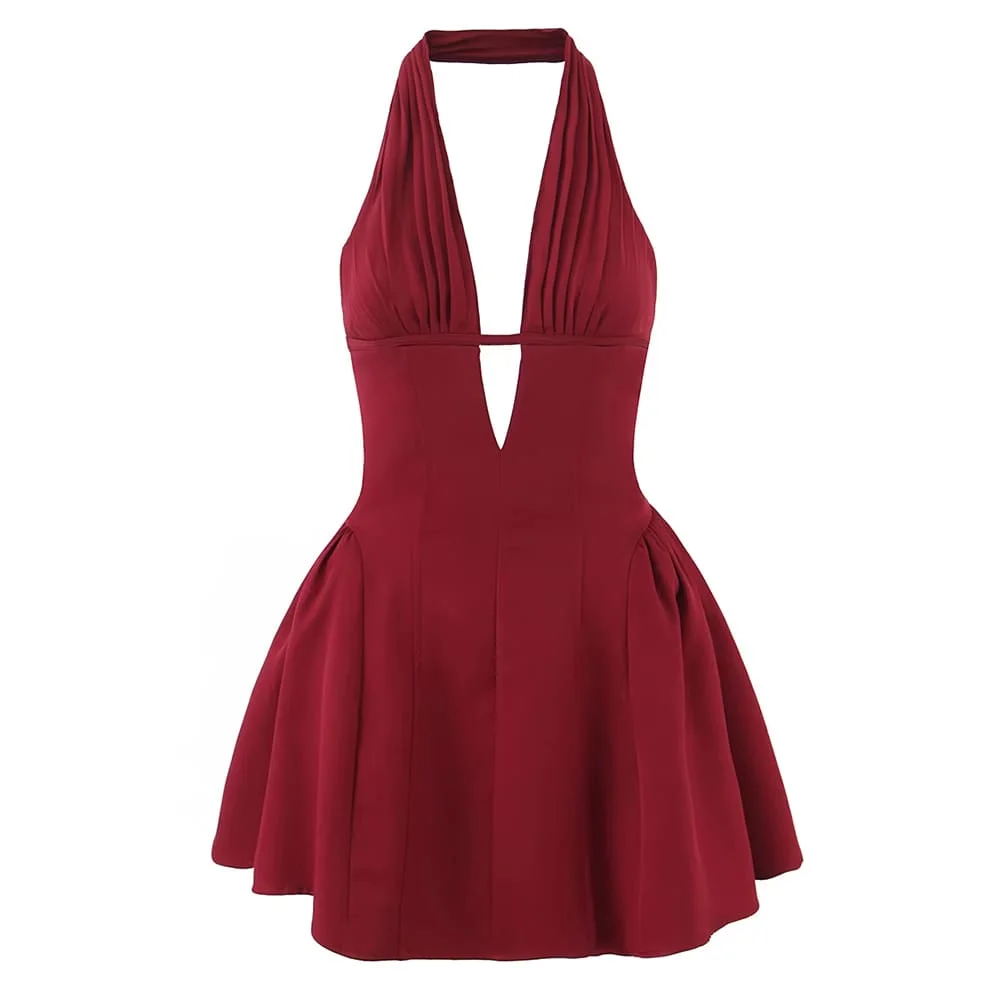
In this guide, we break down concrete formulas to pair with the dedicated Red Aesthetic Dresses line. You will learn how to choose outerwear weights, pick shoe heights that complement hem lengths, work with unexpected under-layers, and steer clear of clashing undertones. Everything is organized around wearable choices so you can assemble an outfit that feels cohesive from morning to night.

Balancing Saturated Hues: Why Outfit Contrast Dictates Your Look
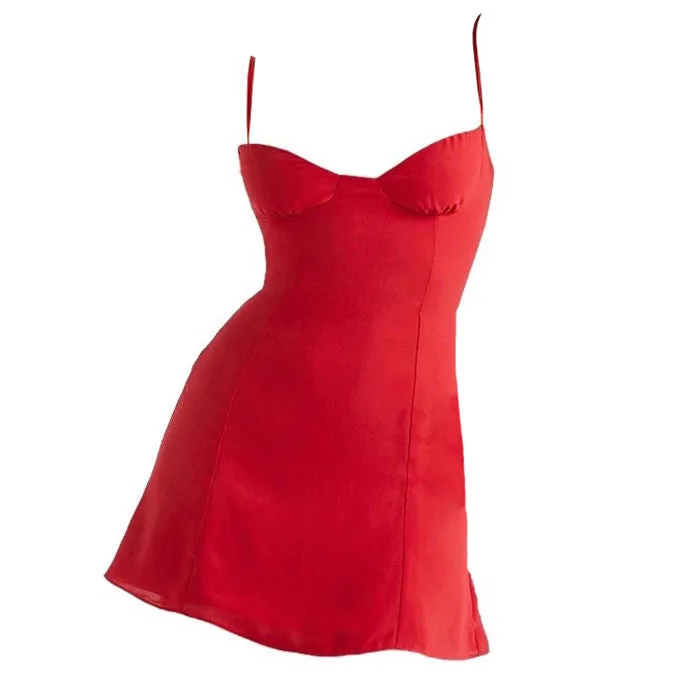
Red carries more visual weight than virtually any other color in your closet. When you put on a crimson slip or a ruby babydoll dress, the eye reads it as a single block of high energy. Creating an outfit around that dress requires deciding how you want to manage that intensity. Low-contrast pairings, like throwing a burgundy coat over an apple-red mini, create a tonal gradient that looks deliberate and editorial. High-contrast pairings, such as layeringWearing pieces over or under one another to add depth, warmth or contrast. crisp chalk-white or deep charcoal over the dress, make the color snap sharply and give the outfit a punchy, graphic read.
The trap many shoppers fall into is treating red as an isolated novelty instead of matching it with their personal color paletteA small group of colors you repeat to make an outfit feel connected.. If your wardrobe revolves around muted earth tones, a stark candy-apple red dress paired with jet-black leather can feel jarring and severe. In that scenario, grounding the dress with cream knits, camel wool, or warm ecru tones softens the edge. Conversely, if your style leans into Y2K or streetwear contrasts, leaning into deep obsidian, polished silver, and sharp lines will make the dress pop without feeling out of place.
Texture plays an equal part in this balance. A flat cotton dress benefits from layers with distinct tactile surfaces, such as brushed knitwear, distressed denim, or glossy outerwear. Breaking up the flat surface of the red fabric prevents the dress from looking one-dimensional. As you browse individual options, consider what outer fabrics you already reach for every week to guarantee your layers will sit comfortably against the specific weight of your dress.
- Low-contrast pairings (burgundy, rust, chocolate) create an earthy, cohesive look.
- High-contrast accents (white, slate, jet black) sharpen edges and feel graphic.
- Tactile textures (fur trims, brushed knits, leather) keep flat cottons and polyesters dynamic.
Outerwear Volume and Hemline Geometry: Finding the Right Jacket Cut
The length and cut of your jacket can completely change the silhouetteThe overall shape an outfit creates, from fitted to loose and layered. of a red dress. When wearing a mini dress, the golden rule of proportions is to match hemlines or stay distinctly cropped. A jacket that ends exactly two inches below your dress hem often looks unintentional, creating an awkward, staggered bottom edge. Instead, opt for an ultra-cropped piece that hits right at your natural waist, or select a longline duster coat that falls cleanly past your dress hem by several inches.
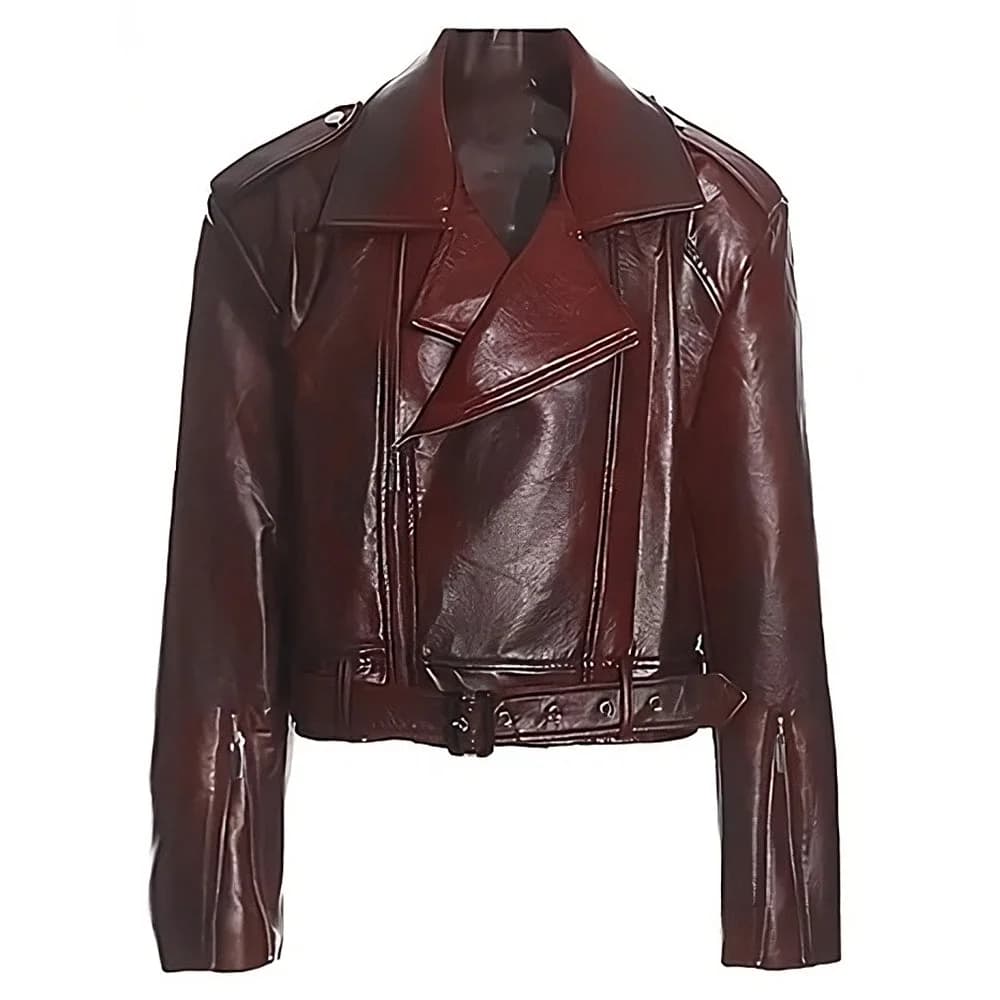
For instance, pairing a fitted crimson dress with a waist-skimming jacket instantly defines your midsection and lengthens the look of your legs. A substantial piece like the Model Behavior 90s Style Moto Jacket, crafted from vegan leather in red, adds an immediate subcultural edge. Because this moto jacket provides structured shoulders and a boxier upper half, it creates visual balance over soft A-line or body-hugging skirts. The glossy finish of the vegan leather also reflects light differently than cotton or rayon, keeping a monochrome red outfit from looking flat.
If your dress is a midi or maxi length, your outer layer needs to support the vertical drape rather than chopping it up. A fitted jacket ending at the waist maintains an hourglass proportion without interfering with the flowing skirt below. Oversized, boxy blazers can also work over long dresses, provided you roll the sleeves or leave the front open so your waistline remains visible as you walk. Taking a moment to test your jacket length against your hem in a mirror prevents bulky, awkward transitions.
- Match hemlines closely or go noticeably cropped to keep minis looking crisp.
- Anchor flowing midi and maxi skirts with waist-length jackets to retain your proportions.
- Use structured shoulders to offset softer, floaty dress fabrics.

Texture Clashing: Layering Cozy Knits and Faux Fur over Sleek Dresses
One of the easiest ways to transition a lightweight red dress between settings is by intentionally clashing textures. A slinky satin slip or a smooth stretch-knit dress can feel dressy on its own, but sliding a thick, plush layer on top brings it firmly into casual, everyday territory. Knits and faux furs absorb light, creating a matte, comforting surface that tames the slick sheen of satin, polyester, or silk blends.
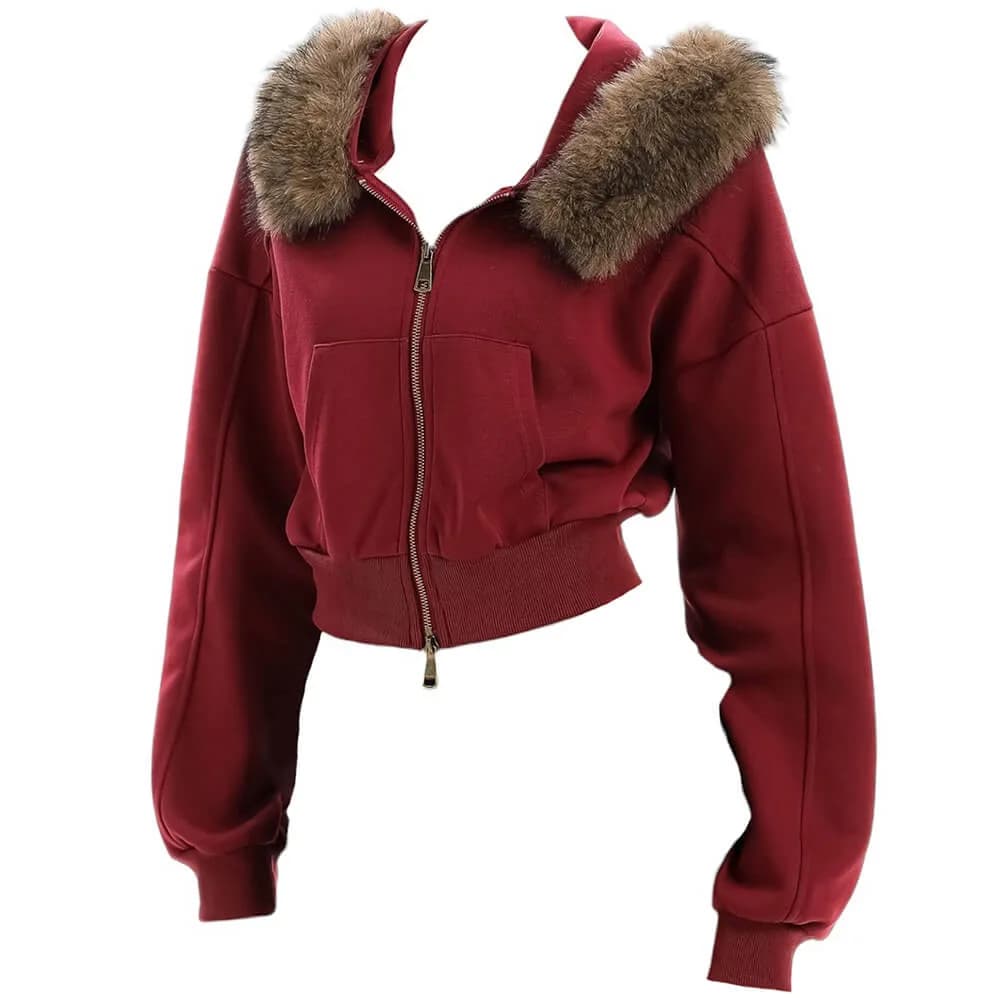
When temperatures drop, pairing a crimson mini with cozy, fuzzy outerwear creates a playful aesthetic. You can layer the Y2K Aesthetic Cropped Fur Hoodie, made with polyester and faux fur and available in red, right over your dress. The cropped waistband keeps the dress flare intact while the plush hood and sleeves build high-volume texture up top. This combination keeps your torso warm while leaning into nostalgic, street-smart styling without hiding the dress entirely.
For a more collegiate or low-key outfit, an open-knit cardigan delivers an easygoing drape. Buttoning the top two buttons of an oversized cardigan and letting the bottom swing open showcases the front panel of your dress while adding relaxed movement. Avoid chunky knits that choke the neckline of dresses with wide collar details; instead, look for V-neck cardigans that trace your dress's natural chest cut without bunching around your collarbones.
- Matte knitwear cuts the intense shine of satin, silk, and polyester slips.
- Cropped faux-fur toppers introduce voluminous Y2K texture without burying the skirt.
- Deep V-neck cuts on cardigans highlight the dress's front bodice and neckline details.
The Under-Layer Strategy: Styling T-Shirts and Long Sleeves Beneath Strappy Cuts
Slip dresses, pinafores, and camisole-cut red dresses do not need to sit directly on bare skin. Under-layeringWearing pieces over or under one another to add depth, warmth or contrast. transforms warm-weather dresses into versatile year-round outfits, giving you extra coverage and creating sharp, youthful contrast. Sliding a simple fitted top under a strappy red dress provides a 90s-inspired foundation that feels effortless for day-to-day wear.
When picking an under-layer, the fabric thickness matters immensely. A thick cotton shirt can cause lumpy seam lines and bunching across your chest and underarms. Instead, look through lightweight Red Aesthetic T-Shirts or fitted baby tees that sit flush against your skin. A close-fitting white baby tee instantly cuts the formal tone of a scarlet slip dress, turning it into a comfortable weekend coffee run outfit. If your dress has a wider square neckline, matching it with a cap sleeve or crewneck balances the exposed collarbone cleanly.
For an edgier or romantic alternative, delicate mesh prints and long-sleeve basics work wonders. LayeringWearing pieces over or under one another to add depth, warmth or contrast. a piece like the Fairycore Aesthetic Butterfly Print Top, made from a lightweight polyester and viscose blend, beneath a sleeveless red skater dress adds whimsical pattern play along your arms while letting the solid crimson dress remain the centerpiece. Keep under-layers thin, breathable, and tight to the body to prevent any friction against the dress lining.
- Choose thin, elastic fabrics to avoid unsightly bunching under the dress bodice.
- Pair basic crewneck baby tees with deep V-neck slips for a clean 90s aesthetic.
- Incorporate sheer mesh or subtle prints under solid dresses for dimension across the sleeves.

Footwear Profiles: From Chunky Platform Boots to Ballet Flats
The shoes you wear establish the mood of your entire outfit, anchoring the high energy of a red dress. Because red pulls visual attention upward and inward, delicate footwear can sometimes make the lower half of your body disappear. Pairing a vibrant red dress with heavy, lug-soled platform boots creates a grounded visual weight, adding a gritty, urban feel that keeps the outfit practical for walking around the city.
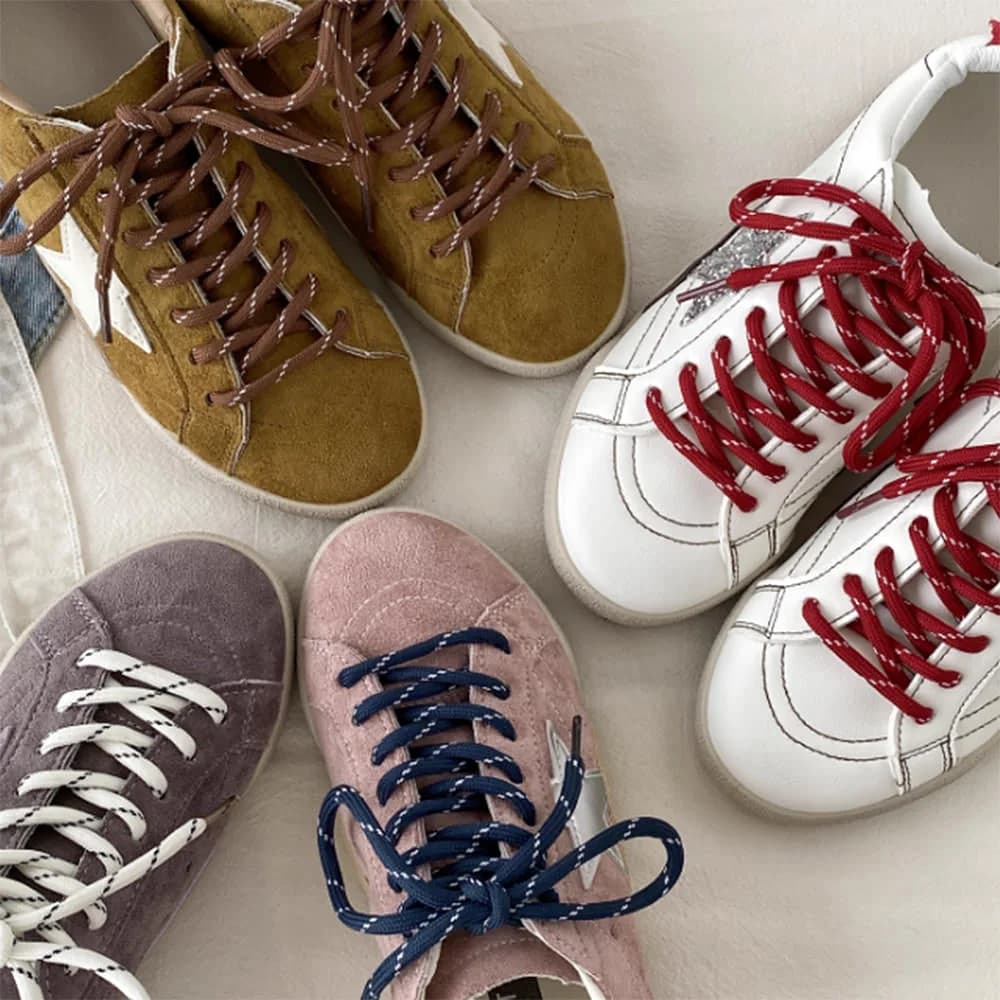
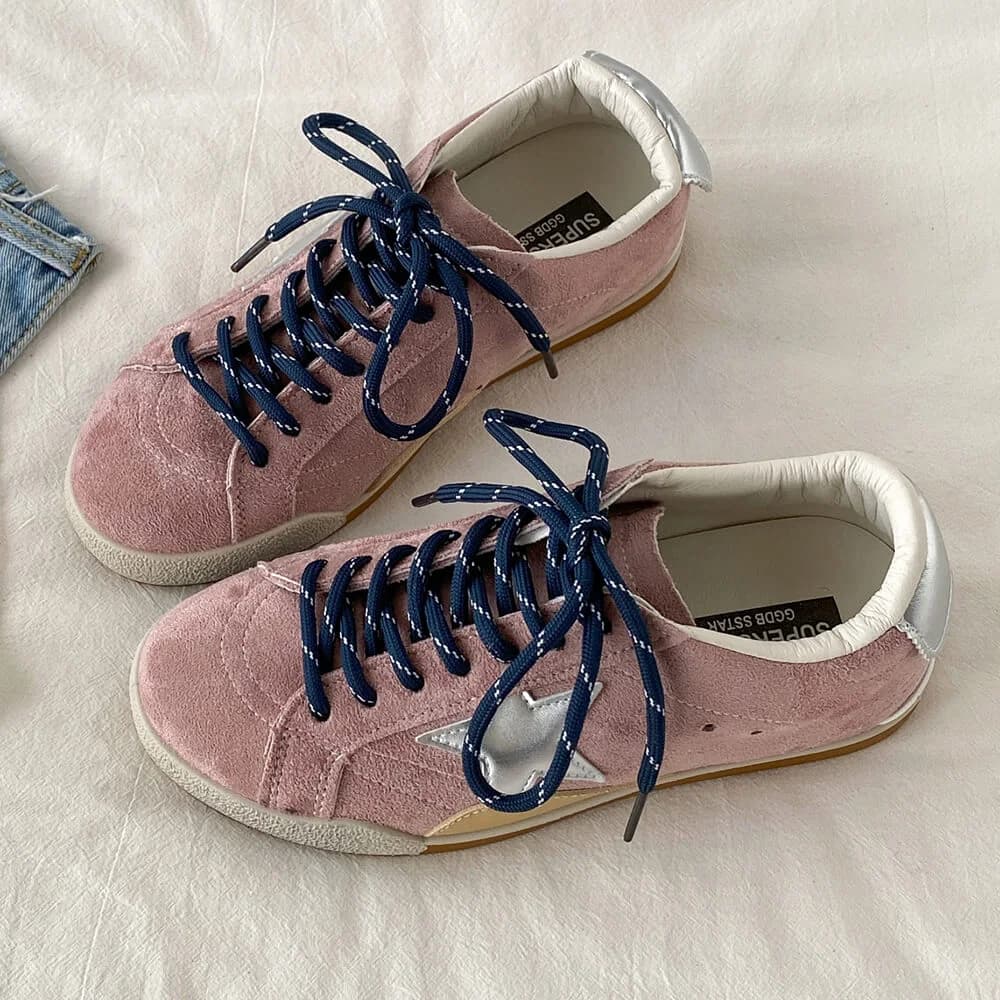
If your aesthetic leans softer or you prefer retro silhouetteThe overall shape an outfit creates, from fitted to loose and layered.s, lightweight flats offer a classic counterbalance. Low-profile mary janes, ballet flats, or minimalist canvas sneakers give the dress a breezy, effortless feel. When styling a red mini dress, a chunky oxford or a platform loafer paired with ankle socks splits the difference: you get the sturdy presence of a boot with the neat polish of a classic shoe. This pairing is especially flattering with fit-and-flare dresses, as the wider shoe base echoes the gentle flare of the hemline.
Knee-high boots introduce another compelling silhouetteThe overall shape an outfit creates, from fitted to loose and layered., especially under midi dresses with side slits. When you move, the red dress shifts to reveal a continuous line of leather or suede, eliminating the awkward gap of exposed leg that can disrupt your vertical lines. For a warm summer look, minimalist strappy sandals in tan, metallic silver, or black allow the dress to be the clear hero without competing for space around your ankles.
- Chunky platform boots ground vibrant red skirts with durable, street-ready weight.
- Lug-sole loafers and oxfords paired with socks create balanced symmetry under flared hems.
- Knee-high boots prevent fragmented leg proportions when paired with slit midi skirts.
Sock, Tight, and Hosiery Pairings: Color Blocking and Sheer Textures
Your choice of legwear can make or break the transition between your red dress and your shoes. When pairing dark footwear with a bright dress, bare legs can sometimes feel like an abrupt blank space in the middle. Introducing socks, tights, or knee-high stockings provides a smooth bridge, pulling together the disparate halves of your outfit.
Sheer black tights ranging between 15 and 30 denier are an absolute staple with red dresses. They allow your natural skin tone to show through, which softens the stark contrast between deep black boots and a red skirt. On the other hand, opaque black tights create a bold, blocky silhouetteThe overall shape an outfit creates, from fitted to loose and layered. that can make short dresses feel dramatic and graphic. If you want a more playful, coquettish vibe, ruffled white ankle socks peeking out of black mary janes draw the eye down and create a cute frame around your ankles.
Patterned hosiery also offers an easy way to customize your look. Polka-dot tights, subtle fishnets, or lace-trimmed knee socks introduce delicate micro-patterns that contrast nicely against a solid red fabric. Just make sure the pattern scale stays small; large, overwhelming prints on your tights will fight the red dress for attention rather than complementing it.
- Sheer 20-denier black tights provide a gentle gradient between boots and crimson fabric.
- Crisp white ankle socks break up heavy footwear and add vintage charm.
- Micro-patterns like tiny dots or fine fishnets add depth without clashing with the dress.
Cardigans and Preppy Layers: Buttoned Down vs. Draped Silhouettes
Cardigans offer exceptional versatility because their buttons allow you to adjust your silhouetteThe overall shape an outfit creates, from fitted to loose and layered. on the fly. When worn over a red dress, a knit cardigan can act as a structured light jacket or a loose, draped accent. A slouchy knit draped back over your shoulders keeps your arms covered against drafts without hiding the bodice of your dress, making it an ideal styling trick for unpredictable weather.
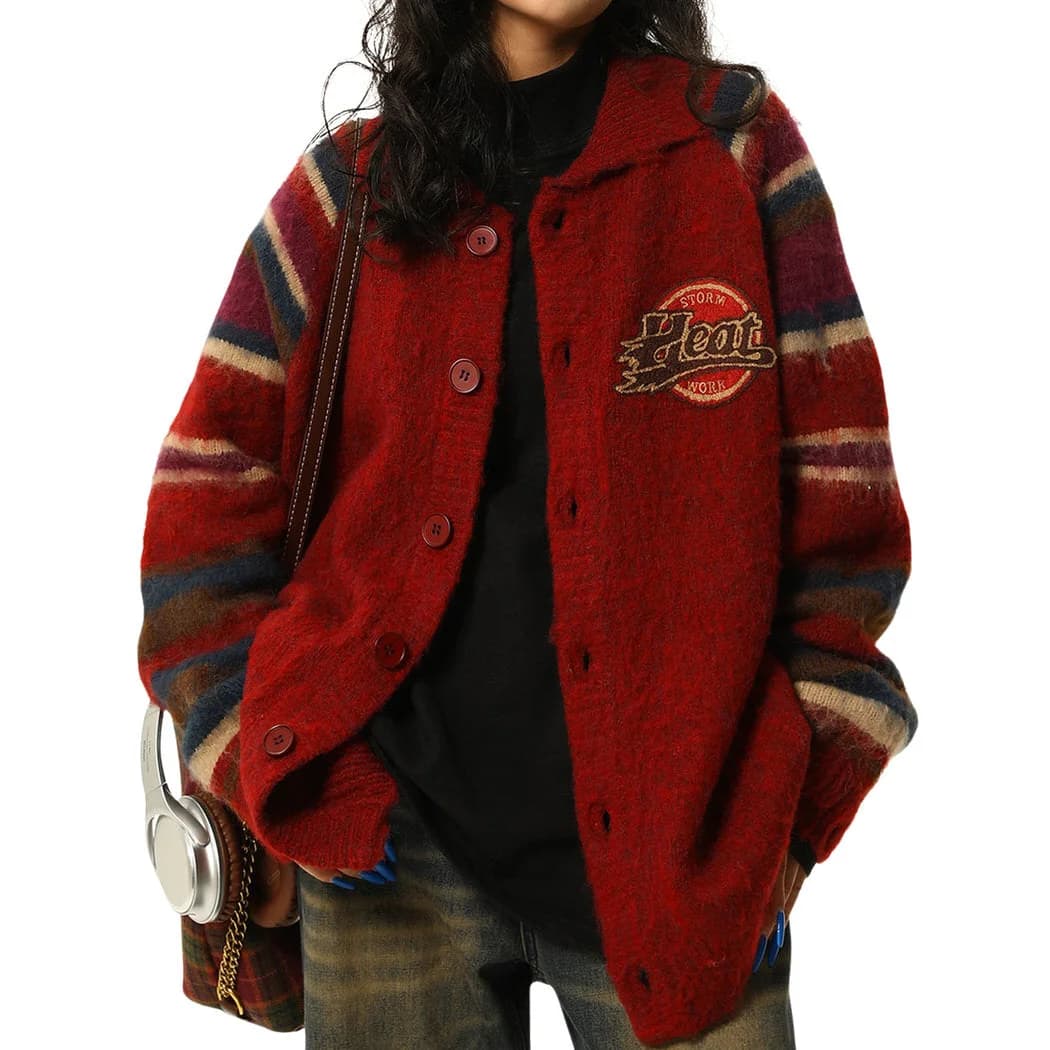
If you enjoy preppy, collegiate aesthetics, selecting a tailored knit creates an instantly put-together look. Adding the Preppy Style College Spirit Cardigan, made from a warm polyester and wool blend in red, establishes a smart, coordinated monochrome base. Leaving the cardigan unbuttoned frames the front cut of your dress, while the wool-blend texture introduces cozy, tactile depth. If your dress features a playful print, a solid collegiate knit balances out the pattern.
To play with waist emphasis, try fastening just the center button of a cropped cardigan. This creates an X-shaped silhouetteThe overall shape an outfit creates, from fitted to loose and layered., drawing inward at your narrowest point and flaring out naturally over the skirt of your dress. Avoid long, shapeless cardigans that cut off right at the widest point of your hips, as they tend to pull the eye downward and flatten the energetic lift that red naturally provides.
- Fasten only the center button of a cropped cardigan to create a flattering waist pull.
- Drape cardigans loosely around shoulders for lightweight, non-restrictive warmth.
- Use structured wool-blend knits to give soft summer dresses a preppy, tailored feel.
Casual Daywear Styling: Pairing Oversized Tops and Graphic Tees Over Dresses
One of the best styling secrets for maximizing your wardrobe is treating your red dress like a skirt. By throwing an oversized tee, a sporty jersey, or a boxy sweater over the top of the dress, you double its usefulness for casual daytime errands. This approach lets you enjoy the cheerful color of the lower skirt while keeping your top half completely relaxed and low-maintenance.
Sporty, athletic tops provide a brilliant modern clash against traditionally feminine red skirts. For example, layeringWearing pieces over or under one another to add depth, warmth or contrast. the Blokette Jersey-Style 89 Rhinestone Top over an A-line red dress creates a fresh street-style blend. The cotton and polyester blend keeps the torso relaxed, while the sporty rhinestone graphics cut the dressiness of the red fabric beneath. Knotting the hem of the top to one side or tucking it into a wide belt cinches your waist so your shape isn't hidden.
You can also explore lightweight options across Red Aesthetic Crop Tops to bypass the need for tucking entirely. A crop top naturally terminates right around your natural waist, sitting cleanly over the dress bodice without creating bulk around your hips. Finish this casual look with broken-in skate shoes or retro trainers, and you have an easy, everyday outfit that feels intentional without looking high-maintenance.
- Transform dresses into casual daytime skirts by throwing loose tees over the bodice.
- Athletic jerseys and rhinestone prints tone down formal reds with sporty energy.
- Crop tops sit right at your waistline, avoiding fabric bunching around your midsection.

Balletcore and Coquette Accents: Bows, Mesh, and Romantic Trims
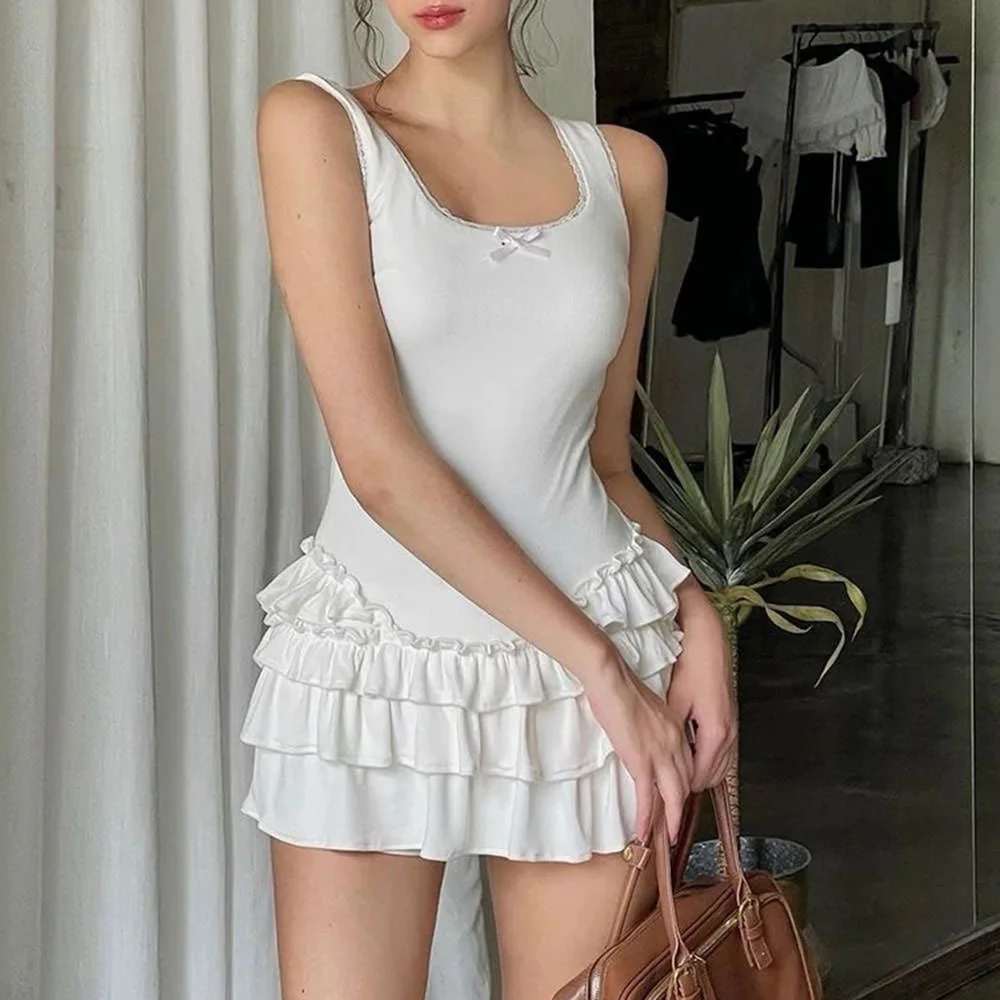
If your style leans heavily into sweet, romantic aesthetics, red can be styled with ribbons, soft draping, and sheer fabrics. While red can sometimes be seen as aggressive or dramatic, pairing it with ballet-inspired design elements softens the tone, turning it into something whimsical and charming. Soft whites, sheer tulles, and satin ribbons soften crimson tones beautifully.
Incorporating delicate tops as either under-layers or overlays instantly redefines the personality of your dress. Styling the Balletcore Aesthetic Bow Mesh Top, crafted from lightweight polyester in a white/red colorway, over a simple red slip dress brings romantic ties, sheer texture, and dainty bow motifs directly into your outfit. The sheer mesh allows the red fabric underneath to show through while framing your shoulders with soft, ballet-inspired charm.
To complete this romantic silhouetteThe overall shape an outfit creates, from fitted to loose and layered., swap heavy boots for delicate flats or mary janes. Adding lace-trimmed socks, ribbon chokers, or dainty hair ribbons reinforces the coquette theme without overwhelming the space. Keep your hardware minimal when taking this route; soft pearls, delicate rose golds, and thin silver chains complement delicate mesh layers far better than heavy industrial metalwork.
- Soft mesh overlays bring romantic transparency to solid-colored dresses.
- Ribbons, bows, and lace trims temper bright reds into sweet, balletcore looks.
- Pair delicate dresses with pearl accents and lightweight mary janes for cohesive softness.
Bags, Belts, and Jewelry: Selecting Hardware and Metal Finishes
Accessories are the finishing touches that pull your red dress into a cohesive look. When it comes to metallic hardware, your jewelry, belt buckles, and bag chains should communicate with one another. High-shine silver gives red a cool, futuristic, early-2000s feel that cuts the warm intensity of the dress. Warm yellow gold leans into classic, rich vintage styling, making scarlet dresses feel warm and traditional.
Belt placement is particularly critical on shift or relaxed smock dresses. Adding a wide belt with bold metal eyelets or a double-buckle accent defines your waist and adds a touch of rebellion. If your aesthetic is sleek and minimal, a thin black leather belt with a clean silver closure prevents the dress from swallowing your frame without drawing focus away from the overall silhouetteThe overall shape an outfit creates, from fitted to loose and layered..
Your handbag choice should complement the scale of your footwear. If you are wearing chunky platform boots, a structured shoulder bag or a mini backpack balances that lower visual weight. If you are wearing delicate flats, a small clutch, ruched shoulder bag, or woven tote prevents your accessories from looking too clunky. Let your bag color match either your shoes or your jacket, anchoring the outfit with two consistent framing tones.
- Silver hardware gives red a cool, edgy contrast, while gold adds warm vintage charm.
- Thin leather belts add subtle waist definition without competing with vibrant colors.
- Match bag proportions to shoe scale: pair chunky boots with structured shoulder bags.
Seasonal Swaps: Adapting Red Dresses from Warm Days to Freezing Temps
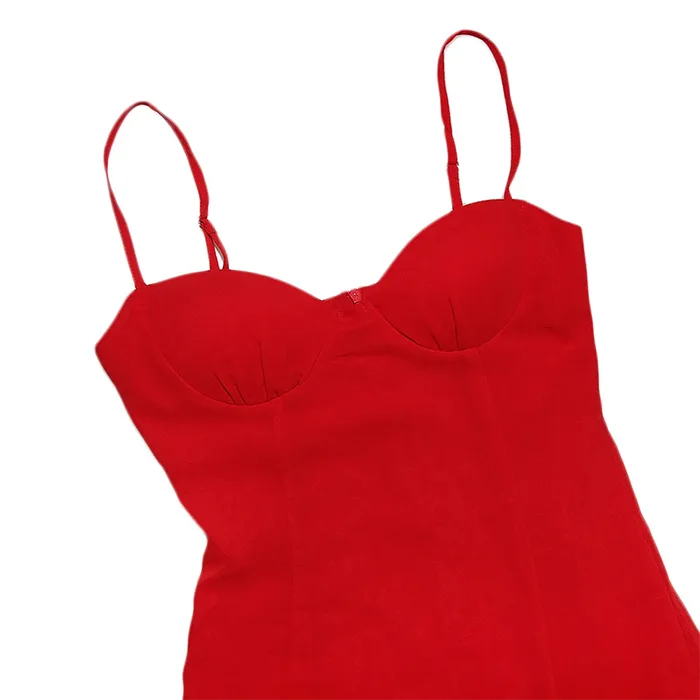
A quality red dress does not need to be retired when the weather changes. The key to year-round wear lies in clever, hidden insulation and thoughtful outer layers. During warm summer months, lightweight cotton or linen-blend red dresses require little more than breathable leather slides, woven straw bags, and minimal gold jewelry. The vibrant red holds up effortlessly in bright, natural sunlight without looking overwhelming.
As autumn arrives, transition the dress by introducing fleece-lined tights, dark ankle boots, and mid-weight jackets. You can seamlessly incorporate pieces from Red Aesthetic Tops underneath, like thin modal turtlenecks or rib-knit long sleeves. LayeringWearing pieces over or under one another to add depth, warmth or contrast. a turtleneck beneath a sleeveless red dress traps body heat right against your skin while framing your face with a crisp, contrasting collar.
When freezing winter temperatures hit, longline wool coats, oversized scarves, and thermal under-layers step in. A maxi-length trench or a tailored camel wool coat provides wind resistance, while the red skirt peeking out from the hemline adds a cheerful splash of color to gray, overcast days. Add tall leather boots to protect your calves from chill, and you have an outfit that balances weather practicalities with bold aesthetic identity.
- Summer: Pair with open-toe slides, natural woven accessories, and minimal jewelry.
- Autumn: Add fleece-lined hosiery, ankle boots, and fitted turtlenecks beneath the dress.
- Winter: Rely on longline wool coats, tall leather boots, and thick scarves to seal in heat.
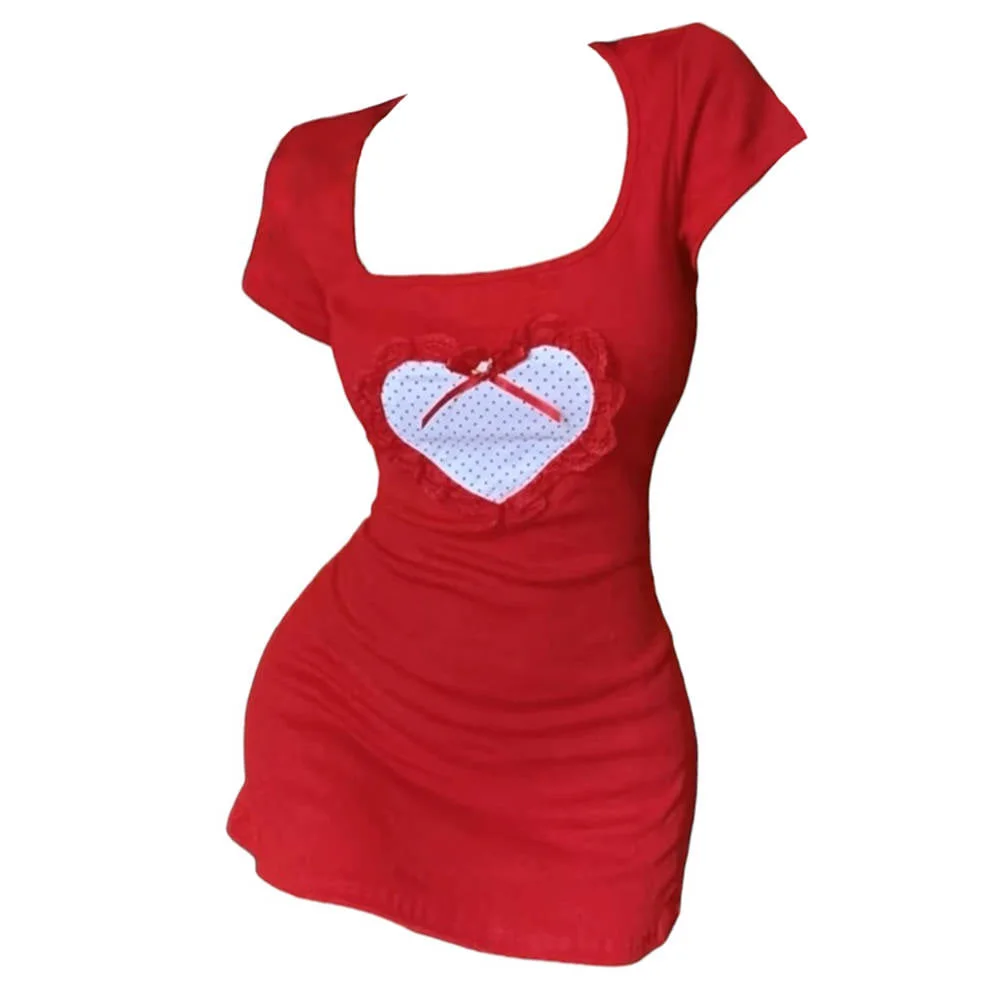
Tonal Red Matching: Avoiding Undertone Clashes Across Separates
Monochrome styling—wearing red from head to toe—is a bold, elevated fashion choice, but it requires a sharp eye for undertones. Red is not just one uniform color; it sits on a broad spectrum ranging from warm, orange-tinted crimsons and corals to cool, blue-based cherries and deep wines. Pairing a cool, blue-red dress with an orange-red cardigan or jacket can look accidental and mismatched in natural daylight.
Before pairing red separates, check them side by side near a window. If your dress leans cool (like a rich ruby or deep cranberry), your layers and accessories should match that cool baseline or pivot to neutral tones like crisp white, silver, or black. If your dress is warm (like brick, rust, or poppy), pair it with warm camel outerwear, cream knits, or gold jewelry. Keeping the undertones aligned ensures that your monochromatic outfit looks intentional and cohesive.
Alternatively, you can skip exact matching altogether and embrace intentional contrast through depth. Pairing a light crimson dress with deep, dark oxblood leather boots and a wine-colored bag works because the value difference is huge. The eye reads the pairing as a deliberate dark-to-light gradient rather than an almost-matching mistake. When in doubt, let one red piece dominate and use different color families to frame it.
- Cool, blue-based reds pair best with crisp whites, silver jewelry, and deep berries.
- Warm, orange-based reds look most harmonious with creams, camel coats, and yellow gold.
- Create deliberate value contrast by pairing bright reds with deep oxblood or wine accents.
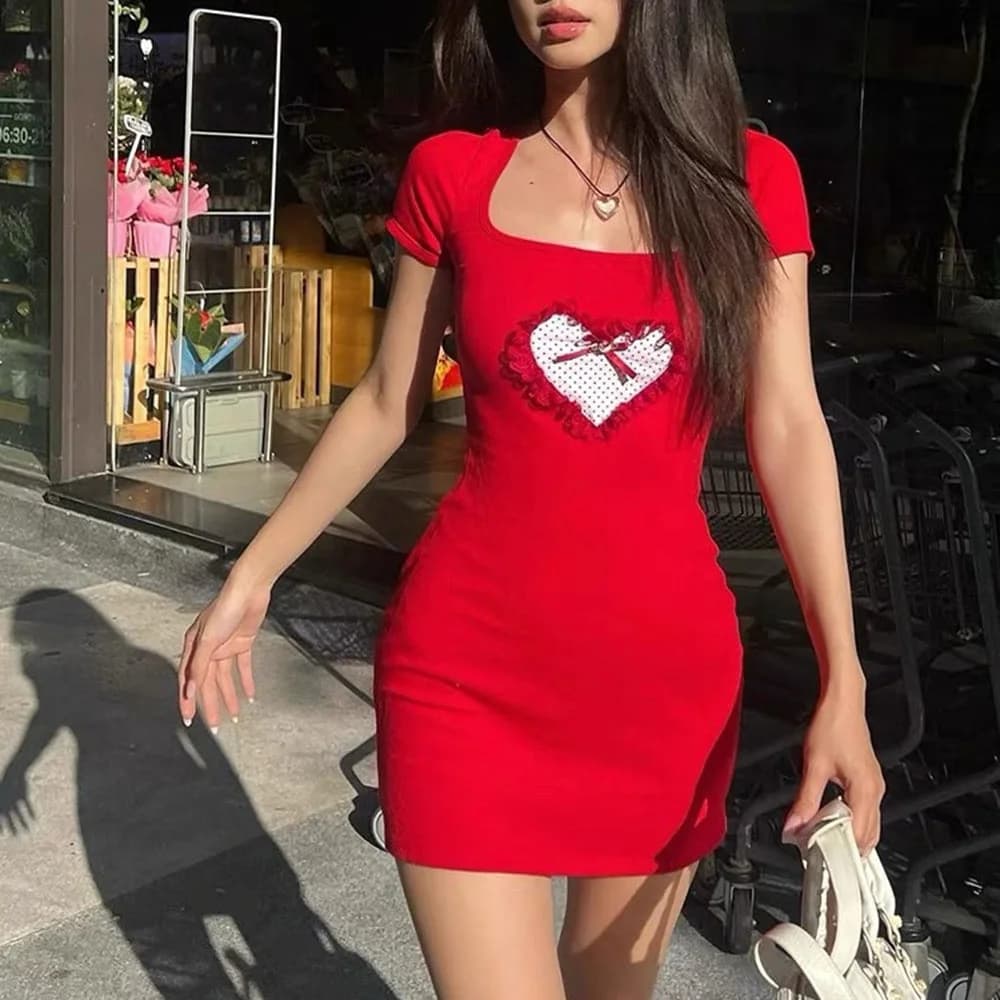
Common Styling Pitfalls: What to Avoid When Wearing Red
Because red is so expressive, styling mistakes tend to stand out quickly. The most common pitfall is over-accessorizing with novelty red items. Wearing a red dress with matching red shoes, a red bag, a red hair ribbon, and red lipstick can quickly look like a costume rather than a carefully considered outfit. Pick one or two red elements to take center stage, and let neutral tones—like black, taupe, off-white, or washed denim—provide restful visual breaks.
Another frequent misstep is ignoring dress fabric opacity and undergarments. Red fabric, particularly in lightweight knits, satins, and stretch polyesters, can catch the light and reveal bra lines or stark undergarment colors underneath. Always opt for seamless, nude-to-you underwear rather than white or black, which will show through in bright sun or under direct flash photography. Smooth foundational layers keep the silhouetteThe overall shape an outfit creates, from fitted to loose and layered. sleek and uninterrupted.
Lastly, watch out for stiff, overly formal color pairings that pull the dress in a retro direction you didn't intend. High-shine patent black pumps paired with a fit-and-flare red dress and pearl necklaces can instantly feel dated. If you want to wear black shoes with a classic red dress, switch out the patent pumps for chunky lug-sole loafers, modern square-toe boots, or minimalist strappy mules to keep the energy fresh and contemporary.
- Avoid matching every accessory in identical red to keep the outfit looking effortless.
- Wear seamless skin-tone undergarments to prevent lines under smooth, clingy fabrics.
- Swap dated patent pumps for modern chunky loafers or square-toe boots.
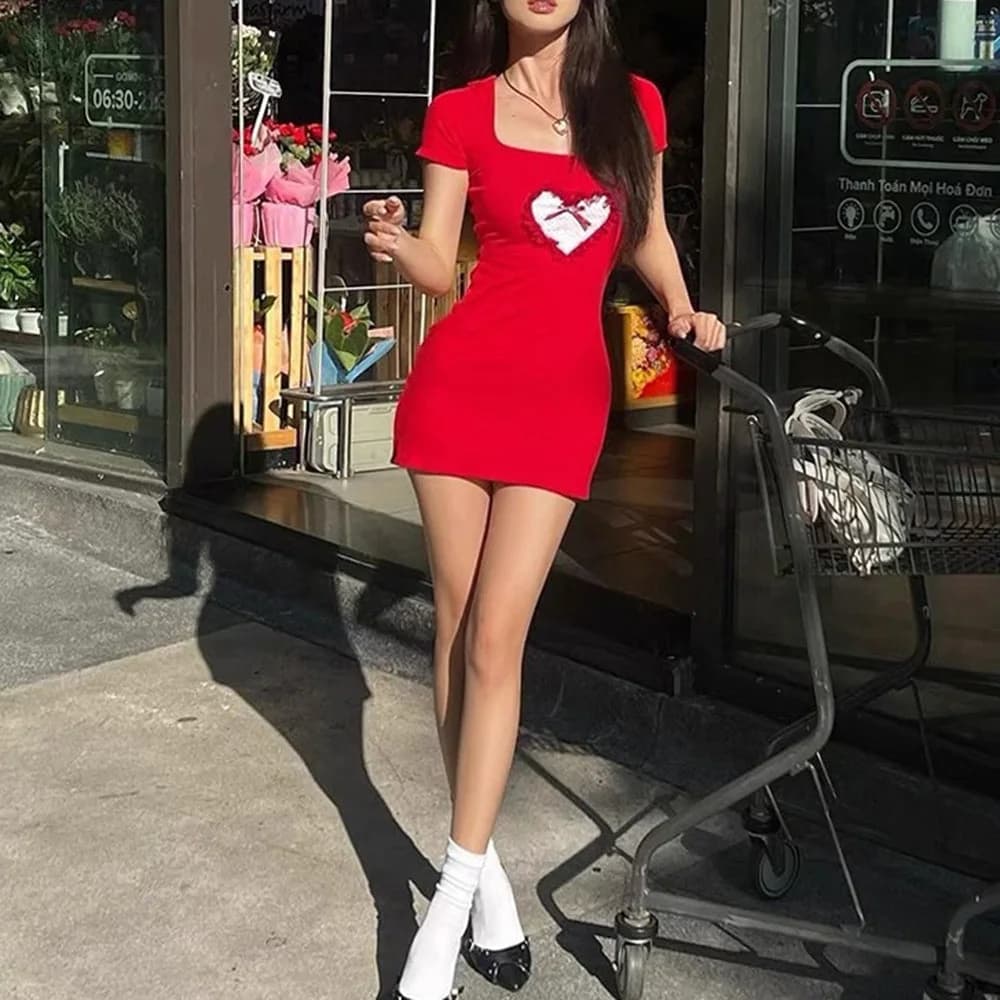
Practical Styling Checklist: Five Steps to Finalize Your Outfit
Before you head out the door, running through a quick mental checklist guarantees your outfit feels balanced, comfortable, and well-proportioned. Styling statement clothing should make you feel confident, not like you are constantly adjusting sliding straps or tugging at bunching layers. Taking thirty seconds to review your outfit from top to bottom ensures every piece works in harmony.
Start with your hemline and footwear check: does the height of your shoes complement the length of your dress, or do your legs feel awkwardly segmented? Next, check your midsection: if you are wearing an outer layer like a cardigan or jacket, does your waistline still have definition, or did the silhouetteThe overall shape an outfit creates, from fitted to loose and layered. turn boxy and overwhelmed? If you feel lost inside the layers, consider leaving your jacket unzipped, cuffing your sleeves, or adding a belt.
Finally, check your hardware and color balance. Make sure your jewelry tone complements your bag hardware, and verify that your layeringWearing pieces over or under one another to add depth, warmth or contrast. undertones don't clash under bright lighting. When everything aligns, your red dress transforms from an intimidating statement into the most versatile, high-energy centerpiece in your rotation.
- Check proportions: Confirm your shoe shaft height flatters your dress hemline cleanly.
- Evaluate shape: Ensure your outerwear doesn't swallow your waistline entirely.
- Unify accents: Align metal hardware across jewelry, belt buckles, and bag straps.