Created by the Kawaii Vibe editorial team. Our named style desks are editorial personas. Product details and availability can change.
The quick answer: pick one loud thing per zone of your body and let everything else support it. Neon top, black bottoms, loads of accessories. Or a tutu and a plain tee. Scene works when the chaos has a plan behind it, and that plan is mostly about where you put the volume.
This guide is for adults who love the look but have to get through a commute, a lecture hall, a shift or a family dinner in it. We will cover building blocks, full outfit formulas, layeringWearing pieces over or under one another to add depth, warmth or contrast., accessory placement, shoes, weather, and the limits you will probably bump into at school or work.
Some pieces from Kawaii Vibe are mentioned as optional ideas along the way. We are a retailer, not a manufacturer, so we stick to the details listed on each product page and nothing beyond that. Use what suits you and skip the rest.
The one-loud-thing rule
Scene looks go wrong in daily life when everything shouts at the same volume. Your eye has nowhere to rest, and the outfit reads as a costume rather than a style. The fix is simple: choose a focal zone and make it the star.
Focal zones are roughly four: head and hair, upper body, waist and legs, and feet. Pick one or two to go big on. The others stay quieter, usually black, white, grey or denim. Neon pink hair clips with a black tee and jeans is a complete scene outfit. So is a tutu with a plain fitted top and simple shoes.
A handy test: squint at yourself in the mirror. If you can still tell where the main colour is, the outfit has a focus. If it blurs into one noisy patch, remove two items.
- Big on top: bright graphic tee, layered sleeves, loud accessories near the face
- Big on the bottom: tutu, plaid, patterned tights, with a calm top
- Big on feet: chunky or platform shoes, bright socks, plain everything else
Build a base palette first
Bright colours look more deliberate when they sit on a stable base. Black is the classic anchor for scene, but dark denim, charcoal and white all work. Think of the base as two or three pieces you could wear on repeat: a pair of black jeans or shorts, a fitted black or white tee, and a simple layer like a hoodie.
Then choose a short list of accent colours. Two or three is plenty, for example hot pink, electric blue and lime. Repeat each one at least twice across the outfit, say in a sock stripe and a hair clip. Repetition is what makes bright colour look intentional rather than random.
If you are unsure which accents suit you, hold the item near your face in daylight. Colours that make your skin look tired work better lower down, in socks or bottoms. Colours you love near your face can go in hair accessories and earrings.
Layered tees without the bulk
LayeringWearing pieces over or under one another to add depth, warmth or contrast. tees is a signature scene move, but three cotton shirts stacked up can feel heavy and look boxy. The trick is contrast in length and fit. Wear a fitted long-sleeve underneath, a slightly shorter graphic tee over it, and optionally a sleeveless or open layer on top.
Let the hem of each layer show by about two to three fingers of difference. Even steps look planned; tiny differences look like a mistake. Keep the thinnest layer closest to your body and the boldest graphic as the outermost visible piece.
The Aesthetic T-Shirts collection is a good place to look for the statement layer. Pick one graphic tee as the star and keep the under-layer a solid colour, so the print gets its own space.
- Under-layer: solid, fitted, long or short sleeve
- Middle layer: your graphic tee, worn a little looser
- Optional top layer: open shirt or sleeveless piece, only if the weather allows
- Tuck the front hem of the middle layer if the stack feels shapeless
Tutus and plaid: the skirt options
A tutu is the quickest way to make a simple outfit read as scene. Because it adds volume, the top half should be slim. A fitted tee, a cropped hoodie or a tucked-in layer all work. Avoid a long baggy shirt, which hides the waist and makes the whole shape square.
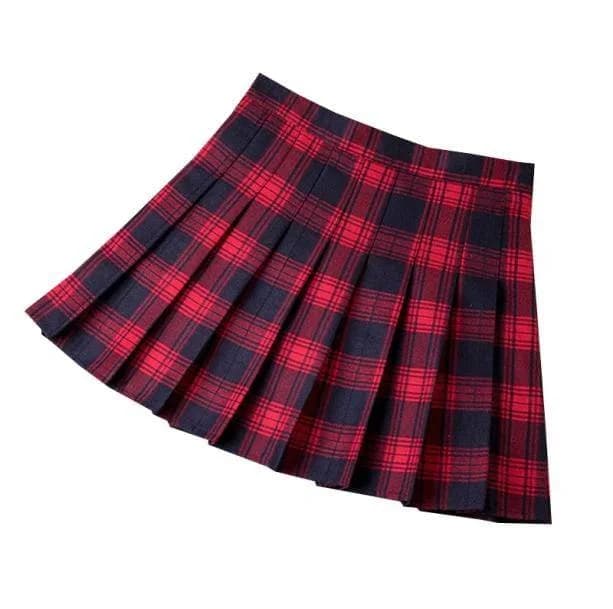
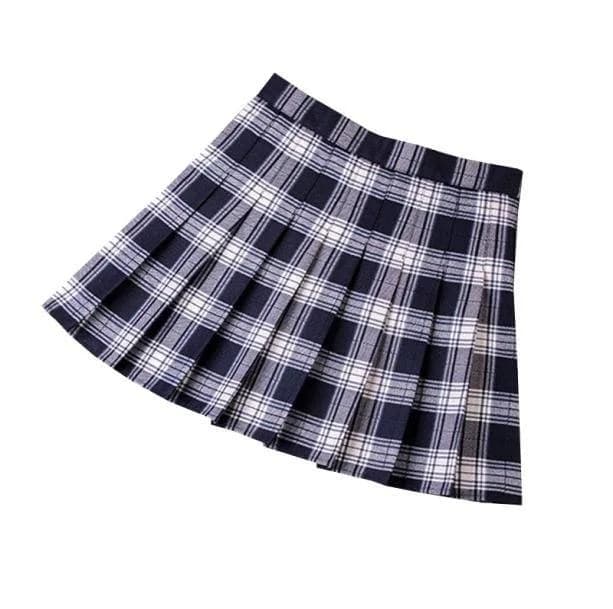
For a less puffy option, plaid is the other classic. The Aesthetic Plaid Skirt is listed in polyester, in options A, B and C and sizes S to 3XL. Pair it with a black graphic tee and bright socks. Check the size options against your usual fit before ordering, since we have not listed measurements beyond the size labels.
Either skirt works with leggings or shorts underneath if you want more coverage. That also helps if you are cycling, climbing stairs a lot or sitting on low seats.

Tights, socks and the leg line
Legs are where scene gets playful without taking over the whole outfit. Stripes, bright knee-highs and mesh can all sit under a skirt or shorts, and each gives a different mood.
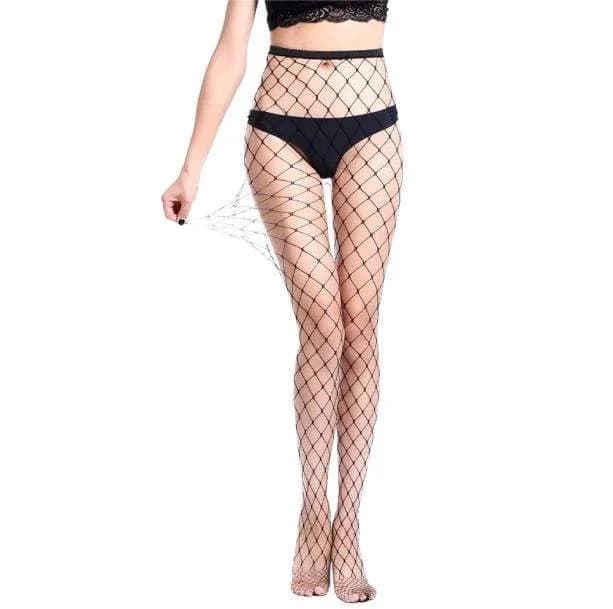
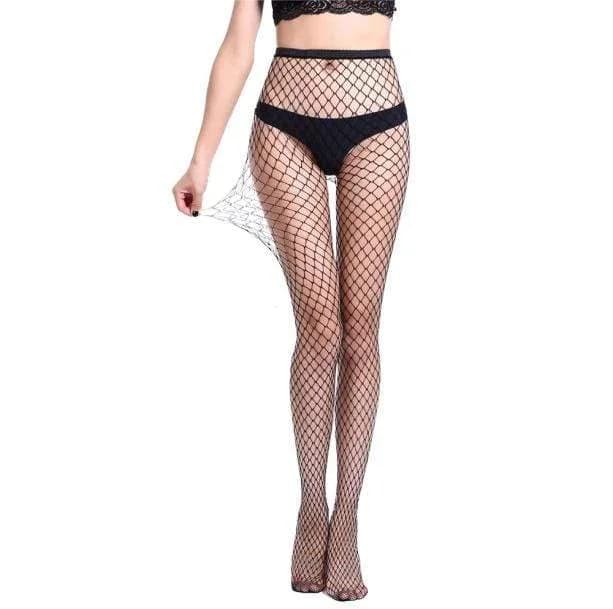
The Aesthetic Fishnet Tights are made of spandex and come in four mesh sizes: Large, Medium, Small and Extra Small. A larger mesh looks bolder and more punk; a smaller one looks softer. They layer well over coloured tights or under ripped denim if you want texture without more colour.
For colour, browse the Socks collection. A bright pair pulled up over black tights, or scrunched above chunky shoes, adds a hit of neon exactly where you want it. Match one sock colour to something in your hair or bracelets and the outfit ties itself together.
- Bold skirt: keep legs plain black or a small mesh
- Plain shorts: go for bright or patterned socks
- Fishnet over coloured tights: keep the rest of the outfit neutral

Accessory overload, with a system
Stacked accessories are the heart of scene, and the easiest part to get right if you work in groups. Hair, wrists, ears and hands are four separate stations. Fill two of them generously and keep the other two light.
For hair, the Aesthetic Hair Accessories collection covers clips and similar pieces. Place them in a cluster rather than spreading evenly. Three clips in a line near one temple looks styled; one clip every inch looks scattered. Repeat a colour from your tee.
For wrists, the Cute Bracelets collection gives you plenty to stack. Wear them on one arm for a full look, then keep the other wrist bare or add a watch. Mix one chunky piece with several thin ones so the stack has a rhythm.
Small details that carry the look
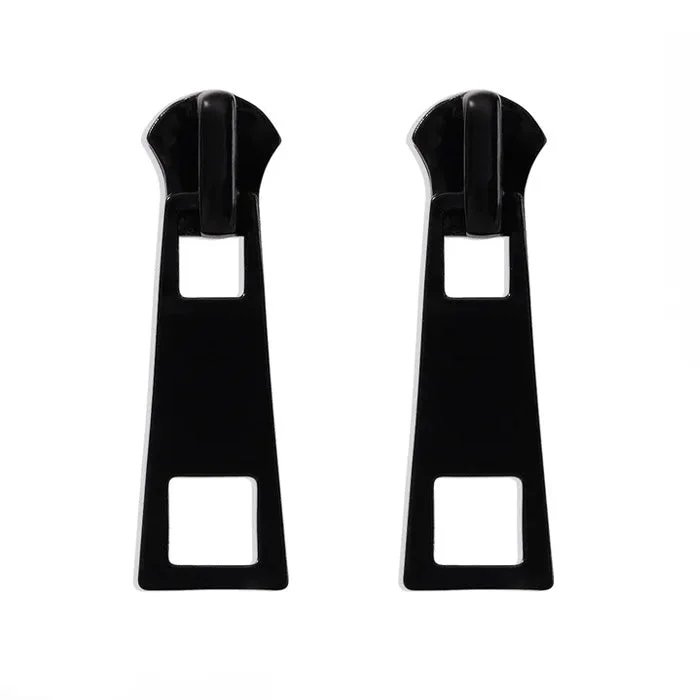
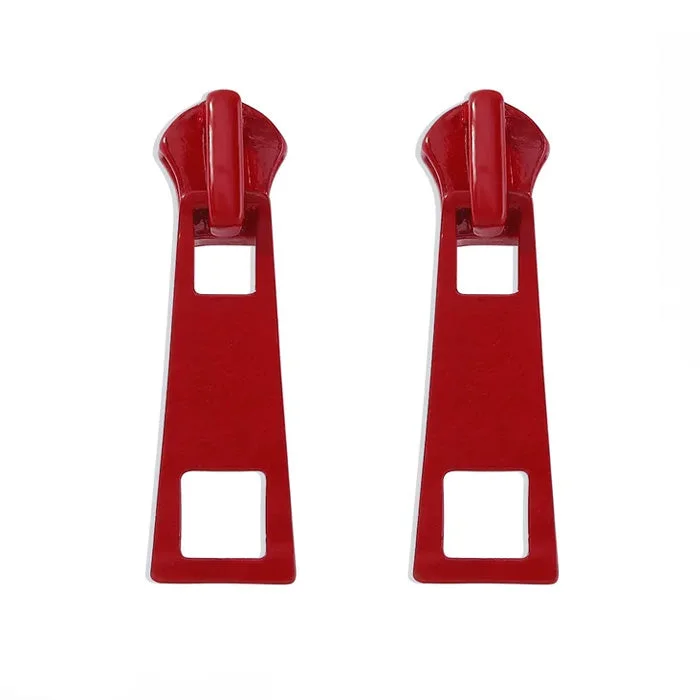
When you need scene to be subtle, tiny pieces do the job. The Aesthetic Zipper Stud Earrings come in red, black, pink, blue, yellow and white, in a standard size. Black is the quiet pick for work; pink or yellow works for weekends. They suit mixing with plain studs if you wear multiple piercings, but we do not list sizing detail, so check the product page photos.
The Aesthetic Fingerless Gloves come in seven colours in one size: black, white, orange, red, brown, pink and blue. They add a layer to the arm and frame your bracelets. Wear them with short sleeves, then stack bracelets over the glove cuff for a layered effect. Pink or blue gloves with a black outfit act as the main colour accent.
Keep one rule: if you add a statement detail on your hands, keep earrings small, and the other way round.

Shoes that hold up the outfit
Scene outfits are visually busy, so shoes need to be sturdy enough to balance them. Chunky or platform shapes add weight at the bottom, which suits bold tops and volume skirts.
The Aesthetic Chunky Boots are listed in white and black, with a PU upper and microfiber insole, in sizes 5 to 14. White boots stand out under a dark outfit; black ones blend in and let socks do the talking. The Aesthetic Platform Sneakers are canvas, in black or white, sizes 5 to 9, and feel more casual for everyday errands. The Aesthetic Pumps Wedge Heels have a PVC insole and come in sizes 5 to 10.5 with a single as-pictured style, and suit nights out rather than a long day on your feet.
Whichever you choose, compare the size lists, since ranges differ between styles. Walk your usual distance in new shoes at home before a long day out.
Three full outfit formulas
Formula one, everyday casual: black jeans, a fitted long-sleeve under a bright graphic tee, platform sneakers, two hair clips and a stack of bracelets on one wrist. Why it works: the loud part is the top and accessories, the bottom half is calm.
Formula two, weekend out: a tutu or plaid skirt, fitted black top, fishnets over black tights, chunky boots and colourful fingerless gloves. Why it works: volume at the waist, texture on the legs, and colour restricted to the hands.
Formula three, cool-weather layers: the Aesthetic Flame Sweater, listed in purple, one size, made of polyester and cotton, over a plain tee with black bottoms and bright socks. Let the sweater be the single loud piece and keep accessories to earrings and a couple of bracelets. If you like darker styling, the Emo Aesthetic collection has pieces that blend well with this one.
Weather and comfort
Layers and accessories can get uncomfortable fast when the weather changes. In heat, swap the stack of tees for one tee plus a light open layer you can remove, and keep your accessories on the lighter side since metal and plastic can feel sticky. Bracelets can sit on one wrist only.
In cold or wet weather, lean on knitwear, tights and boots. Tights under skirts, a sweater over a tee, and socks pulled high keep the look intact. A tutu is not warm, so pair it with leggings and a thick top.
Plan for moving between indoors and outdoors. Wear layers you can take off without ruining the outfit, which means the under-layer should look good on its own.
School and work limits
Rules differ, so check the actual dress code before you commit. Many schools and workplaces have guidelines on skirt length, footwear, jewellery, hair accessories or graphics on clothing. If it is unclear, ask or look at what colleagues wear.
A flexible approach is to keep the base conservative and let the scene come through in small things. Use a neat plain top, then add colourful socks, a hair clip, small zipper earrings or a couple of bracelets. Save the neon, tutu and heavy stacking for after hours, and carry a bag with accessories to add on the way out.
Safety matters too. Long stacks of bracelets and gloves can snag on machinery or interfere with food prep, lab work or similar tasks. If your role involves any of those, take them off while working.
Quick checklist before you leave the house
Run through this list at the mirror. It takes under a minute and catches most of the common mistakes.
If something fails the check, remove one item rather than adding another. Scene should feel playful and confident, not like you are fighting your clothes all day.
- Is there one clear focal zone?
- Do at least two colours repeat across the outfit?
- Does the volume (tutu, layers) have a slim counterpart?
- Are accessories grouped in two stations, not all four?
- Can you walk, sit and carry your bag comfortably?
- Does it fit today's dress code or the day's plans?
- Have you checked size ranges on any new shoes or clothing before wearing them out?
- Can you remove a layer if the temperature changes?
A worked example: building one outfit from a single piece
Most people start with a piece they love and then panic about what goes around it. Here is a worked example using a bright graphic tee as the starting point, which is the easiest way to avoid buying things that never get worn.
Say you pick a hot pink graphic tee from the Aesthetic T-Shirts collection. Step one: decide that the top is your focal zone, so everything below it goes quiet. Black jeans or black shorts, and plain black or white shoes. Step two: pull one accent colour from the tee's print. If the graphic has a bit of blue or yellow, that becomes your second colour. Step three: repeat pink once more, away from the top, such as a hair clip from the Aesthetic Hair Accessories collection or a pair of socks.
Step four: repeat the second colour once, perhaps in a bracelet.
That gives you a finished outfit with only two accent colours, each appearing twice, and a calm bottom half. If it still feels like too much, take away the bracelet first, then the clip. Accessories are the easiest layer to subtract because they do not change the shape of the outfit.
Mixing scene with other styles you already own
You do not need a new wardrobe. Scene mixes well with ordinary pieces if you treat them as the quiet half of the outfit. A plain grey hoodie, a denim jacket or a black cardigan can all sit over a loud tee and tone it down for a day when you want the look at half volume.
The reverse also works. If most of your wardrobe is neutral, put one scene item on top of it: a stripy pair of socks with straight jeans, or a cluster of clips with a white tee. This is a good way to test whether you like a particular colour before building a whole look around it.
If you lean darker, the Emo Aesthetic collection overlaps with scene in black, band-style graphics and layered pieces. A useful split: take the dark, structured items from there as your base, then bring in neon only through small things. That gives you a hybrid that feels less costume-like and more like your own style.
- Neutral wardrobe: add one scene item per outfit, either socks or hair pieces
- Darker wardrobe: keep black as the base and add a single neon accent
- Colourful wardrobe: swap one bright item for black to give the rest room
Three-minute swaps for changing venues
Many days involve more than one setting, such as a morning class and an evening gig, or an office day followed by drinks. Instead of packing a second outfit, plan the outfit in two stages: a daytime version and an add-on version.
Start the day with the base: plain top, dark bottoms, comfortable shoes. Keep a small pouch in your bag with the add-ons. Good candidates are hair clips, a handful of bracelets and a pair of bright socks if your shoes allow a quick change. Bracelets from the Cute Bracelets collection take seconds to slide on, and clips take even less. Check the product page for what is included in each listing before you count on a particular set.
For the swap itself, do it in this order: hair first, since you can see it in a phone camera, then wrists, then socks. Stop when it looks right, not when the pouch is empty. The pouch is a menu, not a requirement.
- Day base: plain top, dark bottoms, neutral shoes
- Pouch contents: two or three clips, a bracelet stack, one pair of bright socks
- Swap order: hair, wrists, socks, then stop
Decision checklist for buying a new scene piece
Scene items are tempting because they are fun and cheap to imagine in an outfit. Before adding something to your basket, run it through a few practical questions. The aim is to avoid ending up with ten loud pieces that all compete.
First, count how many outfits you can build with it using only things you already own. If the answer is fewer than three, it is probably a one-off. Second, check whether it fills a gap: if you already have four graphic tees, another is less useful than a pair of Socks in a colour you keep repeating. Third, ask which focal zone it belongs to, and whether that zone is already taken in your usual outfits.
Finally, read the product page details, such as colours, sizes and listed materials, and compare them to your own needs rather than assuming. If a detail is not listed, do not guess; choose something else or contact the shop before ordering.
- Can I make three outfits with it from my current wardrobe?
- Does it fill a gap rather than repeat what I have?
- Which focal zone does it belong to?
- Does the colour repeat something I already wear?
- Are the size and colour details on the product page clear enough to decide?