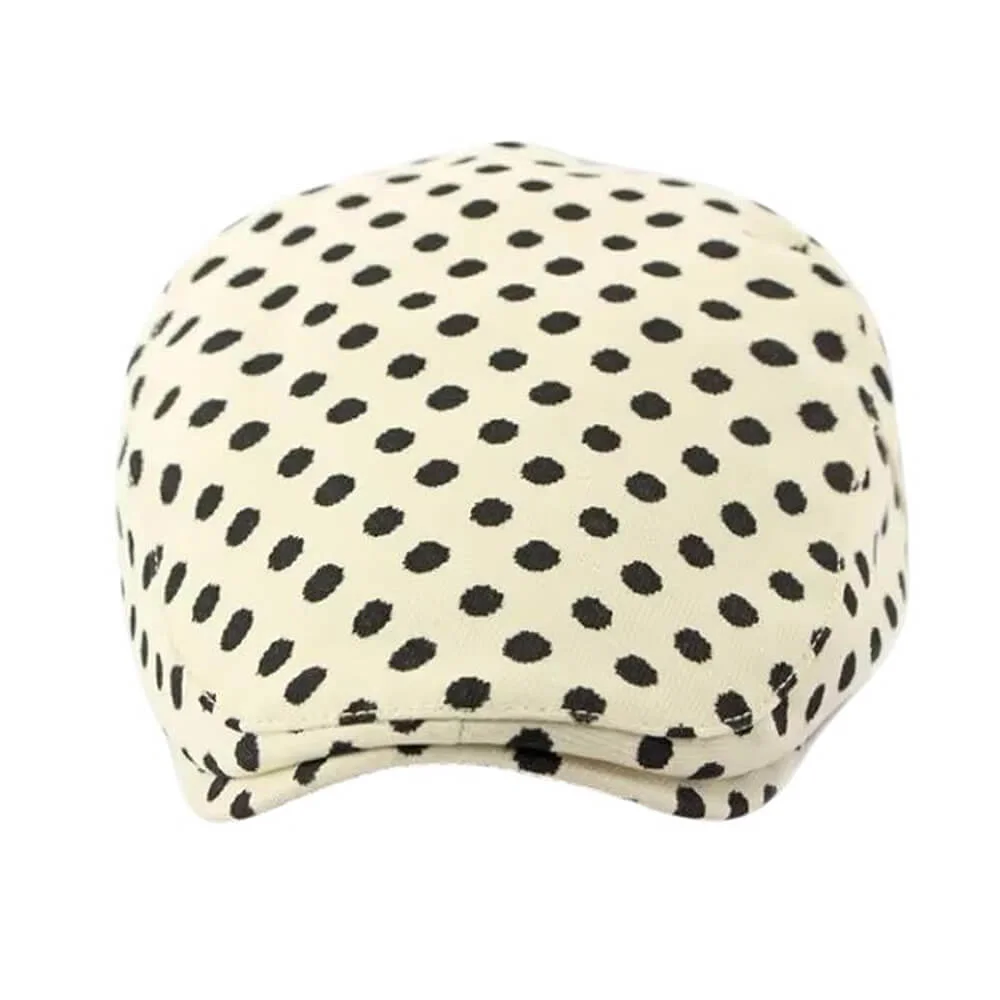
Created by the Kawaii Vibe editorial team. Our named style desks are editorial personas. Product details and availability can change.
The quick answer: pick the hat that does the opposite of your face's strongest lines, and size it to your outfit's volume. Rounder face, go for a structured crown and a slightly curved brim. Longer or narrower face, a slouchier crown or a fold-over beanie that sits lower. Baggy outfit, a bigger, relaxed hat. Fitted outfit, a neater one.
Face shape is a starting point, not a rulebook. Hair, glasses, how you part your fringe and what you wear all change the result. So this guide covers the parts you can actually adjust: brim, crown, fit, hairstyle and outfit proportions.
If you want to browse while you read, the Hats collection is the broad starting point, and the Skater Girl collection shows the clothes these hats are meant to sit alongside. I will only mention product facts that are listed on the site, so check each page for details.
Start With Three Questions, Not a Face Shape Chart
Face shape charts tend to make people feel boxed in. A faster method is three questions you can answer in a mirror with any hat on.
First, where does the hat cut across your face? A brim or beanie edge creates a horizontal line. If that line lands right across the widest part of your face, it can emphasise width. Move it up or down a little and the whole look changes.
Second, how much height does the crown add? Tall crowns lengthen. Flat or slouchy crowns widen the top. Third, what is the hat doing next to your outfit? A tiny cap on a huge hoodie can look lost, and a giant slouchy beanie on a cropped fitted top can feel top heavy.
- Line: where does the edge sit on your forehead and ears?
- Height: does the crown make you look longer or wider on top?
- Balance: does the hat match the volume of your clothes?
Brim Basics for Caps
The brim is the biggest decision with a cap. A flatter, wider brim adds a strong shadow and a sharper, more angular look, which can balance softer, rounder features. A curved brim wraps the face and softens things, which tends to suit angular jaws and strong cheekbones.
Brim length matters too. A short brim keeps the look open and sweet, so your eyes and brows stay visible. A long brim feels more street and a bit more hidden. If you wear glasses, a shorter or moderately curved brim usually avoids the awkward moment where frames and brim crowd each other.
You can pre-bend a curved brim gently in your hands if it feels too flat, but go slowly. Forcing a stiff brim can crease it. Browse the Cute Baseball Caps collection and compare how the brims look in the photos before choosing.
Crown Height and Structure
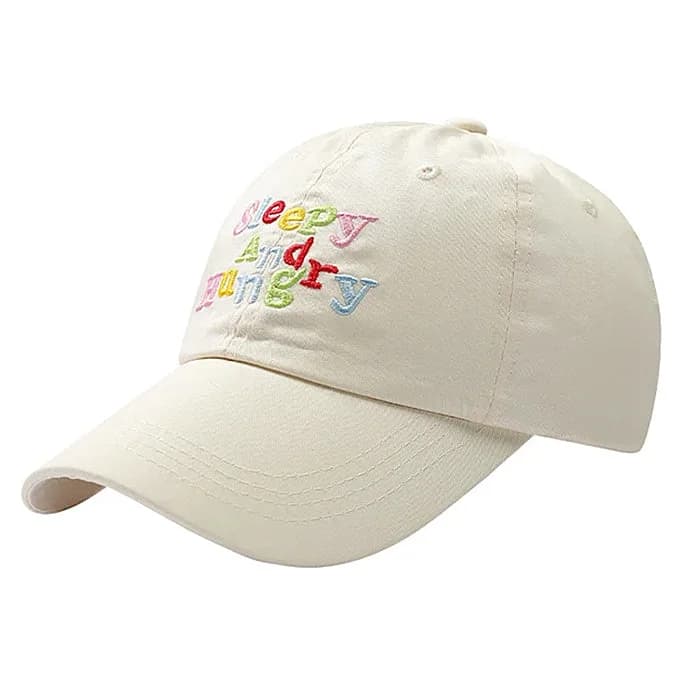
The crown is the part that covers your head. A structured, higher crown holds its shape and adds height, which flatters rounder or shorter faces and gives a neat, put-together shape. An unstructured, lower crown sits softer and closer to the head, a more relaxed, lived-in feel that suits longer faces since it does not add extra height.
One practical point: a high crown plus a long ponytail through the back opening can look balanced, while a low crown with a high bun can look cramped. Think about the whole silhouetteThe overall shape an outfit creates, from fitted to loose and layered. from the side, not just the front.
Check the product photos for how the front panel stands. If it stays upright, it is structured. If it folds slightly, it is softer. Do not guess from the name alone.
Beanie Fit: Fold, Slouch or Snug
Beanies change dramatically depending on how you wear them. Pulled down over the ears with a fold is the classic snug look. It frames the face tightly, so it works nicely with longer hair out and a bit of fringe showing. Pushed back on the head with the hairline visible, it feels looser and more casual.
Slouchy wear, where the crown hangs behind your head, adds length at the back and balances a rounder face by pulling the eye backwards. A snug fit sitting high on the forehead suits people who want a cropped, sharper look.
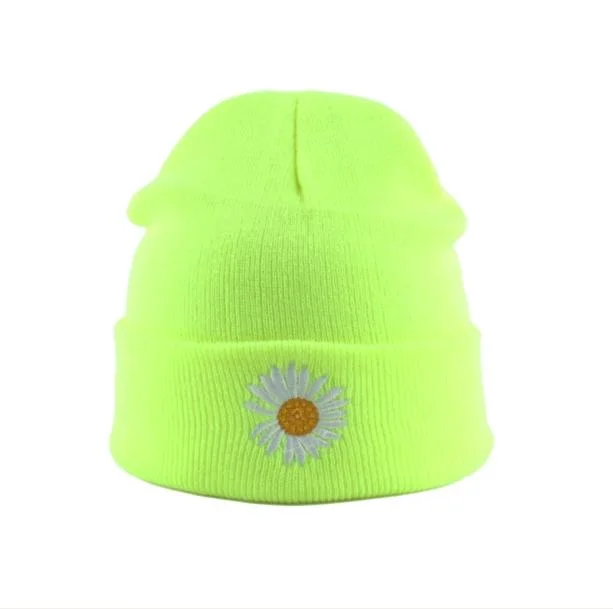
The Kawaii Beanies collection is where to compare styles. Look at whether the pictured beanie has details like ears or patterns, because these draw the eye to the top of your head. If the beanie is busy, keep the rest of the outfit calmer.
Face Shape Pairings in Plain English
Use these as nudges, then trust the mirror.
Round face: a structured cap with a slightly curved brim, or a beanie worn a bit back and higher on the head, adds length. Avoid pulling everything low across the cheeks.
Square or strong jaw: softer, slouchier crowns and curved brims soften the lines. A beanie with a small fold works well.
Long or narrow face: wear beanies lower on the forehead and over the ears to add width. Choose a cap with a lower crown, not a tall one.
Heart shape, wider forehead and narrower chin: a medium brim and a cap that sits a touch back keeps the forehead from feeling boxed in. Side-swept fringe under a beanie helps too.
Oval: nearly anything works, so pick by outfit and mood.
Hairstyles Under Caps and Beanies
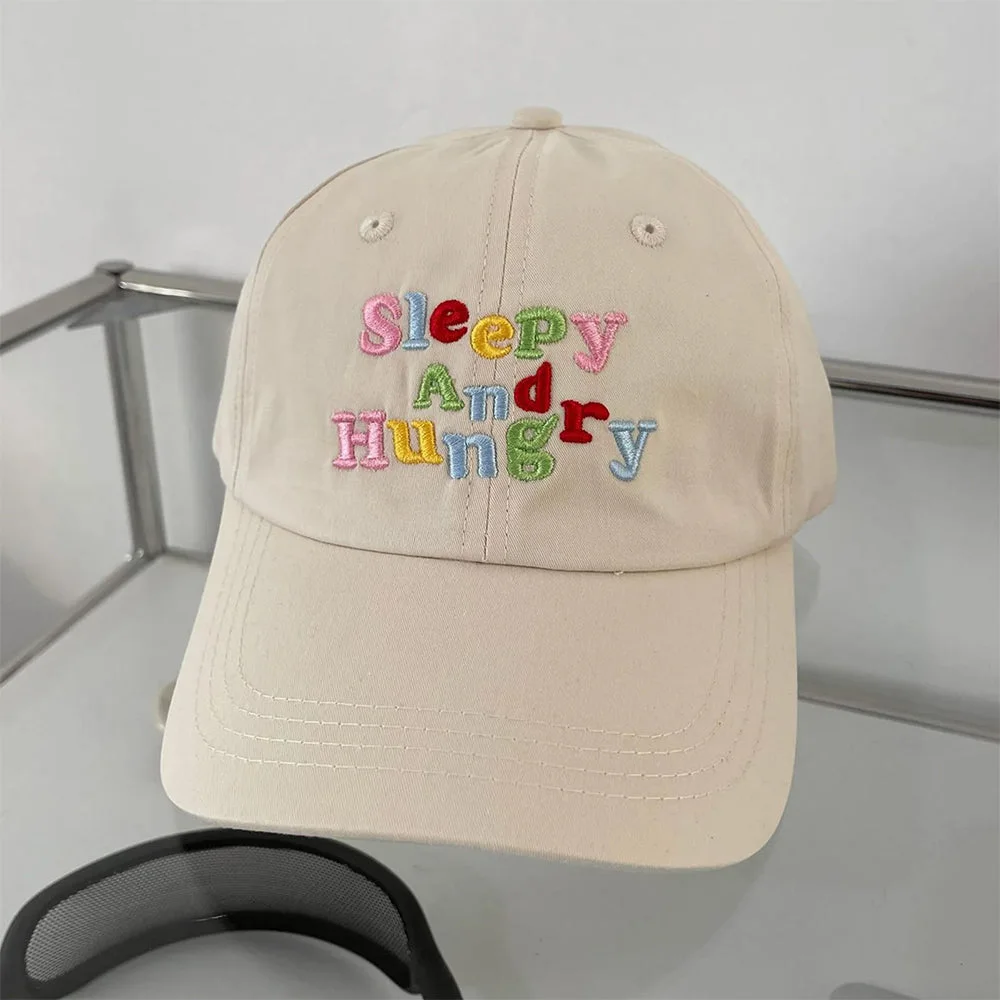
Hair decides whether a hat looks deliberate. Loose, straight hair tucked behind the ears under a cap gives a clean, easy look. Add a couple of face-framing strands if your forehead feels too exposed.
Two low braids or pigtails pulled forward over a hoodie suit a snug beanie, and the braids keep the volume balanced on both sides. A high ponytail through the cap's back opening works best with a structured cap that has an open back or adjustable strap. A low ponytail or bun suits a beanie, since a high bun creates a lump.
For short hair or a bob, a folded beanie sitting just above the ears looks tidy, while a cap with a curved brim keeps things soft. Static can make hair stick up after you take a beanie off, so a quick finger-combing at the roots usually fixes it.
If you like adding small clips or pins, the Aesthetic Hair Accessories collection is a handy place to look. Clips on the side, under the hat edge, hold fringe in place without being seen from the front.
Outfit One: Baggy Denim and a Cap
Take the Skater Girl Distressed Baggy Jeans, listed in blue denim in sizes S to XL. The loose leg gives you a lot of volume low down, so a cap with a structured crown balances the top half.
Add a plain tee or a hoodie, and keep the cap colour in line with one other piece, such as socks or a bag. Matching three things gets matchy, so stop at two.
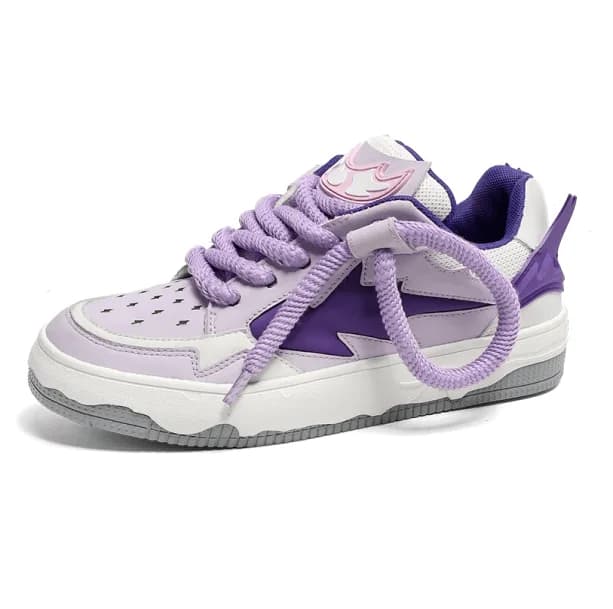
Why it works: the baggy jeans widen the lower silhouetteThe overall shape an outfit creates, from fitted to loose and layered., and a structured cap gives the head some presence. For footwear, the Skater Girl Sneakers come in purple and white and sit well under a wide leg hem. Check the product page for the listed sizing and delivery details before ordering.

Outfit Two: Hoodie and Beanie Layers
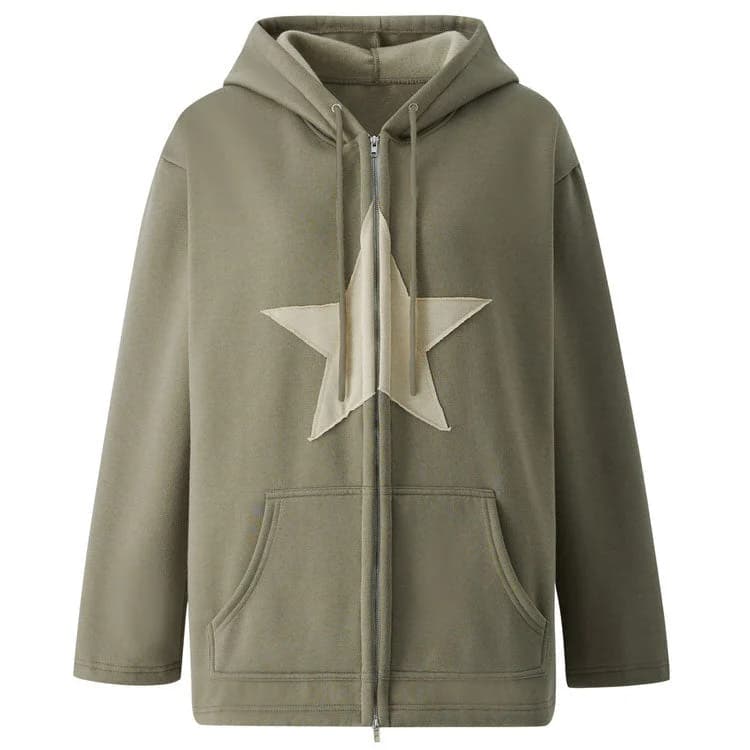
The Skater Girl Star Hoodie is listed in polyester, in Army green, Grey, Brown and Black, S to XL. A hoodie adds bulk around the neck, so a beanie should be snug or folded rather than huge. Too much volume on both ends makes a head look small and a body look wide.
If you wear the hood up, skip the beanie or wear it under the hood, thin side in, and keep it flat. If the hood is down, the beanie sits in front of it and the colours can contrast. A black hoodie with a coloured beanie is an easy starting point.
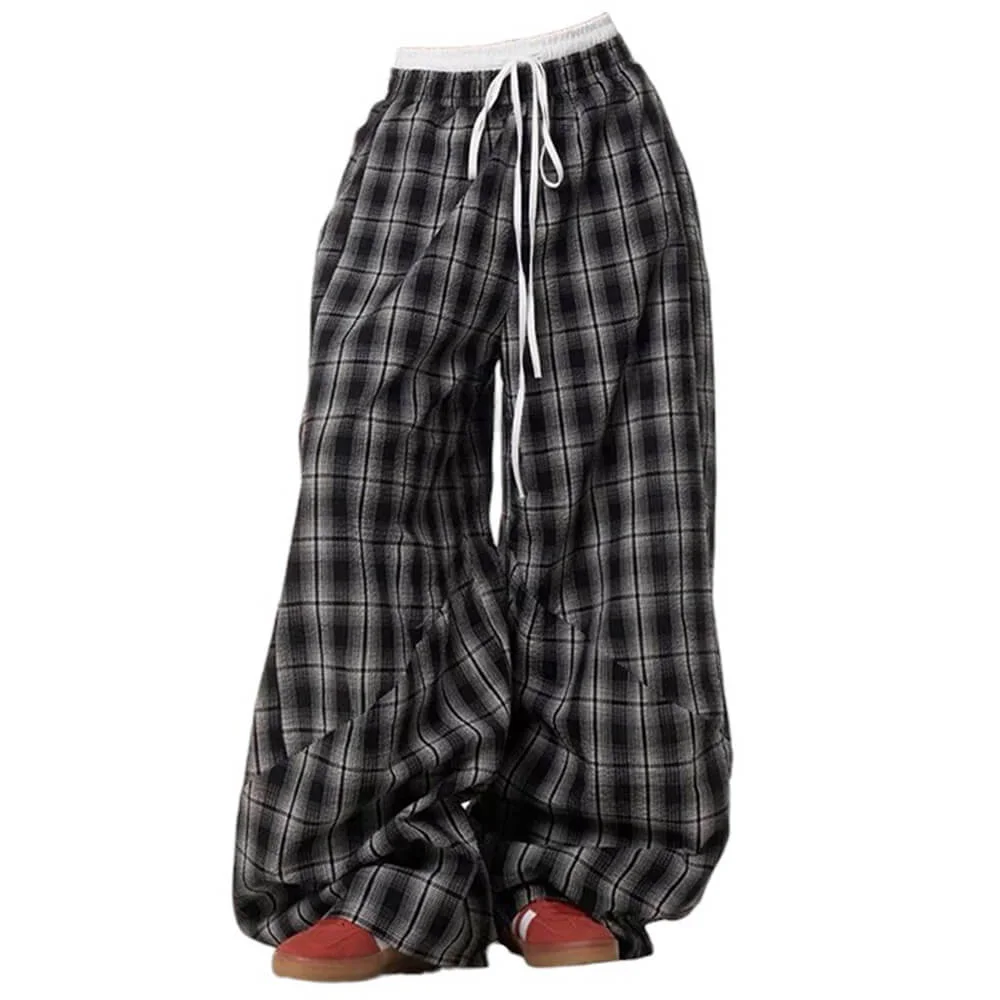
Pair with Skater Girl Plaid Wide Leg Pants, listed in black, S to 3XL. Plaid is already busy, so choose a plain beanie.

Outfit Three: Statement Pants and Simple Headwear
The Skater Girl Leopard Print Sweatpants, in grey, S to XL, are the loud piece in a look. Let them lead. A plain cap or a solid beanie keeps the outfit from competing with itself.
Add the Skater Girl Punk Rock Pyramid Stud Belt, listed in black vegan leather with a standard size, over a longer top or around a hoodie waist if it suits. It adds a hard edge that matches a cap's brim line.
The Skater Girl Aesthetic Sunglasses come in several colours, from black to orange. Under a cap brim, they work in sunny weather. Keep frames and cap colour in the same family, or choose frames as the one bright accent.
Weather and Practical Wear
Caps shade your eyes and keep light rain off your face, though they do not cover ears or neck. Beanies keep ears covered when it is cold. Think about what you need rather than the calendar, since seasons vary by where you live.
In mild weather, a cap does the job. When it is chilly, a beanie over the ears matters more than style. If you move between warm indoors and cold outdoors, choose something easy to take off without wrecking your hair.
I cannot tell you a hat's warmth or breathability unless the page lists it, so read the product details. If material is not listed, treat it as unknown and ask before buying if it matters to you.
How to Compare Options Before You Buy
Open two or three hats side by side and compare the same things each time. This stops pretty photos from making your choice.
Look at the brim shape, crown shape, fit notes, colour options and any listed size. Check how the model wears it: forward, back, folded. Then picture your own hair under it.
Think about cost per wear too. A neutral hat that goes with half your wardrobe tends to get more use than a statement one. Pick one neutral and one fun hat if you want both. The main Hats collection lets you scan everything together.
Common Pitfalls and a Quick Checklist
The usual mistakes are simple. Wearing a beanie too far down covers eyebrows and flattens the face. Wearing a cap too far back can look accidental. Matching every colour looks costume-like. Ignoring hair length leaves awkward bumps at the back.
Before you buy or wear, run through this list.
- Does the brim or fold fall where you want the line on your face?
- Does crown height suit your face and your hairstyle?
- Is the hat's volume in balance with your outfit?
- Is only one piece in the outfit the loud one?
- Have you checked the listed sizes, colours and details on the product page?
- Can you take it off without wrecking your hair, or will you carry a clip?
- Will it work with at least three outfits you already own?
A Worked Example: Choosing for a Round Face, Baggy Outfit and Long Hair
Here is the three-question method applied to one realistic case. Say you have a rounder face, long straight hair with a side part, and you plan to wear a boxy hoodie with wide-leg pants.
Line: a beanie pulled low across the forehead would cut right through the widest part of your face, so push it back an inch or two and let a little hairline or fringe show. Height: a round face benefits from some added length, so a structured crown beats a flat one. Balance: the hoodie is voluminous, so a tiny, tight hat will look lost, but a huge slouchy one will pile volume onto both ends.
The answer in this case is a structured cap with a gently curved brim, worn straight rather than tilted, with the hair left loose and tucked behind one ear. If you would rather wear a beanie, pick a medium-weight fold-over style and sit it slightly back. Swap one variable at a time in the mirror, because changing the hat, hair and hood together makes it impossible to tell what helped.
Quick Fixes When a Hat Looks Slightly Off
Most hat problems come down to one small adjustment, not a different hat. Run through these before you give up on something you like.
If a cap feels like it is sitting on top of your head, move it back a finger's width and check that the strap is not forcing it forward. If it feels like it is swallowing your face, tilt it up a touch so the brim clears your eyebrows. If a beanie looks flat and heavy, unfold one layer or pull the crown gently outward at the back so it gets some shape.
When the hat is fine but the whole look is not, check the hair. Pulling two thin strands forward at the temples softens a hard cap line, while tucking hair behind the ears sharpens a beanie. Both take seconds and change the effect more than you would expect.
- Hat sits too high: move it back and down slightly.
- Forehead feels too exposed: add a few face-framing strands or a side-swept fringe.
- Face looks narrower than you want: lift a beanie off the ears a little.
- Outfit feels top heavy: swap a slouchy beanie for a snug fold.
Three Ready-Made Combinations by Hair Length
Sometimes it is easier to start from the hair you already have and build outward.
Short hair or a bob: choose a cap with a curved brim and wear a plain tee under an open hoodie. Short hair does not fill the back of a hat, so a cap with an adjustable strap lets you tighten it so it does not gape. Browse the Cute Baseball Caps for options with a softer feel.
Medium hair with a fringe: a folded beanie sitting just above the eyebrows lets the fringe peek out and keeps the line intentional. Keep the rest of the hair loose over the shoulders, or tuck one side behind the ear for asymmetry. If the beanie has a decorative detail, check the Kawaii Beanies pictures to see how it is worn.
Long hair or braids: this is the easiest length for a snug beanie, since braids or a low ponytail sit below the hat without bulk. For a cap, thread a ponytail through the back only if the cap has an opening, and otherwise keep hair down. Add a small clip from the Aesthetic Hair Accessories range to hold back anything that keeps falling forward.

Building a Small Headwear Rotation
You do not need many hats to cover most outfits. Three well-chosen pieces handle nearly everything, and the Hats collection is a good place to scan them together.
Start with one structured cap in a neutral shade. It pairs with baggy jeans, shorts and most layered looks, and it is the one you reach for when your hair is not cooperating. Add one snug beanie in a plain colour for cold or low-effort days. Then add one fun piece, such as a patterned or detailed beanie or a bolder cap, to wear with the quietest outfits you own.
A simple test before buying the third hat: can you name two outfits it works with right now? If not, wait. The Skater Girl collection is useful here, because you can look at the clothes first and decide which hat would suit the pieces you actually plan to wear.
- Hat one: neutral structured cap, your everyday default.
- Hat two: plain snug beanie, for practical days.
- Hat three: the personality piece, worn with calm outfits.