Created by the Kawaii Vibe editorial team. Our named style desks are editorial personas. Product details and availability can change.
Styling an oversized or slouchy hoodie without looking shapeless comes down to controlling where your hemlines end and where your layers peek through. The core of this silhouetteThe overall shape an outfit creates, from fitted to loose and layered. relies on soft textures, dropped shoulders, and gentle drapes, but letting one long fabric tube cover your body from neck to knee can quickly throw off your natural proportions. Getting the look right is about creating visual breaks.
Instead of pulling a thick pullover straight over jeans and hoping for the best, you can use deliberate contrast. Adding an open collar underneath, letting a structured base layer extend past the waistband, or throwing a cropped outer layer on top immediately defines your frame. It transforms a basic lounge piece into a thoughtful, grounded outfit that still feels comfortable and lived-in.
Whether you are working with roomy fleece pullovers, patterned zip-ups, or lightweight transitional tops, understanding fabric weight and vertical spacing will change how you dress every day. In this guide, we break down exact hem ratios, inner and outer layeringWearing pieces over or under one another to add depth, warmth or contrast. tricks, trouser pairings, and simple adjustments to keep your outfits balanced in any climate.
The Golden Proportion: Balancing Volume on Top and Bottom
When you wear a relaxed hoodie, the main challenge is managing total volume. If you pair a wide, long top with tight skinny jeans, you end up with an awkward top-heavy visual that exaggerates torso length and shortens your legs. Conversely, pairing a baggy hoodie that falls past your mid-thigh with ultra-wide puddle pants can make your entire frame look lost under heavy textiles.
The most effective approach is balancing width with vertical markers. A relaxed-fit hoodie looks best when the bottom hem settles right around your hip line, rather than sagging past your glutes. This keeps your natural waistline somewhat indicated, allowing your trousers to create a clean, unbroken vertical line toward the floor. Wide-leg chinos, straight-leg denim, or relaxed carpenter pants give the outfit enough visual weight at the bottom to counterbalance the relaxed shoulders up top.
If your hoodie runs particularly long, you can tuck the ribbed waistband up and under itself so it rests against your belt line. This blousing technique adds natural volume around the chest and midsection without dragging your visual center of gravity downward. For a complete look, browse through our broader curation of Soft Boy Clothes to see how relaxed trousers and proportion-friendly staples sit together.

Mastering the Collar Layer: Shirts Underneath Hoodies
One of the simplest ways to add structure to a casual hood is placing a collared shirt directly underneath it. The structured lapels of a button-down pop out of the hoodie neck opening, breaking up the continuous fleece and framing your jawline. It bridges the gap between relaxed loungewear and intentional vintage styling.
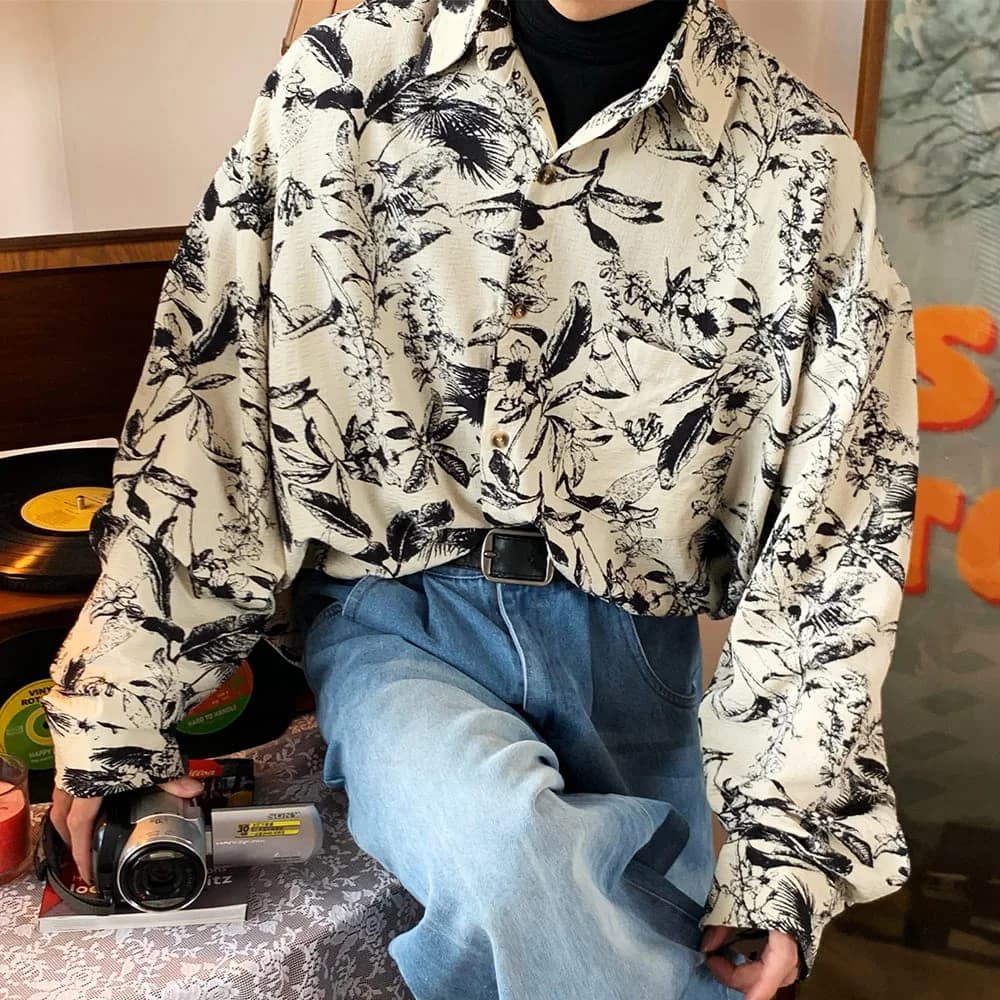
For this technique, patterned or textured shirts work especially well because they introduce subtle interest at the neckline. Try slipping the 90s Style Floral Print Shirt underneath a solid neutral pullover; the polyester and cotton blend keeps it breathable so you do not overheat, while the beige and black print offers a muted, artistic collar accent. Leave the top two buttons undone so the collar points spread naturally against the hood.
Make sure the collar of your woven shirt has enough body to stand up without flopping completely flat inside the neckline. If you prefer bolder geometric patterns over florals, the Oversized Checkered Button-Up Shirt can serve the exact same role. When layered beneath a dark hoodie, the checkered collar tips create an immediate focal point that anchors your upper body.

Outerwear Stacking: Cropped Jackets Over Dropped Shoulders
Putting a jacket over a thick hoodie can feel bulky if you choose the wrong outer cut. The secret is looking for outerwear that has dropped shoulders and a slightly boxy, cropped torso. When the jacket hem sits an inch or two higher than your hoodie waistband, it creates an attractive tiered effect that visually shortens your torso and elongates your legs.
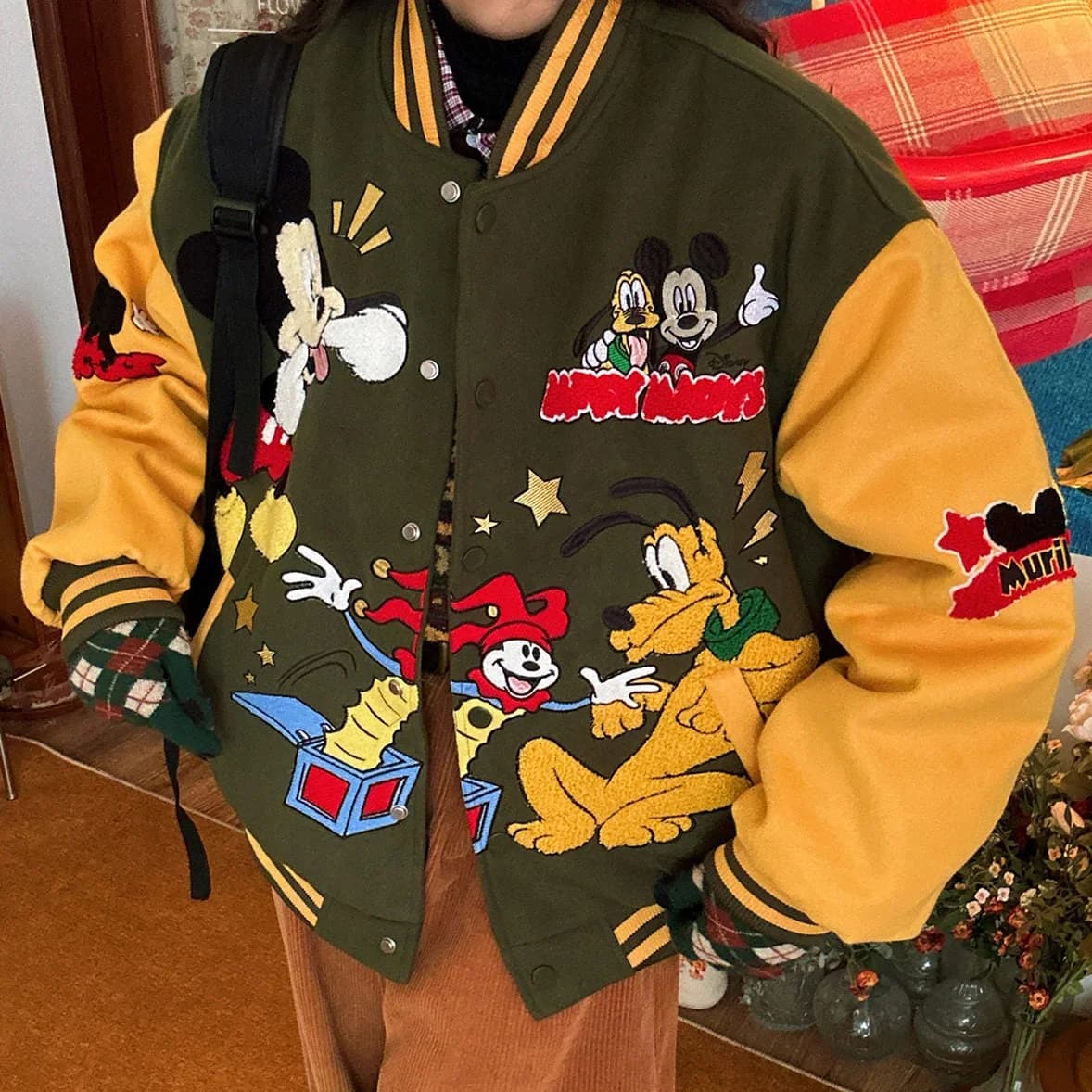
A practical piece for this is the Cartoon College Style Bomber Jacket. Built from polyester with a comfortable green finish, its relaxed collegiate cut accommodates wide hoodie sleeves without pinching under the armpits. Pull the hood completely out over the jacket collar so the fabric rests flat across your upper back rather than bunching around your neck.
When stacking these pieces, monitor your sleeve lengths. Ideally, the ribbed cuff of your hoodie should sit flush with or peek just half an inch past the jacket wristband. You can browse more outer options within our selection of Soft Boy Jackets to find light utility coats, work jackets, and varsity cuts that layer easily over heavyweight knits.

Reversible Hoodies and Pattern Play
A statement hoodie with bold patterns requires a different styling approach than a basic solid. If your hoodie features heavy plaid or contrasting color blocks, the rest of your outfit needs to provide visual breathing room. Clean bottoms in stone, washed black, or raw denim prevent the final look from feeling cluttered.
Take the 90s Plaid Grey & Red Reversible Hoodie, which blends cotton and polyester for everyday wear. Because it reverses between two distinct surfaces, it offers two completely different outfit profiles. When wearing the plaid side out, keep your trousers matte and unpatterned. When you flip it to the solid side, the subtle plaid lining visible inside the hood opening adds a tasteful flash of contrast.
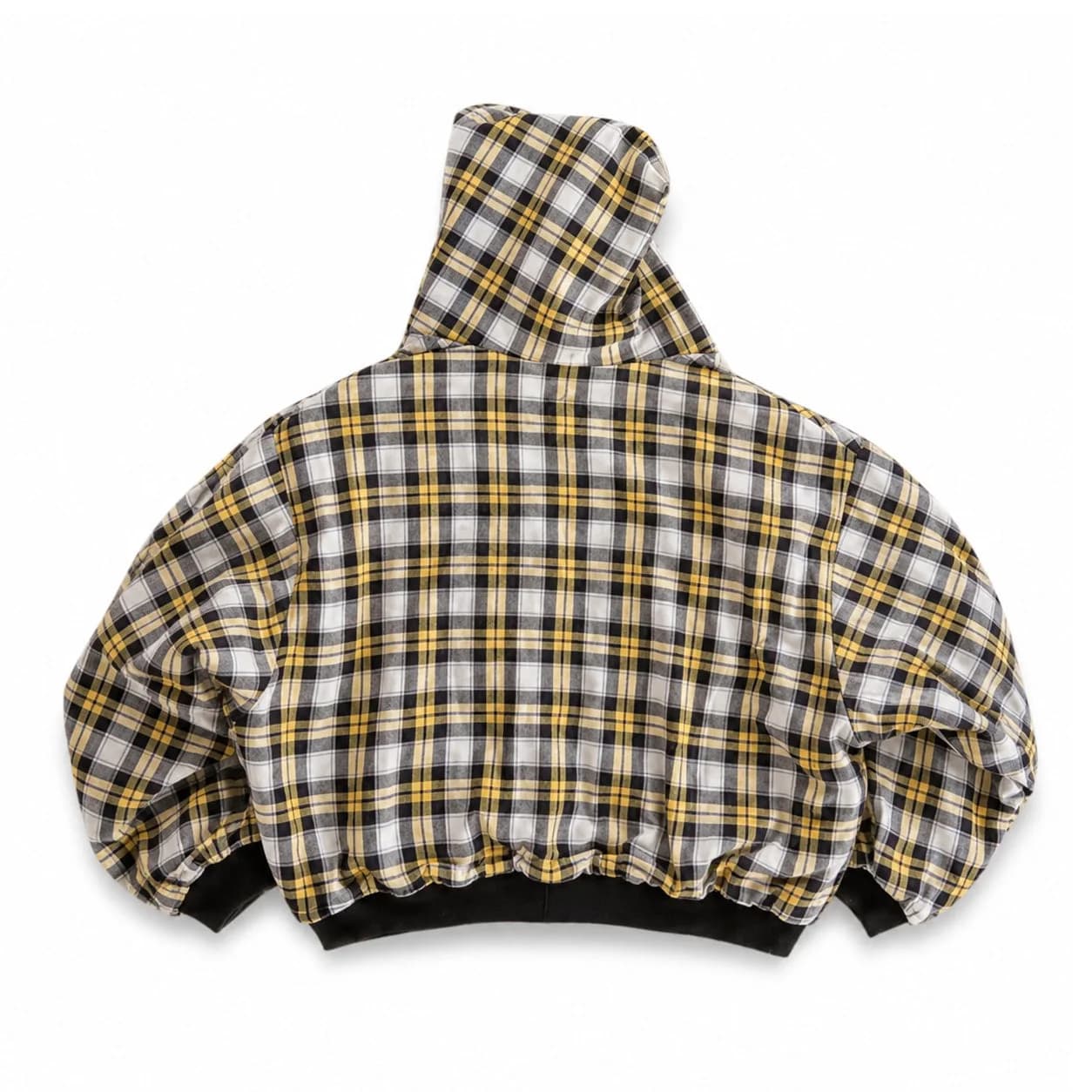
Similarly, the Black & Yellow 90s Plaid Reversible Hoodie features high-contrast tones that pair effortlessly with relaxed black skate trousers or faded blue jeans. By letting the hoodie serve as the solitary loud element, you preserve the soft, unforced balance of your overall silhouetteThe overall shape an outfit creates, from fitted to loose and layered.. Check our dedicated edit of Soft Boy Hoodies for more versatile, drape-friendly tops.

Managing Hem Drops with Base Layer T-Shirts
A crisp hem drop is one of the most reliable styling adjustments you can make. This involves wearing an undershirt that extends roughly one to two inches beneath the ribbed bottom band of your hoodie. That small horizontal slice of clean cotton breaks up the visual block between your top and your trousers, adding dimension to monochromatic or low-contrast outfits.
To achieve a clean hem drop, your base shirt must have a straight, relaxed cut that does not curl upward at the seams. You can explore standard layeringWearing pieces over or under one another to add depth, warmth or contrast. cuts in our collection of Soft Boy T-Shirts to find tees that provide that steady lower border. White, off-white, and heather grey are the most functional undershirt shades because they separate dark hoodies from dark pants cleanly.
Watch out for excess length here. If your undershirt drops more than three inches below your hoodie, it starts looking like a tunic and disrupts your leg line. Aim for a neat sliver of fabric that shows when you walk, stand, or reach into your pockets. This small detail immediately makes a low-effort hoodie look planned.
Trouser Silhouettes: Breaking Away from Slim Cuts
The bottoms you choose determine whether your hoodie looks intentionally styled or like quick workout gear. Slim or tapered trousers pull inward at the ankle, making slouchy hoodie shoulders look unnaturally wide. To build harmony from head to toe, you want pants that fall in a steady, relatively straight vertical line from hip to hem.
Straight-leg corduroy trousers, relaxed double-knee pants, and wide-leg denim are ideal partners for soft boy styling. The heavier texture of corduroy or stiff denim complements the plush, casual nature of fleece or looped cotton. Let the trousers break gently over your shoes, creating a relaxed stack that grounds the fluid drape of the hoodie.
If you want to wear lighter cotton trousers or vintage workwear pants, pay attention to the rise. Mid-to-high-rise trousers allow you to tuck in base layers neatly, giving your torso clear structural boundaries whenever your hoodie moves or unzips. This keeps your proportions intact even while moving around through the day.
Crewneck Alternatives and Graphic Options
While traditional hooded pullovers are essential, crewneck sweatshirts offer a slightly cleaner neckline that creates different layeringWearing pieces over or under one another to add depth, warmth or contrast. possibilities. A crewneck leaves your neck more visible, which allows for chunkier collared shirts, turtleneck base layers, or statement neck chains that might otherwise get hidden under a thick hood.
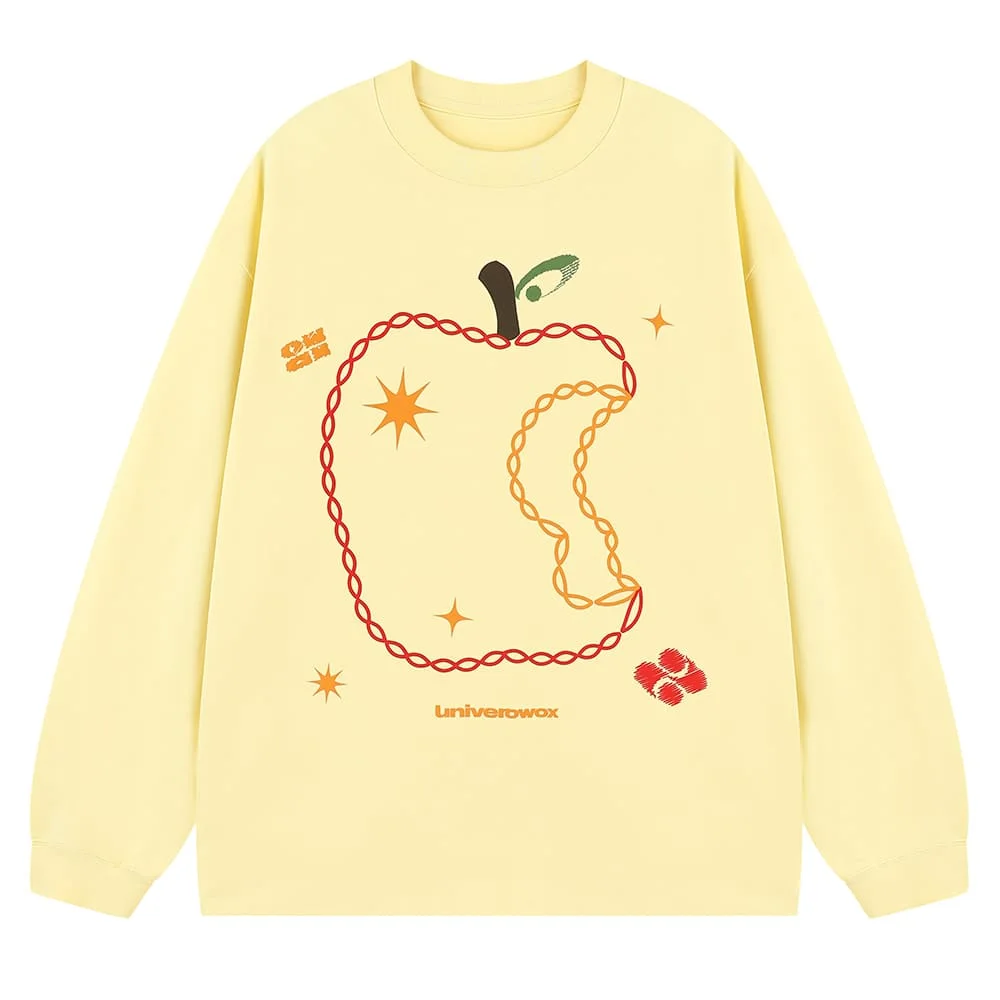
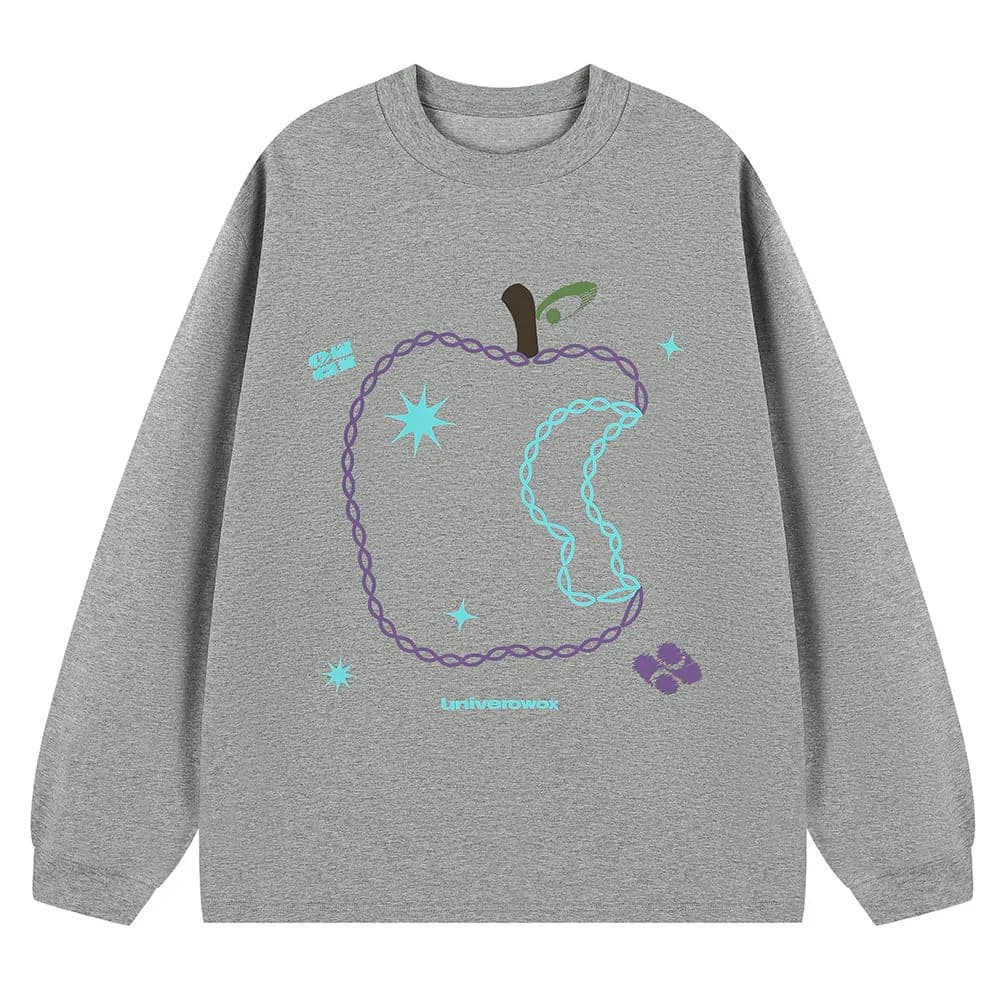
A great example is the Big Apple Oversized Sweatshirt, constructed from a cotton and polyester blend and available in Yellow, Black, Grey, and White. With its roomy chest and relaxed ribbed trim, it delivers the same casual volume as a hoodie but frees up your collar zone for varied styling. Wearing the white or grey colorway over a crisp dark tee gives you a minimalist, clean-lined variation of relaxed streetwear.
Crewnecks also layer under heavy coats with zero bunching at the nape of the neck. When pairing an oversized sweatshirt with wide trousers, follow the same golden hem rule: fold or position the waistband so it hits near your natural hip rather than pulling it tight over your thighs. Discover similar versatile pullovers in our Soft Boy Tops category.
Summer and Warm-Weather Adaptations
Wearing hoodies in warm climates requires thoughtful fabric management and smart garment rotation. Instead of heavy fleece-lined pullovers, opt for lightweight unbrushed French terry or thin cotton-blend zip-ups that can be unzipped completely over breathable tees. This allows body heat to escape while maintaining the relaxed shoulder silhouetteThe overall shape an outfit creates, from fitted to loose and layered. you want.
You can also use a hoodie purely as a transitional layer during cool summer evenings. Drape a lightweight zip hoodie loosely over your shoulders and loosely tie the sleeves across your chest over a lightweight short-sleeve shirt. For instance, the Apple Embroidered Short Sleeve Tie Shirt in polyester offers a light, breathable base with unique front-tie detailing that looks great under an open, airy outer layer.
Pair warm-weather hoodies with wide-leg linen trousers or loose-fitting canvas shorts that hit right above the kneecap. Keeping your shorts relaxed and wide ensures that your bottom half balances the broad cut of the hoodie, avoiding the awkward 'balloon on toothpicks' look that tight athletic shorts create.
Cold-Weather Stacking: Wool Coats and Thermal Bases
During freezing months, the hoodie becomes an incredible mid-layer that injects casual warmth into traditional cold-weather tailoring. One classic combination is layeringWearing pieces over or under one another to add depth, warmth or contrast. a plain neutral hoodie beneath a long, structured wool overcoat. The tailored lapels and sharp shoulders of the coat contrast beautifully against the slouchy cotton hood spilling over the back collar.
To execute this without feeling stiff, your thermal base layer should sit close to your skin. A lightweight merino or modal long-sleeve tee under your hoodie provides warmth without adding unnecessary bulk around your forearms and armpits. This leaves plenty of room for your hoodie fabric to drape naturally beneath the coat.
Stick to monochrome or tonally adjacent palettes when building heavy winter layers. A grey hoodie under a charcoal or camel overcoat creates depth without chaotic visual clashes. Finish the outfit with straight wool trousers and chunky leather derbies or boots to support the physical weight of your outerwear.

Footwear Pairings: Grounding the Silhouette
Footwear plays an overlooked role in how your hoodie proportions are perceived. Because relaxed hoodies and wide trousers generate considerable visual volume, delicate, low-profile slip-ons can look strangely diminutive at the bottom of your outfit. You need footwear that holds its own against broad fabric folds.
Classic skate shoes with padded collars, retro running trainers with chunky midsoles, and lug-soled leather loafers are reliable choices. A chunky sole lifts your trouser hem slightly off the floor, preventing hem drag while reinforcing the grounded, deliberate nature of wide-leg styling. Canvas high-tops also work well if your trousers are cropped slightly to show off the shoe ankle.
Keep the color of your footwear tied to another subtle element in your outfit. If your hoodie features a light graphic or a white inner collar peeking out, clean white or cream sneakers tie the top and bottom of your outfit together smoothly. Neutral suede boots or dark oxfords bring a vintage, collegiate finish to the same hoodie-and-chino combination.
Short-Sleeve and Camp Collar Layering Experiments
For an unexpected twist on transitional dressing, try layeringWearing pieces over or under one another to add depth, warmth or contrast. a short-sleeve button-up over a fitted hoodie, or unbuttoning a bold print shirt completely over an open zip hoodie. This reverses traditional layeringWearing pieces over or under one another to add depth, warmth or contrast. conventions and adds instant visual texture through pattern juxtaposition.
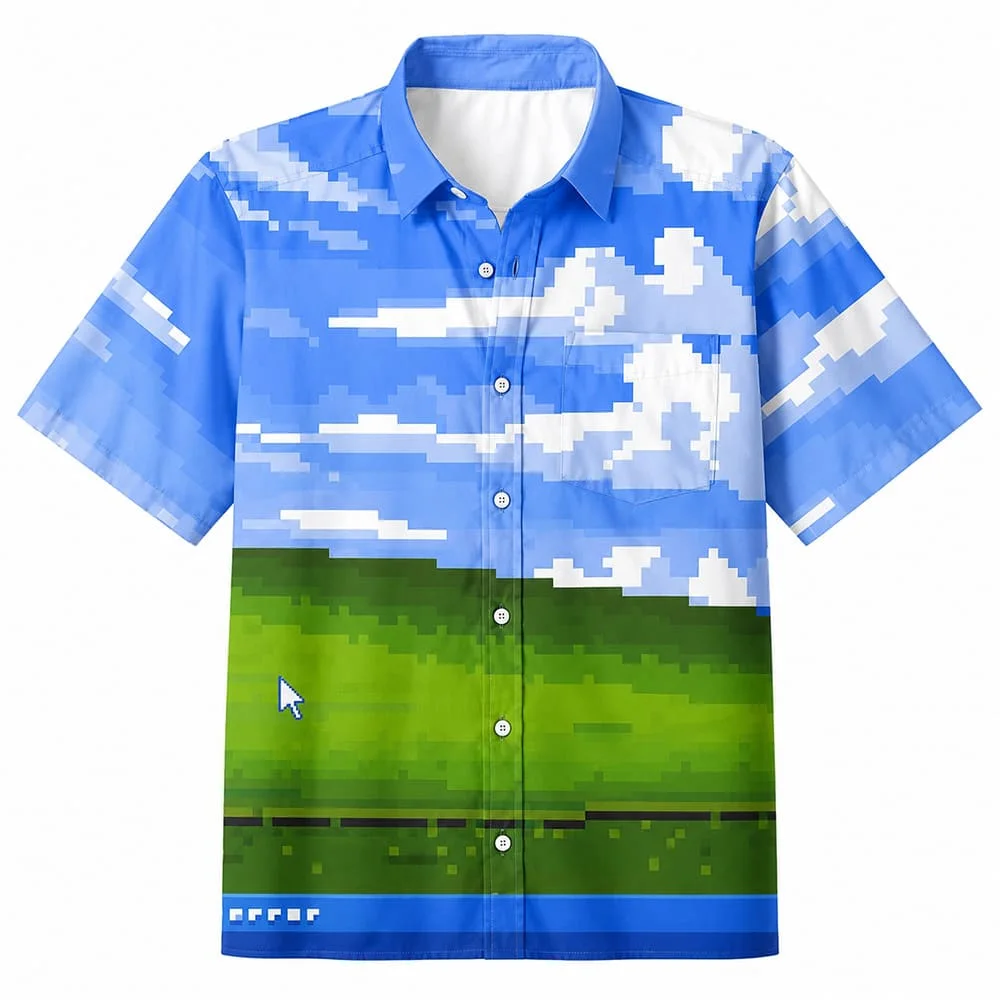
The Bliss Desktop Hawaiian Shirt, made from smooth polyester in a blue and green palette, functions surprisingly well worn completely open over a thin grey or off-white zip hoodie. The breezy, casual drape of the Hawaiian shirt breaks up the utilitarian look of standard loungewear, creating a playful, laid-back outfit suited for mild transitional days.
When attempting this, ensure the shirt is sized generously enough to drape cleanly over the hoodie sleeves without pulling across your shoulders. The hem of the short-sleeve shirt should generally match or sit slightly above the hoodie hem to keep the layers looking cohesive rather than accidental.
How to Compare Fit Profiles: Boxy vs. Longline vs. Classic
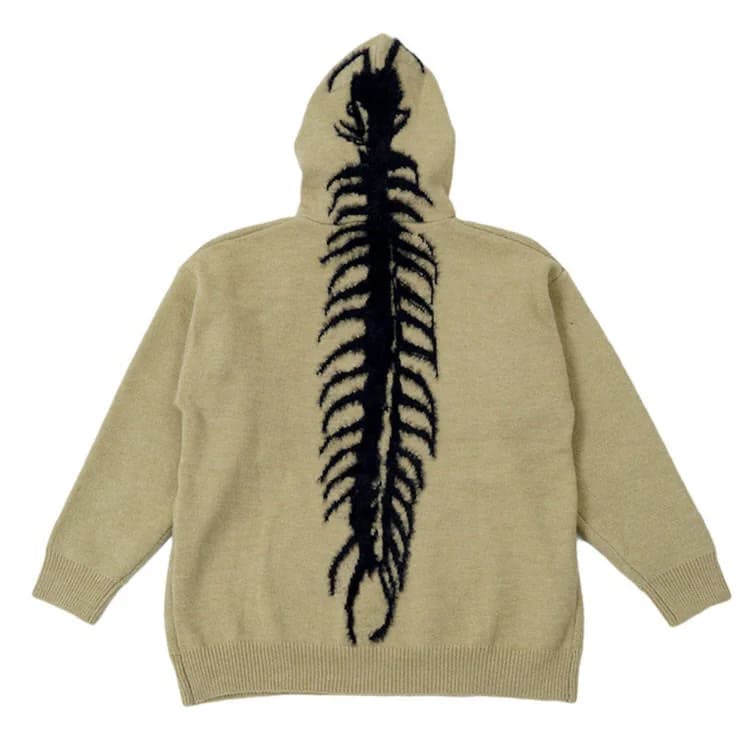
Not all hoodies are constructed identically, and picking the right fit profile is essential for your personal wardrobe goals. Understanding the subtle differences in shoulder cuts, torso widths, and ribbing tension will help you shop with confidence.
Before purchasing, compare these three dominant cuts to see how they integrate with your current trousers and jackets:
- Boxy Cut: Features dropped shoulder seams, a wide chest, and a slightly cropped hem that sits exactly at the belt line. Best for pairing with wide-leg trousers and cropped jackets without needing to tuck the hem.
- Classic Regular Fit: Sits squarely on the natural shoulder joint with a moderate torso width and firm ribbing. Ideal as a thermal mid-layer underneath tailored overcoats, blazers, and fitted denim jackets.
- Longline Slouchy Fit: Extends past the hips with loose, relaxed ribbing that does not grip the waist. Requires careful pairing with straight-leg or wide trousers to avoid visually shortening your legs.
Common Proportion Pitfalls to Avoid
Even great pieces can look messy if a few foundational styling rules are overlooked. The most common mistake is letting a tight hoodie waistband grip tightly around your hips while the excess fabric balloons out above it, creating an unintentional pear shape. If the waistband is too tight, fold it inward so it rests higher on your hips, allowing the fabric to fall naturally.
Another frequent pitfall is letting inner layers bunch up beneath fitted outerwear. If you feel restricted around your armpits or elbows when putting a jacket over your hoodie, the armholes of your jacket are too high or your hoodie fleece is simply too dense for that particular outer layer. Switch to an unlined windbreaker, a boxy bomber, or wear the hoodie as your standalone outer garment instead.
Lastly, be cautious with sleeve bunching. While stacked sleeves contribute to a cozy, relaxed aesthetic, sleeves that swallow your hands entirely can make you look like you are wearing ill-fitting hand-me-downs. Push the ribbed cuffs up to your wrists or fold them back once to keep your hands functional and visible.
Quick Proportion and Layering Checklist
Before heading out the door, take ten seconds in front of a full-length mirror to check your overall balance. Use this practical checklist to make sure your hems, layers, and proportions are working in harmony:
Adjusting just one or two of these markers can instantly turn a sloppy outfit into a clean, intentional silhouetteThe overall shape an outfit creates, from fitted to loose and layered.. Keep your fabrics comfortable, respect your natural proportions, and enjoy experimenting with different textures.
- Hemline Position: Does your hoodie waistband hit around the hips rather than clinging below your glutes?
- Inner Collar Visibility: If layeringWearing pieces over or under one another to add depth, warmth or contrast. a button-down underneath, are the collar points spread neatly outside the hood opening?
- Undershirt Drop: Is your base t-shirt peeking out no more than one to two inches beneath the hoodie hem?
- Outerwear Proportions: If wearing a jacket, is its cut boxy enough to let the hoodie sleeves move freely without bunching?
- Hood Placement: Have you pulled the hood completely clear of your jacket collar so it rests flat across your upper back?
- Trouser Balance: Do your pants provide enough straight-leg or wide width to match the volume of your upper body?