Created by the Kawaii Vibe editorial team. Our named style desks are editorial personas. Product details and availability can change.
Wearing soft boy jewelry often comes down to managing small details so your chains, pendants, and rings look natural rather than crowded. Because this aesthetic leans heavily into relaxed knitwear, loose button-ups, and vintage-tinted layers, your accessories need to respond directly to the fabric weights and collar cuts you wear every day. When pieces tangle or disappear behind thick fabric, the entire outfit loses its calm visual balance.
Getting the look right means understanding collar geometry, chain gauges, and the contrast between cool and warm metal tones. Rather than stacking random chains together, you want to build clean lines that sit comfortably against open chests, ribbed trims, or dropped shoulders without snagging or shifting throughout the day.
In this practical guide, we break down collar-by-collar placement, tone pairing, ring distribution, and real outfit formulas. We will look at how specific wardrobe pieces interact with items from our Soft Boy Jewelry collection, giving you exact proportions you can apply right away.
The Core Rule of Negative Space in Soft Boy Styling
The soft boy aesthetic relies on relaxed ease, which means your jewelry should never look like heavy armor or a dense tangle of hardware. Clean styling comes down to negative spaceAn uncluttered area that gives the rest of a design room to stand out., which is simply the open area of skin or flat fabric between your pieces. When you pile on three or four chains of similar thickness and length, they clump into a single solid mass. This pulls the eye abruptly to your neck and works against the soft, approachable feel of the wider silhouetteThe overall shape an outfit creates, from fitted to loose and layered..
To create negative spaceAn uncluttered area that gives the rest of a design room to stand out., keep your focal points separated by at least two inches of visible space. If you wear a short pearl choker or slim chain close to your throat, your second pendant should hang lower down on the chest, leaving the mid-collarbone region clear. This spacing allows each individual design element to register clearly without competing for attention.
The same rule applies to the space between your jewelry and clothing borders. A chain that sits directly on top of a seam line or rests right along a collar edge looks accidental and messy. Positioning your pieces deliberately above or below fabric boundaries keeps the overall outfit polished and easygoing.
- Leave at least 2 inches between different chain drops to prevent clumping.
- Keep pendants resting entirely on bare skin or entirely on flat fabric, never halfway across a seam.
- Limit high-density textures like pearls or thick rope chains to a single tier in any necklace stack.
Crewneck Sweaters and T-Shirts: Working Over Ribbed Trims
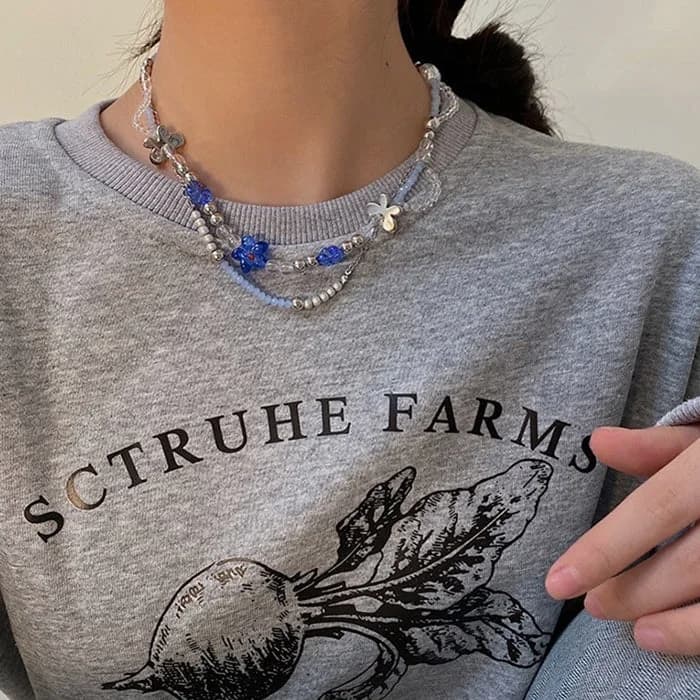
Crewnecks are foundational to casual outfits, but their tight, circular ribbed collars can easily swallow delicate jewelry. When you place a very thin chain over a standard cotton t-shirt or a heavier sweatshirt, the fabric texture causes the chain to twist or hide inside the collar band. To balance the dense knit of a classic crewneck, you need slightly heavier chain links or pendants with enough weight to stay centered over the chest.
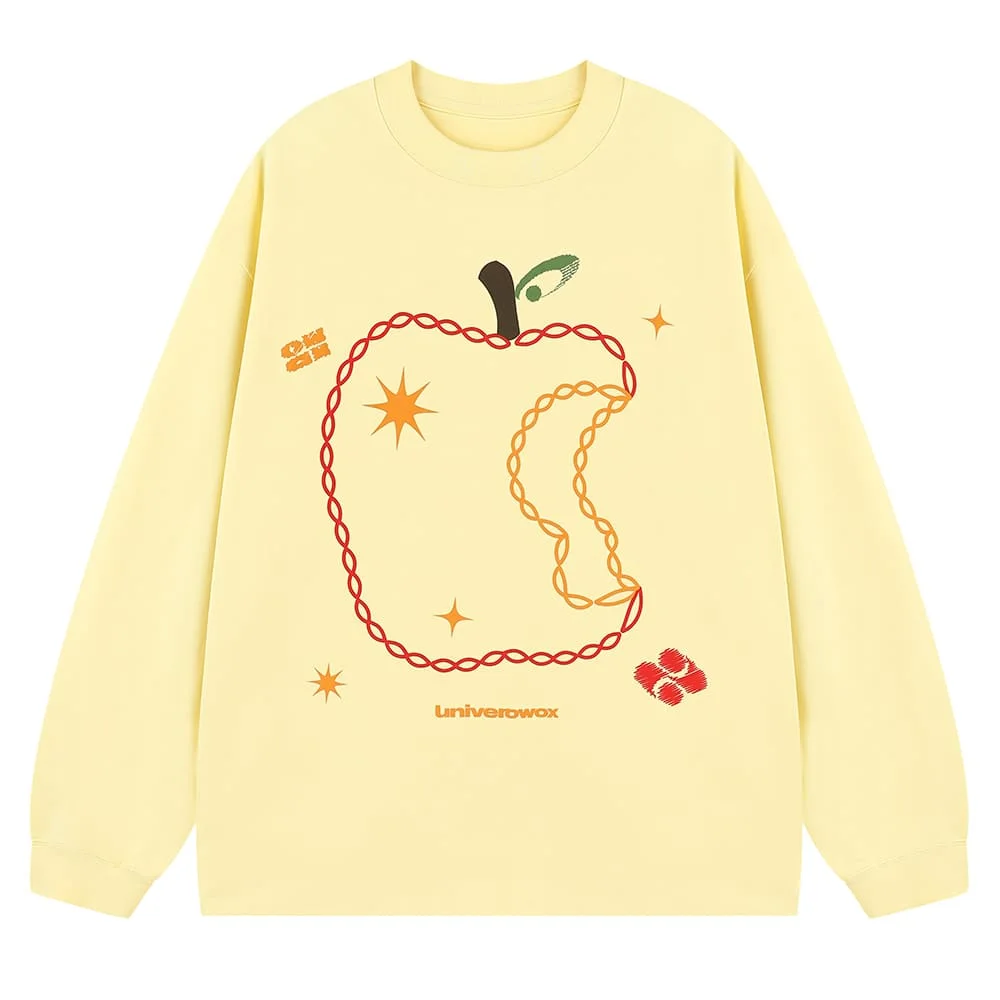
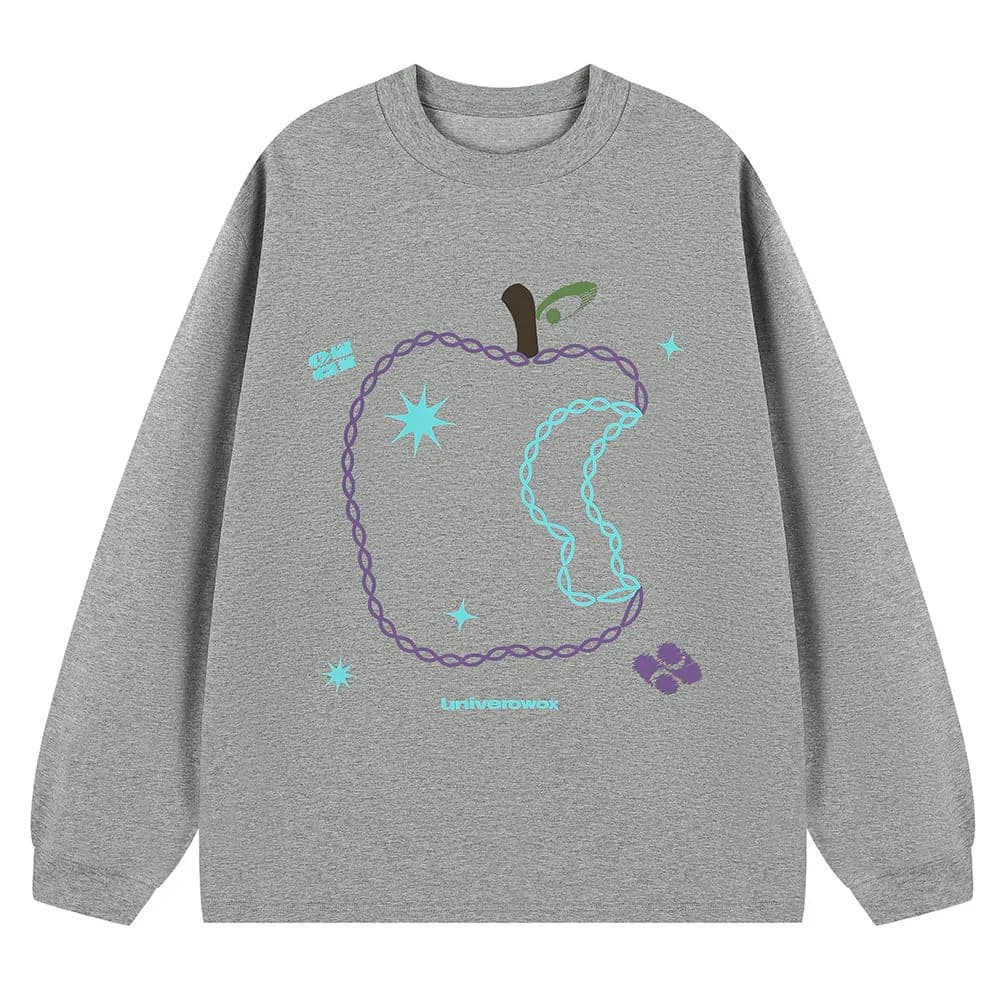
If you are wearing an oversized top like the Big Apple Oversized Sweatshirt, which features a cotton and polyester blend and comes in yellow, black, grey, and white, the smooth chest panel creates a broad canvas. A short chain gets lost against this broader surface. Instead, opt for a mid-length chain measuring roughly 20 to 22 inches that drops cleanly below the ribbed neckline. A flat curb chain or a medium box chain creates a sharp, graphic line across the sweatshirt without snagging on the cotton blend fleece.
Avoid delicate wire chokers or micro-pendants when wearing fleece or heavy jersey. The physical weight of the sweatshirt fabric will constantly nudge a light pendant off-center. Instead, select solid pendants with a flat reverse side so they sit flush against the knit without flipping over as you move.
- Choose chain lengths of 20 to 24 inches so pendants drop clearly below high crewneck collars.
- Select medium-gauge curb or box chains to visually stand out against thick cotton fleece.
- Ensure pendants have flat backs to prevent them from rolling when resting on textured fabric.
Open Collars and Camp Shirts: Framing the Collarbone
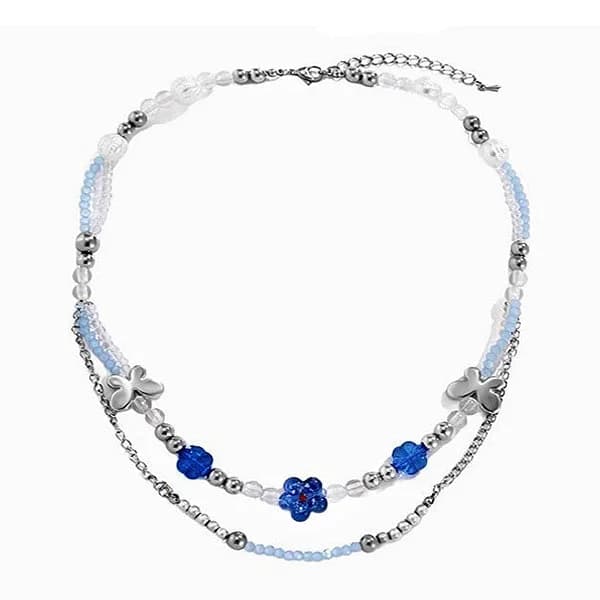
Open-collar shirts, including camp collars and half-unbuttoned styles, naturally draw the eye downward along the neck. This neckline provides the ideal frame for shorter necklaces that rest directly on the skin. Because the shirt collar folds outward, it creates a wide V-shape that can easily accommodate two staggered chains without feeling crowded. The skin itself serves as the backdrop, allowing subtle textures and lighter metals to stand out.
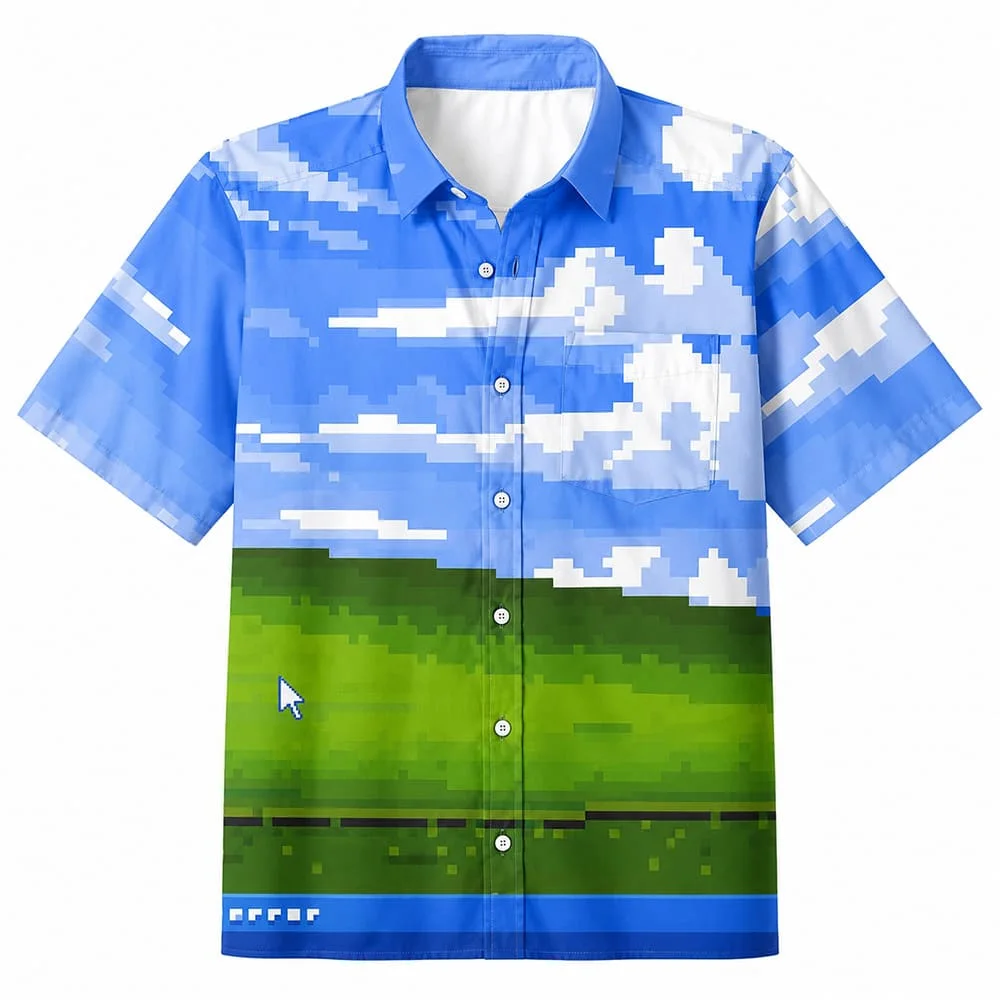
For example, pairing an open front like the Bliss Desktop Hawaiian Shirt, made from light polyester in a blue and green palette, allows you to anchor the neckline with a short 16-to-18-inch chain. You can choose a mini freshwater pearl necklace or a slim silver cable chain that hugs just above the collarbone. Because the camp collar drops lower, you have ample space to add a slim 20-inch pendant chain below it without having the metal rub against the shirt fabric.
When wearing patterned shirts, keep the chain surfaces relatively smooth. Busy printed fabrics already provide plenty of movement, so intricate, heavily detailed pendants can make the chest area look chaotic. Let the collar frame the skin, and use clean, polished metal to bring light upward to your face.
Button-Up Shirts: Balancing the Placket and Collar Points
Standard button-up shirts offer two completely different styling approaches: buttoned to the top or worn with two to three buttons left undone. When buttoned to the very top, the shirt creates a crisp, structured frame around the neck. Here, you can place a 16-to-18-inch necklace directly under the folded collar points so the metal peeks through the front, mimicking a collar bar or bolo effect. Alternatively, wear a long 24-inch pendant outside the shirt, letting it drape neatly down the central placket.
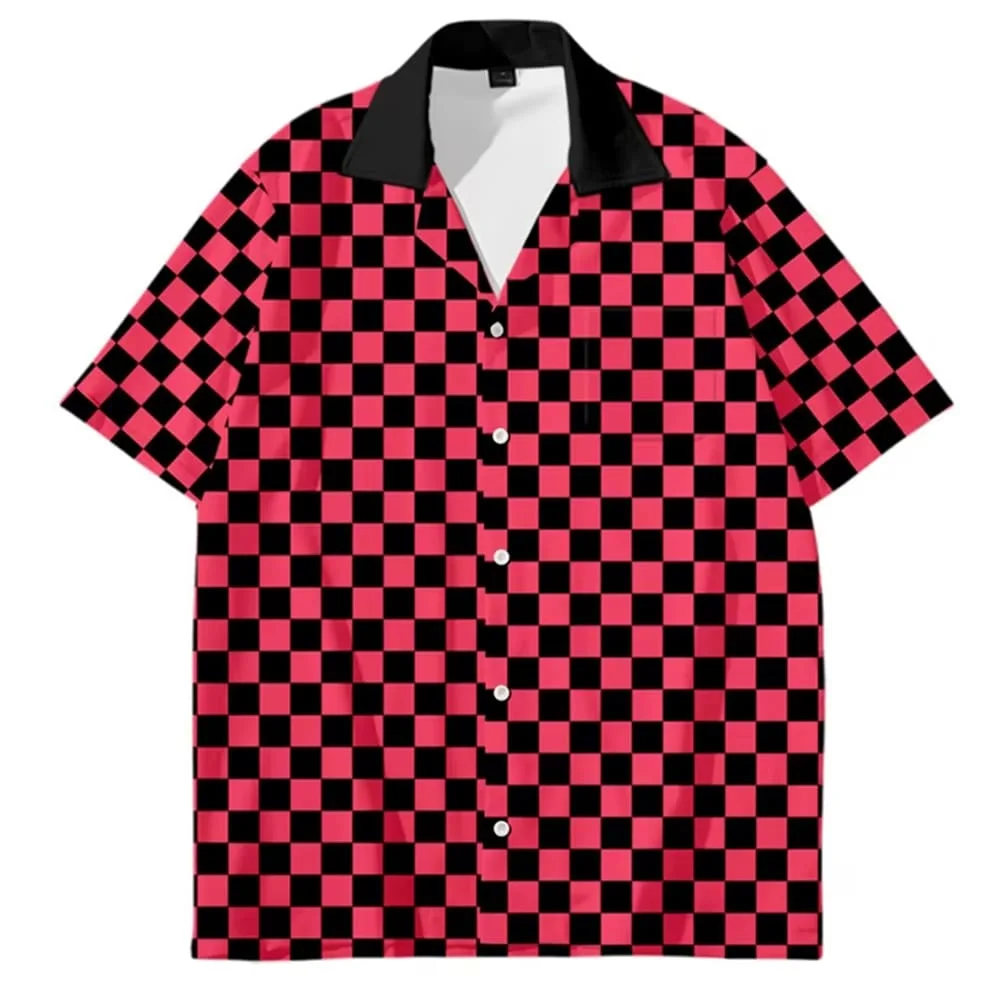
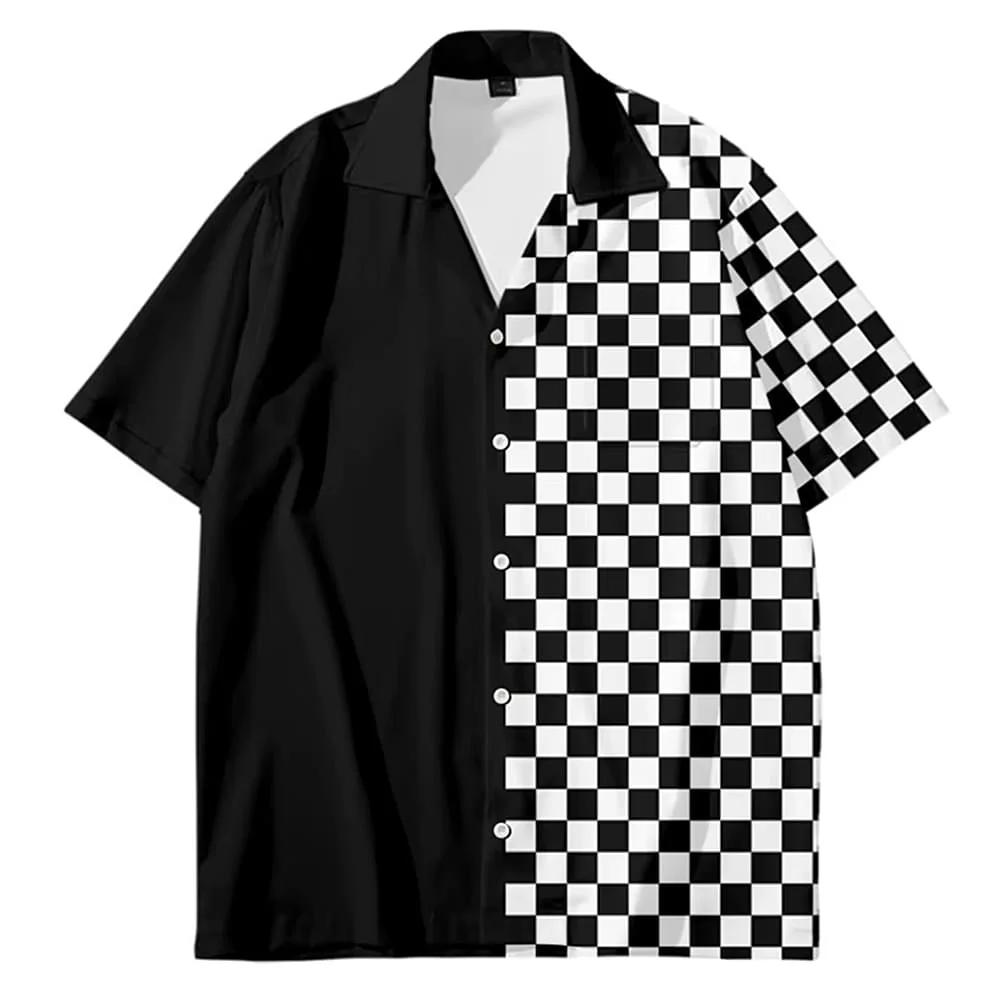
If you prefer a relaxed styling, unbutton the top two buttons and let the collar fold back softly. A fluid option like the Oversized Checkered Button-Up Shirt, crafted from polyester and offered in black/white, pink/black, orange/blue, white/black, and black/red, provides a structured contrast to curved jewelry. Because the vertical button placket creates a strong straight line, a curved chain softens the visual feel.
When styling jewelry inside an open button-up, make sure your longest pendant does not hit directly against a button. Having a metal pendant repeatedly tap against plastic buttons creates annoying noise and forces the chain sideways. Check where your pendant rests when standing upright and adjust the necklace length by an inch if necessary.

Hoodies and Heavy Knits: Preventing Tangling in Drawstrings
Hoodies and thick cardigans are staples in any wardrobe, but their construction creates unique friction points for jewelry. Hoodies feature thick double-layered fabric collars, drawstring cords, and metal eyelets, all of which compete directly with your accessories. Wearing delicate chains over a hoodie almost always results in knots, as the drawstrings constantly rub against the links during everyday movement.
When styling a dense layer like the 90s Plaid Grey & Red Reversible Hoodie, which blends polyester and cotton, you have two reliable options. You can tuck your necklaces completely inside the hoodie so only a brief hint of metal appears at the open neck notch, or you can commit to a long, heavyweight chain of 24 to 26 inches that drops entirely past the hood pouch and drawstrings. The weight of the chain prevents it from shifting as the hoodie moves.
If your hoodie has prominent cords, consider tying the cords in a loose knot or pulling them slightly to the sides to clear a visual lane down the center of your chest. The goal is to avoid having fabric cords and metallic chains crisscross over one another, which immediately breaks up the clean look of the outfit.

Selecting Metal Colors: Skin Tones and Clothing Palettes
Choosing between silver, gold, and alternative metals like brass or gunmetal is often treated like a rigid rule based on skin undertones. While cool undertones naturally suit silver and warm undertones pair smoothly with yellow gold, your wardrobe colors play an equally important role. Soft boy fashion frequently incorporates washed pastels, heather greys, earthy browns, and vintage whites, all of which react differently to metal finishes.
Silver and white gold reflect light cleanly and carry a modern, slightly detached feel. They look sharp against cool heather greys, clean whites, and pastel blues, maintaining an airy, subtle finish. If you lean toward graphic greys and moody tones, such as wearing the System Overload Button-Up Shirt in grey polyester, silver accessories offer a balanced, coherent match that reinforces the quiet palette.
Yellow gold, on the other hand, provides rich warmth that cuts through forest greens, creams, washed tans, and muted yellows. Gold brings a distinctly vintage, heirloom quality to softer knitted items. If you wear neutral knitwear, gold warms up the entire outfit and brings a sunlit glow against the skin, making faded or vintage-wash garments feel deliberate and styled.

Mixed Metals: How to Combine Silver and Gold Without Chaos
Mixing metal finishes is one of the easiest ways to give your jewelry collection a collected-over-time feel, but it requires intentional balance. If you wear four silver items and one random gold pendant, the gold piece often looks like a mismatch rather than a deliberate style choice. To make mixed metals look harmonious, aim for an intentional ratio, such as a 60/40 balance between the two shades.
The cleanest way to introduce mixed metals is through a anchor piece that already combines both tones, such as a two-tone chain or a ring featuring bonded metals. This automatically ties the rest of your accessories together. If you do not have a two-tone piece, alternate your metals deliberately. For instance, you might wear a slim silver base chain paired with a small gold pendant, then reflect that gold tone down on your hands with a signet ring.
Keep the finish textures consistent when combining different colors. If your silver chain has a bright, high-polish shine, your gold pieces should share a similar polished surface. Mixing a heavily oxidized, blackened silver chain with a high-shine, polished yellow gold piece creates a jarring contrast in texture and tone that can look untidy.
Chain Lengths and Gauges: Building a Three-Tier Stack
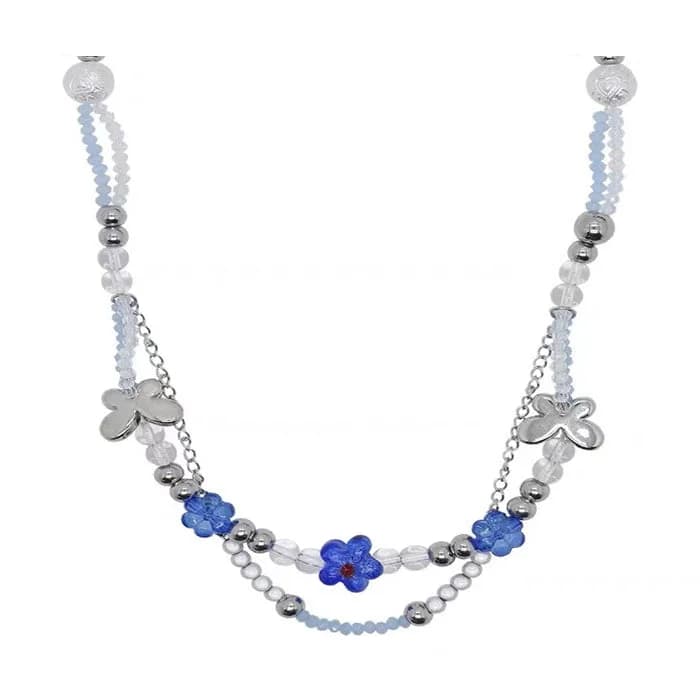
A well-executed necklace stack relies on varying both length and thickness so each piece has its own distinct lane. A classic three-tier arrangement gives you depth without overwhelming your chest. When you shop the pieces in Soft Boy Necklaces, pay close attention to the millimeter gauge alongside the chain length to ensure every piece works in harmony.
Your base tier should sit closest to the throat, typically between 16 and 18 inches. This can be a slim curb chain, a delicate figaro chain, or a small pearl strand between 3mm and 4mm in diameter. The middle tier functions as the visual bridge, sitting at 20 inches with a slightly different link profile, such as a 2mm wheat or rope chain. The final tier drops to 22 or 24 inches and carries your pendant, providing a natural focal point that pulls the entire stack downward into a neat V-shape.
Keep link widths under control to maintain the aesthetic's trademark softness. Thick cuban links over 6mm lean heavily toward bold streetwear, which can clash with the delicate, relaxed silhouetteThe overall shape an outfit creates, from fitted to loose and layered. of casual button-ups and cardigans. Limiting your widest chain to 3mm or 4mm keeps the stack proportional and lightweight.
- Tier 1 (Base): 16–18 inches, 2–4mm width, close to the neck (choker, mini pearls, or micro curb).
- Tier 2 (Bridge): 20 inches, 2–3mm width, distinct texture (rope, cable, or flat snake).
- Tier 3 (Anchor): 22–24 inches, slim chain carrying a lightweight coin, bar, or floral pendant.
Pearl Necklaces: Modern Proportions and Wearability
Pearls have become a defining element of contemporary soft boy style, bridging vintage charm with modern casual dressing. However, wearing pearls without looking overly formal requires choosing the right bead size and shape. Traditional round pearls in large diameters can feel stiff or costume-like. In contrast, smaller irregular freshwater pearls, often called baroque pearls, have organic shapes that feel grounded and effortless.
Look for pearl diameters between 3mm and 5mm for everyday wear. These slimmer strands rest comfortably against the collarbone without rolling or feeling bulky under shirt collars. A 4mm pearl strand works seamlessly layered right alongside a 2mm silver box chain, creating an appealing contrast between organic milky luster and industrial metal.
You can also explore half-and-half necklaces, which feature pearls on one side and metal chain on the other. These hybrid designs cut the traditional look in half, providing an easy entry point if you want to experiment with pearls without committing to a full strand. They pair especially well with relaxed collars and simple crewneck shirts.
Ring Placement: Balancing Both Hands Comfortably
Styling rings is an easy way to complete an outfit, but overloading your fingers can feel physically uncomfortable and visually chaotic. A balanced ring setup distributes visual weight across both hands while keeping your primary fingers free for typing, writing, and daily tasks. Exploring Soft Boy Rings reveals plenty of options ranging from slim textured bands to minimal signet rings.
A dependable formula is the asymmetrical 2-1 layout. On your dominant hand, wear a single ring on either the index or ring finger to keep your grip comfortable. On your non-dominant hand, wear two rings on non-adjacent fingers, such as the pinky and index finger, or the ring finger and thumb. Leaving the middle finger bare on at least one hand creates breathing room and keeps the rings from constantly clicking together.
Vary the thickness of your rings to create interest across your hands. Pair a flat, minimal signet ring with a thin twisted band or a small engraved floral ring. Avoid wearing identical wide bands on every finger, as this creates a heavy, uniform look that works against the gentle, curated feel of the wider style.
- Use a 2-1 distribution across your hands to maintain functional comfort and balance.
- Separate rings onto non-adjacent fingers to stop metal from rubbing and scratching.
- Combine one solid anchor piece (like an oval signet) with lighter, slim textured bands.
Curating Supporting Accessories: Belts, Bags, and Pins
While necklaces and rings handle the upper silhouetteThe overall shape an outfit creates, from fitted to loose and layered., completing the look requires coordinating your other hardware. Metal finishes on belt buckles, bag clasps, and lapel pins should complement your jewelry rather than fighting it. Expanding your lineup with items from Soft Boy Accessories gives your everyday dressing a thoughtful, finished feel from head to toe.
If you are wearing high-waisted denim like The Problem Child Wide Leg Pants, made from durable white and red denim, a tucked-in shirt immediately exposes your belt buckle. If your necklaces and rings are silver, opt for a belt with a brushed nickel or silver-toned buckle. A bright brass buckle will draw the eye straight to the waistline and disrupt a cool-toned jewelry arrangement up top.
Enamel pins, tote bags, and key clips provide subtle opportunities to reinforce your palette. Attaching a small silver clip or vintage brass keychain to a belt loop adds a touch of hardware to your lower half. This balance prevents your outfit from being top-heavy with accessories while keeping the overall aesthetic light and practical.
Complete Outfit Formulas: Layering From Top to Bottom
Putting these guidelines into practice is straightforward when you work from complete outfit templates. A dependable warm-weather combination starts with the Apple Embroidered Short Sleeve Tie Shirt in black or yellow polyester. Leave the top collar open to expose the neck, add a 16-inch freshwater pearl choker, and layer an 18-inch slim silver coin pendant below it. Finish the look with loose tailored trousers and a single silver band on each hand.
For cooler days or laid-back weekends, start with a relaxed layer like the Black & Yellow 90s Plaid Reversible Hoodie in its cotton-polyester blend. Instead of fighting the hood cords with a mid-length necklace, keep the neck bare and transfer your hardware to your hands and wrists. Stack a slim chain bracelet on your left wrist, an oval signet ring on your left pinky, and a textured band on your right index finger. This keeps your look detailed without any fabric tangles.
When layeringWearing pieces over or under one another to add depth, warmth or contrast. with shirts and outerwear, reference our full range of Soft Boy Clothes to pair complementary shapes. A relaxed checkered button-up worn open over a white tank top leaves generous negative spaceAn uncluttered area that gives the rest of a design room to stand out. for a complete three-tier necklace stack. The flowing fabric frames the jewelry on either side, turning simple chains into a central styling feature.
Common Pitfalls: Snagging, Tangling, and Over-Stacking
Even well-chosen jewelry can cause headaches if you overlook everyday comfort and maintenance. The most frequent pitfall is selecting chain links that catch on knitwear. Sweaters, cardigans, and loopback cotton sweatshirts can snag easily on open filigree pendants, sharp prong settings, and rough rope chains. When shopping for everyday chains, prioritize smooth link styles like curb, box, or snake chains that glide over fabrics without pulling threads.
Another major issue is chain tangling, which happens when two chains of similar gauge and length twist around each other throughout the day. You can resolve this by ensuring paired chains have at least a 2-inch difference in drop length, or by using a dedicated multi-strand necklace clasp. These magnetic or slide clasps keep chain ends separated at the back of your neck, preventing them from wrapping together into knots.
Finally, avoid the temptation to wear every piece you own simultaneously. A stack featuring three necklaces, two bracelets, six rings, and dangling earrings quickly crosses the line from understated to overwhelming. If you choose an elaborate three-tier necklace stack, pare down your rings to one or two simple bands. If you want to wear a bold ring on every other finger, keep your neck minimal with a single chain or skip the necklace entirely.
- Avoid prongs and rough pendant bails that can snag delicate sweater knits.
- Separate stacked chains by at least 2 inches to eliminate mid-day knots.
- Balance density: tone down rings when wearing multiple necklaces, and vice-versa.
The Final Buying and Styling Checklist
Before picking up new jewelry pieces or assembling your next outfit, run through a quick mental checklist. Making sure each item matches your existing wardrobe prevents unused accessories from sitting in a drawer. Keep your typical shirt collars in mind and choose chain lengths that actually coordinate with your most-worn necklines rather than buying standard sizes blindly.
Start by auditing your dominant collar style. If your closet is full of high crewnecks and heavy hoodies, prioritize 22-to-24-inch pendant chains that sit neatly on fabric. If you wear camp collars, button-downs, and open knit cardigans, focus on 16-to-18-inch chokers and pearls that frame bare skin. Select your base metal tone according to your wardrobe palette, and make sure any mixed metals are balanced across your hands and chest.
Investing in a few versatile, well-made pieces produces far better outfits than buying large sets of cheap, lightweight hardware. Focus on solid link construction, smooth backs on pendants, and comfortable band widths on rings. By prioritizing proportion, clean spacing, and simple silhouetteThe overall shape an outfit creates, from fitted to loose and layered.s, you will build a soft boy jewelry collection that looks natural and effortless every time you step out.
- Check collar drop: choose 16–18 inches for open shirts, 20–24 inches for sweaters and hoodies.
- Audit metal colors against your primary wardrobe palette (warm gold vs. cool silver).
- Ensure pendant backs are flat and link edges are smooth to avoid snagging fabric.
- Limit high-detail focal points to one zone (neck or hands) per outfit.