
Created by the Kawaii Vibe editorial team. Our named style desks are editorial personas. Product details and availability can change.
Getting the lower half of an outfit right usually comes down to two things: shoe volume and trouser hem behaviour. Within relaxed dressing, shoes can easily look swallowed by wide-leg denim, or conversely, feel awkwardly blocky against a neat crop. Dialling in your look requires understanding how the fabric of your leg opening falls against the collar, tongue, and sole of whatever footwear you step into.
Rather than treating shoes as an afterthought thrown on beneath an oversized sweater, consider them the visual anchor that sets the tone for your lines. Whether you lean toward low-profile retro runners, chunky platform derbies, or sturdy lace-up boots, the way your cuffs sit determines whether your silhouetteThe overall shape an outfit creates, from fitted to loose and layered. feels intentional or accidental.
In this guide, we walk through concrete methods for matching distinct footwear silhouetteThe overall shape an outfit creates, from fitted to loose and layered.s with specific trouser cuts, cuffing techniques, and layered tops. We will look at proportions, break types, and fabric weights so you can piece together balanced outfits from head to toe.
The Core Relationship Between Shoe Volume and Leg Opening
The golden rule of matching footwear with soft boy trousers is balancing the width of your leg opening against the bulk of your shoe. When you pair an ultra-wide skate pant with an exceptionally narrow canvas slip-on, the trouser hem tends to pool heavily on the ground, dragging beneath your heel and visually burying the shoe. On the flip side, matching a skinny ankle cuff with an exaggerated, chunky combat boot creates an abrupt bowling-pin effect that breaks up the relaxed flow of your silhouetteThe overall shape an outfit creates, from fitted to loose and layered..
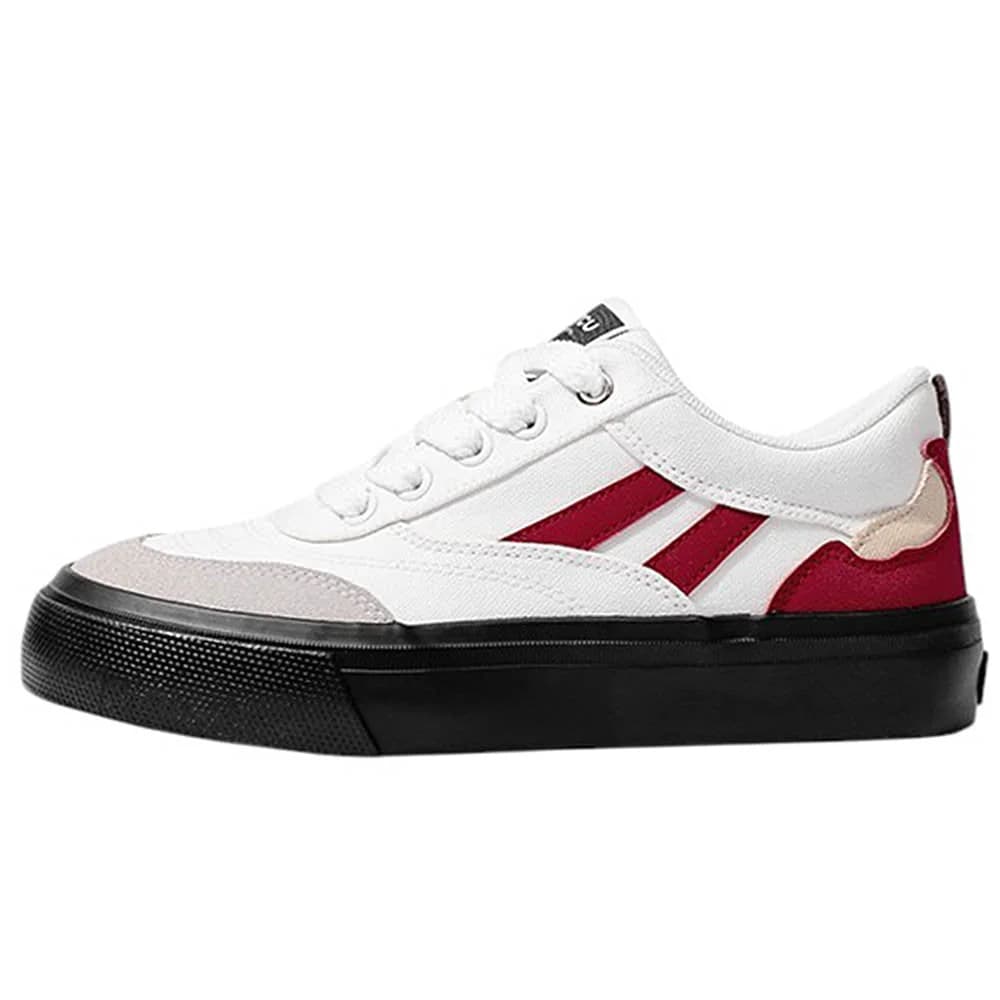
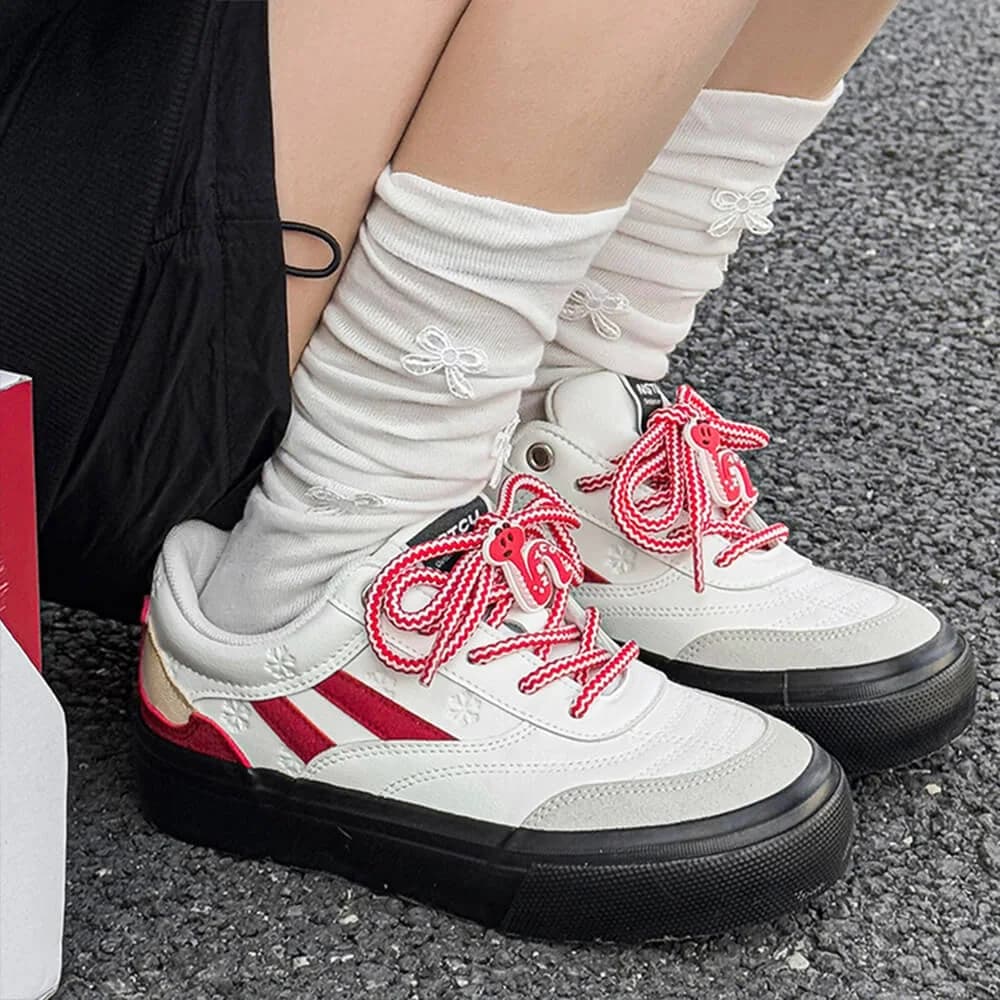
To create a harmonious line, aim for a proportional match. Moderate straight-leg trousers generally look best with low-profile options from our Soft Boy Sneakers selection, where the opening gently grazes the top of the laces without drowning them. If you prefer roomier skate-style silhouetteThe overall shape an outfit creates, from fitted to loose and layered.s, wider pleated chinos, or heavy corduroy trousers, shift your footwear towards thicker soles or structured shapes found across our Soft Boy Shoes range so your footwear holds its ground against the fabric drape.
When deciding what to buy, measure the flat hem width of your favourite trousers. A hem measuring 18 to 20 centimetres laid flat pairs naturally with low-profile trainers and classic loafers, while leg openings of 22 centimetres or wider typically require a shoe with a taller midsole or wider toe box to maintain a clean transition.
- Check flat leg opening measurements before deciding between slim sneakers or chunky soles.
- Ensure wide trouser hems rest neatly on the vamp rather than dragging under the heel.
- Match heavy fabric weights like corduroy or canvas with sturdier footwear silhouetteThe overall shape an outfit creates, from fitted to loose and layered.s.

Mastering Hem Breaks: No Break, Slight Break, and Full Break
Understanding breaks is the fastest way to refine how your trousers meet your shoes. A no-break look happens when your hem terminates just above the shoe collar, leaving a crisp space of exposed sock or ankle. This clean cut works exceptionally well with tailored trousers, dress shoes, and low-cut retro trainers. It highlights the entire shoe and keeps lines very neat, which is great when you want your footwear details to stand out.
A slight break occurs when the hem gently brushes the front of your shoe, causing a single, subtle fold in the fabric. This is the most versatile option for everyday relaxed dressing. A slight break looks effortless with low-profile leather sneakers, canvas shoes, and derbies, functioning equally well whether you are sitting in a lecture or walking around town. It avoids stiffness while keeping your trousers from looking sloppy.
A full break features multiple ripples of fabric pooling over the shoe upper. While traditional tailoring avoids this, intentional pooling is common in streetwear and grunge-leaning outfits. If you choose a full break, make sure you wear shoes with a substantial sole and a wide tongue so the fabric stacks comfortably on top of the footwear rather than slipping down to the floor.
- No break: Hem ends cleanly above the shoe collar; best for showing off socks and low-top trainers.
- Slight break: Single gentle fold at the front; the ideal everyday standard for straight-leg pants.
- Full break: Stacking fabric folds; pairs strictly with wide pants and chunky soles.
Styling Low-Profile Sneakers With Cropped and Tucked Pants
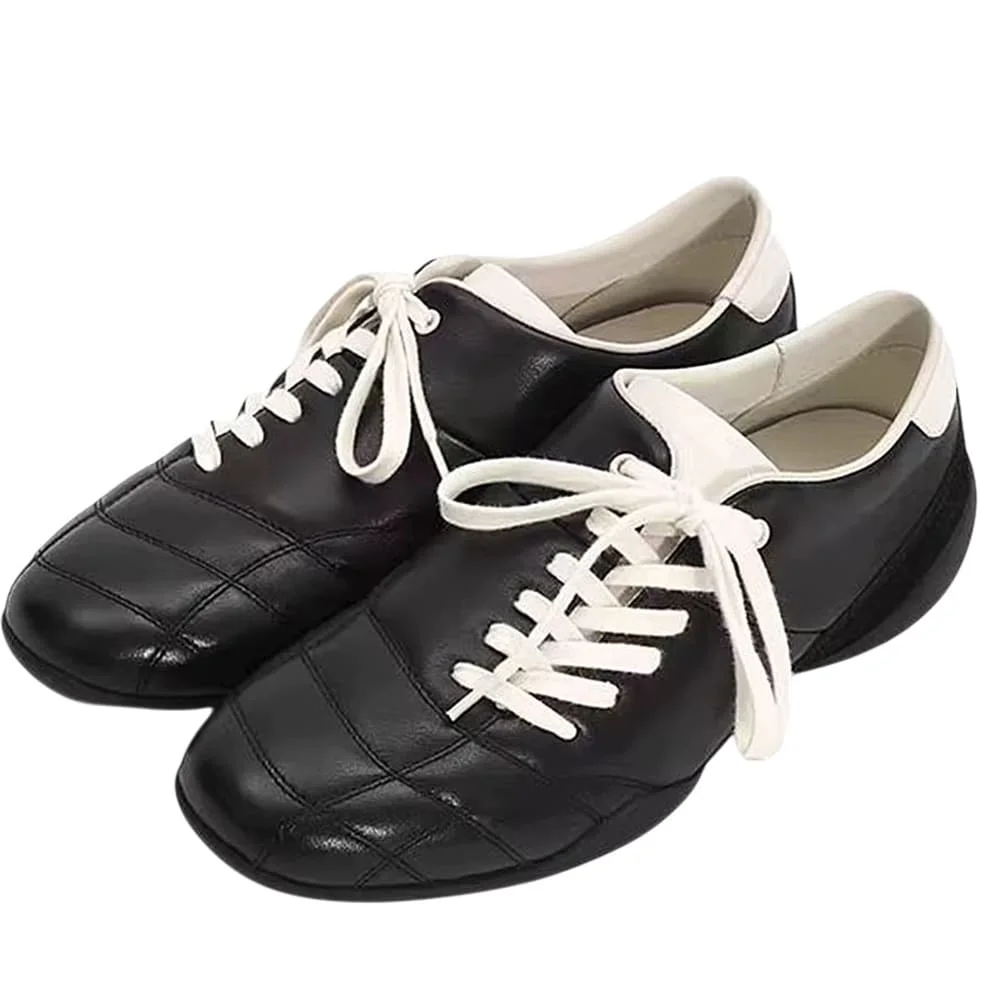
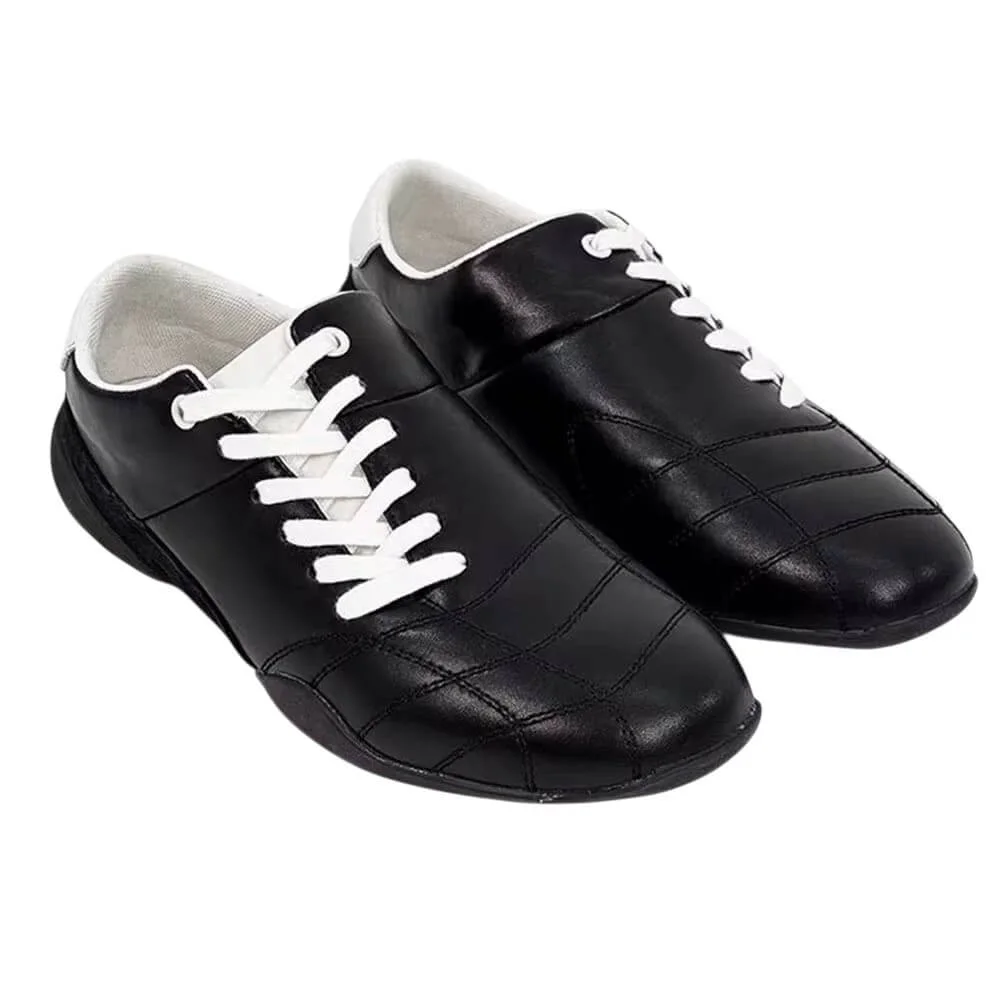
Low-profile sneakers are fundamental to light, vintage-inspired wardrobes. Because these shoes have minimal height around the ankle and a slim toe, pairing them with the wrong hem can lead to your trousers dragging. The ideal match for a sleek trainer is a cropped trouser or a neatly pinned cuff that exposes the shoe's collar.
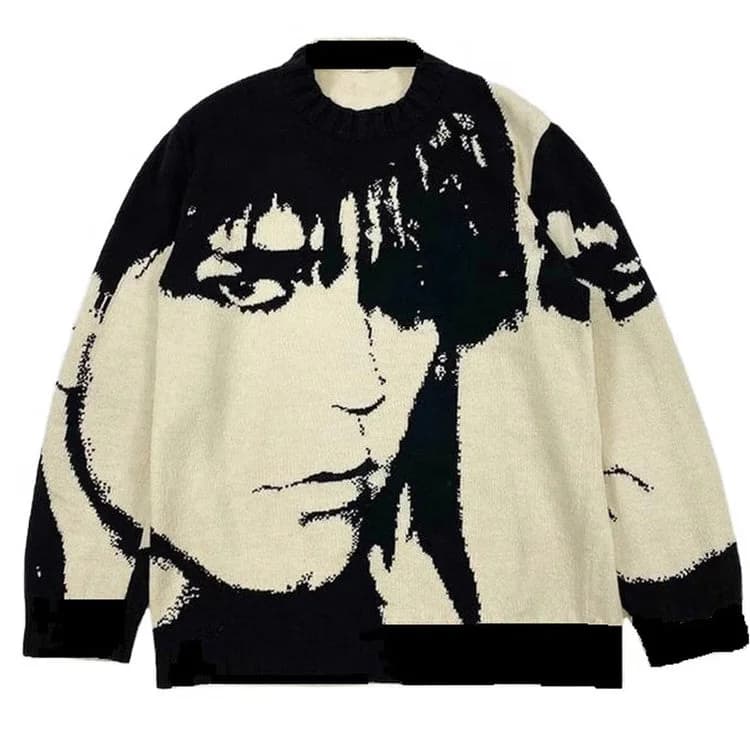
Try pairing slim, light-toned sneakers with cropped ecru denim or ankle-grazing wool trousers. On top, balance the neat lines below by throwing on the Dance With My Hands Sweater, which is made from a lightweight polyester knit in a graphic white and black pattern. The contrast of the sweater's relaxed drape against crisp, ankle-length trousers and slim trainers creates an easy, balanced look suited for casual weekend outings.
When styling cropped hems with low-profile sneakers, your sock choice becomes a focal design element. Plain off-white ribbed socks add subtle texture, while muted pastel or striped socks introduce a playful touch without overpowering the outfit. Avoid no-show socks with heavier winter fabrics, as the bare ankle breaks visual continuity in cold weather.
- Choose trousers that sit roughly two to three centimetres above the shoe collar.
- Keep socks visible and intentional using ribbed cotton textures or earthy tones.
- Balance cropped, tidy hems with relaxed knitwear on top.
Balancing Chunky Soles With Wide-Leg Denim and Chinos
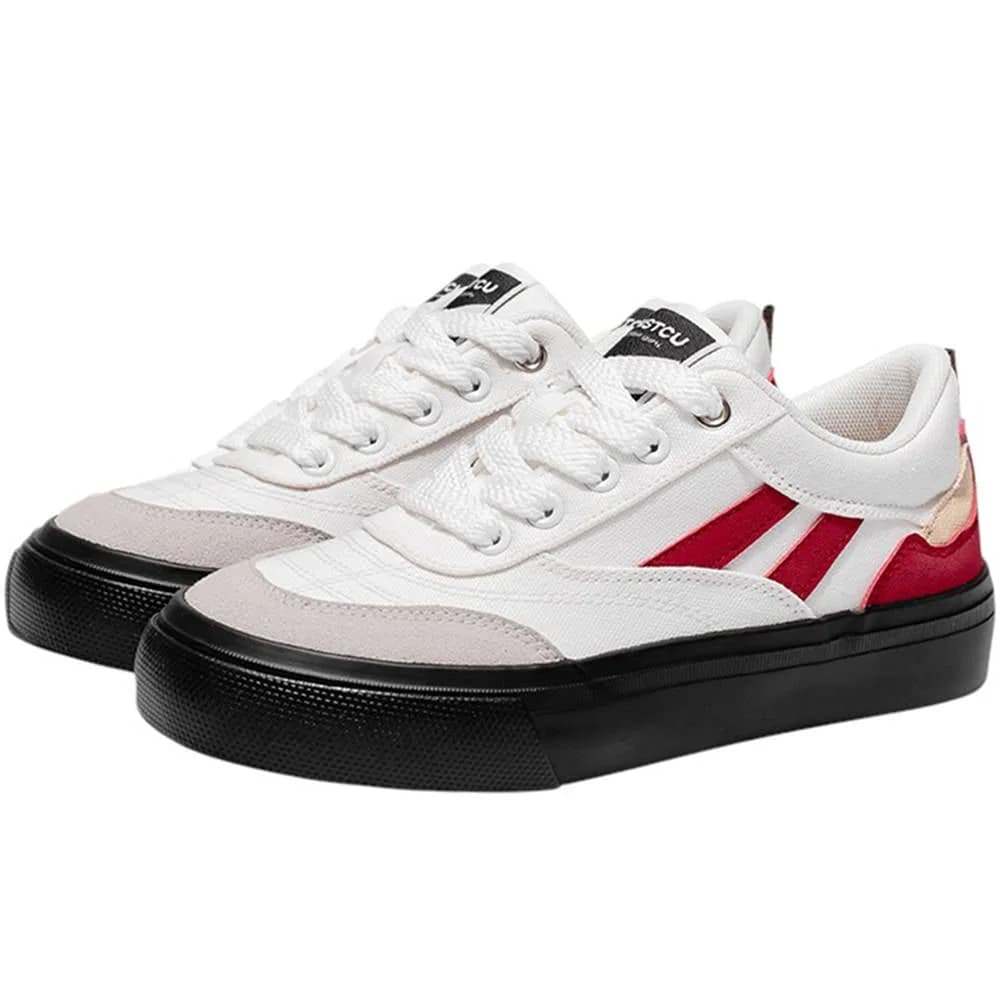
Chunky-soled footwear provides the structural weight needed to support wider silhouetteThe overall shape an outfit creates, from fitted to loose and layered.s. When wearing relaxed skate denim, carpenter pants, or wide pleated trousers, thin shoes can look underwhelming. Footwear featuring platform midsoles, lugged outsoles, or broad rounded toes provides a sturdy base that prevents wide leg openings from drooping awkwardly.
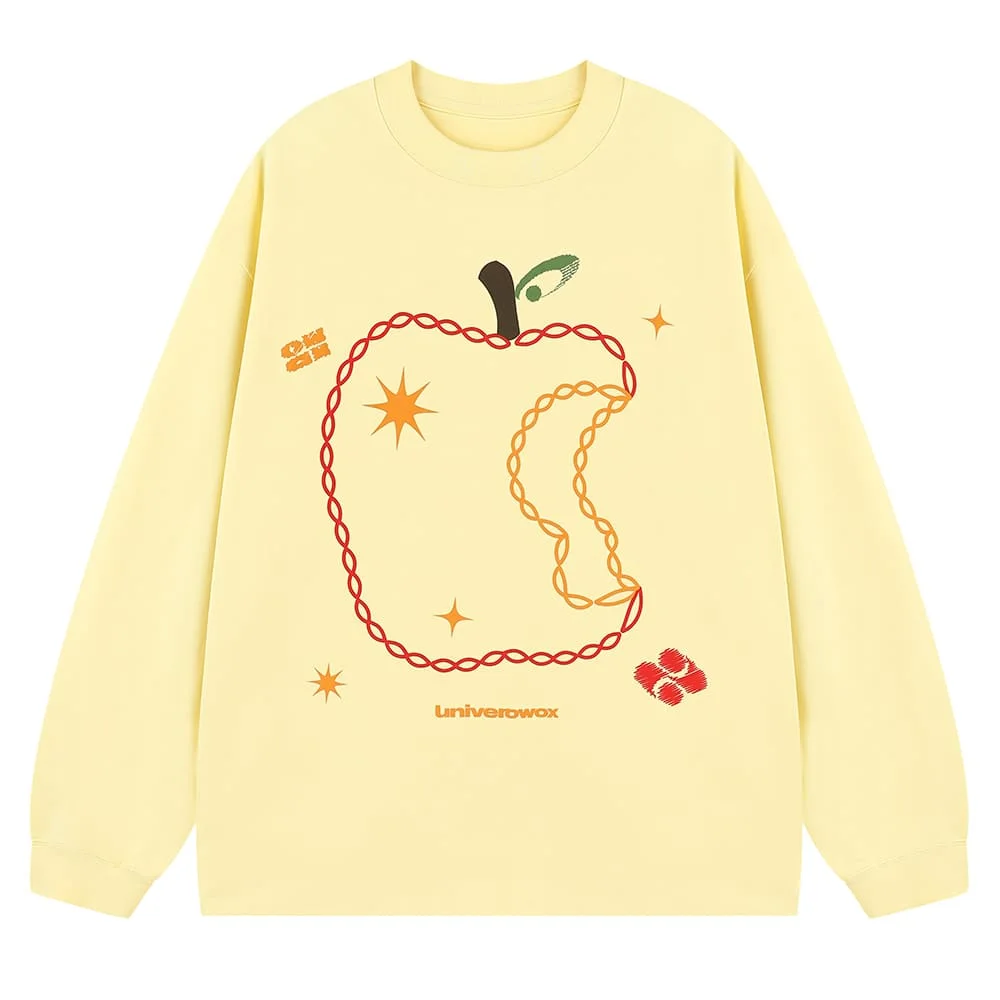
For a reliable casual outfit, take dark wide-leg raw denim and pair it with thick-soled black derby shoes or platform trainers. On your upper half, layer an oversized top like the Big Apple Oversized Sweatshirt, crafted from a cotton and polyester blend and available in colours like yellow, black, grey, and white. The sweatshirt's dropped shoulders mirror the volume of the wide trousers, while the heavy soles anchor the entire outfit.
Pay attention to where your wide hem sits on the shoe. You want the bottom of the pant leg to rest across the instep, creating an intentional crease without covering the entire toe cap. If the hem covers more than two-thirds of your footwear, consider a single wide cuff to restore balance.
- Use thick midsoles to anchor wide-leg denim and baggy workwear trousers.
- Ensure the shoe's toe box remains visible beneath the pant opening.
- Mirror chunky footwear volume up top with relaxed, drop-shoulder sweatshirts.
How to Cuff Your Pants: Single Fold, Double Roll, and Raw Hems
Cuffing is the most practical tool for adjusting your pant length on the fly without visiting an alterations tailor. The way you fold your hem dramatically alters how your shoes look. A single wide cuff—folding the bottom hem up by about five to seven centimetres—creates a vintage, utilitarian feel. This works best on stiff, heavy fabrics like raw denim or duck canvas, and looks right at home sitting atop rugged leather footwear.
The double roll involves two tight, narrow turns of roughly two centimetres each. This creates a neat, rounded cuff that works wonders on chinos, lightweight cotton trousers, and relaxed-fit cords. The double roll is especially effective when you want to show off slim sneakers or classic loafers, as it pulls the fabric cleanly away from the shoe collar and keeps stacking to a minimum.
Raw hems provide an unfussy, casual edge. Frayed or raw hems on relaxed denim drape loosely over the shoe vamp without the added bulk of rolled fabric. Pair raw hems with canvas skate shoes or distressed sneakers. However, avoid raw hems in rainy or muddy conditions, as frayed threads quickly wick moisture up your legs.
- Single wide cuff: Best for heavy denim, utilitarian trousers, and structured shoes.
- Double roll: Best for chinos, lightweight pants, and showing off low-top shoe profiles.
- Raw hem: Adds relaxed texture but is prone to water absorption on wet days.
Integrating Ankle Boots Into Relaxed Outfits
Lace-up boots, Chelsea boots, and zip-up leather footwear provide elevation and structure. The challenge when wearing boots is managing the shaft. Stuffing wide-leg trousers into the top of boots creates an awkward bundle, while very narrow pants can stretch tightly over the boot shaft. You can explore structured options within our Soft Boy Boots section to find footwear with clean lines that sit naturally beneath relaxed cuffs.
A dependable strategy is letting your trousers drape cleanly over the boot shaft. Choose straight-leg or relaxed-taper trousers with a leg opening wide enough to slide smoothly over the leather without catching every time you stand up. When building an outfit, combine dark brown or black leather boots with olive straight-leg trousers, layeringWearing pieces over or under one another to add depth, warmth or contrast. the 90s Plaid Grey & Red Reversible Hoodie underneath an unbuttoned overshirt. The polyester and cotton blend of the hoodie introduces casual softness that balances the boot's structured leather.
If you prefer showing off your boot's eyelets and laces, opt for a single neat turn-up on rigid denim. Ensure the cuff ends just at the top of the boot shaft rather than halfway down the laces so the boot retains its intended proportions.
- Let straight-leg trousers drape freely over the boot shaft to maintain clean lines.
- Check that the trouser hem slides easily over the boot collar without snagging.
- Balance structured leather boots with soft, casual layered tops.

Warm-Weather Styling: Shorts, Canvas Shoes, and Sock Proportions
As temperatures rise, swapping trousers for shorts shifts the focus directly onto shoe profiles and leg proportions. Wearing chunky boots with shorts can feel heavy, while paper-thin slip-ons with baggy shorts can look disproportionate. The key to warm-weather dressing is selecting lightweight canvas trainers or low-profile shoes that sit naturally below knee-grazing or mid-thigh hems.
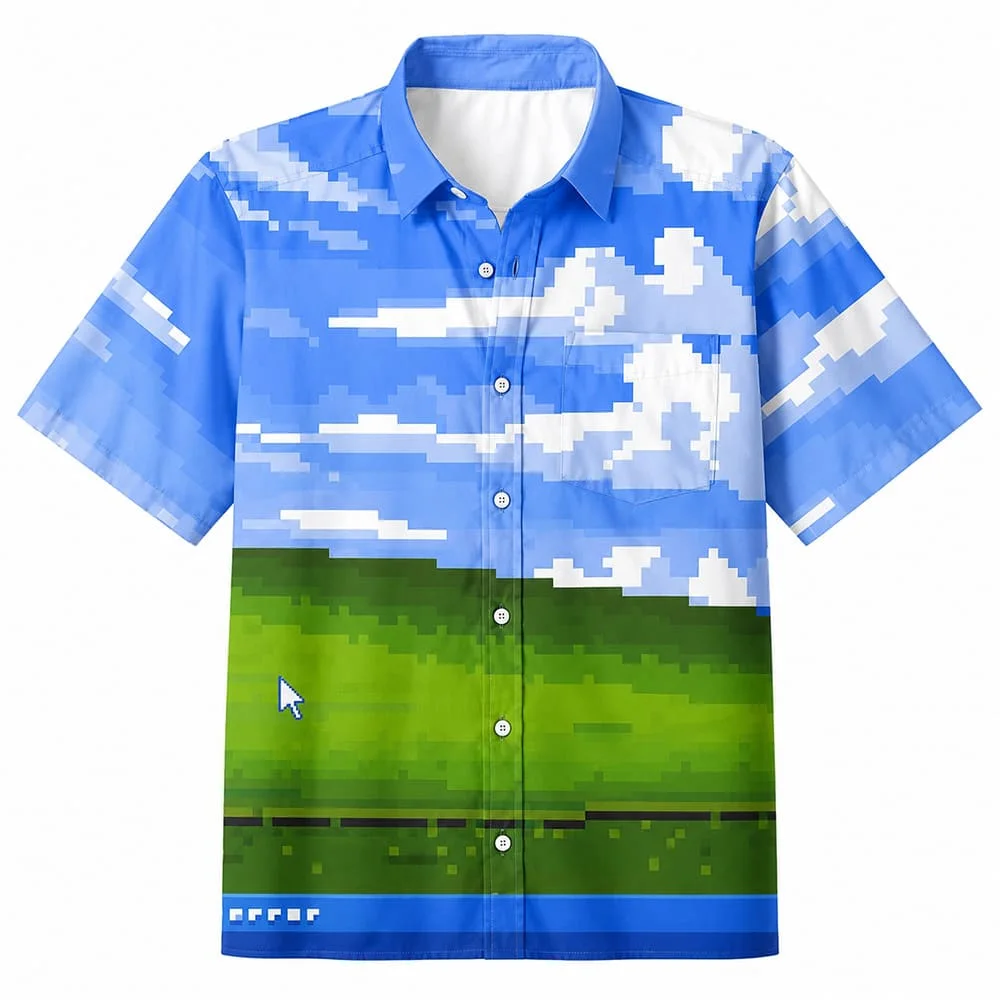
Pair relaxed cotton shorts with retro canvas sneakers and clean mid-calf crew socks. For the top, lean into breathable patterns with the Bliss Desktop Hawaiian Shirt, made from light polyester in an eye-catching blue and green print. The breezy drape of the short-sleeve shirt keeps the upper body light, balancing the casual nature of low canvas shoes and relaxed shorts.
Sock height is essential when wearing shorts. No-show socks can make modern relaxed shorts look unbalanced. Instead, pull mid-calf ribbed socks up cleanly, or push them down slightly for a relaxed scrunched look. Keep the sock colour aligned with a secondary tone from your shirt or shoe trim to tie the outfit together.
- Pair relaxed-fit shorts with low canvas sneakers or retro running silhouetteThe overall shape an outfit creates, from fitted to loose and layered.s.
- Wear mid-calf socks rather than no-show liners to ground the proportions of wider shorts.
- Incorporate lightweight printed shirts to maintain an easy, airy balance.
Transitioning Footwear Between Wet, Cold, and Dry Weather
Footwear choices must adapt to the weather outside your door. Canvas shoes and thin leather soles are great for dry, sunny afternoons, but they quickly become uncomfortable in rain and mud. Wet weather demands footwear with gripped rubber outsoles, raised welts, and water-resistant uppers that keep hems from soaking up street puddles.
In wet weather, switch from light trainers to treated leather boots or lug-soled shoes. Avoid full-break trousers on rainy days, as pooling fabric absorbs moisture from pavements. Instead, use a double roll or wear trousers with a clean no-break hem that stops above the sole. Combine this lower half with warm layeringWearing pieces over or under one another to add depth, warmth or contrast. up top, like the Black & Yellow 90s Plaid Reversible Hoodie, which gives you polyester and cotton weather resistance alongside distinct plaid patterning.
During dry, sunny spells, you can return to delicate canvas, light suede, or unlined loafers. Suede adds a rich, soft texture that pairs well with cotton twill and linen trousers, but it should stay indoors when downpours are forecast.
- Swap canvas for treated leather or lug soles during rain to stay dry.
- Use no-break or cuffed hems in wet weather to avoid water-wicking at the pant hem.
- Reserve suede and canvas footwear strictly for clear, dry days.
Tonal Footwear vs. Contrast Statements
Deciding whether your footwear blends into your trousers or stands out is an important styling choice. Tonal dressing—matching black shoes with black pants, or cream sneakers with beige chinos—creates an uninterrupted vertical line that makes your legs look longer. It provides an understated, subtle aesthetic that allows textured tops or statement outerwear to take centre stage.
Conversely, high-contrast pairings draw attention straight down to your feet. Wearing bright white sneakers beneath dark indigo denim or charcoal trousers creates a hard visual boundary at your ankles. To make this work intentionally, ensure the rest of your outfit carries a balancing touch of that lighter tone, perhaps in an inner t-shirt or the collar of a layered top.
For an easy everyday option, pair light stone chinos with white sneakers, topped by the System Overload Button-Up Shirt in grey. The subdued grey polyester button-up grounds the look, letting the white footwear provide a clean, intentional highlight without competing against clashing patterns.
- Tonal pairings elongate the legs and create smooth, uninterrupted vertical lines.
- High-contrast footwear creates an eye-catching boundary that draws attention to shoe shape.
- Tie contrasting shoe colours into upper-body layers for a cohesive outfit.

Layering Casual Tops to Balance Footwear Weight
Footwear visual weight should never be decided in isolation; it must correspond to your top layers. A heavy winter coat worn over skinny trousers with delicate trainers creates an awkward, top-heavy silhouetteThe overall shape an outfit creates, from fitted to loose and layered.. Similarly, a tiny fitted tee worn above massive platform boots can look bottom-heavy and out of proportion.
When wearing substantial footwear like thick-soled creepers or lug-soled derbies, build out upper body volume with thoughtful layers from our Soft Boy Tops collection. Start with a structured base layer like the Apple Embroidered Short Sleeve Tie Shirt, a polyester piece available in black or yellow featuring an embroidered apple detail and front tie. LayeringWearing pieces over or under one another to add depth, warmth or contrast. a loose cardigan or relaxed chore jacket over this shirt builds upper-body dimension that naturally balances heavier footwear below.
If you are wearing lightweight, flexible canvas shoes, your top half should feel equally unencumbered. A breezy unbuttoned shirt over a simple tank top maintains a light, agile presence that matches the low visual footprint of your trainers.
- Mirror chunky shoes by adding layers, oversized cuts, or textured jackets up top.
- Keep upper layers light and breezy when stepping out in thin canvas shoes or slip-ons.
- Use structured button-ups to anchor the transition between wide pants and substantial footwear.
Pattern Matching: Plaid, Check, and Footwear Textures
Mixing patterned tops with textured footwear adds depth to an outfit, but clashing details can feel chaotic. If your shoes feature busy panels, bright accent colours, or prominent logos, keep your trouser fabric neutral and your shirts relatively understated. When your footwear is clean and understated, you have full freedom to experiment with pattern up top.
A classic casual formula pairs monochromatic leather shoes with patterned button-ups. For example, style clean black lace-ups and black straight-leg trousers with the Oversized Checkered Button-Up Shirt. Offered in polyester across colour options like pink/black, orange/blue, white/black, and black/red, this shirt adds vibrant character while the dark, minimalist footwear keeps the overall look steady and cohesive.
When combining textures like suede, canvas, and woven knits, stick to a shared colour family. Pairing brown suede shoes with cream corduroys and an earth-toned plaid shirt feels cohesive because the textures share an earthy, autumnal tone rather than fighting for attention.
- Pair expressive, patterned button-ups with minimalist, solid-coloured shoes.
- Stick to a cohesive colour palette when mixing multiple fabrics like suede and knitwear.
- Let one piece serve as the focal point while keeping surrounding items understated.
Troubleshooting Common Hem and Footwear Mistakes
Even well-chosen pieces can look off if minor styling details are overlooked. One frequent misstep is the 'accordion effect', where long, stiff trousers bunch up repeatedly over a low-profile sneaker. This breaks the drape of your pants and makes the outfit look ill-fitted. If your trousers bunch excessively, a simple tailor hem or a double roll will restore clean lines instantly.
Another common problem is the heel-drag tear. When trousers have a wide leg opening and an uncut inseam, the back of the hem frequently gets trapped under the shoe's heel while walking. This frays the hem and damages the garment. Solve this by taking a single wide cuff or wearing shoes with a slightly thicker midsole that keeps the fabric clear of the pavement.
Lastly, be wary of socks that stretch out and sag around the ankles. An unkempt sock ruins the clean gap created by cropped trousers. Invest in ribbed crew socks with good elastic recovery so they sit smooth and straight between your shoe collar and trouser hem throughout the day.
- Fix awkward accordion bunching by cuffing or shortening long, stiff trousers.
- Prevent heel drag by pairing wide hems with platform soles or rolling the cuff.
- Ensure socks retain their elasticity to keep cropped trouser breaks looking sharp.
How to Choose Footwear Across Different Wardrobe Needs
Building an adaptable shoe rotation means selecting pairs that serve distinct roles across your weekly outfits. Rather than buying multiple pairs of near-identical white sneakers, curate three or four purposeful silhouetteThe overall shape an outfit creates, from fitted to loose and layered.s that accommodate different trousers, weather conditions, and settings.
Your core rotation should ideally consist of one low-profile casual sneaker for daily walking, one chunky shoe or platform derby for wide-leg silhouetteThe overall shape an outfit creates, from fitted to loose and layered.s, and one structured boot for inclement weather or dressier casual plans. Comparing these against our full Soft Boy Clothes selection lets you see how various cuts of pants and tops interact with each footwear profile.
When shopping for new pairs, evaluate how each shoe handles your most-worn trousers. A shoe that only looks good with one specific pair of jeans will sit unworn in your wardrobe. Aim for versatile options that work across both cropped chinos and relaxed wide-leg denim.
- Build a balanced rotation: one low trainer, one chunky shoe, and one structured boot.
- Prioritise footwear that pairs cleanly with at least three trousers you already own.
- Evaluate materials based on your local climate and everyday walking habits.
The Outfit and Hem Matching Checklist
Before heading out the door, take ten seconds to do a quick visual check in the mirror. Assessing your outfit from the ground up ensures your hem, footwear, and layers work together as a cohesive unit.
Start at your feet and check the break. Are your trousers pooling awkwardly, or is the fold resting cleanly against your shoe vamp? If fabric is catching or sagging, adjust your cuff. Next, check your proportions: does the width of your pant leg balance the bulk of your shoe, or does one overpower the other? Finally, ensure your top layer mirrors the volume of your lower half for an overall balanced look.
Running through this simple checklist guarantees your styling looks deliberate and effortless every single day. Good proportions take the guesswork out of getting dressed, giving you consistent confidence in your personal aesthetic.
- Break check: Is the pant hem folding cleanly without swallowing the shoe?
- Volume balance: Does the shoe width match the visual weight of the leg opening?
- Top coordination: Do upper layers mirror the relaxed or structured tone of the footwear?
- Weather ready: Are the materials suited to rain, cold, or warm sunshine?


