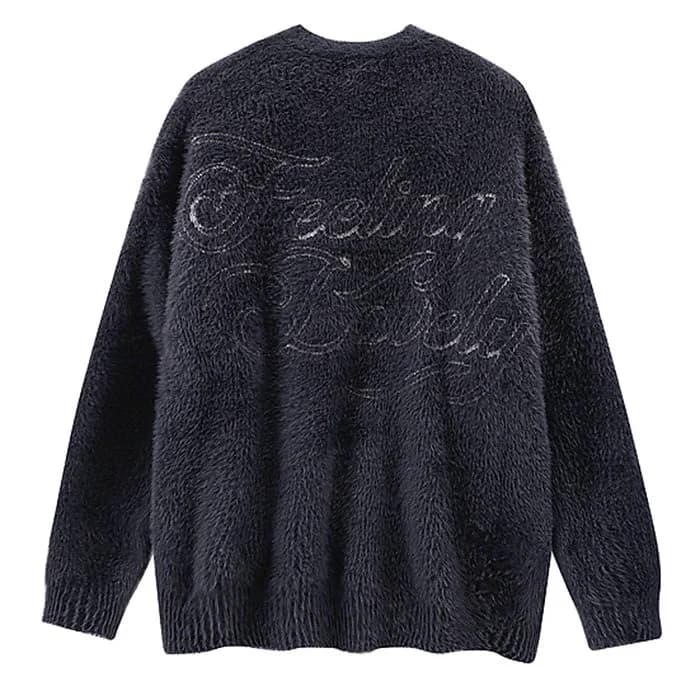
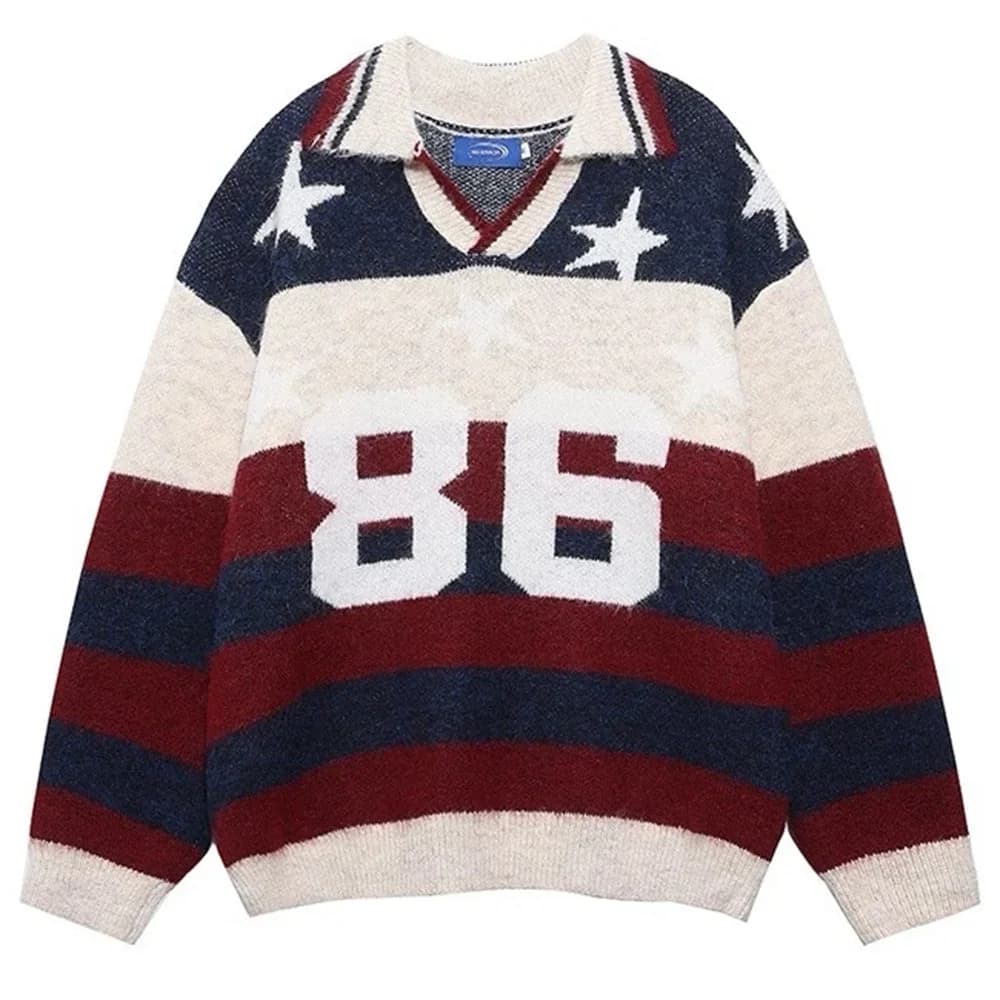
Created by the Kawaii Vibe editorial team. Our named style desks are editorial personas. Product details and availability can change.
LayeringWearing pieces over or under one another to add depth, warmth or contrast. soft boy sweaters is less about piling on random garments and more about managing collar reveals, hem lengths, and fabric weights. When you put an oversized crewneck or textured knit over a collared top or basic tee, the small points of contact determine whether the outfit looks intentional or sloppy. This guide focuses entirely on the mechanics of building functional outfits around knitwear, helping you troubleshoot bulk, fabric friction, and proportion without overcomplicating your routine.
Whether you are styling for crisp autumn mornings, unpredictable spring rain, or shifting temperatures across different climates, your knitwear can adapt smoothly. We will explore how different body frames interact with dropped shoulders, which undershirts prevent itchiness without adding awkward puffiness, and how to mix subtle prints with neutral bases. By approaching knitwear as a structural middle or outer layer, you can assemble relaxed daily outfits that stay comfortable throughout the day.
The Baseline Anatomy of a Soft Boy Sweater Outfit
A functional layered outfit built around knitwear relies on a three-zone structure: the neckline, the waist hem, and the lower cuffs. In everyday styling, the sweater functions as the visual core, but the supporting garments dictate the overall balance. If your knit sits completely flat against your waist and neck with nothing showing, the look can feel somewhat unfinished. Conversely, letting a crisp shirt collar or an inch of inner cotton hem show immediately establishes visual depth.
To achieve this balance, pay close attention to the neck opening of your sweater. A wide crewneck leaves room for a spread collar or a structured band, while a closer rib-knit collar works best framing a simple crew tee. You can explore focused knitwear silhouetteThe overall shape an outfit creates, from fitted to loose and layered.s in our Soft Boy Sweaters collection, which highlights dropped shoulders and relaxed neck openings meant to sit smoothly over foundational tops.
Beyond the neckline, observe how the sweater cuff rests over your wrist. A slightly pushed-up sleeve that reveals the cuff of a long-sleeve tee or button-up creates an effortless, lived-in feel. Keep your base fabric lighter than your sweater so the sleeves slide naturally without bunching around your elbows or binding around the armpits.
- Ensure your base collar stands roughly one to two centimeters above the sweater neckline for clean framing.
- Allow the hem of an undershirt to peek out by two to three centimeters to soften the break at your waistline.
- Check that sweater cuffs offer enough stretch to accommodate an underlayer without cutting off circulation.
Base Layers: Choosing Between Collars, Crewnecks, and Mock Necks
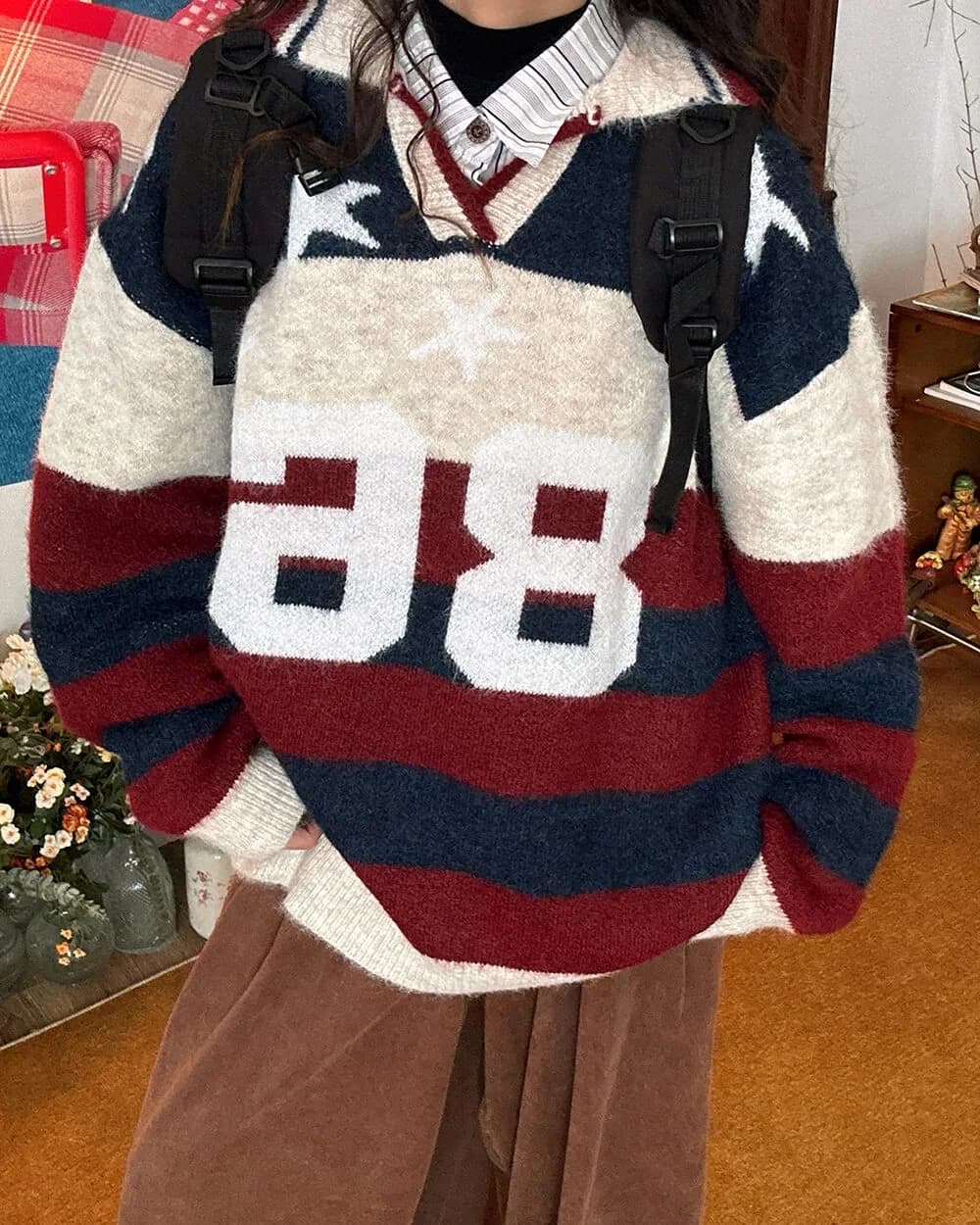
Your choice of base layer dictates both comfort and how structured the final outfit appears. A classic cotton crewneck t-shirt serves as the most casual starting point, acting as a clean barrier against coarser wools or synthetic yarns. It keeps body oils off your knitwear while creating a minimalist white or off-white line right at the throat. For straightforward basics that sit flat without bunching, browsing Soft Boy T-Shirts helps you identify smooth cotton foundations that work under any knit gauge.
When you want a slightly more bookish or thoughtful appearance, a woven button-up shirt changes the visual tone completely. Pointed collars tuck neatly inside a crewneck, while softer camp collars or relaxed button-downs can spill casually over the sweater ribbing. For a distinctive graphic collar detail, layeringWearing pieces over or under one another to add depth, warmth or contrast. the Apple Embroidered Short Sleeve Tie Shirt (made from lightweight polyester in Black or Yellow) under a solid knit allows the collar accent to ground the upper chest without adding sleeve bulk.
Mock necks provide a third functional route, offering neck coverage without the stiffness of folded woven fabric. A thin ribbed mock neck keeps your neck warm in transitional weather and produces an uninterrupted vertical line that works especially well under slightly oversized or boxy pullovers.

Managing Proportions for Shorter and Compact Frames
When you have a shorter or more compact frame, oversized knitwear can sometimes overwhelm your torso if the hem falls too low past the hips. The key to wearing relaxed shapes without looking swallowed by fabric is controlling where garments terminate. Instead of selecting an excessively long tunic-length knit, look for pieces with a slightly boxy cut and a snugger waistband that allows the fabric to fold slightly above the hips.
LayeringWearing pieces over or under one another to add depth, warmth or contrast. an unbuttoned outer jacket over your sweater can also establish strong vertical lines that counterbalance the horizontal volume of a relaxed knit. Pairing your knitwear with straight or gently tapered trousers helps maintain leg length. If your knit is particularly voluminous, avoid bunching extra shirt fabric beneath the hem; keep your base tee tucked into your trousers so only the sweater band dictates the waist break.
Another practical trick is using single-tone styling across your lower half. Matching your footwear value closely to your trousers keeps the lower half streamlined, allowing a colorful or textured sweater to stand as the focal point without visually bisecting your silhouetteThe overall shape an outfit creates, from fitted to loose and layered..
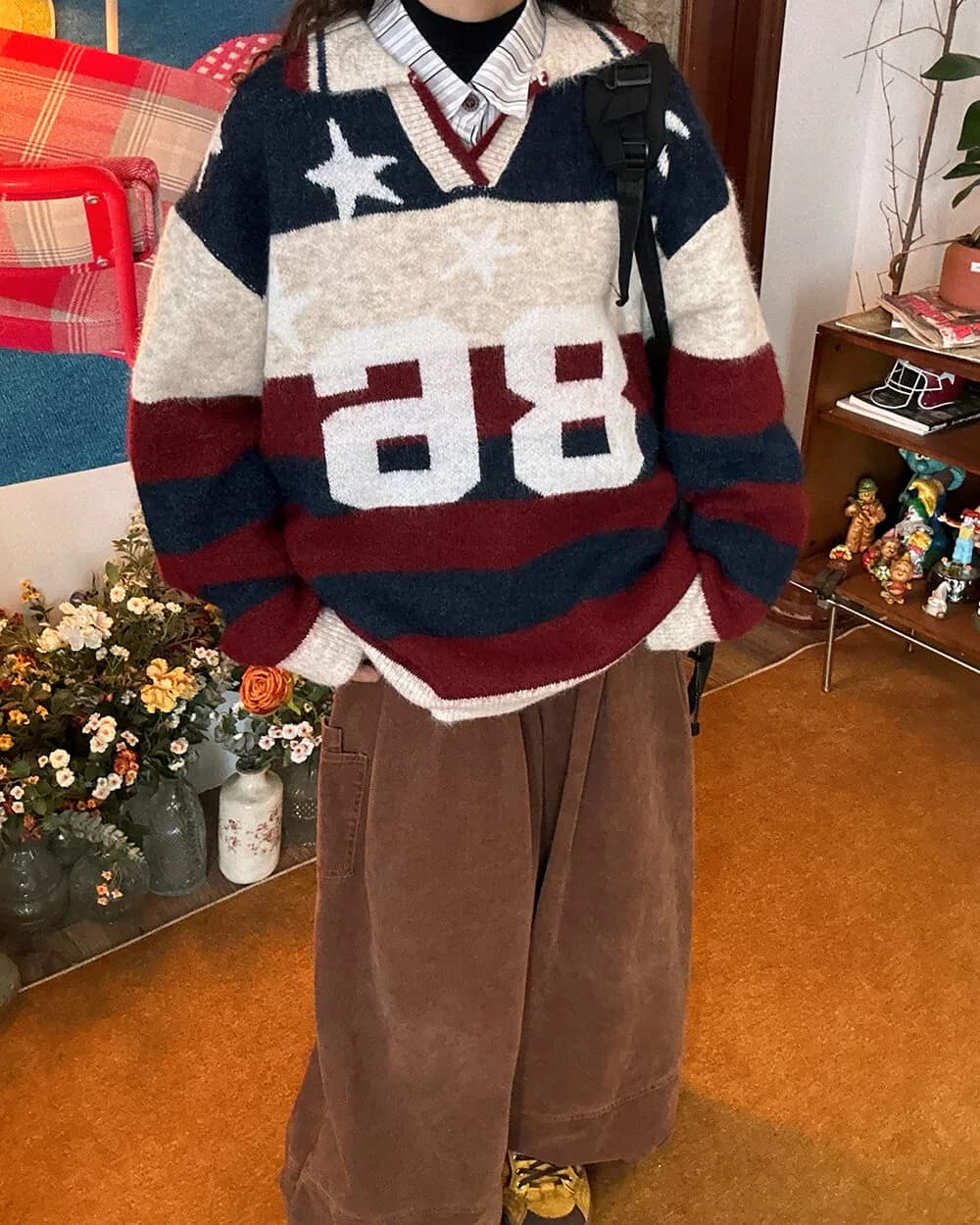
Balancing Volume on Broader and Taller Builds
Broader shoulders and taller frames handle heavy knits easily, but they introduce a different challenge: avoiding unintentional stiffness or boxiness. Heavy gauge cable knits with tight waistbands can sometimes pull horizontally across the chest or ride up uncomfortably when moving. In these instances, opting for relaxed dropped-shoulder designs helps the fabric drape naturally along the upper torso rather than perching on top of the shoulders.
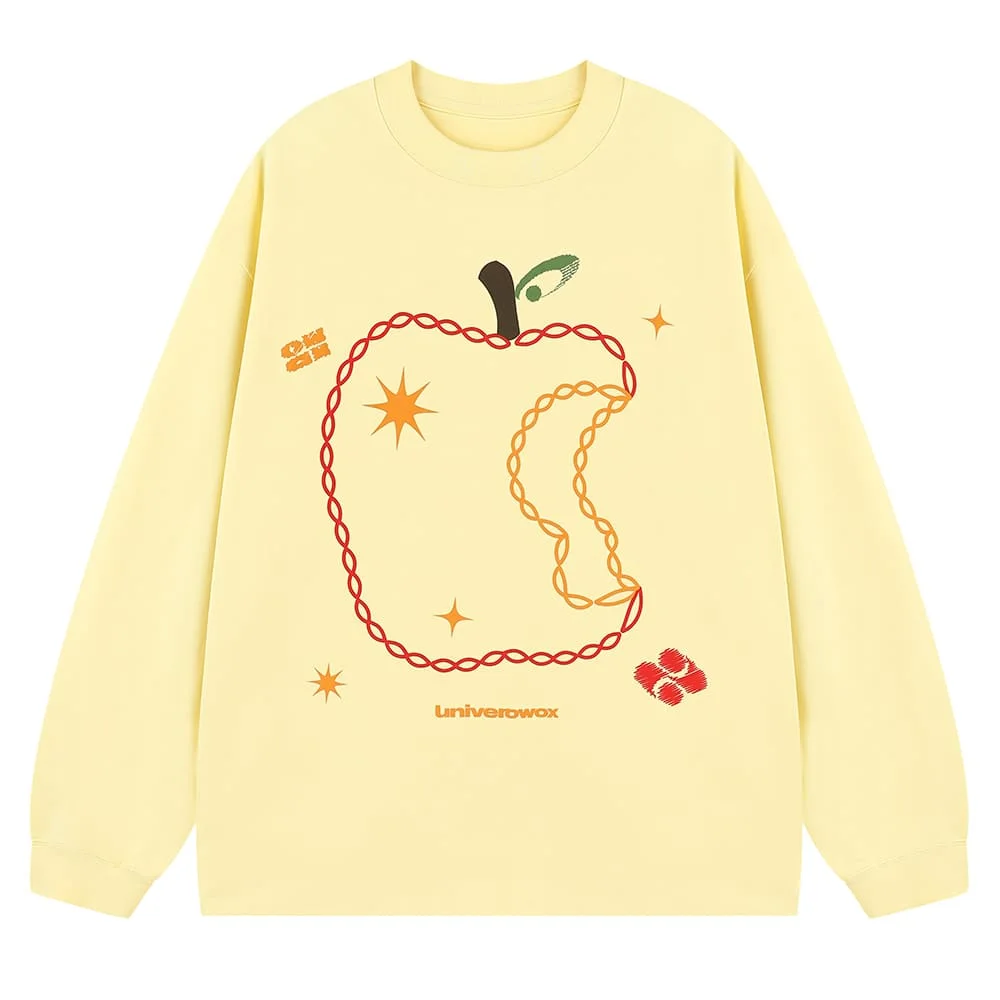
For broad builds, lightweight or mid-weight knits layered over loose woven tops provide the best mobility. A piece like the Big Apple Oversized Sweatshirt, constructed from a cotton and polyester blend in Yellow, Black, Grey, or White, offers a roomy cut that drapes cleanly without clinging. Pairing this type of relaxed top with wider bottoms creates an intentional, cohesive silhouetteThe overall shape an outfit creates, from fitted to loose and layered. from head to toe.
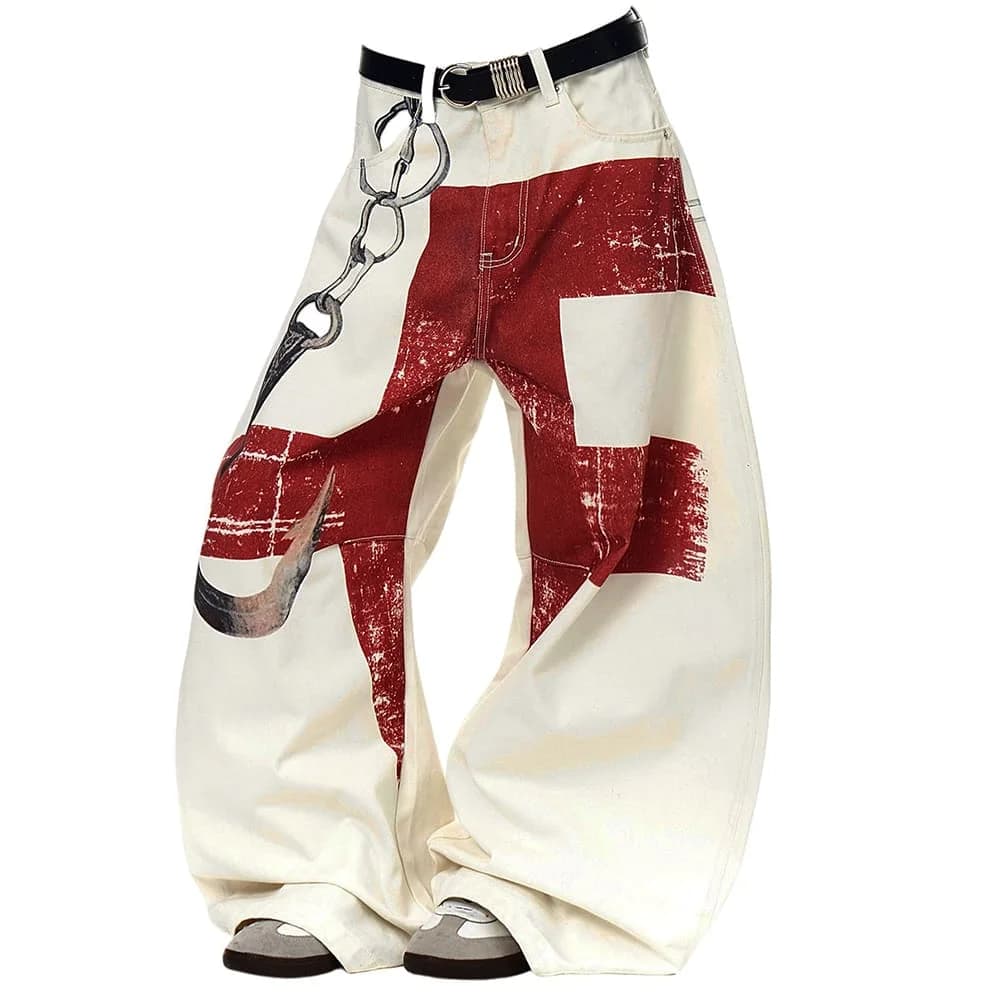
Tall frames also benefit from contrasting hems. Letting a longer inner shirt show beneath the sweater breaks up a long torso effectively. If you prefer a relaxed, low-slung aesthetic, anchor the look with wide trousers like The Problem Child Wide Leg Pants, cut from white and red denim, which maintain substantial visual weight at the shoes to balance out an oversized upper half.
How to Layer Collared Shirts Beneath Sweaters Without Bulk
A frequent frustration with wearing button-ups under knitwear is fabric bunching around the chest and twisting inside the sleeves. This problem usually happens when combining two thick, structured fabrics or wearing a stiff cotton shirt with rigid cuffs. To prevent this, prioritize shirts made from fluid materials or softer weaves that conform easily to your body contour under pressure.
A fluid option like the System Overload Button-Up Shirt, made of smooth grey polyester, slides under knit fabrics without creating awkward wrinkles or friction. When putting the outfit together, fasten the shirt buttons up to the second button from the top, then pull your sweater on while holding the shirt cuffs firmly in your hands so the sleeves do not ride up your arms.
Once the sweater is on, gently smooth the front placket flat against your torso. If the collar points keep slipping inside the knit or poking out unevenly, give the collar band a soft press with an iron or steam before wearing, ensuring the points sit symmetrically over the ribbing.


Pattern Mixing: Plaids, Florals, and Abstract Prints
Soft boy style frequently incorporates vintage-inspired patterns, but wearing multiple busy prints simultaneously can quickly look disorganized. The general rule for balanced pattern mixing is pairing one intricate print with one solid or subtle, large-scale motif. If your sweater has a vibrant graphic, keep your collar and undershirt plain to let the knit stand out.
Conversely, if you are wearing a neutral crewneck in cream, beige, or slate grey, an eye-catching collar underneath adds personality. LayeringWearing pieces over or under one another to add depth, warmth or contrast. the Oversized Checkered Button-Up Shirt (offered in polyester across palettes like Black/white, Pink/black, and Orange/blue) under a plain crewneck leaves just the checkered collar and wrist pattern visible, breaking up monochrome knitwear.
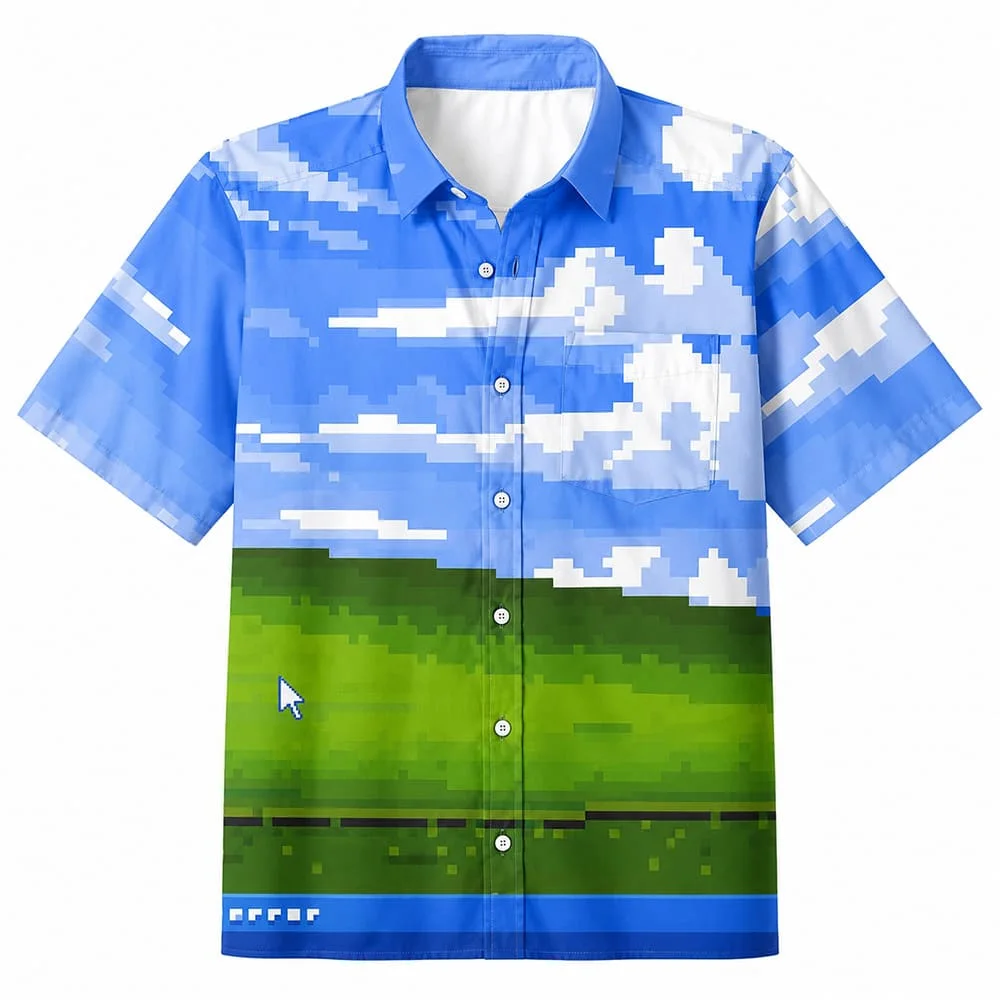
For spring days, you can even experiment with quirky resort prints like the Bliss Desktop Hawaiian Shirt. Letting its blue and green polyester camp collar spread out over a heather grey sweatshirt introduces playful nostalgia without allowing the bold pattern to dominate your whole outfit. To see how these printed pieces fit into the wider aesthetic context, check out our broader Soft Boy Tops category for curated pairings.
- Stick to one focal print per outfit, keeping adjacent layers neutral or solid.
- Ensure the base color of your printed underlayer echoes at least one shade present in your knitwear.
- Avoid mixing two micro-patterns together; contrast a tight print with a broader, open pattern instead.
Transitional Season Outfits for Mild and Shifting Weather
Transitional weather—typical of mid-spring and early autumn—demands clothing combinations that you can strip off or put back on quickly without ruining your outfit. When temperatures fluctuate by ten degrees over the course of an afternoon, a heavy wool knit becomes impractical. Instead, lean into mid-weight cotton-blend tops layered over short-sleeve tees that hold up well on their own if you remove the outer layer.
During mild afternoons, a lightweight knit paired with loose shorts or rolled chinos offers great thermal comfort. If you want a casual, hooded silhouetteThe overall shape an outfit creates, from fitted to loose and layered. that can be adjusted for sudden breeze changes, options like the 90s Plaid Grey & Red Reversible Hoodie or the Black & Yellow 90s Plaid Reversible Hoodie (both constructed from polyester and cotton blends) give you two visual patterns in one practical layer. Hoodies like these serve as adaptable light outerwear over simple tees.
When the morning starts chilly, keep your knit layered over a tee and carry a light canvas tote bag. If the midday sun gets warm, you can drape your sweater loosely over your shoulders and loosely knot the sleeves across your chest. This keeps your hands free while adding an appealing, casual accent to your daytime silhouetteThe overall shape an outfit creates, from fitted to loose and layered..
Cold-Weather Heavy Layering: Knits Under Outerwear
When winter sets in across temperate regions, your sweater shifts from being the outermost statement piece to an insulating mid-layer. The most common pitfall here is sleeve binding: trying to shove a thick, dropped-shoulder knit into a narrow trench coat or stiff denim jacket restricts arm movement and creates awkward bulges around the armpits.
To layer successfully under heavy coats, pair your knits with outerwear that features raglan sleeves or dropped shoulders. An oversized wool overcoat, a boxy puffer, or a roomy duffle coat provides the necessary internal volume for relaxed knits. This allows the sweater to retain its loft, trapping air and keeping you warmer than if it were compressed tight against your skin.
Consider textures carefully when stacking winter garments. A smooth base tee, a textured knit, and a smooth wool or shell coat create tactile contrast that looks refined. If your coat has a structured lapel, letting a thick sweater collar rest right inside the V-opening shields your chest from biting wind without demanding a separate scarf.
- Check coat armholes before pairing: ensure you can lift your arms parallel to the ground without pulling the sweater hem up.
- Avoid wearing chunky cable-knits under slim-fit tailored jackets to prevent restrictive tightness.
- Use smooth, tightly woven base shirts under knits to minimize internal friction against your winter coat.
Bottoms and Footwear: Grounding Relaxed Knitwear Silhouettes
Because soft boy sweaters usually feature relaxed cuts, dropped shoulders, and loose sleeves, pairing them with skinny jeans can create an unbalanced, top-heavy look. Grounding the volume requires trousers that share a similar sense of ease, such as straight-leg corduroys, relaxed chinos, or wide-leg carpenter pants.
The hem of your pants should meet your footwear cleanly. Wide trousers with a slight break over chunkier shoes—like classic canvas high-tops, retro runners, or lug-sole loafers—anchor the breezy drape of the sweater. If you prefer a cropped trouser, pair it with ribbed socks in an earthy or pastel tone that complements the knit, turning an ankle gap into an intentional styling detail.
For weekend dressing, relaxed denim provides reliable structure against fluffy or fleece-backed knits. The sturdy texture of cotton twill or denim provides a necessary tactile counterweight to soft, fuzzy yarns, keeping the overall outfit grounded and practical for everyday wear.
Color Coordination: Pastels, Earth Tones, and Desaturated Neutrals
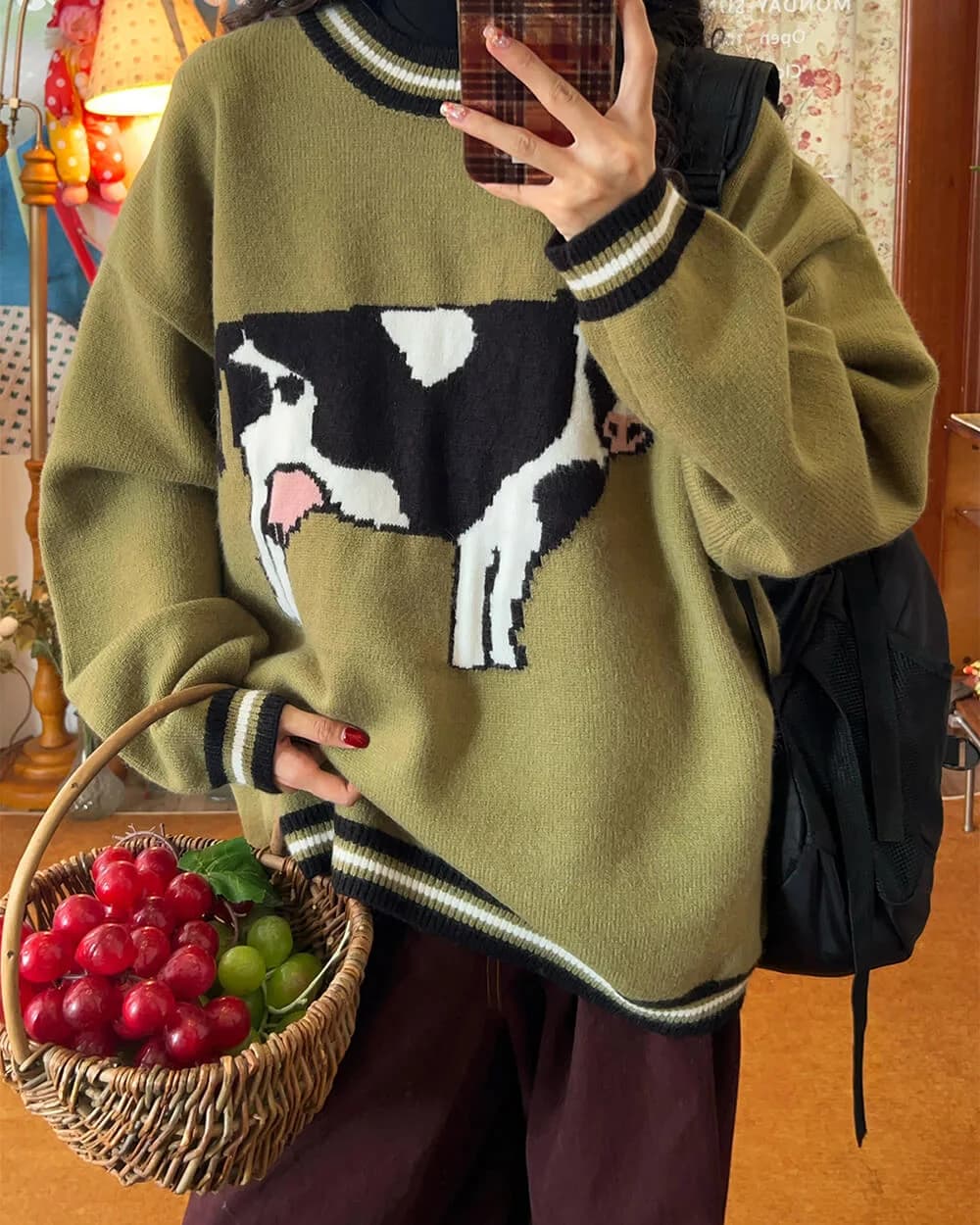
The soft boy palette leans heavily toward muted earth tones, warm neutrals, and desaturated pastels such as sage green, dusty lavender, buttercream, and oat. When layeringWearing pieces over or under one another to add depth, warmth or contrast. these shades, aim for subtle tonal shifts rather than high-contrast clashes. For example, pairing a light stone crewneck over a warm ecru undershirt creates a soft, cohesive upper body.
If you enjoy incorporating pastel knitwear, balance it with grounded base colors. A pale dusty-blue sweater worn over a charcoal grey tee or a faded brown trouser feels mature and wearable for daily errands. Grounding soft hues with muted bases prevents the outfit from looking like costume wear while honoring the gentle aesthetic.
When in doubt, use the rule of three colors: limit your visible palette to two coordinating tones and one anchor neutral. A cream sweater, olive green trousers, and a hint of dusty yellow from an inner collar create an earthy, harmonious balance that looks natural in any setting.
Fabric Care: Washing, De-Pilling, and Storing Knitwear
Maintaining the drape and texture of your knitwear is essential, as pilling and stretched-out necklines quickly detract from your personal style. Most casual knits, whether made of cotton blends, acrylic, or wool, should be washed gently. Turn your sweaters inside out before washing to protect the outer surface from friction against other clothes in the drum.
Always wash knits in cold water on a delicate cycle using a gentle liquid detergent. Never hang wet or damp sweaters on a clothes hanger; the weight of the water will stretch the shoulder seams and leave permanent hanger bumps. Instead, lay them flat on a clean dry towel away from direct sunlight and let them air dry completely.
Between washes, use a fabric comb or an electric de-piller to gently remove surface fuzz from high-friction areas like the underarms and sides. Storing knits neatly folded in a drawer or on a shelf—rather than hanging—ensures they maintain their original shape, shoulder drape, and collar tension over many seasons.

Comparing Casual Hoodies, Sweatshirts, and Traditional Knits
While traditional knits feature woven yarn loops that create distinct textures, casual fleece hoodies and cotton sweatshirts also play a major role in everyday layeringWearing pieces over or under one another to add depth, warmth or contrast.. Understanding the practical differences between these garments helps you choose the right piece for your intended outfit and weather conditions.
Traditional knits offer superior breathability and a softer, more vintage-inspired drape, making them ideal for smart-casual layeringWearing pieces over or under one another to add depth, warmth or contrast. over woven collared shirts. However, they require careful washing and can snag on sharp jewelry or rough bag straps. Sweatshirts and hoodies, on the other hand, provide greater durability, structural warmth, and effortless maintenance. You can browse our dedicated Soft Boy Hoodies selection to see how relaxed hooded fleece layers contrast against delicate woven knits.
To see how these diverse pieces come together across complete seasonal wardrobes, review the overarching Soft Boy Clothes collection. Comparing traditional knits directly against fleece tops helps clarify which fabric best matches your daily movement and comfort preferences.
- Traditional knits: best for breathability, textured visual depth, and collared shirt layeringWearing pieces over or under one another to add depth, warmth or contrast..
- Crewneck sweatshirts: best for durable everyday wear, easy laundering, and casual comfort.
- Hoodies: best for sporty silhouetteThe overall shape an outfit creates, from fitted to loose and layered.s, windy transitional days, and functional head coverage.
Common Layering Mistakes and How to Fix Them
One common mistake when layeringWearing pieces over or under one another to add depth, warmth or contrast. sweaters is neglecting collar stiffness. If you wear an old button-up shirt with a floppy, wilted collar beneath a heavy knit, the collar points will crumple and disappear into the neckline. To fix this, use shirts with moderate collar structure or opt for band collars that stay neatly in place without flopping.
Another frequent issue is mismatched hem proportions. If your inner shirt hangs six inches lower than your sweater hem, it can disrupt the visual balance of your legs and torso, making your legs look disproportionately short. Aim for an inner shirt reveal of no more than one to two inches below the sweater ribbing to keep your proportions neat.
Finally, avoid wearing thin synthetic knits over heavily textured tops like thick flannel or waffle-knit tees. The rough texture of the base layer will telegraph through the sweater, creating visible lumps and bumps across your chest and back. Always ensure your smoothest garment sits closest to your skin.
- Do not pair thick, textured underlayers beneath ultra-thin fine-gauge sweaters.
- Avoid wearing floppy, un-ironed woven collars that collapse under knit necklines.
- Keep base hem reveals modest—one to two inches is ideal for balanced proportions.
Your Practical Soft Boy Sweater Layering Checklist
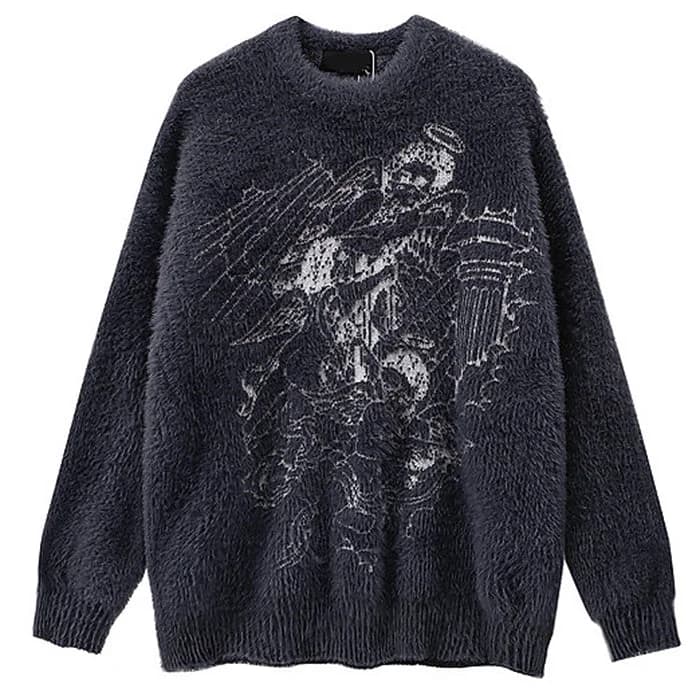
Before heading out the door, take a moment to run through a quick styling checklist to confirm your outfit works both visually and practically. A well-assembled outfit should not only look balanced in a mirror but also feel comfortable as you walk, sit, and move throughout your day.
First, test your range of motion. Raise both arms overhead; your sweater hem should not ride up past your waistband uncomfortably, and your inner sleeves should not twist tightly around your elbows. Next, check the mirror to verify that your collar reveal is even on both sides and that your neckline lays flat without puckering.
Finally, ensure your layeringWearing pieces over or under one another to add depth, warmth or contrast. setup matches your daily itinerary. If you will be moving between heated indoor spaces and chilly outdoor air, confirm that your base layer looks complete on its own should you need to remove your sweater. Once these practical elements are dialed in, you can wear your layered knits with complete confidence.
- Mobility check: raise arms to confirm no pinching at armpits or excessive hem rise.
- Collar alignment: make sure collar points sit symmetrically over or inside the knit neck.
- Standalone base: verify that your base t-shirt or shirt looks intentional if the knit is removed.
- Texture harmony: check that outer coat fabrics do not crush or catch on the knit surface.