Created by the Kawaii Vibe editorial team. Our named style desks are editorial personas. Product details and availability can change.
If you find yourself reaching for a graphic tee and whatever denim is lying on the floor every morning, it is easy to feel like your daily outfits have hit a wall. A graphic or boxy tee is one of the most versatile items you can keep in your wardrobe, but falling into the habit of pairing it exclusively with blue jeans turns an expressive staple into a visual default. Breaking out of that routine does not require tossing out your collection; it simply requires approaching the basic shirt as a foundational building block instead of the entire outfit.
Moving beyond the basic jeans-and-tee uniform comes down to altering proportions, balancing textures, and utilizing layers that frame your shirt differently. Whether you lean into soft pastels, washed tones, or vintage-inspired graphics, small adjustments to your trouser choice or outer layers can shift your personal silhouetteThe overall shape an outfit creates, from fitted to loose and layered. completely. By looking at how collars, knitwear, drape, and leg cuts interact, you can unlock a dozens-strong rotation from a modest handful of shirts.
In this guide, we break down practical styling directions that move well outside expected patterns. We will explore how to layer lightweight button-ups, when to swap traditional denim for drape and tailoring, how knitwear creates tactile contrast, and practical formulas you can adapt across seasons without overcomplicating your morning routine.
Rethinking the T-Shirt Foundation
A t-shirt rarely fails on its own merit; it fails when it is forced to do all the heavy lifting in an outfit. When an outfit feels underwhelming, the issue is almost always a lack of structural contrast between the top and the bottom half. Standard crew necks worn untucked over straight-leg blue denim create a predictable, flat vertical line that offers very little visual movement. To create outfits with more depth, start looking at your Soft Boy T-Shirts as foundational canvases rather than the single centerpiece of your look.
The easiest way to rethink this foundation is to pay close attention to necklines, collar drop, and shoulder seams. A boxy, dropped-shoulder shirt establishes a relaxed, grounded posture that accommodates lightweight under-layers or sits naturally beneath wide-open overshirts. Conversely, a tee with a tighter, ribbed crew collar anchors knitwear cleanly by providing a neat ring of contrasting color at the neck. When you understand how a shirt sits against your collarbone and shoulders, you can predict exactly how surrounding garments will hang over it.
- Choose dropped shoulders when wearing boxy cuts untucked over relaxed bottoms.
- Opt for resilient, structured rib collars when layeringWearing pieces over or under one another to add depth, warmth or contrast. beneath crew-neck knitwear.
- Pay attention to sleeve opening widths so under-sleeves do not bunch up inside fitted jackets.
Layering Under Open Patterned Shirts
One of the most dependable ways to take a plain or subtle graphic tee into creative territory is layeringWearing pieces over or under one another to add depth, warmth or contrast. it beneath an unbuttoned, lightweight woven top. Instead of competing for attention, the tee acts as a neutral or tonal base that softens the boldness of a lively print. Leaving the outer shirt open creates two strong vertical lines down your torso, which breaks up wide torso proportions while introducing natural movement as you walk.
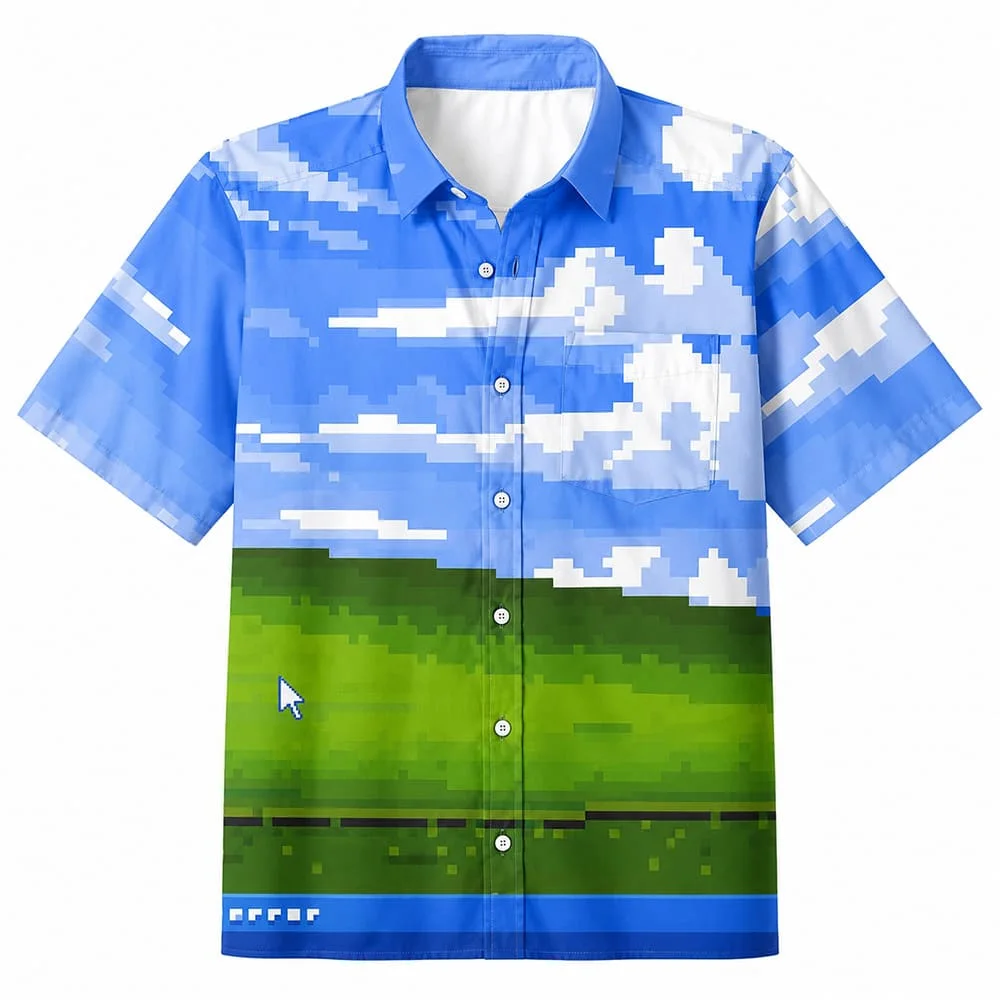
If you enjoy retro prints and graphic whimsy, wearing a simple cream or white tee beneath the Bliss Desktop Hawaiian Shirt provides a breezy, retro-digital vibe without overwhelming the eye. The polyester drape of the short-sleeve button-up floats away from the body, keeping things easy during warm days. For a moodier look with classic streetwear roots, wearing a graphic tee under the Oversized Checkered Button-Up Shirt in black and white or pink and black sets up balanced, geometric layeringWearing pieces over or under one another to add depth, warmth or contrast. that works effortlessly over loose trousers.
The key to mastering this balance is keeping hem lengths distinct. Your base t-shirt can either be tucked neatly into high-waisted bottoms to lengthen your leg line, or allowed to sit an inch or two above or below the hem of the outer shirt. Avoid shirts that bunch together awkwardly at the exact same hip length, as this creates excess fabric bulk right around the waistband.

Dressing Down Tailored Trousers
The quickest path away from basic jeans is swapping them entirely for tailored trousers, pleated slacks, or flowing dress pants. Pairing a casual graphic t-shirt with formal trousers creates an appealing friction between effortless lounging and put-together structure. This high-low balance is at the core of thoughtful daily styling, making an outfit look intentional without feeling stiff or overdressed.
When choosing trousers for this combination, look for pieces with relaxed pleats, wider leg openings, and soft materials like fluid wool blends, tencel, or linen. A tucked-in washed tee paired with wide-leg charcoal or chocolate pleated slacks immediately shifts your silhouetteThe overall shape an outfit creates, from fitted to loose and layered. toward artful, vintage aesthetics. If you prefer a slightly more structured approach, you can explore wider curated collections of Soft Boy Clothes to see how various trouser shapes and relaxed silhouetteThe overall shape an outfit creates, from fitted to loose and layered.s pair against casual tops.
Footwear serves as the bridge that connects the casual tee to the formal bottom. Heavy-soled loafers, clean retro court sneakers, or vintage canvas shoes prevent the trousers from looking like an orphaned office suit. Add a simple leather belt with understated silver or brass hardware, and the t-shirt suddenly looks curated rather than thrown on.
- Tuck the tee completely to highlight the drape and waistband detailing of pleated trousers.
- Choose mid-to-high rises to create an elongated leg line that balances oversized tee sleeves.
- Select footwear with slightly chunky outsoles to anchor wide hem openings cleanly.
Integrating Knitwear and Crew Necks
Knitwear provides the soft, tactile depth that flat cotton or jersey knits naturally lack. LayeringWearing pieces over or under one another to add depth, warmth or contrast. your tees under sweaters creates opportunities for subtle framing, where just an inch of collar or lower hem peeks out to provide crisp color contrast. This prevents solid-colored sweaters from looking one-dimensional while ensuring graphic tees remain useful even when the weather cools down.
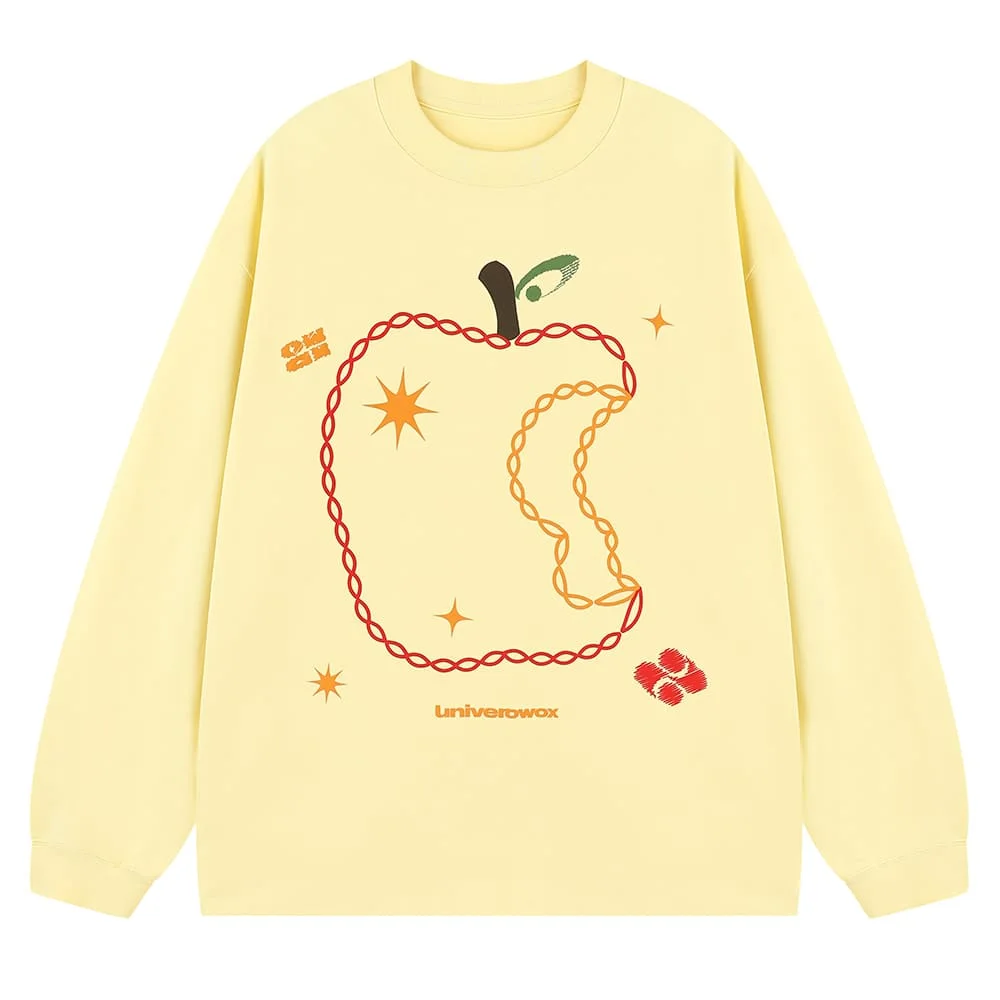
A neat crew-neck tee provides a barrier between delicate knit fibers and your skin, while anchoring items from the Soft Boy Sweaters collection. For instance, pairing a pale tee underneath an open-knit or loosely woven pullover lets the shirt collar sit flush against the sweater rim. Alternatively, you can throw an oversized cotton knit like the Big Apple Oversized Sweatshirt over a longer tee, letting the bottom hem peek out above your trousers for a casual skater-prep edge.
Color blocking becomes effortless with this method. A washed pastel sweater worn over an off-white tee breaks up your neckline gracefully, whereas a dark sweater over a bright tee adds a clean graphic boundary. Ensure the collar of the underlying shirt is smooth and not warped from washing, as a wavy collar immediately detracts from the clean lines of fine knitwear.
Experimenting with Alternative Denim Tones
If you truly love wearing denim, you do not have to abandon jeans entirely to move beyond standard outfits. The trap is usually relying on generic, mid-blue, slim-to-straight jeans that lack personality. By trading standard washes for experimental dyes, tinted finishes, or unique gradients, your denim acts as an expressive artistic element rather than a background default.
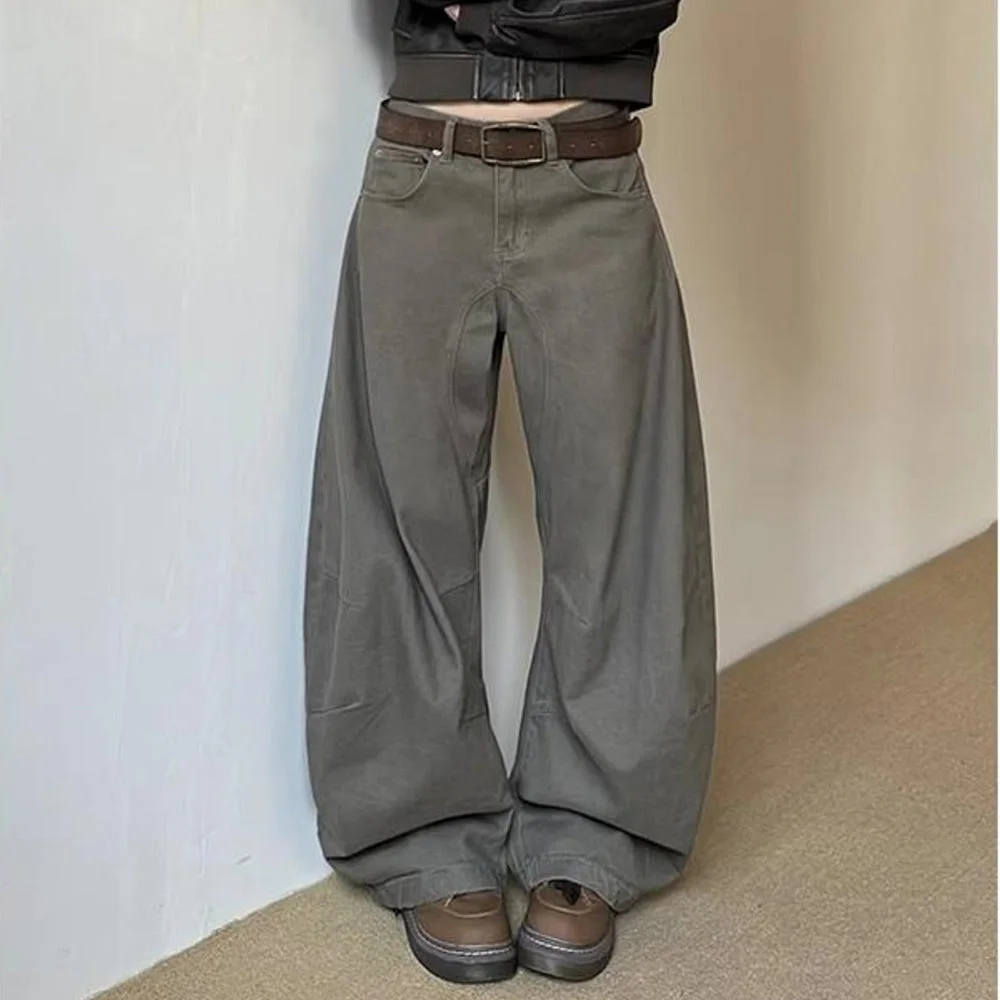
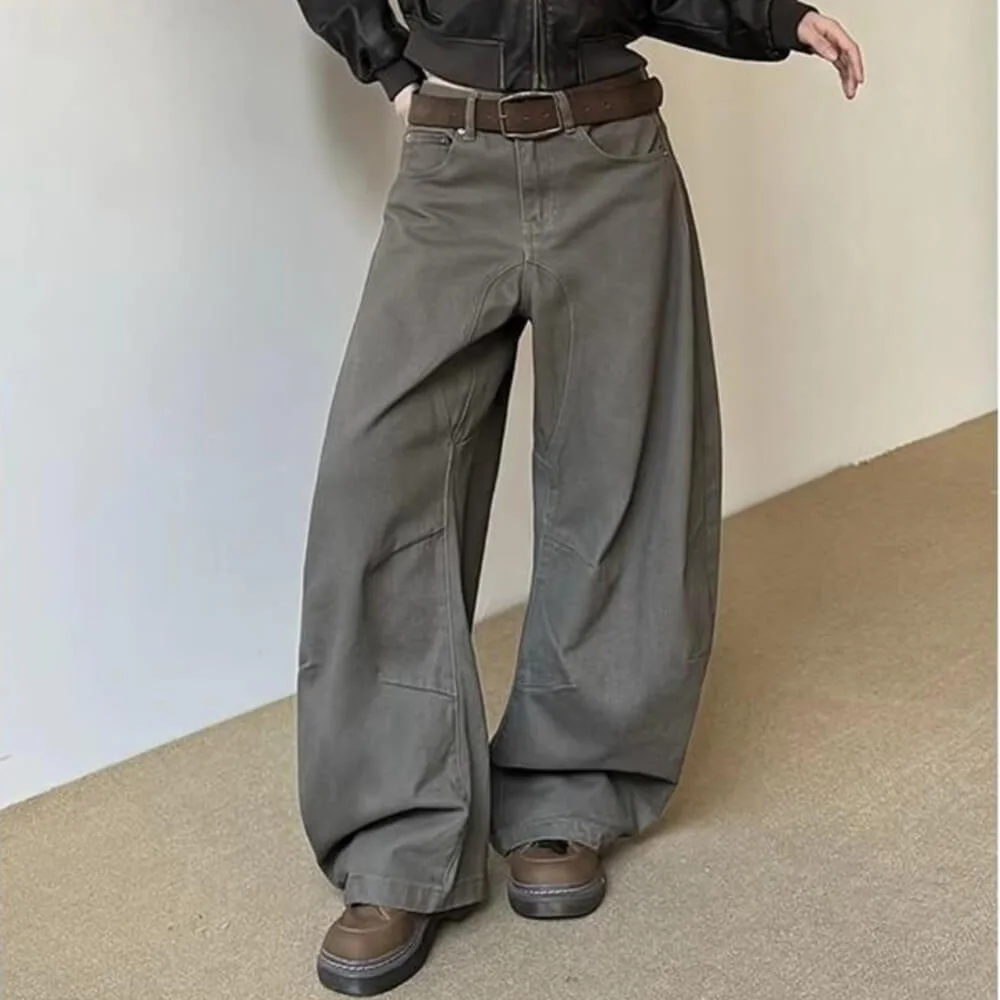
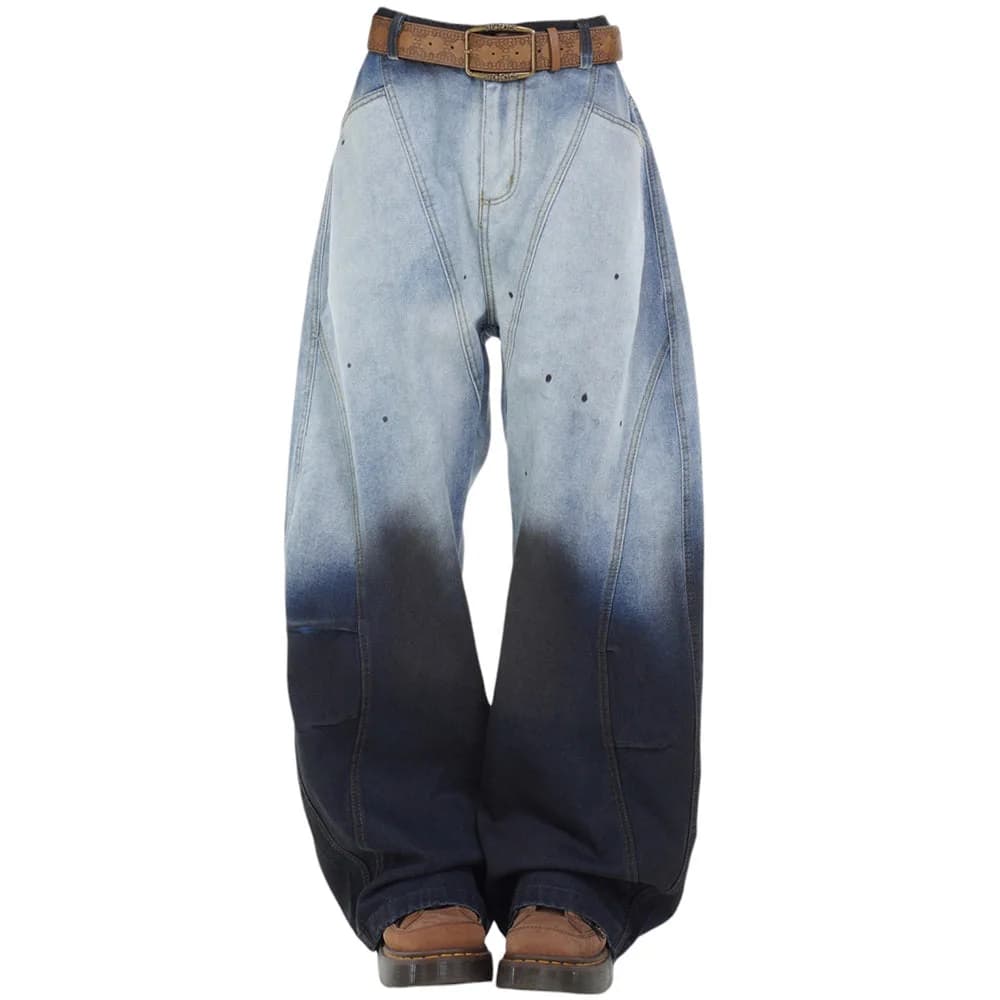
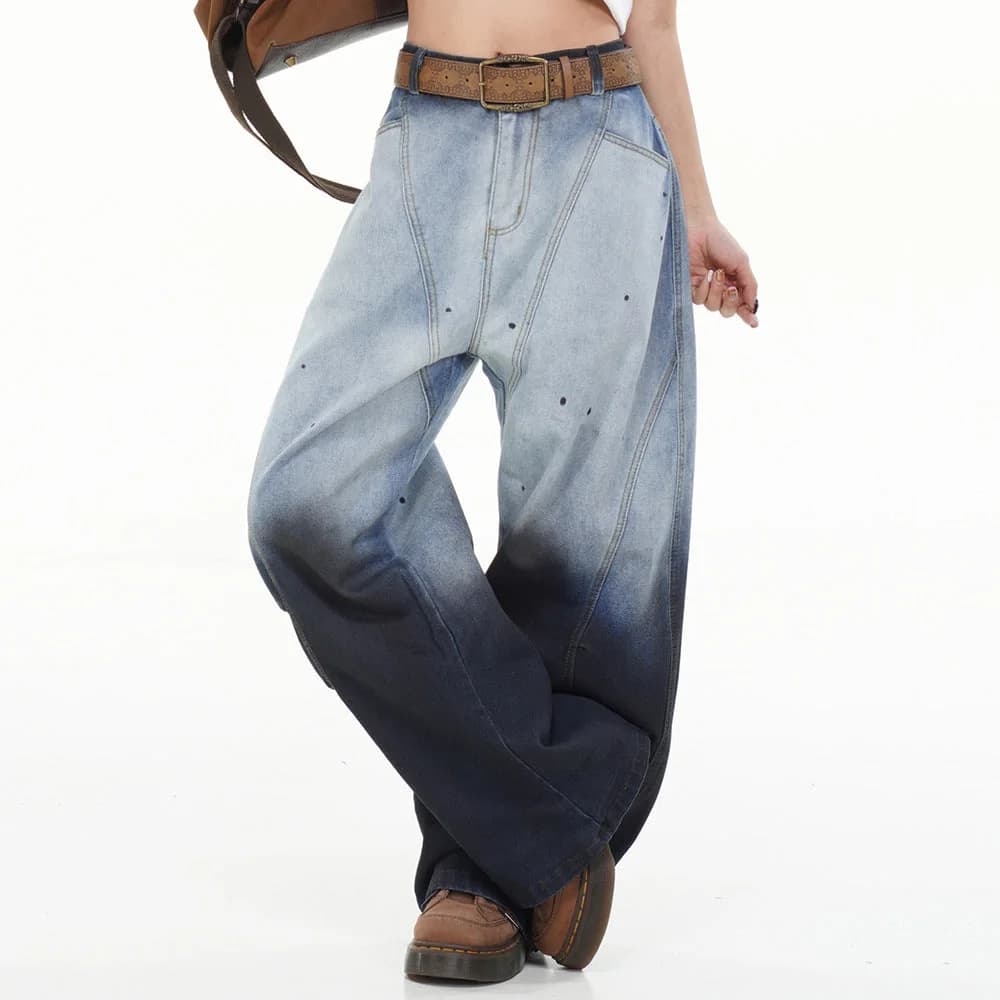
For an atmospheric, moody aesthetic, wearing a muted tee alongside the Bad Habits Wide-Leg Jeans in grey provides an immediate shift toward grungy street-level minimalism. The wide-leg denim silhouetteThe overall shape an outfit creates, from fitted to loose and layered. changes how your t-shirt falls, welcoming slightly boxier sleeves and looser fits. If you prefer blue denim with visual texture, the Faded Gradient Baggy Jeans introduce soft color shifts through the legs, turning the jeans themselves into a focal design piece rather than just an accessory to the shirt.
When your pants feature gradient washes or distinctive distressing, balance the overall look by opting for t-shirts that are relatively grounded. A plain off-white tee or a shirt with minimal center-chest embroidery allows the unique dye work on the denim to command attention without overwhelming the eye with competing details.

Layering With Hoodies and Casual Outerwear
When transitional weather hits, t-shirts serve as an indispensable interior layer under cozy hoodies and zip-ups. A classic pitfall is letting the base tee bunch awkwardly inside the fleece or outerwear lining. To keep movement free and comfortable, pay close attention to armhole depths and fabric weight pairings.
A boxy, comfortable tee provides a smooth barrier under layered zip garments like the 90s Plaid Grey & Red Reversible Hoodie or the Black & Yellow 90s Plaid Reversible Hoodie. Because these hoodies feature reversible designs with distinct plaid inner or outer faces, wearing a simple solid or low-key graphic tee underneath keeps your torso clean while allowing the plaid accents to frame the outfit. You can browse additional layeringWearing pieces over or under one another to add depth, warmth or contrast. options across the Soft Boy Hoodies range to find matching weights for your climate.
Leave the zip partially open down to mid-chest to show off the print of your shirt. This triangular opening directs visual attention upward toward the face while maintaining comfortable airflow throughout variable daily temperatures.
- Match tee sleeve lengths to hoodie linings to avoid fabric twisting inside the arms.
- Use graphic center prints to anchor the visual space created by partially unzipped hoodies.
- Choose reversible or patterned hoodies when styling completely plain base tees.

Playing with Skirts, Kilts, and Flowing Silhouettes
Modern soft boy styling frequently blurs traditional menswear lines by incorporating flowing garments like pleated midi skirts, wrap skirts, or utility kilts. A relaxed t-shirt is the absolute best garment to pair with these pieces because it grounds the dramatic flow of the lower half in everyday wearability. It keeps the look relaxed and approachable rather than theatrical.
When styling a t-shirt with a pleated or flowing skirt, proportion management is vital. A heavy, boxy tee can be partially French-tucked into a sturdy waistband to define your midsection while leaving the back loose and fluid. Pairing heavy ribbed socks with canvas sneakers or low-profile combat boots creates a tactile balance that offsets the lighter, breezy drape of the skirt.
For those dipping their toes into flowing garments for the first time, start with neutral dark tones like deep olive, charcoal, or washed black. A softly faded t-shirt tucked into a pleated midi skirt creates an artistic silhouetteThe overall shape an outfit creates, from fitted to loose and layered. that feels fresh, comfortable, and distinctly removed from standard trouser-based outfits.
Shorts and Summer Proportions
During warmer months, moving beyond jeans often means moving directly into shorts. However, the trap of the standard khaki or denim short is just as real. To give your t-shirt outfit character in warm weather, prioritize shorts that introduce distinct texture, exaggerated volume, or utilitarian styling details.
Pairing your tops with wide-leg pleated linen shorts or knee-length skate shorts creates an appealing, breezy profile. Letting an oversized shirt hang loose over shorts that end slightly above or right at the knee leans comfortably into retro 90s streetwear proportions. For more unique warm-weather tops that transition between structured shirts and tees, check out options in Soft Boy Tops or experiment with unique short-sleeve collared silhouetteThe overall shape an outfit creates, from fitted to loose and layered.s like the Apple Embroidered Short Sleeve Tie Shirt layered over a lightweight tank.
To keep warm-weather outfits from feeling overly plain, lean heavily on small hardware and accessories. A canvas tote bag, a soft bucket hat, and visible ribbed ankle socks paired with suede slip-ons or retro runners instantly give a t-shirt and shorts combination thoughtful structure without trapping body heat.
- Look for shorts with wide leg openings to avoid making oversized t-shirts look top-heavy.
- Incorporate textured fabrics like seersucker, waffle knit, or linen to add tactile depth.
- Utilize crew socks and casual footwear to visually anchor shorter bottom hems.
Tucking Techniques and Silhouette Manipulation
How you wear your t-shirt around the waistband can dramatically transform the mood of your entire outfit. Leaving a shirt hanging loose is easy, but it consistently cuts your visual height at the mid-hip, which can make shorter torsos look compressed and wide trousers look sloppy. Mastering a few simple tucking techniques gives you instant control over your silhouetteThe overall shape an outfit creates, from fitted to loose and layered..
The full tuck works best with high-waisted bottoms, such as pleated dress trousers or high-rise wide-leg jeans. Pull the tee firmly down, fasten your trousers over it, and then raise both arms straight up above your head. This pulls out precisely the right amount of fabric slack around the sides and back, preventing the tuck from looking uncomfortably taut. It results in a clean, retro line that accentuates your waistline cleanly.
The half tuck, or French tuck, involves tucking just the front two or three inches of the shirt hem behind your belt buckle while letting the sides and rear drape naturally. This exposes the front hardware of your pants to lengthen your leg profile while maintaining an effortless, relaxed appearance around the hips. Experiment with both methods in front of a mirror to see which best flatters the weight of your specific shirt fabric.
Accessorizing to Frame the Shirt
Because a t-shirt has a simple, open neckline, it provides an open frame that practically begs for accessories. Without accessories, a t-shirt can occasionally look like loungewear; with the right accents, it looks like a considered, personal statement. The key is choosing pieces that match the casual warmth of the soft boy aesthetic rather than high-glam or overly formal jewelry.
Layered necklaces of varying lengths work particularly well over ribbed collars. A short, fine-gauge silver chain paired with a slightly longer pendant featuring a natural stone, coin, or carved motif draws the eye downward and creates visual layers on a blank canvas. Thin cloth scarves, knit beanies, or vintage baseball caps in washed tones further frame your head and shoulders, tying the top half of your outfit together.
Do not overlook bags as an essential component of styling. Crossbody messenger bags, lightweight canvas totes, and nylon sling bags do more than carry daily essentials; their straps physically cross over the t-shirt, breaking up broad chest panels and adding utilitarian dimension to simple jersey fabrics.
- Layer two thin chains of different lengths to add subtle metallic contrast to flat cotton.
- Use canvas totes or crossbody bags to break up solid chest panels on oversized tees.
- Coordinate hat or beanie tones with minor accent colors found within your graphic print.
Seasonal Layering: Managing Temperature Drops
When temperatures drop, putting away your favorite graphic tees is not necessary. Instead, use cold weather as an opportunity to build intricate, multi-layered combinations where the tee acts as an essential thermal and aesthetic bridge. LayeringWearing pieces over or under one another to add depth, warmth or contrast. a t-shirt over a fitted, contrasting long-sleeve thermal or striped turtleneck is a quintessential styling move that instantly brings late-90s indie aesthetics to life.
When adopting this double-top look, ensure the underlying long-sleeve is fitted closely through the forearms and wrists so the outer t-shirt sleeves drape neatly over it without bunching up. A dark, solid graphic tee worn over a fine black-and-white striped long-sleeve creates immediate visual interest around the collar and sleeves. You can then finish the top half with heavy wool cardigans, chore coats, or fleece vests.
Vests are particularly effective for styling t-shirts in chilly weather. A puffer vest, utility vest, or knit sweater vest keeps your core insulated while leaving the sleeves and graphics of your tee fully visible. This keeps your outfit functional against unpredictable daily weather while celebrating the artwork on your shirt.
Comparing T-Shirt Fits: Boxy, Fitted, and Drapey
Not all t-shirts interact with trousers and layers in the same way. Understanding the subtle differences in garment construction helps you choose the exact right shirt for the specific outfit formula you want to build. Rather than buying shirts based purely on the graphic print, evaluate the cut, seam placement, and fabric composition.
A boxy tee features wide shoulders, a squarer chest cut, and sleeves that hit close to the elbow. This shape provides natural structure that looks fantastic worn loose over wide-leg pants or untucked over casual shorts. In contrast, a drapey tee—often made with blended synthetic fabrics or rayon mixtures—hangs close to the body, pooling gently around the waist. Drapey shirts look best tucked smoothly into high-waisted pleated trousers or fluid slacks where excess stiffness would disrupt the garment's flow.
Fitted tees feature narrower shoulders and tighter sleeves, making them the superior choice for layeringWearing pieces over or under one another to add depth, warmth or contrast. beneath slim-profile knitwear, tight cardigans, or button-up shirts. If you try to force a heavy, boxy tee under a fitted cardigan, the fabric will bunch uncomfortably along the armpits and torso. Match the fit profile of the tee to the silhouetteThe overall shape an outfit creates, from fitted to loose and layered. demands of the surrounding garments.
Common Styling Mistakes to Avoid
Moving outside the jeans-and-tee comfort zone can occasionally lead to awkward styling choices if you do not pay attention to overall garment harmony. The most frequent misstep is competing visual noise. If you are wearing a t-shirt with a detailed, vibrant graphic, pairing it with heavily patterned trousers, an intricate jacket, and loud sneakers will make the outfit feel unfocused. Allow one or two pieces to serve as the visual anchor while the rest of the outfit provides supporting harmony.
Another common error is ignoring fabric weights. A whisper-thin, lightweight summer tee can look awkward when paired with ultra-heavy winter tweed trousers or massive, rigid combat boots. The bottom half ends up looking far too heavy for the delicate top half. Ensure your fabrics have a shared seasonal weight or balance each other out through deliberate, structured layeringWearing pieces over or under one another to add depth, warmth or contrast..
Lastly, beware of neglected collars. Because soft boy styling emphasizes relaxed, gentle, and vintage touches, it can be easy to confuse effortless styling with worn-out garments. A collar that is stretched out, frayed unintentionally, or rippling along the seam will drag down even the most sophisticated trousers. Take proper care when laundering your tops to preserve neckline structure over time.
- Do not combine loud graphic prints with heavily patterned bottoms simultaneously.
- Avoid pairing ultra-lightweight t-shirt fabrics with very heavy, stiff winter textiles.
- Do not wear shirts with stretched, warped collars beneath tailored outerwear.
The Non-Jeans Outfit Blueprint Checklist
To make putting together your morning outfits seamless, having a clear set of reliable formulas removes all the guesswork. Instead of staring into your wardrobe wondering what pairs with your favorite t-shirt, you can rotate through established blueprints that guarantee balanced proportions, practical comfort, and expressive aesthetics.
Keep this mental checklist close whenever you are assembling an outfit that leaves basic denim behind. Each combination balances ease with deliberate styling, ensuring your t-shirts feel fresh, intentional, and versatile every day of the week.
- The Tailored Contrast: Tucked graphic tee + wide-leg pleated slacks + leather belt + chunky dress shoes or clean loafers.
- The Breezy Layer: Solid pastel or cream tee + open Bliss Desktop Hawaiian Shirt + relaxed pull-on linen trousers + canvas slip-ons.
- The Street Grit: Boxy muted tee + Bad Habits Wide-Leg Jeans in grey + layered chain necklace + low retro runners.
- The Cozy Texture: Rib-collar tee + Big Apple Oversized Sweatshirt (hem peeking out) + relaxed corduroy bottoms + beanie.
- The Graphic Frame: Understated tee + partially unzipped 90s Plaid Grey & Red Reversible Hoodie + straight relaxed chinos + canvas sneakers.