Created by the Kawaii Vibe editorial team. Our named style desks are editorial personas. Product details and availability can change.
Building a balanced outfit starts right at the neckline and shoulders. When you assemble an everyday look, the cut of your upper garment controls the visual weight of your entire frame. If you drop a slouchy, rounded shoulder on top, pairing it with skinny denim often creates an accidental carrot shape that clashes with the relaxed energy you want. Conversely, pairing broad collars with tapered chinos shifts the posture entirely.
This guide breaks down exactly how to construct an outfit from the collar downward. Rather than guessing which trousers work with which layers, you can look at the collar shape, sleeve seam, and hem drop of your upper half to systematically pick your bottoms, outerwear, and accessories. You will learn how crew necks, spread collars, unbuttoned lightweight shirts, and oversized hoods influence every piece below them.
Whether you are working with clean staples or patterned statement pieces, understanding structural balance makes getting dressed simple. We will walk through distinct neckline configurations, explain why specific pants cuts anchor specific torsos, and provide clear checklists to help you evaluate your closet.
The Anatomy of a Top: Why Necklines Anchor Your Entire Look
A neckline does far more than just let your head through the garment. It frames your collarbones, decides how much neck is exposed, and sets the baseline horizontal or vertical focus of your outfit. A high, ribbed crew collar draws attention upward and visually shortens the neck, requiring a broader, more grounded base to prevent your head from looking disconnected from your torso. An open collar creates an elongated vertical line downward, drawing the gaze into your midsection and chest.
When browsing through Soft Boy Tops, notice where the collar seam sits relative to the natural base of the neck. A collar that hugs tight against the throat demands a completely different approach to necklace length, undershirt exposure, and jacket lapels than an open spread collar. When you establish your top's neckline early, every subsequent layer falls into place with clear intent instead of competing for space.
The seam construction also dictates how relaxed the torso appears. Bound collars feel structured, while raw or gently rolled ribbed edges present a gentler, broken-in mood. By assessing your top's collar width and neckline drop first, you immediately know whether your outfit leans casual, studious, or intentionally slouchy.
Drop Shoulders Versus Set-In Sleeves: Silhouette Mechanics
The sleeve seam is the second defining element of any top. A set-in sleeve places the seam directly atop your shoulder bone, highlighting your natural upper body width. This creates a clean, classic drape that pairs naturally with straight-leg trousers, tailored hems, and mid-rise waists. It maintains an athletic or tailored posture, keeping the chest fabric smooth and predictable.
Drop-shoulder cuts, by contrast, shift the seam several inches down the bicep. This immediately introduces horizontal bulk around the deltoids and chest, creating that signature soft, slouchy profile. A drop shoulder alters how the fabric falls through the armpit, forming soft folds along the torso sides. If you pair a heavy drop shoulder with tight, tapered trousers, the outfit becomes top-heavy, making your legs look unusually fragile beneath the voluminous upper block.
To balance dropped seams, your lower half needs volume and visual weight. You can achieve this by matching slouchy shoulders with relaxed straight cuts, utility trousers, or wide-leg denim. The goal is to build an unbroken column of relaxed drape from shoulder to ankle, rather than creating an abrupt shelf where your shirt ends.
Crew Necks and Fleece: Pairing Drop-Shoulder Sweaters with Wide Denim
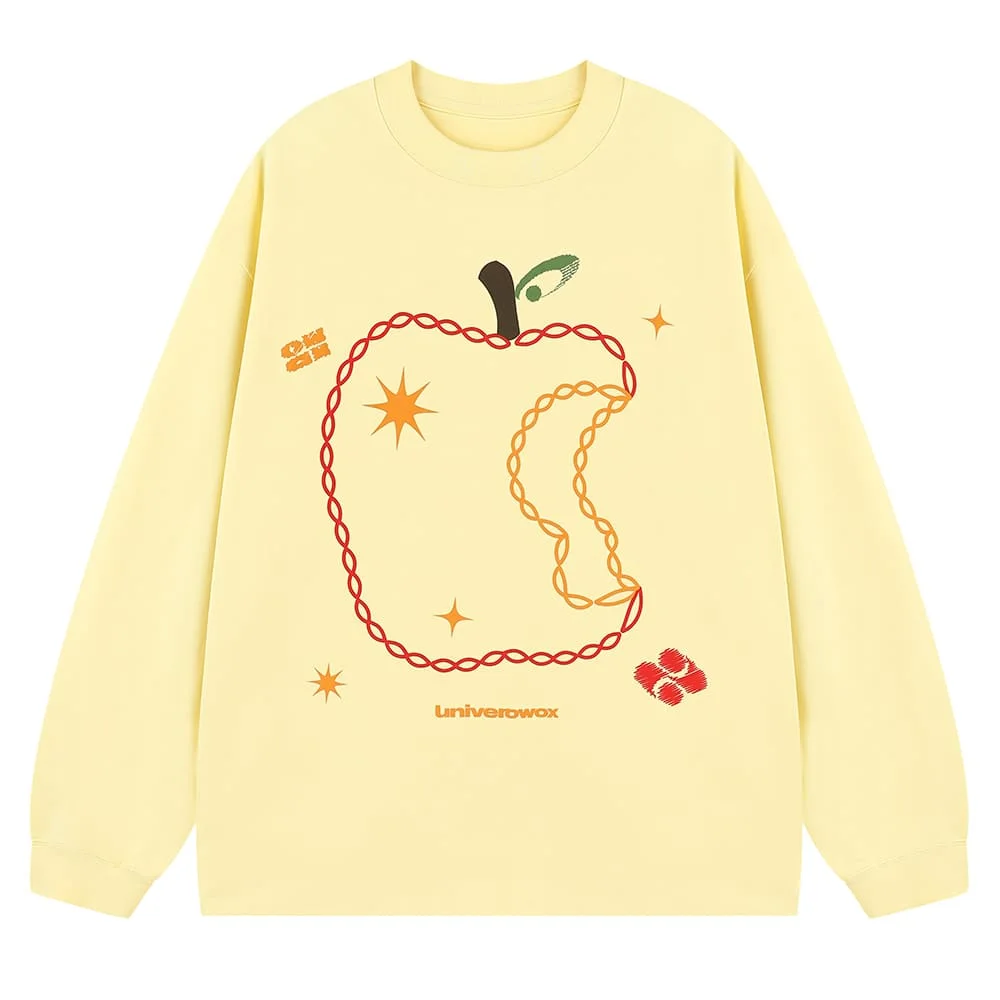
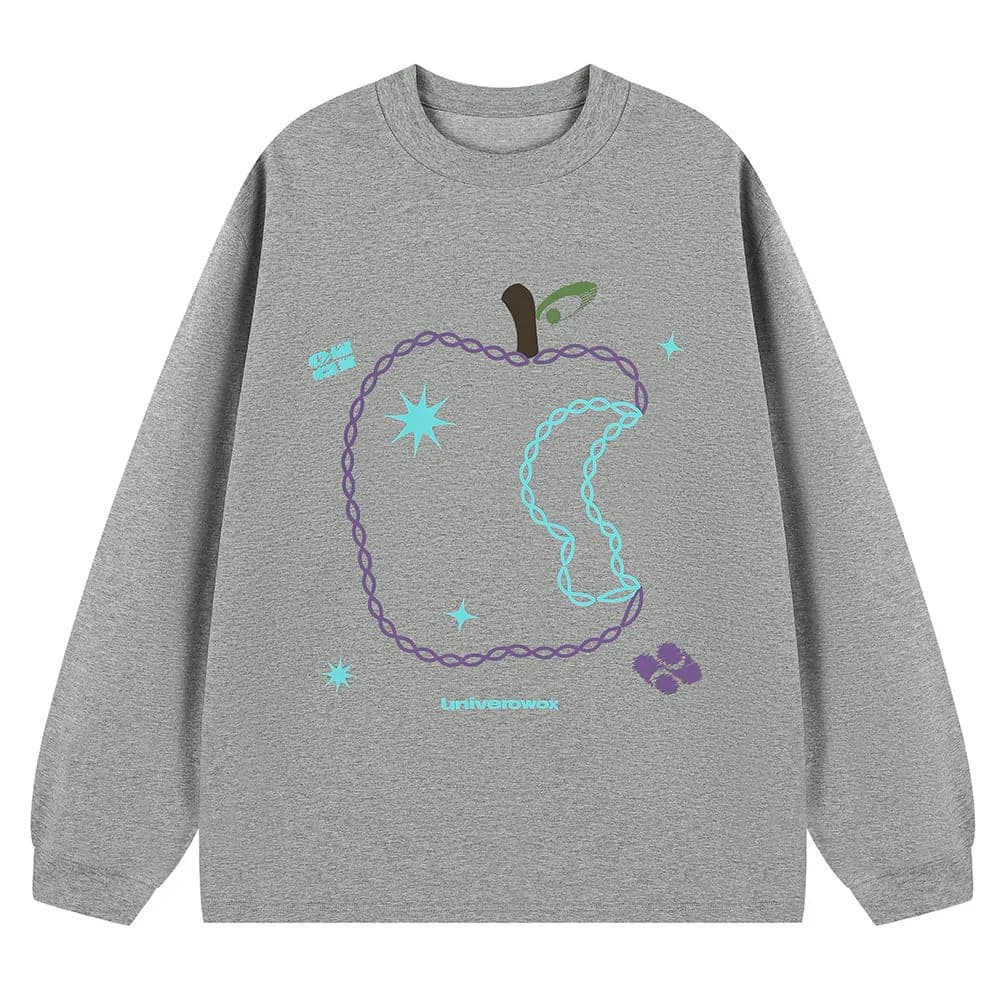
The classic rounded crew neck sweater is a workhorse of gentle, casual style. Because a crew neck provides zero vertical opening, it reads as a solid, continuous block of color or texture. The Big Apple Oversized Sweatshirt, constructed from a cotton and polyester blend and available in Yellow, Black, Grey, and White, provides a textbook example of a roomy crew neck with dropped shoulders. Because it gathers gently at the cuffs and hem band, it pools slightly around the wrists and waistline.
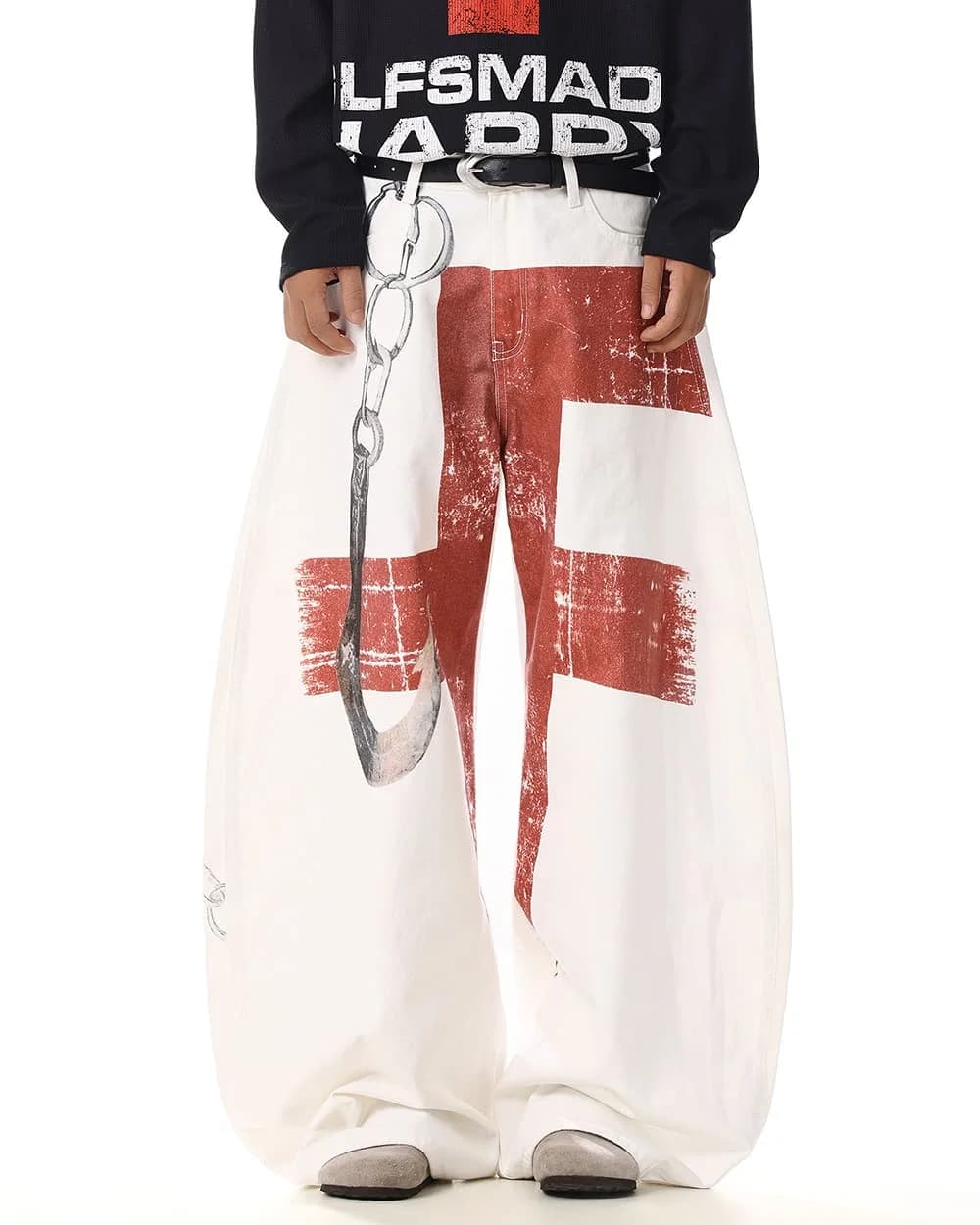
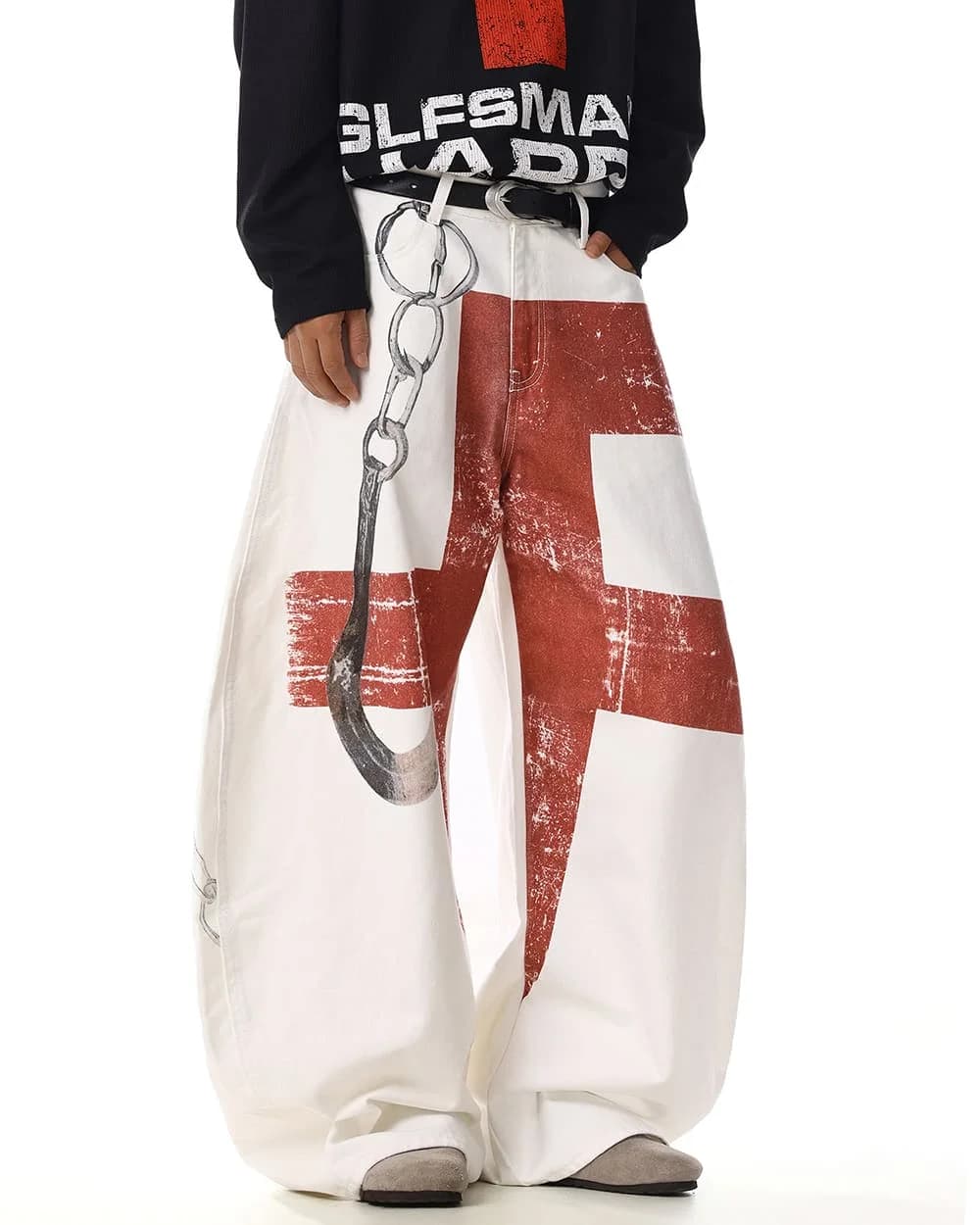
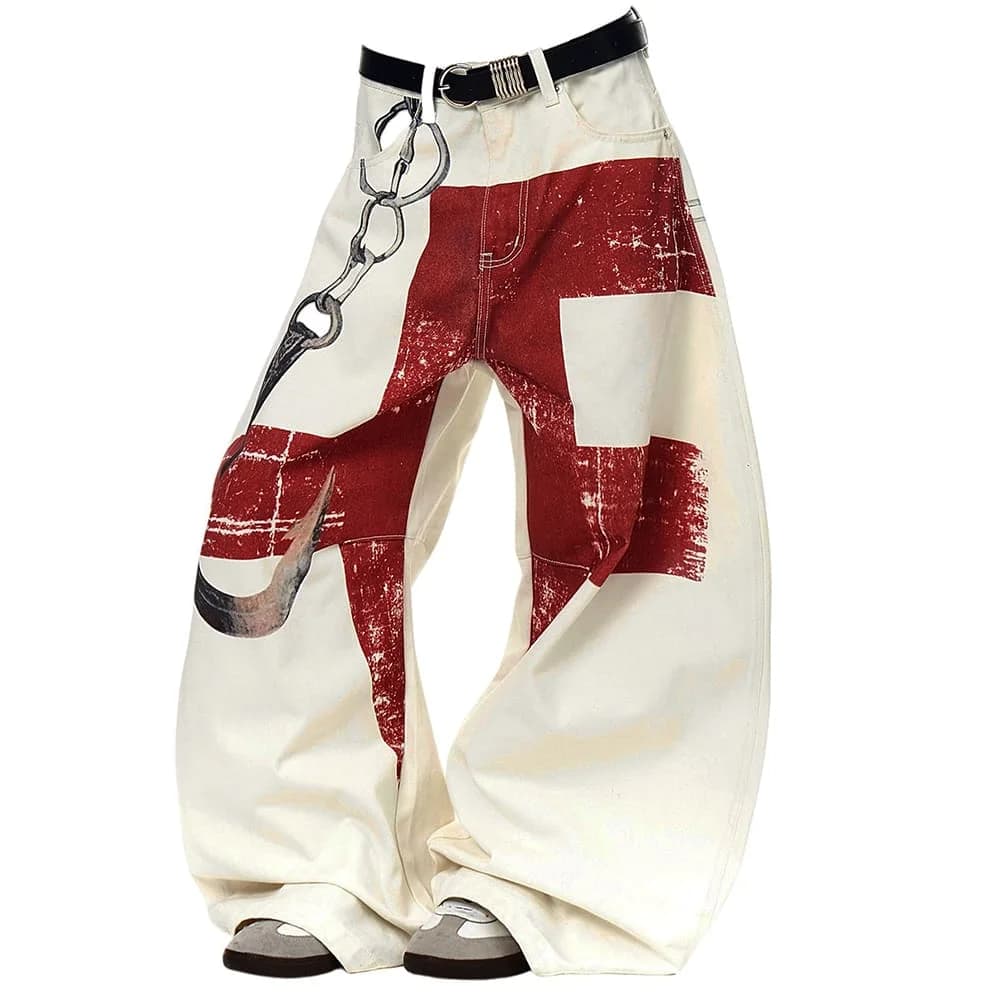
To style a piece like this, avoid pants that hug the calves. Instead, anchor the volume with sturdy, wide-legged bottoms that echo the heavy drape of the fleece. A natural pairing is The Problem Child Wide Leg Pants, crafted from denim in a distinctive White/red colorway. The structured denim provides a firm counterweight to the plush fleece top, keeping the silhouetteThe overall shape an outfit creates, from fitted to loose and layered. deliberate rather than sloppy.
When wearing a roomy crew neck over wide trousers, consider letting an inch of a plain white tee peek out from the collar. That thin ring of white breaks up the solid fabric block, establishing a crisp focal point right under your jawline and framing your face cleanly.
The Spread Collar Button-Up: Framing Shoulders with Relaxed Tailoring
Button-up shirts introduce angularity to an aesthetic that often leans heavily on rounded curves. A pointed spread collar naturally pulls the eye outward toward the shoulder tips, bringing a touch of quiet structure to your chest. When browsing the broader world of Soft Boy Clothes, these woven shirts act as the bridge between relaxed leisurewear and classic campus attire.
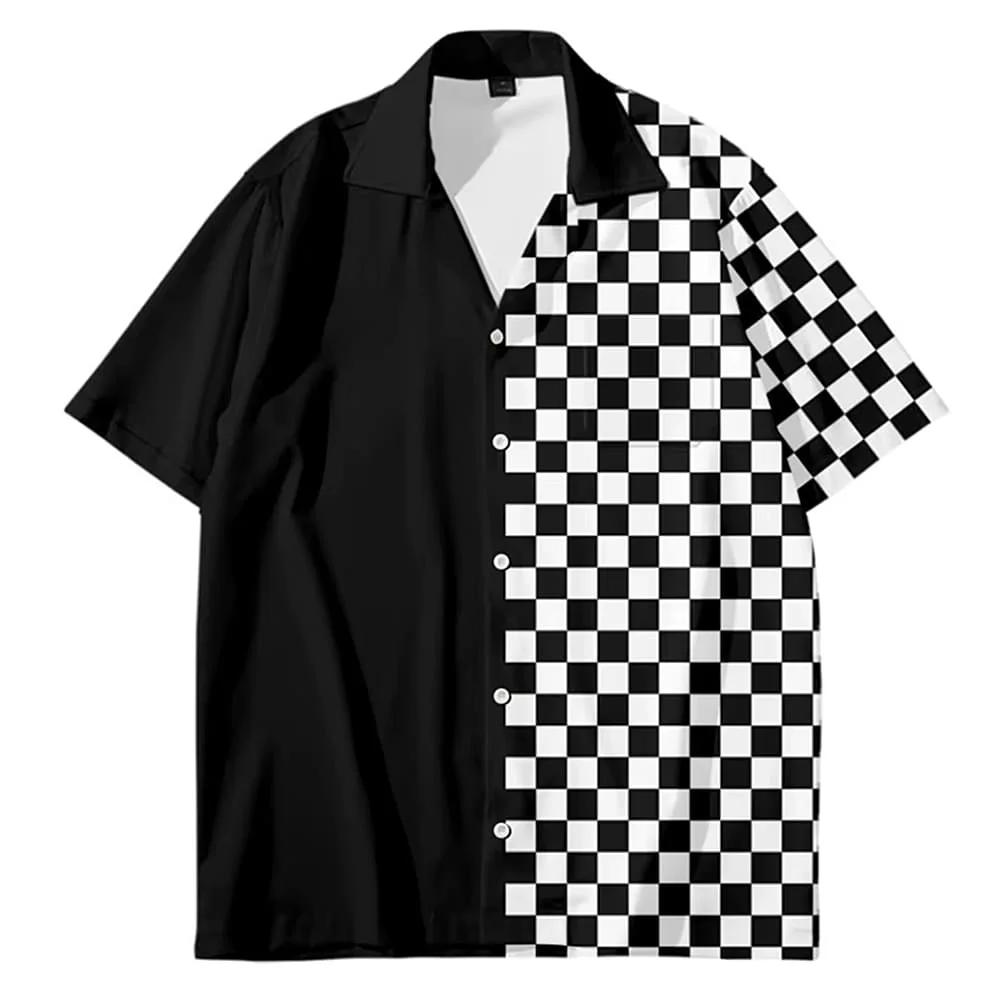
Consider the Oversized Checkered Button-Up Shirt, made of polyester and offered in Black/white, Pink/black, Orange/blue, White/black, and Black/red. Its structured collar prevents the patterned, oversized cut from looking shapeless. If you button it up to the throat, the collar presents a neat, studious appearance that pairs seamlessly with pleated trousers or deep-cuffed cords.
If you prefer a less formal drape, leaving the top two buttons undone creates an open V-shape. This breaks the horizontal line across your neck, softening the impact of broad shoulders. Pair an open collar with fluid, high-waisted dress pants or loose washed denim to keep the lower half feeling breezy and unforced.

Camp and Hawaiian Collars: Casual Geometry for Warmer Climates
Camp collars—also known as Cuban or open notched collars—lay completely flat against the clavicles, creating a notch on either side of the neck. Because they lack a collar stand, they offer an inherently relaxed, vintage-inspired neckline that exposes more skin and invites effortless summer airiness.
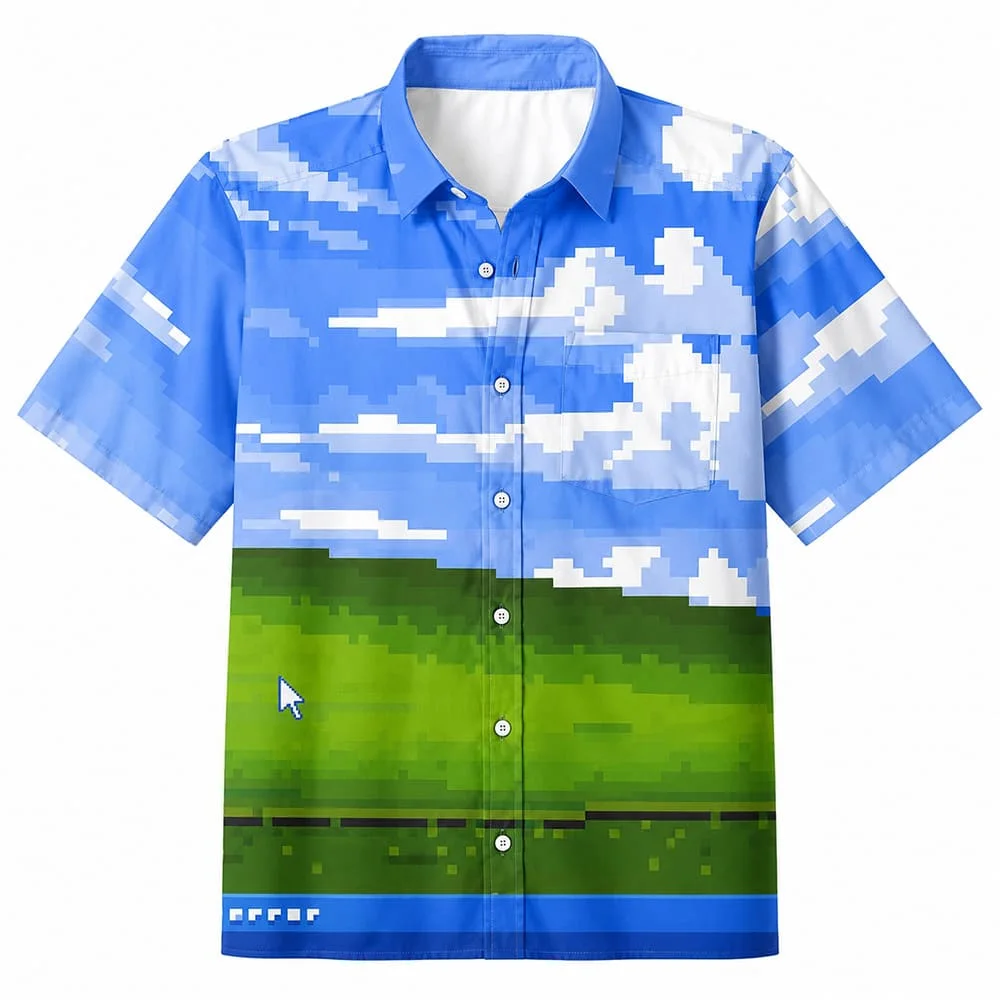
The Bliss Desktop Hawaiian Shirt, made of smooth polyester in a vibrant Blue/green palette, utilizes this exact flat-laying collar. Because the neckline lies flat, it doesn't bunch or push upward against your jawline, making it exceptionally comfortable in warm weather. The fluid drape of the polyester allows the shoulders to rest softly without rigid creasing.
To style a flat-collar shirt like this, keep your trousers similarly light on visual structure. High-waisted linen trousers, loose cotton twill shorts, or relaxed off-white carpenter pants maintain that carefree energy. Tucking the shirt loosely into your waistband while letting the flat collar rest wide across your chest balances torso proportions and flatters both narrow and broad shoulders.
Detailed Collars and Ties: Introducing Contrast and Dimension
While standard collars provide clean simplicity, tops that feature built-in ties, embroidery, or modified neckbands offer unique styling opportunities. The Apple Embroidered Short Sleeve Tie Shirt, made of polyester and available in Black and Yellow, pairs a classic collar with an integrated necktie accent and subtle embroidery.
An integrated tie creates a strong vertical anchor right down the center of the chest. This detail naturally draws the eye downward, making the torso appear slightly leaner even within a boxy or relaxed fit. It bridges the gap between prep-school charm and playful modern street fashion.
When your top features intricate collar accents, your lower half should remain relatively understated to avoid visual chaos. Flat-front pleated trousers in charcoal, tan, or beige work exceptionally well here. The clean, crisp line of the pant leg echoes the verticality of the tie without competing with the shirt's distinct details.
Hoodie Architecture: Balancing Heavy Necklines and Volume
A hoodie is arguably the heaviest neckline you can wear. The fabric bundle resting at the back of the neck adds instant bulk around the cervical spine and shoulders, even when the hood is down. When diving into Soft Boy Hoodies, recognizing how the hood sits on the collarbone is critical to getting the balance right.
Take the 90s Plaid Grey & Red Reversible Hoodie, crafted from a polyester and cotton blend in Grey/red, or the alternate Black & Yellow 90s Plaid Reversible Hoodie in Black/yellow. Because these pieces are reversible and feature double-layered fabric, their hoods stand proud and hold structural volume around the neck rather than flopping completely flat.
When dealing with a dense hood, your bottoms must provide enough visual weight to counterbalance your upper body. Light, tapered track pants will make your head and shoulders look disproportionately large. Instead, reach for heavy skate denim, wide cargo pants, or chunky workwear trousers. The thick fabric folds around your shoes create a grounded visual base that harmonizes with the substantial hood.

Layering Mechanics: Mixing Hoods, Flannels, and Outerwear
Mastering layers requires paying close attention to collar collisions. One of the most frequent styling mistakes is cramming two rigid collars together—like wearing a stiff denim jacket directly over a structured dress shirt—which causes the fabrics to bunch uncomfortably against the neck.
To avoid this, alternate between flat and voluminous collar types. For instance, slip a lightweight piece like the System Overload Button-Up Shirt, made from grey polyester, underneath an open-front knit or over a fitted tee. You can also reverse that logic: wear a smooth, collarless base layer, add the patterned button-up unbuttoned as an overshirt, and finish with a smooth-collar jacket.
When pairing a hooded fleece with a jacket, ensure the outer jacket has either a collarless neckline or a broad collar that can sit cleanly beneath the hood. The hood should drape freely over the jacket's back yoke rather than being bunched inside the outer coat.
T-Shirt Cuts and Crew Collars: Choosing the Right Base Layer
A basic t-shirt often serves as the core foundation for layered outfits, but its cut determines how your entire ensemble sits. Exploring Soft Boy T-Shirts reveals a wide range of neckline depths, collar ribbing thicknesses, and sleeve proportions that serve completely different styling needs.
A tight, high-ribbed crew neck tee provides a clean, collegiate finish. When worn beneath open button-ups or cardigans, it creates a modest, composed contrast that sits close to the base of the throat. On the other hand, a looser, wider crew neck offers a more relaxed, skate-inspired mood that drapes naturally over the collarbones.
Pay close attention to sleeve length on your t-shirts as well. Elbow-length sleeves with dropped shoulder seams pair effortlessly with baggy denim, creating an unhurried, boxy shape. Shorter, mid-bicep sleeves offer a cleaner profile that tucks smoothly into high-waisted trousers without bunching around the underarms.
Knitwear and Hemlines: Managing the Bottom-Half Transition
Sweaters and knits introduce organic texture and natural stretch to your wardrobe. When exploring Soft Boy Sweaters, you will notice that how the hem finishes at your hips dictates how your trousers must be styled.
Many sweaters feature a ribbed bottom band that hugs the hips. If you pull this band all the way down, it pulls the fabric taut, flattening your torso and creating an awkward oval silhouetteThe overall shape an outfit creates, from fitted to loose and layered.. Instead, fold or tuck the ribbed band under itself at your natural waist. This creates a gentle billow, accentuates your waistline, and lets your trousers display their full rise and pleated details.
For loose-gauge or straight-hem knits that lack elastic ribbing, let them drape straight down over straight-leg corduroys or relaxed chinos. This long, unbroken drape emphasizes horizontal ease and keeps the outfit feeling effortless, soft, and unbothered.
The Shoe Anchor: Connecting Trousers to Your Top Half
While your neckline sets the tone at the top, your footwear provides the physical and visual foundation that supports the entire outfit. If you wear an oversized, drop-shoulder sweater paired with wide-leg trousers, pairing them with tiny, paper-thin canvas plimsolls will make the entire silhouetteThe overall shape an outfit creates, from fitted to loose and layered. look like it is floating or toppling forward.
Substantial upper layers demand substantial footwear. Chunky retro runners, classic platform derbies, lug-sole loafers, or heavyweight canvas sneakers with thick foxing provide the necessary surface area to visually support wide pant cuffs. The break of the pant leg over a substantial shoe creates a pleasing, grounded accordion fold.
Conversely, if you choose a lighter, more tailored top—like a fitted tee tucked into neat chinos—you can step down your footwear volume accordingly. Clean court sneakers, slim vintage runners, or soft suede slip-ons keep the profile nimble and light, matching the streamlined nature of your top.
Color Temperature and Pattern Distribution
Balancing an outfit also involves managing how patterns and colors interact between your top and bottom halves. A top that features high-contrast patterns or saturated hues naturally acts as the visual centerpiece of your fit, commanding attention before anything else.
When your top features graphic elements, such as the playful motifs on the Big Apple Oversized Sweatshirt or the bold geometry of the Oversized Checkered Button-Up Shirt, balance the look by choosing bottoms in neutral or complementary grounding tones. Raw indigo denim, washed black canvas, earthy olive twill, or muted ecru allow the intricate pattern up top to shine without visual clutter.
If you decide to wear patterned bottoms like The Problem Child Wide Leg Pants, invert the formula. Pair those expressive trousers with a quiet, solid-toned top in cream, muted heather grey, or soft navy. This keeps your look deliberate, artistic, and visually comfortable.
Common Outfit Mistakes and Proportion Traps
One of the most widespread missteps is ignoring fabric weight compatibility. Wearing a paper-thin rayon shirt under a thick, heavy fleece hoodie can cause the inner collar to wrinkle, crumple, and disappear entirely, looking messy rather than thoughtfully layered. Make sure your base layer has enough structural integrity to hold its own against heavier outer pieces.
Another common trap is the dreaded mid-thigh tunic trap. When buying oversized tops, ensure the garment is cut broad across the chest and shoulders rather than merely long in length. If an oversized sweatshirt drops all the way down past your mid-thigh, it cuts your legs in half visually, making you appear shorter and distorting your natural proportions. Look for tops with dropped shoulders and a boxy, slightly cropped hem.
Lastly, beware of collar crowding. Avoid pairing a stiff spread-collar shirt with a tight, rigid crew neck sweater that squeezes the collar points inward against your throat. Your layers should nest naturally within one another, leaving your neck comfortable and free to move.
The Outfit-Building Checklist: Neckline to Floor
Before heading out the door, take five seconds to assess your silhouetteThe overall shape an outfit creates, from fitted to loose and layered. in a full-length mirror. Start at the collar and work your way down to ensure your layers, cuts, and visual weight flow harmoniously.
Keep this simple mental checklist handy whenever you assemble a new combination of tops and bottoms. It will help you quickly identify why a fit feels slightly off and show you the exact adjustment needed to fix it.
- Check collar clearance: Ensure nested collars sit flat without bunching, choking, or fighting for space around your throat.
- Assess shoulder seams: Match dropped shoulder seams with relaxed or wide-leg trousers to keep the overall silhouetteThe overall shape an outfit creates, from fitted to loose and layered. balanced.
- Manage hem placement: Tuck or blouse long tops at the waist so your pants rise can properly frame your leg length.
- Verify fabric weights: Ensure heavier outer textures rest on suitably sturdy inner layers rather than crushing delicate shirts.
- Check shoe volume: Pair wide, pooling hems and heavy hoodies with thick-soled sneakers, chunky derbies, or lug loafers.