Created by the Kawaii Vibe editorial team. Our named style desks are editorial personas. Product details and availability can change.
You can wear a summer dress in winter. The short version: put tights under it, a sweater over or under it, boots on your feet and a coat that clears the hem. That's the whole system. The rest of this guide is about getting the proportions, fabrics and layeringWearing pieces over or under one another to add depth, warmth or contrast. order right so it looks planned instead of like you grabbed the wrong thing from the wardrobe.
A summer dress is usually light, fairly thin and often sleeveless. Those are the three things to fix. Legs need coverage, shoulders and arms need a second layer, and the whole outfit needs an outer shell. Do those and a halter, a plaid mini or a puff-sleeve dress becomes a cold-weather piece.
Below you will find outfit formulas, a way to compare options, common mistakes and a checklist. Cold varies a lot by place and by person, so treat the combinations as starting points and adjust to your own weather. Browse the full range of dresses if you want to see what might suit this approach.
Start With the Dress You Already Own
Before buying anything, look at the dress itself. Some summer dresses convert easily and some fight you. The easy ones have a defined waist, a hem somewhere between mid-thigh and knee, and fabric with a bit of body. The harder ones are very clingy, very sheer or so floaty that a coat bunches around them.
A quick test: put the dress on and add the thickest top layer you plan to wear with it. If you can move your arms, sit down and zip a coat without the dress riding up or twisting, it's a good candidate. If it rolls up your hips the second you sit, it needs a slip or a different approach.
Cotton blends tend to sit nicely under knitwear and feel less static-prone than very slick fabrics, but check the label on whatever you own, because blends vary. Polyester dresses can still work, they just benefit from a layer in between so they don't cling to tights. Keep a note of which dresses pass the test and build outfits around those first.
- Defined waist or easy-to-belt shape: good
- Hem at mid-thigh to knee: easiest to layer
- Very sheer or very clingy fabric: add a slip
- Sleeveless or halter: plan a sweater from the start

The Layering Order That Actually Works
Order matters more than quantity. From the skin out: base layer or slip if needed, tights, dress, sweater or cardigan, then coat. Boots finish it. Switching the order, for example putting a chunky sweater under a thin dress, can look lumpy and make the dress strain across the chest and arms.
There are two main ways to add a sweater. Over the dress, it becomes the top half of the outfit and the dress shows as a skirt. Under the dress, the sweater acts like a blouse and the dress becomes a pinafore. Over works with almost anything. Under works best with dresses that have wide straps, square necks or open halter backs.
Whichever you choose, keep the bulkiest item to one half of the body. A thick knit on top pairs with slimmer legs and a trim boot. If you go chunky everywhere you lose your shape, and the dress disappears.
- Slip or base layer, if the dress is thin
- Tights
- Dress
- Sweater, over or under
- Coat, then boots visible below the hem
Choosing Tights for Real Cold
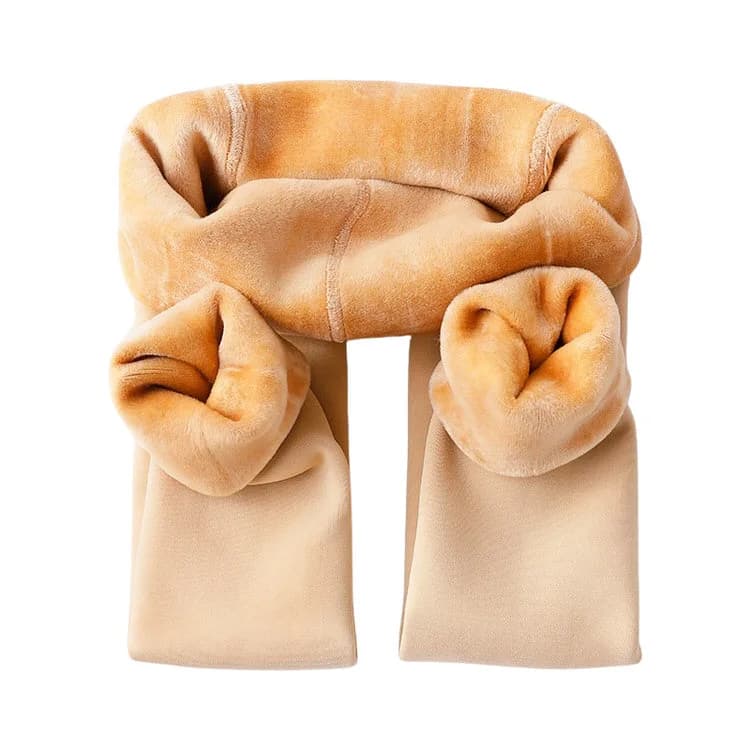
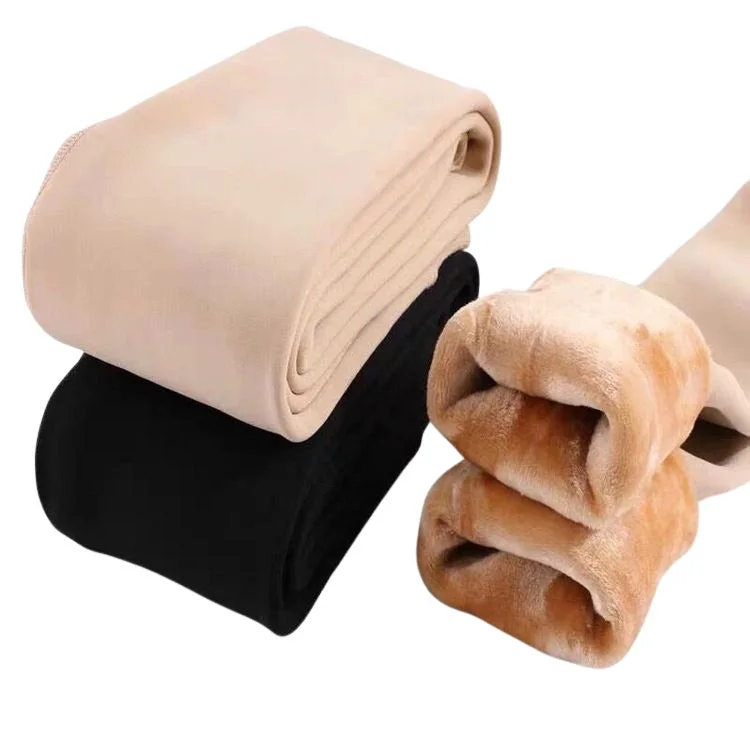
Tights are the biggest comfort upgrade, so spend your attention here. Sheer fashion tights add a little warmth and a lot of style, but in properly cold weather you want something thicker or lined. A fleece-style tight is the practical choice for days when sheer nylon does nothing.
The Warm Winter Fleece Tights are listed in nylon, in beige and black, and in sizes S to 3XL. Black is the flexible default under dark boots and most dresses. Beige is worth a look if you want a skin-tone effect under a lighter dress, though it's worth viewing the colour closely on screen first, since beige reads differently on different skin tones.
Check fit around the waistband and thighs. Tights that dig in or slide down make you tug at your outfit all day. If you're between sizes, consider what you'll wear over them: a fitted dress shows a tight waistband more than a loose one does. Browse the wider aesthetic tights and stockings for patterned, sheer and textured options.
Sheer, Opaque, Patterned: Picking by Look
Once warmth is handled, think about how the tights change the outfit. Opaque black tights make the dress look darker and more grounded, which suits a bright print because it calms it down. Sheer tights keep it light but give less warmth. Patterned or textured stockings add a second focal point, so the dress should be simple if the tights are not.
A good rule is one busy element per outfit. If the dress is polka dots, cherries or a bold plaid, stay with plain tights. If the dress is a solid colour, then lace, ribbed or patterned stockings can carry the interest. Mixing two prints works only when they share a colour or differ greatly in scale.
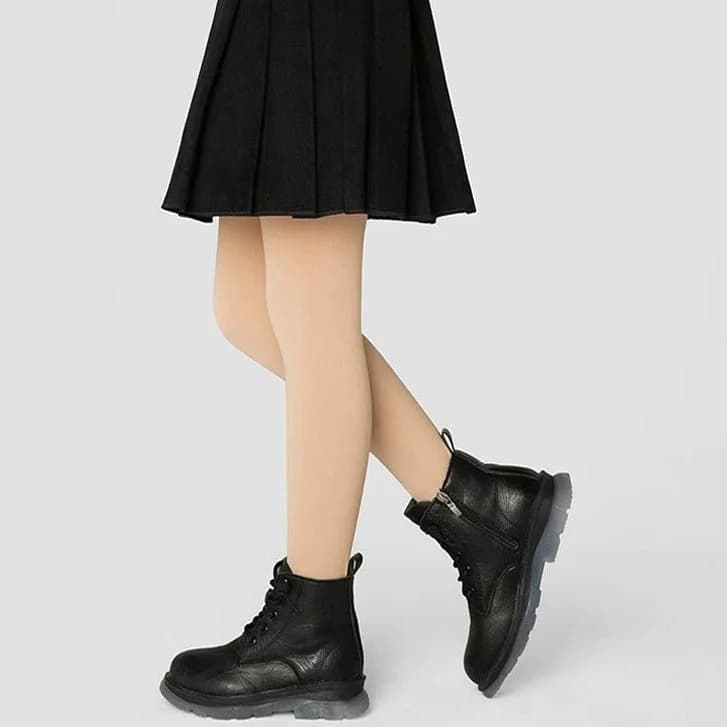
Match tights to the boots as well. Same-colour tights and boots lengthen the leg line, which helps with a short hem. A contrasting pair breaks the leg and draws attention to the ankle, which can be fun with a chunky boot but looks choppier with a delicate one.
Knitwear: Over, Under and Cropped
A sweater is the second big fix. Start by choosing the shape. A cropped sweater over a high-waisted or fitted-bodice dress keeps the waist visible and stops the dress bunching. A longer, boxy knit over a short dress can swallow it, leaving you looking like you forgot the bottom half. If you love the long knit, make sure at least a few inches of dress hem show below it and keep it intentional.
Under a halter or strappy dress, a fitted knit with a neckline that suits the cut works well. A turtleneck under a halter is a classic combination because the dress frames the neck and shoulders while the knit does the warming. A thin knit gives you less bulk under a coat.
Browse sweaters with these jobs in mind: one cropped option for over, one slim option for under. Those two cover most dresses. Choose colours from the dress print so the knit feels part of the outfit, such as a cream knit with a red-accented dress or a soft grey with purple plaid.
Boots: Height, Heel and Hem Balance
Boots do more than keep feet warm; they set the proportion. With a mini dress, an ankle boot shows more leg and feels lighter. A knee-high or mid-calf boot shortens the visible leg gap, which is warmer and a little more dressed up. Neither is better, it's about what you want to show.
Think about the gap between hem and boot top. A small sliver of tights between a mid-calf boot and a knee-length hem can look awkward. Either overlap them or leave a clear stretch of leg. For chunky soles, pair with a slightly fuller dress so the foot doesn't look too heavy.
Weather matters too. If your winter means wet pavements or snow, look for boots with a sole you'd trust outside, and check the product details for what's actually stated. Explore the boots collection and compare shaft height, sole style and ease of getting them on over thick tights.
- Ankle boot: shows more leg, lighter feel
- Mid-calf: avoid a thin gap at the hem
- Knee-high: warm, pairs well with minis
- Chunky sole: balance with a fuller skirt
Coats and Jackets That Clear the Hem
The coat decides whether the dress stays visible. Ideally the coat is either clearly shorter than the dress or clearly longer. A coat that ends a hand's width above the hem looks accidental. A cropped jacket over a flared mini looks neat. A long coat over a knee dress makes the dress a quiet glimpse, which is fine if you wear it open.
For puff sleeves or dramatic shoulders, check you can actually fit the coat over them. Squashing a sleeve flat all day is uncomfortable and creases the fabric. A coat with a bit of room in the arm, or a cape-style shape, is easier. Try it with your thickest sweater, not just the dress.
Look through coats and jackets and think of one as your main layer and, if you have space, one lighter for milder days. Colour tip: a neutral coat lets a printed dress stay the star, while a bright coat suits a plain dress and plain tights.
Outfit Formula: Polka Dot or Cherry Halter
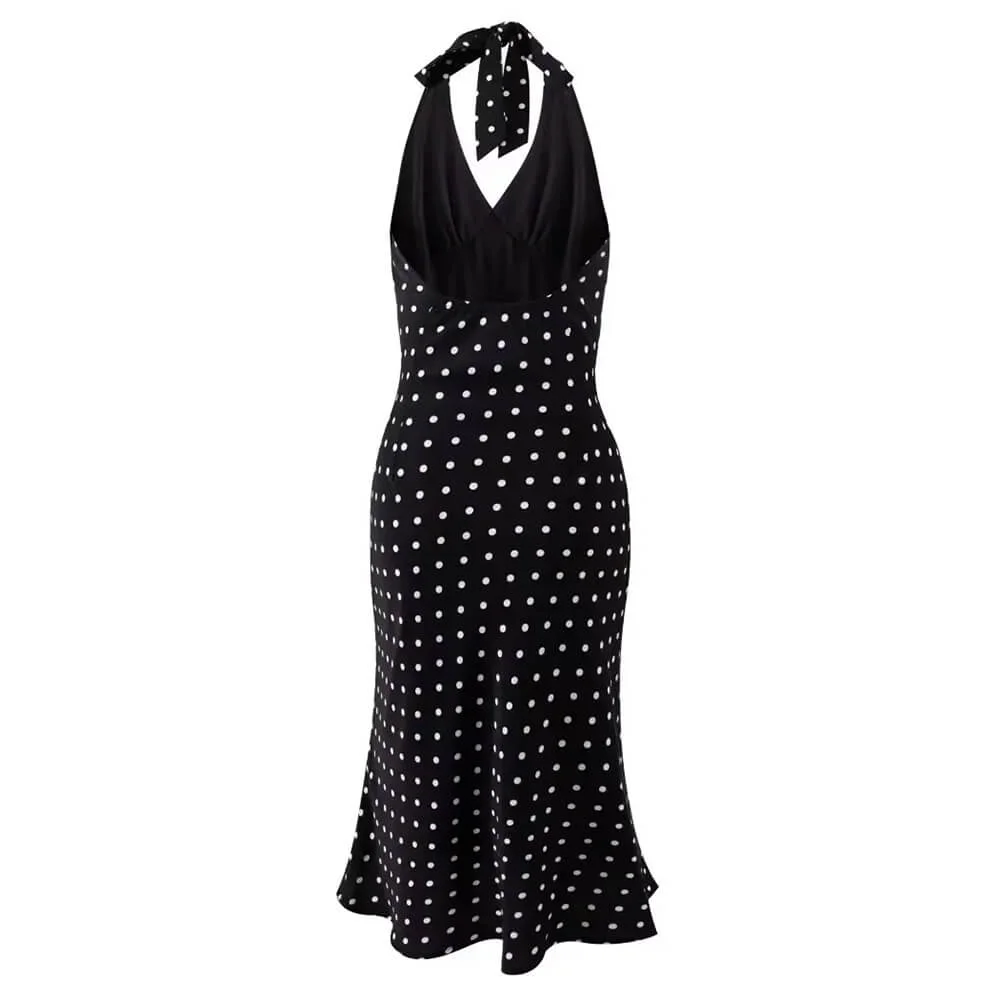
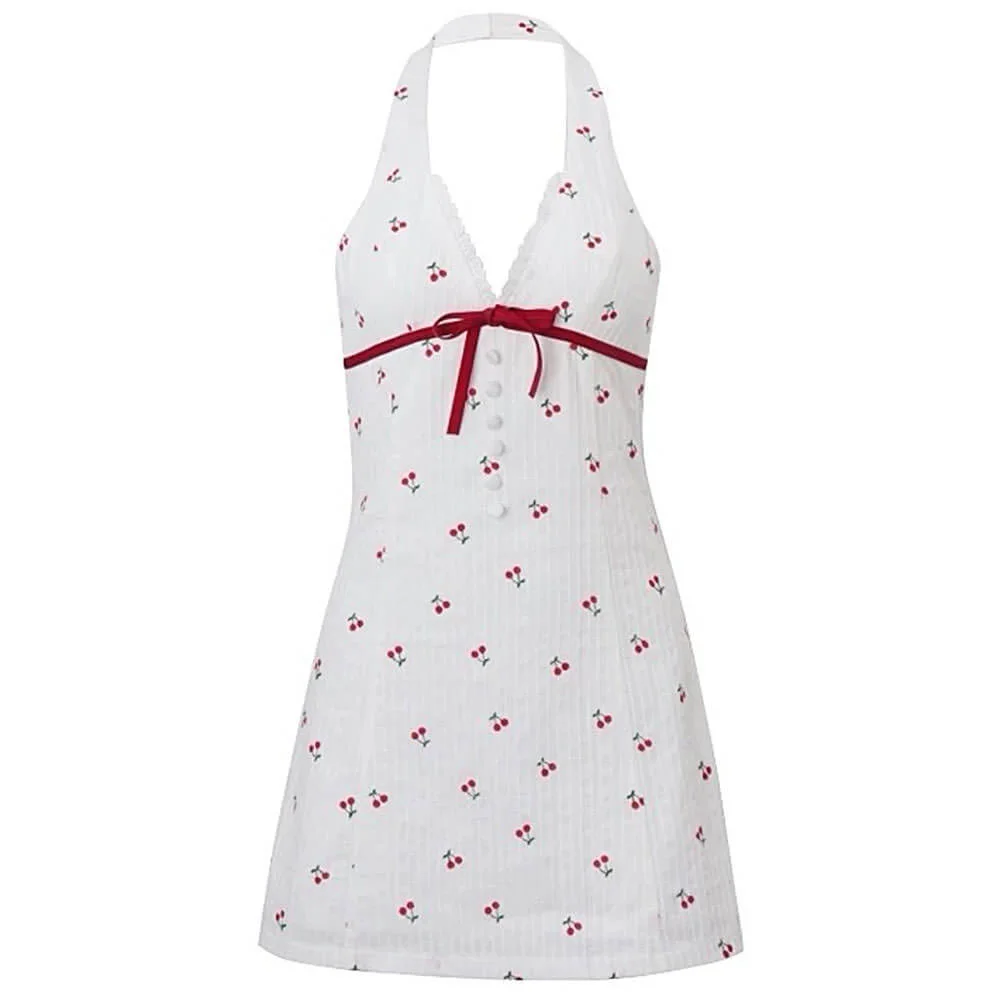
Halter dresses are the trickiest because they leave shoulders and back open. The French Summer Polka Dot Halter Dress is listed in polyester, in black or white, sizes S to M to L. The French Summer Cherry Halter Dress is listed in polyester and cotton, in white and red.
A formula: slim turtleneck or fitted long-sleeve underneath, black fleece-style tights, knee-high boots and a cropped jacket on top. The knit fills the open neckline, so the halter shape shows as a clean outline. For the cherry dress, keep the knit in a plain cream, white, or black so the cherry pattern stays clear.
Pitfalls: a bulky knit under a halter can bunch at the neck tie and shoulders. Choose something thin and smooth. Also check that the dress still fits comfortably with the layer beneath; if you're between sizes, think about the fit with layers in mind rather than only on its own.

Outfit Formula: Plaid Mini With Knit and Boots
The Cottage Summer Plaid Mini Dress is listed in polyester, in purple, in sizes S to XL. Plaid is already associated with colder weather, so it transitions more easily than most summer prints.
Try a cropped knit over it in a neutral shade, opaque tights and ankle or mid-calf boots. Add a longer coat in a solid colour. The plaid becomes the pattern, everything else stays calm. If you prefer a softer look, a cream knit and beige or black tights keeps it gentle.
For milder days, drop the coat for a cardigan. For the coldest days, add a thin base layer under the dress and swap to the thicker tights. Keep an eye on the hem: with a mini, sitting down on public transport or in a café is the real test. Tights plus a coat that covers the thighs makes this easier.

Outfit Formula: Puff Sleeves and Bouquet Prints
The Puffy Sleeves Summer Dress is listed in cotton, as pictured, in Small to Large. The Summer Bouquet Aesthetic Dress is listed in polyester, as pictured, in S to L. Both lean romantic, so keep layers soft and simple.
With the puff-sleeve dress, the sleeves are the feature, so don't cover them with a tight knit. Wear a slim turtleneck underneath if you need arm warmth, and choose a roomy coat or cape. Add dark tights and a heeled or low boot. For the bouquet dress, a fitted cardigan buttoned at the waist and thick tights works well.
Pitfall: florals can get lost under heavy layers. Let the dress show at the chest or hem, and keep the other pieces in a single tone. If the print has a colour you love, pick tights or a knit that echoes it quietly.
Outfit Formula: Summer Love and Summer Club Dresses
The Summer Love Dress is listed in cotton and polyester, options A and B, sizes Small to Large. The Summer Club Dress is listed in spandex and polyester, in blue, sizes S to L. These are two different jobs.
The Summer Love Dress suits the knit-over approach: a cropped sweater, black tights, short boots and a jacket. Check the A and B options on the product page to choose the one that suits your wardrobe colours. The Summer Club Dress is a stretchier, more fitted piece, so slip-and-tights comfort matters more. Wear a longer line coat over it, thick tights and knee boots.
With fitted fabrics, avoid layeringWearing pieces over or under one another to add depth, warmth or contrast. a heavy knit underneath since it will show every bump. Go over with a loose cardigan or jacket instead. Delivery details on the product pages say 15 to 35 days for some items, so if you want one for a specific cold snap, order with that in mind rather than at the last minute.
How to Compare Options Before You Buy
When you shop for the extras, compare in a consistent way. For tights: waist fit, thickness, colour and size range. For sweaters: length, neckline, thickness and whether it works over and under. For boots: shaft height, sole, ease on and off. For coats: length versus your usual hems, sleeve room and how it closes.
Then compare across categories. Ask whether each new piece works with at least three things you already own. A coat that only goes with one dress is a harder sell than one that works with five. The same goes for boots and knits.
Also read the product material lines and sizing carefully, since those are what the listing gives you. Don't assume stretch, lining or warmth rating that isn't stated. If something isn't listed, treat it as unknown and check before relying on it.
- Tights: waist, thickness, colour, size range
- Sweater: length, neckline, bulk
- Boots: shaft height, sole, ease of wear
- Coat: length, sleeve room, closure
Common Pitfalls and Easy Fixes
The most common problem is static and cling when slick fabric meets tights and knitwear. A slip or a thin base layer usually reduces it, and keeping a lighter-weight knit helps too. Another is the riding-up hem: try tights with a comfortable waistband and a slip, and avoid heavy coats that drag the dress upward.
Too much bulk is the next. If you're wearing fleece-style tights, a knit and a coat, the dress should be simple and have some room. Tight dress plus thick everything leads to restricted movement and visible lines. Swap one layer for a thinner version.
Last is colour clash. Print dress, patterned tights, striped knit and a checked coat is a lot. Pick one star and make the rest neutral. Keep a few reliable neutrals, such as black, cream and grey, and the system will keep working across dresses.
Quick Checklist and Next Steps
Before leaving the house, run through a short list. Check legs, arms, neck and feet are covered for the day's weather. Check the hem against the coat. Check you can sit, reach and climb stairs. If the answers are yes, you're set.
If you're building from scratch, buy in this order: tights first, since they make the most difference; then a knit; then boots; then a coat if your current one doesn't clear the hem. Use dresses you already own to test each purchase, and browse dresses later if a particular cut would suit your layeringWearing pieces over or under one another to add depth, warmth or contrast. style.
Finally, keep it flexible. A rainy day might need a longer coat and sturdier boots. A mild day might need only sheer tights and a cardigan. The same dress can handle both, which is the whole point.
- Legs: tights suited to the temperature
- Arms and neck: knit or base layer
- Feet: boots with grip you trust
- Outer: coat clearing or covering the hem
- Movement: sit, reach, walk test