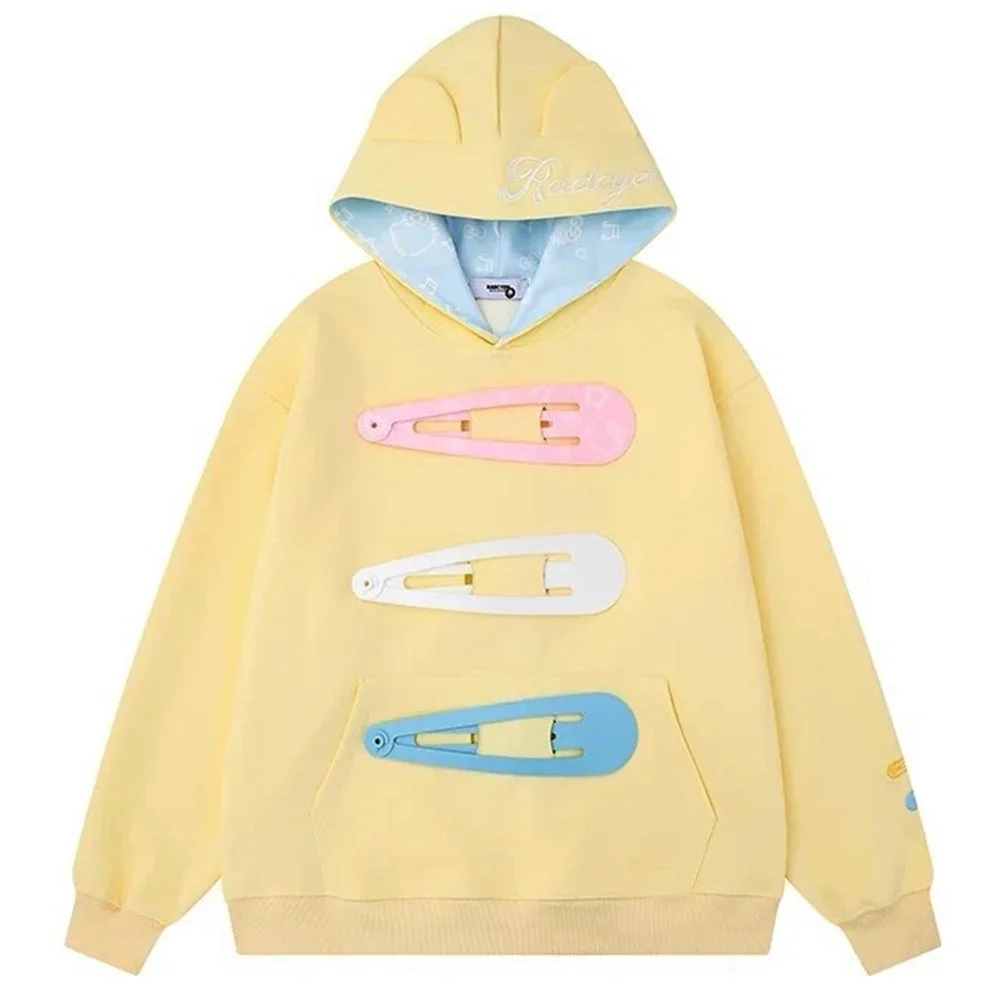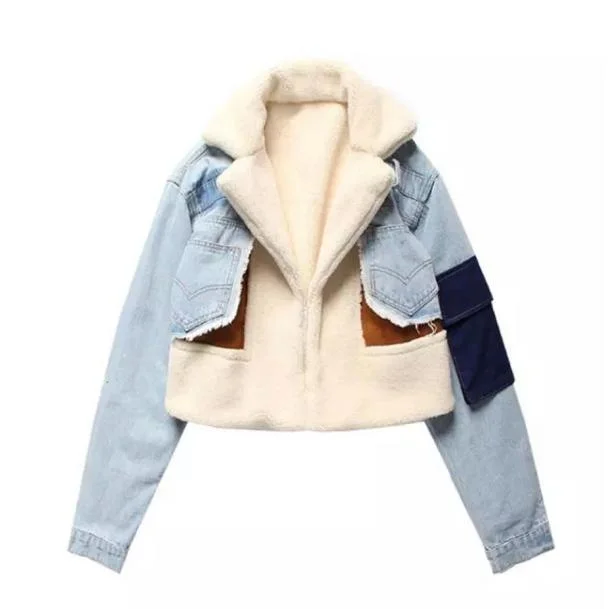
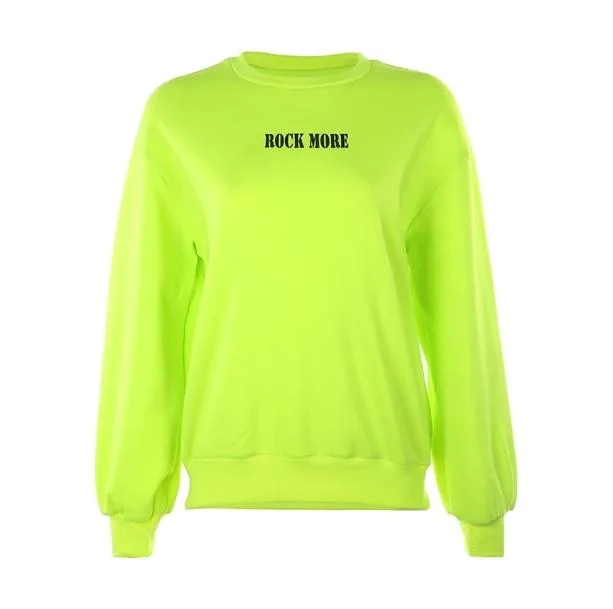
Created by the Kawaii Vibe editorial team. Our named style desks are editorial personas. Product details and availability can change.
Styling a tomboy hoodie comes down to understanding how fabric weight and volume sit against the rest of your clothes. When you choose a roomy, relaxed fleece or terry sweatshirt, your main objective is preventing the garment from swallowing your frame while keeping that laid-back, utilitarian energy completely intact. It is not about turning an oversized hoodie into something tidy or formal; it is about creating intentional contrast through hemlines, cuff breaks, and straight-falling pants.
A great outfit built around a hoodie relies on clean vertical balance. If the top block is loose and dropped at the shoulders, the lower half needs enough weight to anchor it, whether through wide-leg denim, straight utility trousers, or structured twill. In this guide, we break down how to dial in hem heights, layer tops underneath and over collars, pick the right footwear base, and build adaptable outfits that look deliberate from morning to night.
Understanding Hem Placement and Torso Proportions
The vertical break of your hoodie sets the tone for your entire silhouetteThe overall shape an outfit creates, from fitted to loose and layered.. A classic relaxed hoodie usually features an elasticated or ribbed bottom band that sits anywhere from the mid-hip down past the groin. When a thick ribbed hem squeezes tightly around your widest point, it creates a bubble effect that traps visual weight right at your hips. To establish a clean line, you want the waistband to either fall naturally straight without intense tension or fold upward slightly so it sits directly at your belt line.
Folding or tucking the ribbing under changes how long your legs appear. When you let the hem hang fully extended over low-rise trousers, your torso looks elongated and your overall height visually drops. This works well if you want a skater-inspired drape, but if you want a balanced everyday look, tucking the ribbing inward to rest right at your natural waist allows straight-leg pants to show their full inseam. That small hem adjustment immediately adds structure without sacrificing comfort.
When deciding between cuts, compare where the seam finishes against your wrist and hips. Dropped shoulders will naturally pull extra fabric toward the sides, so you need the vertical bottom line to stay relatively disciplined to avoid an undefined look.
Base Layers: Collar Lines and Hem Peeks
What you place under your hoodie directly shapes how the collar and bottom edge present themselves. A basic crewneck t-shirt worn underneath should not just be an invisible undergarment; letting one to two inches of a crisp jersey hem peek beneath the hoodie waistband breaks up solid blocks of color. This split gives your torso visual definition, showing that your outfit consists of distinct, intentional pieces rather than one large mass of fleece.
Around the neckline, the interaction between your base top and the hood drawstring area matters just as much. Wearing standard tomboy t-shirts with a snug, high crew neckline ensures a tidy strip of contrast fabric sits visible beneath the throat. This prevents friction from heavier hoodie collars and keeps your chest line looking sharp even when the hood lays flat across your upper back.
If you prefer a lighter base that prevents bulk around your elbows and forearms, look through airy tomboy tops like sleeveless tanks or ribbed cotton baselayers. A fitted base keeps your core insulated without creating annoying bunching inside relaxed sleeves, ensuring the outer fabric falls smoothly down your arms.
Balancing Volume: Wide-Leg vs. Straight Denim
The quickest way to make a roomy hoodie look awkward is pairing it with flimsy or overly tight pants that cannot support its visual weight. A substantial hoodie requires trousers with equal visual presence. Straight-leg jeans create a dependable plumb line directly from the hoodie hem down to your shoes, whereas tapered skinny jeans often exaggerate top-heavy proportions in an unflattering, inverted-triangle shape.
Wide-cut denim provides an effortless counterweight to boxy sweatshirts. For example, pairing a deep navy or washed black pullover with the Sky Blue Street Style Jeans offers a crisp color contrast while the 100% cotton construction maintains a structured drop through the legs. The rigid cotton fabric holds its own shape, ensuring the hem of the hoodie transitions smoothly into a relaxed leg line without collapsing inward.
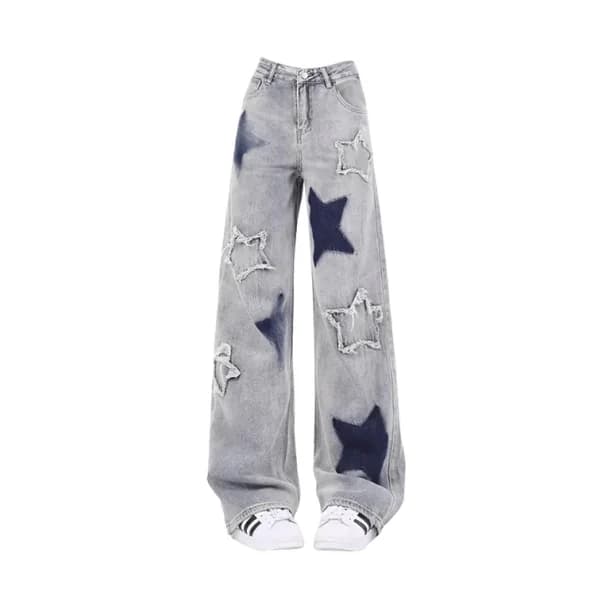
If you enjoy distinct accents and playful details on your lower half, you can introduce items like the Street Style Star Pants, which blend cotton and polyester to create a soft, skate-ready drape. The star patchwork details draw the eye downward, grounding the top volume and keeping attention moving evenly across the entire outfit.


Alternative Bottoms: Cargo Twill and Utility Trousers
Denim is not your only option when framing a hoodie. Utility trousers, cargo pants, and structured workwear trousers provide flat-weave textures that contrast nicely against the brushed surface of fleece. Cargo pockets add dimensional interest along the mid-thigh and shin, which visually anchors an oversized top and prevents your legs from looking like simple solid columns.
To lean into a more industrial or punk-inspired street style, the Aesthetic Pants With Chain offer utilitarian practicality in neutral Black or Khaki options. The metal chain hardware and structured pocket flaps introduce sharp tactile details that counterbalance the soft, cozy nature of a cotton-blend hoodie. You get a balanced mix of laid-back comfort up top and deliberate hardware below.
When selecting cargo cuts, avoid ultra-thin synthetic fabrics that cling to your calves. Look for mid-weight canvas, cotton twill, or structured ripstop. A slightly wider leg opening also ensures your hem stacks naturally over boots or sneakers rather than bunching into tight, chaotic folds around your ankles.

Cropped and Boxy Cuts: Rethinking Midriffs and High Waists
A cropped tomboy hoodie is fundamentally different from a dainty activewear top; it relies on a wide, boxy torso paired with a sudden horizontal chop at the natural waistline. This silhouetteThe overall shape an outfit creates, from fitted to loose and layered. eliminates the bulk of bottom ribbing entirely, letting you experiment with high-rise waistbands, wide utility belts, and exposed undershirts without dealing with excess fabric gathering around your hips.
Pairing a wide-cut cropped hoodie with relaxed trousers allows your natural waist to serve as an anchor point. You can wear the high-waisted Tomboy Purple Loose Jeans beneath a cropped grey or black pullover to bring an energetic pop of dyed cotton into your rotation. The loose cut through the thighs balances the open space created by the cropped hem, maintaining an easygoing, confident proportion throughout.
If you prefer full coverage, you can always layer a longer, contrasting tee underneath the cropped cut. The cropped hem acts like a visual frame, highlighting the base shirt underneath and giving you an easy way to play with contrasting hem lengths and horizontal stripes.


Layering Outerwear Over Your Hoodies
Putting a jacket over a bulky hoodie requires careful planning around armhole depth and shoulder seams. If your jacket has high, narrow armholes, your hoodie will bunch uncomfortably into your armpits and restrict your arm movement. You need loose, unstructured outerwear with dropped arm openings so the fleece can sit flat across your chest and back.
Workwear jackets, denim chore coats, and boxy utility pieces are ideal candidates. The Army Girl Jacket features a utilitarian cut that provides enough room through the torso and sleeves to accommodate a mid-weight pullover without straining the front closure. The crisp collar of an outer coat framing your pulled-out hood creates a clean, intentional layered stack around your neck.
When building cold-weather outfits, check out the broader selection within tomboy jackets to find oversized parkas, windbreakers, and coach jackets. The secret is ensuring the jacket hem ends either distinctly above the hoodie hem or covers it completely; an outerwear hem that finishes at the exact same millimeter as your sweatshirt hem can look accidental and crowded.
Before layeringWearing pieces over or under one another to add depth, warmth or contrast. a hoodie under a jacket, raise and bend your arms to check that the shoulders and sleeves still move freely. If you want an everyday outfit with roomier proportions, the K-Pop Boy Outfits collection pairs roomy tops with cargo trousers and outer layers; compare garment measurements to allow for the layers you plan to wear.
Hoodie Over Lightweight Knits and Button-Downs
While hoodies usually function as outer mid-layers, you can also use them to frame unexpected collared shirts and unique textures underneath. An oversized button-down shirt worn beneath a pullover hoodie—with the stiff collar points tucked neatly inside the hood and the rounded shirttails hanging below the hem—brings an instant collegiate twist to a tomboy aesthetic.
Textural variation keeps your outfit engaging even when you stick to monochrome shades. Swapping your regular jersey base layer for the textured knit of a Grunge Style Sweater introduces a touch of polyester-acrylic weave beneath an open zip-up hoodie. The contrast between rough-textured knitwear and smooth sweatshirt cotton gives your look depth without demanding extra accessories.
Pay close attention to cuff styling when layeringWearing pieces over or under one another to add depth, warmth or contrast. different sleeve weights. Push the hoodie cuffs up your forearms by two inches and allow the under-layer sleeves to extend straight to your wrists. This reveals the layer beneath and prevents your wrists from feeling swallowed by heavy rolled fleece.
Warm-Weather Adaptations: Hoodies with Shorts
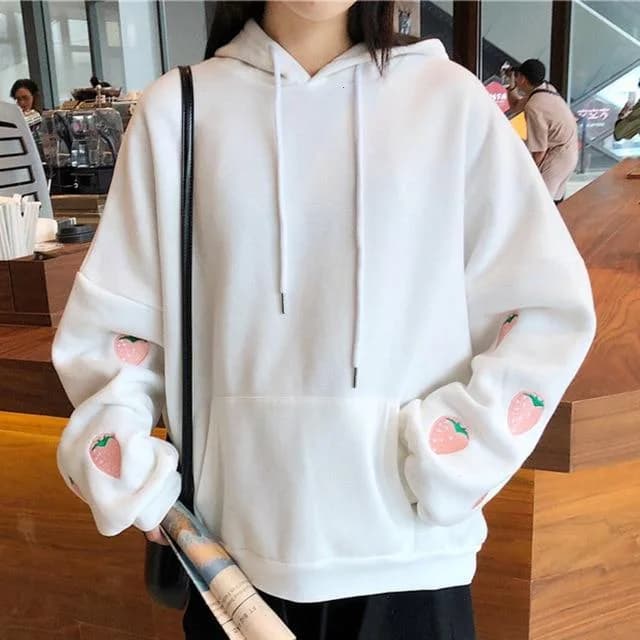
When transitional weather sets in, combining a long-sleeve hoodie with relaxed shorts is one of the most reliable formulas in casual dressing. The contrast of completely covered arms and exposed legs creates a distinctive, laid-back skater aesthetic. The key to making this work is choosing shorts with enough length and structure so your top half does not completely obscure your bottoms.
Short, form-fitting running shorts often disappear under a roomy hoodie, making it look as though you forgot to wear bottoms. Instead, pair your favorite sweatshirt with the Retro Style Straight Leg Shorts. Their cotton-polyester construction and classic straight leg provide a sturdy, knee-skimming frame that peeks out intentionally beneath oversized hems.
For footwear in this configuration, lean toward mid-calf crew socks paired with flat skate shoes or retro running sneakers. The socks bridge the visual gap between your bare shins and low-profile shoes, grounding the airy silhouetteThe overall shape an outfit creates, from fitted to loose and layered. and mirroring the sporty feel of the hoodie up top.
Color Blocking vs. Monochrome Palettes
Color choice directly alters how heavy a hoodie feels within an outfit. A deep, solid colorway like charcoal, washed black, or forest green absorbs light and creates a cohesive, streamlined look. When you pair an olive or graphite hoodie with dark pants, you minimize harsh horizontal lines, allowing the focus to remain on your accessories, shoe profile, and the texture of the garments.
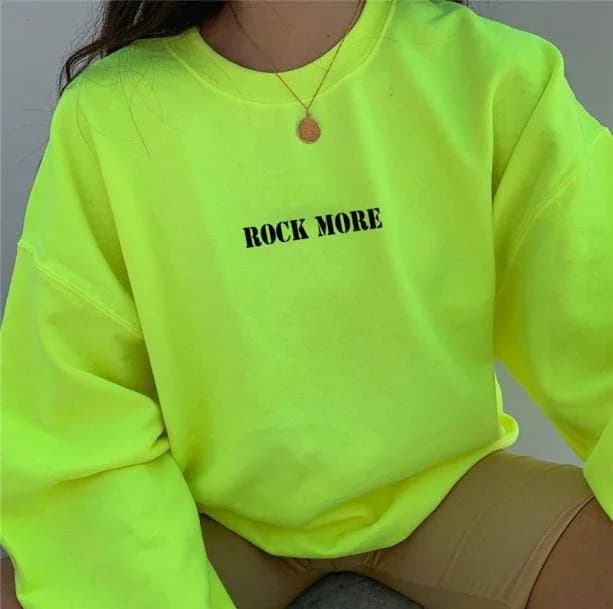
On the other hand, a vibrant top creates an undeniable focal point. If you introduce a bold piece like the Neon Sweatshirt Green, the rest of your outfit should provide a quiet, grounding foundation. Pairing high-saturation tops with neutral black work pants, raw indigo denim, or slate grey utility trousers prevents the neon shade from overwhelming your personal style.
When experimenting with color blocking, try to repeat your secondary tone somewhere else in the outfit. If your hoodie features an off-white graphic print or cream drawstrings, choosing off-white canvas sneakers or an unbleached cotton tote bag pulls the entire composition together naturally.
A bright hoodie can work with American-casual touches while keeping its relaxed tomboy feel. Layer a graphic tee beneath a muted hoodie, then choose straight-leg denim to give the color contrast a steady base. Add one playful accent, such as a varsity-style cap or jacket detail, and keep the shoes neutral. See the Amekaji Clothes collection for related denim and graphic-layer ideas.
Footwear Pairing: Grounding the Relaxed Silhouette
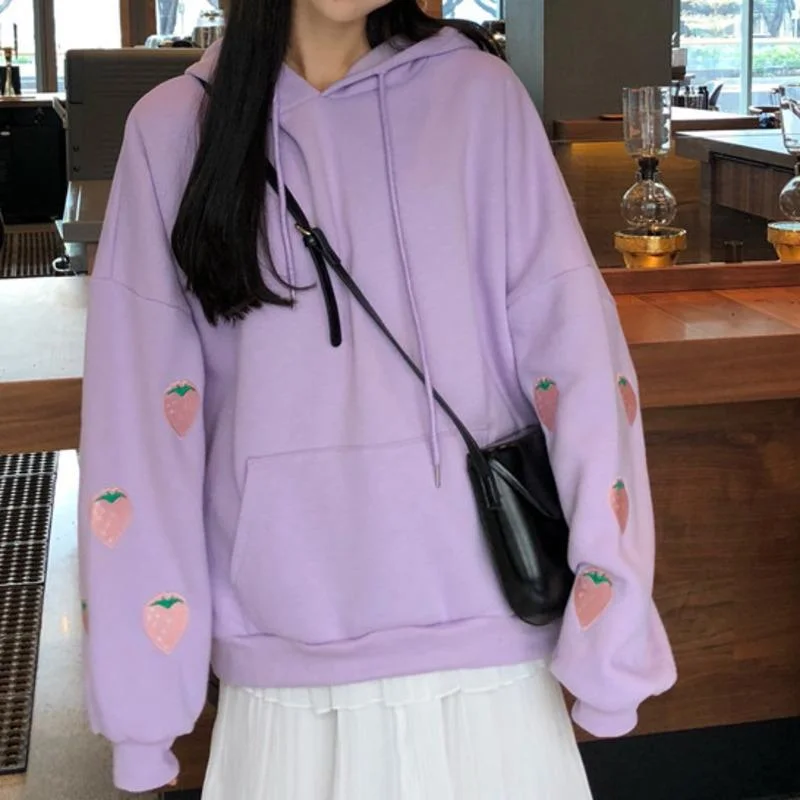
Because an oversized tomboy hoodie generates significant volume around your upper torso, your footwear needs to provide enough visual weight to anchor the entire outfit. Dainty, low-profile slip-ons or ultra-thin ballet flats will cause your silhouetteThe overall shape an outfit creates, from fitted to loose and layered. to look top-heavy, as if your upper body is overwhelming your feet. You want shoes with substantial outsoles and solid profiles.
Classic skate sneakers with vulcanized rubber soles, chunky retro basketball shoes, and lug-sole work boots are the most dependable companions for relaxed hoodies. The thickness of a chunky sole catches the wide hem of your trousers, creating a crisp break where the denim stacks cleanly instead of dragging along the ground. This preserves clean lines from top to bottom.
If you are wearing straight-cut denim or rolled trousers, high-top canvas sneakers also work brilliantly. The high ankle collar supports the lower hem of your pants, maintaining vertical continuity between your legs and the floor without cutting your ankles off awkwardly.
Accessory Choices: Caps, Bags, and Minimal Hardware
The tomboy aesthetic shines brightest when accessories feel functional rather than decorative. A hoodie already features built-in utility with its kangaroo pocket and drawstring hood, so additional accessories should complement that practical spirit. Structured low-profile baseball caps, five-panel camper hats, and simple ribbed beanies are effortless headwear choices that fit comfortably alongside a draped hood.
When carrying your daily gear, opt for utilitarian cross-body messenger bags, nylon sling packs, or durable canvas totes. Backpacks can sometimes crush the back of your hood and make the neckline bunch awkwardly against your throat. A wide-strap messenger bag worn across the chest keeps your hands free, stabilizes the hoodie fabric, and adds another diagonal line across your torso.
Keep jewelry minimal and deliberate. A simple stainless steel chain necklace peeking out from an open neck collar or a pair of classic small hoops adds polish without clashing against the rugged, comfortable nature of athletic cotton fleece.

Adapting to Weather and Unpredictable Temperatures
A solid hoodie is one of the most functional garments you can own, adapting easily across changing seasons with minor styling tweaks. During damp, windy autumn afternoons, pulling your hood up beneath an open, water-repellent shell provides neck insulation without requiring a bulky winter scarf. The hood acts as a built-in neck warmer that sits comfortably under your collar.
During warmer spring days, you can transition a zip-up hoodie into a lightweight cardigan alternative. Wear it completely unzipped over a fitted tank top, pushing the sleeves up to your elbows to expose your forearms. This allows air to circulate easily while retaining the relaxed frame of the dropped shoulders around your back and torso.
If the temperature spikes unexpectedly while you are out, do not just tie the hoodie around your waist like an afterthought. Sling it diagonally across your chest, knotting the sleeves over one shoulder like a utility sash. This keeps the garment secure, off your hips, and turns an extra layer into a dynamic styling element.
Common Styling Pitfalls and How to Fix Them
One common mistake when styling tomboy hoodies is wearing items that are simply three sizes too big across every dimension without any structural anchor. Baggy can look intentional, but shapelessness occurs when your shoulders droop past your mid-bicep while your sleeves cover your fingers completely and your pants puddle into an undefined mess around your heels. Always balance width with intentional breaks.
Another frequent issue is competing collar bulk. LayeringWearing pieces over or under one another to add depth, warmth or contrast. a thick hoodie underneath a jacket that already has an oversized, heavily padded shearling collar causes severe crowding around your neck, forcing your head forward and restricting natural movement. Reserve hooded mid-layers for outerwear pieces with flat shirt collars, band collars, or collarless necklines.
Lastly, watch out for fabric fatigue. A hoodie that has lost all its elasticity in the hem ribbing will hang like an uneven curtain. If the bottom band stretches out permanently, lean into that relaxed drape by layeringWearing pieces over or under one another to add depth, warmth or contrast. a slightly longer straight-cut t-shirt underneath to create an intentional stepped hemline rather than fighting the looseness.
Curating Your Tomboy Wardrobe: The Selection Checklist
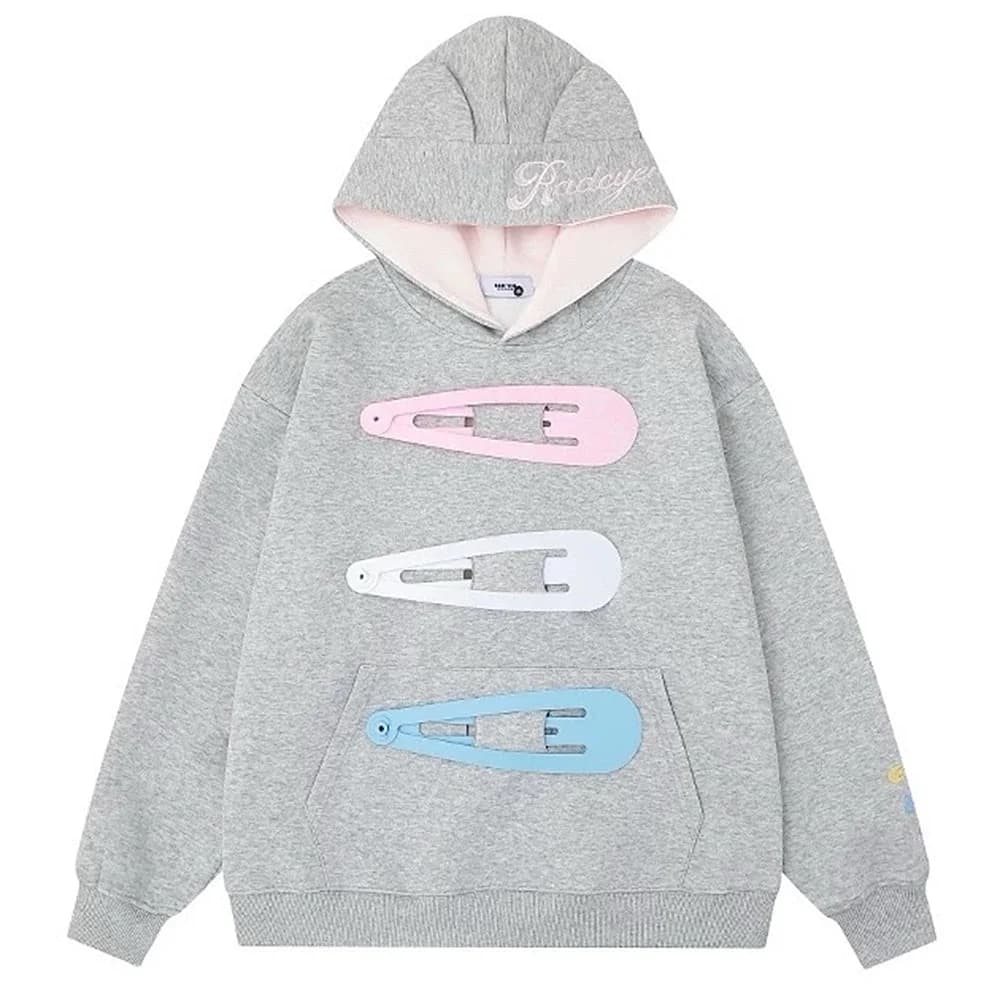
When shopping for your next rotation staple, start by exploring dedicated selections of tomboy hoodies and versatile tomboy clothes. Look closely at fabric descriptions to identify pieces that balance heavyweight warmth with everyday breathability. Blends with high cotton ratios will give you that classic structured drape, while small amounts of synthetic fibers can help retain shape after frequent washing.
Review your wardrobe honestly against these points. When your hoodies have the right weight, hem height, and shoulder cut, putting together a relaxed, well-proportioned tomboy outfit becomes second nature.
Before adding a new piece to your closet, run through this practical styling checklist to ensure it works with the bottoms and layers you already wear every week:
- Check the hem ribbing: Ensure it sits flat against your belt line or folds cleanly under without squeezing hips tightly.
- Confirm shoulder room: Dropped shoulder seams should allow easy movement without pulling the collar backward.
- Balance trouser weight: Pair wide-cut fleece tops with substantial fabrics like 100% cotton denim, twill, or structured cargo canvas.
- Mind the neck stack: Verify that your outer jackets have enough collar clearance to let the hood lay smooth across your upper back.
- Anchor with footwear: Match the wide proportions of your outfit with vulcanized sneakers, retro trainers, or lug-sole boots.